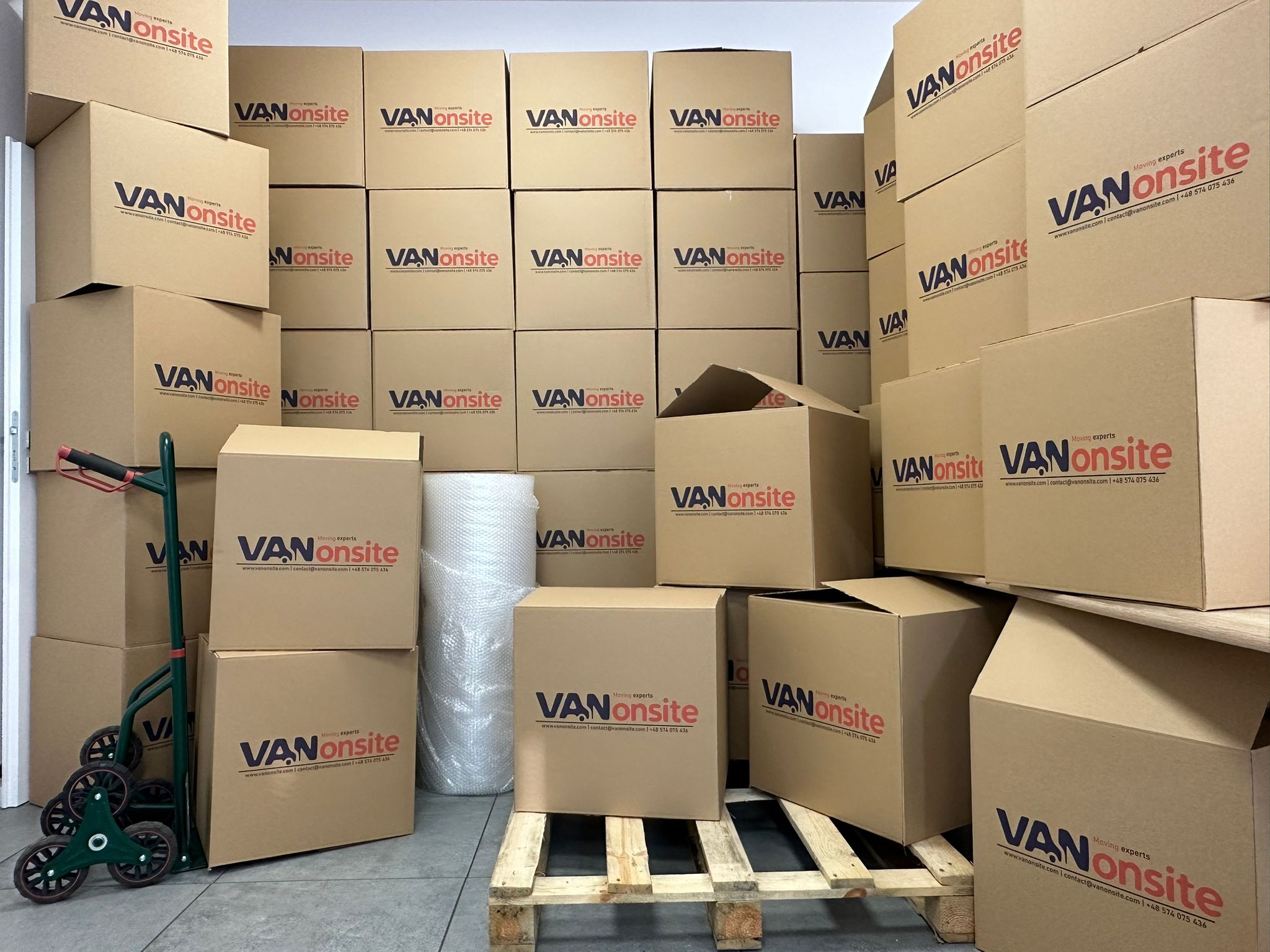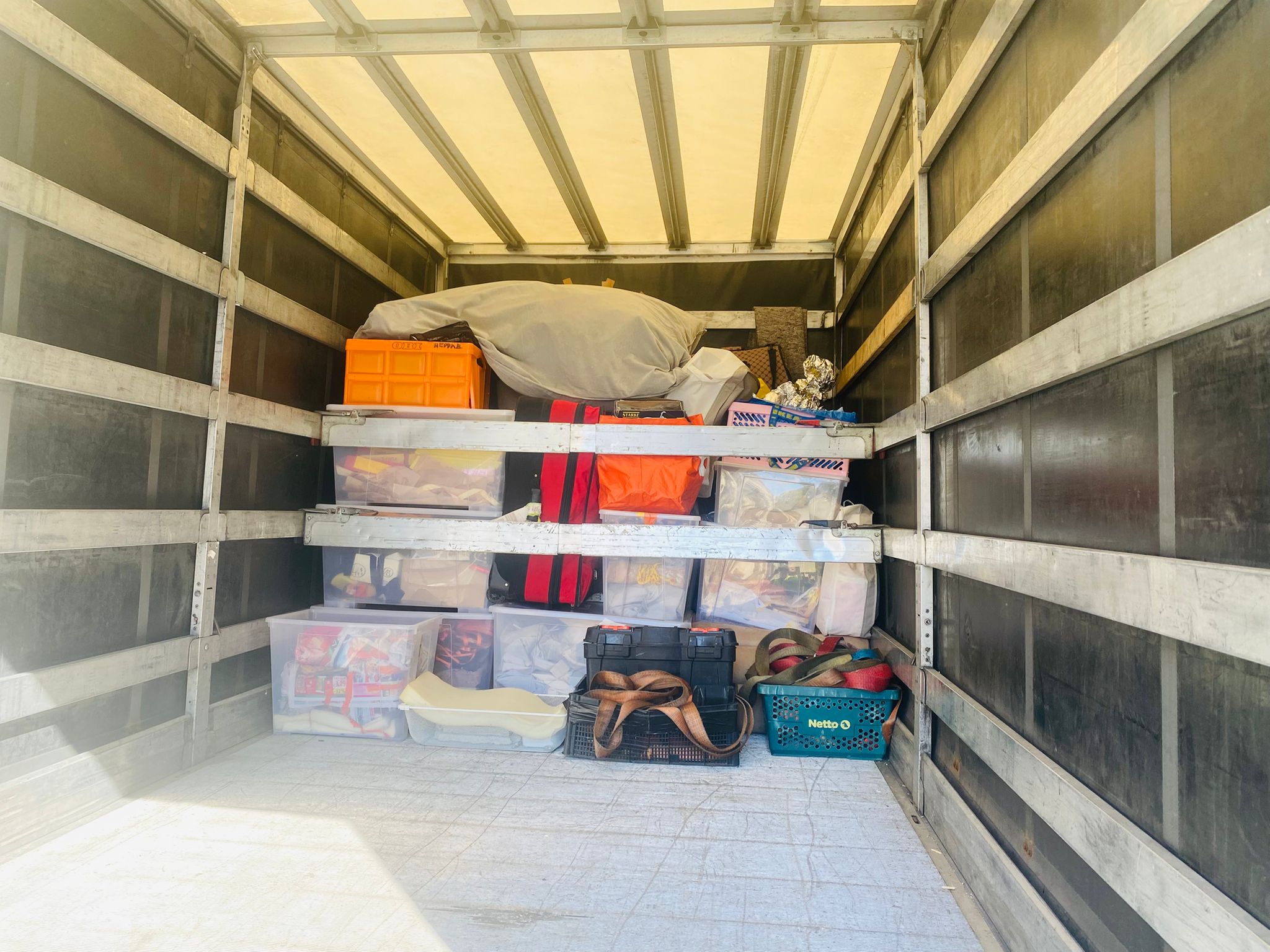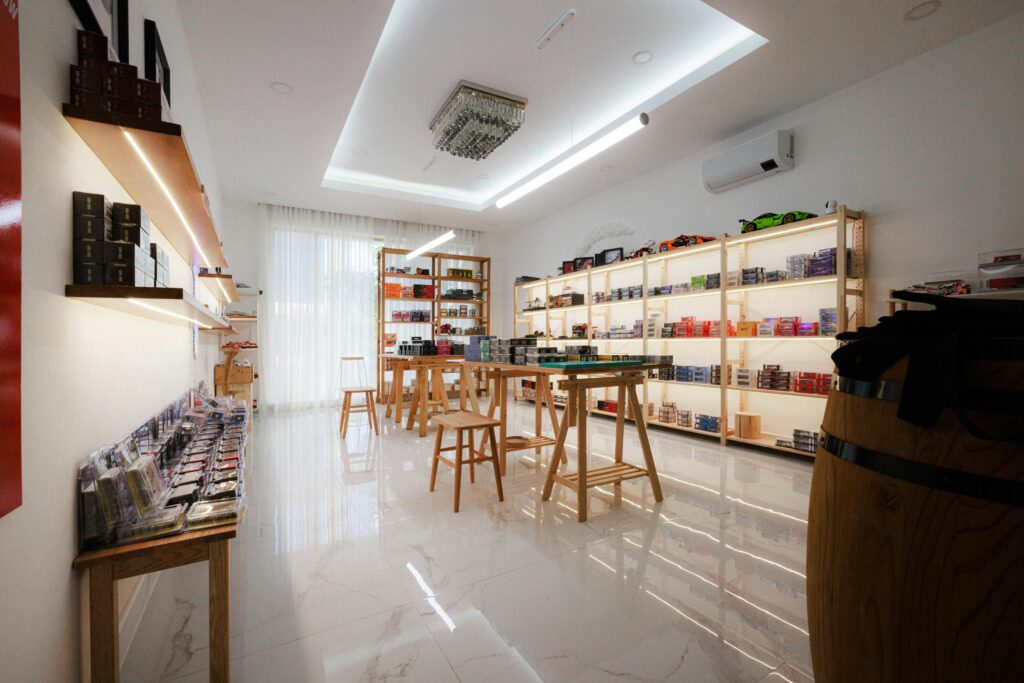
A successful retail store setup starts long before the doors open. It starts in the quiet chaos behind the scenes, when counters are still wrapped, stock is in transit, shelving has not been built, and every missed hour pushes the launch closer to trouble. Store openings move fast. Expectations move even faster. When delivery, fixture installation, stock movement, and final layout are split across too many suppliers, small mistakes can snowball into expensive delays.
That is where many retail launches lose their edge. A display unit arrives on time, yet the rails are missing. The stock reaches site, but the back room is not ready. The fitting area looks half finished. The team is present, but they cannot merchandise, test the flow, or prepare for customers with confidence. In retail, first impressions are not a detail. They are the opening statement. If the store feels rushed, disjointed, or unfinished, the effect can be immediate.
A strong retail store setup solves that problem by bringing the whole process into one coordinated rhythm. Transport, timing, unloading, fixture placement, installation, and launch readiness work together instead of colliding. That means less pressure, fewer surprises, and a far cleaner route from empty unit to ready to trade space.
For retailers expanding across Europe, relocating to a better site, refreshing an ageing store, or opening a new concept location, that joined up structure can protect both revenue and momentum. VANonsite supports that process with secure transport, careful handling of furniture and fixtures, smart delivery sequencing, and GPS tracking for every load. The result is simple. More control. Faster setup. A store that feels ready when it matters most.
TL:DR
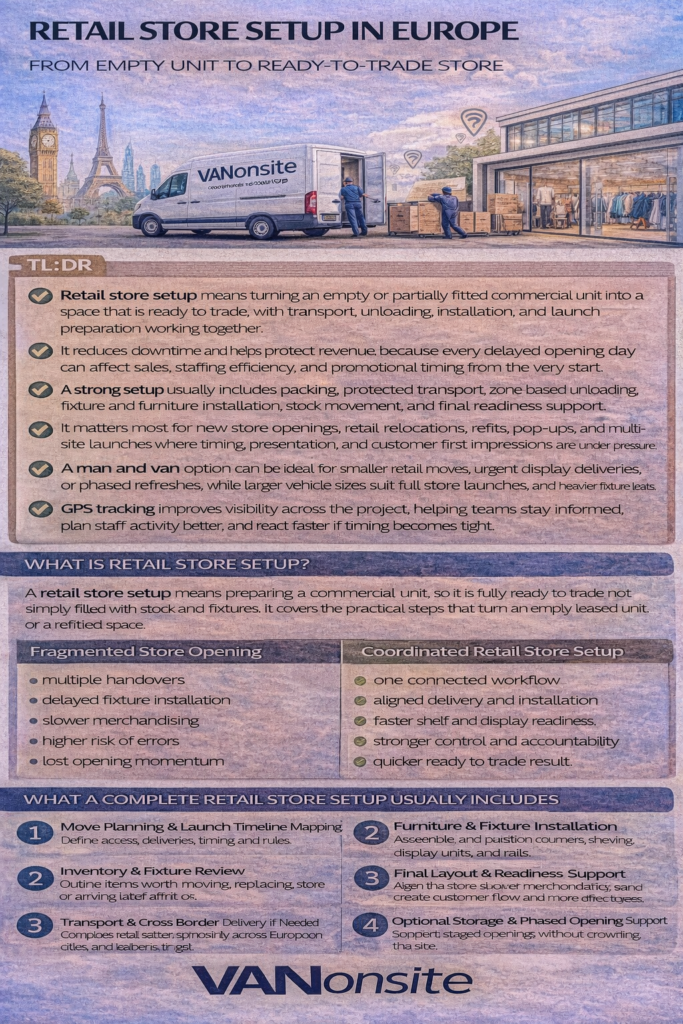
- Retail store setup means turning an empty or partially fitted commercial unit into a space that is ready to trade, with transport, unloading, installation, and launch preparation working together.
- It reduces downtime and helps protect revenue, because every delayed opening day can affect sales, staffing efficiency, and promotional timing from the very start.
- A strong setup usually includes packing, protected transport, zone based unloading, fixture and furniture installation, stock movement, and final readiness support.
- It matters most for new store openings, retail relocations, refits, pop ups, and multi site launches where timing, presentation, and customer first impressions are under pressure.
- A man and van option can be ideal for smaller retail moves, urgent display deliveries, or phased refreshes, while larger vehicle sizes suit full store launches and heavier fixture loads.
- GPS tracking improves visibility across the project, helping teams stay informed, plan staff activity better, and react faster if timing becomes tight.
- VANonsite supports retailers across Europe with secure transport, flexible fleet sizes, commercial delivery awareness, and a practical approach that helps stores open faster and with far less friction.




What Is Retail Store Setup?
A retail store setup means preparing a commercial unit so it is fully ready to trade, not simply filled with stock and fixtures. It covers the practical steps that turn an empty shell, a newly leased unit, or a refitted space into a store that can actually welcome customers. In real terms, that can include transport, unloading, fixture placement, furniture assembly, stock movement, and final layout support. For retailers opening a new branch, relocating to a better site, refreshing a tired space, or launching a seasonal concept, retail store setup creates a cleaner, faster, and far more controlled route to opening day.
What makes it so valuable is the way it reduces the gaps between movers, fit out teams, and in house staff. Instead of relying on disconnected suppliers and rushed last minute fixes, the whole process can be coordinated around one commercial goal. Get the store ready to trade without avoidable friction.
A complete retail store setup usually includes:
- packing and protected loading for stock, fixtures, counters, and fragile branded assets
- store relocation and delivery across Europe for single site and multi site projects
- room or zone based unloading to separate stockroom, shop floor, till area, fitting rooms, and back office items
- fixture and furniture assembly so the space becomes usable faster
- merchandising support through smarter placement flow and better sequencing
- storage if needed for phased launches, delayed access, or staged refits
- white glove handling for fragile, premium, or highly branded items
- GPS tracked transport for better visibility across tight retail timelines
Retailers choose this model because it protects speed, presentation, and control all at once. A store can have great products, a strong location, and a promising launch campaign, yet still lose momentum if the setup is messy. A strong retail store setup helps prevent that. It gives the business a sharper opening, a calmer team, and a space that feels ready when customers walk through the door.
Why Retail Store Setup Matters More Than Most Retailers Expect
Many retailers underestimate how much of the launch outcome is decided before the first customer even arrives. They focus on product, branding, pricing, and promotions, which all matter. Yet if the physical store is not ready on time, those advantages can lose force almost instantly. That is why retail store setup matters more than most retailers expect. It protects revenue, presentation, staff efficiency, and the quality of the opening itself.
Every delayed trading day can cut revenue immediately. In some cases, a 1 to 3 day delay can disrupt launch sales, staffing plans, local advertising, and supplier timing all at once. The financial effect is not limited to rent and wages. It also touches momentum. A store that opens late or opens looking half finished can weaken customer trust before the first week is over.
The damage is often subtle, but costly. When shelving arrives late, the team cannot merchandise properly. When counters are not assembled, the till area feels unfinished. When stock is unloaded without clear zoning, the stockroom becomes chaotic and staff waste hours moving the same items twice. Fragmented delivery creates drag. Coordinated retail store setup removes it.
This is where structured planning makes a real commercial difference. Coordinated delivery and installation can reduce setup friction by 30% to 50% compared with a scattered vendor model. Clear zoning and room based unloading can also cut repeat handling significantly, which means less wasted labour, faster merchandising, and a smoother path to opening.
| Fragmented Store Opening | Coordinated Retail Store Setup |
|---|---|
| multiple handovers | one connected workflow |
| delayed fixture installation | aligned delivery and installation |
| slower merchandising | faster shelf and display readiness |
| higher risk of errors | stronger control and accountability |
| lost opening momentum | quicker ready to trade result |
The real value goes beyond logistics. A polished launch changes how the space feels. Staff move with more confidence. Product presentation looks stronger. Customers sense order, energy, and professionalism from the first visit. That is why retail store setup is not only an operational service. It is a commercial advantage that can shape the opening days of the business in powerful ways.
What a Complete Retail Store Setup Usually Includes
A complete retail store setup is not one isolated service. It is a connected sequence of decisions and actions that turns a vacant unit or tired retail space into a store that is ready to trade. The strongest store openings rarely happen by accident. They happen because the timeline is clear, the load is protected, the delivery flow is controlled, and every stage supports the next one.
This matters because retail launch pressure is unforgiving. If the stock arrives before the back room is organised, the team loses time. If shelving lands before the floor is ready, everything slows down. If counters, rails, signage, and display units arrive in the wrong order, staff end up working around clutter instead of preparing for customers. A well managed retail store setup prevents that kind of drag and keeps the opening sequence sharp.
A practical retail store setup usually includes these core stages:
- Move planning and launch timeline mapping
Every successful launch begins with timing. Opening dates, landlord access, shopping centre rules, delivery windows, and installation sequencing all need to be aligned early. This stage helps retailers avoid painful last minute clashes that can delay opening and inflate labour costs. - Inventory and fixture review
Before the move begins, the business needs a clear picture of what is moving, what is being installed, what can be stored, and what should arrive later. This step cuts confusion, protects budget control, and makes the setup far easier to manage once the project is in motion. - Packing and asset protection
Shelves, counters, POS units, mannequins, lighting elements, signage, and boxed stock all need the right level of protection. Good packing is not only about neatness. It reduces damage risk, protects branded assets, and helps preserve launch quality when every piece matters. - Transport and cross border delivery if needed
For retailers moving between cities or countries, transport needs to be planned around more than distance. Access rules, route timing, delivery windows, and store opening targets all shape the schedule. A strong retail store setup keeps those moving parts under control. - Zone based unloading
This is where speed starts to become visible. Instead of dropping everything in one place, goods are unloaded by zone, such as the stockroom, shop floor, fitting rooms, cash desk area, and back office. That simple structure can cut repeat handling dramatically and help the team move straight into installation and merchandising. - Furniture and fixture installation
Counters, shelving, rails, cabinets, display units, and storage systems all need to be assembled and positioned with care. For stores that also include staff workstations, support desks, or back office areas, professional office furniture installation can fit naturally into the wider commercial setup and save valuable time on site. - Final layout and readiness support
Once the heavy work is done, the last details shape the real trading environment. Practical positioning, smarter traffic flow, and a clean launch sequence help the store feel polished instead of patched together. This stage is where operational readiness meets customer experience. - Optional storage and phased opening support
Not every retail launch happens in one perfect wave. Some stores open in stages. Others wait on landlord approval, delayed fit out work, or staggered stock arrivals. Flexible storage and phased support make it easier to protect the schedule without overcrowding the site too early.
The strength of a complete retail store setup lies in the way each stage supports the next. Done well, it creates less chaos, less wasted labour, and a much cleaner path to opening day. For retailers who want speed without disorder, that joined up structure is a major competitive advantage.
Retail Store Setup for New Openings, Relocations, and Refits Across Europe
Retail projects across Europe can move at exhilarating speed, but they can also unravel quickly if the logistics are weak. A new opening in another country, a relocation after lease expiry, a refit under time pressure, or a pop up launch in a temporary space all come with the same core challenge. The store has to look right, function properly, and open on time. That is exactly where a well planned retail store setup becomes invaluable.
Different countries bring different delivery realities. Some shopping centres have strict service entrance hours. Some city locations have tight unloading rules or local access limits. Some buildings require precise coordination with landlords or centre management before any fixture crosses the threshold. For retailers expanding across Europe, that means simple transport is not enough. They need speed, control, and visibility built into the project from the start.
This is especially important when opening a new branch in another country. A strong brand launch depends on more than great design and stock selection. The store has to be physically ready, commercially polished, and operationally calm from the first trading day. The same is true when relocating an existing retail unit. Lease deadlines, stock continuity, and customer expectations can all tighten the window for error.
Refits create their own pressure. A shop may need to refresh layout, replace fixtures, update the customer journey, or modernise the space without losing launch timing. In those cases, retail store setup helps create a controlled sequence for removing, delivering, installing, and positioning assets so the transition feels cleaner and more deliberate.
For smaller projects, a full scale transport solution is not always necessary. Sometimes the smartest option is a flexible man and van service for urgent display deliveries, partial refreshes, selected stock movement, or smaller retail site changes. That agility can be incredibly valuable when the project is tight, targeted, or staged over several days.
VANonsite supports this kind of European retail movement with secure transport, fast execution, GPS shipment visibility, flexible fleet sizes, and strong commercial awareness of retail timing. That combination matters because store launches are rarely forgiving. The team needs to know where the load is, what arrives first, and how the schedule will hold under pressure.
The fleet options also make it easier to match transport size to the real demands of the project.
| Service Option | Capacity | Max Weight | Best For |
|---|---|---|---|
| Moving One | 1 m3 | 100 kg | urgent documents, POS items, small retail assets |
| Moving Basic | 5 m3 | 300 kg | mannequins, displays, boxed stock, light fixtures |
| Moving Medium | 10 m3 | 500 kg | compact store refreshes and smaller shop openings |
| Moving Premium | 15 m3 | 1100 kg | medium retail launches and relocations |
| Moving Premium Plus | 30 m3 | 3500 kg | large fixture loads and stock movement |
| Moving Full House XXL | 90 m3 | 20000 kg | full scale store openings and multi zone retail projects |
Choosing the right option depends on volume, store type, and urgency. A compact boutique refresh may only need a smaller, faster vehicle. A medium launch with counters, rails, stock, and display units may need more structured capacity. A major opening with multiple zones, heavier fixtures, and larger product volumes will need broader transport support and tighter coordination. The advantage of a strong retail store setup is that the delivery model can match the real shape of the project instead of forcing the retailer into an awkward one size fits all plan.
Store Furniture and Fixture Installation: The Step That Shapes the Customer Experience
Store furniture and fixture installation is often treated as a practical afterthought. In reality, it is one of the moments that most powerfully shapes the customer experience. A store can have strong products, clever branding, and a prime location, yet still feel flat if the physical environment is awkward, cluttered, or incomplete. That is why this stage matters so much in a successful retail store setup. Installation is not only about putting things together. It is about building the space where customers will browse, pause, decide, and buy.
Every placement choice affects the store’s rhythm. Shelving influences what customers see first. Rail spacing changes how comfortable the shop floor feels. Counter position affects queue flow. Fitting room layout can influence privacy, comfort, and conversion. Even back of house installation matters because staff efficiency often depends on smart storage, clean stockroom access, and a working till area from the very beginning.
When installation is rushed or poorly planned, the damage goes beyond appearance. Bad placement can interrupt footfall, weaken visual merchandising, and make staff movement more awkward than it should be. Poor assembly can also damage expensive branded assets, which is especially painful in retail environments where presentation carries commercial weight. A polished store feels intentional. A sloppy one feels expensive for all the wrong reasons.
What needs to be installed in a retail store
Most retail spaces include more moving parts than they first appear to. Even a modest store can involve dozens of pieces that must be assembled, positioned, and checked before the first customer arrives.
Typical installation work includes:
- shelving systems
- rails and display units
- counters and tills
- fitting room furniture
- stockroom storage
- promotional stands
- back office furniture
Each one plays a role in the wider store journey. Shelving and rails support visibility and browsing. Counters and tills shape payment flow. Fitting room furniture affects comfort and confidence. Promotional stands influence attention and impulse decisions. Back office furniture supports the team behind the scenes, helping daily operations stay efficient when the store is busy.
Why professional installation matters
Professional installation creates speed, but that is only part of the value. It also creates consistency, better presentation, and a much cleaner handover before opening. When experienced teams handle assembly and placement, the store reaches launch readiness faster and with far fewer avoidable errors.
The commercial benefits are clear:
- faster completion across the site
- stronger visual presentation from day one
- fewer errors, less rework, and lower damage risk
- smoother handover before the doors open
There is also a psychological edge. Staff feel more confident in a store that looks finished. Customers respond better to a space that feels polished and easy to navigate. In a busy launch week, that sense of readiness matters more than many retailers expect.
When to combine installation with transport
In many projects, installation works best when it is coordinated directly with transport. That reduces idle time on site, limits double handling, and helps the launch sequence stay under control.
This is especially useful for:
- same week store launch
- seasonal refresh
- new shopping centre opening
- retail relocation after expansion
When fixtures arrive and are installed in one managed flow, teams can move faster into stock placement, merchandising, testing, and final launch preparation. That joined up approach is one of the reasons a well executed retail store setup feels sharper, calmer, and commercially stronger from the start.

How to Prepare a Commercial Unit for Retail Trading Before Move In
A commercial unit can look ready long before it is actually ready to trade. The signage may be planned, the lease may be signed, and the keys may already be in hand, yet the space can still be completely unprepared for a smooth delivery and launch. That is why preparation before move in matters so much. In a strong retail store setup, the unit is not simply available. It is genuinely ready for delivery, installation, merchandising, and customer flow.
This preparation stage saves time in two directions. First, it makes delivery cleaner and faster. Then, it makes opening day feel more controlled and far less stressful. When access is unclear, zones are not mapped, utilities are not ready, or the installation order has not been planned, even a beautifully designed store can lose precious momentum.
Before move in, retailers should focus on these practical steps:
- Confirm access and handover dates
Make sure the landlord, centre management, installers, and delivery team are working from the same schedule. Clear dates reduce costly confusion and help the whole project move with confidence. - Check loading bay and service entrance rules
Many retail locations, especially shopping centres and city units, have strict delivery windows and service access requirements. Knowing these rules early can prevent last minute delays that ripple across the whole launch. - Map the shop floor before delivery day
Define the key zones in advance, including the shop floor, stockroom, till area, fitting rooms, back office, and feature display points. A mapped space makes unloading faster and helps installation teams work with far less hesitation. - Separate launch critical items from secondary items
Not everything needs to arrive or be unpacked first. Prioritise the items that directly affect store function, such as counters, tills, core display units, stockroom storage, and hero product areas. - Label zones clearly
Clear labelling saves surprising amounts of time. It helps the delivery team place goods more accurately and makes it easier to keep fragile, high value, and high priority items under control. - Schedule installation in the right sequence
Counters, rails, shelving, fitting room furniture, and stockroom systems should be installed in an order that supports the real setup flow. A poor sequence can block movement and slow down both installation and merchandising. - Keep premium or fragile assets traceable and protected
Branded displays, lighting elements, mirrors, screens, premium fixtures, and specialist retail components should be clearly marked and carefully tracked from delivery through to final placement.
A well prepared retail unit saves time twice. First during delivery, when access, zoning, and sequencing are already under control. Then again on opening day, when staff can merchandise faster, test the customer journey, and welcome shoppers into a store that feels finished rather than frantic. That is one of the clearest signs of a well managed retail store setup.
Documents and Rules to Check Before an International Retail Store Move
An international retail move can go off track long before the first van arrives. Often, the real problem is not transport itself. It is paperwork, approvals, customs steps, or site rules that were treated too lightly. One missing declaration, one unclear access slot, or one forgotten landlord approval can delay an entire launch. That is why the smartest retailers treat compliance as part of the move, not as a separate task left for the final week.
The good news is that most of these delays are avoidable. A careful retail store setup includes the practical checks that keep the project moving cleanly across borders and into the unit without drama. For international retail projects, the most important areas usually include:
- customs paperwork where relevant, especially when goods cross a non EU border
- VAT and invoicing records for fixtures, stock, displays, and branded assets
- shopping centre, landlord, or building access rules for delivery and fit out
- parking permits or unloading permissions in dense city locations
- inventory lists for controlled unloading and zone based delivery
- landlord or occupancy approvals before fit out, installation, or stock arrival
If your project involves the UK or another non EU customs step, declarations may be required depending on the route, the goods, and the way the shipment is handled. GOV.UK provides official guidance on the Customs Declaration Service and broader customs information for businesses. France offers business formalities and commercial setup guidance through Service Public. Germany provides customs guidance through Zoll. In the Netherlands, retailers can manage address and business updates through KVK and find practical government guidance through Business.gov.nl. (gov.uk)
Before the move date is locked in, check these points carefully:
- Confirm whether customs formalities apply
If goods are moving across a non EU border, do not assume standard domestic rules still apply. UK customs guidance is available via GOV.UK. Germany provides official customs information for imports and movement of goods through Zoll. (gov.uk) - Keep VAT and invoicing records organised
Invoices, ownership records, and asset lists help reduce friction if goods need to be declared, checked, or reconciled later. Clean documentation also makes post move finance work far easier. - Check site access and centre rules
Many retail locations have strict service entrance hours, contractor requirements, lift booking rules, and delivery slot procedures. These details can stop a launch cold if they are not confirmed early. - Verify local parking and unloading permissions
In busy urban locations, arriving on time is only half the challenge. The team also needs legal, practical access to unload safely and quickly. - Prepare a detailed inventory list
A solid inventory supports customs clarity where needed, helps the team control fragile items, and makes zone based delivery faster and more accurate once goods reach site. - Confirm occupancy or landlord approvals
Some sites require formal handover, proof of insurance, or operational approval before fixtures, stock, or branded assets can be delivered into the unit.
For country specific guidance, use only official sources. Retailers opening or changing business details in France can check formalities through Service Public and address related procedures through Service Public business guidance. Retailers updating a business address in the Netherlands can use KVK. Businesses moving activity to the Netherlands can also review Business.gov.nl. (entreprendre.service-public.fr)
The aim is not to bury the move in paperwork. It is to remove the avoidable blockers that cause costly delays. When documents, approvals, and access rules are handled early, the physical side of the retail store setup becomes dramatically smoother.

Retail Store Setup vs Standard Retail Delivery Service
At first glance, a standard retail delivery and a full retail store setup may sound similar. Both involve transport. Both get store assets from one place to another. Yet the real difference becomes obvious the moment the load reaches site. Is the store simply receiving items, or is it moving toward a ready to trade opening?
A standard retail delivery service can be perfectly suitable for simple, low complexity jobs. If a retailer only needs stock, fixtures, or selected display items delivered to site, and the in house team is ready to handle unloading, sequencing, installation, and final preparation, a transport focused service may be enough. It solves the movement problem. It does not necessarily solve the opening problem.
A complete retail store setup goes much further. It is built for retailers who need more control, more support, and a faster path to launch readiness. Instead of ending with delivery, it extends into structured unloading, fixture placement, installation, layout support, and better coordination across the whole project. That makes it especially valuable for new store openings, refits, relocations, mall units, and multi stage rollouts where delays can damage revenue and customer perception very quickly.
The difference is easier to see side by side:
| Feature | Standard Retail Delivery | Retail Store Setup |
|---|---|---|
| transport | yes | yes |
| protected packing | optional | often included |
| zone based unloading | limited | structured |
| fixture installation | not always | core part of service |
| launch readiness | partial | high priority |
| coordination burden | retailer managed | provider supported |
| ideal for | simple deliveries | full store opening or refit |
The table tells the technical difference. The commercial difference is even more important. With a standard delivery, your team may still spend hours directing the unload, sorting misplaced items, coordinating installers, and trying to make the store feel launch ready under pressure. With a full retail store setup, much more of that burden is handled in a structured way from the start.
That matters when every day counts. A delayed or messy opening can affect staff confidence, launch promotions, first week revenue, and the customer experience all at once. A sharp retail store setup reduces that risk by helping the retailer move from delivery to merchandising and from merchandising to trading with far less friction.
The simplest way to frame it is this. A standard delivery gets retail assets to site. A full retail store setup helps your store open ready to trade.
Who Needs Retail Store Setup Most?
Not every retail project needs the same level of support. However, for many businesses, a strong retail store setup is the clearest route to a faster opening, lower internal pressure, and a more controlled commercial result. It becomes especially valuable when time is tight, presentation matters immediately, or the project involves more than simple transport.
The retailers who benefit most are usually the ones with the least room for disorder. They are opening under deadline pressure, expanding into new markets, refreshing stores while trading continues, or trying to coordinate stock, fixtures, and staff activity all at once. In those moments, fragmented logistics drain energy fast. A well organised retail store setup creates relief, clarity, and launch confidence.
Here are the types of businesses that often gain the most from it:
- Independent retailers opening a first store
The first physical store is a huge milestone. It should feel exciting, not overwhelming. Owners already have enough on their plate, from supplier management to hiring and launch promotion. A professional retail store setup removes a heavy operational burden and helps the space feel polished, credible, and ready for customers from day one. - Franchises launching another site
Franchise growth depends on consistency. The next location needs to open with the same quality, pace, and visual standard as the last one. A structured retail store setup helps protect that brand consistency while keeping the opening cleaner and more predictable. - Brands expanding across borders
European growth creates momentum, but it also creates logistical complexity. Cross border delivery, fixtures, stock movement, and local access rules all raise the stakes. In these cases, a joined up retail store setup helps the brand move faster without losing control. - Retailers re fitting an existing store
A refit is not only about replacing fixtures. It is about reshaping the customer journey while protecting sales momentum. When the layout changes, the store needs a setup process that feels disciplined, fast, and commercially aware. - Companies replacing displays while staying operational
Some retailers need change without shutting everything down. New displays, rails, counters, or storage systems may need to arrive in phases while staff continue to trade. A controlled retail store setup helps those transitions feel smoother and far less disruptive. - Teams using man and van for phased retail changes
Not every project needs a full scale move. Sometimes a smart man and van solution is ideal for selected display deliveries, urgent stock movement, compact store changes, or staged refreshes across one or more retail sites.
The common thread is simple. These businesses do not only need delivery. They need speed with structure, pressure without chaos, and a store that feels ready when customers arrive.
How VANonsite Supports a Smoother Retail Store Setup Across Europe
A successful retail store setup depends on more than getting goods from one location to another. It depends on careful handling, dependable timing, sharp coordination, and a service model that understands how retail projects behave under pressure. That is where VANonsite stands out. The company supports retail store relocations across Europe with a practical mix of speed, control, and flexibility that helps launches feel more manageable from start to finish.
For retailers opening a new site, relocating an existing store, rolling out a refit, or managing a staged launch, VANonsite brings the kind of support that reduces friction at every phase. The focus is not simply on transport. It is on helping the entire setup move in the right order, with fewer surprises and stronger visibility along the way.
That support includes:
- retail store relocations across Europe for both smaller and larger commercial projects
- careful handling and secure transport for valuable stock, displays, fixtures, and branded assets
- GPS tracking for every load, giving teams live visibility and stronger peace of mind
- flexible fleet options for compact deliveries, phased refreshes, and full scale store launches
- support for furniture, fixtures, displays, and back office setup logistics
- options for urgent, staged, or last minute retail moves
- service depth that fits both agile retail deliveries and larger opening projects
One of the biggest strengths is flexibility. Some retailers need a compact vehicle for selected stock, POS equipment, or display pieces. Others need broader support for counters, shelving, rails, stockroom systems, and multi zone delivery. VANonsite can support both ends of that range, which makes it easier to shape the service around the real demands of the launch instead of squeezing the project into an awkward standard template.
Visibility also matters more than many retailers expect. When launch dates are close, uncertainty creates pressure fast. GPS tracking for every load helps teams stay informed, coordinate on site activity more confidently, and respond faster if the schedule tightens. That extra clarity can make a meaningful difference during high pressure opening weeks.
There is also a practical advantage in the way VANonsite supports the wider launch flow. Retail deliveries do not end at the kerb. Fixtures need to arrive in the right order. Displays need to reach the right zones. Stock has to stay protected. Back office items must not slow the shop floor. Delivery timing needs to support installation and merchandising, not compete with them. This is exactly what makes a retail store setup feel smoother and more commercially intelligent.
When a retail move is handled well, nobody notices the logistics. They notice the store. Shelving is ready. Counters are in place. Stock arrives safely. The space feels polished, commercial, and ready to welcome customers. That is the kind of outcome VANonsite is built to support across Europe.
How to Choose the Right Retail Store Setup Partner
Choosing the right partner can decide whether a store opening feels controlled or chaotic. On paper, many providers can promise transport, flexibility, and quick turnaround. Yet a true retail store setup partner should offer much more than movement from one address to another. They should understand launch pressure, customer facing presentation, commercial sequencing, and the hidden points where a store opening can lose momentum.
This is where many retailers make the wrong comparison. They look at price first and capability second. However, the cheaper option can become far more expensive if delays, damaged fixtures, missing visibility, or poor coordination force the team to spend extra days fixing what should have been handled properly from the start. In retail, time lost often means revenue lost.
When comparing providers, use this checklist:
- Do they handle cross border retail projects?
If your launch spans countries, you need a partner that understands route planning, timing pressure, customs touchpoints where relevant, and the practical realities of commercial delivery across Europe. - Can they support fixture and furniture installation logistics?
The strongest partner does not treat delivery and installation as separate islands. They understand sequence, zone based unloading, and how fixture readiness affects the entire opening schedule. - Do they offer secure packing and protected transport?
Counters, rails, shelving, branded displays, POS equipment, mirrors, and delicate retail assets all need proper protection. Weak packing can quietly destroy launch quality. - Can they scale from man and van jobs to major store launches?
Some retailers need a compact man and van solution for urgent deliveries or partial site changes. Others need full support for a large opening. A flexible partner makes both possible without forcing a clumsy one size fits all model. - Do they provide tracking and visibility?
Launch pressure feels much heavier when nobody knows where the load is. Shipment visibility helps managers plan staffing, installation, and on site timing with far more confidence. - Can they support phased delivery or storage?
Not every retail project opens in one perfect wave. Some launches happen in stages. Others need temporary storage while fit out or landlord approvals catch up. A capable partner should support that reality. - Do they understand retail deadlines, launch pressure, and site access limits?
Shopping centre rules, service entrances, loading bays, opening dates, and customer facing presentation all create a retail environment that is very different from a generic delivery job.
The right provider will make the project feel lighter, sharper, and more controlled. They will reduce noise instead of adding to it. That is exactly why VANonsite is such a strong fit for businesses that want a dependable retail store setup across Europe. With secure transport, GPS visibility, flexible fleet options, and commercial awareness built around real store launches, the service is shaped to support opening success, not only delivery.
Frequently Asked Questions About Retail Store Setup
What does retail store setup include?
A retail store setup can include transport, protected loading, zone based unloading, fixture and furniture installation, stock movement, and final launch readiness support.
Is retail store setup worth it for a small shop?
Yes, especially when time is tight. Even a small shop can lose momentum quickly if counters, displays, and stock are not ready in time for opening day.
Can retail store setup include fixture installation?
Yes. In many projects, fixture installation is one of the most valuable parts of a retail store setup because it turns delivery into a store that is ready to trade.
Do I need a man and van or a larger vehicle for a shop move?
It depends on the scale of the project. A man and van option can work well for compact store changes, urgent display deliveries, or selected stock movement. Larger launches usually need more capacity and tighter coordination.
Can a retail store setup service work across Europe?
Yes. A strong retail store setup can support new openings, relocations, refits, and staged retail projects across Europe, as long as the provider can manage logistics, timing, and site access properly.
How long does a retail store setup usually take?
It depends on the size of the store, the quantity of fixtures and stock, site access conditions, and whether installation is part of the project. Smaller setups can move quickly. Larger launches need more structured planning.
What should be ready before the delivery and installation team arrives?
Access dates, service entrance rules, site zoning, layout plans, and priority item lists should all be prepared in advance. The clearer the space is before arrival, the faster the store can become launch ready.
Summary
A great store opening is not only about product, design, or location. It is about timing, coordination, protection, and the confidence that everything will be ready when customers walk through the door. That is the real value of a well managed retail store setup.
If your next launch needs to feel faster, cleaner, and far less stressful, the right support can make all the difference. From secure transport and flexible fleet sizes to fixture logistics, phased delivery, and GPS tracked visibility, VANonsite supports retailers across Europe with a service model built for commercial reality, not guesswork.
When every day of delay can cost revenue, a professionally managed retail store setup helps protect momentum, reduce disruption, and turn launch pressure into opening confidence. If you want your store to feel ready from day one, VANonsite is ready to help.