Germany has a magnetic pull. For some, it is the promise of a stronger salary. For others, it is the dream of cleaner cities, reliable transport, respected universities, and a future that feels a little more stable. Still, even the most exciting relocation can become stressful fast when paperwork, packing, deadlines, and transport all hit at once.
That is exactly why learning how to move to Germany the right way matters. A smooth move is rarely about luck. It is about timing, planning, and making smart decisions before the first box is sealed. From choosing the right transport to preparing your documents and protecting your furniture, every step shapes whether your move feels calm or chaotic.
If you are planning removals to Germany, it pays to start with a realistic transport plan and a trusted moving partner. A company like VANonsite can make the process feel sharper, safer, and far more controlled, especially when speed and load protection matter.
TL:DR
- Plan your move at least 4 to 8 weeks in advance if possible, especially during busy seasons.
- Check visa, residence, and registration rules early, because document delays can derail the whole move.
- Choose transport based on volume, weight, urgency, and building access, not guesswork.
- A dedicated man and van service is often the fastest and most flexible option for European moves.
- Keep passports, contracts, rental papers, and valuables separate from the main load.
- Book the right vehicle size to avoid overpaying or needing a second transport run.
- Use a trusted mover with GPS tracking, careful handling, and clear communication to reduce stress from day one.




How to Move to Germany Quickly and Safely
If you want to know how to move to Germany without last minute panic, the answer is simple in theory and powerful in practice: prepare your documents early, choose the right moving date, match your load to the right vehicle, and use a tracked transport service that gives you visibility from collection to delivery. Then, once you arrive, register your address quickly and handle the first essentials before the chaos has a chance to grow.
The strongest relocations are built on three things: clarity, timing, and control. Clarity means knowing exactly what you need to do before you leave. Timing means starting early enough to avoid rushed decisions, inflated costs, and paperwork surprises. Control means choosing a moving solution that gives you confidence instead of guesswork.
For most people, the fastest way to move is not the most chaotic route. It is the route with the fewest unknowns. That usually means confirming your documents first, reducing the number of unnecessary items you transport, and booking a service that takes your belongings directly to Germany instead of passing them through multiple stages. A direct man and van service can be a smart choice here because it offers speed, flexibility, and better visibility from pickup to arrival.
There is also a practical side that many guides skip. If you are moving with furniture, electronics, personal documents, or fragile household pieces, the real goal is not just to reach Germany. It is to arrive with your most important items intact, on time, and easy to access in the first 24 to 48 hours. That is why smart movers separate essentials from the main load, label priority boxes clearly, and avoid overloading the van with low value items that can be replaced more cheaply after arrival.
A smoother move usually follows a clear sequence:
- confirm your right to move and stay in Germany
- choose your relocation date and delivery window
- decide what to take, store, sell, or donate
- calculate the right transport volume and weight
- book a reliable tracked moving service
- pack documents, valuables, and first night essentials separately
- prepare your address registration and arrival plan in advance
This is the difference between a move that feels sharp and organised and one that feels like a scramble. People who move well rarely do everything at once. They make fast, informed decisions early, and that puts them in a far stronger position when moving day arrives.
Here is the quickest way to match the service to your situation:
- Best for speed: dedicated man and van transport
- Best for fragile items: packing service plus furniture protection
- Best for families: full home removals planning
- Best for urgent timelines: last minute moving support
If your priority is peace of mind, a structured move is often worth far more than chasing the lowest quote. Delays, missing items, scratched furniture, and vague delivery windows can make a cheap move feel painfully expensive. A well managed relocation, by contrast, protects your time, your energy, and the momentum of your new start in Germany.
Why People Move to Germany
There is usually more than one reason behind a big relocation. Germany is not just a destination on a map. It is a practical choice with emotional weight behind it. Many movers are chasing opportunity, but they are also chasing peace of mind.
The biggest reasons behind the move often include:
- a stronger job market
- respected universities and training paths
- excellent public transport in major cities
- a central location for travelling across Europe
- better long term stability for families
- more structure and work life balance in many sectors
For one person, Germany is a career leap. For another, it is a fresh chapter after burnout, uncertainty, or rising costs elsewhere. That is why the question is not only how to move to Germany, but how to do it with confidence instead of overwhelm.
Germany appeals to different people for different reasons, yet one theme appears again and again: stability. A nurse may move for better employment conditions. A student may move for access to top tier universities and a more international future. A family may move because they want safer routines, stronger public infrastructure, and a sense that daily life can run more smoothly.
There is also a deeper emotional current behind many relocations. People do not always move because they want more. Sometimes they move because they want less chaos. Less uncertainty. Less financial pressure. Less time wasted in systems that feel broken. Germany, for many, represents a cleaner structure for everyday living. That perception has power.
At the same time, moving to Germany is not a purely emotional decision. It is also a strategic one. Its location in the heart of Europe makes travel and business connections easier. Its cities offer different lifestyles, from the fast pulse of Berlin to the polished efficiency of Munich and the strong industrial energy of Hamburg, Frankfurt, Stuttgart, and Cologne. This gives movers real choice, which is rare and valuable.
Many relocations also happen because of major life shifts:
- a new job offer
- university admission
- family reunification
- remote work freedom
- a long term relationship
- a desire for a better quality of life
The truth is simple. People move to Germany because they want a future that feels more secure, more rewarding, and more workable. Once that decision is made, the next urgent question becomes practical: how to move to Germany without wasting money, damaging your belongings, or creating avoidable stress. That is exactly where a reliable moving plan becomes essential.
What You Need Before You Move to Germany
Before the van is booked and the boxes are packed, you need a plan that is grounded in reality. Too many people start with cardboard and tape when they should start with paperwork, budget, and logistics. A relocation to Germany is not won in the final 24 hours. It is won in the quiet preparation stage, when you make smart decisions that prevent frantic, expensive mistakes later.
The most successful movers treat preparation like a blueprint, not a chore. They know where they will live, which documents they need, what they are actually transporting, how much volume they are moving, and how soon they need their load to arrive. That level of preparation does more than reduce stress. It can reduce wasted transport space, lower the risk of delays, and make the entire move feel lighter from the start.
Another point that matters more than people expect is timing. A move to Germany often touches housing, work, school, transport bookings, and legal formalities at the same time. If one piece slips, the rest can wobble with it. That is why building a realistic timeline matters so much. Even a simple move can become messy if you leave the moving date, document collection, and packing schedule until the final week.
Essential pre move checklist
- Confirm your right to live in Germany.
- Secure a place to stay, even if it is only temporary.
- Prepare identity and travel documents.
- Build a full moving inventory.
- Set your budget with a buffer of at least 10% to 15%.
- Choose the right removals option.
- Decide what to take, store, sell, or replace.
- Book your moving date.
- Prepare an insurance and valuables plan.
- Confirm your first week arrival checklist in Germany.
Each of these steps protects you from a different type of stress. Skip one, and problems begin to multiply. A delayed visa, a missing housing confirmation, or the wrong vehicle size can cost more than money. It can steal your time, your energy, and your sense of control.
To make this stage easier, it helps to break your preparation into four categories:
- Legal readiness: visa, ID, residence pathway, and local registration expectations
- Housing readiness: rental agreement, temporary stay, keys, and access details
- Moving readiness: transport size, route, inventory, protection, and loading plan
- Arrival readiness: first week essentials, address registration, banking, and connectivity
This simple split keeps the move practical. Instead of treating everything as one giant problem, you deal with smaller, high impact tasks in a logical order. That shift alone can make a relocation feel far less intimidating.
It is also worth being ruthless about what you carry with you. International transport is not just about sentiment. It is about value, space, and necessity. Heavy chipboard furniture, duplicated kitchen items, or rarely used decorations can quietly inflate your load. When you are deciding how to move to Germany, remember that taking fewer, better, more useful items often creates a faster and more cost effective move.
| Category | Best action |
|---|---|
| essential daily items | take with you |
| valuable furniture in good condition | move professionally |
| fragile or high end items | use added protection or packing service |
| low value bulky furniture | sell or replace |
| seasonal or rarely used items | store or donate |
This is where experienced movers gain a real advantage. A professional team can often spot immediately whether your load fits a smaller van, whether specialist wrapping is needed, and whether you are paying to transport things that no longer make sense. That kind of clarity saves money, but it also saves emotional energy.
Documents Needed to Move to Germany
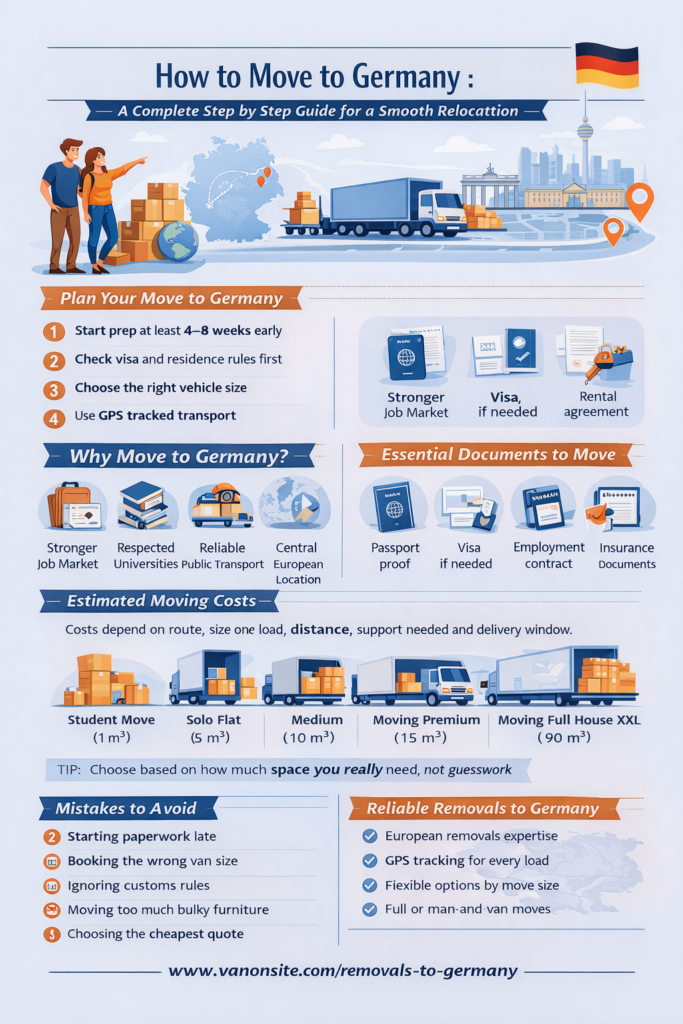
One of the most important parts of learning how to move to Germany is understanding that the required paperwork depends on your nationality, your reason for moving, and how long you plan to stay. This is where many moves slow down. People assume the moving company is the hard part, when in reality the real friction often comes from incomplete documents, missing proofs, or not understanding which process applies to them.
Most movers should prepare the following core documents:
- valid passport or national ID
- visa if required
- residence related documents if applicable
- rental agreement or housing confirmation
- employment contract, university acceptance letter, or family proof where relevant
- transport inventory for the move
- insurance documents
- marriage and birth certificates if moving as a family
- pet documents if travelling with animals
That list is the foundation, but the smarter approach is to think in layers. First, you need documents that allow you to enter and stay in Germany. Second, you need documents that support your daily setup after arrival, such as housing and registration proof. Third, you need moving related paperwork that protects your belongings during the journey, especially if your goods are coming from outside the EU.
For visa and residence pathways, the German government’s official portal Make it in Germany is one of the best starting points. If you are a non EU national, you should also review the entry and residence information from the Federal Ministry of the Interior. After arrival, address registration rules are explained by the Federal Ministry of the Interior registration guidance. If you are bringing household goods from outside the EU, check the official customs rules on German Customs transferring residence.
EU citizens vs non EU citizens
| Topic | EU, EEA, Swiss citizens | Non EU citizens |
|---|---|---|
| Visa before entry | Usually not required | Often required |
| Residence permit | Usually not required for right of residence | Commonly required depending on purpose |
| Address registration | Required after moving in | Required after moving in |
| Customs for household goods | Depends on origin of goods and route | More important to check before shipment |
| Supporting documents | ID, housing, purpose of stay | Passport, visa, housing, purpose of stay, extra proofs |
Always check the exact rules before booking your transport. Even a beautifully packed move can hit a wall if the paperwork is incomplete.
There are also several documents that are not always legally required for entry, but can make your move dramatically smoother in practice. These include printed copies of your rental agreement, job contract, university admission letter, insurance confirmation, and a clearly itemised inventory of your load. Digital copies are useful, but paper backups still matter when batteries die, signals drop, or you need to show proof quickly.
A smart document pack usually includes:
- one printed folder for travel day
- one digital folder saved offline on your phone
- one backup copy stored securely in the cloud
- one small essentials bag that never enters the main load
That may sound basic, yet it is astonishing how many stressful moments begin with a buried passport, a missing tenancy document, or a customs question answered with guesswork.
If you are moving with children, add school records, birth certificates, vaccination papers, and any relevant custody or consent documents where needed. If you are moving with pets, make sure you review veterinary requirements early rather than late. If you are relocating for work, confirm whether your employer expects any local registration steps within a set timeframe. Small details can suddenly become urgent once you arrive.
For people moving household goods from outside the EU, the customs side deserves extra care. In many cases, your belongings may qualify for relief when you are transferring residence, but only if you meet the conditions and provide the right documentation through the proper route. This is exactly why official guidance matters more than hearsay.
A simple way to avoid document chaos is to prepare three checklists:
- Entry checklist for passport, visa, and travel documents
- Settlement checklist for housing, registration, and proof of purpose
- Moving checklist for inventory, customs paperwork, and insurance
This structure gives you a clearer picture of the full relocation. It also helps you spot weak points before moving day. If one section is incomplete, you know exactly where to focus.
When people ask how to move to Germany with less risk, the answer almost always begins here. Strong paperwork turns a stressful move into a manageable one. It speeds up decisions, reduces friction, and gives you a calmer first week after arrival.
How Much Does It Cost to Move to Germany
This is one of the first questions people ask, and rightly so. The price of moving to Germany can swing dramatically depending on what you are moving, where you are moving from, and how urgently you need it done. Two people can make the same route and still receive very different quotes, simply because one is moving ten labelled boxes and the other is moving a full apartment with a sofa, bed frame, dining table, fragile items, and a tight delivery deadline.
That is why the smartest way to think about cost is not to chase a magical average. It is to understand what actually shapes the final quote. Once you know the pressure points, you can control them far more effectively.
The main cost drivers are:
- pickup country and delivery distance
- load volume in cubic metres
- total weight
- access conditions such as stairs, lifts, or narrow streets
- urgency of the booking
- packing support needed
- furniture protection and white glove handling
- temporary storage
- customs complexity for non EU relocations
A student room and a full family house live in completely different worlds when it comes to cost. That is why there is no honest flat price that fits every case. One move may involve 5 m3 and a few stairs. Another may involve 30 m3, specialist furniture wrapping, two collection points, and a strict delivery window. The smartest way to estimate the real cost is to start with your volume and weight, then match them to the right vehicle size.
A useful rule of thumb is that volume usually drives the first stage of pricing, while complexity shapes the final figure. In other words, the amount you move opens the conversation, but the details decide where it ends. A third floor flat with no lift, narrow access, and same day delivery pressure will cost more than an easy ground floor collection, even if the load itself is similar.
To make budgeting more realistic, think about your move in layers:
- Base transport cost for route, van size, and driver time
- Handling cost for loading conditions, stairs, long carry distance, or bulky furniture
- Protection cost for packing, wrapping, white glove care, or fragile items
- Flexibility cost for urgent bookings, weekend dates, storage, or custom delivery windows
This layered view helps you avoid a classic mistake. Many people compare quotes without comparing what is actually included. A low quote can feel exciting at first, but if it excludes furniture protection, loading help, schedule flexibility, or tracking, it may become the more expensive choice in practice.
What Usually Makes a Move More Expensive
Some cost factors are obvious. Others are surprisingly easy to overlook. The most common price risers include:
- moving during peak season
- booking at the last minute
- transporting bulky, low value furniture
- needing collection from or delivery to properties with difficult access
- adding temporary storage between pickup and final delivery
- requiring specialist handling for delicate, premium, or oversized items
There are also smart ways to keep your budget under control without making the move feel cheap or risky.
How to Reduce Moving Costs Without Creating Problems
- declutter before requesting a quote
- choose a van size based on actual load volume, not guesswork
- book earlier when possible
- group your packing and labelling properly to speed up loading
- move low value items out of the plan if they are cheaper to replace than transport
- use a direct man and van service when speed and flexibility matter more than bulk shipping
There is a quiet truth here that many movers learn too late: the cheapest move is not always the lowest quote. It is the move that arrives on time, without damage, without repeated delays, and without forcing you to solve expensive problems after arrival.
Cost Planning by Move Type
| Move type | Typical load profile | Budget pressure level | Best planning approach |
|---|---|---|---|
| Student move | boxes, suitcases, a few essentials | low to medium | keep volume lean and book a smaller van |
| Solo apartment move | boxes, desk, chair, bed, small furniture | medium | match volume carefully and avoid oversized transport |
| Couple move | partial to full furniture setup | medium to high | plan furniture list early and protect fragile items |
| Family relocation | large furniture, appliances, many boxes | high | prioritise direct delivery, access planning, and the right vehicle size |
| Last minute move | any load with urgent timing | medium to high | pay for speed where it protects your schedule |
The strongest budgeting strategy is simple. Be honest about your load, be realistic about your timeline, and choose a moving partner that gives you clarity instead of vague promises. That is where professional planning becomes valuable. It turns the quote into something you can actually trust.
Choosing the Right Van Size for Your Move to Germany
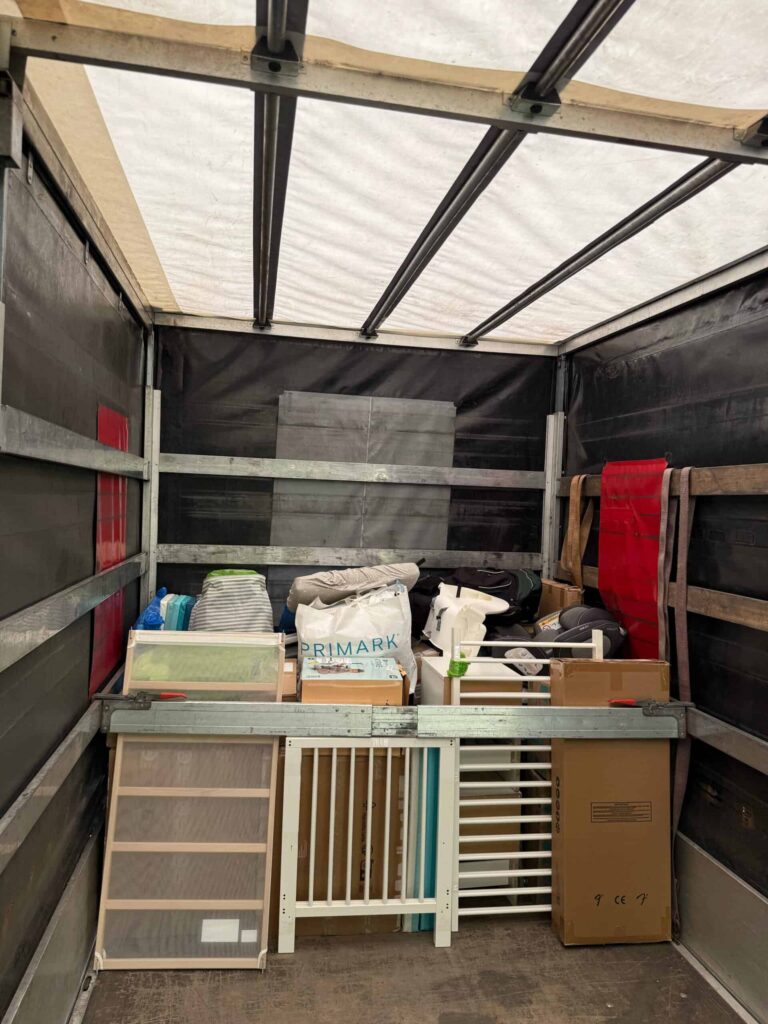
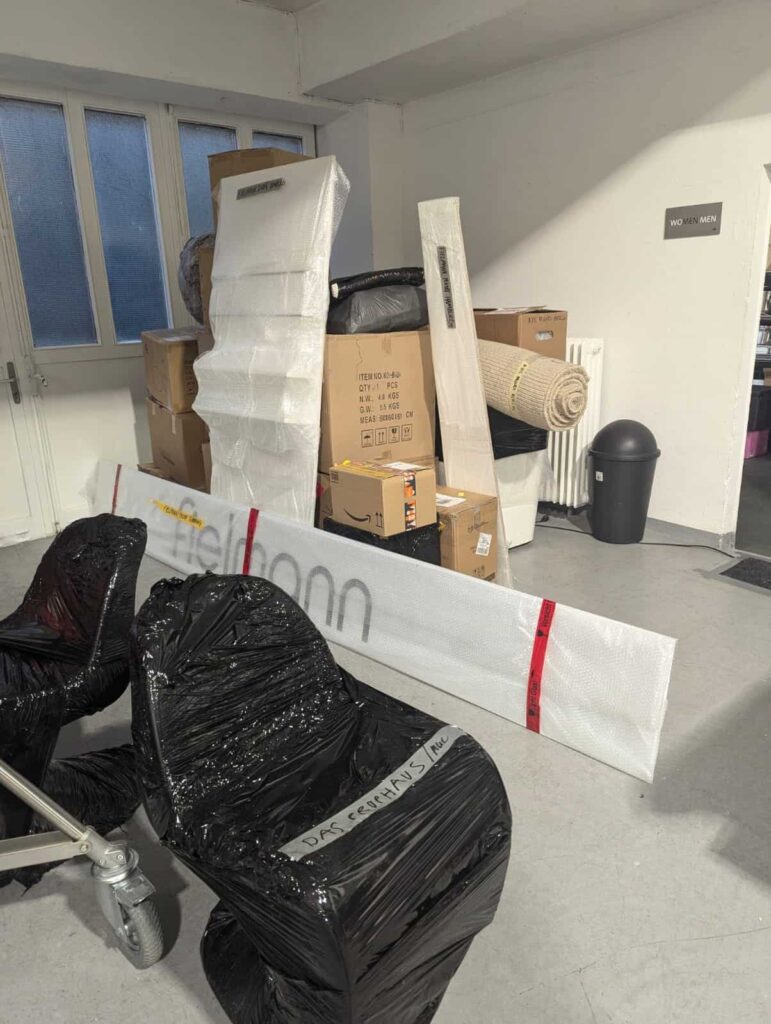
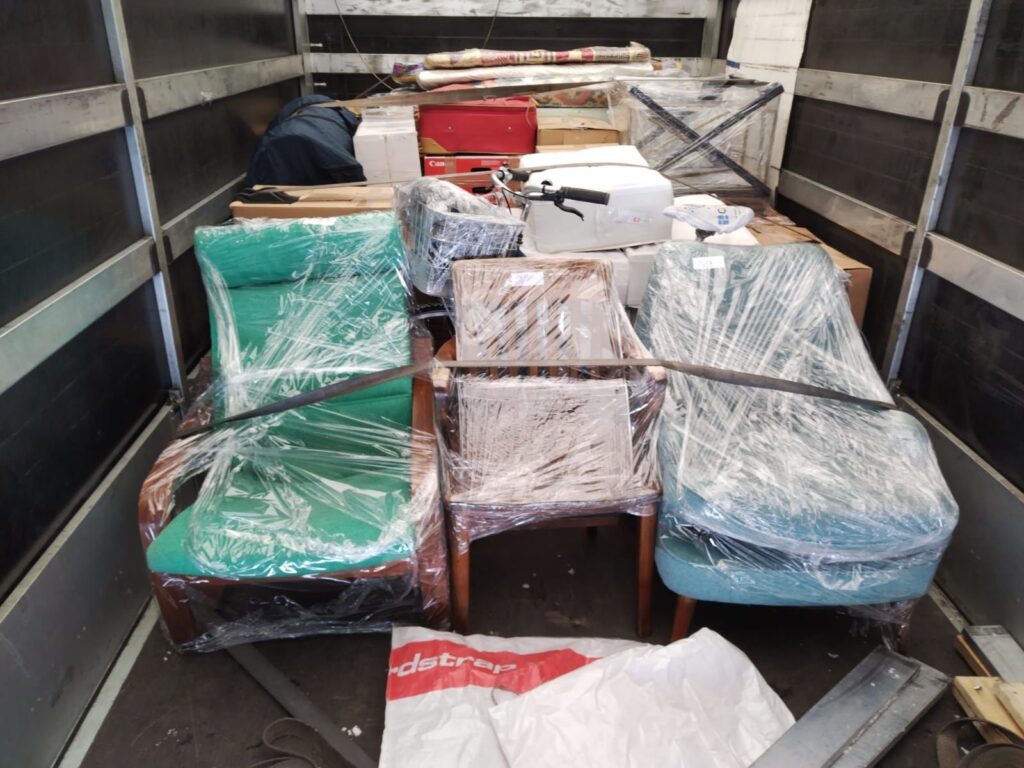
This is where planning turns into savings. Book a vehicle that is too small, and you risk split loads, delay, and frustration. Book one that is too large, and you may stretch your budget for no reason. The right van size protects more than your wallet. It protects your schedule, your loading plan, and your peace of mind on moving day.
Many people underestimate how quickly furniture and boxes add up. A bed frame, mattress, desk, dining chairs, kitchen boxes, and a few fragile pieces can fill space faster than expected. That is why choosing a vehicle based on guesswork is risky. A smart move starts with a realistic inventory and a clear view of what truly needs to travel.
VANonsite Vehicle Guide
| Vehicle option | Capacity | Weight limit | Best for |
|---|---|---|---|
| Moving One | 1 m3 | 100 kg | boxes, documents, a few essentials |
| Moving Basic | 5 m3 | 300 kg | student moves, small studio items |
| Moving Medium | 10 m3 | 500 kg | studio flat or partial furniture move |
| Moving Premium | 15 m3 | 1100 kg | one bedroom flat or compact apartment move |
| Moving Premium Plus | 30 m3 | 3500 kg | larger apartment or small house move |
| Moving Full House XXL | 90 m3 | 20000 kg | full family home relocation |
If you are moving alone or heading to Germany for university, a smaller option may be enough. If you are relocating with a partner, child, or a full apartment setup, you need more breathing room in the load plan. The goal is not to squeeze every item into the smallest possible space. The goal is to create a loading plan that is safe, efficient, and realistic.
Quick recommendations:
- Student or solo move: Moving Basic or Moving Medium
- Couple moving with furniture: Moving Premium
- Family relocation: Moving Premium Plus or Full House XXL
- Urgent boxes and essentials delivery: Moving One
A professional man and van service is often the sweet spot between speed, flexibility, and sensible cost control. It is especially effective for cross border European relocations where timing matters and direct delivery is a huge advantage.
How to Choose the Right Van Size With More Confidence
Use these questions before you book:
- Are you moving boxes only, or also furniture?
- Will large items travel assembled or dismantled?
- Do you need space for protective wrapping and careful stacking?
- Are there fragile pieces that should not be squeezed between heavier items?
- Are you moving the essentials first, or the whole home in one go?
These questions matter because a van is not just empty space. It is working space. Protective blankets, safe stacking, access to high priority boxes, and careful positioning all take room. A quote based on bare minimum loading can look attractive, but it often creates risk when moving day becomes real.
Simple Vehicle Matching Guide
| Your situation | Suggested VANonsite option |
|---|---|
| a few boxes, travel essentials, documents | Moving One |
| student room or minimal studio move | Moving Basic |
| compact studio with partial furniture | Moving Medium |
| one bedroom move with furniture | Moving Premium |
| larger flat or small house | Moving Premium Plus |
| full household relocation | Moving Full House XXL |
When deciding how to move to Germany, this is one of the smartest places to slow down and choose carefully. The right van size keeps the move lean but not cramped, efficient but not stressful. It also makes the rest of the service feel better, because loading becomes cleaner, transport feels safer, and delivery runs with fewer surprises.
If speed, control, and visibility matter to you, a tracked man and van solution from VANonsite can be especially attractive. It gives you flexibility without sacrificing professionalism, which is exactly what many people need when moving across Europe.
Best Way to Move Your Belongings to Germany
There is no single best method for every person. The best solution depends on whether you are moving four boxes, a designer sofa, or an entire household. Still, some transport options clearly offer more protection, more speed, and far less friction than others. That matters, because once your belongings are on the road, uncertainty can feel heavy.
The right choice depends on what you value most. Some people care most about price. Others care about timing, direct delivery, careful handling, or knowing exactly where their load is at every stage. In a cross border move, those details are not small. They shape whether your arrival in Germany feels smooth and energising or messy and exhausting.
Compare Your Main Transport Options
| Option | Best for | Pros | Cons |
|---|---|---|---|
| Self drive | very small moves | flexible schedule | tiring, risky, hidden costs |
| Standard courier | boxes only | simple for a few parcels | poor for furniture and fragile items |
| Shared load removals | budget focused movers | lower price | less flexibility on timing |
| Dedicated man and van | fast, flexible relocations | direct route, better control, GPS tracking | may cost more than shared transport |
| Full removals service | households and offices | least stress, packing support, furniture care | premium service cost |
At first glance, the cheapest option can look appealing. Yet international moves rarely go wrong because the van was too expensive. They go wrong because the timing was vague, the handling was poor, or nobody seemed fully responsible for the load. That is why direct transport often wins. It gives you fewer handovers, fewer grey areas, and fewer chances for something to go sideways.
For very small moves, self drive can work. Still, it often comes with more fatigue and more hidden costs than people expect. Fuel, tolls, overnight stops, parking, loading stress, and the sheer mental drain of driving long distance with your whole life behind you can take the shine off the apparent savings very quickly.
Standard courier services can be fine for a handful of boxes, but they are usually a poor fit for furniture, fragile items, or anything that needs careful positioning. A courier may move parcels. A relocation needs more than parcel logic.
Shared load removals can be useful for budget sensitive customers who are flexible on timing. That said, flexibility usually comes at a price. The delivery window may be less precise, the route may involve more stops, and the overall experience can feel less controlled. If you are moving for a job start, a tenancy date, or a family deadline, that loss of control can be costly.
A dedicated man and van service often lands in the sweet spot. It combines speed, flexibility, direct routing, and better communication. For many European moves, it is the option that balances real value with real peace of mind. You are not simply booking space. You are buying clarity.
Which Transport Option Suits Your Move Best?
A simple guide can help:
- Choose self drive if you have only a tiny load, a high tolerance for stress, and a lot of flexibility.
- Choose standard courier if you are sending a few durable boxes and nothing more.
- Choose shared load removals if your budget matters most and your dates are flexible.
- Choose dedicated man and van if you want direct delivery, visibility, and a stronger grip on timing.
- Choose full removals service if you want the lowest effort, the best protection, and support with packing and furniture.
This is where many movers have an important realisation. The best way to move your belongings to Germany is not always the cheapest line on paper. It is the option that protects your schedule, your possessions, and your sanity.
Why Direct Transport Feels Safer
Direct transport removes friction. That is one of its biggest strengths. Fewer stops usually means fewer delays. Fewer transfers usually mean less handling. Less handling usually means less damage risk. When you are moving valuable, sentimental, or simply essential items, that reduction in friction matters enormously.
It also creates a better emotional experience. Knowing that your belongings are travelling in a more direct, visible, and structured way can take a surprising amount of pressure off your shoulders. That is one reason why a tracked man and van service feels so reassuring for many people making a move to Germany.
Best Fit by Mover Type
| Mover type | Best transport option | Why it works |
|---|---|---|
| student or solo mover | dedicated man and van or small removals option | fast, lean, flexible |
| couple with furniture | dedicated man and van | good balance of cost, care, and speed |
| family relocation | full removals service or large dedicated van | better handling and stronger planning support |
| urgent relocation | dedicated man and van | direct route and tighter timing control |
| premium furniture move | white glove or protected removals service | more careful handling and presentation |
For many people, the real goal is not just to save money. It is to avoid breakage, delay, confusion, and silence. That is why direct transport often wins. The difference between a stressful move and a smooth move is often not dramatic. It may simply be choosing a tracked man and van solution instead of gambling on the cheapest route.


How to Pack for a Move to Germany Without Damage or Delays
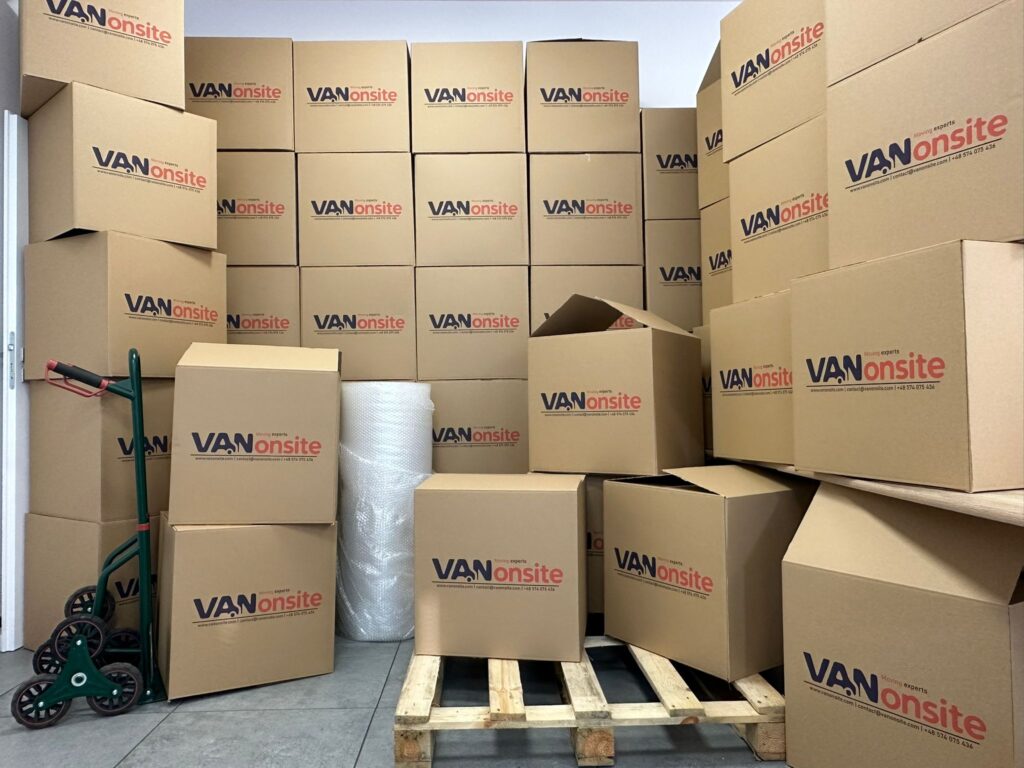
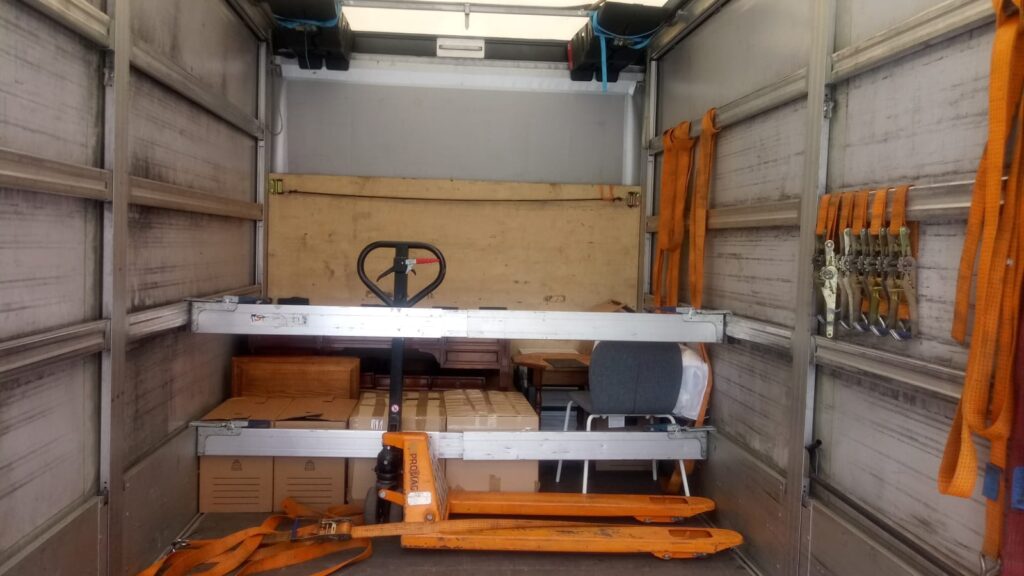
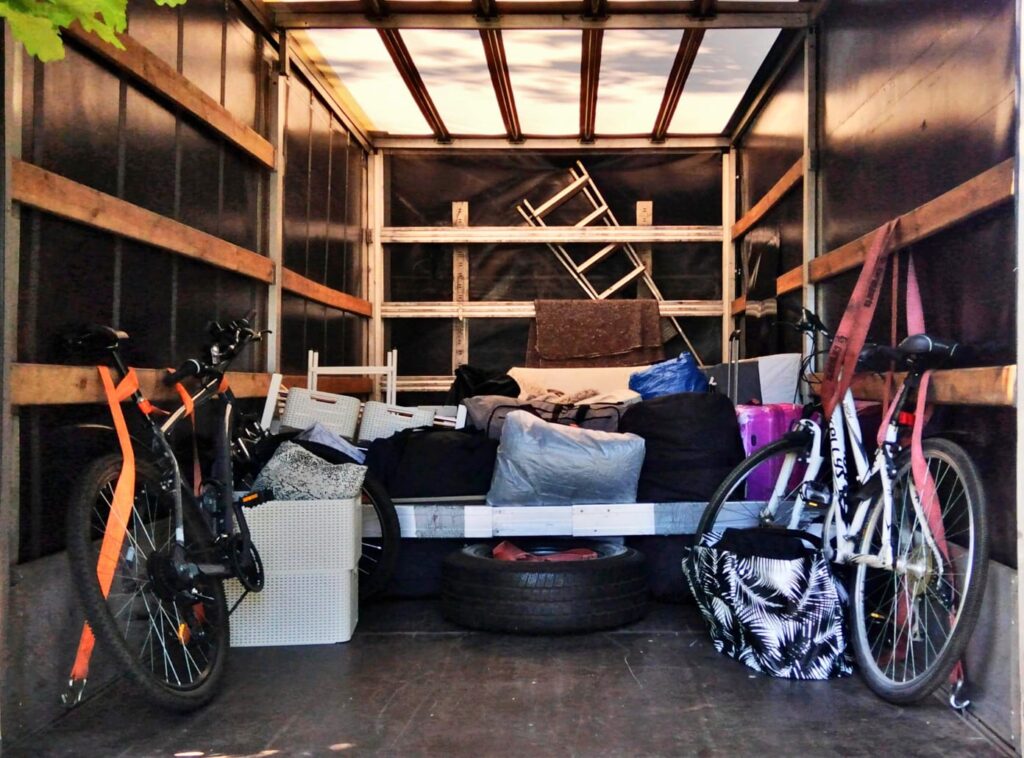
Packing is where good intentions often collide with reality. Many people underestimate how quickly a tidy room turns into a mountain of risk. The wrong box can burst. A loose cable can vanish. A chipped table corner can ruin the arrival mood in seconds. Good packing is not about perfection. It is about reducing risk before the first item is lifted.
The strongest packing plans are surprisingly simple. They focus on order, visibility, and protection. Instead of boxing items randomly, they create a structure that makes loading faster, unloading easier, and first day living far less painful.
Smart Packing Principles
- Declutter before you pack.
- Label every box by room and priority.
- Separate documents and valuables.
- Protect glass, electronics, and sharp corners.
- Keep a first 48 hours essentials bag.
- Photograph high value items before loading.
- Do not overload small boxes.
- Reserve specialist protection for fragile furniture.
A calm move begins with disciplined packing. This is particularly true if your schedule is tight or your items are valuable. Professional packing can be a brilliant investment for antiques, designer furniture, artwork, office equipment, or high stress family relocations. It saves time, but more importantly, it reduces preventable damage.
A Practical Packing System That Actually Works
The easiest way to stay in control is to pack by zone and by priority. That means grouping items not only by room, but also by how soon you will need them after arrival.
A smart three layer packing method looks like this:
- Priority 1: passport, documents, medication, chargers, toiletries, one change of clothes, daily essentials
- Priority 2: kitchen basics, bedding, towels, cleaning items, work equipment, children’s comfort items
- Priority 3: decorative pieces, seasonal items, books, spare kitchenware, rarely used belongings
This method helps in two ways. First, it makes loading more logical. Second, it stops your first evening in Germany from turning into a scavenger hunt through fifteen identical boxes.
What People Most Often Pack the Wrong Way
A few mistakes appear again and again:
- using oversized boxes for heavy books or dishes
- mixing fragile items with dense heavy objects
- failing to label boxes clearly on more than one side
- packing passports, rental papers, and keys into the moving load
- forgetting to protect furniture corners and glass surfaces
- leaving dismantling of furniture until the last hour
Each of these errors seems small until moving day arrives. Then they multiply stress fast. One overloaded box can split. One unlabelled cable bag can cost an hour. One missing screw pack can turn a simple bed setup into a late night headache.
Packing Room by Room Is Often the Safest Approach
| Room | Best packing focus |
|---|---|
| kitchen | strong boxes, dish wrapping, clear labels for fragile contents |
| bedroom | separate essentials bag, protect mirrors and bedside pieces |
| living room | wrap electronics, secure cables, protect furniture edges |
| bathroom | seal liquids carefully, keep daily use items accessible |
| home office | back up files, protect screens, label tech accessories clearly |
Room by room packing creates momentum. It also makes your move feel psychologically easier, because you can see progress instead of chaos.
When Professional Packing Makes Sense
Professional packing is not only for luxury moves. It can be a smart decision when:
- you are short on time
- you are moving fragile or expensive furniture
- you have antiques, artwork, or premium finishes
- you are relocating with children and need less disruption
- you are moving an office setup or delicate equipment
- you want faster, cleaner loading on the day itself
In those situations, professional help often pays for itself in saved time and reduced risk. Services like Packing Service can make a noticeable difference, especially when the move includes high value or awkward items.
Final Packing Tips Before Moving Day
- keep screws, bolts, and fittings in labelled bags taped to the right furniture item
- use photos to record cable setups before disconnecting electronics
- do not leave empty space inside fragile item boxes
- mark boxes that must stay upright
- keep snacks, water, chargers, and basic cleaning items within easy reach
- prepare one box for the first night in Germany and label it clearly
Packing well does more than protect things. It protects momentum. When your labels are clear, your essentials are accessible, and your fragile items are properly wrapped, the whole relocation feels sharper. That is exactly the kind of hidden advantage that turns a stressful international move into a smoother one.
Moving to Germany With Furniture, Family, Pets, or a Home Office
Different moves create different pressure points. A simple box move is one thing. A real life move is something else entirely. The emotional weight is different. The timing pressure is different. The margin for error is smaller. When a move includes children, pets, valuable furniture, or your working setup, the plan needs to be sharper from the start.
This is where many relocations either feel beautifully managed or painfully chaotic. A strong moving plan should reflect the reality of your life, not just the number of boxes on a quote form. If your dining table matters, if your child needs calm, if your dog hates travel, or if your income depends on a functioning laptop by the next morning, those details deserve to shape the move.
Furniture Removals
Large furniture pieces demand more than muscle. They need wrapping, route planning, lifting discipline, and protection at every touchpoint. This is where specialist support matters. If you are moving wardrobes, beds, tables, or fragile statement pieces, services like Furniture Removals can reduce the risk of scratches, breakage, and awkward loading mistakes.
Furniture is often where the emotional value of a move becomes visible. A sofa may be expensive. A dining table may hold years of family life. A vintage cabinet may be impossible to replace. That is why careful dismantling, corner protection, blanket wrapping, and smart positioning inside the van are not optional extras for many movers. They are what stand between a safe arrival and a painful surprise.
Items that usually need extra care include:
- glass tables and mirrored pieces
- large wardrobes and bed frames
- antique or designer furniture
- marble, stone, or delicate top surfaces
- furniture with premium fabric or easily marked finishes
When the move includes furniture like this, a structured man and van service with proper protection can make a huge difference. It keeps handling cleaner, loading calmer, and delivery far more reassuring.
Moving With Children
Children feel the emotional weather of a move long before adults admit it. Try to align the move with school breaks when possible. Keep comfort items close. Make the first night simple. One set of familiar bedding, one favourite toy, and one calm meal can soften a very big transition.
It also helps to speak about the move early and in a calm, concrete way. Children respond better when the change feels visible and understandable. Let them know what will happen, what they can expect on moving day, and what will stay familiar. Even small routines, like keeping the same bedtime book or favourite breakfast bowl close at hand, can make the move feel less overwhelming.
A few practical ways to reduce stress for children include:
- packing a separate essentials bag for each child
- keeping favourite toys, blankets, and comfort items easy to reach
- unpacking the child’s room early after arrival
- avoiding a packed and chaotic first evening if possible
- planning snacks, breaks, and simple routines during the travel day
A family move is rarely just about transport. It is about protecting the emotional rhythm of the household. That is one reason why direct delivery and reliable timing matter so much.
Moving With Pets
Pets need their own moving plan. Before departure, check microchip, vaccination, and travel document requirements well in advance. Keep pets away from loading zones where noise and open doors can create panic.
Animals absorb stress quickly. A home full of boxes, strangers, and open doors can feel unsettling even before the journey begins. For that reason, it helps to create a quiet, protected space during packing and loading, or arrange temporary care if the moving day will be especially busy.
A smoother pet move usually includes:
- updated travel and vaccination documents
- secure carriers, leads, and identification tags
- food, water, and familiar bedding packed separately
- a calm rest area away from loading activity
- arrival planning so pets are settled before major unpacking begins
The calmer the environment, the easier the transition tends to be. If your move to Germany includes a pet, think beyond the legal requirements and plan for comfort too.
Moving a Home Office
Screens, hard drives, laptops, and specialist equipment deserve careful packing and fast access after arrival. If you work remotely, even a 24 hour delay can be costly. Label these items clearly and never bury them in the middle of the main load.
A home office move is not just about equipment. It is about continuity. If your work depends on a monitor setup, camera gear, documents, drives, printers, or client materials, those items should be treated as business critical. The smartest approach is to separate your work essentials from the rest of the load and make sure they can be unpacked immediately.
A reliable home office moving plan should include:
- backup of important files before moving day
- labelled bags for cables, adapters, and accessories
- protective wrapping for screens and delicate tech
- a priority box for your first working day in Germany
- easy access to chargers, laptop, and internet essentials
This is especially important for freelancers, remote employees, and business owners. A well planned move protects not only your belongings, but also your income and your working rhythm.
Quick Guide by Move Type
| Situation | Main risk | Best focus |
|---|---|---|
| furniture heavy move | damage during loading and transport | wrapping, careful handling, correct van size |
| family relocation | emotional stress and disrupted routine | direct delivery, essentials access, early room setup |
| move with pets | anxiety, escape risk, document gaps | calm environment, travel prep, arrival plan |
| home office relocation | lost time and disrupted work | fast access to tech, clear labelling, safe packing |
When people ask how to move to Germany with less stress, this is often the hidden answer: plan around real life, not only logistics. A move that respects your furniture, your family, your pet, and your work will almost always feel smoother than one built around speed alone.
What to Do in Your First Weeks After Arrival in Germany
Arriving is not the end of the move. It is the start of settling in. Your first days in Germany set the tone for everything that follows, so it helps to focus on the essentials first. The goal is not to make everything perfect immediately. The goal is to create stability fast.
This is where good planning pays off in a very human way. Instead of waking up in a sea of boxes and trying to solve everything at once, you already know your first priorities. That alone can make the new country feel less intimidating.
Your First Arrival Priorities
- Register your address.
- Organise health insurance if applicable.
- Open a bank account if needed.
- Set up mobile and internet services.
- Learn local waste sorting and building rules.
- Confirm your residence process if relevant.
- Unpack priority rooms first.
The first week may feel slightly chaotic, and that is normal. Boxes have a way of making every room look unfinished. Still, a well organised move gives you space to breathe. Instead of reacting to problems all day, you can start building a routine almost immediately.
A helpful mindset is to divide your first weeks into phases.
Week 1: Stabilise the Basics
Focus on the things that make daily life functional right away:
- documents and registration
- sleeping arrangements
- working internet and mobile access
- basic kitchen setup
- toiletries, medication, and essentials
- safe and calm spaces for children or pets
Week 2: Make the Space Work for You
Once the basics are in place, move to comfort and routine:
- unpack the most used rooms first
- check building access rules and rubbish sorting
- organise storage so the home feels less temporary
- learn your local shops, pharmacy, and transport links
- set up your work corner or home office properly
Week 3 and Beyond: Build Rhythm
This is where a new place starts to feel like your place:
- finish the lower priority unpacking
- replace missing household basics
- get to know your neighbourhood
- create simple routines around work, meals, school, and errands
- turn the flat or house into a lived in home rather than a transit point
| Priority | What to do first |
|---|---|
| urgent | registration, health cover, internet, essentials unpacking |
| important | banking, routine setup, room organisation |
| next step | decoration, storage improvements, neighbourhood familiarity |
One of the smartest things you can do after arrival is unpack in order of use, not in order of room size. The bedroom, bathroom, kitchen basics, and work equipment usually matter far more than decorative items or low priority storage boxes. That approach gives you momentum quickly.
It also helps to be patient with the process. Even a beautifully organised move can feel disorienting at first. New sounds, new routines, new systems, and an unfinished home can all create low level tension. That feeling usually softens much faster when the move itself has gone well and your essential items are where you need them.
This is another reason why a professional, tracked move matters. When your belongings arrive safely, on time, and in a more organised way, the first weeks in Germany become far easier to manage. You spend less time chasing problems and more time building your new life.
Common Mistakes People Make When Moving to Germany
Even smart movers make avoidable mistakes when they are rushed, tired, or trying to cut corners. Knowing these traps in advance can save you a remarkable amount of stress. In many cases, it is not one dramatic error that causes problems. It is a chain of small, avoidable decisions that slowly turns a promising move into a frustrating one.
The most common mistakes are surprisingly predictable:
- underestimating paperwork timelines
- bringing too much low value furniture
- booking the wrong van size
- packing documents inside the main load
- waiting too long to book peak season transport
- ignoring customs rules for non EU moves
- assuming all buildings have easy access
- choosing the cheapest quote without checking protection and tracking
These mistakes look small on paper, but the real cost can hit hard. A missing document can delay the whole process. An overloaded van can create a second trip. Cheap transport without proper protection can leave you with scratched furniture, broken items, and a bitter first week in Germany.
The Mistakes That Hurt Most
Some errors create far more damage than others. The worst offenders are usually:
- Leaving paperwork too late so you are rushed, anxious, and more likely to miss something important.
- Guessing your load size instead of building a realistic inventory.
- Transporting too many low value items that eat into your budget without adding real value.
- Choosing price over clarity when comparing moving quotes.
- Failing to separate essentials like passports, chargers, medication, and rental papers.
The danger is not only financial. It is emotional too. A move feels far heavier when you are chasing documents, sleeping without essentials, or waiting for vague delivery updates with no real visibility.
Why People Make These Mistakes
Most moving mistakes are not caused by laziness. They are caused by time pressure, optimism, and overload. People assume they have more time than they do. They underestimate the volume of their own belongings. They focus so much on reaching Germany that they forget to plan how they will actually live during the first days after arrival.
That is why a structured moving process matters so much. When you work through the move step by step, the hidden risks become easier to spot.
How to Avoid the Most Common Moving Mistakes
A safer approach usually looks like this:
- start document preparation early
- request a quote based on a realistic item list
- remove bulky, low value items from the load
- choose the van size with breathing room, not wishful thinking
- keep all critical documents and first day essentials with you
- ask what protection, handling, and tracking are included before booking
- confirm building access at both collection and delivery points
- avoid last minute bookings during busy periods if possible
| Mistake | What it causes | Smarter move |
|---|---|---|
| late paperwork | delays, stress, missed deadlines | prepare documents weeks in advance |
| wrong van size | higher cost, split load, poor packing | match the vehicle to real volume |
| cheapest quote only | damage risk, vague timing, hidden extras | compare service quality, not just price |
| poor essentials planning | chaotic first day | keep vital items separate |
| too much furniture | inflated transport cost | move what matters, replace what does not |
A professional move is not only about transport. It is a time saver, a risk reducer, and, quite often, a sanity protector. The more complex your move, the more valuable that protection becomes.
Why VANonsite Is a Strong Choice for Moving to Germany
When people search for how to move to Germany, they are not just looking for information. They are looking for certainty. They want to know their belongings will arrive safely, that the schedule will hold, and that someone is genuinely in control.
That is where VANonsite stands out in a quiet but convincing way. The company focuses on European relocations and offers fast, secure transport with GPS tracking for every load. That visibility matters. When your life is moving across borders, silence feels expensive.
VANonsite also gives customers flexibility through a wide range of vehicle sizes, from 1 m3 for small essentials to 90 m3 for a full household relocation. This means the service can fit a student move, a family move, an office relocation, or a last minute delivery without forcing customers into a one size fits all model.
That flexibility is more valuable than it first appears. Many moving companies are comfortable only when the job fits a narrow template. Real life is rarely that neat. One customer may need a compact man and van service for a fast student move. Another may need careful packing, protected furniture handling, and a larger vehicle for a family relocation. VANonsite is built to handle those differences without making the process feel clumsy.
Another major strength is service range. Beyond transport itself, VANonsite supports customers with Packing Service, White Glove Delivery, Office removals, Home Removals, storage, student moves, and urgent relocation help. That breadth gives people options, which is exactly what a high pressure move needs.
This matters because a strong international move is rarely just about putting items in a van. It is about protecting fragile pieces, supporting tight schedules, adjusting to family needs, and making sure the customer never feels left in the dark. GPS tracking for every load reinforces that sense of control. You are not guessing where your belongings are. You can follow the journey with far more confidence.
Why Movers Choose VANonsite
The appeal often comes down to a few powerful advantages:
- European moving expertise
- fast and secure transport
- GPS tracking for every load
- flexible vehicle sizes for different move types
- support for urgent and last minute relocation needs
- specialist options for furniture, offices, packing, and premium handling
That combination builds trust naturally. It does not rely on pushy promises. It relies on the things people actually want during a move: safety, speed, transparency, and options.
Best Fit for Different Customer Types
| Customer type | Why VANonsite works well |
|---|---|
| student mover | smaller vehicle options and flexible cross border support |
| solo or couple move | efficient man and van service with direct delivery benefits |
| family relocation | larger vehicle range and more complete moving support |
| office move | structured logistics and specialist handling options |
| urgent move | last minute capability and stronger timing control |
The service feels especially convincing for people who want to reduce uncertainty without overcomplicating the move. That is a valuable balance. Some customers want full support. Others simply want a fast, reliable man and van solution that gets the job done properly. VANonsite can serve both types well.
For a smoother move, explore removals to Germany with VANonsite.
FAQ: How to Move to Germany
How Hard Is It to Move to Germany?
It can be straightforward if you prepare early. The hardest parts are usually paperwork, housing, and timing. Once those are under control, the transport side becomes much easier to manage. For most people, the move feels hardest when too many decisions are left to the final days.
Can I Move to Germany Without a Job?
Yes, in some cases, but the rules depend on your nationality and reason for staying. Some people move for study, family reunification, or job seeking. Always check the official immigration pathway that matches your situation. It is far safer to build your move around the correct legal route than to rely on assumptions.
How Much Money Do I Need to Move to Germany?
That depends on rent deposits, travel, transport volume, and your first weeks of living costs. Many people aim for a buffer that covers the move itself plus at least 1 to 3 months of basic expenses. A realistic budget should also include emergency room for surprise costs rather than only the ideal scenario.
Do I Need a Visa to Move to Germany?
Many non EU nationals do. EU, EEA, and Swiss citizens usually do not need a visa for the move itself, but they still need to complete local registration steps after arrival. Because rules vary by nationality and purpose, always check the official route before finalising your move.
How Long Does an International Move to Germany Take?
It depends on route, load size, and service type. A dedicated man and van move is usually faster than shared load transport because the route is more direct and timing is more controlled. If speed matters, direct transport is often the strongest option.
What Is the Cheapest Way to Move to Germany?
The cheapest route is often self drive or a shared load move, but the lowest quote is not always the best value. Hidden costs, delays, and damage can quickly erase the savings. In many cases, the smarter move is the one that protects your belongings and your schedule at the same time.
Is a Man and Van Service Enough for Moving to Germany?
Yes, very often. A man and van service can be ideal for small to medium international moves, partial furniture relocations, student transport, and urgent cross border deliveries. It is often the strongest option when you want speed, flexibility, and direct delivery.
What Is the Best Time to Book a Move to Germany?
As a rule, earlier is better. Booking several weeks ahead usually gives you better choice, better planning space, and less pressure, especially in busy periods. Last minute moves are possible, but they rarely feel as calm or as cost efficient.
Should I Move All My Furniture to Germany?
Not always. The smartest approach is to move the items that are valuable, hard to replace, or genuinely useful. Low value bulky furniture can quietly increase your transport cost without improving your setup after arrival.
Final Thoughts
Learning how to move to Germany is really about turning a huge life change into a series of manageable steps. When you have the right documents, the right schedule, and the right transport support, the move stops feeling like a storm and starts feeling like a plan.
There is a huge difference between simply getting your belongings from one country to another and moving well. The second option protects your time, your possessions, and your peace of mind. It also changes how the new chapter begins. Instead of starting exhausted and frustrated, you arrive with more energy, more order, and more confidence.
That is why the smartest movers do not focus only on reaching Germany. They focus on reaching Germany well. They think about timing, documents, packing, access, protection, and service quality before the pressure peaks. That is where the real advantage lies.
If you want a safer, faster, and better organised relocation, start with VANonsite removals to Germany.