There is a special kind of tension in a move like this. You are not just changing address. You are stepping into a new country without the safety net of a signed contract, a fixed routine, or guaranteed income from day one. That can feel thrilling, bold, and full of possibility. It can also feel deeply unsettling at 2 a.m. when your mind starts racing through rent, paperwork, savings, and the simple question of whether you are making a smart move or a reckless one.
The truth is that moving to Germany from UK without a job can be realistic, but only when it is planned with clear eyes. Many people think seriously about relocating first and looking for work after arrival. Some do it to widen their opportunities. Others do it because they want a fresh start, to join a partner later, to study, or to build a more flexible future. The idea is not unusual. The risk comes when the move is treated like a leap instead of a strategy.
That is why the biggest concerns tend to gather in the same places. Legality matters because the UK is outside the EU. Money matters because savings often carry the first phase of the move. Housing matters because renting can be harder without employment secured. Paperwork matters because one missing document can slow everything down. Timing matters because uncertainty becomes much harder to carry when every step is rushed.
At the same time, the physical move still needs careful planning even if your job situation is not final yet. You still need to decide how much to take, whether to move everything at once or in stages, what size vehicle fits your load, and how to keep costs from spiralling. In uncertain relocations, logistics can either reduce pressure or add to it.
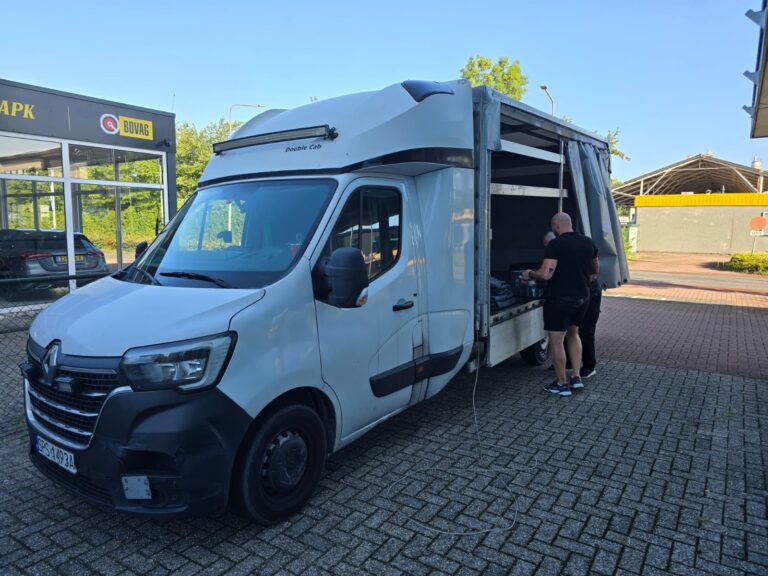
This is where VANonsite becomes genuinely useful. The company supports the removals side with secure, GPS-tracked transport, flexible vehicle sizes, and service options that work for lean first moves, part-load transport, furniture-only moves, and larger household relocations. Whether you need a compact man and van setup or a fuller removals structure, the goal is the same: protect your belongings, keep the move efficient, and give you one less thing to worry about.
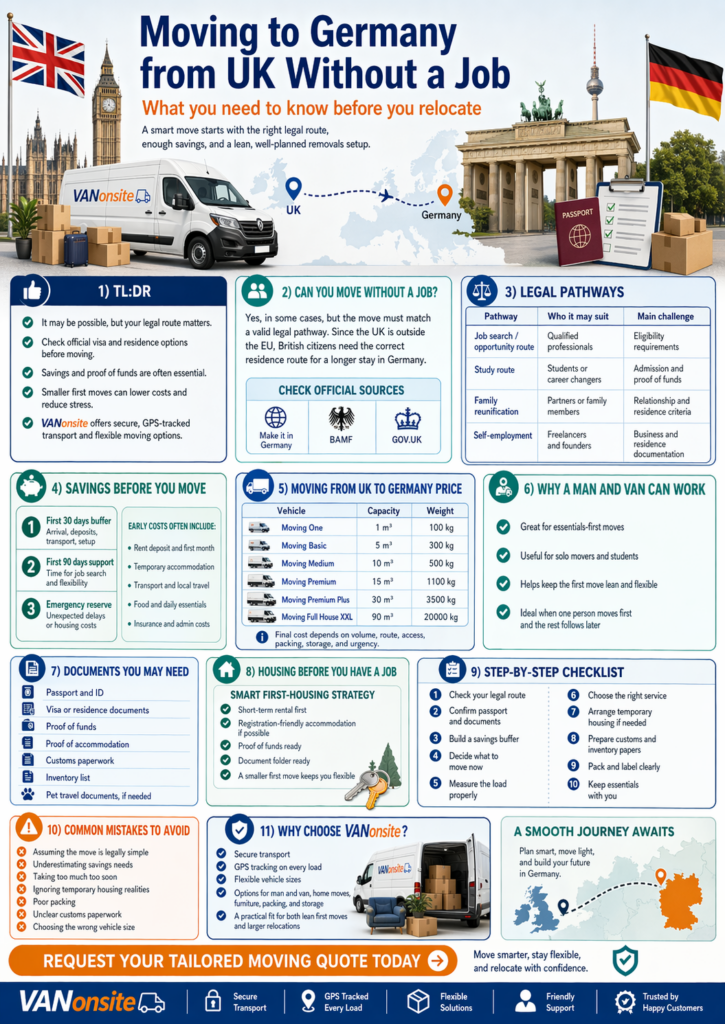
This guide is designed to answer the practical questions fast. You will find out whether moving without a job may be possible, what legal routes may apply, why savings matter so much, what shapes the moving from UK to Germany price, and how to plan a move that feels brave but not chaotic.
TL:DR
- Moving to Germany from UK without a job may be possible, but the legal route matters more than optimism alone.
- Before booking the move, check official visa and residence options through trusted government sources.
- Savings and proof of funds are often essential when relocating without employment already secured.
- Housing and registration can be harder without a work contract, so planning ahead is a major advantage.
- Moving from UK to Germany price depends on volume, route, access, and the service level you choose.
- Smaller relocations may work very well with a flexible man and van setup.
- VANonsite offers secure transport, GPS tracking, and flexible moving options for uncertain or staged relocations.




Can You Move to Germany from UK Without a Job?
Yes, in some cases you can, but the real answer depends on the legal route, your personal circumstances, and whether you meet the requirements for the pathway you want to use. This is the first point that needs to be absolutely clear. Moving to Germany from UK without a job is not only a logistics question. It is also a legal-status question.
Since the UK is outside the EU, British citizens no longer have automatic freedom of movement into Germany for long-term residence in the way EU citizens do. That means a move without employment already secured has to be handled carefully. You are not simply deciding whether to rent a van and cross a border. You are deciding whether your intended move matches a lawful route for staying in Germany after arrival.
That is why people in this position often relocate through a more specific pathway. Depending on the case, that may include study, family reunification, self-employment or freelance routes, a qualifying opportunity or job-search pathway, or another residence option supported by official rules. In some situations, strong savings and the right documentation may support the wider plan, but money alone does not automatically create a valid residence route.
This is also why the question should never be answered with a casual “yes, just go and figure it out later.” That approach can create expensive, stressful mistakes. If you are serious about moving to Germany from UK without a job, the safest move is to confirm the correct route before you start organising housing, transport, or a full household shipment.
The most useful official sources to check are:
The practical takeaway is simple. In some cases, yes, the move may be possible. But it depends on the right visa or residence pathway, not only on your willingness to take the leap. Once that legal side is clear, the removals side becomes much easier to plan with confidence.
Legal Pathways to Germany If You Do Not Have a Job Yet
The legal side can feel like a maze at first glance, especially when you do not have a work contract in hand. However, the smartest way to think about it is not “How can I get in somehow?” but “Which lawful route genuinely fits my situation?” That shift matters. It turns panic into structure.
For readers considering moving to Germany from UK without a job, the most relevant pathways usually fall into a few recognisable categories. None of them should be treated like a loophole. Each one has its own criteria, paperwork, and pressure points. Still, once you understand the logic behind them, the picture becomes much easier to manage.
One route may suit qualified professionals who want to relocate and then search for work in Germany through an official opportunity-based or job-search framework, where applicable. This can be attractive because it aligns directly with the reader’s goal, yet eligibility can be strict. Qualifications, recognition, and proof requirements often matter heavily.
Another route is study. For some people, this is not a backup plan at all. It is the bridge to a new career, a stronger language foundation, or a better long-term position in the German market. Still, it usually comes with its own demands, especially proof of admission and proof of funds.
Family reunification is another important path. If a partner or close family connection already has the correct residence status, this can be the most realistic legal route. The emotional comfort can be huge, but the paperwork still needs to be treated carefully.
Then there is self-employment or freelance activity, which may fit founders, consultants, and independent professionals. This route can look exciting, yet it often demands much stronger documentation than people expect. Viability, paperwork, and a clear plan matter a great deal.
A practical overview looks like this:
| Pathway | Who It May Suit | Main Challenge |
|---|---|---|
| Job search / opportunity-based route | Qualified professionals | Eligibility requirements |
| Study route | Students or career changers | Proof of admission and funds |
| Family reunification | Partners or family members | Relationship and residence criteria |
| Self-employment route | Freelancers and founders | Business and residence documentation |
The key is not to memorise immigration language. It is to identify the route that honestly matches your life. That is what makes moving to Germany from UK without a job feel possible in a grounded way rather than in a reckless one.
If you are unsure, start with official sources and compare your real situation against the route requirements. That is far safer than building the entire move around a hopeful assumption.
What Savings Do You Need Before Moving to Germany from UK Without a Job?
This is where the move stops being theoretical. You can handle uncertainty surprisingly well when your finances give you breathing room. You handle it badly when every day feels like a countdown. That is why savings matter so much when you are moving to Germany from UK without a job.
Without regular income on arrival, pressure rises fast. Rent does not wait. Deposits do not shrink because you are still interviewing. Temporary accommodation, transport, food, insurance, registration costs, and random admin expenses all start stacking up long before life feels stable. The emotional cost of that pressure is real. Even small delays can feel much heavier when money is tight.
That is why readers should think in phases rather than in one big number. Your first 30 days are about landing safely. Your first 90 days are about staying flexible enough to search, adapt, and avoid panic decisions. Then there is the emergency buffer, which exists for exactly the problems you do not see coming yet.
The most common early costs usually include:
- rent deposit and first month costs
- temporary accommodation buffer
- transport and local travel costs
- health insurance or setup costs
- food and daily essentials
- admin and documentation expenses
The practical lesson is simple. The more uncertain your first months are, the more important your buffer becomes.
There is also a powerful cost lever many people overlook: moving less. If your housing is temporary, your job timeline is unclear, or you may need to stay flexible for several months, taking only essentials first can dramatically reduce stress and lower the overall moving from UK to Germany price. A staged move is sometimes not just cheaper. It is smarter.
This is especially true when one person moves first, when you are testing the waters before committing to a full relocation, or when you want to avoid paying to transport items you may not need immediately. A leaner load means lower transport cost, easier temporary housing, and fewer complications if your plan changes in the first weeks.
The smartest savings strategy usually rests on three pillars:
- First 30 days buffer for arrival, admin, and housing setup
- First 90 days support in case the job search takes longer than hoped
- Emergency reserve for delays, document issues, or unexpected housing costs
When readers prepare for these stages honestly, moving to Germany from UK without a job starts to feel much less like a gamble and much more like a planned transition.
Moving from UK to Germany Price: What Shapes the Cost?
For many readers, this is the moment where the dream meets the calculator. You may be willing to take a bold step, but you still need the numbers to make sense. The reality is that moving from UK to Germany price depends on the real size and complexity of the move, not only on the distance between two addresses.
A lean first relocation with clothes, documents, a few personal items, and selected essentials will cost very differently from a full household move with wardrobes, beds, appliances, fragile furniture, and decorative items. That is why honest volume planning matters so much. If the load is underestimated, the move can become more expensive through delays, extra labour, or a last-minute vehicle change. If it is overestimated, you may end up paying for space you never needed.
The smartest starting point is to match the move to the right vehicle:
| Vehicle Option | Best For | Capacity | Weight Limit |
|---|---|---|---|
| Moving One | Small essentials, a few boxes | 1 m3 | 100 kg |
| Moving Basic | Student move, small furniture | 5 m3 | 300 kg |
| Moving Medium | Studio flat or part-load move | 10 m3 | 500 kg |
| Moving Premium | 1 to 2 bedroom move | 15 m3 | 1100 kg |
| Moving Premium Plus | Family relocation | 30 m3 | 3500 kg |
| Moving Full House XXL | Large full house move | 90 m3 | 20000 kg |
This table helps explain why moving from UK to Germany price can vary so sharply from one person to another. Someone taking two suitcases, ten boxes, and a desk does not need the same structure as a couple relocating a furnished flat or a family transporting an entire home. The vehicle choice changes manpower, loading time, route planning, and the whole cost structure.
Several practical factors shape the final price:
- total volume in cubic metres
- weight of the load
- UK pickup location and German destination
- access conditions at both properties
- number of movers needed
- dismantling and reassembly
- packing support
- storage needs
- urgent or weekend bookings
- fragile or premium items
Every one of these points affects workload. A move from a ground-floor suburban address to a straightforward apartment in Germany will look very different from a collection in central London with parking restrictions, long carries, and timed building access. Add premium furniture or short-term storage, and the cost structure changes again.
This is also where many people make an expensive mistake. They chase the cheapest-looking quote rather than the best-fit move. Yet the lowest number on paper can quickly lose its appeal if the van is too small, the timing is unrealistic, or fragile items are not protected properly. In many cases, a better-matched vehicle and service save more over the full journey because they reduce hidden costs later.
For staged relocations, first moves, and uncertain housing setups, reducing the load is often one of the smartest financial decisions available. Move what you truly need first. Keep the rest for later if the plan is still taking shape. That single decision can lower the overall moving from UK to Germany price and keep the relocation much more adaptable.
Is a Man and Van Service a Good Choice If You Are Moving First and Job Hunting Later?
In many cases, yes. A man and van service can be one of the smartest ways to handle this type of move, especially when the relocation is lean, staged, or still shaped by uncertainty. It gives you enough structure to move safely, while helping you avoid paying for space and labour you do not really need yet.
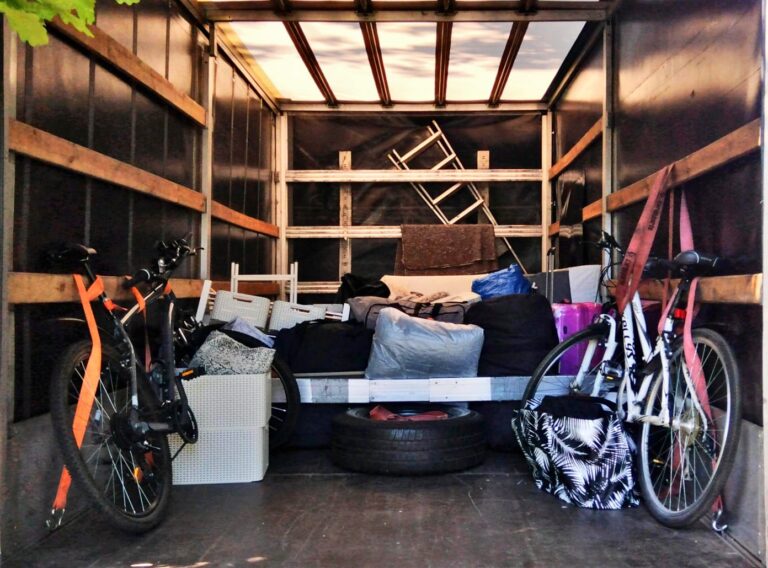
This works especially well for solo movers, students, recent graduates, and people taking only essentials first while they organise housing and job searching after arrival. It also fits situations where one partner relocates first and the rest of the household follows later, or where you want to test daily life in Germany before committing to a full household shipment.
That flexibility matters. When your plan is still evolving, a man and van move can give you breathing room. Instead of trying to transport your entire life in one go, you create a lighter first step. That can reduce cost, simplify temporary housing, and make the whole move feel less risky.
A man and van service is usually a strong choice when:
- you are relocating alone or with a modest load
- you only need essentials, documents, clothes, and selected furniture first
- you want a staged move rather than a full relocation in one journey
- one person is moving first and others may follow later
- keeping the move cost-effective matters strongly
This does not mean it is right for every case. If you are moving a full household, large furniture sets, premium interiors, or bulky family belongings, a larger removals setup often makes more sense. Trying to force a full-scale relocation into a smaller service can create delays, repeat trips, and unnecessary stress.
However, when the move is intentionally lean, man and van can be the smartest bridge between ambition and budget. It supports momentum without overcommitting on day one. For readers moving to Germany from UK without a job, that balance can be incredibly valuable.
How Long Does a UK to Germany Move Usually Take?
Time matters for a move like this because uncertainty already creates enough pressure on its own. When you are moving to Germany from UK without a job, you do not want the removals timeline to become another source of confusion. The reassuring truth is that many UK to Germany moves can be handled efficiently, but the real schedule depends on practical details rather than distance alone.
Route length obviously matters, yet it is rarely the only factor. Move size, packing quality, loading access, customs readiness, and delivery conditions all shape the timing. A smaller, well-organised relocation with clear paperwork can feel fast and surprisingly smooth. A larger move with vague inventory details, rushed packing, awkward stair access, or document gaps can slow down much earlier than people expect.
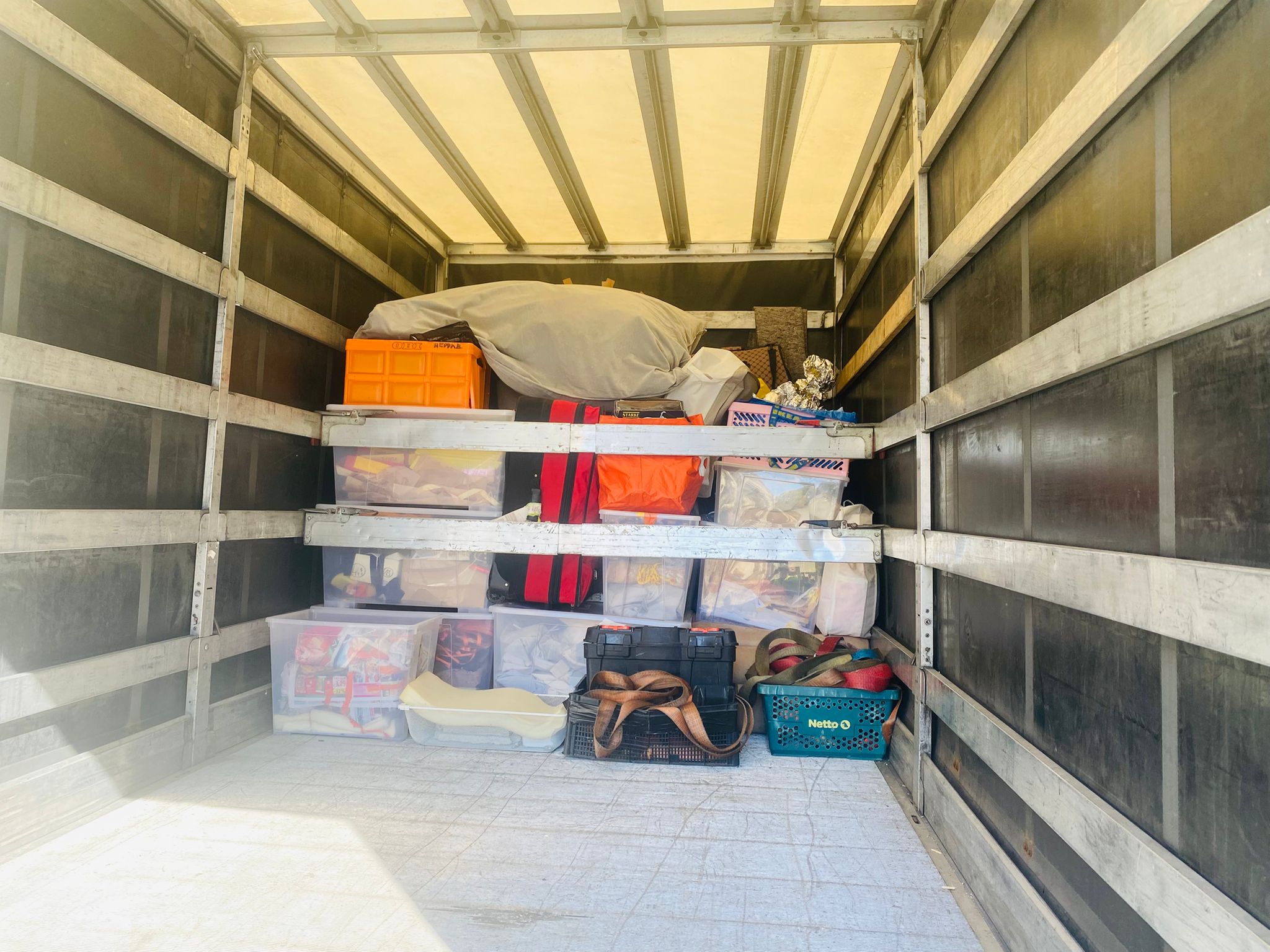
Smaller moves are often the quickest. A lean man and van relocation with boxes, essentials, and selected furniture usually moves faster because the loading process is simpler and the overall setup is lighter. Medium-sized moves need more coordination, especially when furniture must be protected, dismantled, or carried through difficult access points. Full household relocations naturally demand more time because there is more volume, more handling, and more risk to manage carefully.
Delicate or high-value items can also affect the schedule in an important way. Premium furniture, electronics, mirrors, artwork, and fragile surfaces often need slower handling, but that extra care usually prevents more expensive problems later.
A practical way to think about timing looks like this:
- Small man and van move: often the fastest option
- Medium relocation: more loading and planning time
- Full household move: more coordination and care
- Delicate items: slower handling, better protection
Customs paperwork can also affect the schedule because the UK is outside the EU. If declarations, inventory details, or supporting documents are incomplete, the move can become slower and more stressful very quickly. On the other hand, when the paperwork is ready and the load is properly organised, the process usually feels much more fluid.
So the strongest timeline is not always the one that sounds fastest. It is the one that matches the real move. That is what helps moving to Germany from UK without a job feel more controlled and less overwhelming.
Required Documents for Moving to Germany from UK Without a Job
When a move already carries uncertainty, paperwork should not be the part that stays vague. In fact, documents are one of the few areas where clarity creates immediate relief. When the legal and customs side is organised early, the move feels calmer, stronger, and far easier to manage.
For readers moving to Germany from UK without a job, paperwork tends to sit across two separate tracks. One track covers your immigration or residence route. The other covers the actual movement of your personal belongings. Both matter.
In practical terms, the most important documents may include:
- passport and identity documents
- visa or residence route documentation
- proof of funds where relevant
- proof of accommodation where relevant
- customs paperwork for personal belongings if applicable
- inventory list for transported items
- pet travel documents if relevant
Because the UK is outside the EU, household goods and personal belongings may require customs-related handling when entering Germany. This is one of the most important reasons not to leave the paperwork until the final days before departure.
Do You Need Customs Clearance When Moving to Germany from the UK?
In many cases, yes. German customs makes clear that personal property moved in connection with a transfer of residence can be imported under certain conditions, and that the required customs declaration generally has to be submitted upon import. Customs also notes that separate consignments may be possible within the overall time limit, which is especially relevant for staged relocations. That matters a lot for readers who want to move essentials first and send the rest later.
The safest official sources to use are:
If you are considering an opportunity-based route without a job offer, Germany’s official Make it in Germany portal explains that the Opportunity Card can allow qualified people from abroad to enter Germany without a concrete job offer in order to look for work, subject to meeting the route’s requirements.
BAMF also confirms more broadly that third-country nationals can come to Germany under different migration and residence pathways, including work, study, and family-related routes, depending on the relevant conditions.
A few practical habits make the document side much easier:
- keep printed and digital copies of key papers
- prepare a clean inventory list for transported goods
- keep your passport, money, and core legal documents with you, not in the main load
- confirm your residence route before booking a full household move
- double-check customs rules if you plan to split the move into stages
When paperwork is handled early, the whole relocation feels less fragile. That is especially important when moving to Germany from UK without a job, because legal certainty helps offset all the other unknowns.


Finding Housing in Germany Before You Have a Job
This is one of the hardest parts of the whole move, and it deserves honesty. Finding housing in Germany can already be competitive. Finding it without a German job contract can be even more difficult. That does not mean it is impossible. It means the strategy matters.
For many readers, the smartest first step is not jumping straight into a long lease. It is using temporary accommodation while the bigger pieces settle into place. This gives you somewhere to land, time to attend viewings, and space to organise registration, documents, and job searching without locking yourself into the wrong property too early.
Some landlords may ask for stronger evidence when you do not yet have employment secured. That can include proof of funds, a larger document file, or support from a guarantor depending on the situation. The more uncertainty there is around your income, the more important your paperwork and preparation become.
A practical early strategy often looks like this:
- short-term rental first
- registration-friendly accommodation if possible
- proof of funds ready
- ID and document folder ready
- flexible moving volume helps
This is another reason staged relocations can work so well. If your first housing setup is temporary, arriving with a smaller load can make life dramatically easier. You avoid paying to move furniture into a stopgap address, and you stay agile if a better long-term option appears after arrival.
That flexibility can shape the whole first month in a positive way. Instead of forcing certainty too early, you create a controlled landing. For readers moving to Germany from UK without a job, that can be one of the smartest decisions in the entire relocation.
Step-by-Step Checklist for Moving to Germany from UK Without a Job
When a move includes legal questions, money pressure, and housing uncertainty, a checklist is not just helpful. It becomes a stabiliser. It turns a stressful unknown into a set of actions you can actually take. That is why a strong plan matters so much when you are moving to Germany from UK without a job.
Here is a practical step-by-step checklist to keep the move grounded and manageable:
- Check which legal route fits your situation
Start here, not with boxes. Before you plan the transport, make sure you understand which lawful route supports your stay in Germany. - Confirm your passport and document readiness
Keep your passport valid, organise key identity documents, and prepare any residence, visa, or supporting paperwork you may need. - Build a realistic savings buffer
Plan for deposits, temporary housing, transport, daily costs, and delays. A stronger buffer lowers pressure dramatically. - Decide how much to take now and how much to move later
If your housing or job timeline is still uncertain, a staged move can be much smarter than relocating everything at once. - Measure your load properly
Count boxes, estimate cubic volume, and measure furniture honestly. Accurate sizing protects both budget and timing. - Choose the right removals service or man and van option
Smaller, leaner moves often suit a man and van setup. Larger or more complex relocations usually need more structure. - Organise temporary housing if needed
A short-term address can give you breathing room while you sort long-term accommodation and registration. - Prepare customs and inventory documents
Because the UK is outside the EU, your goods may need customs-related paperwork. A clear inventory helps greatly. - Pack room by room and label clearly
Clear packing speeds up loading, delivery, and unpacking. It also reduces confusion when you arrive tired. - Keep essentials, documents, and money with you
Passport, legal papers, chargers, medication, and first-night basics should stay in your personal bag, not in the main load.
Moving without a job becomes much easier when uncertainty is reduced through planning. You may not control every outcome, but you can control the structure around the move. That structure is often what makes the difference between a stressful scramble and a confident first step.
Choosing the Right Moving Service for an Uncertain Relocation
When your future address, work timeline, or move-in date still feels fluid, choosing the right service becomes especially important. You need flexibility, but you also need enough structure to avoid last-minute chaos. The best service is not the one that sounds biggest or cheapest. It is the one that actually fits the move you are making now.
That matters even more when moving to Germany from UK without a job because uncertainty changes what good value looks like. A lean first move may need speed and adaptability. A later move may need more capacity, packing, or furniture handling. Treating those two situations as if they need the same service often leads to wasted money and unnecessary friction.
VANonsite offers a practical range of services for exactly this reason:
| Need | Best VANonsite Service | Why It Helps |
|---|---|---|
| Lean first move | Last Minute Moving / man and van style option | Fast and flexible |
| Full household relocation | Home Removals | Better for larger setups |
| Furniture-only transport | Furniture Removals | Safer for bulky items |
| Premium or delicate items | White Glove Delivery | Extra care and precision |
| Packing support | Packing Service | Saves time and reduces breakage risk |
| Student relocation | Student Removals | Flexible and budget-aware |
| Office or workspace move | Office Removals | Better planning for business equipment |
| Temporary gap between addresses | Storage | Useful during transition |
For essential-first relocations, a lighter option such as Last Minute Moving or a man and van style setup can make enormous sense. It is often the best match when you want to move quickly, keep costs tighter, and avoid shipping your entire life before housing and work plans settle.
For a larger, more settled move, Home Removals create a much stronger framework. If the relocation is mainly about transporting selected large pieces, Furniture Removals can be the sharper fit. When premium items need special care, White Glove Delivery adds the precision that standard handling may not offer.
There is also a practical advantage in using support selectively. Packing Service can save time and reduce breakage risk when you are under pressure. Student Removals may suit lighter, more budget-sensitive moves. Office Removals help when the relocation includes work equipment or a business setup. If there is a gap between collection and a final address, storage can be the buffer that keeps the whole move under control.
For destination-specific support, removals to Germany is the most relevant internal page to explore next.
The smartest service should feel like it fits your real life, not an idealised version of it. When the move is uncertain, flexibility matters. When the load is bigger, structure matters. When both are true, matching the service honestly becomes one of the most valuable decisions in the whole relocation.

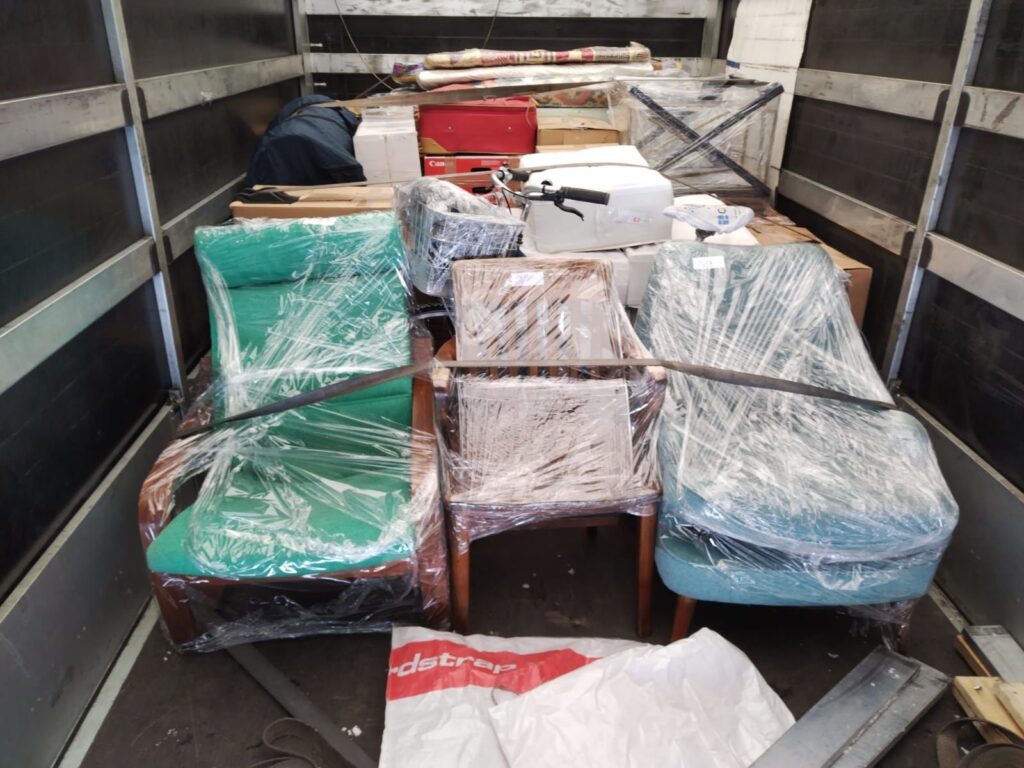
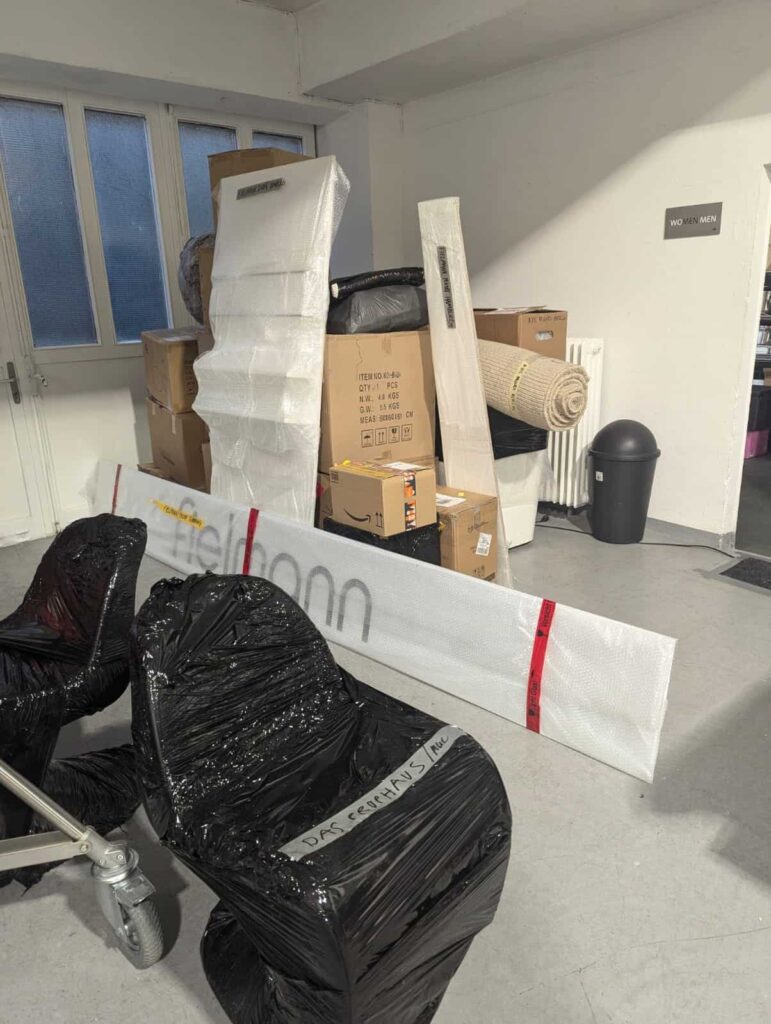
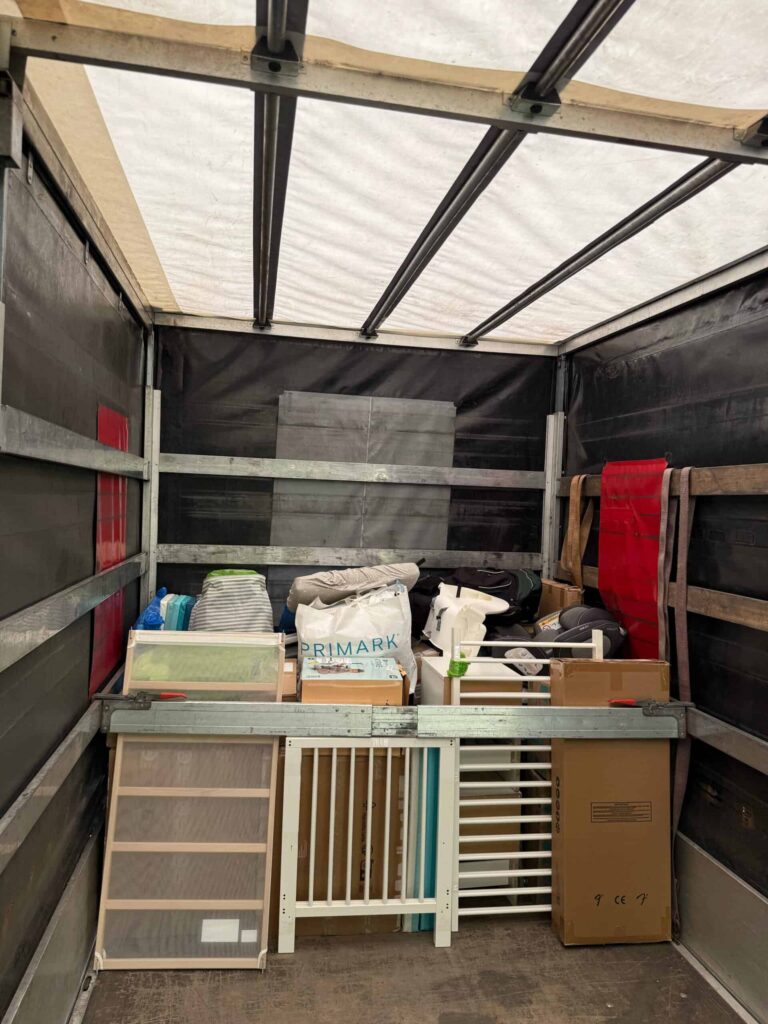
Packing Tips When Moving to Germany from UK Without a Job
Packing for a move like this is not just about protection. It is about strategy. When housing is not fully settled and your job timeline is still unfolding, every box should earn its place in the van. That is why smart packing matters so much when you are moving to Germany from UK without a job.
The strongest rule is simple: move lean while your situation is still fluid. If you may start in temporary accommodation, share a short-term rental, or live more lightly for the first few months, taking too much too soon can create unnecessary cost and friction. A tighter, better-planned load is often easier to manage, cheaper to move, and far less stressful once you arrive.
This is where priorities matter. Legal documents, chargers, medicines, daily essentials, and job-search basics should be treated like immediate-access items, not packed away beneath kitchen equipment or seasonal clothes. At the same time, fragile items still need careful wrapping, because a budget-conscious move should never become a careless one.
Labels can do far more work than people expect. A clearly labelled box saves time at collection, speeds up delivery, and helps you find what you need without opening half your load on the first night. When uncertainty is already high, small systems create big relief.
A few practical habits make a major difference:
- move essentials first
- use smaller boxes for books
- label by room and priority
- wrap glass and electronics carefully
- keep legal documents and chargers with you
- use professional packing for premium items
It is also wise to document valuable items before transport. Quick photos of electronics, furniture, and delicate pieces create a helpful record and give extra peace of mind. If the move includes premium furniture, mirrors, artwork, or delicate finishes, Packing Service can be a strong choice because it adds consistency exactly where rushed decisions usually cause trouble.
Good packing does not mean taking everything. It means taking the right things, protecting them properly, and making the first weeks in Germany easier rather than heavier. For readers moving to Germany from UK without a job, that kind of discipline can save both money and energy.
Common Mistakes to Avoid When Moving to Germany Without Employment Secured
The biggest mistakes in moves like this rarely look dramatic at the beginning. They often start as small assumptions. Then, once the move is already in motion, those assumptions become expensive. That is why this section matters. It is not about fear. It is about avoiding avoidable pressure.
One of the most common mistakes is assuming that moving first is legally simple. It can be possible, but it is not automatic. If the residence route is not clear before the relocation begins, the entire move can start from a weak foundation.
Another costly mistake is underestimating savings needs. People often budget for transport and a few weeks of living costs, then forget deposits, temporary housing, admin fees, local travel, and delays. When the financial buffer is too thin, even a minor setback can feel overwhelming.
Taking too much too soon is another trap. It is easy to assume that moving everything at once feels more decisive. In reality, if your housing is temporary or your early months are still uncertain, a full-scale move can create more weight than security. A staged move is often the wiser option.
Temporary housing realities are also easy to underestimate. Some readers focus so strongly on the international move that they forget how hard short-term housing or landlord requirements can be without a work contract.
Then there are the classic removals mistakes: poor packing, unclear customs paperwork, and choosing the wrong vehicle size. These may seem like practical details, yet they influence the whole move more than people expect.
The most common mistakes usually include:
- assuming moving first is always legally simple
- underestimating savings needs
- taking too much too soon
- ignoring temporary housing realities
- poor packing
- unclear customs paperwork
- choosing the wrong vehicle size
The reassuring part is that these are all manageable when they are spotted early. Good planning, honest budgeting, a realistic first move, and the right removals structure can remove a huge amount of unnecessary pressure. That is what helps moving to Germany from UK without a job feel strategic rather than chaotic.
Why Customers Value GPS-Tracked Transport During a High-Stakes Move
One of the most unsettling parts of any international move begins after the collection is over. Once the vehicle leaves, the mind starts filling the silence. Where are my belongings? Is everything still on schedule? How accurately can I plan my arrival? Those questions become even heavier when the whole relocation already carries uncertainty. That is exactly why GPS-tracked transport matters so much when you are moving to Germany from UK without a job.
GPS tracking offers something more valuable than a technical feature. It offers visibility. Instead of feeling as if your belongings vanish into a grey zone between pickup and delivery, you have a clearer sense of progress. That visibility creates calm at a moment when calm is in short supply.
This matters especially when the move is tied to temporary housing dates, apartment access windows, registration timing, or the pressure of starting a new life in Germany without income already secured. Better visibility means better decisions. It helps you prepare for arrival with more confidence and less guesswork.
The practical benefits are easy to feel:
- clearer visibility during transport
- better planning for arrival
- more confidence for valuable loads
- stronger communication and timing clarity
That reassurance becomes even more important when the load includes premium furniture, electronics, personal essentials, or documents connected to a high-stakes life change. When the relocation itself already feels like a risk, better visibility helps remove at least one layer of stress.
It also improves communication. More precise location awareness supports clearer updates and more dependable timing expectations. For customers, that translates into something powerful: the move feels organised rather than mysterious.
This is one of the details that quietly strengthens VANonsite’s appeal. GPS tracking on every load adds control, visibility, and peace of mind at exactly the point where many international movers need it most.
Who Can Benefit Most from This Type of Move?
This type of move is not reserved for one narrow group of people. In reality, moving to Germany from UK without a job can suit a wide range of life situations, each with different pressures, priorities, and ideal move sizes. What they share is not the same background. It is the need for flexibility, realism, and a move that does not create more chaos than necessary.
This path can be especially relevant for:
- job seekers relocating for more opportunities
- students or graduates planning a transition period
- couples where one partner moves first
- professionals taking a strategic risk
- expats shipping selected belongings first
- people downsizing before a new chapter
Job seekers often want to be closer to opportunities, interviews, and everyday life in the country where they hope to build their next step. Students or recent graduates may be looking for a transition period that allows them to study, improve their language skills, or search more actively on the ground.
Couples often use a staggered move because one person relocates first, secures housing, or explores the next phase before the second person follows. Professionals taking a strategic risk may not be unemployed in the usual sense at all. They may simply be choosing to move before the next role is finalised because they believe proximity will improve the odds.
Expats shipping selected belongings first often benefit from staged moving because it keeps the relocation lighter and more adaptable. People downsizing before a new chapter may also prefer a cleaner, leaner move rather than dragging old weight into a new country.
Different personal situations need different move sizes and support levels. That is why flexibility matters so much. A man and van setup may be perfect for one person’s essential-first relocation, while another reader may need packing support, storage, or a fuller home removals service later. The smartest move is the one that fits the real stage of life you are in right now.
Why Choose VANonsite for Moving to Germany from UK Without a Job?
Choosing a removals partner for a move like this is not just about transport. It is about reducing uncertainty at a time when you already have enough of it. When you are moving to Germany from UK without a job, the right company should not add friction. It should remove it.
This is where VANonsite stands out in a calm, practical way. The company combines fast and secure transport, GPS tracking on every load, flexible vehicle sizes, and service options that support everything from lean first moves to larger, more settled relocations. That matters because this kind of international move is rarely one-size-fits-all.
Some readers need a compact man and van setup to move essentials, documents, and selected furniture first. Others need more space, more structure, or more support because the move includes a full household, premium items, or a temporary storage gap. VANonsite is built to handle both lighter and larger relocations without making the service feel overcomplicated.
Another major advantage is flexibility. Uncertain timelines can change quickly. Housing may shift. Plans may tighten. A service that can adapt without sacrificing care becomes far more valuable in that situation than a rigid setup built for a single perfect scenario.
VANonsite also gives readers access to services that genuinely match different relocation pressures. Home moves, furniture transport, student relocations, packing support, office removals, white glove handling, and storage all fit naturally into different phases of the move. That makes the service structure feel practical rather than generic.
In simple terms, VANonsite is:
- flexible for uncertain timelines
- built for speed without sacrificing care
- transparent and practical in how the service works
- suitable for both essential-first and full-scale moves
For readers moving to Germany from UK without a job, that combination creates something powerful: a move that feels supported, visible, and far more manageable from the very start.
Final Thoughts on Moving to Germany from UK Without a Job
Moving without a job can still be a smart and realistic step. It simply has to be handled with more structure than emotion alone. When the legal route is clear, the savings buffer is honest, and the logistics are matched to the real move, the whole plan starts to feel much more solid.
That is the real difference. Not blind confidence. Not luck. Just better preparation.
For some readers, the best first move will be lean, flexible, and built around essentials. For others, it will involve a larger relocation with more furniture, more support, or a second stage later. The smartest result comes from matching the move to your real situation, not forcing everything into one rushed decision.
VANonsite helps make that easier with secure transport, GPS tracking, flexible vehicle sizes, and service options designed for both lighter and more complex cross-border relocations. That is exactly the kind of practical support that can turn a stressful plan into a far more confident transition.
Request your tailored moving quote today, find the right vehicle size for your first move, and plan your Germany relocation with a trusted removals partner.
Frequently Asked Questions About Moving to Germany from UK Without a Job
Can I Move to Germany from the UK Without a Job?
In some cases, yes, but it depends on the legal route that fits your situation. Because the UK is outside the EU, British citizens need to follow the relevant German immigration rules rather than relying on automatic freedom of movement. The safest approach is to check official sources such as Make it in Germany, BAMF, and GOV.UK before planning the full relocation.
How Much Savings Should I Have Before Moving?
There is no single number that fits everyone. A stronger buffer is usually better because you may need to cover deposits, temporary housing, food, transport, health-related setup costs, and unexpected delays while job searching. A practical way to think about it is to prepare for your first 30 days, first 90 days, and an emergency reserve.
What Affects Moving from UK to Germany Price?
The main factors are the total volume and weight of the load, the pickup and delivery locations, access conditions, the service level, and whether you add packing, storage, dismantling, or specialist handling. Smaller, staged moves usually cost less than full household relocations.
Is a Man and Van Service Enough for My Move?
In many cases, yes. A man and van service can work very well for lean first moves, student relocations, solo moves, and staged transport where you only take essentials first. It is usually less suitable for full family relocations or very bulky household loads.
Do I Need Customs Paperwork for My Belongings?
In many cases, yes. Because the UK is outside the EU, customs-related paperwork may apply to household goods and personal belongings moved to Germany. German customs provides official guidance on transferring residence and the relevant declaration requirements. Check German Customs before moving.
Can I Move First and Send the Rest Later?
Yes, in many cases that can be a very smart strategy. A staged move often makes sense when your housing, job search, or long-term plans are still taking shape. It can reduce the moving from UK to Germany price, keep the first step lighter, and make temporary accommodation much easier to manage.