
Moving family to Switzerland is more than a change of address. It is a new school run, a new healthcare system, a new rental market, a new language rhythm, and a fresh version of everyday life. For many parents, Switzerland feels like a powerful family upgrade: safer streets, clean air, strong salaries, excellent public transport, serious schools, and weekends shaped by lakes, forests, and mountains.
Yet moving family to Switzerland also requires sharp planning. You need to understand residence permits, customs rules, health insurance, school enrolment, housing, moving volume, and the emotional pressure of relocating children. A family move is never just boxes. It is bedtime routines, favourite toys, school records, fragile furniture, bikes, work equipment, baby items, and the quiet ache of leaving one home before the next one feels real.
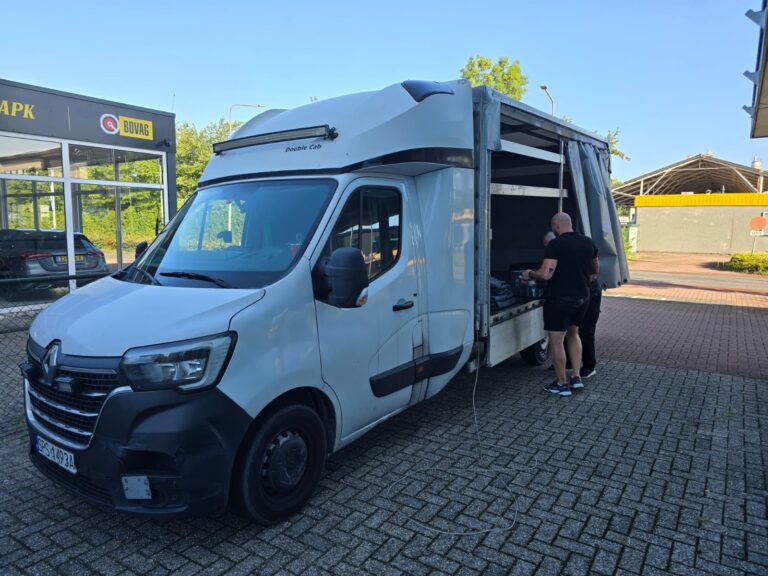
VANonsite helps families move across Europe with secure door-to-door removals, GPS tracking for every load, professional packing, furniture removals, storage, White Glove Delivery, Last Minute Moving, and flexible man and van solutions. If you are planning removals to Switzerland, this guide gives you a practical, answer-focused roadmap before the first box is sealed.
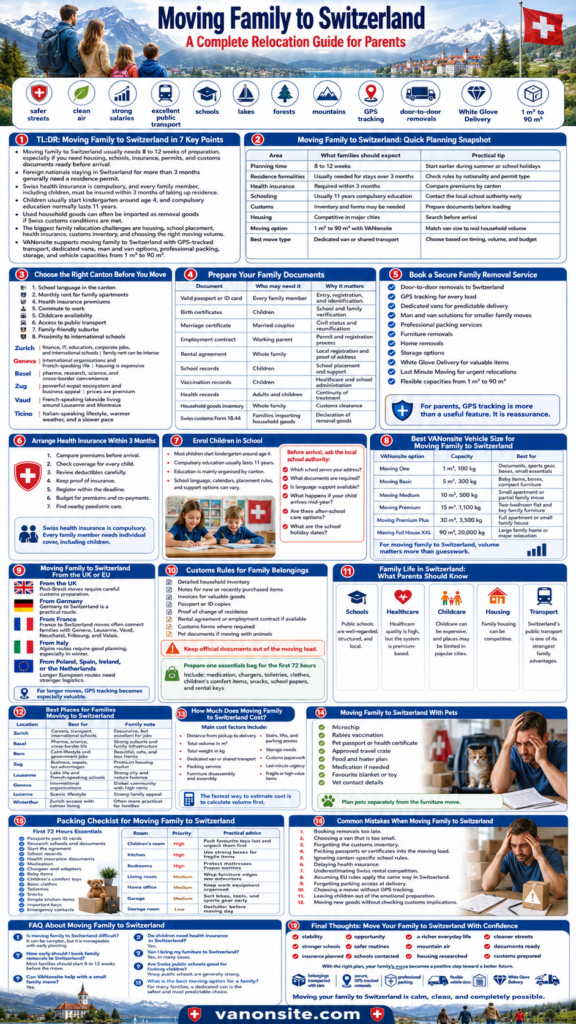
TL:DR: Moving Family to Switzerland in 7 Key Points
- Moving family to Switzerland usually needs 8 to 12 weeks of preparation, especially if you need housing, schools, insurance, permits, and customs documents ready before arrival.
- Foreign nationals staying in Switzerland for more than 3 months generally need a residence permit. Check the official Swiss guidance on residence permits.
- Swiss health insurance is compulsory, and every family member, including children, must be insured within 3 months of taking up residence. Check the official Swiss health insurance information from the Federal Office of Public Health.
- Children usually start kindergarten around age 4, and compulsory education normally lasts 11 years. Details can vary by canton, so check the official Swiss page about school and kindergarten.
- Used household goods can often be imported as removal goods if Swiss customs conditions are met. Review the official customs guidance for moving household effects.
- The biggest family relocation challenges are housing, school placement, health insurance, customs inventory, and choosing the right moving volume.
- VANonsite supports moving family to Switzerland with GPS-tracked transport, dedicated vans, man and van options, professional packing, storage, and vehicle capacities from 1 m³ to 90 m³.




Is Moving Family to Switzerland a Good Idea?
For many parents, yes. Moving family to Switzerland can be an excellent decision if your priorities are safety, stability, high-quality education, career growth, efficient transport, and access to nature. Switzerland has a rare mix of clean cities, strong infrastructure, multilingual communities, and outdoor freedom. Children can grow up close to lakes, ski slopes, forests, parks, and well-organised public services.
However, Switzerland is not a light relocation. Rent can be high in Zurich, Geneva, Basel, Lausanne, and Zug. Childcare can be expensive. Health insurance is mandatory. School systems differ by canton. Customs paperwork must be prepared properly. Because of that, moving family to Switzerland works best when parents treat the process like a structured project, not a hopeful leap.
The reward can be remarkable. A well-prepared family can gain a safer daily routine, stronger career opportunities, cleaner surroundings, and a lifestyle that feels calm, capable, and beautifully precise.
Moving Family to Switzerland: Quick Planning Snapshot
Before booking transport or choosing a school, families need a realistic overview of the main tasks. The move becomes easier when every major step has a deadline.
| Area | What families should expect | Practical tip |
|---|---|---|
| Planning time | 8 to 12 weeks | Start earlier during summer or school holidays |
| Residence formalities | Usually needed for stays over 3 months | Check rules by nationality and permit type |
| Health insurance | Required within 3 months | Compare premiums by canton |
| Schooling | Usually 11 years compulsory education | Contact the local school authority early |
| Customs | Inventory and forms may be needed | Prepare documents before loading |
| Housing | Competitive in major cities | Search before arrival |
| Moving option | 1 m³ to 90 m³ with VANonsite | Match van size to real household volume |
| Best move type | Dedicated van or shared transport | Choose based on timing, volume, and budget |
For parents, the biggest trap is underestimating the number of moving parts. A family relocation includes official documents, children’s emotions, rent deposits, school records, insurance policies, transport timing, and unpacking priorities. The earlier you organise these layers, the smoother the first month in Switzerland becomes.
Step-by-Step Guide to Moving Family to Switzerland
1. Choose the Right Canton Before You Move
Switzerland may look compact on the map, but daily life is highly local. Cantons can differ in language, taxes, school systems, health insurance premiums, childcare availability, rental prices, and registration procedures. That matters deeply when moving family to Switzerland because your canton shapes your costs, your children’s school language, and your weekly rhythm.
Zurich is strong for finance, IT, education, corporate jobs, and international schools, but family rent can be intense. Geneva suits families connected to international organisations and French-speaking life, although housing is expensive. Basel is attractive for pharma, research, science, and cross-border convenience. Zug has a powerful expat ecosystem and business appeal, but prices are premium. Vaud offers French-speaking lakeside living around Lausanne and Montreux. Ticino gives families an Italian-speaking lifestyle, warmer weather, and a slower pace.
Before choosing, compare:
- School language in the canton
- Monthly rent for family apartments
- Health insurance premiums
- Commute to work
- Childcare availability
- Access to public transport
- Family-friendly suburbs
- Proximity to international schools
The best canton is not always the most famous one. It is the one where your family can live well, not just arrive successfully.
2. Check Residence and Work Requirements
Residence rules depend on nationality, employment status, family situation, and length of stay. If you plan to stay in Switzerland for more than 3 months, check the official Swiss guidance on residence permits before making final decisions.
EU and EFTA citizens usually have a more straightforward path under freedom of movement rules, but they still need to complete the correct formalities. Non-EU and non-EFTA families often face stricter requirements, including work authorisation, employer sponsorship, visa procedures, proof of accommodation, and cantonal approval.
If one parent moves first for work and the rest of the family follows later, family reunification rules may apply. Check the official Swiss information about family reunification and confirm what applies to your permit type.
Do not pack first and solve paperwork later. For moving family to Switzerland, legal clarity should come before transport dates.
3. Prepare Your Family Documents
Documents are the hidden engine of a smooth relocation. One missing certificate can delay registration, school enrolment, insurance, or customs clearance.
| Document | Who may need it | Why it matters |
|---|---|---|
| Valid passport or ID card | Every family member | Entry, registration, and identification |
| Birth certificates | Children | School and family verification |
| Marriage certificate | Married couples | Civil status and reunification |
| Employment contract | Working parent | Permit and registration process |
| Rental agreement | Whole family | Local registration and proof of address |
| School records | Children | School placement and support |
| Vaccination records | Children | Healthcare and school administration |
| Health records | Adults and children | Continuity of treatment |
| Household goods inventory | Whole family | Customs clearance |
| Swiss customs Form 18.44 | Families importing household goods | Declaration of removal goods |
For used furniture, clothes, household goods, bikes, toys, books, and kitchen items, check the official Swiss customs guidance for moving household effects. Swiss customs rules can allow used personal effects to enter as removal goods when specific conditions are met. If you need the procedure and forms, review the official page about relocation import procedure.
4. Book a Secure Family Removal Service
Once documents and destination planning are underway, transport becomes the next serious decision. The lowest quote is not always the safest option. When moving family to Switzerland, you need reliability, careful loading, clear timing, customs awareness, and communication you can trust.
VANonsite supports family relocations with:
- Door-to-door removals to Switzerland
- GPS tracking for every load
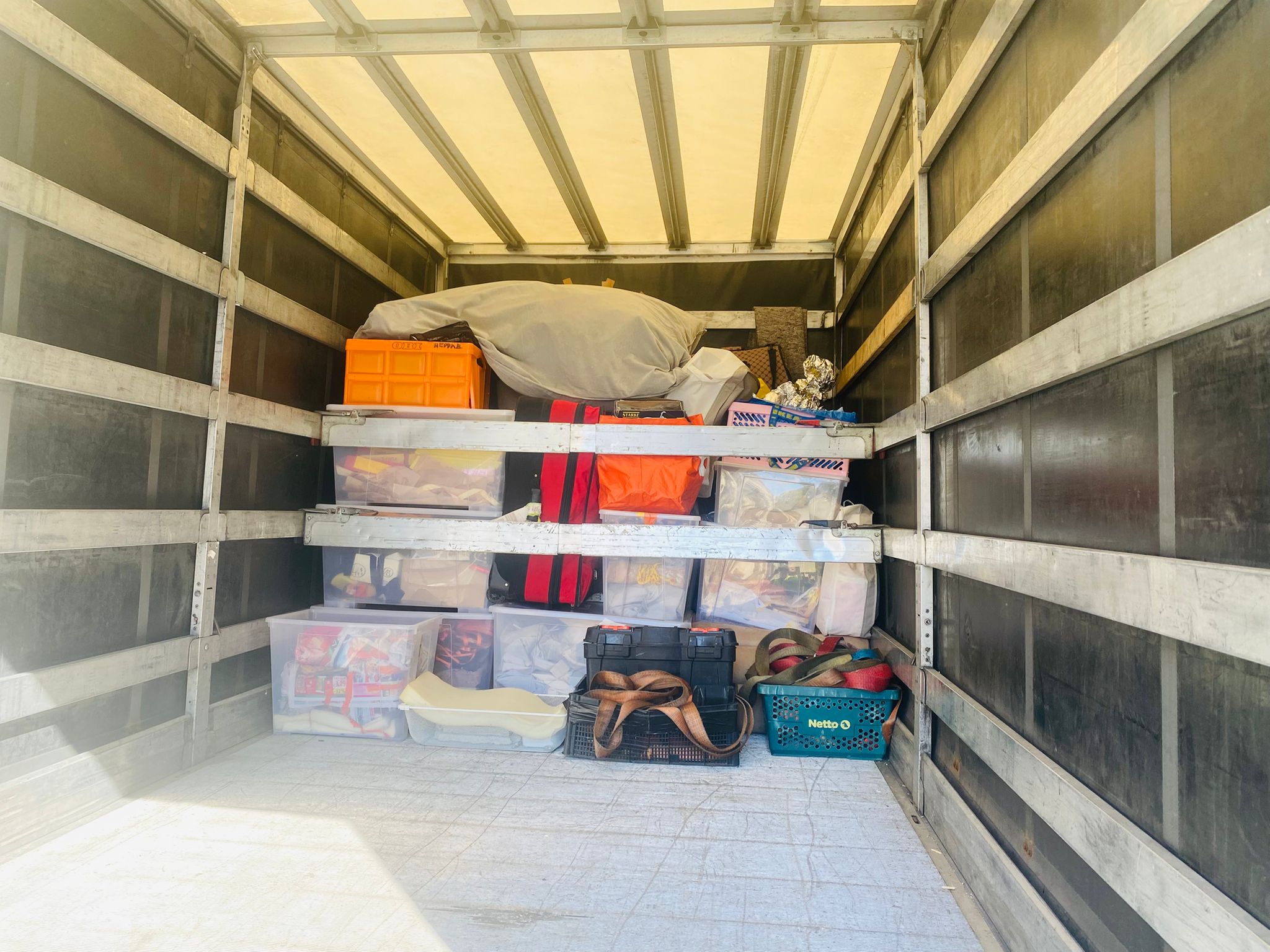
- Dedicated vans for predictable delivery
- Man and van solutions for smaller family moves
- Professional packing services
- Furniture removals
- Home removals
- Storage options
- White Glove Delivery for valuable items
- Last Minute Moving for urgent relocations
- Flexible capacities from 1 m³ to 90 m³
For parents, GPS tracking is more than a useful feature. It is reassurance. While you handle children, flights, rental keys, school emails, and first-night logistics, knowing where your belongings are can turn stress into control.
5. Register After Arrival
After arrival, families usually need to register with the local commune or municipality. Requirements vary by canton, but you may need passports, photos, employment documents, civil status papers, a rental agreement, and permit-related forms.
Registration connects to other essential steps, including residence permits, local services, school enrolment, and sometimes health insurance administration. Do it quickly, and keep copies of every document.
6. Arrange Health Insurance Within 3 Months
Swiss health insurance is compulsory. Every family member needs individual cover, including children. Official Swiss health guidance states that people taking up residence in Switzerland must obtain health insurance within 3 months. You can check the rules on the Federal Office of Public Health website.
This is a major difference for families moving from countries with tax-funded healthcare. In Switzerland, you choose an approved insurer and pay monthly premiums. Costs vary by canton, insurer, age, deductible, and insurance model.
For moving family to Switzerland, prepare a simple health insurance action list:
- Compare premiums before arrival.
- Check coverage for every child.
- Review deductibles carefully.
- Keep proof of insurance.
- Register within the deadline.
- Budget for premiums and co-payments.
- Find nearby paediatric care.
7. Enrol Children in School
Education is one of the strongest reasons parents consider moving family to Switzerland. Public schools are well-regarded, structured, and local. However, education is mainly organised by canton, so school language, calendars, placement rules, and support options can vary.
Most children start kindergarten around age 4, and compulsory education usually lasts 11 years. You can check the official Swiss page about compulsory school and kindergarten.
Language is often the main concern for international families. In German-speaking cantons, children may need German support. In French-speaking cantons, French becomes central. In Ticino, Italian is the main language. Younger children often adapt quickly, but older children may need more structured support.
Before arrival, ask the local school authority:
- Which school serves your address?
- What documents are required?
- Is language support available?
- What happens if your child arrives mid-year?
- Are there after-school care options?
- What are the school holiday dates?
A calm school transition can shape the whole relocation. Children settle faster when parents prepare early and give them a clear picture of what will happen next.
Best VANonsite Vehicle Size for Moving Family to Switzerland
Choosing the right vehicle helps control cost and stress. Too small, and you risk delays, overload, or extra trips. Too large, and you pay for space you do not need.
| VANonsite option | Capacity | Best for |
|---|---|---|
| Moving One | 1 m³, 100 kg | Documents, sports gear, boxes, small essentials |
| Moving Basic | 5 m³, 300 kg | Baby items, boxes, compact furniture |
| Moving Medium | 10 m³, 500 kg | Small apartment or partial family move |
| Moving Premium | 15 m³, 1,100 kg | Two-bedroom flat and key family furniture |
| Moving Premium Plus | 30 m³, 3,500 kg | Full apartment or small family house |
| Moving Full House XXL | 90 m³, 20,000 kg | Large family home or major relocation |
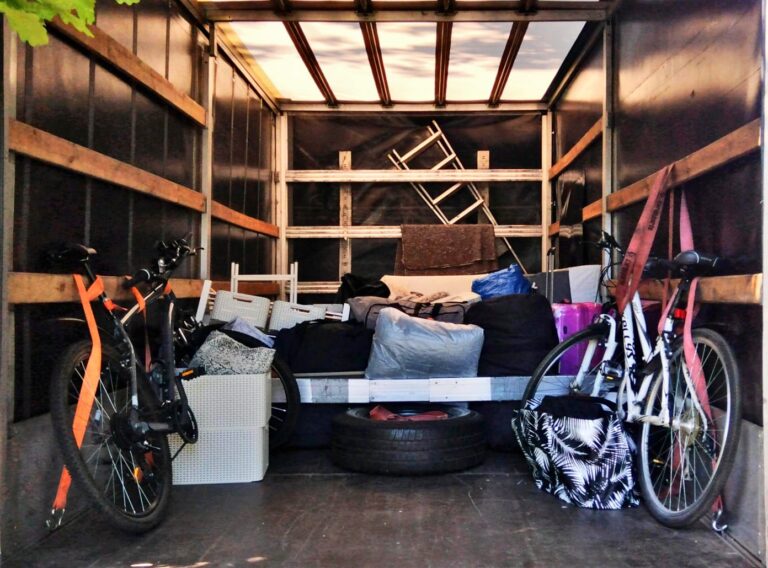
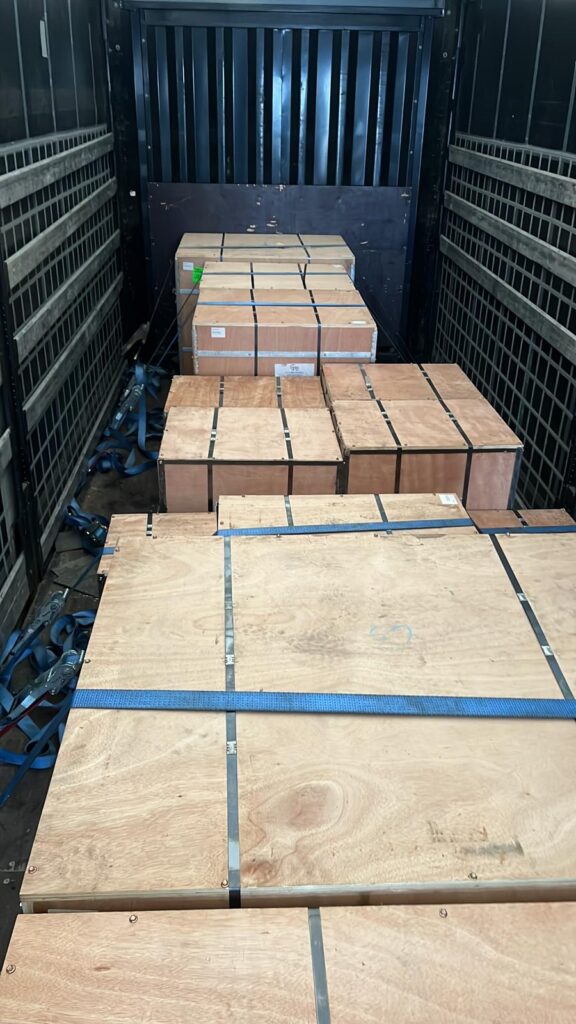
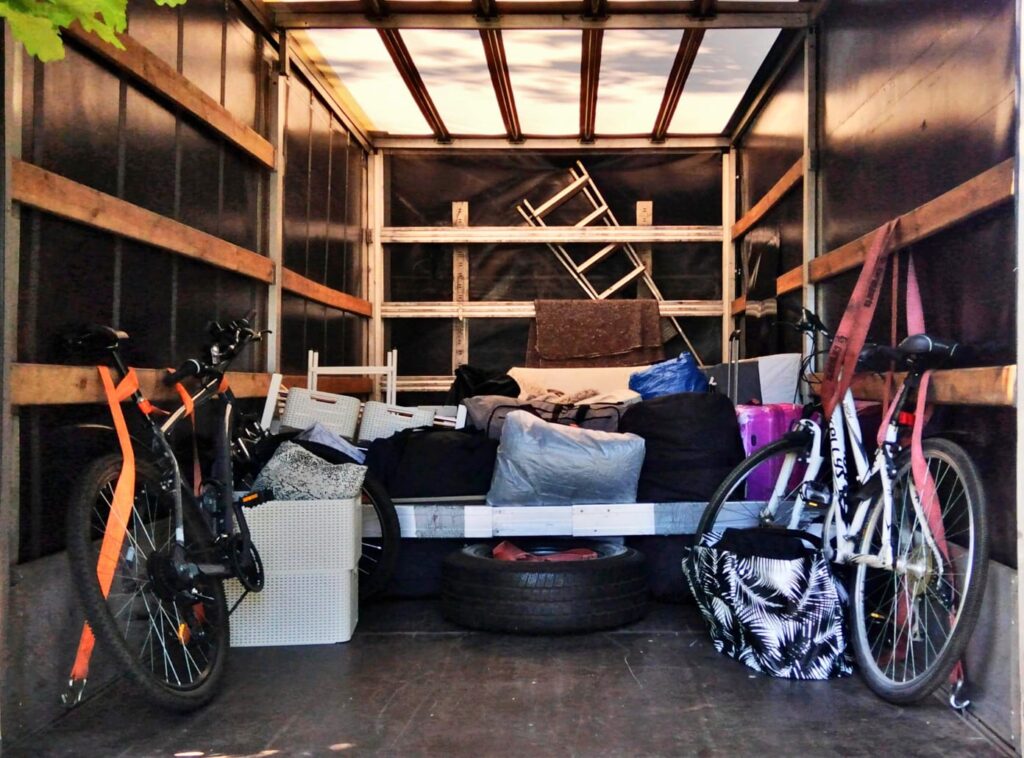
For moving family to Switzerland, volume matters more than guesswork. A couple with one child may need 10 m³ or 15 m³. A larger family with wardrobes, beds, bikes, toys, appliances, office equipment, and garden items may need 30 m³ or more. VANonsite can help match the load to the right option, so your move is efficient rather than squeezed.
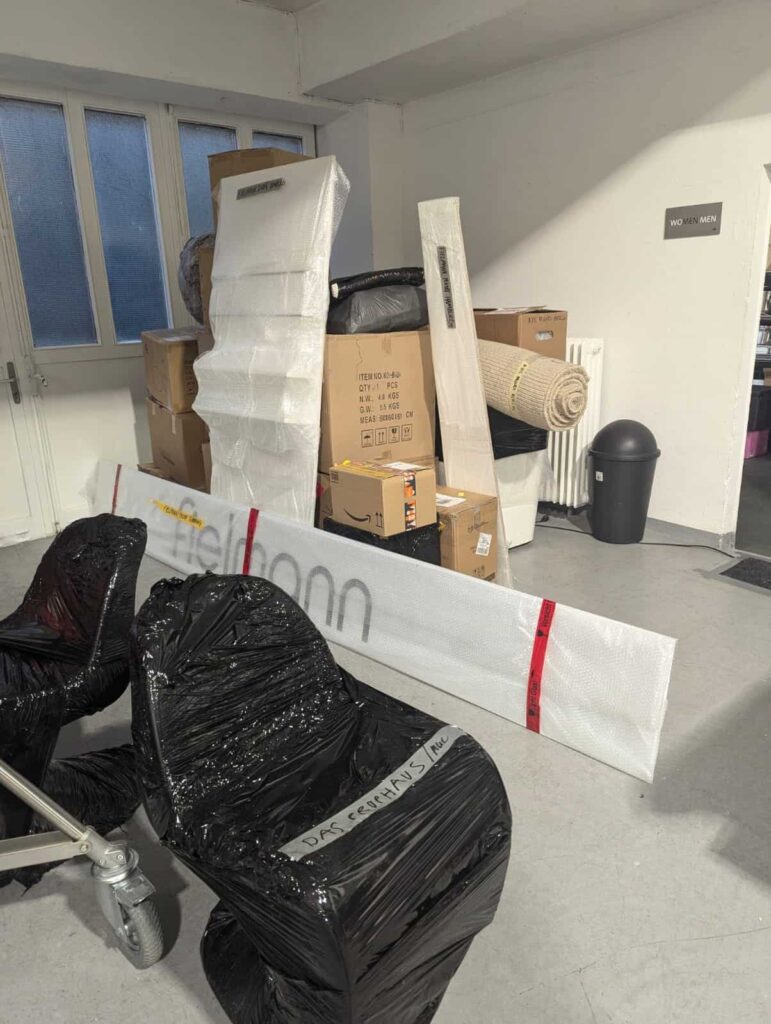
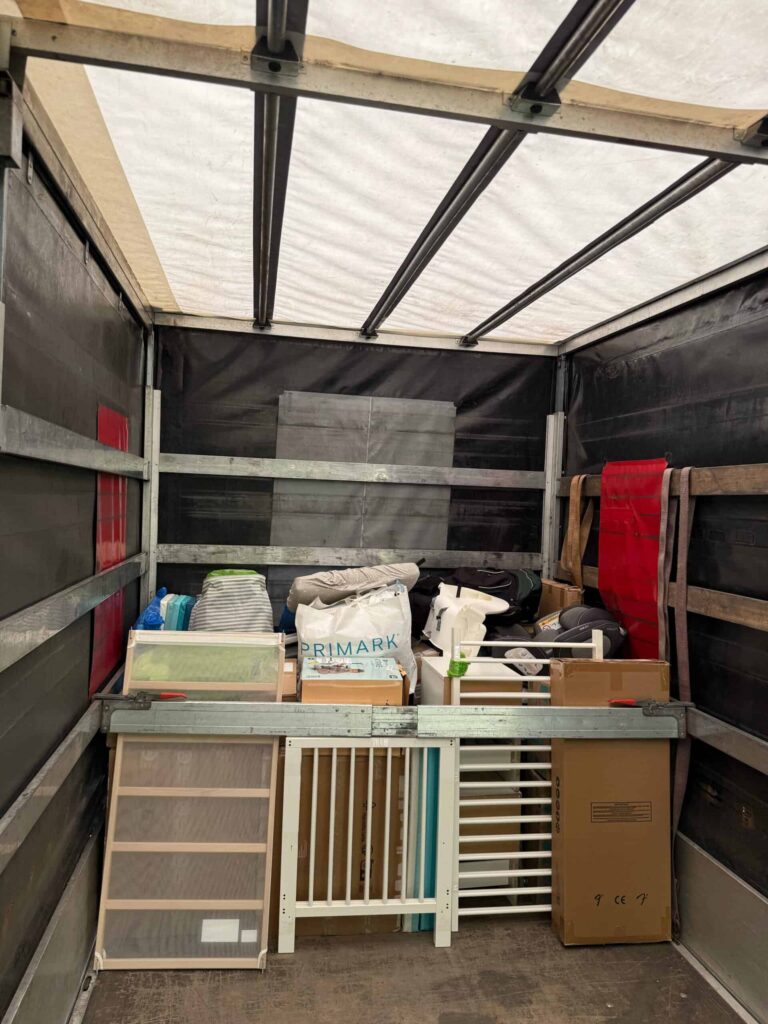
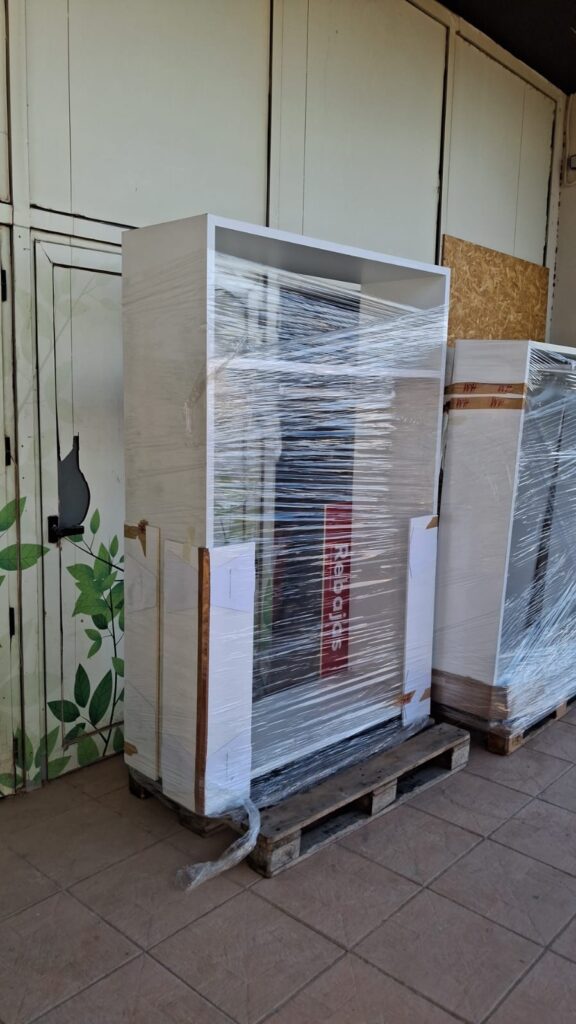
Moving Family to Switzerland From the UK or EU
From the UK
Post-Brexit moves require careful customs preparation. Families moving from the UK should prepare passports, inventory lists, proof of relocation, residence or employment documents, and details of household effects. Because Switzerland is outside the EU, customs planning matters even when the route feels familiar.
From Germany
Germany to Switzerland is a practical route, especially for Zurich, Basel, Bern, Zug, St. Gallen, and Lucerne. The distance can be manageable, but documents and customs still matter. A short route does not always mean a simple move.
From France
France to Switzerland moves often connect families with Geneva, Lausanne, Vaud, Neuchatel, Fribourg, and Valais. French-speaking cantons can feel familiar for francophone families, but school, registration, and housing rules still need local research.
From Italy
Italy to Switzerland often means moves toward Ticino, Lugano, Bellinzona, Zurich, or central Switzerland. Alpine routes require good planning, especially in winter. Secure loading and realistic delivery timing are essential.
From Poland, Spain, Ireland, or the Netherlands
Longer European routes need stronger logistics. Families should focus on inventory accuracy, packing quality, customs documents, access at delivery, and reliable tracking. For longer moves, GPS tracking becomes especially valuable because parents can travel separately with children while still monitoring the shipment.
Customs Rules for Family Belongings
Customs can feel intimidating, but the process is manageable when prepared early. The central idea is simple: used personal and household effects moved as part of relocation can often be handled differently from new commercial goods, provided Swiss conditions are met.
Prepare:
- Detailed household inventory
- Notes for new or recently purchased items
- Invoices for valuable goods
- Passport or ID copies
- Proof of change of residence
- Rental agreement or employment contract if available
- Customs forms where required
- Pet documents if moving with animals
Keep official documents out of the moving load. Pack them in a separate family folder that travels with you. Also prepare one essentials bag for the first 72 hours with medication, chargers, toiletries, clothes, children’s comfort items, snacks, school papers, and rental keys.
Family Life in Switzerland: What Parents Should Know
Schools
Swiss public schools are local and structured. Children often attend the school linked to their address, which means housing and school planning should happen together. International schools are available in cities such as Zurich, Geneva, Basel, Lausanne, Zug, and Bern, but fees can be high. Public schools are often a strong choice for long-term integration.
Healthcare
Healthcare quality is high, but the system is premium-based. Each family member needs individual insurance. Parents should compare plans, deductibles, paediatric access, and canton-specific premiums before arrival.
Childcare
Childcare can be expensive, and places may be limited in popular cities. If both parents work, start researching nurseries, after-school clubs, and local childcare subsidies before moving.
Housing
Family housing can be competitive. Landlords may ask for proof of income, employment contract, references, residence status, deposit, and family information. Apartments near schools and transport links can disappear quickly.
Transport
Switzerland’s public transport is one of its strongest family advantages. Trains, buses, trams, boats, and mountain routes are well connected. Depending on your canton, one car or even no car may be realistic.
Best Places for Families Moving to Switzerland
| Location | Best for | Family note |
|---|---|---|
| Zurich | Careers, transport, international schools | Expensive, but excellent for jobs |
| Basel | Pharma, science, cross-border life | Strong suburbs and family infrastructure |
| Bern | Calm lifestyle and government jobs | Beautiful, safe, and less frantic |
| Zug | Business, expats, tax advantages | Premium housing market |
| Lausanne | Lake life and French-speaking schools | Strong city and nature balance |
| Geneva | International organisations | Global community with high rents |
| Lucerne | Scenic lifestyle | Strong family appeal |
| Winterthur | Zurich access with calmer living | Often more practical for families |
The best place is not automatically the most famous city. It is the location where your budget, commute, school needs, and family rhythm fit together.
How Much Does Moving Family to Switzerland Cost?
There is no single price because every move is different. A family moving 10 boxes and two bikes from Germany has a very different cost profile from a family moving a four-bedroom home from Ireland. The final price depends on route, volume, timing, service level, access, packing, and customs complexity.
Main cost factors include:
- Distance from pickup to delivery
- Total volume in m³
- Total weight in kg
- Dedicated van or shared transport
- Packing service
- Furniture disassembly and assembly
- Stairs, lifts, and parking access
- Storage needs
- Customs paperwork
- Last-minute urgency
- Fragile or high-value items
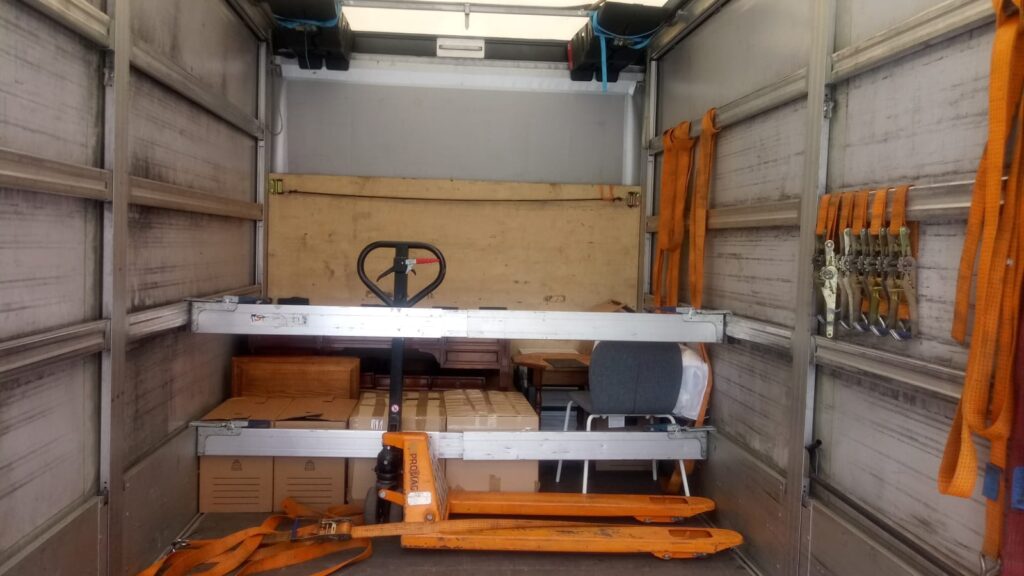
The fastest way to estimate cost is to calculate volume first. Small moves may fit Moving Basic or Moving Medium. A full apartment may need Moving Premium or Premium Plus. A large family home may need Moving Full House XXL. VANonsite gives families flexible options, so the quote can reflect the real home, not a vague average.
VANonsite Services for Families Moving to Switzerland
VANonsite offers several services that fit family relocation needs.
Home Removals
Ideal for apartments, houses, and full household moves. This is useful when your relocation includes furniture, boxes, clothes, kitchenware, toys, and family equipment.
Furniture Removals
Beds, wardrobes, sofas, dining tables, desks, nursery furniture, and storage units need protection. Careful handling reduces the risk of damage during loading, transit, and unloading.
Packing Service
Packing is where many family moves become chaotic. Professional packing helps protect fragile kitchenware, books, electronics, decorations, toys, and sentimental items.
White Glove Delivery
This is suited to premium furniture, antiques, artwork, delicate equipment, and high-value family possessions that need extra care.
Storage
Storage helps when your Swiss tenancy starts later than expected, renovation takes longer, or you need a buffer between pickup and delivery.
Last Minute Moving
Plans can change fast. A job start date may move forward, a rental date may shift, or another mover may cancel. Last Minute Moving gives families a rapid, practical option when timing becomes tight.

Moving Family to Switzerland With Pets
Many families move with dogs, cats, or other pets. Before travelling, check Swiss pet import rules and speak to your vet early.
Prepare:
- Microchip
- Rabies vaccination
- Pet passport or health certificate
- Approved travel crate
- Food and water plan
- Medication if needed
- Favourite blanket or toy
- Vet contact details
Plan pets separately from the furniture move. Children often cope better when pets stay calm and familiar routines return quickly after arrival.
Packing Checklist for Moving Family to Switzerland
First 72 Hours Essentials
- Passports and ID cards
- Residence and work documents
- Rental agreement
- School records
- Health insurance documents
- Medication
- Chargers and adapters
- Baby items
- Children’s comfort toys
- Basic clothes
- Toiletries
- Snacks
- Simple kitchen items
- Important keys
- Emergency contacts
Room-by-Room Packing Plan
| Room | Priority | Practical advice |
|---|---|---|
| Children’s room | High | Pack favourite toys last and unpack them first |
| Kitchen | High | Use strong boxes for fragile items |
| Bedrooms | High | Protect mattresses and wardrobes |
| Living room | Medium | Wrap furniture edges and electronics |
| Home office | Medium | Keep work equipment organised |
| Garage | Medium | Sort bikes, tools, and sports gear early |
| Storage room | Low | Declutter before moving day |
Label every box by room and priority. Mark children’s boxes clearly so their rooms can feel familiar as soon as possible.
Common Mistakes When Moving Family to Switzerland
Avoid these costly mistakes:
- Booking removals too late.
- Choosing a van that is too small.
- Forgetting the customs inventory.
- Packing passports or certificates into the moving load.
- Ignoring canton-specific school rules.
- Delaying health insurance.
- Underestimating Swiss rental competition.
- Assuming EU rules apply the same way in Switzerland.
- Forgetting parking access at delivery.
- Choosing a mover without GPS tracking.
- Leaving children out of the emotional preparation.
- Moving new goods without checking customs implications.
The most expensive relocation mistakes are rarely dramatic. They are small gaps that multiply. A missing form. A rushed inventory. A late school email. A van with too little space. Preparation protects your budget, your belongings, and your peace of mind.
Why Families Choose VANonsite for Moving Family to Switzerland
A family move carries more than furniture. It carries school uniforms, wedding photos, work equipment, children’s drawings, books, bikes, toys, favourite mugs, and the objects that make a place feel like home.
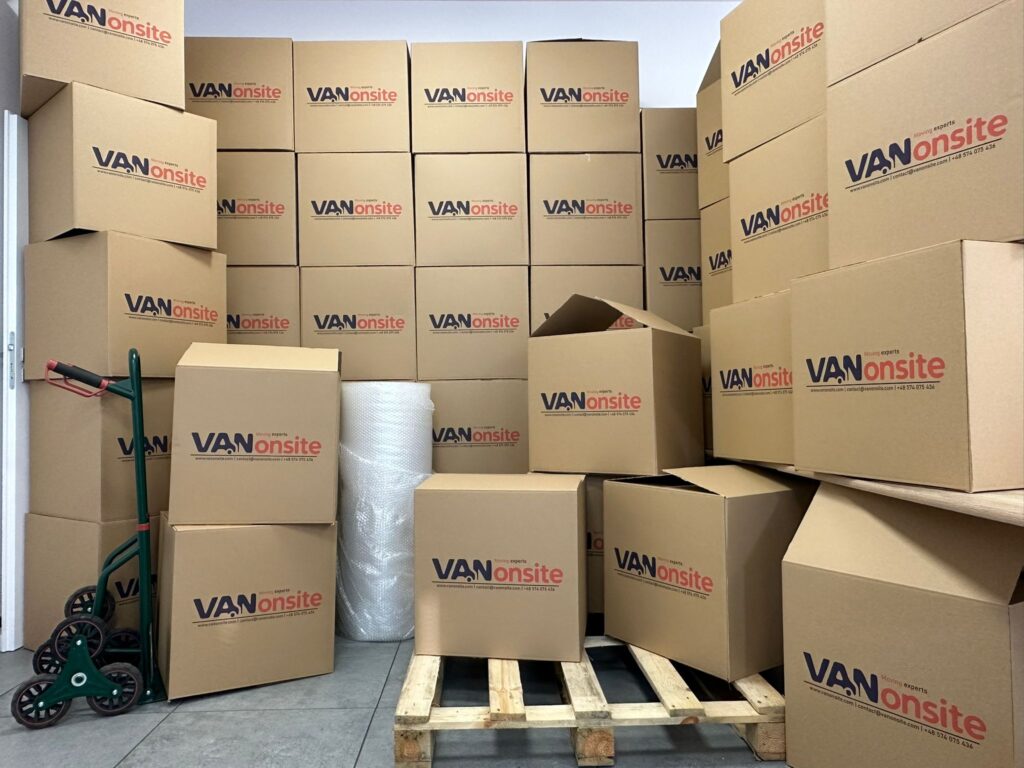
VANonsite supports moving family to Switzerland with secure European removals built around safety, clarity, and trust. GPS tracking gives parents visibility. Flexible vehicle sizes help match the service to the real load. Professional packing protects delicate items. Storage gives breathing room when housing dates do not align. Man and van solutions keep smaller moves efficient and cost-conscious.
Families choose VANonsite because the service is practical and dependable. The goal is simple: collect safely, transport carefully, communicate clearly, and deliver with respect.
Moving Family to Switzerland Checklist
12 Weeks Before Moving
- Choose your canton and city.
- Research schools and childcare.
- Start the housing search.
- Check residence permit requirements.
- Request a removals quote.
- Declutter family belongings.
- Estimate your moving volume.
- Gather passports and civil documents.
8 Weeks Before Moving
- Confirm your moving date.
- Prepare customs inventory.
- Book VANonsite transport.
- Arrange packing materials.
- Contact local school authorities.
- Compare health insurance options.
- Plan pet documents if needed.
4 Weeks Before Moving
- Pack non-essential items.
- Confirm rental or temporary accommodation.
- Notify schools, landlords, banks, and insurers.
- Prepare children for the move.
- Arrange parking access for pickup.
- Confirm delivery details in Switzerland.
1 Week Before Moving
- Keep documents separate.
- Pack first-night essentials.
- Label every box.
- Separate items for customs attention.
- Confirm pickup time.
- Prepare snacks and travel items for children.
After Arrival
- Register locally.
- Arrange compulsory health insurance.
- Enrol children in school.
- Update your address.
- Unpack children’s rooms early.
- Register pets if required.
- Explore your neighbourhood as a family.
FAQ About Moving Family to Switzerland
Is moving family to Switzerland difficult?
It can be complex, but it is manageable with early planning. The biggest tasks are permits, housing, school enrolment, compulsory health insurance, customs paperwork, and secure removals.
How early should I book family removals to Switzerland?
Most families should start 8 to 12 weeks before the move. If you are relocating during summer, school holidays, or at short notice, book as early as possible.
Can VANonsite help with a small family move?
Yes. VANonsite offers flexible vehicle sizes, including Moving One, Moving Basic, Moving Medium, and man and van solutions for smaller family relocations.
Do children need health insurance in Switzerland?
Yes. Every family member, including each child, must be individually insured within 3 months of taking up residence in Switzerland.
Can I bring my furniture to Switzerland?
Yes, in many cases. Used household goods can often be imported as removal goods if they meet Swiss customs conditions, including previous personal use and continued use after import.
Are Swiss public schools good for foreign children?
Swiss public schools are generally strong, but education is organised by canton. Language, placement, support, and school calendars can vary, so parents should contact the local authority early.
What is the best moving option for a family?
For many families, a dedicated van is the safest and most predictable choice. Smaller moves may suit man and van transport, while larger households may need Premium Plus or Full House XXL.
Final Thoughts: Move Your Family to Switzerland With Confidence
Moving family to Switzerland is a bold step toward stability, opportunity, and a richer everyday life. It can give your children cleaner streets, stronger schools, safer routines, mountain air, and a future full of possibility. Yet the move itself needs structure. You need documents ready, insurance planned, schools contacted, housing researched, customs prepared, and belongings transported with care.
VANonsite helps families move across Europe with secure, GPS-tracked removals, professional packing, flexible vehicle sizes, storage, furniture removals, White Glove Delivery, Last Minute Moving, and practical man and van options. Whether you are moving a few essentials or a full family home, the right team can make the process lighter.
If Switzerland is your family’s next chapter, start with a plan that protects your time, your belongings, and your peace of mind. Get support for removals to Switzerland and make the first step feel calm, clear, and completely possible.