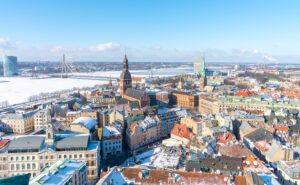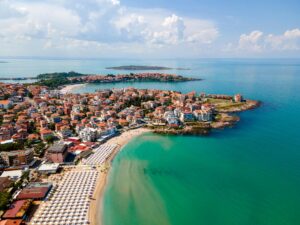
France vs Netherlands is not a contest with one universal winner. France offers far more regional variety, from dense cities and Atlantic ports to Alpine towns and Mediterranean life. The Netherlands offers compact distances, strong cycling infrastructure and easy access to other northern European markets. The better choice depends on the job, home, language and daily routine you can actually secure.
Start with evidence, not country stereotypes. Compare net income from written offers, current housing you could rent, the real commute, healthcare obligations and the residence route for every household member. If the move is between France and the Netherlands, compare quotations using the same inventory, access information and date window. That is the only useful way to separate lifestyle preference from the practical cost of relocating.

France vs Netherlands: the quick verdict
| Your priority | France may fit better | The Netherlands may fit better |
|---|---|---|
| Choice of setting | You want a wide choice of climates, landscapes and city sizes | You prefer compact cities and short distances between major centres |
| Language | You already speak French or want to build your life around it | You need English to ease the first months while learning Dutch |
| Career | Your confirmed opportunity is in a French regional or international employment hub | Your confirmed opportunity is tied to Dutch logistics, technology, engineering, trade or international services |
| Mobility | You value high-speed intercity rail but can accept a car-dependent local routine where necessary | You want cycling and public transport to cover more daily journeys |
| Housing | You can look beyond Paris and match a region to your budget | You have secured suitable housing despite pressure in popular Dutch regions |
Practical answer: France often suits people who value regional choice, French language and a slower local rhythm outside the largest cities. The Netherlands often suits people who value compact urban planning, cycling and an internationally oriented working environment. Neither advantage compensates for an unaffordable home or an impractical commute.
Cost of living: compare addresses, not averages
A single France-versus-Netherlands percentage is misleading. Paris is not representative of France, and Amsterdam is not representative of every Dutch municipality. Lille, Lyon, Toulouse, Nantes or a smaller French town can create a completely different budget. Rotterdam, The Hague, Utrecht, Eindhoven and their surrounding towns also vary in rent and commuting options.
Build two address-level budgets from current offers:
- net income after tax, social contributions and pension deductions;
- rent, deposit, agency conditions and temporary accommodation;
- energy costs based on the property’s performance and heating system;
- healthcare or insurance obligations for each person;
- childcare, school travel and both adults’ commutes;
- car, parking, public transport and bicycle costs;
- regular journeys to family and the one-off relocation.
France’s national statistics office tracks the housing stock and rent indices, while Statistics Netherlands reports on housing availability and affordability. These sources show market direction, but they do not replace current local listings. Use official data to challenge broad claims, then base the decision on homes you could realistically obtain.

Housing: secure the home before fixing the moving date
In France, the rental file can require proof of identity, income and employment, and requirements vary by landlord and property. A lower rent outside a major centre may be offset by a second car or a long commute. Check heating, insulation, parking and whether large furniture can reach the intended rooms through the staircase or lift.
In the Netherlands, housing pressure can make the address the decisive part of the move. Do not assume that a short map distance creates a short peak-time journey. Confirm that registration is allowed at the property, understand the tenancy conditions and never transfer a deposit without verifying the landlord or agent and the property.
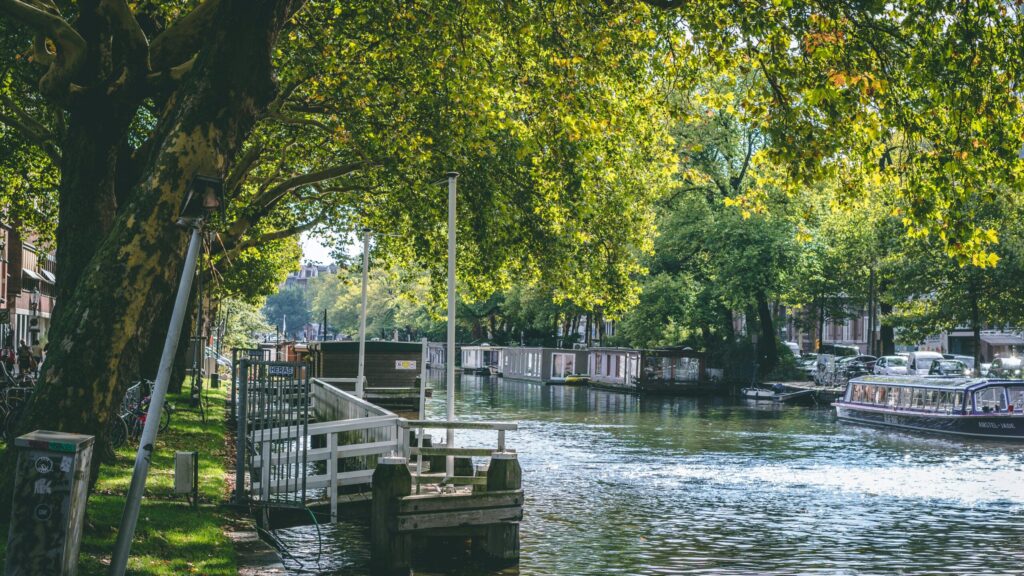
Access also changes the removal plan. Central French streets, Dutch canals, narrow staircases, timed loading bays, lift reservations and long carrying distances can require different equipment and crew time. Send photographs or a short video of both addresses before accepting a quotation. A specialist can then plan the vehicle position, protection and handling instead of discovering a restriction on arrival.
Jobs and work culture: compare the actual offer
France has large and specialised labour markets across Paris, Lyon, Toulouse, Lille, Nantes, Bordeaux, Grenoble and other regions. The opportunity may depend on French from the first day, especially in local teams, regulated professions and customer-facing work. International employers can use English, but an English-language vacancy does not guarantee an English-language administrative life.
The Netherlands has strong clusters in logistics, trade, technology, engineering, energy, food and international services. English can be enough in selected multinational roles, while Dutch widens the long-term employment market and makes integration easier. The small size of the country can expand the search radius, but only if the commute is reliable at the hours you will work.
For either country, compare the written contract after deductions. Check probation, notice period, pension, paid leave, relocation support, remote-work rules and required office days. Cross-border remote work can affect tax and social-security responsibilities, so obtain advice for the exact arrangement rather than copying another expat’s solution.
Residence, work and registration
Moving to France
Residence and work requirements depend on nationality, purpose and length of stay. EU, EEA and Swiss nationals have different rights from most non-European nationals. For many non-European employees, the employer must obtain work authorisation before entry, and a long-stay visa or residence document may also be required. UK nationals should follow the route that applies after Brexit rather than assuming EU free-movement rules.
Use the official French guidance for your own category: work and residence requirements for a foreign employee in France. Requirements can change, so verify them before giving notice on a home or agreeing a collection date.
Moving to the Netherlands
Dutch government guidance says people staying for more than four months generally register with the municipality within five days of arrival. Registration creates the BRP record and provides a BSN used in dealings with government and healthcare. Shorter stays can use the non-resident registration route. Work permission depends on nationality: EU, EEA and Swiss nationals can work without a work permit, while other nationals usually face additional conditions.
Healthcare: avoid using a flat monthly estimate
France and the Netherlands organise healthcare differently, and status matters. In France, eligibility and registration depend on whether a person is employed, self-employed, studying, retired, posted by an employer or covered through another country. An expatriate who works and resides in France can enter the French system under the applicable conditions; complementary cover is a separate decision.
The Netherlands generally requires people who live or work there to take out Dutch health insurance. Official guidance says to arrange it as quickly as possible and no later than four months after arrival when the obligation applies, with coverage linked to the arrival date. Exceptions and coordination rules exist, so confirm each family member’s position.
- French health-insurance guidance for foreign residents
- Dutch health-insurance requirements after moving
Language and integration
French is central to administration, local employment and long-term social life in France. In an international company or tourist city, English may cover part of the first weeks, but relying on it indefinitely narrows choices. Regional culture also matters: daily life in Paris, Alsace, Brittany, the Alps and southern France is not one experience.
The Netherlands can feel easier at first for an English speaker, particularly in international workplaces and larger cities. That does not make Dutch optional for every career or community. Learning it helps with local information, schools, neighbours and a wider employment market. Communication may feel more direct than in France; treat this as a style to understand, not a measure of friendliness.
Transport, families and daily routine
France has high-speed connections between major centres, but local mobility varies dramatically. A village, suburb or industrial park may make a car essential. The Netherlands has extensive cycling and public-transport networks, yet late shifts, rural addresses and business parks still require route-specific checks. Test the journey at the time you will actually travel.
Families should compare available childcare, school places, language support, housing space and both adults’ commutes. An international school appearing on a map does not mean that it has a place or that the journey is practical. Students should compare tuition classification, housing, healthcare, immigration rights and permitted work. In both countries, housing should be solved before a course or job start forces an expensive temporary stay.
Moving between France and the Netherlands
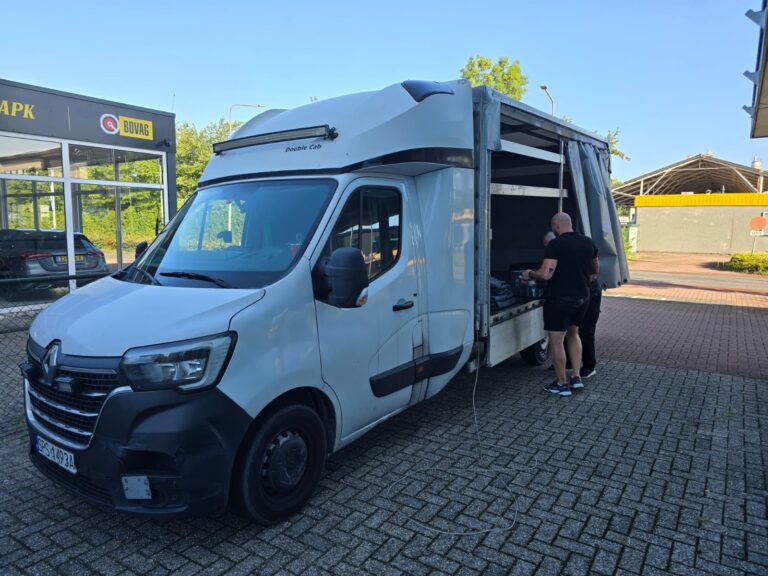
A France-Netherlands move is usually a road relocation within the EU, but it still needs more than a van and a postcode. Distance can vary from a short northern route to a long collection from southern France. Low-emission zones, city access, tolls, stairs, lift bookings, parking and the delivery window all affect the plan. Vehicles, restricted goods and unusual items may have separate requirements.
Start with removals to France or removals to the Netherlands. For additional support, see packing services, furniture removals and storage.
What VANonsite needs for an accurate plan
- collection and delivery postcodes;
- preferred date windows and any fixed key handover;
- a room-by-room inventory with dimensions for large pieces;
- photos of stairs, lifts, entrances and parking;
- fragile items and furniture requiring dismantling or protection;
- any storage gap between the two homes.
VANonsite can then match the move to a part-load or dedicated option instead of pricing from an unreliable guess. Where availability, route, access, documentation and the agreed collection slot permit it, the Last-Minute Moving service may support a 1-3 day transit option. This is conditional on the confirmed route and schedule, not a universal delivery promise.
Decision checklist
- Compare net income from real contracts.
- Shortlist homes you could genuinely secure.
- Test each commute at working hours.
- Confirm residence and work rights for every person.
- Check healthcare obligations using official guidance.
- Include childcare, temporary housing and travel home.
- Create the same removal inventory for both scenarios.
- Request a route-specific quotation before fixing dates.
If the budgets remain close, spend several normal working days in each shortlisted location. Make the commute, shop locally, visit neighbourhoods in the evening and speak to letting agents. The useful answer to France or Netherlands is not a national ranking. It is the address, job and routine that still work after every recurring cost and relocation detail is included.
Frequently asked questions
Is France or the Netherlands cheaper?
Neither is always cheaper. France offers a much wider range of regional markets, while Dutch housing pressure can dominate the budget in popular areas. Compare current rent, net salary, healthcare and commute for the exact locations available to you.
Which country is easier for English speakers?
The Netherlands is often easier during the first months in an international environment. In France, French is usually more important for administration, local jobs and integration. In both countries, learning the local language expands long-term options.
Do France-Netherlands removals need customs clearance?
Ordinary used household goods moving between two EU countries are different from an import from the UK. However, vehicles, restricted goods and unusual items can have separate rules. The mover should still receive a complete inventory and confirm the route before collection.
Can VANonsite move a small load between the countries?
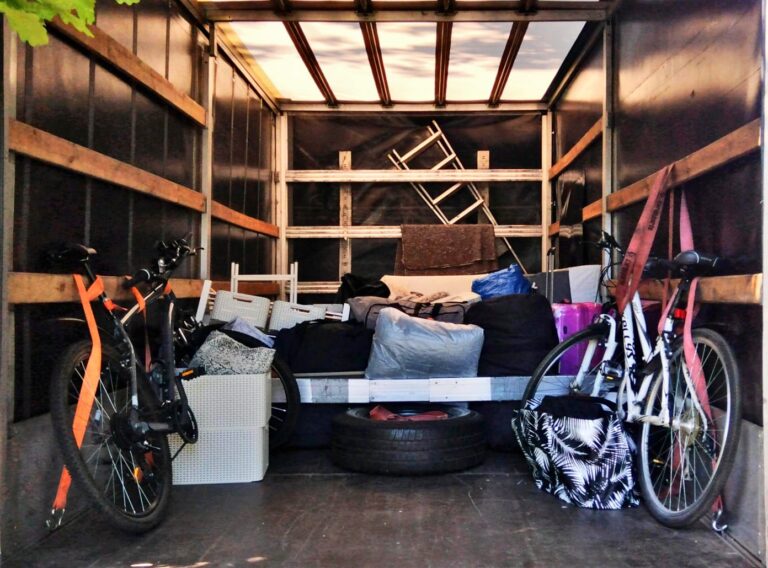
Yes. A few boxes, bicycle and desk can be planned differently from a furnished family home. The right option depends on verified volume, access, route and timing, which is why the quote form asks for the specific move details.