
Choosing between two exceptional European destinations isn’t easy. If you’re weighing living in Austria vs Netherlands, you’ve come to the right place. Both countries boast top-tier quality of life, stunning landscapes, and robust economies—but subtle differences can sway your decision. In this comprehensive guide, we’ll compare cost, culture, climate, career prospects, and more, so you can make an informed move.
Cost of Living: Stretching Your Euro
Austria and the Netherlands both rank high in living standards—but what about budgets?
- Housing
- Austria: Vienna’s one-bedroom apartments average €1,100–€1,400/month. Innsbruck or Graz offer slightly lower rents (around €800–€1,000).
- Netherlands: Amsterdam commands €1,600–€1,900; Utrecht and Eindhoven hover at €1,200–€1,400.
- Groceries & Dining
- Austria: Supermarket bills are modest; local markets bring fresh produce at great prices. Dining out costs roughly €12–€18 for a main course.
- Netherlands: Grocery prices align with EU averages; restaurants start at €15 for a standard meal.
- Utilities & Transport
- Austria: Utilities (electricity, heating) average €130/month; Vienna public transport pass about €50.
- Netherlands: Utilities near €135; national rail and bus pass (OV-chipkaart) costs roughly €90.
Tip: Both countries offer student and low-income discounts on public transport—always check local schemes!
Climate & Scenery: Mountains vs Canals
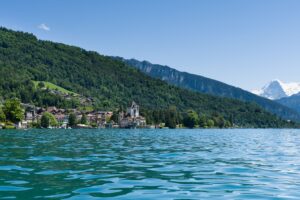
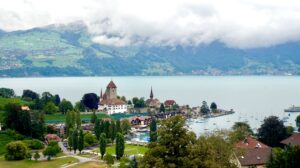
Austria’s Alpine Splendor
From the snow-capped Alps to lush vineyards along the Danube, Austria’s climate varies:
- Winter: Alpine regions drop to –5 °C; Vienna stays around 0–5 °C.
- Summer: 20–28 °C, perfect for hiking and lake swims.
- Rainfall: Concentrated in summer months—ideal for spring skiing.
Netherlands’ Flat Beauty
Famous for its canals, tulip fields, and windmills, the Netherlands enjoys:
- Winter: 0–6 °C, occasional frost.
- Summer: 17–25 °C, with long daylight hours.
- Rainfall: Evenly spread; keep a light waterproof jacket handy!
Language & Integration: Speak & Belong
- Austria
- Official language: German (Austrian dialects).
- English proficiency: High in cities; rural areas may require basic German.
- Integration: Language courses widely available; social clubs help newcomers connect.
- Netherlands
- Official language: Dutch.
- English proficiency: One of the highest in Europe—daily life is easy in English.
- Integration: Learning Dutch boosts job prospects; join expat meet-ups and cycling tours to blend in.
Work & Career Opportunities
Austria
- Key Sectors: Tourism, engineering, pharmaceuticals, finance.
- Work Culture: Formal yet friendly; strong emphasis on work–life balance and vacation (25+ days/year).
- Visa & Permits: Red-White-Red Card for qualified professionals.
Netherlands
- Key Sectors: Tech startups, logistics, creative industries.
- Work Culture: Direct communication, flat hierarchies, flexible hours.
- Visa & Permits: Highly Skilled Migrant permit; 30% ruling tax advantage for expats.
Healthcare & Education: Investment in Well-Being
| Aspect | Austria | Netherlands |
|---|---|---|
| Healthcare | Universal public system; private top-ups optional | Mandatory basic insurance (€100–€120/mo) |
| GP Visits | Free or low-fee | €10–€40 co-pay per visit |
| Schools | Free public schools; low university fees (€700) | Excellent public/international schools; €2,000–€4,500 uni fees |
| Parental Benefits | Generous maternity/paternity leave | Strong child benefits and allowances |
Lifestyle & Leisure: Alpine Hikes vs Canal Rides
Austria
- Sports: Skiing in Tyrol, hiking in Salzkammergut, water sports on lakes.
- Culture: Classical music heritage (Mozart, Strauss), grand cafés, Christmas markets.
Netherlands
- Sports: Cycling on dedicated paths, sailing on inland waterways.
- Culture: World-class museums (Rijksmuseum, Van Gogh), vibrant festivals, cozy brown cafés.
Pros & Cons at a Glance
- Austria
- Pros: Majestic mountains, robust public services, rich culture.
- Cons: German language barrier, higher winter heating costs.
- Netherlands
- Pros: English-friendly, excellent cycling infrastructure, flat terrain.
- Cons: High housing demand, crowded big cities.
Relocation Checklist
- Budget & Planning
- Research local costs; save 3–6 months’ expenses.
- Compare rental platforms (ImmobilienScout24 for Austria, Funda.nl for Netherlands).
- Legalities & Visas
- Apply early for residence permits.
- Register at town hall/municipal office within deadlines.
- Packing & Shipping
- Declutter; donate or sell unwanted items.
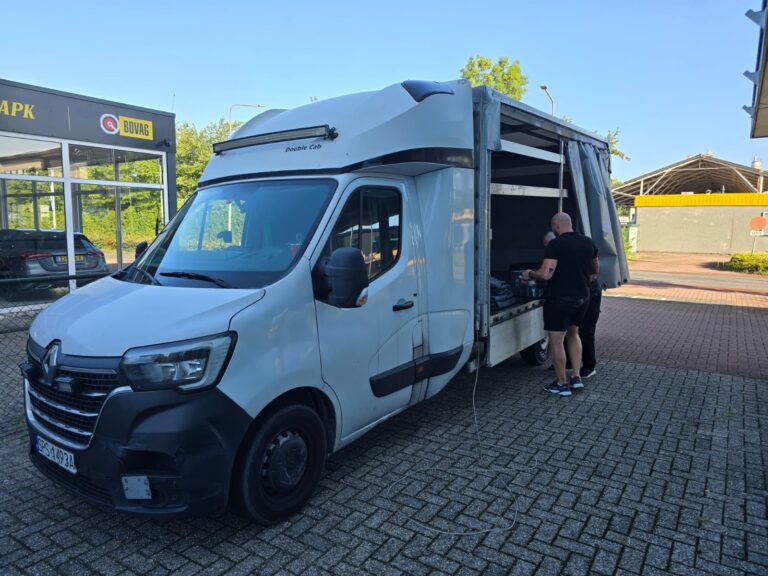
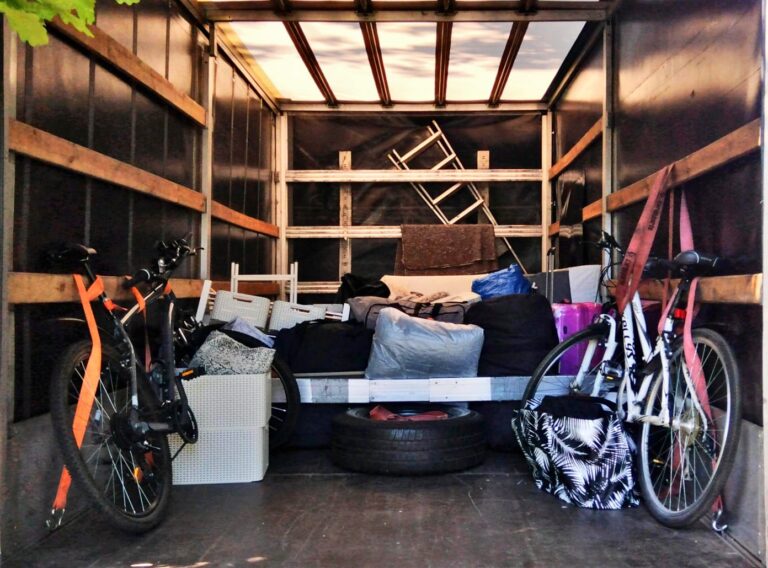
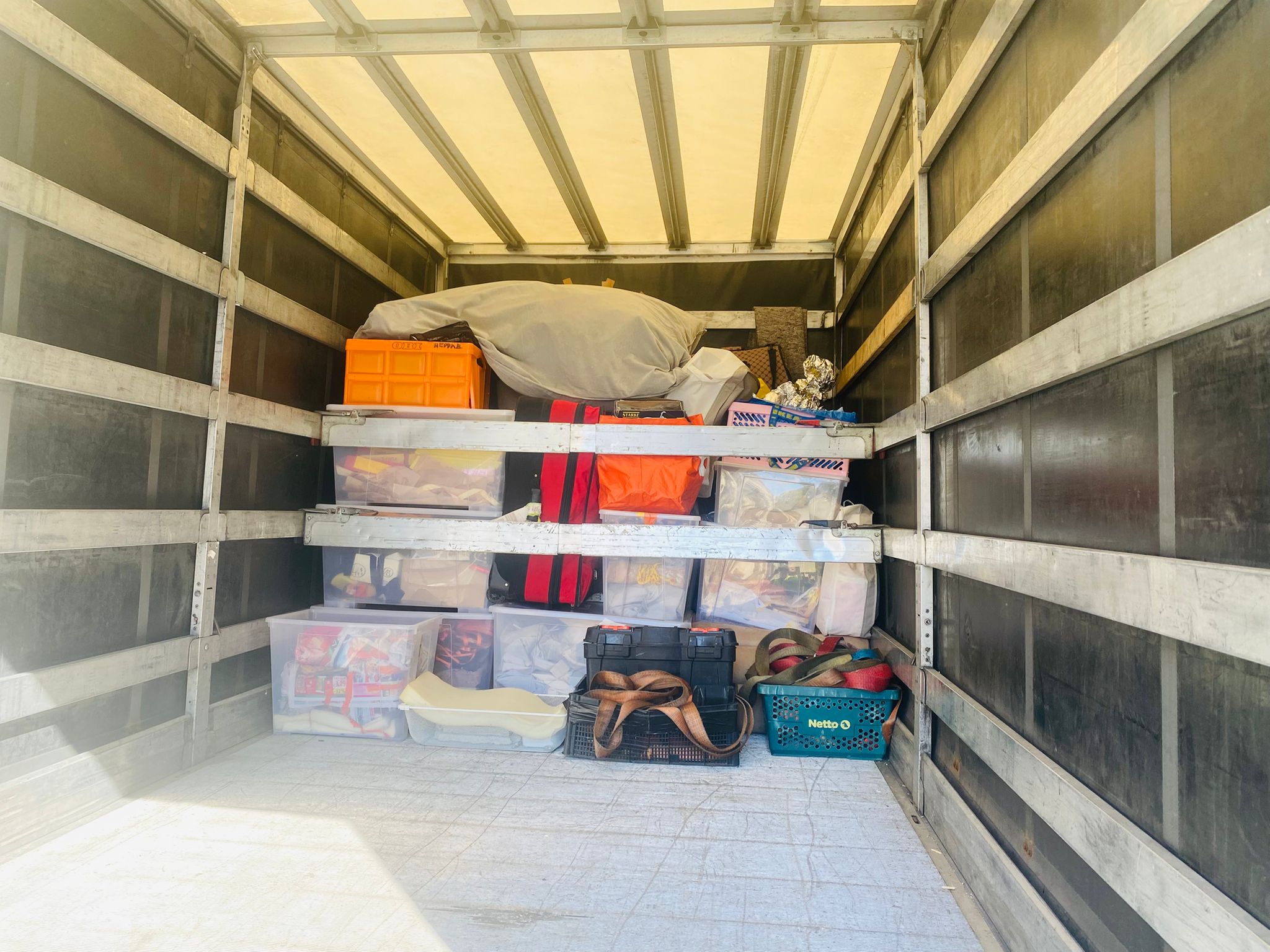
- Book professional movers like VANonsite for stress-free transport:
- Explore our removals to Netherlands service for cross-border expertise.
- Discover all relocation solutions on VANonsite.
- Integration
- Enrol in language courses (Deutschkurse or Dutch lessons).
- Join local expat communities and cultural events.
Why VANonsite Makes Your Move Effortless




When it’s time to relocate, trust VANonsite for a seamless transition:
- Door-to-Door Service: We handle packing, transport, customs, and delivery.
- Experienced Team: Decades of cross-border logistics expertise.
- Customs Guidance: Navigating Austrian and Dutch regulations with ease.
- Flexible Scheduling: Movers available on your timeline, whether urgent or planned.
Make your relocation a breeze—visit our removals to Netherlands page or explore all services at VANonsite.
Conclusion
Both Austria and the Netherlands offer unique strengths: alpine adventures and classical elegance versus flat landscapes and cosmopolitan buzz. By evaluating cost, climate, culture, and career prospects, you can choose the destination that best matches your lifestyle. And when you’re ready to move, VANonsite is here to ensure a smooth journey from door to door. Start your new chapter today!