Moving abroad often feels like chasing a dream of tulip fields, picturesque canals, and cycle-friendly cities. But even in the land of wooden clogs and stroopwafels, life isn’t all sunshine. Below, we dive into the ten most surprising “bad things about living in the Netherlands” — from sky-high prices to incessant gray skies — and show how partnering with a trusted mover like VANonsite can make your transition smoother.
Sky-High Cost of Living and Housing Prices
Although the Dutch standard of living ranks among Europe’s best, the price tag can sting. Major cities like Amsterdam, Utrecht, and The Hague consistently top European rental-price charts. Monthly rents for a one-bedroom apartment hover around €1,500 in Amsterdam city center and €1,100 on its outskirts. Utilities, groceries, and dining out also carry premium price tags — expect to pay around €80–€100 per month for electricity, heating, and water, plus €300–€400 for groceries per person.
Many expats feel sticker shock when they factor in municipal taxes (e.g., waste collection or sewer fees) that typically add €100–€200 per year. Planning ahead with a detailed budget is crucial — and if you’re moving from another EU country, check out our special Removals to the Netherlands service packages to save on cross-border costs and avoid unexpected expenses.
Brutal Housing Shortage and Tough Competition
Finding a home in the Netherlands can feel like playing the lottery. A chronic housing shortage and high demand mean most listings are snapped up within days, if not hours. Long waiting lists for social housing can stretch several years, and private-market rental contracts are often short-term, leaving tenants with little security.
Many newcomers resort to shared apartments (“kamers”) or temporary student housing, which may not suit couples or families. To improve your chances:
- Register with multiple housing platforms (Funda, Pararius).
- Leverage local networks and Facebook expat groups.
- Arrange your paperwork (proof of income, BSN number) in advance.
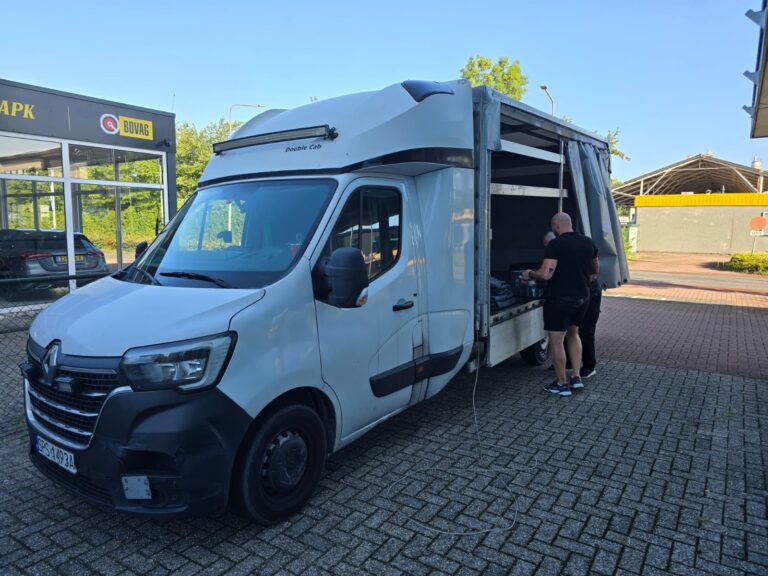
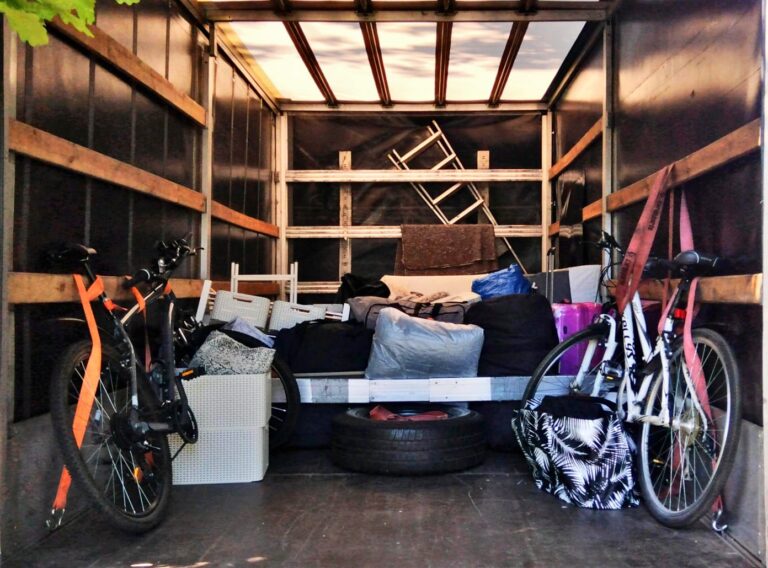
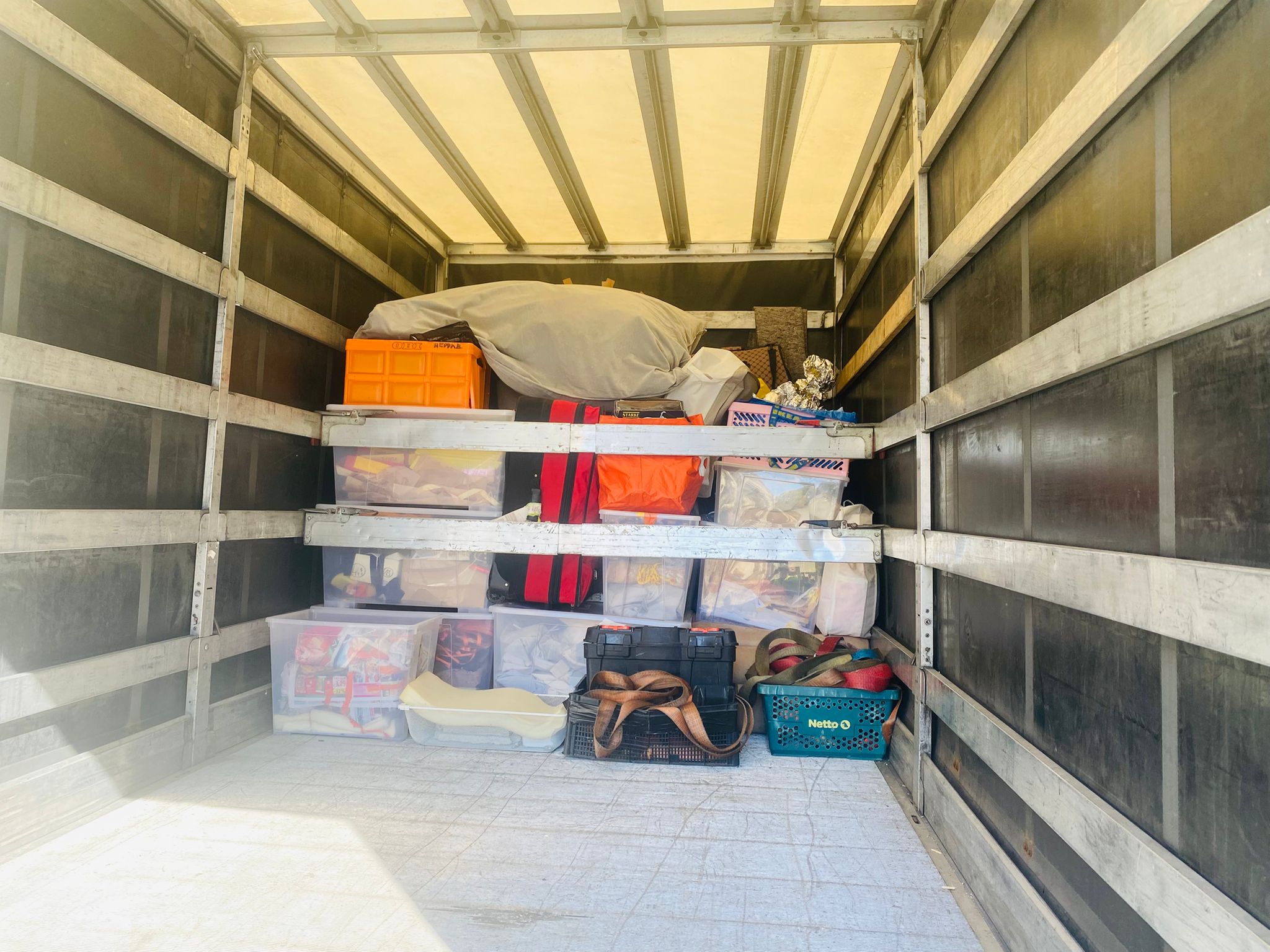
And once you’ve booked your move, let VANonsite handle the logistics — our efficient, affordable van services will get your belongings safely to your new address, even on short notice.
Endless Cloudy Days and Dreary Winters
If you thrive on sunshine, prepare for a mood adjustment. The Netherlands averages just 1,600–1,700 sunshine hours per year (e.g., London gets about 1,500, while Madrid enjoys over 2,800). Winters are especially gloomy: December through February often bring gray skies, drizzle, and occasional frost — perfect breeding ground for Seasonal Affective Disorder (SAD).
To combat the winter blues:
- Invest in a SAD lamp with 10,000 lux intensity.
- Embrace “gezellig” indoor activities like board-game nights or cozy cafés.
- Stay active with gym memberships or indoor sports to boost endorphins.
Realizing that the weather may impact your energy is the first step; being proactive about light and activity can make all the difference.
Endless Bureaucracy: From BSN to DigiD
The Dutch pride themselves on efficient systems, but newcomers often feel buried in paperwork. Registering at your local gemeente (municipal office) to obtain your BSN (citizen service number) requires appointments, proof of address, and birth certificates — sometimes translated and legalized. Next up: health insurance enrollment and applying for a DigiD (digital ID) to access online government services. Delays in DigiD activation can stall bank account openings, tax filings, and even scheduling doctor’s appointments.
Tips to ease the process:
- Book your gemeente appointment as soon as you have a rental contract.
- Prepare certified translations of vital documents.
- Ask colleagues or your landlord for guidance — many municipalities have English-speaking staff.
While the paperwork pile can be daunting, knowing the steps ahead of time helps you stay on track.
Language Barrier Despite High English Proficiency
Yes, nearly 90% of Dutch residents speak excellent English. Yet official forms, rental contracts, and government websites are predominantly in Dutch. Even simple interactions — at the bank, pharmacy, or post office — may default to Dutch, leaving newcomers scrambling for key vocabulary.
Overcoming the barrier:
- Enroll in a beginner’s Dutch course (integration courses are subsidized in some municipalities).
- Join “language cafés” or Meetup groups to practice conversational Dutch.
- Use translation apps mindfully, but keep pushing yourself to learn key phrases.
Mastering basic Dutch not only eases daily life but also earns respect among locals.
Cycling Culture: A Double-Edged Sword
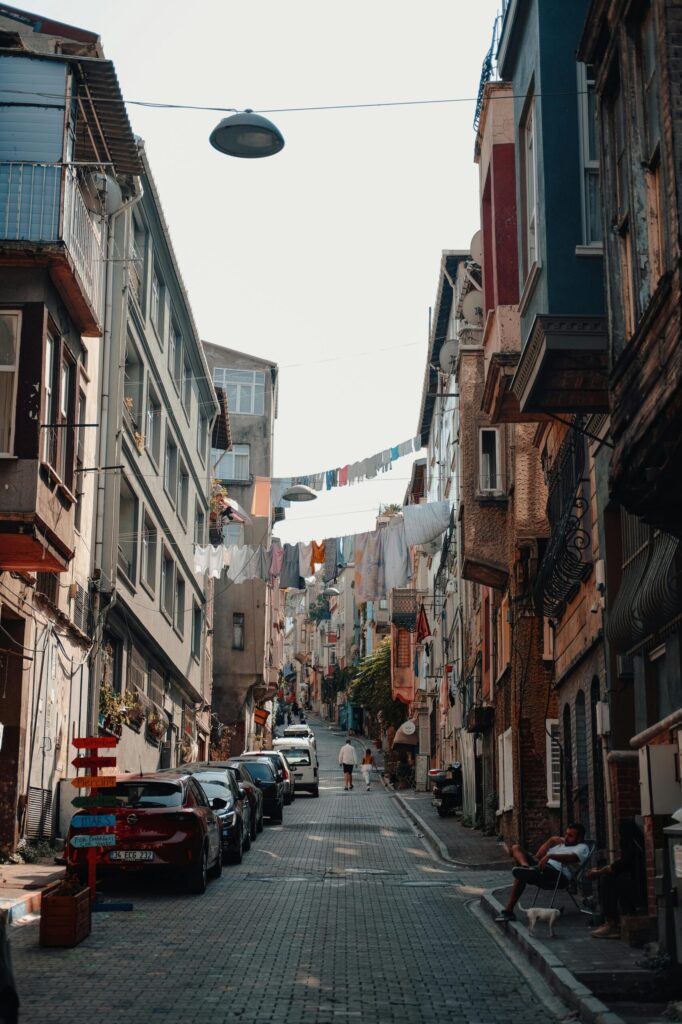
Cycling is synonymous with Dutch life — but it’s not always idyllic. Bike lanes are often jam-packed, and cyclists have the right of way even at pedestrian crossings. Speedy e-bikes whiz past, and rules (like always yielding to the right at junctions) differ from other countries.
For newcomers:
- Study local cycling rules: always signal turns, stick to designated bike lanes, and keep right unless overtaking.
- Invest in quality bike lights and a sturdy lock.
- Practice in quieter areas before tackling city centers.
Respecting the cycling code keeps both you and locals safe on the road.
Healthcare: Quality Is High, But Waits Can Be Long
The Dutch healthcare system ranks among Europe’s best for quality and access — but not for speed. Visiting a huisarts (GP) is mandatory before seeing specialists. Routine appointments can have waiting times of 2–3 weeks, and non-urgent specialist consults may take even longer. Basic health insurance is compulsory, with premiums averaging €120–€140 per month and a mandatory €385 annual deductible (eigen risico).
To navigate the system:
- Choose a GP near your home and register quickly.
- Opt for supplementary insurance only if you need extras like physiotherapy.
- In emergencies, dial 112; for out-of-hours GP assistance, call your GP practice’s emergency number.
Understanding the referral system helps set realistic expectations around wait times.
High Taxes and Complex Social Contributions
Dutch income tax brackets top out at 49.5% for incomes above €73,031 (2025). Non-EU expats may qualify for the 30% ruling — a tax advantage allowing 30% of gross salary to be tax-free for up to five years — but applications are time-sensitive and require employer support. On top of income tax, you’ll pay 21% VAT (BTW) on most goods, and social security contributions fund pensions, unemployment, and healthcare.
Key points:
- Discuss the 30% ruling eligibility with your HR department before you arrive.
- Factor VAT into your budget for electronics, furniture, and dining out.
- Keep thorough records for tax filings, and consider a local accountant if your situation is complex.
While the tax burden can feel steep, it funds a robust social safety net.
Restricted Opportunities for Non-EU Expats
Securing a work permit in the Netherlands hinges on employer sponsorship, and some sectors (IT, engineering, healthcare) require Dutch language proficiency or recognition of foreign qualifications. The highly skilled migrant visa offers a streamlined path for qualified professionals, but competition is fierce.
Advice for job seekers:
- Focus on in-demand industries where English is widely used.
- Get your diplomas recognized through Nuffic.
- Network through local industry events and LinkedIn to uncover hidden openings.
Non-EU nationals often find entry-level roles limited; advanced degrees or specialized skills can provide a significant edge.
Direct Culture: Why Dutch Honesty Can Hurt
The famed “Dutch directness” means people speak their minds — which can come across as blunt or rude to newcomers from more indirect cultures. Feedback on your work or social etiquette may be frank, even in casual settings.
To adjust:
- Recognize that honesty is valued as efficiency, not insult.
- Respond with openness: ask clarifying questions rather than taking offense.
- Mirror the direct style gradually in your interactions to build rapport.
Once you embrace the cultural norms, you’ll find communication refreshingly clear.
Conclusion & How VANonsite Can Help




Every country has its quirks, and the Netherlands is no exception. From paperwork headaches to unpredictable weather, these downsides are real — but entirely manageable with preparation and the right support. Whether you’re relocating for work, study, or family reasons, partnering with VANonsite ensures your move is as stress-free as possible. Our dedicated team handles every step — packing, transport, customs, and delivery — so you can focus on settling into your new Dutch chapter.
Ready to start your move? Visit our Removals to the Netherlands page for a tailored quote and discover how we turn relocation challenges into seamless transitions.
FAQ
Q: Is the Netherlands really that expensive?
A: Cities like Amsterdam and Utrecht rank among Europe’s priciest for rentals. Expect €1,100–€1,500 for a one-bedroom apartment, plus extra municipal fees.
Q: How long does it take to register and get a BSN?
A: Booking an appointment at your local gemeente can take 1–2 weeks; the process itself takes about 15–30 minutes, after which you receive your BSN on the spot.
Q: Do I need to learn Dutch?
A: While most Dutch speak English, learning basic Dutch helps with official paperwork, social integration, and shows respect for local culture.
Q: Can VANonsite handle customs and cross-border regulations?
A: Absolutely. Our international removal experts manage customs documentation and compliance, ensuring smooth transit from any European country to the Netherlands.
Q: What if I need short-term storage?
A: VANonsite offers flexible storage solutions in the Netherlands, perfect for renovation delays, study breaks, or temporary housing gaps.