Moving abroad is exciting—but understanding how far your euro will stretch is critical. Many expats, students, families and digital nomads weigh up the Netherlands and Germany before relocating. In this guide, we break down key expenses side-by-side, so you can answer once and for all: is the Netherlands cheaper than Germany? Plus, discover how VANonsite can streamline your move.
At a Glance: Netherlands vs Germany
| Category | Netherlands (EUR) | Germany (EUR) | Germany Cheaper By… |
|---|---|---|---|
| Rent (1-bed in city center) | 1,350 | 1,100 | 18.5% |
| Utilities (monthly) | 170 | 200 | 15% |
| Groceries (basic basket) | 280 | 260 | 7% |
| Dining Out (mid-range meal) | 35 | 25 | 29% |
| Public Transport Pass | 80 | 70 | 12.5% |
Quick takeaways:
- Housing: Germany’s city-center rents run roughly 15-20% lower.
- Bills: Basic utilities cost more in Germany, thanks to higher heating rates in winter.
- Food & Dining: Groceries are broadly comparable, but eating out is notably pricier in the Netherlands.
- Transport: Dutch public transit passes edge higher—but cycling infrastructure can slash commuting costs.
Housing Costs
Rent & Real Estate
- Average Monthly Rent
- Amsterdam: €1,350 for 1-bed in the city center
- Berlin: €1,100 for 1-bed in the city center
- Key Drivers:
- Demand & Supply: Dutch cities have lower vacancy rates.
- Regulation: Germany’s Mietpreisbremse (rent brake) caps some rent hikes.
- Neighbourhood: Living just outside major hubs (e.g. Haarlem vs Utrecht) can save up to 30%.
Buying Property
- Netherlands Pros:
- Predictable mortgage rates, very stable market
- High demand ensures good resale value
- Germany Pros:
- Lower average price per m² (approx. €4,000 vs €5,000 in NL)
- Potential tax benefits for owner-occupiers

Living Expenses
Utilities & Bills
| Utility | Netherlands | Germany |
|---|---|---|
| Electricity & Gas | €100 | €130 |
| Water & Sewage | €25 | €20 |
| Internet (100 Mbps) | €45 | €50 |
- Winter Impact: German gas prices spike more in colder months, but many apartments include heating in rent.
Groceries & Daily Essentials
| Item | Netherlands | Germany |
|---|---|---|
| Loaf of bread | €1.60 | €1.30 |
| Milk (1 L) | €1.10 | €0.95 |
| Cheese (1 kg) | €8.50 | €7.80 |
| Eggs (12) | €3.20 | €2.80 |
- Shopping Hacks: Bulk purchases at Lidl (DE) or Aldi (NL/DE) cut costs by 15-25%.
Healthcare & Insurance
- Netherlands: Mandatory basic health insurance approx. €120 – €140/month.
- Germany: Statutory health insurance ~14.6% of income (shared employer/employee). Expect €150 – €180/month on average.
Lifestyle & Leisure
Eating Out & Entertainment
| Activity | Netherlands (€) | Germany (€) |
|---|---|---|
| Three-course meal for two | 60 | 50 |
| Cappuccino | 3.50 | 3.00 |
| Cinema ticket | 12 | 10 |
| Gym membership (monthly) | 35 | 30 |
- Tip: Many Dutch cities offer “daghap” (daily specials) at lunch for under €10.
Transport & Commuting
- Public Transport Pass:
- NL (Amsterdam GVB monthly): ~€100
- DE (Berlin BVG monthly): ~€86
- Fuel Prices: Roughly €1.90/L (NL) vs €1.75/L (DE)
- Cycling Culture: Over 35% of Dutch commute by bike—cutting transport bills to almost zero!
Taxes & Salaries
Income Tax Rates
- Netherlands:
- Up to €73,031: 36.93%
- Above €73,031: 49.50%
- Germany: Progressive up to 45% (solidarity surcharge incl.).
Average Net Salary (after tax)
- Amsterdam: ~€2,900/month
- Berlin: ~€2,400/month
Insight: Higher take-home pay in the Netherlands offsets some higher living costs—and public services (e.g. waste collection, bike lanes) are exceptionally reliable.
Is It Really Cheaper?
- Rent: Germany wins—up to 20% savings in major cities.
- Utilities: Slight edge to the Netherlands, especially for water-inclusive packages.
- Groceries: Nearly neck-and-neck; shop discount chains for best deals.
- Dining & Leisure: Germany is generally 15-30% cheaper.
- Salaries & Taxes: Netherlands offers marginally higher net income for similar roles.
Who Pays Less?
- Students & Young Professionals: Germany’s lower rent makes it the budget-friendly pick.
- Families: Dutch childcare subsidies and quality schooling can balance higher costs.
- Retirees: Favorable pension tax rules in Germany may tip the scale.
- Digital Nomads/Remote Workers: Netherlands’ high salaries and expat packages can outweigh pricier cafés.

How VANonsite Can Help You Move Affordably




Tailored Removal Services
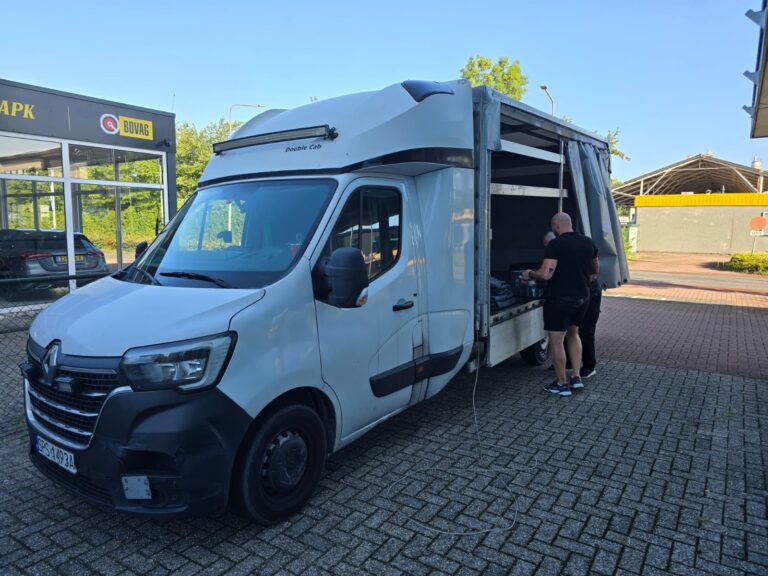
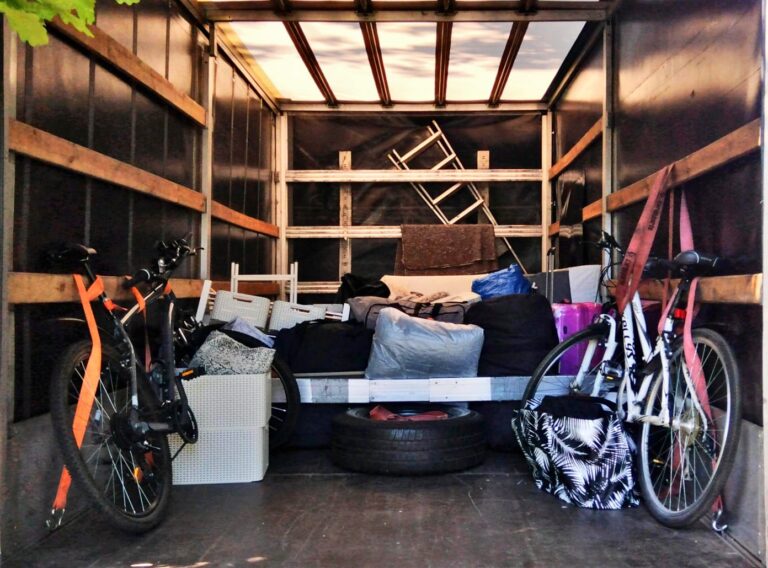
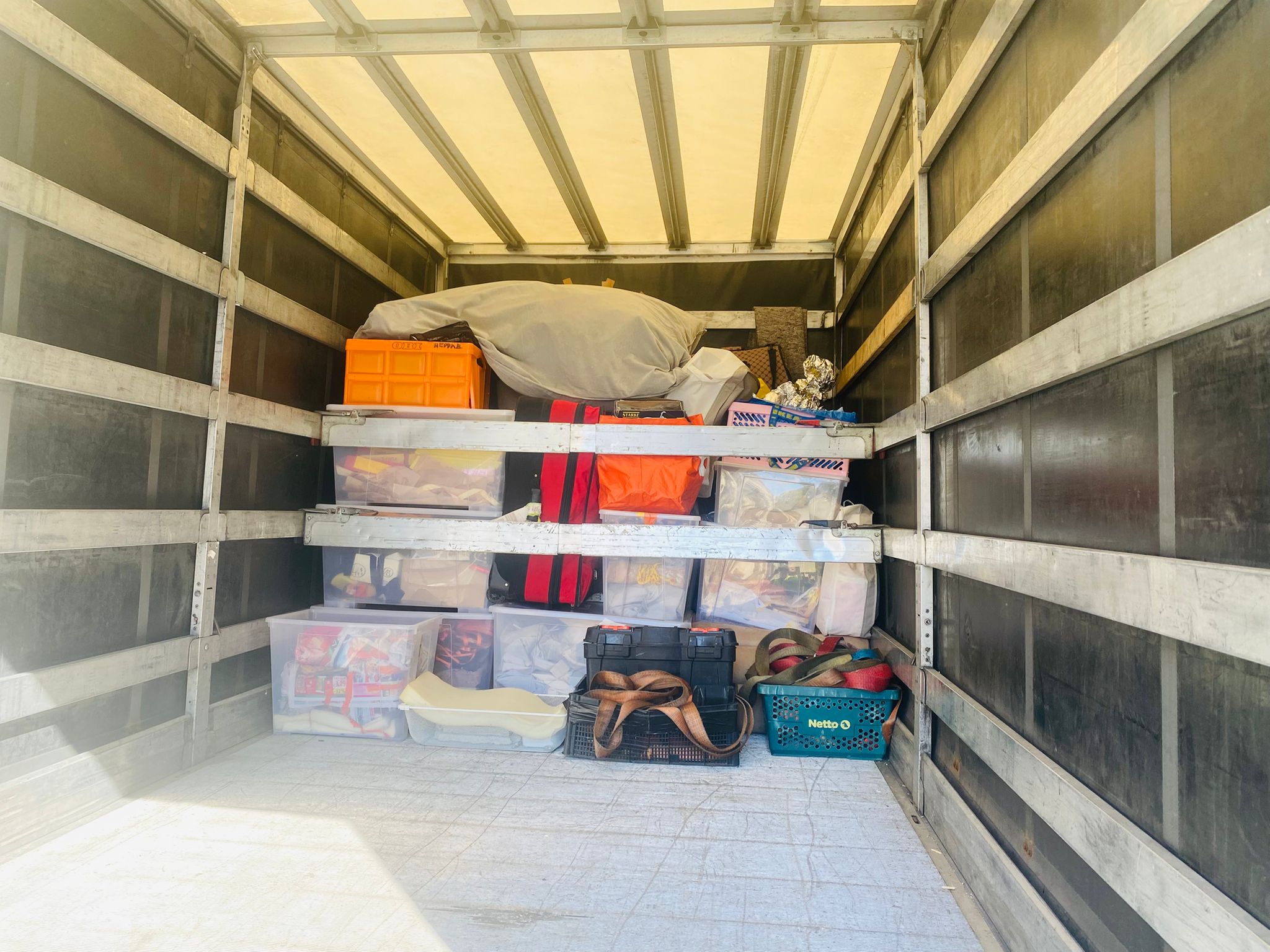
Whether you’re crossing the border for study, work or family, VANonsite’s expert team ensures your belongings arrive safely—and on budget. Explore our full range of options on the VANonsite homepage, from door-to-door moves to partial loads.
Cost-Saving Tips
- Flexible Scheduling: Off-peak moves (mid-week, mid-month) often attract discounts.
- Consolidated Shipments: Share container space to split costs with fellow movers.
- Minimal Packing: Donate or sell bulky items locally to reduce volume.
Ready to plan your move? Get a free, no-obligation quote for Removals to the Netherlands now at vanonsite-commercial.pl/removals-to-netherlands.
Frequently Asked Questions
- Can I save on rent by living outside the city center?
Yes—both countries offer 20-30% cheaper rents in suburbs or satellite towns. - How do utilities compare in winter?
Germany’s heating bills surge more, but energy-efficient homes in the Netherlands help cap costs. - What visa costs should I budget for?
Short-stay visas range €80-€100; long-stay permits vary by nationality and purpose. - Do removal companies offer insurance?
Absolutely—VANonsite includes basic cover, with optional top-up for high-value items.
Conclusion & Next Steps
While Germany typically offers lower rent and dining-out costs, the Netherlands compensates with higher salaries, superior cycling infrastructure and world-class services. Your ideal choice depends on personal priorities—whether that’s budget-friendly rent, quality of life, or streamlined expat benefits.
Ready to make the leap?
Discover how easy cross-border moving can be with VANonsite.
- Visit our homepage
- Get your free Netherlands removal quote
Let’s make your international move smooth, affordable and stress-free!