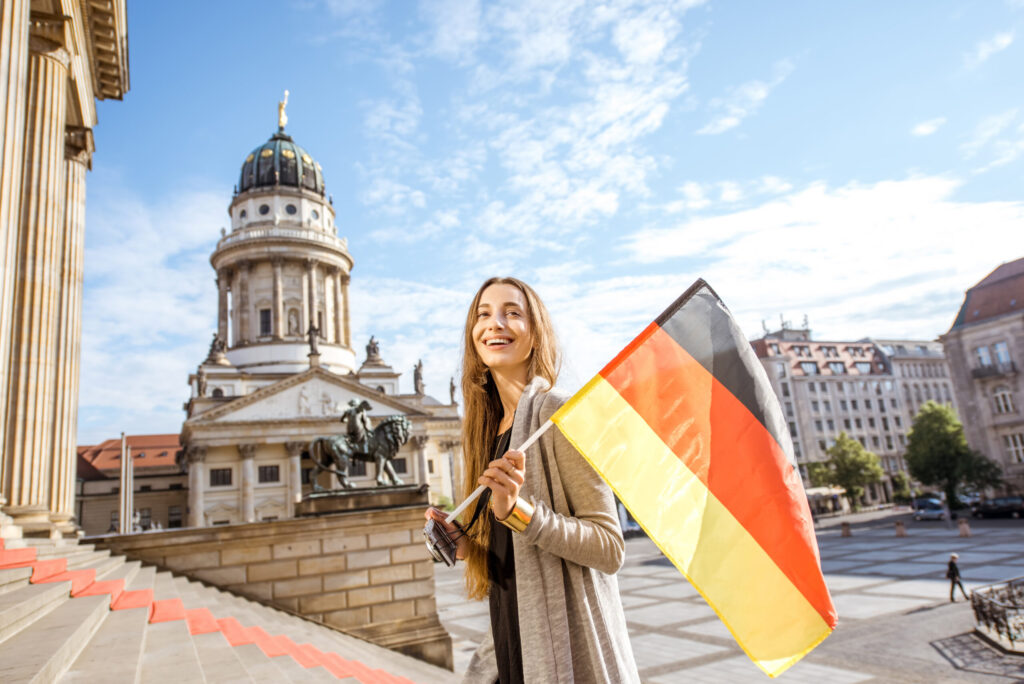
Living in germany opens the door to a blend of rich history, innovative spirit, and exceptional quality of life that draws thousands of expats each year. From efficient public transport networks to world-class healthcare and education systems, Germany offers a stable and welcoming environment for those ready to embark on a new chapter abroad.
Key takeouts:
- Entering one of Europe’s strongest economies with ample career opportunities
- Enjoying affordable living costs compared to other Western European nations
- Access to comprehensive healthcare and social security benefits
- Benefiting from an outstanding public transportation system
- Immersing yourself in a rich cultural and historical heritage
- Relishing diverse regional cuisines and vibrant community events
- Seamlessly navigating relocation with professional moving services
Geography and Major Cities in Germany: A Guide to Key Metropolises and Their Significance for New Residents
Germany’s diverse landscape and vibrant urban centers offer something for every newcomer. From the historic streets of Berlin to the alpine backdrop of Munich, each city presents a unique living experience.
Top 5 Cities to Consider:
- Berlin: As Germany’s capital, Berlin is a melting pot of history and innovation. Explore the Brandenburg Gate, dynamic startup scene, and sprawling parks like Tiergarten, all while enjoying affordable neighborhoods in districts such as Neukölln and Wedding.
- Munich: Known for its picturesque architecture and world-famous Oktoberfest, Munich combines Bavarian tradition with high-tech industries. With proximity to the Alps, outdoor enthusiasts can ski in winter and hike in summer within easy reach of the city.
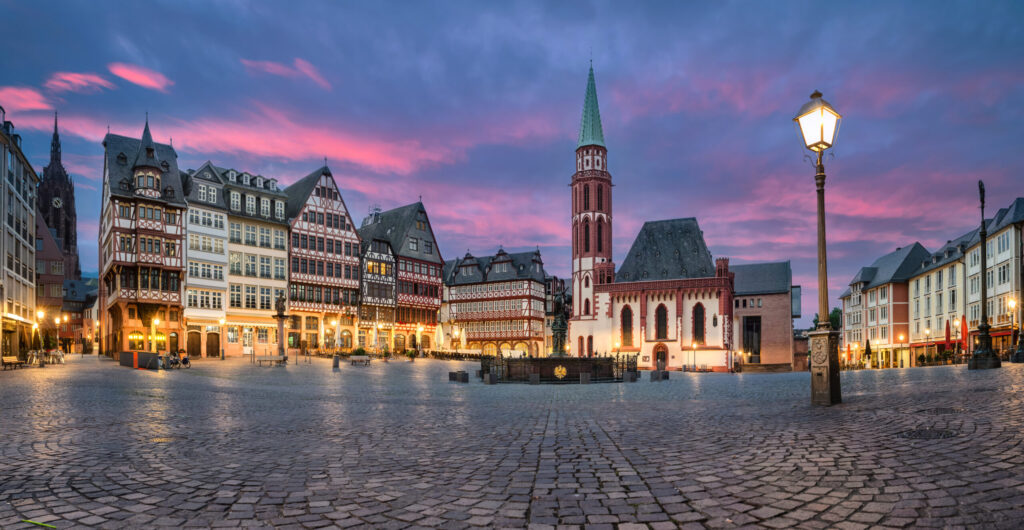
- Frankfurt: Europe’s financial powerhouse, Frankfurt boasts a futuristic skyline alongside historic sites like Römer square. Its central location and major airport make it a transit hub, perfect for business travelers and cosmopolitan residents.
- Hamburg: Germany’s port city blends maritime heritage with modern culture. Stroll along the Elbe River, visit the historic warehouse district Speicherstadt, or enjoy lively music venues in St. Pauli.
- Cologne: Home to the iconic cathedral, Cologne offers a rich arts scene, Rhine River cruises, and friendly Rhineland hospitality. The city’s University of Cologne ensures a vibrant student population and bustling cafes.
Regional Gems:
For those seeking smaller cities or scenic regions:
- Leipzig: A burgeoning arts and music hub with lower living costs and a youthful vibe.
- Stuttgart: Surrounded by vineyards and home to automotive giants like Mercedes-Benz and Porsche.
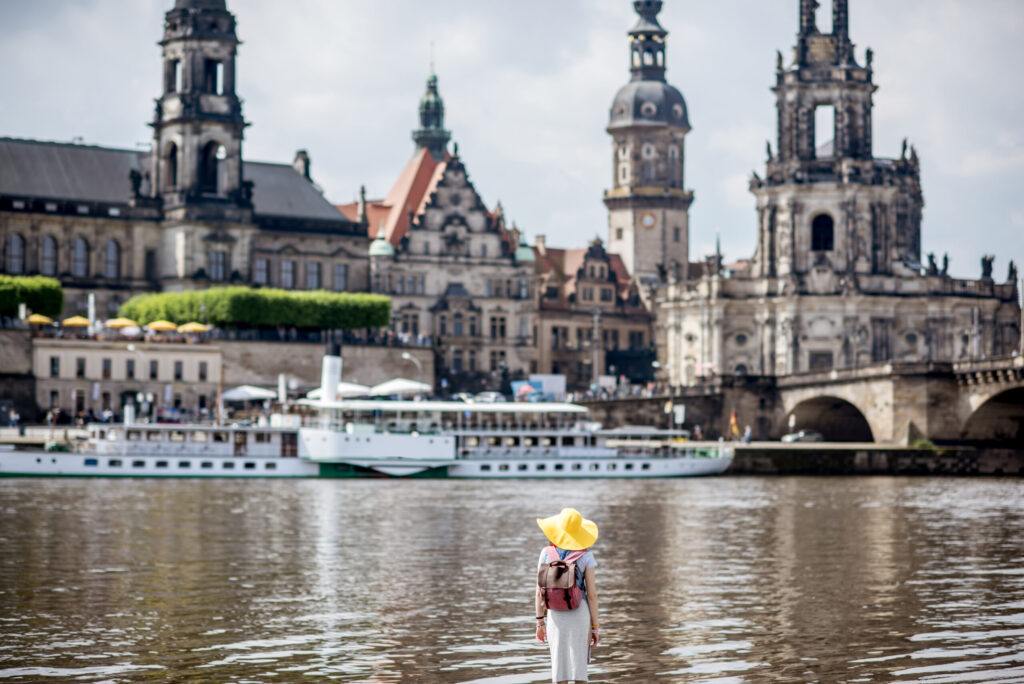
- Dresden: Renowned for its baroque architecture along the Elbe and thriving cultural festivals.
| City | Population | Highlights |
|---|---|---|
| Berlin | 3.7M | Historic landmarks, startup scene, green spaces |
| Munich | 1.5M | Oktoberfest, tech jobs, Alps access |
| Frankfurt | 0.75M | Financial district, airport hub, riverside |
| Hamburg | 1.8M | Port city, music scene, maritime museums |
| Cologne | 1.1M | Cathedral, Rhine cruises, carnival |
Germany’s infrastructure supports seamless daily life. The Deutsche Bahn network connects cities and regions with high-speed ICE trains, while local trams, buses, and S-Bahn lines ensure efficient urban mobility. Well-maintained autobahns and cycle-friendly cities like Berlin and Munich make commuting by car or bike equally convenient. These systems, combined with modern public facilities—from libraries to sports centers—create an environment where both families and professionals can thrive.
Infrastructure is top-notch, with efficient public transport, well-maintained roads, and high-standard public facilities—ideal for families and professionals alike.
German Cuisine: A Guide for New Residents
Traditional dishes and treats to try:
- Sauerbraten (marinated beef roast)
- Wiener Schnitzel (breaded veal cutlet)
- Bratwurst (iconic German sausage)
- Pretzel (Brezel), best paired with Bavarian beer.
- Schwarzwälder Kirschtorte (Black Forest cake), a sweet cherry-and-chocolate delight.
Germany is also renowned for its artisanal breads, hearty cheeses, and seasonal specialties. Be sure to explore farmers’ markets (Wochenmärkte) in cities like Berlin and Munich, where vendors offer fresh produce, sausages, and baked goods directly from regional producers.

Alcoholic Beverages to Sample:
Germany’s alcohol culture extends far beyond beer. While over 1,300 breweries produce thousands of beer styles—from crisp Pilsners in the north to rich Dunkels in Bavaria—wine aficionados will appreciate German Rieslings from the Mosel, Rhine, and Pfalz regions. Spirits such as Korn (grain spirit), Obstler (fruit brandy), and herbal liqueurs like Jägermeister also play a key role in local traditions.
- Beer Gardens (Biergärten): Social hubs under chestnut trees serving Maß (one-liter) steins of Weißbier (wheat beer) and lagers.
- Wines: Enjoy a tasting flight of Rieslings—from bone-dry Kabinett to lusciously sweet Auslese—in a cozy Weinstube.
- Spirits & Liqueurs: Sample regional fruit brandies (Obstler) after meals for a digestif.
Explore local markets, beer gardens, wine taverns (Weinstuben), and regional restaurants to dive deep into Germany’s culinary and beverage heritage.
Culture and Traditions in Germany: Traditions Shaping Community Life
Germany’s rich cultural tapestry is woven from centuries-old customs, regional festivities, and contemporary arts. Local traditions vary by region but share themes of community, seasonal celebration, and a deep connection to the land. Below are key celebrations and cultural practices newcomers should experience:
Seasonal Festivals and Customs
- Oktoberfest (late September–early October): The world’s largest beer festival in Munich, featuring traditional Bavarian dress (Lederhosen and Dirndl), brass bands, hearty fare, and communal tents serving Maß beers.
- Karneval/Fasching (February): Especially vibrant in Cologne, Düsseldorf, and Mainz, this pre-Lenten carnival season includes colorful parades, masked balls, street performances, and the famous Rose Monday floats.
- St. Martin’s Day (November 11): Children carry handmade lanterns through neighborhoods, singing songs and sharing Stutenkerl pastries shaped like little figures, honoring the legend of Saint Martin of Tours.
- Advent & Christmas Markets (late November–December): Town squares transform into festive Christkindlmarkt markets with artisan crafts, mulled wine (Glühwein), roasted chestnuts, and gingerbread. Nürnberg, Dresden, and Munich host some of the most iconic markets.
Historical and National Observances
- German Unity Day (Tag der Deutschen Einheit, October 3): Marking reunification in 1990, celebrations include official ceremonies in the rotating host capital, live concerts, and open-air festivals.
- Labor Day (Tag der Arbeit, May 1): A public holiday featuring political demonstrations, village maypole (Maibaum) dances, and community picnics welcoming spring.
Cultural Life and the Arts
Germany’s artistic heritage stretches from Goethe and Bach to contemporary visionaries. Today’s cultural landscape offers:
- Berlinale (Berlin International Film Festival, February): One of the world’s premier film festivals showcasing international cinema and emerging filmmakers.
- Long Night of Museums (Various cities): Museums and galleries open late with special performances, guided tours, and interactive exhibits.
- Music Festivals: From Rock am Ring and Wacken Open Air (metal) to Bayreuth Festival (Wagner) and Bachfest Leipzig, there’s a festival for every musical taste.
Community Traditions and Customs
- Schultüte (“School Cone,” September): First graders receive decorative cones filled with school supplies and sweets on their first day of school—a cherished rite of passage.
- Walpurgis Night (April 30): Bonfires and midnight dances in the Harz Mountains celebrate the arrival of spring and the folklore of warding off evil spirits.
- Easter Fires (Osterfeuer): Communities light large bonfires on Easter Saturday, symbolizing the end of winter and the rebirth of nature.
By participating in these events, newcomers can immerse themselves in Germany’s regional diversity and communal spirit, forging lasting connections and memories.
Attractions and Places Worth Seeing in Germany: Discover Landmarks and Natural Beauty
Germany boasts a wealth of attractions, from iconic landmarks to hidden gems off the beaten path.
Iconic Landmarks
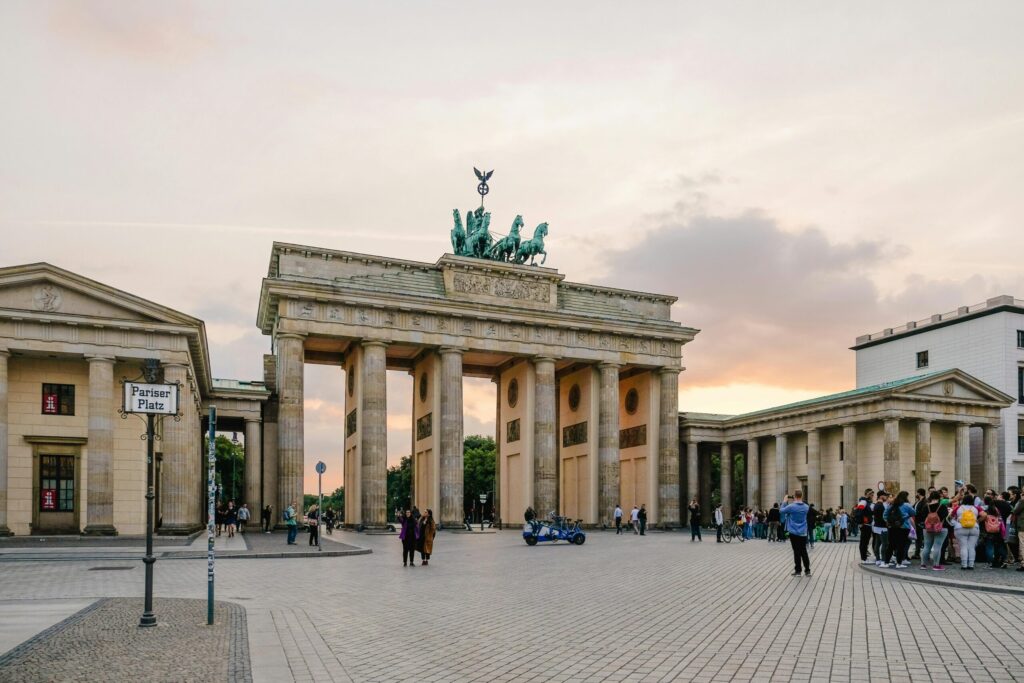
- Brandenburg Gate (Berlin) – A neoclassical triumphal arch that has witnessed historic moments and now stands as a symbol of reunification.
- Neuschwanstein Castle (Bavaria) – Walt Disney’s inspiration, perched above Hohenschwangau village with panoramic Alpine vistas.
- Cologne Cathedral (Cologne) – A masterpiece of Gothic architecture housing the Shrine of the Three Kings and offering skyline views from its towers.
Castles & Palaces
- Hohenzollern Castle (Baden‑Württemberg): Perched on Mount Hohenzollern, this romantic castle offers guided tours through grand halls and battlements.
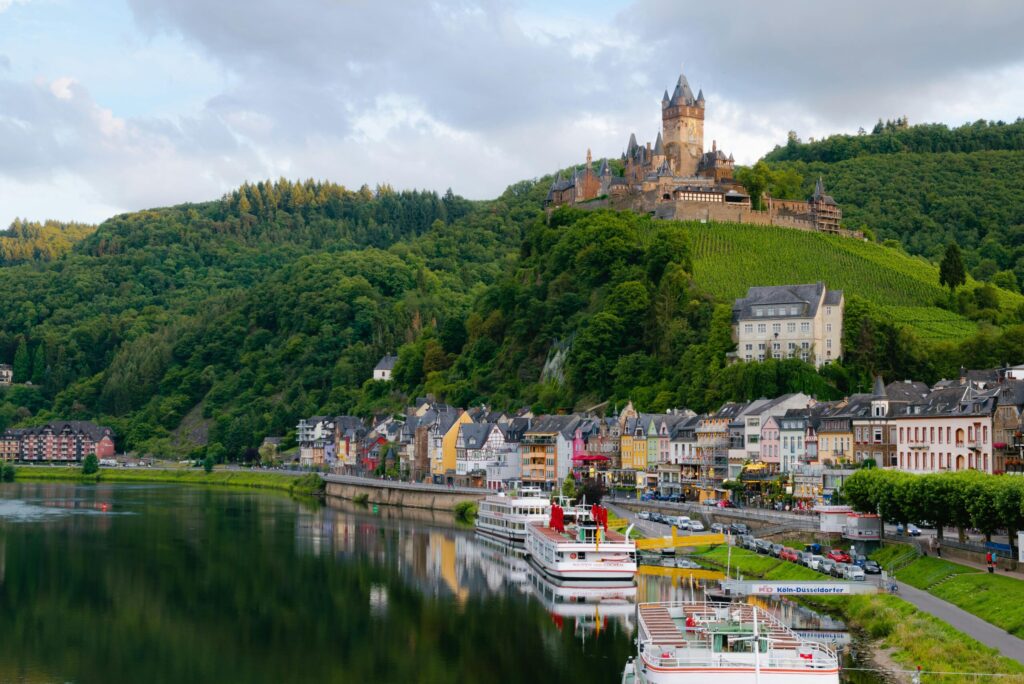
- Burg Eltz (Rhineland‑Palatinate): A perfectly preserved medieval fortress hidden in a lush valley along the Moselle River.
- Wartburg Castle (Thuringia): A UNESCO World Heritage site where Martin Luther translated the New Testament.
Mountain Trails & Scenic Hikes
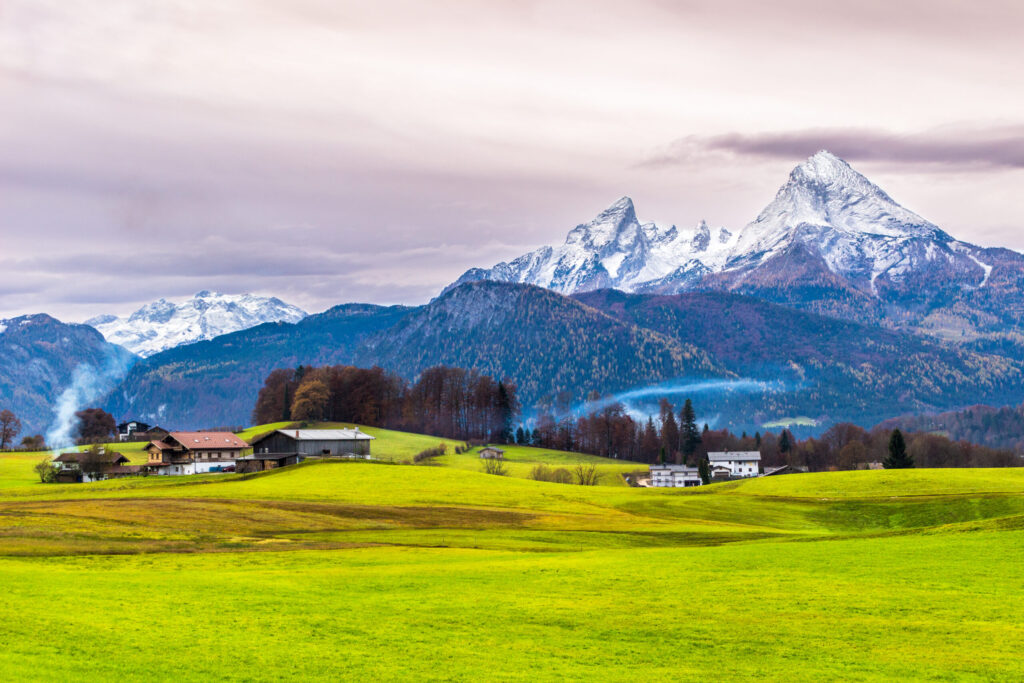
- Zugspitze Region (Bavarian Alps): Hike to Germany’s highest peak via the Reintal Valley trail or take the cable car for glacier views.
- Saxon Switzerland National Park (Saxony): Wander among sandstone pinnacles and cross the famous Bastei Bridge.
- Harz Mountains (Lower Saxony/Saxony‑Anhalt): Ascend the Brocken via the Goethe Trail or steam train for folklore and panoramic ridges.
- Eifel National Park (North Rhine‑Westphalia): Trek volcanic crater lakes (Maars) and dense forests on well‑marked loops.
Unique Natural Regions
- Black Forest (Baden‑Württemberg): Explore the Westweg trail, visit Feldberg for winter sports, and taste Black Forest ham in rustic villages.
- Middle Rhine Valley (Rhineland‑Palatinate/Hesse): A UNESCO World Heritage wine region dotted with hilltop castles and terraced vineyards.
- Rügen Island (Mecklenburg‑Vorpommern): Marvel at white chalk cliffs in Jasmund National Park and relax on sandy Baltic beaches.
Urban Gems & Cool Spots
| City | Cool Spot | Why Visit |
|---|---|---|
| Berlin | East Side Gallery | World’s longest open‑air gallery on the Berlin Wall |
| Munich | Englischer Garten | One of the largest urban parks globally, complete with beer gardens |
| Hamburg | Speicherstadt | UNESCO‑listed red‑brick warehouse district entwined by canals |
| Cologne | Belgian Quarter | Trendy cafés, independent boutiques, and vibrant street art |
| Freiburg | Münsterplatz & Seepark | Gothic cathedral square and idyllic lakeside stroll |
Whether you seek the adrenaline rush of alpine climbs, the romance of medieval fortresses, or the vibrant pulse of urban culture, Germany’s attractions promise unforgettable experiences.
Working in Germany: Advance Your Career with Opportunities Across Sectors
Germany’s strong economy and diverse industries offer numerous career paths. Here are key sectors and their average gross annual salaries:
| Sector | Average Gross Salary (EUR/year) | Leading Employers / Notes |
|---|---|---|
| Automotive & Engineering | €56,662 | BMW, Siemens, Bosch |
| Information Technology & Software Dev. | €65,421 | SAP, Deutsche Telekom, Infosys |
| Healthcare & Pharmaceuticals | €52,316 | Charité, Fresenius, Bayer |
| Finance & Banking | €66,228 | Deutsche Bank, Allianz, DZ Bank |
| Renewable Energy & Sustainability | €60,000–€120,000 (median ~€90,000) | E.ON, Siemens Gamesa, Vestas |
| Manufacturing & Industrial Engineering | €40,040 | Thyssenkrupp, Continental, Volkswagen |
| Logistics & Transportation | €45,000–€57,172 | DHL, DB Schenker, Hapag-Lloyd |
| Hospitality & Tourism | ~€20,000 | Marriott, TUI Group, local hotels |
| Science & Research | €61,311 | Max Planck Institutes, Fraunhofer Society |
Vanonsite supports your professional relocation with full-service removals, accommodation assistance, and formalities management.
What is the cost of living in Germany
Moving to Germany means balancing a high standard of services with moderate living expenses. Below you’ll find both typical monthly costs and average prices for everyday items in a major city:
Monthly expenses
| Expense | Estimated Cost (EUR) |
|---|---|
| Rent (1‑bedroom city) | 800 – 1 200 |
| Utilities (electricity, heating) | 150 – 200 |
| Groceries | 200 – 300 |
| Transport (monthly pass) | 70 – 100 |
| Gym membership | 25 – 50 |
| Cinema ticket | 10 – 15 |
Everyday item costs
| Item | Price (EUR) per unit |
|---|---|
| Loaf of bread | 1.50 – 2.50 |
| Cheese (1 kg) | 8 – 12 |
| Apples (1 kg) | 2 – 3 |
| Bottle of beer (0.5 L) | 1.50 – 2.50 |
| Bottle of wine (mid‑range) | 5 – 10 |
| Café latte (coffee shop) | 2.50 – 4.00 |
| Restaurant meal (mid‑range) | 12 – 20 |
Consider suburban living or flatshares to reduce rent by up to 30%.
Cost of living in Germany vs UK
Compare key expenses across everyday categories to see where your euro or pound goes further:
| Category | Germany (EUR) | UK (£) |
|---|---|---|
| Rent (1-bedroom city centre) | 1 000 | 1 300 |
| Utilities (monthly: electricity, heating, water) | 175 | 200 |
| Groceries (monthly basket) | 250 | 300 |
| Transport (monthly pass) | 90 | 150 |
| Internet (broadband, monthly) | 30 | 40 |
| Café latte | 3.00 | 3.50 |
| Cinema ticket | 12 | 10 |
| Gym membership | 35 | 45 |
| Bottle of beer (0.5 L, draught) | 3.00 | 4.50 |
| Bottle of wine (mid-range) | 8.00 | 10.00 |
| Restaurant meal (mid-range, two courses) | 18 | 25 |
| Loaf of bread (0.5 kg) | 1.80 | 1.20 |
| Cheese (1 kg) | 10 | 12 |
| Apples (1 kg) | 2.50 | 3.00 |
- Germany generally offers lower costs on utilities, alcohol, and public transport.
- UK may have slightly cheaper cinema tickets and bread, but higher rent and dining out expenses.
- Overall, disposable income after necessities often favours expats in Germany.
- UK salaries may be higher, but disposable income often favours Germany.
Pros and Cons of living in Germany
Pros:
- Efficient public services and infrastructure, including reliable transport and utilities
- Strong job market with high demand for skilled professionals
- Central European location ideal for travel and logistics
- High-quality universal healthcare and education systems
- Low overall crime rates and safe public spaces in most cities
- Progressive stance on gender equality and robust legal protections for women
- Excellent work–life balance and generous paid leave policies
Cons:
- Complex bureaucracy and lengthy administrative procedures
- Language barrier outside major urban areas can hinder integration
- Relatively high income tax rates, especially for top earners
- Cold, rainy winters in many regions
- Rising housing costs in major cities
- Occasional petty theft or pickpocketing in tourist-heavy areas
- Cultural formality and social reserve can feel isolating at first
Disadvantages of living in Germany
Despite its many benefits, life in Germany presents certain challenges that newcomers should be aware of:
- Complex bureaucracy and administrative hurdles: Navigating German bureaucracy can be time-consuming. From registering your address (Anmeldung) to obtaining health insurance and work permits, extensive paperwork and strict deadlines can frustrate even the most organized individuals.
- Language barrier and cultural integration: Outside major cities, English is not widely spoken. Achieving fluency in German is essential for daily tasks, career advancement, and social integration. The formal communication style can feel distant until you adapt to local customs.
- High housing costs and competitive rental market: Rapidly rising rents in urban centers like Berlin, Munich, and Düsseldorf make finding affordable accommodation difficult. Limited housing supply often leads to fierce competition and additional fees, such as agency commissions.
- Taxation and social security contributions: Germany’s comprehensive welfare system is funded by high taxes and mandatory social contributions. Effective tax rates—including income, health, and pension contributions—can exceed 40% for middle-income earners, significantly impacting take-home pay.
- Cold climate and seasonal darkness: Winters can be long, cold, and overcast, particularly in the northern regions. Reduced daylight hours may affect mental well-being until you adjust to seasonal rhythms and find indoor activities to stay engaged.
- Strain on public services due to refugee influx: Recent years have seen a significant influx of refugees and migrants. While Germany has shown remarkable solidarity, the sudden population increase has placed pressure on housing, schools, and social services, leading to occasional localized tensions and longer wait times for certain public resources.
- Safety concerns and social tensions in some areas: In neighborhoods with high refugee settlement, there have been reports of increased petty and occasional violent crime, leading some residents—particularly women—to feel less safe after dark.
Moving to Germany from UK
If you’re relocating from the UK, there are specific documents and steps you need to prepare to work and settle permanently:
Required Documents:
- Valid Passport or ID Card: Must be valid for at least six months beyond planned arrival.
- Employment Contract or Job Offer Letter: Showing salary, position, and employer details.
- Professional and Academic Certificates: Degree diplomas, vocational qualifications, and any professional licenses, preferably translated into German and notarized.
- Proof of Health Insurance: Private or public coverage (gesetzliche Krankenversicherung) valid in Germany.
- Proof of Accommodation: Rental agreement or landlord’s confirmation letter stating your new address.
- Proof of Financial Means: Recent bank statements or employer guarantee demonstrating sufficient income (e.g., €45,552/year minimum salary for an EU Blue Card).
- Biometric Photos: Two recent passport‑sized photos meeting German specifications.
- Completed Visa Application Form: For a work visa or EU Blue Card, downloaded from the German embassy/consulate website and filled out in full.
- Police Clearance Certificate: Criminal record check from UK authorities, apostilled for use abroad.
- Health Certificate (if required): Some visa categories may ask for a medical exam or vaccination records.
Application Steps:
- Apply for Work Visa or EU Blue Card: Submit your application package to the German Embassy/Consulate in the UK, including all required documents, application fees, and book an interview appointment.
- Receive Entry Visa: Once approved, collect your visa sticker in your passport, valid for entry and initial work in Germany.
- Register Your Address (Anmeldung): Within 14 days of arrival, visit the local Bürgeramt (Residents’ Registration Office) to register and receive your Meldebescheinigung.
- Obtain Residence Permit (Aufenthaltstitel):
- Book an appointment at the Ausländerbehörde (Foreigners’ Office).
- Submit your Meldebescheinigung, passport, visa, biometric photos, and application form.
- Pay the processing fee; wait for your residence permit card issuance (typically 4–6 weeks).
- Set Up Essential Services:
- Open a German bank account with your Meldebescheinigung and passport.
- Notify your employer and arrange health insurance enrolment.
- Apply for a Tax Identification Number (Steueridentifikationsnummer) from the Finanzamt by post.
Vanonsite’s relocation specialists will coordinate customs, shipping, and administrative support—offering translation services, document checks, and appointment scheduling—so you can focus on settling into your new German home.
Is Germany a good place to live
Germany offers a unique blend of stability, opportunity, and cultural richness that makes it an excellent choice for long‑term residency:
Housing Options:
- Urban apartments and flatshares: In cities like Berlin, Hamburg, and Munich, modern apartments and shared flats (Wohngemeinschaften) suit singles and young professionals seeking community and affordability.
- Suburban and small‑town living: Towns surrounding major cities (e.g., Potsdam near Berlin or Freising near Munich) deliver more space, green surroundings, and lower rents—ideal for families.
- Home ownership: With competitive mortgage rates and transparent purchase processes, buying a condo or house is achievable, especially in emerging regions such as Leipzig and Dresden.
Employment and Career Development:
- Diverse job market: From automotive and engineering hubs in Stuttgart to tech centers in Berlin and software clusters in Frankfurt, Germany’s economy spans traditional industries and fast‑growing sectors (renewables, fintech, biotech).
- Professional growth: Employers invest heavily in ongoing training, apprenticeships (Ausbildung), and upskilling programs, helping you advance quickly. Many companies also offer international career tracks and language support courses.
- Startup ecosystem: Berlin and Munich rank among Europe’s top startup capitals, with coworking spaces, incubation programs, and EU funding opportunities for entrepreneurs.
Safety and Quality of Life:
- Low crime rates: Germany consistently records lower violent crime statistics compared to other major economies. Well‑lit streets, 24/7 public transport in key cities, and community policing enhance personal safety.
- Women’s safety: Strict anti‑harassment laws, women‑only transport options in select regions, and active support networks contribute to a secure environment for female residents.
- Healthcare and social services: Universal healthcare, generous parental leave, and social welfare systems ensure peace of mind during illness, career breaks, or family expansion.
Personal and Professional Growth:
- Language and integration: Publicly funded integration courses (Integrationskurse) and language classes help you master German, unlock local networks, and participate fully in community life.
- Cultural immersion: Museums, theaters, and festivals across Germany foster creativity and lifelong learning. Historic universities in Heidelberg and Tübingen welcome international scholars and continuing‑education learners.
- European access: Living in Germany grants easy freedom of movement across the Schengen Area—weekend trips to Paris, Amsterdam, or Prague are within a few hours by train or plane.
With its balanced blend of housing choices, robust career pathways, high safety standards, and continuous learning opportunities, Germany truly stands out as a top destination. Ready to make the move? Contact Vanonsite for tailored relocation support, from expert housing searches to streamlined paperwork and fast, reliable removals.
Interesting Facts about Germany
Discover some quirky and fascinating tidbits that make Germany unique:
- World’s leading beer producer: With over 1,300 breweries crafting more than 5,000 beer brands, Germany holds a Guinness World Record for beer variety.
- Castle density champion: Home to over 25,000 castles and palaces, including Europe’s oldest surviving castle, the Wartburg.
- Autobahn myth vs. reality: While famous for sections without speed limits, about 70% of the network has regulated limits for safety and environmental reasons.
- Bread lover’s paradise: Over 300 types of bread and 1,200 kinds of pastries—Germany consumes an average of 82 kilograms of bread per person annually.
- Fairytale origins: The Brothers Grimm collected many of their famous fairy tales in Hesse, and the landscapes around them inspired classics like “Rapunzel” and “Sleeping Beauty.”
- Recycling revolutionaries: Germany boasts one of the world’s highest recycling rates (over 65%), thanks to its “Green Dot” system and strict waste separation laws.
- Oktoberfest stats: The Munich festival attracts around 6 million visitors annually who consume roughly 7 million liters of beer over 16 days.
- Innovators of the automobile: Karl Benz and Gottlieb Daimler invented the first true automobile in the late 19th century, laying the groundwork for today’s global car industry.
These fun facts highlight Germany’s blend of tradition, innovation, and cultural richness that continues to captivate people around the world.
Relocating with Vanonsite: Your Trusted Partner for Seamless Moves
Vanonsite specializes in stress-free European relocations, offering end-to-end support tailored to your needs.




Comprehensive Service Options:
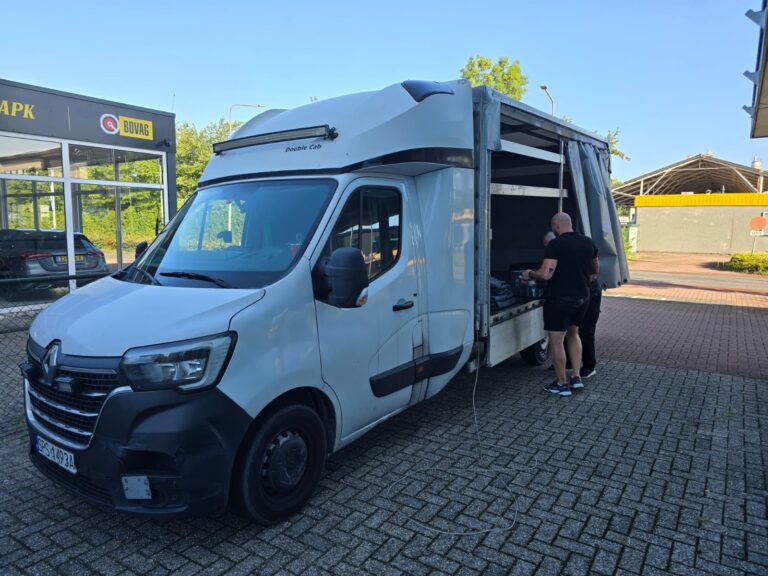
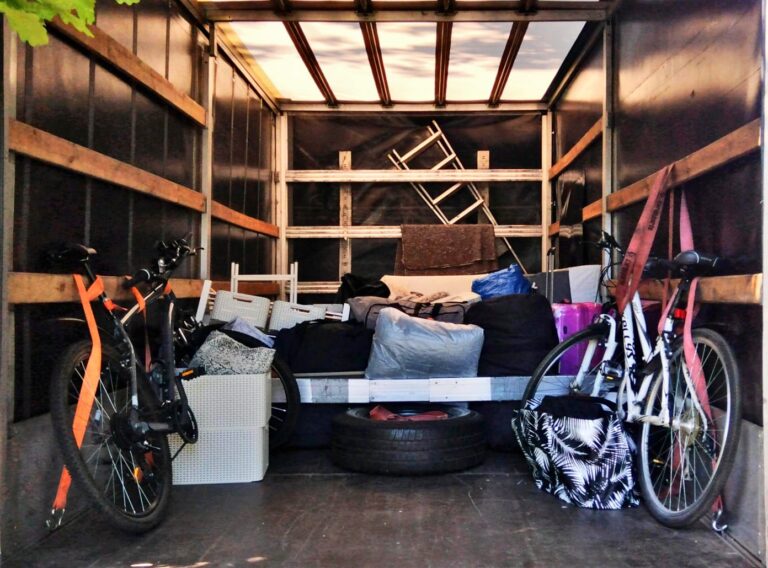
- Full-Service Removals: Packing, loading, road or rail transport, unloading, and unpacking handled by experienced professionals.
- Express Moves: Accelerated shipping for urgent relocations, ensuring delivery within days rather than weeks.
- Economy Moves: Cost-effective groupage shipments sharing container space with other customers for budget-conscious relocations.
- Specialty Transport: Secure handling for antiques, pianos, fine art, and other high-value or fragile items.
Tailored Support Packages:
- Pre-Move Consultation: Personal assessment of your inventory and relocation requirements, with transparent cost estimates.
- Documentation Assistance: Guidance through customs paperwork, visa processing, and local registration formalities.
- Storage Solutions: Short- or long-term warehousing options at climate-controlled facilities across Europe.
- Settling-In Services: Assistance with utility setup, school enrollment, and orientation tours of your new city.
Technology & Tracking:
- Real-time online shipment tracking dashboard.
- Dedicated relocation coordinator accessible via phone, email, or chat.
- Mobile app notifications for each stage: collection, transit, and delivery.
Coverage & Network:
- Daily departures to and from all major European capitals.
- Partnerships with local carriers for last-mile delivery in remote regions.
- Comprehensive insurance options covering loss, damage, and delays.
Why Choose Vanonsite?
- Reliability: Over 10,000 successful relocations across Europe.
- Transparency: No hidden fees—fixed quotes based on weight and volume.
- Expertise: Teams trained in best practices for packing, handling, and customs compliance.
- Customer Satisfaction: 4.8/5 rating on independent review platforms.
Ready to plan your move? Request a free quote on our website or contact our relocation specialists for a personalized consultation.
Conclusion
Embracing life in Germany means stepping into a world where efficient infrastructure, rich cultural heritage, and robust economic opportunities come together to offer an exceptional quality of life. Whether you’re drawn by Germany’s vibrant metropolises—from Berlin’s creative pulse to Munich’s alpine charm—or enticed by affordable daily living costs and world-class public services, this guide has covered everything you need to know:
- Living Experience: Discover Germany’s unique blend of tradition and innovation, supported by outstanding healthcare, education, and transport systems.
- Cost Insights: Navigate rent, groceries, and leisure expenses with confidence, and see how Germany stacks up against the UK.
- Cuisine & Culture: Delight in regional specialties, festive customs, and fascinating trivia that define German life.
- Attractions & Nature: Explore iconic landmarks, medieval castles, and scenic hiking trails that make every weekend an adventure.
- Career Prospects: Tap into diverse sectors—from automotive and IT to finance and renewables—backed by competitive salaries and professional growth pathways.
- Moving Made Easy: Understand visa requirements, registration steps, and how Vanonsite’s end-to-end relocation services remove the stress of moving.
- Safety & Integration: Benefit from low crime rates, strong women’s protections, and publicly funded integration programs that help you feel at home.
Ready to transform this guide into your reality? With Vanonsite by your side, the move becomes seamless, so you can focus on building your new life in Germany. Let’s make your European dream a reality—start your journey today!