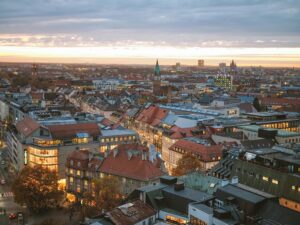
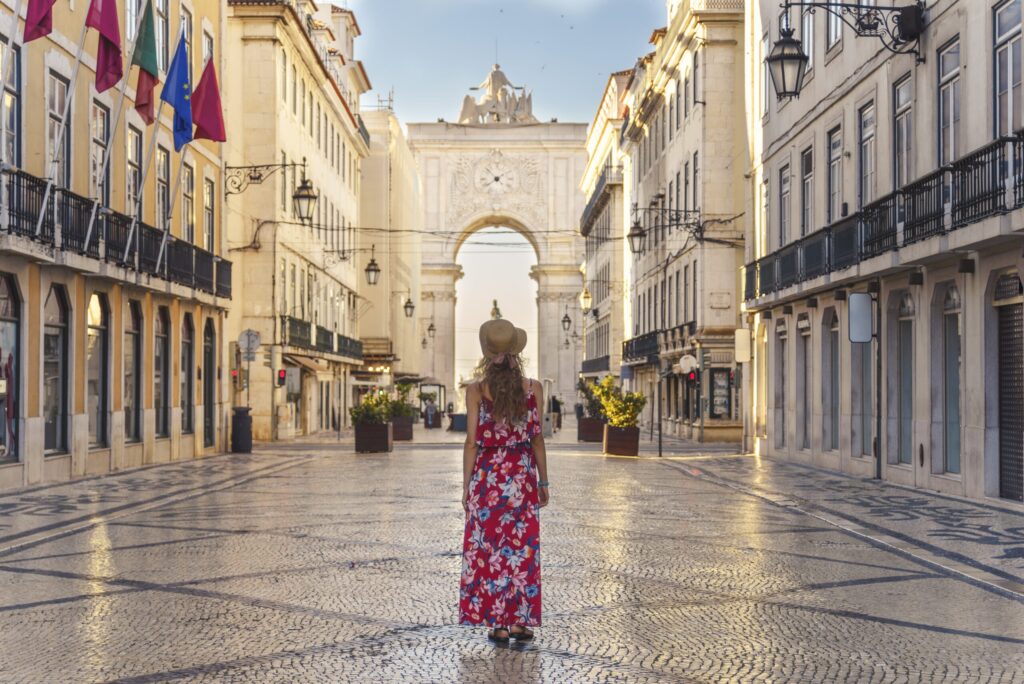
Living in Portugal offers a high quality of life, excellent weather, and one of the most affordable lifestyles in Western Europe. Whether you’re seeking new career prospects, planning for retirement, or simply chasing a slower, sun-soaked pace of life, Portugal has something for everyone. From its historical cities and coastal towns to its scenic countryside, the country strikes a perfect balance between heritage and modern living. With a robust infrastructure, a warm and growing expat community, and a cost of living that makes European dreams accessible, it’s no wonder Portugal continues to draw in residents from around the globe.
Key takeaways for living in Portugal:
- Warm, Mediterranean climate with over 300 days of sunshine a year
- Affordable cost of living compared to other Western European countries
- Friendly locals and a growing English-speaking community
- Excellent healthcare and public services
- High level of personal safety and political stability
- Great connectivity with the rest of Europe
- Ideal for digital nom## Major Cities and Hidden Gems in Portugal
Portugal offers a diverse range of places to live, from cosmopolitan cities to quiet countryside villages. Here’s a breakdown of the major urban centers and some lesser-known towns and villages worth considering:
Living in Portugal: Major Cities
- Lisbon: The capital city, known for its vibrant culture, tech startup scene, historic architecture, and coastal views. Lisbon is the economic and political heart of Portugal.
- Porto: Located in the north, Porto is famous for its port wine, colorful riverside buildings, and growing creative industries. It’s more affordable than Lisbon but equally rich in culture.
- Faro: The capital of the Algarve region, Faro is a gateway to Portugal’s southern beaches and offers a relaxed lifestyle, ideal for retirees and beach lovers.
- Coimbra: A historic university city, Coimbra combines academic prestige with a lively student atmosphere. It’s centrally located and offers a balanced cost of living.
- Braga: Known as the “Rome of Portugal” due to its abundance of churches and religious history, Braga is modern, clean, and increasingly popular among families and professionals.
Small Towns and Villages
- Évora (Alentejo): A UNESCO World Heritage site with Roman roots, offering peaceful countryside living and stunning historical landmarks.
- Tavira (Algarve): A charming coastal town with cobblestone streets and a traditional Portuguese vibe.
- Caldas da Rainha (Central Portugal): Known for its hot springs, this town blends wellness, culture, and access to nearby beaches.
- Monchique (Algarve mountains): A serene village surrounded by nature, ideal for those seeking a quiet and scenic lifestyle.
- Castelo de Vide (Alentejo): A picturesque village with whitewashed houses and medieval streets, perfect for history enthusiasts and peaceful living.
Whether you’re drawn to the buzz of city life or the calm of the countryside, Portugal offers a wide spectrum of places to suit every taste and lifestyle., retirees, and families alike
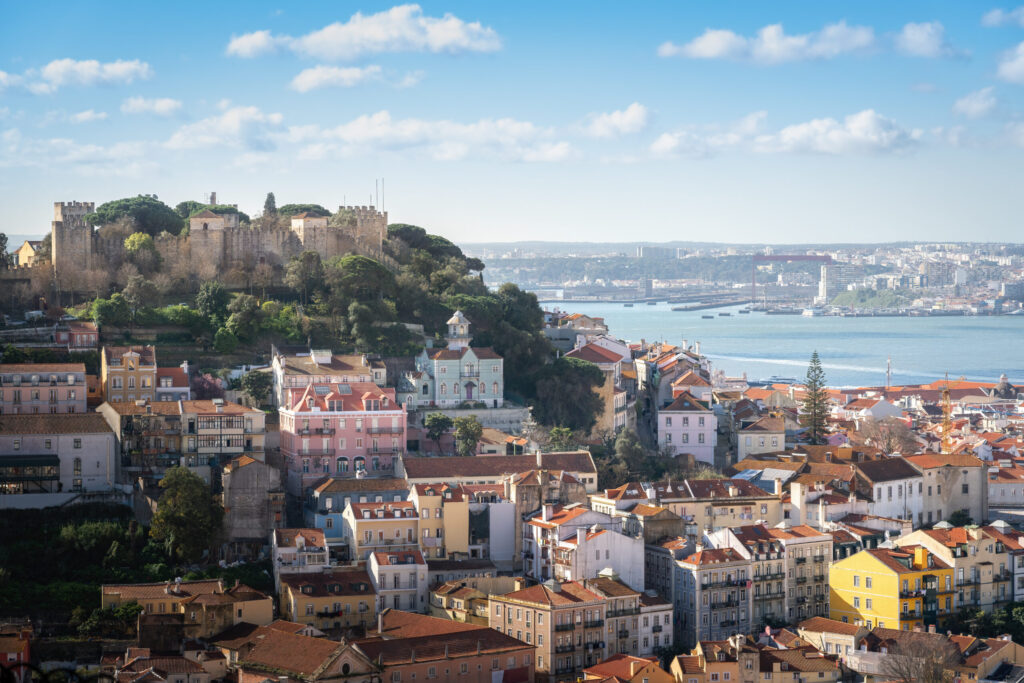
Must-See Places when you live in Portugal
Portugal is a treasure trove of breathtaking landscapes, historical landmarks, and vibrant cultural hubs. Whether you’re planning weekend getaways or long-term explorations, here are some of the most fascinating destinations worth discovering:
Iconic Destinations
- Lisbon: The capital offers endless charm with its pastel buildings, tram rides, fado music, and monuments like Belém Tower and Jerónimos Monastery.
- Porto: Famous for its wine cellars, Douro River cruises, and tiled churches, Porto blends tradition with contemporary flair.
- Sintra: A fairy-tale town just outside Lisbon, home to colorful palaces like Pena Palace and the Moorish Castle.
- Douro Valley: A UNESCO World Heritage wine region with terraced vineyards and scenic river cruises.
- Algarve Coast: Renowned for its golden beaches, cliffs, and coastal caves, including the stunning Benagil Cave.
Nature and Adventure
- Serra da Estrela: Portugal’s highest mountains offer hiking, skiing, and local cheese tasting.
- Peneda-Gerês National Park: A pristine area in the north, perfect for hiking, wildlife spotting, and natural hot springs.
- Madeira Island: A subtropical archipelago known for its levada walks, botanical gardens, and ocean views.
- Azores: A group of nine volcanic islands in the Atlantic, ideal for whale watching, geothermal springs, and crater lakes.
Hidden Gems
- Óbidos: A charming medieval town surrounded by castle walls and known for its cherry liqueur, Ginja.
- Aveiro: The “Venice of Portugal” with colorful boats and Art Nouveau architecture.
- Marvão: A hilltop village with stunning views over the Alentejo plains.
- Elvas: Known for its military architecture and historic aqueduct.
- Cascais: A stylish seaside town near Lisbon with beautiful beaches and a laid-back vibe.
These places showcase Portugal’s rich heritage, varied landscapes, and welcoming spirit—making every journey within the country a memorable adventure.
What Is It Like Living in Portugal?
Living in Portugal is a dream for many. Picture yourself waking up to the sound of waves in the Algarve, sipping coffee at a sunny street café in Lisbon, or embracing the slow rhythm of life in the Alentejo countryside. Portugal blends old-world charm with modern comforts, making it an ideal place for both relaxation and productivity.
Portugal is renowned for its:
- Warm climate with over 300 days of sunshine
- Laid-back lifestyle that promotes well-being and mental clarity
- Friendly locals who are welcoming and helpful
- Excellent food and wine deeply rooted in local culture
- Safety and low crime rates, even in urban centers
Everyday Life in Portugal
Expats in Portugal quickly adapt to the slower pace of life, where long lunches, outdoor markets, and evening walks are part of the daily rhythm. The country’s diverse regions—from the mountainous north to the sunny beaches of the south—offer unique lifestyles and environments.
- Lisbon and Porto: Buzzing cities with cultural events, tech hubs, and international communities
- Coastal towns: Ideal for surfing, seafood, and sea-view living
- Rural villages: Offer peace, authenticity, and lower living costs
Accessibility and Infrastructure
- Public transportation includes metros, trams, and regional trains that connect major cities and suburbs
- The road network is modern and well-maintained, perfect for road trips and commutes
- Internet access is reliable, making Portugal a digital nomad hotspot

Community and Social Life
The social fabric in Portugal is vibrant. Expat groups, coworking spaces, and social clubs are active in larger towns and cities. Festivals, music, and traditional fairs fill the calendar year-round, offering a great way to immerse in local life.
Public services are generally efficient, healthcare is both private and public with good standards, and the education system includes several international schools catering to foreign families.
In short, living in Portugal means enjoying a balance of modern convenience and timeless charm—a place where life is both fulfilling and affordable.
What Is the Cost of Living in Portugal?
Portugal offers one of the lowest costs of living in Western Europe. Here’s a detailed snapshot of average monthly and daily expenses:
| Expense CategoryCost (Approx.) | |
|---|---|
| Rent (1-bed Lisbon) | €900 – €1,300 |
| Rent (1-bed countryside) | €500 – €750 |
| Utilities | €100 – €150 |
| Internet | €30 – €40 |
| Groceries | €150 – €250 |
| Dining Out (casual meal) | €10 – €25 per meal |
| Gym Membership | €25 – €50 per month |
| Cinema Ticket | €7 – €10 per ticket |
| Fuel (per liter) | €1.65 – €1.90 |
| Fresh Bread (loaf) | €1.00 – €2.00 |
| Local Beer (0.5L) | €1.20 – €2.50 |
| Glass of Wine at a Bar | €2.00 – €4.00 |
| Coffee at a Café | €0.70 – €1.50 |
Portugal remains budget-friendly for daily living. A couple can live comfortably in smaller towns on a budget of €1,500–€2,000 per month, while those in cities like Lisbon or Porto may need a bit more.
Tips to Save on Costs:
- Choose smaller towns over Lisbon or Porto.
- Use local markets for fresh produce and daily needs.
- Consider public healthcare and pharmacy plans.
- Walk or use public transport instead of driving.
- Eat at local tascas instead of tourist restaurants.
- Purchase goods in bulk from supermarkets like Pingo Doce or Continente.
- Look for gym and cinema loyalty programs for discounts.
What Is the Standard of Living in Portugal?
Portugal ranks high on the global quality-of-life index thanks to a range of factors that consistently attract expats, retirees, and digital nom## Local Cuisine and Drinks in Portugal
One of the most cherished aspects of living in Portugal is its delicious, diverse, and affordable cuisine. Rooted in Mediterranean tradition and influenced by centuries of global exploration, Portuguese food emphasizes fresh ingredients, bold flavors, and simple preparation.
Traditional Dishes to Try:
- Bacalhau à Brás – Salt cod with scrambled eggs, onions, and thin potatoes
- Francesinha – A hearty sandwich from Porto with layers of meat, cheese, and a rich beer-based sauce
- Caldo Verde – A comforting kale and potato soup, often enjoyed with spicy chouriço
- Sardinhas Assadas – Grilled sardines, especially popular during summer festivals
- Arroz de Marisco – A seafood rice dish similar to paella but uniquely Portuguese
- Pastéis de Nata – Iconic custard tarts with a caramelized top, best enjoyed warm with cinnamon

Local Markets and Ingredients
Portuguese meals often revolve around seasonal, local produce. Farmers’ markets are abundant with fresh vegetables, olives, cheeses, cured meats, and fresh seafood sourced from the Atlantic coast.
Dining Culture
Meals are a social affair in Portugal. Expect leisurely lunches, late dinners, and the option to dine at affordable tascas (local eateries), elegant marisqueiras (seafood restaurants), or high-end contemporary spots.
Portuguese Alcoholic Beverages
- Port Wine – A fortified wine produced exclusively in the Douro Valley, famous worldwide
- Vinho Verde – A young, slightly fizzy wine from northern Portugal, perfect for hot days
- Ginja – A sour cherry liqueur popular in Lisbon and Óbidos
- Aguardente – A strong spirit made from distilled grapes, often served after meals
- Portuguese craft beer – A growing scene with artisanal lagers, stouts, and IPAs complementing classics like Super Bock and Sagres
Whether you’re dining out or cooking at home, food and drink are an essential and joyful part of life in Portugal. They offer a gateway to understanding the country’s culture, history, and warm hospitality.. The overall standard of living is marked by comfort, safety, and accessibility, all at a relatively low cost compared to other Western European countries.
Key Strengths of Living in Portugal:
- Mild climate all year round: With warm summers and gentle winters, outdoor living is a year-round lifestyle.
- Accessible and high-quality healthcare: Portugal’s public and private healthcare systems are well-developed and affordable.
- Delicious cuisine and fresh seafood: Portuguese food is varied, healthy, and deeply tied to tradition and regional produce.
- Efficient public transport in urban centers: Metro systems, buses, and trams are reliable and affordable, especially in Lisbon and Porto.
- Growing digital nomad and expat communities: Coworking spaces, English-speaking events, and support networks are readily available.
- Stable and secure living conditions: Portugal is ranked among the safest countries in the world.
- Modern infrastructure: High-speed internet, clean cities, and a solid utility grid make life easy and connected.
Leisure and Lifestyle
The standard of living is further enhanced by Portugal’s focus on leisure and personal enjoyment. The locals value time spent with family and friends, long meals, and community events. Cultural festivals, free concerts, and public holidays add vibrancy to everyday life.
Moreover, expats benefit from access to numerous public parks, beaches, and sports facilities. From surfing in Nazaré to hiking in the Douro Valley, staying active is both easy and enjoyable.
Work-Life Balance
The Portuguese lifestyle is inherently relaxed, and even in urban settings, the emphasis on work-life balance is evident. Long lunch breaks, extended vacation time, and a general respect for personal well-being contribute to a less stressful environment.
In short, the standard of living in Portugal is not just high—it’s holistic. It addresses physical comfort, emotional well-being, and financial peace of mind, making it one of the most attractive destinations in Europe for relocation.
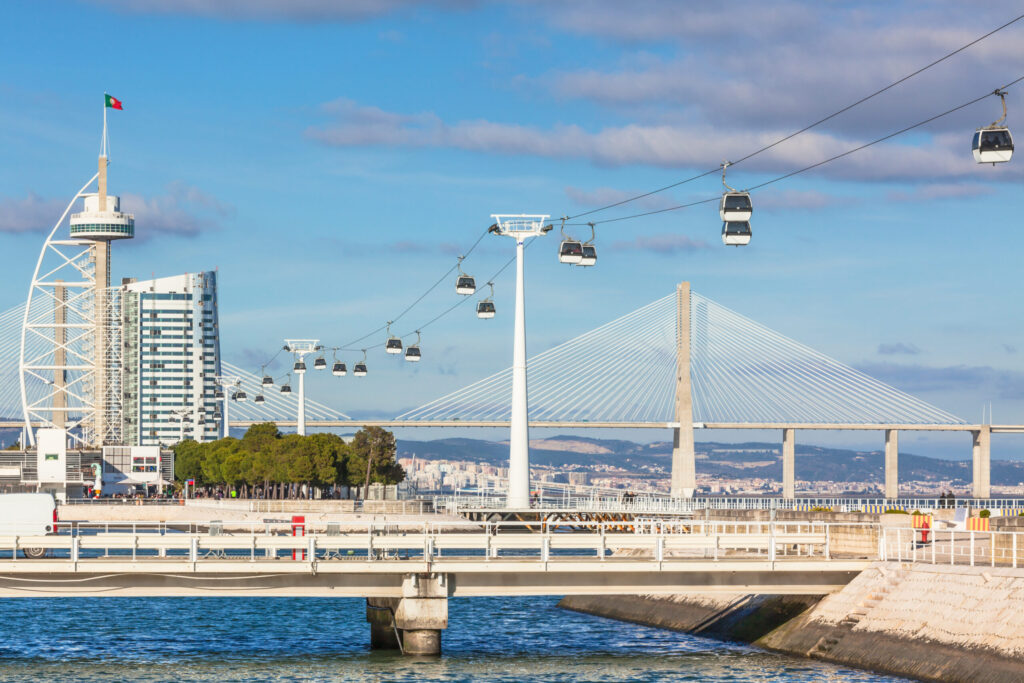
Living in Portugal – Work: Sectors and Salaries
Portugal offers a growing job market in selected sectors, especially in urban areas and tech hubs like Lisbon and Porto. While salaries tend to be lower compared to Northern Europe, the lower cost of living helps offset this for many expats.
Key Employment Sectors
- Tourism & Hospitality: One of the largest employers in Portugal. Opportunities abound in hotels, restaurants, travel agencies, and event planning—especially in the Algarve and Lisbon.
- Technology & Startups: Lisbon is becoming a key player in the European tech scene, with a growing number of startups and remote-first companies.
- Customer Service & Call Centers: Many international companies have set up service hubs in Portugal due to multilingual talent and competitive wages.
- Education: English teachers are in demand, particularly in language schools and international schools.
- Healthcare: Opportunities exist for qualified professionals, although fluency in Portuguese is often required.
- Real Estate & Property Management: With booming interest from international buyers and renters, this sector continues to grow.
- Agriculture & Viticulture: In rural regions, farming and wine production remain vital sources of employment.
Average Salaries by Sector
| Sector | Average Gross Monthly Salary (EUR) |
|---|---|
| IT & Software Development | €1,500 – €3,000 |
| Tourism & Hospitality | €800 – €1,200 |
| Customer Service (Multilingual) | €1,000 – €1,500 |
| English Language Teaching | €900 – €1,300 |
| Healthcare (Nurses/Doctors) | €1,500 – €3,500 |
| Construction & Skilled Trades | €1,000 – €1,800 |
| Real Estate Agents | Commission-based, varies widely |
Working Conditions & Legal Requirements
- Workweek: Typically 40 hours per week, Monday to Friday
- Contracts: Both full-time and fixed-term contracts are common; ensure you receive a proper contract in writing
- Work Visas: EU/EEA citizens do not need a visa. Non-EU citizens will need a residence permit tied to employment or self-employment.
- Language: English is sufficient in international environments, but learning Portuguese improves job prospects, integration, and salary negotiation.
For remote workers and digital nomads, Portugal is especially attractive due to high-speed internet, a welcoming visa framework, and a lifestyle conducive to work-life balance.
Cost of Living Comparison: Portugal vs UK vs Spain vs Germany
Understanding how Portugal stacks up against other popular European destinations can help you make a more informed decision. Here’s a side-by-side comparison of average monthly costs in key categories for a single person living in a major city:
| Expense Category | Portugal (€) | Spain (€) | Germany (€) | UK (£) |
|---|---|---|---|---|
| Rent (1-bed apartment, city centre) | 900 – 1,300 | 850 – 1,200 | 1,000 – 1,400 | 1,200 – 1,800 |
| Utilities (electricity, heating, water) | 100 – 150 | 100 – 130 | 200 – 300 | 150 – 250 |
| Internet | 30 – 40 | 30 – 50 | 30 – 50 | 25 – 40 |
| Groceries | 150 – 250 | 180 – 300 | 250 – 350 | 200 – 350 |
| Dining Out (casual meal) | 10 – 25 | 10 – 25 | 12 – 30 | 15 – 35 |
| Public Transport (monthly pass) | 40 – 60 | 35 – 60 | 60 – 100 | 60 – 150 |
| Coffee at Café | 0.70 – 1.50 | 1.00 – 2.00 | 2.00 – 3.00 | 2.50 – 4.00 |
| Cinema Ticket | 7 – 10 | 6 – 9 | 10 – 13 | 10 – 15 |
| Gym Membership | 25 – 50 | 30 – 50 | 30 – 70 | 30 – 80 |
| Fuel (per liter) | 1.65 – 1.90 | 1.60 – 1.80 | 1.70 – 1.90 | 1.60 – 1.90 |
Key Insights:
- Portugal and Spain have the lowest average cost of living, particularly for rent and dining.
- Germany and the UK are significantly more expensive in terms of housing and utilities.
- Daily costs such as coffee, public transport, and groceries are more affordable in Portugal.
- Portugal offers an excellent cost-benefit ratio for those seeking a European lifestyle without breaking the bank.
Whether you’re budgeting for retirement, remote work, or family relocation, Portugal presents a highly competitive and financially sustainable option.
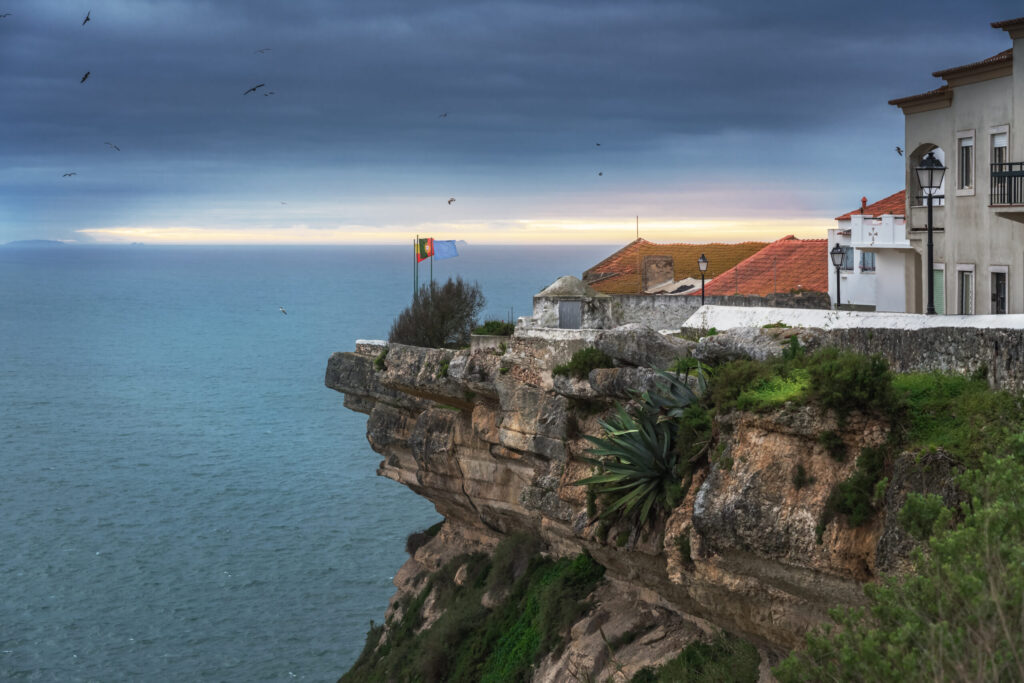
Fun Facts About Portugal
Portugal is full of fascinating trivia that reflects its rich history, culture, and achievements. Here are some interesting facts that might surprise you:
- Oldest nation in Europe: Portugal has had the same defined borders since 1139, making it the oldest nation-state in Europe.
- Lisbon’s bridge is longer than the Golden Gate: The Vasco da Gama Bridge in Lisbon is the longest in Europe at 17.2 km (10.7 miles).
- Portuguese is a global language: Over 260 million people speak Portuguese worldwide, making it the 6th most spoken language.
- World’s oldest bookstore: Bertrand Bookstore in Lisbon, established in 1732, holds the Guinness World Record as the world’s oldest operating bookstore.
- Portugal produces over 50% of the world’s cork: Cork oak trees are protected, and cork products are a major export.
- Azores and Madeira: These Portuguese islands are autonomous regions offering unique volcanic landscapes, biodiversity, and local culture.
- Piri-piri chicken originates here: Though inspired by African ingredients, this spicy dish became iconic in Portuguese cuisine.
- Waves of Nazaré: The town of Nazaré is famous for having some of the world’s biggest surfable waves, reaching over 30 meters (100 feet).
- Portugal abolished slavery early: It was one of the first colonial powers to abolish slavery in the 18th century.
These fun facts not only highlight Portugal’s legacy and innovation but also deepen the appreciation for its place in the world today.
Bad Things About Living in Portugal
While Portugal has many perks, it’s not without its downsides. Being aware of the potential challenges can help you make a more informed and prepared decision before moving.
- Bureaucracy: Administrative procedures can be notoriously slow, and you may need multiple visits to offices for things like residency registration, vehicle imports, and obtaining tax numbers. Online systems exist but are often confusing or incomplete.
- Low wages: Despite the low cost of living, local salaries can be surprisingly modest. This can be a concern if you’re planning to work locally rather than remotely or are dependent on Portuguese income.
- Language barrier: While English is widely spoken in cities and tourist zones, in smaller towns and for official processes, Portuguese is essential. Without it, dealing with banks, landlords, or public services can be challenging.
- Rental market competition: Demand for housing in cities like Lisbon, Porto, and coastal towns has soared, leading to increased rental prices and stiff competition. Short-term rentals and foreign investment have driven up prices, making it difficult for locals and newcomers alike.
- Winter heating: Many Portuguese homes are not built with insulation or heating in mind. During the winter, indoor temperatures can drop significantly, leading to discomfort and higher electricity bills if you rely on space heaters.
- Limited job market: Outside of sectors like tourism, tech, or real estate, opportunities can be scarce, especially for non-Portuguese speakers.
- Seasonal crowds and pricing: In popular tourist destinations, summer months can bring overcrowding and inflated prices for services, groceries, and accommodations.
Knowing these issues upfront helps you plan better, manage your expectations, and make practical decisions regarding location, housing, and language preparation. While these drawbacks are manageable for most, awareness is key to a smooth transition.
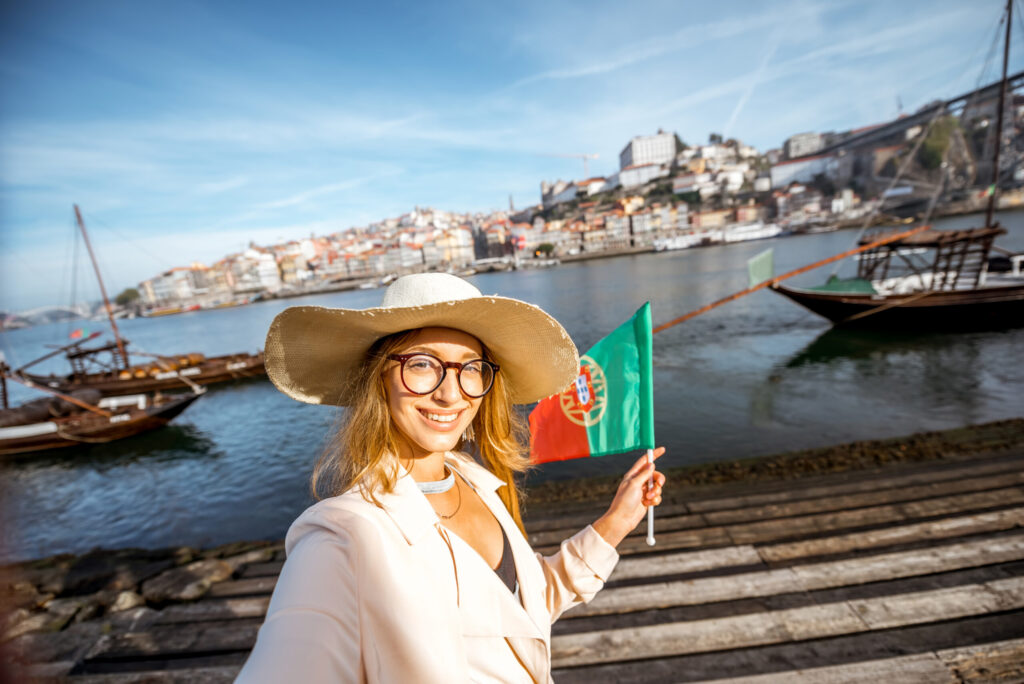
Culture and Traditions in Portugal
Portuguese culture is a blend of centuries-old traditions, maritime heritage, and a deep appreciation for music, cuisine, and family life. The pace is slower than in many Western countries, emphasizing community, quality of life, and celebration.
Cultural Highlights
- Fado Music: Portugal’s soulful and melancholic music, often performed in traditional taverns, especially in Lisbon and Coimbra.
- Azulejos: Decorative ceramic tiles that cover buildings, churches, and public spaces, showcasing historical scenes and geometric patterns.
- Café Culture: A strong tradition of gathering over coffee and pastries, particularly pastéis de nata, at small neighborhood cafés.
- Family and Community: Families are tightly knit, and Sundays are often reserved for large family meals. Locals are warm and hospitable, making it easier for expats to integrate.
- Bullfighting: Still practiced in some regions with distinct Portuguese characteristics (such as not killing the bull), though it remains controversial.
National Holidays and Celebrations
Portugal celebrates numerous national and regional holidays, often with processions, fireworks, and lively street festivals:
- Carnival (February/March): Colorful parades and costume parties take place across the country.
- Freedom Day (April 25): Celebrates the 1974 Carnation Revolution, which ended dictatorship.
- Portugal Day (June 10): A national day commemorating the death of poet Luís de Camões and celebrating Portuguese culture and history.
- St. Anthony’s Day (June 13): Especially festive in Lisbon, with sardine grilling, music, and dancing.
- St. John’s Festival (June 24): Porto’s biggest celebration, featuring street parties, fireworks, and the quirky tradition of hitting others with plastic hammers.
- Assumption Day (August 15): A Catholic holiday observed throughout the country.
- Republic Day (October 5): Marks the proclamation of the Portuguese Republic in 1910.
- Restoration of Independence (December 1): Celebrates the end of Spanish rule in 1640.
- Christmas and New Year: Traditional nativity scenes, midnight mass, and family meals highlight the season.
Participating in local customs, festivals, and community life is one of the best ways to understand Portugal’s national identity and to feel truly at home.
Why Move with VanOnSite?
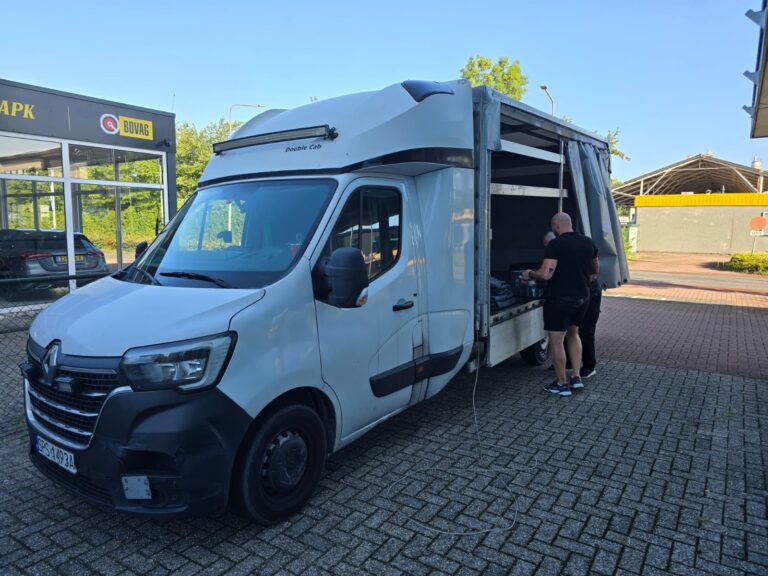
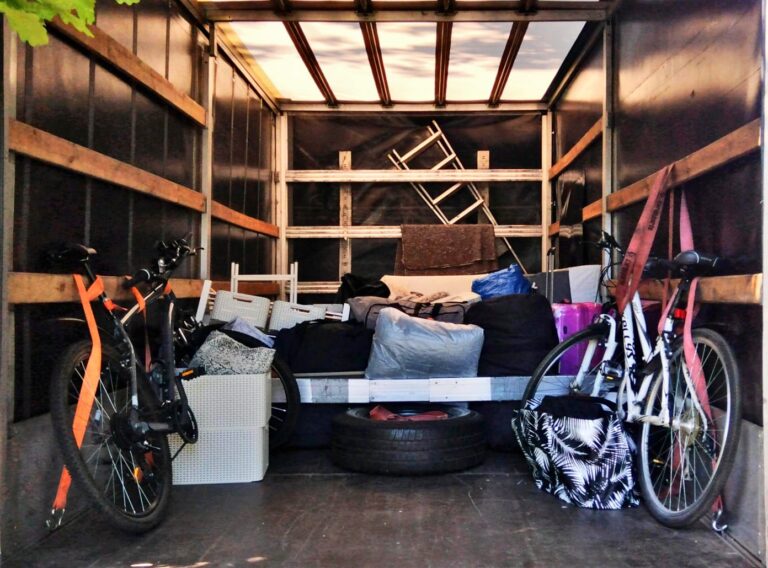
As highlighted on VanOnSite’s Portugal removals page, relocating to Portugal is stress-free and highly efficient with a professional and customer-focused logistics partner like VanOnSite. Whether you’re relocating a small apartment or an entire household, VanOnSite provides personalized services tailored to meet your needs across all stages of the move.




Comprehensive Services Include:
- Secure and insured European removals for peace of mind during international transport
- Regular trips across Europe, including the UK, Germany, the Netherlands, France, and beyond
- Flexible scheduling to accommodate your availability and ideal moving date
- Experienced drivers and multilingual staff who ensure smooth cross-border coordination
- Real-time tracking and updates, so you always know where your belongings are
- Packing services available upon request, including materials and disassembly/reassembly
- Assistance with customs and documentation when needed for international transfers
Whether you’re moving from a bustling capital like London or a quiet town in the Netherlands, VanOnSite makes the transition seamless, professional, and hassle-free—letting you focus on settling into your new Portuguese lifestyle with confidence and ease.
Steps to Relocate to Portugal
- Research your destination: Decide whether urban energy or rural tranquility fits your lifestyle better. Consider climate, job market, proximity to services, and community presence in cities like Lisbon, Porto, Faro, or more serene locations like the Alentejo region.
- Sort your documents: Begin early with the bureaucratic process. You’ll need a valid passport, NIF (tax number), health insurance (or register with SNS), proof of income or employment, and a rental contract or property deed. EU citizens enjoy easier entry, while non-EU citizens may need visas or residence permits.
- Book a removals company: Choose a reputable service like VanOnSite to simplify logistics. They handle packing, transport, insurance, and delivery, so you can focus on planning your new life in Portugal without stress.
- Secure housing: It’s advisable to rent first, especially if you’re unfamiliar with the market. Use trusted real estate portals and, if possible, visit the area in advance. Long-term rental contracts usually require a deposit and proof of income.
- Settle in: Once you arrive, prioritize essentials—set up utilities, open a Portuguese bank account, register your address, and enroll in public services. Then, start building your social circle through expat groups, language courses, or local events to ease your transition and begin fully enjoying the Portuguese lifestyle.
Final Thoughts
Living in Portugal offers an exceptional blend of Mediterranean charm, affordability, and modern convenience. From the bustling energy of Lisbon and Porto to the peaceful countryside of Alentejo and the beaches of the Algarve, Portugal caters to every lifestyle. With low living costs, a strong sense of community, and reliable infrastructure, it’s no wonder Portugal continues to top expat destination lists. The nation’s culinary richness, deep-rooted traditions, and progressive approach to digital nomads and retirees further solidify its appeal.
While challenges such as bureaucracy or the language barrier exist, the benefits—from healthcare and safety to climate and culture—far outweigh them. Whether you’re seeking a relaxed retirement, a fresh remote work base, or a culturally rich family environment, living in Portugal is a life-enhancing decision.
Ready to make the move? Let VanOnSite handle your relocation to Portugal with ease and professionalism.
“Live where others vacation. Embrace the Portuguese way of life today.”