Living in Spain is more than just a dream of sunny days and vibrant culture—it’s a life-changing move that thousands of expats make each year. With a lower cost of living, world-class healthcare, and a high quality of life, Spain continues to rank among the top destinations for relocation in Europe. Whether you’re moving for retirement, remote work, or simply a lifestyle change, this guide will walk you through everything you need to know.
Key Takeouts:
- Lower overall cost of living compared to the UK and Northern Europe
- Over 300 days of sunshine per year in many regions
- Bureaucratic hurdles post-Brexit, but still manageable
- Excellent healthcare, both public and private options
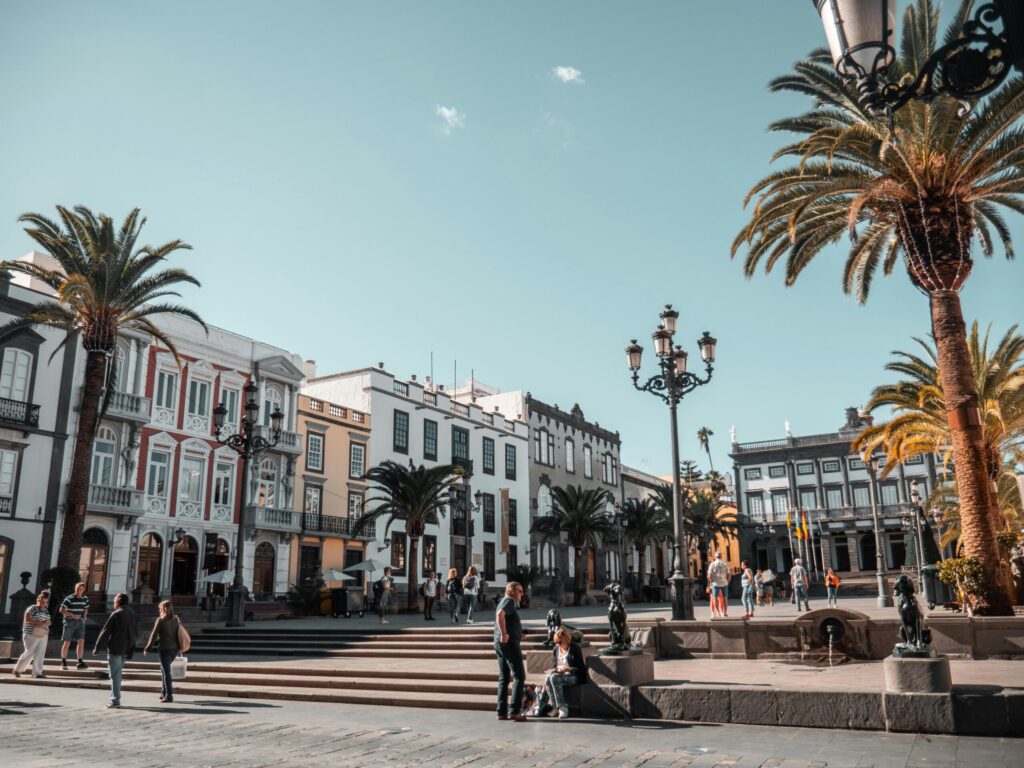
- Popular cities include Valencia, Madrid, and Malaga
- Challenges include language barriers and slow administrative processes
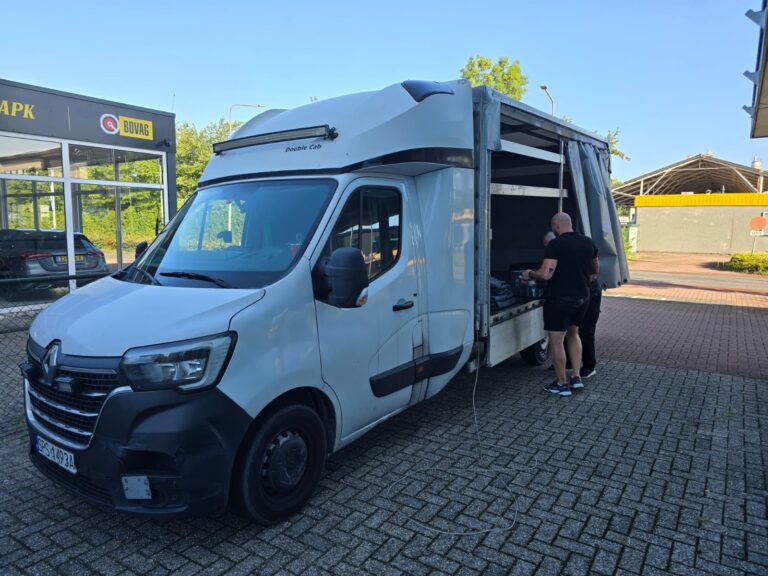
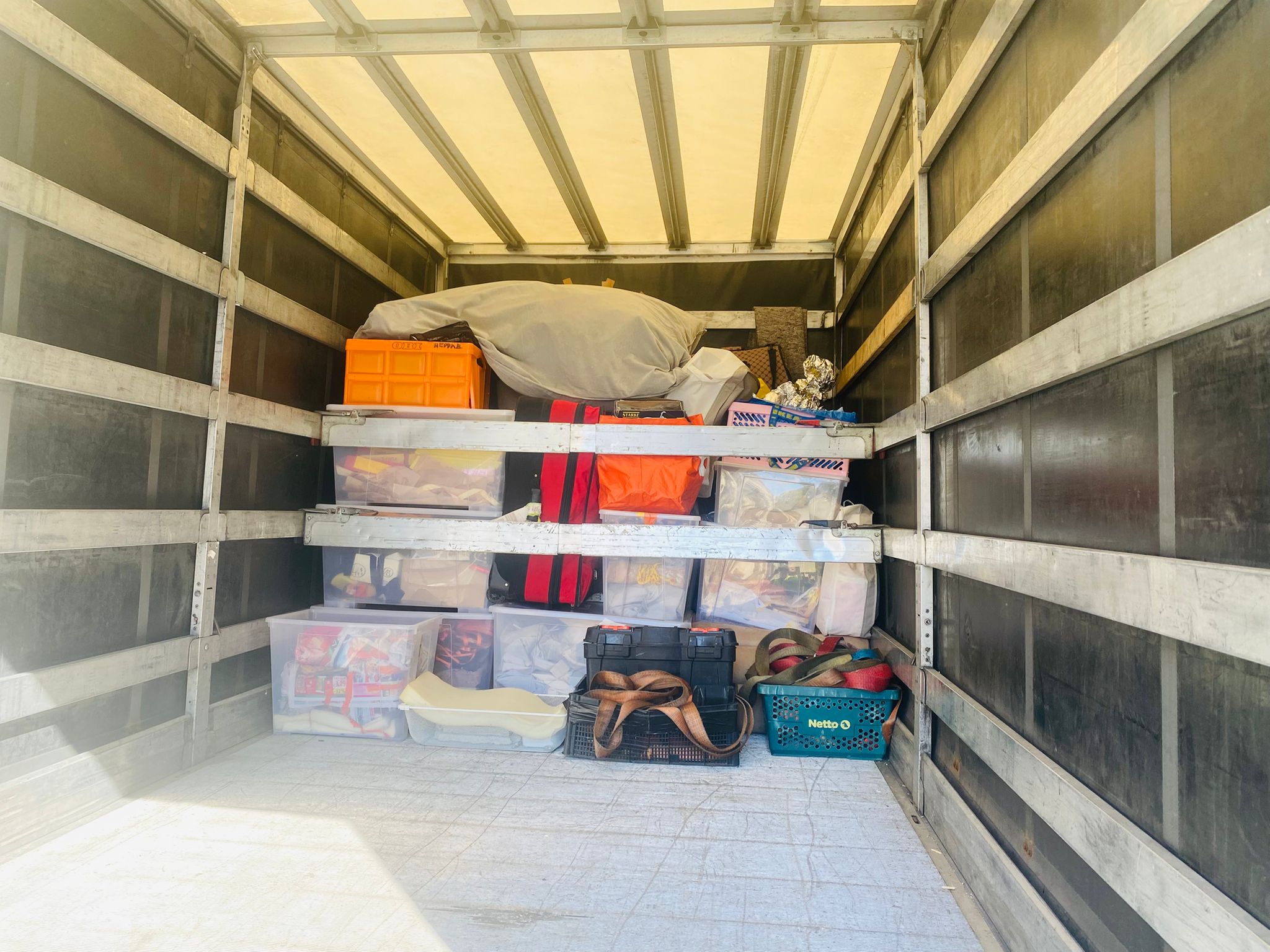
- Trusted relocation services like VanOnSite make your move seamless
What is the Cost of Living in Spain?
Spain is generally more affordable than many Western European countries. Here’s a comprehensive comparison:
| Expense CategorySpain (Monthly Avg)UK (Monthly Avg) | ||
|---|---|---|
| Rent (1 bed apt city) | €700 – €1,000 | £1,200 – £1,600 |
| Groceries | €200 – €300 | £250 – £400 |
| Transportation | €40 – €60 | £80 – £110 |
| Dining Out | €10 – €25/meal | £15 – £30/meal |
| Fuel (per liter) | €1.60 – €1.80 | £1.45 – £1.70 |
| Cinema Ticket | €8 – €10 | £10 – £15 |
| Restaurant Meal (3 courses, mid-range) | €30 – €50 | £50 – £70 |
| Coffee (cup) | €1.20 – €2.50 | £2.50 – £4.00 |
| Gym Membership | €30 – €50/month | £40 – £70/month |
| Bread (loaf) | €0.80 – €1.50 | £1.00 – £1.80 |
| Cheese (1kg) | €6 – €10 | £7 – £12 |
| Fruits (1kg apples/oranges) | €1.50 – €2.50 | £2.00 – £3.50 |
| Wine (mid-range bottle) | €4 – €8 | £6 – £12 |
| Beer (0.5L domestic) | €1.00 – €2.00 | £1.50 – £3.00 |
Key Points:
- Health insurance can cost between €50-€150/month
- Electricity and internet bills are generally lower
- Public transport is affordable and efficient
- Dining and socializing are cost-effective, even in major cities
- Everyday essentials like bread, fruit, and dairy are locally produced and inexpensive
This makes Spain an attractive option for both long-term residents and seasonal expats looking to stretch their budgets while enjoying a high quality of life.
Living in Spain After Brexit
UK nationals can still live in Spain post-Brexit, but the process involves several administrative steps. Here’s what you need to know about the required documentation and procedures:
- Visa Requirements: For stays longer than 90 days, a visa is mandatory. The most common choices include the non-lucrative visa, golden visa (for investors), or work and residence permits.
- Non-Lucrative Visa: This visa is ideal for retirees or remote workers with sufficient income. Applicants must prove financial stability and secure private health insurance.
- TIE (Tarjeta de Identidad de Extranjero): Upon arriving in Spain, you must apply for a Foreigner Identity Card at the local immigration office. This card confirms your legal residence status.
- NIE Number: The NIE (Número de Identificación de Extranjero) is essential for nearly all formalities: opening a bank account, signing a lease, buying a property, and more. It must be requested early in the process.
- Empadronamiento (Municipal Registration): You must register with your local town hall (ayuntamiento) to prove your residence. This is often required for visa renewals and accessing public services.
- Healthcare: Private insurance is mandatory unless you qualify for the public system through work, pension, or bilateral agreements.
- Proof of Address & Financial Means: For many visa types, you must provide a rental contract or property deed, along with recent bank statements, pension documentation, or proof of passive income.
Tip: The Spanish non-lucrative visa remains one of the most accessible pathways for British citizens looking to relocate for retirement or remote work.
Pros and Cons of Living in Spain
Pros:
- Sunshine and Weather: Over 300 sunny days per year in many regions, especially in southern and coastal areas like Costa del Sol and Alicante.
- Cost of Living: Much lower than the UK or Northern Europe, making it ideal for retirees, families, and remote workers.
- Healthcare System: High-quality care at affordable rates. Spain’s healthcare ranks among the top in the world.
- Cuisine: Fresh produce, tapas culture, excellent wine, and a strong Mediterranean diet influence contribute to a healthy lifestyle.
- Outdoor Lifestyle: Ideal for hiking, swimming, cycling, and beach living thanks to favorable weather year-round.
- Public Transport: Efficient and inexpensive, especially in major cities.
- Expat Communities: Well-established support networks, especially in places like Valencia, Malaga, and Costa Blanca.
Cons:
- Bureaucracy: Paperwork can be slow and frustrating, particularly when dealing with visas, banking, and registrations.
- Language Barrier: English is not widely spoken outside tourist zones or international communities, making everyday interactions more difficult.
- Job Market: Limited opportunities for non-Spanish speakers and lower average salaries compared to the UK.
- Seasonal Crowds: Coastal towns can become overcrowded with tourists during peak seasons.
- Cultural Differences: The “mañana” attitude may frustrate those used to faster-paced, deadline-driven cultures.
- Limited Diversity in Smaller Towns: Expats may find fewer international amenities or communities in more rural areas.
- High Summer Temperatures: Especially in inland cities like Seville and Cordoba, which can become uncomfortably hot.
Understanding both the upsides and drawbacks of life in Spain will help you plan your move more realistically and make the most of your new environment.
Cost of Living in Spain vs UK
The difference is stark in key areas of everyday expenses. Here’s a detailed comparison table to visualize the typical costs:
| Expense Category | Spain (Avg Monthly) | UK (Avg Monthly) | Difference (%) |
|---|---|---|---|
| Rent (1 bed in city centre) | €850 | £1,400 | ~ -50% |
| Utilities (Electricity, water) | €100 | £150 | ~ -33% |
| Internet | €30 | £40 | ~ -25% |
| Public Transport Pass | €45 | £80 | ~ -43% |
| Restaurant Meal (Mid-range) | €40 | £60 | ~ -33% |
| Coffee (regular cup) | €1.80 | £3.00 | ~ -40% |
| Gym Membership | €40 | £55 | ~ -27% |
| Grocery Basket (basic items) | €250 | £350 | ~ -29% |
Example Scenario:
A couple living in Valencia can maintain a comfortable lifestyle on €1,800/month, while a similar lifestyle in London would cost upwards of £3,000/month. This includes rent, bills, transportation, food, and entertainment.
These savings allow for a more relaxed lifestyle in Spain without compromising on quality or comfort.
Disadvantages of Living in Spain
While the benefits are numerous, expats often face these challenges:
- Residency Paperwork: Especially complicated for non-EU citizens and post-Brexit UK nationals. Visa renewals, local registrations (empadronamiento), and other bureaucratic steps can be time-consuming.
- Seasonal Tourism: Coastal cities like Malaga, Alicante, and Valencia become overcrowded during peak holiday months, which can drive up prices and limit availability of services.
- Pace of Life: The relaxed “mañana” culture, while charming to some, can be frustrating to those used to punctuality and efficiency.
- Limited Work Opportunities: Unless fluent in Spanish and qualified in local demand sectors, finding work can be difficult and salaries are typically lower.
- Language Barrier: Especially pronounced in rural areas or with public administration; this can hinder integration and access to services.
- Housing Shortages in Popular Areas: In high-demand expat locations, housing costs are rising and rentals can be competitive.
- Climate Extremes: While the weather is mostly favorable, summers in inland regions can be extremely hot, and winters in some parts can be surprisingly cold without central heating.
Spanish Cuisine and Local Drinks
One of the true joys of living in Spain is immersing yourself in its culinary culture. Spanish cuisine is rooted in tradition, regional variety, and fresh local ingredients. From coastal seafood to inland stews and tapas galore, there’s something to suit every palate.
Signature Dishes
- Paella: A rice dish originally from Valencia, traditionally made with rabbit, chicken, and vegetables—or seafood in coastal versions.
- Tortilla Española: A hearty Spanish omelette made with potatoes and onions.
- Jamón Ibérico: Dry-cured ham from black Iberian pigs, considered a national delicacy.
- Gazpacho & Salmorejo: Cold tomato-based soups perfect for summer.
- Pulpo a la Gallega: Octopus seasoned with paprika and olive oil, a Galician specialty.
Tapas Culture
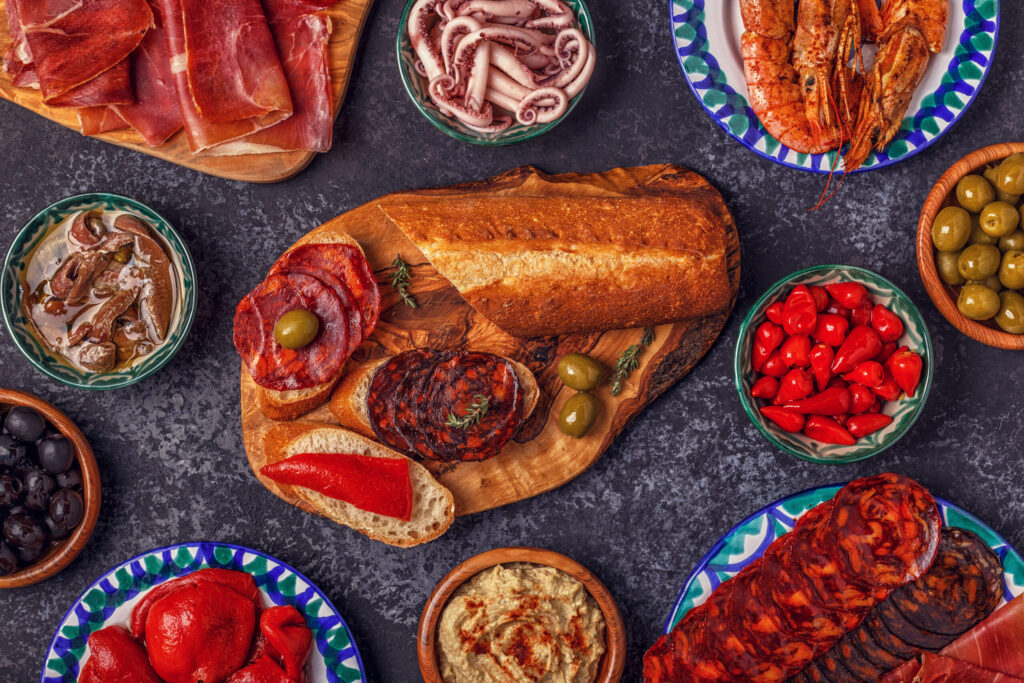
Tapas are small dishes served with drinks, perfect for social dining. Popular options include:
- Patatas bravas (fried potatoes with spicy tomato sauce)
- Croquetas (fried béchamel and ham balls)
- Boquerones (marinated anchovies)
- Chorizo al vino (chorizo cooked in wine)
In many Spanish cities, especially Granada, tapas are often served free with a drink.
Local Produce
Spain is blessed with fresh produce year-round:
- Oranges from Valencia
- Olives and olive oil from Andalusia
- Almonds, saffron, tomatoes, peppers, and garlic widely used across dishes
Spanish Alcohol and Beverages
- Wine: Spain is a leading global wine producer. Rioja and Ribera del Duero are iconic red wines; Albariño and Verdejo are crisp whites.
- Cava: Spain’s answer to Champagne, made in Catalonia.
- Sangría: A fruity wine punch with citrus and spirits, perfect in summer.
- Tinto de Verano: A refreshing mix of red wine and soda, commonly served over ice.
- Beer (Cerveza): Popular domestic brands include Estrella Galicia, Mahou, and Cruzcampo. Beer is often enjoyed with tapas.
- Sherry (Jerez): A fortified wine from Andalusia, ranging from dry (Fino) to sweet (Pedro Ximénez).
Spanish culinary culture is more than just food—it’s a way of life. Meals are social, long, and often shared with family and friends, making them a perfect gateway into the local culture.
Spanish Culture, Traditions, and National Holidays
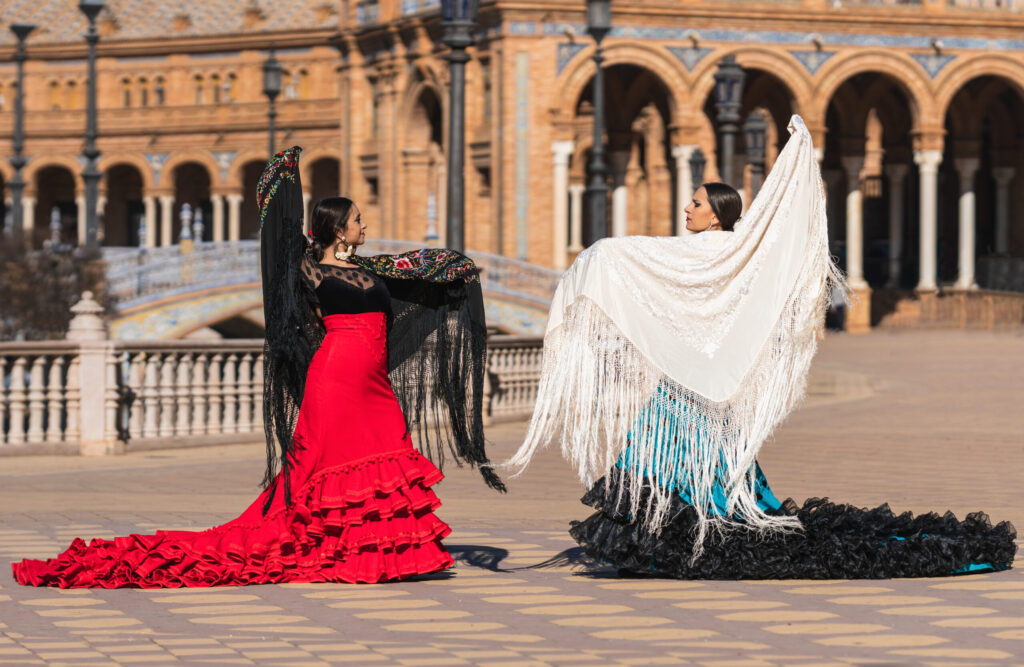
Spain’s rich culture is a dynamic fusion of centuries-old traditions, diverse regional customs, and a strong sense of community. From flamenco performances to colorful festivals, the cultural life in Spain is vibrant, inclusive, and deeply rooted in history.
Cultural Highlights
- Flamenco: More than just music and dance, flamenco is a passionate art form originating from Andalusia that combines singing (cante), guitar playing (toque), and expressive dance (baile).
- Bullfighting: Though increasingly controversial, bullfighting (corrida de toros) remains a symbolic tradition, especially during local festivals.
- Siesta: The famous midday break, especially prevalent in smaller towns and rural areas, reflects Spain’s emphasis on balance and well-being.
- Family and Social Life: Spanish culture places great value on family ties and social gatherings. Meals are often long and shared with friends and relatives.
National Holidays and Celebrations
| Holiday | Date | Description |
|---|---|---|
| Epiphany (Día de Reyes) | January 6 | Celebrates the visit of the Three Wise Men with parades and gift-giving. |
| Semana Santa (Holy Week) | March/April | Religious processions across the country, especially in Seville and Málaga. |
| Feria de Abril | April (Seville) | A week of flamenco, bullfights, and cultural events in traditional attire. |
| San Juan | June 23 | Bonfire night celebrating the summer solstice, particularly on the coast. |
| La Tomatina | August (Buñol) | A giant tomato-throwing festival with global fame. |
| National Day of Spain | October 12 | Commemorates the discovery of America in 1492. |
| Christmas (Navidad) | December 25 | Celebrated with family feasts, nativity scenes, and traditional sweets. |
Spain’s festivals are deeply rooted in religious, seasonal, or historical significance. Whether you’re enjoying a small village celebration or a massive city parade, the spirit of fiesta is a central part of life in Spain.
Must-See Places in Spain
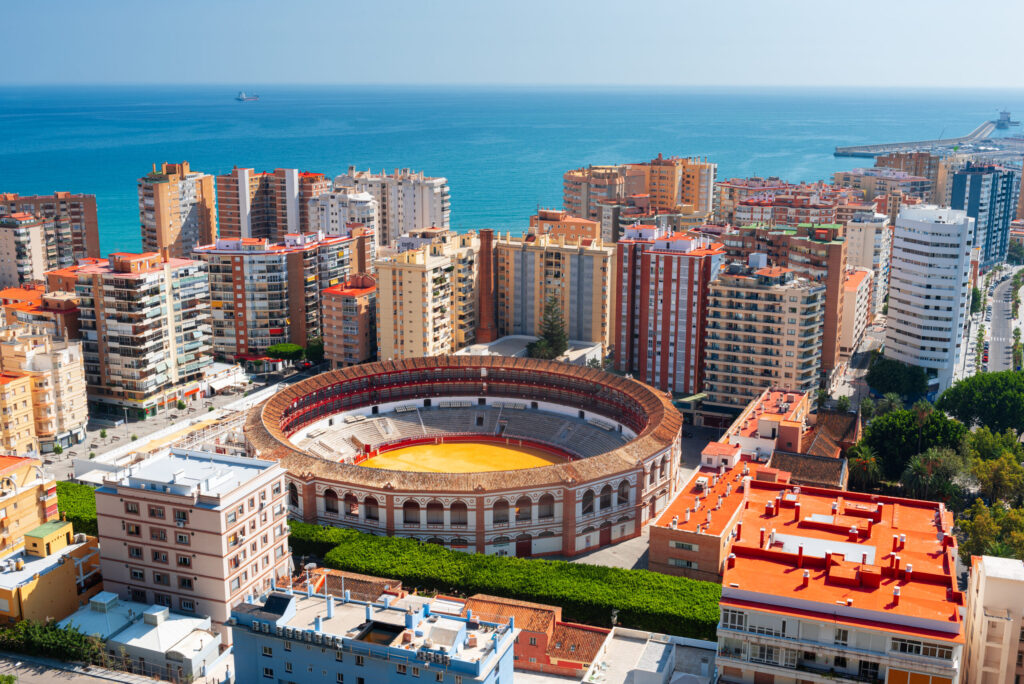
Spain is a country of diverse landscapes, cultural richness, and architectural marvels. Whether you’re a nature lover, history enthusiast, or beachgoer, there’s something for everyone. Here are some of the most remarkable destinations worth visiting:
Iconic Cities
- Madrid: The capital offers world-renowned museums like the Prado and Reina Sofía, vibrant nightlife, and grand boulevards.
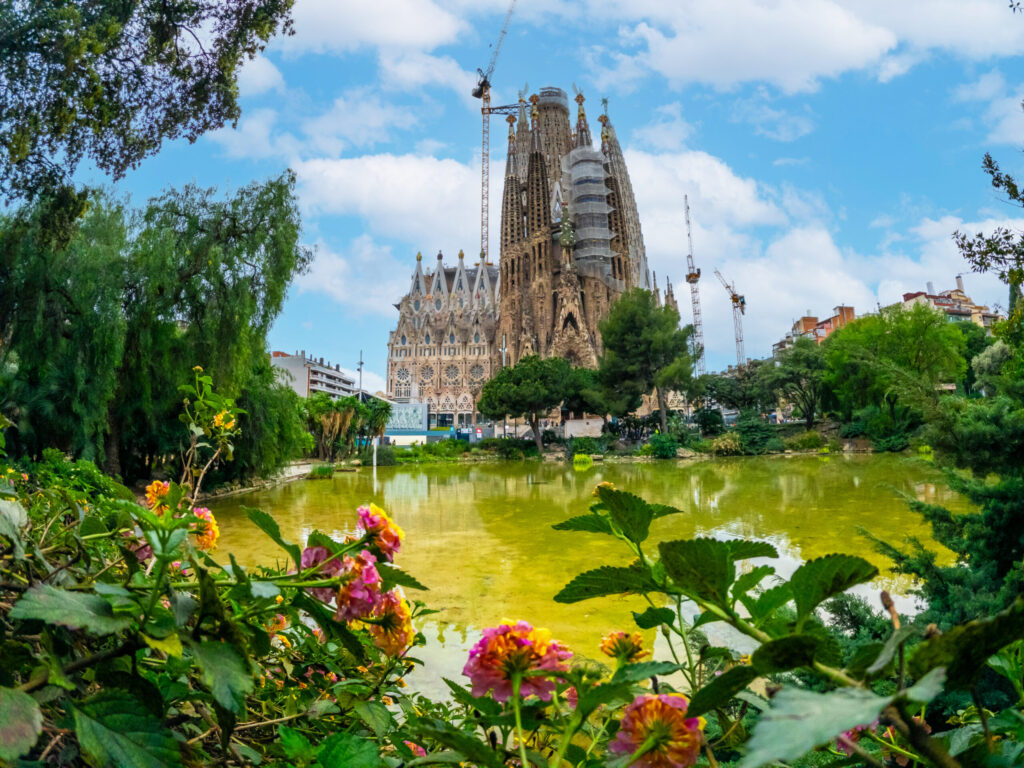
- Barcelona: Famous for Gaudí’s architecture, including the Sagrada Família and Park Güell, and its cosmopolitan beach lifestyle.
- Seville: The heart of Andalusian culture, flamenco, and stunning Moorish palaces like the Alcázar.
- Granada: Home to the breathtaking Alhambra Palace and snow-capped views of the Sierra Nevada.
- Valencia: A fusion of historic charm and futuristic architecture, plus the birthplace of paella.
Natural Wonders
- Picos de Europa: Majestic mountain range ideal for hiking, climbing, and scenic drives.
- Doñana National Park: A protected wetland home to rare species like the Iberian lynx and migratory birds.
- Teide National Park (Tenerife): A volcanic landscape surrounding Spain’s highest peak, Mount Teide.
Coastal Escapes
- Costa Brava: Rugged coastline north of Barcelona with hidden coves and charming fishing villages.
- Balearic Islands (Mallorca, Menorca, Ibiza, Formentera): Sun-soaked islands with pristine beaches and vibrant nightlife.
- Costa del Sol: A favorite for holidaymakers, boasting sandy beaches, golf resorts, and sunny weather all year.
Cultural & Historic Sites
- Santiago de Compostela: Final stop on the Camino de Santiago pilgrimage route.
- Toledo: A medieval city where Christian, Muslim, and Jewish cultures once coexisted.
- Córdoba: Renowned for the Mezquita, a mosque-cathedral blending Islamic and Christian influences.
From majestic mountains to architectural wonders, Spain offers endless opportunities to explore and be inspired.
Employment Opportunities in Spain
While Spain is a popular destination for retirees and remote workers, it also offers job opportunities in several key industries—especially for those with language skills, qualifications, or in-demand technical experience.
In-Demand Sectors
| Sector | Description |
|---|---|
| Tourism & Hospitality | High demand in coastal and tourist regions, particularly in summer. |
| IT & Tech | Growing in urban centers like Madrid and Barcelona; startups and multinationals alike. |
| Healthcare | Nurses, doctors, and elder care providers are consistently in demand. |
| Education | English teachers and language tutors (especially TEFL-certified) are widely needed. |
| Agriculture & Viticulture | Seasonal jobs in farming regions and vineyards, especially in Andalusia and La Rioja. |
| Construction & Trades | Particularly strong in areas with ongoing urban or coastal development. |
| Renewable Energy | Spain is investing in solar and wind sectors, creating new green jobs. |
Salary Ranges (Gross Monthly)
| Job Type | Average Monthly Salary |
|---|---|
| Waiter/Hotel Staff | €1,100 – €1,400 |
| English Teacher (private academy) | €1,200 – €1,800 |
| Nurse | €1,500 – €2,500 |
| IT Specialist | €2,000 – €3,500 |
| Construction Worker | €1,300 – €2,000 |
| Engineer | €2,000 – €3,800 |
| Remote Freelancers (varied) | €1,500 – €5,000+ |
Note: Salaries can vary widely based on region, experience, and whether you’re employed locally or work remotely for an international employer.
Finding a job in Spain can be challenging without a strong command of Spanish, especially outside large cities. However, with the right skills or remote setup, it’s entirely feasible to maintain a comfortable and fulfilling professional life.
Where to Live in Spain?
Each region offers a different vibe. Whether you prefer bustling cities, serene countryside, or charming small towns, Spain has something for everyone. Here are some top recommendations:
Major Cities
| City | Best For |
|---|---|
| Valencia | Balanced urban life & beaches |
| Barcelona | Culture, architecture & startup ecosystem |
| Madrid | Career opportunities & nightlife |
| Malaga | Retirees, expats & year-round sunshine |
| Alicante | Affordable coastal living & expat appeal |
| Seville | Tradition, flamenco & warm inland climate |
Small Towns
| Town | Best For |
|---|---|
| Sitges | Artistic vibes & coastal charm |
| Ronda | Historic views & peaceful lifestyle |
| Javea | Family-friendly expat community |
| Nerja | Cliffs, caves & relaxed pace |
| Cadaqués | Seaside tranquility & artistic legacy |
Rural Areas & Villages
| Village/Region | Best For |
|---|---|
| Alpujarras | Mountain views & rustic Andalusian life |
| Penedès | Wine country & peaceful countryside |
| Aracena | Nature lovers & ham-producing hills |
| Pueblos Blancos | Whitewashed villages & slow living |
| La Vera | Green valleys & traditional charm |
Whether you’re looking for a vibrant social life or a quiet retreat, Spain’s regional diversity makes it easy to find a place that feels like home.
Fun Facts About Spain
- Spain has 47 UNESCO World Heritage Sites, including the Alhambra in Granada and the historic center of Córdoba.
- The Spanish language (Castilian) is the second most spoken native language in the world after Mandarin.
- Siestas are real, especially in smaller towns—many shops close in the afternoon for a midday break.
- Spain is the world’s largest producer of olive oil, accounting for nearly 50% of global production.
- There are four official languages in Spain: Spanish (Castilian), Catalan, Basque, and Galician.
- Tapas originated in Andalusia, where bartenders used slices of bread or meat to cover drinks and keep flies out.
- La Tomatina is one of Spain’s most famous festivals, involving a massive tomato fight held annually in Buñol.

Tips for a Smooth Move
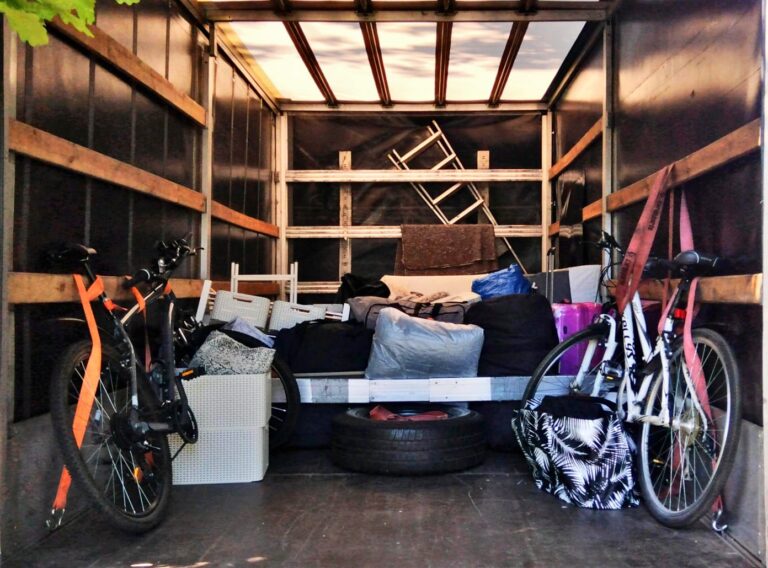
- Hire a Removals Specialist: Services like VanOnSite ensure hassle-free European relocations, taking care of logistics, customs documentation, and secure transport.
- Visit First: Spend time in your target city or region to experience the lifestyle, weather, and local culture before making a long-term commitment.
- Learn Spanish: Even basic language skills will dramatically improve your daily life, especially when dealing with government offices or service providers.
- Understand Local Laws: Research tenant rights, driving rules, and taxation to avoid surprises.
- Open a Local Bank Account: Necessary for paying rent, bills, and receiving income; having a Spanish account simplifies financial management.
- Secure Long-Term Housing: Long-term rentals often require documentation and a Spanish bank account. Booking short-term accommodation first may ease the transition.
- Use Expat Forums and Groups: Platforms like Facebook Groups or expat websites can provide practical advice, rental listings, and personal support during your move.
Why Choose VanOnSite?
VanOnSite specializes in full-service relocations across Europe, with particular expertise in moves to Spain. Whether you’re transitioning from London to Valencia or from Manchester to Malaga, our team ensures a seamless and secure experience from start to finish. We handle everything from protective packing and detailed customs documentation to transport logistics and final delivery.
Our Benefits:
- Door-to-door international relocation services
- GPS-tracked vans with real-time location updates
- Experienced, multilingual drivers familiar with EU routes
- Assistance with customs declarations and border procedures
- Transparent pricing with no hidden fees or surprise charges
- Flexible scheduling to accommodate your timeline
- Optional packing, loading, and unpacking support
Ready to start your Spanish journey with peace of mind? Get a quote now and let our professionals take care of the move for you.
Final Thoughts
Living in Spain is more than just a relocation—it’s a lifestyle transformation. With a low cost of living, exceptional healthcare, rich culture, and warm climate, Spain continues to captivate expats from around the world. Whether you’re drawn to historic cities, peaceful countryside, or coastal paradises, there’s a perfect corner of Spain waiting for you.
From navigating visas and housing to savoring tapas and experiencing local festivals, this guide has outlined everything you need to make your transition smooth and rewarding. Spain welcomes newcomers with open arms, and with the right preparation, you can enjoy a vibrant, relaxed, and deeply fulfilling life.
Don’t just dream it—live it. Start your Spanish journey today.