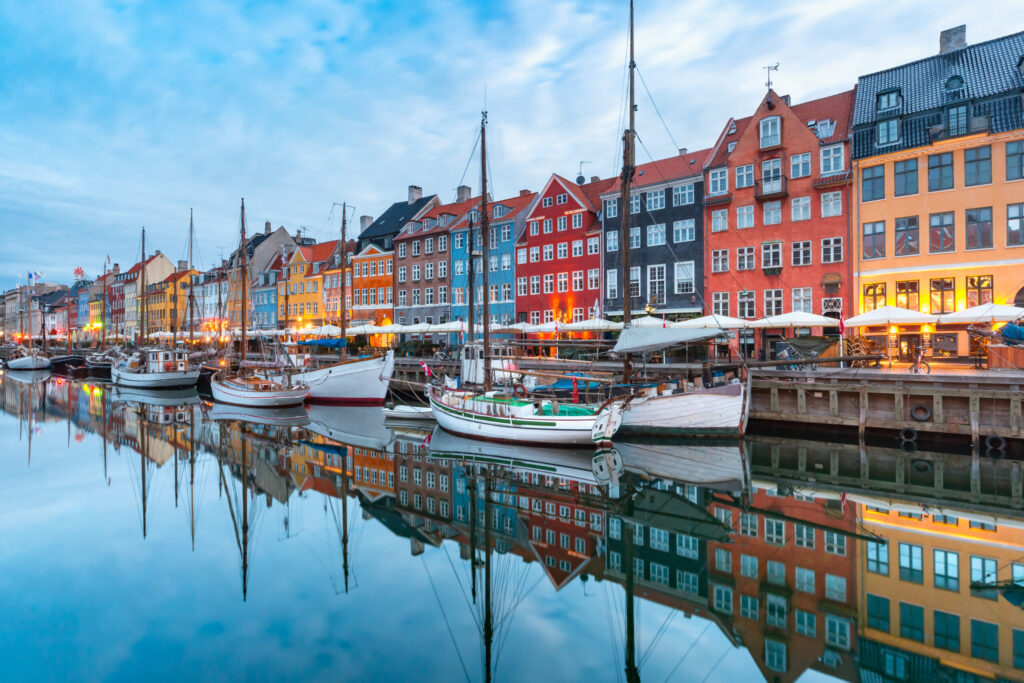
Living in Denmark offers a unique blend of modern Scandinavian lifestyle, high quality of life, and a strong sense of community. Whether you’re moving for work, study, or a fresh start, this guide will walk you through the essentials of relocating and building a fulfilling life in Denmark. With up-to-date information on moving processes, expenses, and cultural integration, it’s your one-stop resource for a smooth transition.
Key Takeouts
- Discover why Denmark ranks among the happiest countries in the world
- Learn what to expect when moving from the UK post-Brexit
- Understand the real cost of living in Danish cities like Copenhagen
- Explore the pros and cons of living in Denmark
- Get practical advice on adapting to Danish culture and social norms
- Find out how VanOnSite can simplify your move
- Access tips to save money and settle in with ease
Cost of Living in Denmark
Living in Denmark offers high standards but comes with a cost. The country is known for its generous welfare system and top-tier infrastructure, but everyday expenses can be significant—especially in urban centers like Copenhagen and Aarhus.
Monthly Expense Overview (Single Adult in Copenhagen):
| Category | Average Cost (DKK) |
|---|---|
| Rent (1-bed apt) | 8,000 – 12,000 |
| Groceries | 2,000 – 3,000 |
| Transport | 400 – 800 |
| Utilities & Wi-Fi | 1,000 – 1,500 |
| Leisure & Dining | 1,500 – 2,500 |
| Restaurant Meal | 120 – 250 |
| Gym Membership | 200 – 400 |
| Cinema Ticket | 100 – 130 |
| Coffee (Café) | 30 – 50 |
| Beer (0.5L bottle) | 10 – 20 |
| Wine (mid-range) | 50 – 90 |
| Fruit (per kg avg) | 20 – 40 |
| Petrol (per litre) | 13 – 16 |
Note: Prices can vary between cities, and rural areas may offer cheaper rent and local produce.
Tips to Save:
- Use a bike instead of a car to save on transport and fuel costs
- Shop at budget-friendly supermarkets like Netto, Fakta, or Rema 1000
- Take advantage of public healthcare and free education for EU residents
- Cook at home to reduce restaurant and alcohol expenses
- Buy local and seasonal fruits to cut grocery costs
Understanding the cost of living will help you budget wisely and avoid common financial pitfalls during your relocation journey.
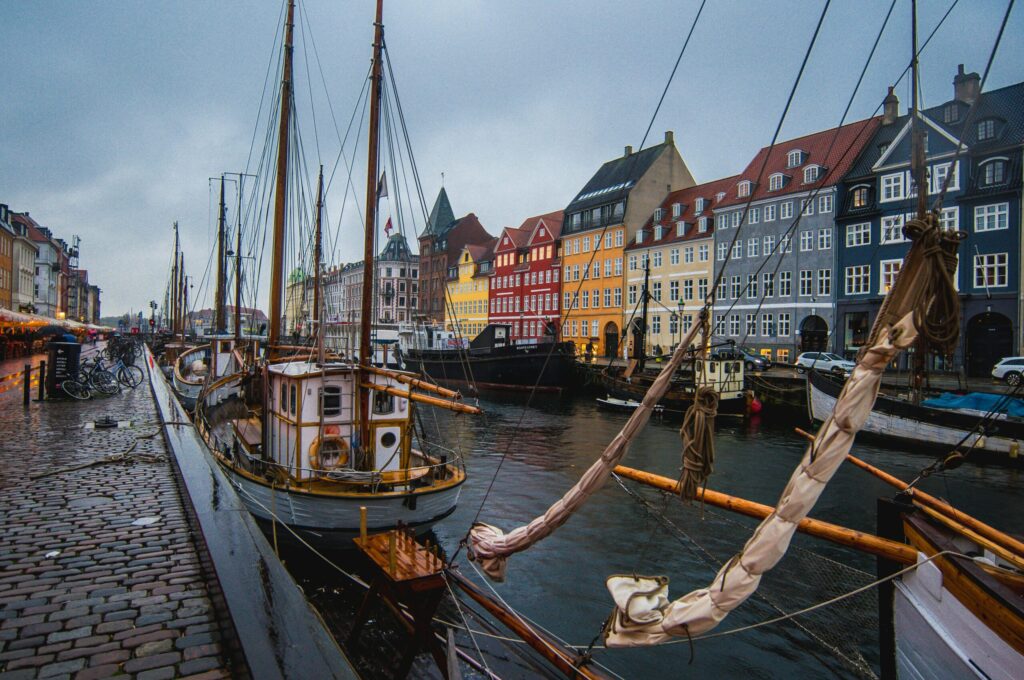
Is Denmark a Good Place to Live?
Yes. Denmark is widely recognized as one of the best countries to live in. It combines a strong sense of community with individual freedom, making it an ideal destination for both professionals and families.
Pros:
- Low crime rates: Denmark consistently ranks among the safest countries globally.
- Green and sustainable cities: Urban planning prioritizes bikes, clean energy, and eco-conscious living.
- Strong welfare system: Universal healthcare, free education, and generous parental leave support residents throughout life.
- Progressive values and gender equality: Inclusive policies foster a tolerant and open society.
- Work-life balance: A 37-hour work week is standard, with a strong emphasis on family time and leisure.
- High-quality infrastructure: Reliable public transport and digital services make daily life efficient.
- Cultural richness: Museums, architecture, and festivals bring a vibrant cultural scene to cities big and small.
Cons:
- High taxes: Income tax can reach 55%, but it funds extensive public services.
- Cost of living: Especially in Copenhagen, housing, dining, and daily expenses are relatively high.
- Long, dark winters: Limited daylight and cold temperatures can be challenging, especially for newcomers.
Denmark’s charm lies in its balance: personal freedom, social responsibility, and a culture that values “hygge” (comfort and coziness). It is a country where people prioritize well-being, connection, and quality over quantity.
Adapting to Danish Culture
Adapting to life in Denmark can be a smooth and rewarding process if you take time to understand local customs and social norms. The Danish approach to life emphasizes equality, trust, and simplicity.
Key Cultural Traits:
- Punctuality is essential: Arriving on time shows respect and professionalism.
- Flat hierarchies at work: Managers are approachable, and decision-making is often collaborative.
- Privacy and personal space are respected: Danes value boundaries and quietness in public spaces.
- “Janteloven”: A cultural code of humility—everyone is equal, and boasting is frowned upon.
- Trust-based society: Honesty and social responsibility are foundational to Danish life.
- Informality in communication: First names are commonly used, even in professional settings.
Integration Tips:
- Learn basic Danish phrases: Even if many speak English, showing effort builds goodwill.
- Join local clubs or sports teams: A great way to socialize and integrate into the community.
- Participate in community events: Markets, festivals, and local gatherings help you feel connected.
- Understand Danish humor: It can be dry and sarcastic—don’t take it personally.
- Be open to “hygge”: Embrace the Danish way of creating coziness with others, especially during winter months.
- Volunteer or attend language cafés: These are helpful for networking and improving your Danish.
Building social connections may take time, but once you earn a Dane’s trust, relationships tend to be sincere and long-lasting.
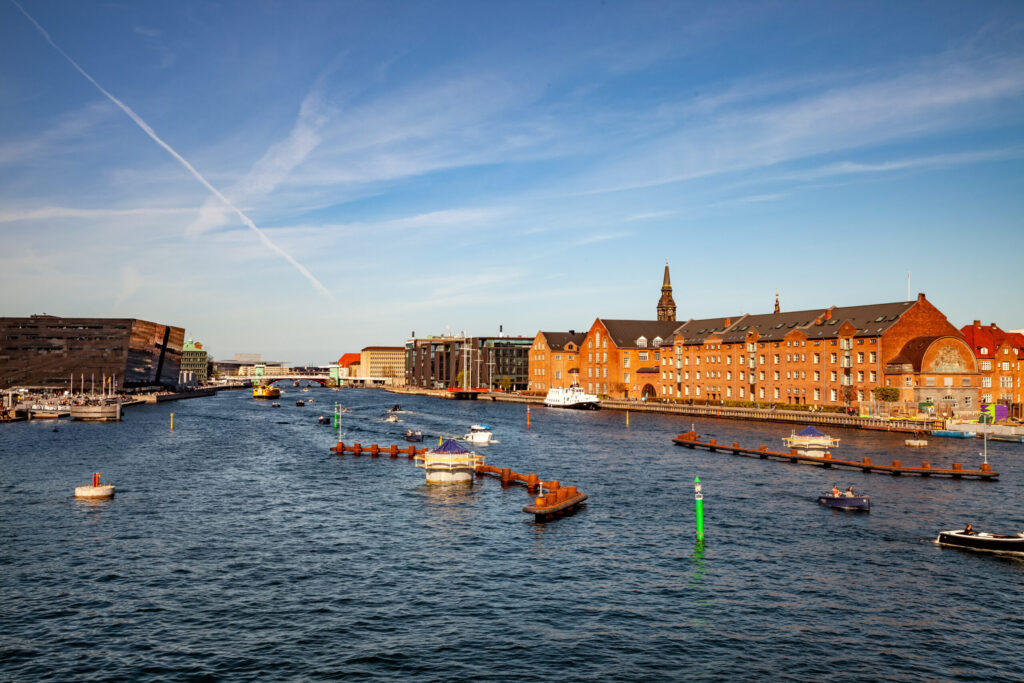
Key Cities and Hidden Gems in Denmark
Whether you prefer urban convenience or countryside charm, Denmark offers a range of appealing destinations to call home. Here’s a look at the major cities and some lesser-known but equally delightful places to explore or settle in:
Major Cities:
- Copenhagen: Denmark’s capital and largest city is known for its modern design, top-tier restaurants, and vibrant cultural scene. It’s a global hub for business and innovation, ideal for expats and professionals.
- Aarhus: The second-largest city, Aarhus blends a youthful energy (thanks to its large student population) with historic architecture, creative spaces, and a strong tech economy.
- Odense: The birthplace of Hans Christian Andersen offers a relaxed atmosphere with a growing economy, making it a favorite for families.
- Aalborg: A former industrial hub transformed into a cultural hotspot, Aalborg is increasingly popular among young professionals and entrepreneurs.
Smaller Towns and Hidden Gems:
- Roskilde: Famous for its UNESCO-listed cathedral and music festival, Roskilde combines rich history with proximity to Copenhagen.
- Skagen: At Denmark’s northern tip, Skagen boasts breathtaking natural scenery and a strong artistic heritage.
- Sønderborg: Nestled near the German border, this scenic town offers bilingual appeal and a mix of cultures.
- Ebeltoft: A picturesque harbor town known for its cobbled streets, glass museum, and maritime atmosphere.
- Bornholm Island: Located in the Baltic Sea, Bornholm is beloved for its rugged cliffs, sandy beaches, and cycling routes—ideal for nature lovers.
Whether you’re after cosmopolitan life, coastal peace, or a blend of both, Denmark’s diverse geography offers something for every lifestyle.
Traditional Danish Cuisine and Beverages
Danish cuisine is a delightful blend of hearty, seasonal ingredients, traditional recipes, and modern Nordic innovation. Whether you’re dining at a high-end Copenhagen restaurant or enjoying a cozy home-cooked meal, you’ll find the Danish food culture rooted in simplicity, quality, and comfort.

Classic Danish Dishes:
- Smørrebrød: Open-faced rye bread sandwiches topped with everything from pickled herring to roast beef and remoulade.
- Frikadeller: Pan-fried meatballs made from pork or veal, often served with potatoes and gravy.
- Stegt flæsk med persillesovs: Crispy pork belly with parsley sauce and boiled potatoes—a national favorite.
- Rugbrød: Dense rye bread, rich in fiber and an essential base for daily meals.
- Æbleskiver: Round pancake puffs served with jam and powdered sugar, especially popular around Christmas.
- Hotdogs (Pølsevogn): A beloved street food, Danish hotdogs come with pickles, fried onions, and remoulade.
Popular Danish Beverages:
- Beer (Øl): Denmark is home to global brands like Carlsberg and Tuborg, but also has a growing craft beer scene with local microbreweries.
- Akvavit: A traditional spirit made from grain or potatoes and flavored with herbs like dill and caraway, often consumed during festive meals.
- Glogg: A warm, spiced wine drink served around Christmas, often with almonds and raisins.
- Snaps: A strong alcoholic shot, typically enjoyed during lunch feasts or holiday gatherings.
- Coffee: Coffee culture is big in Denmark—expect high-quality brews in cafés and homes alike.
Dining in Denmark is about more than food—it’s about social connection, balance, and embracing “hygge” at the table.
Exploring Danish cuisine offers a delicious entry into the country’s cultural identity, and it’s a great way to bond with locals and learn more about the traditions that shape everyday life.
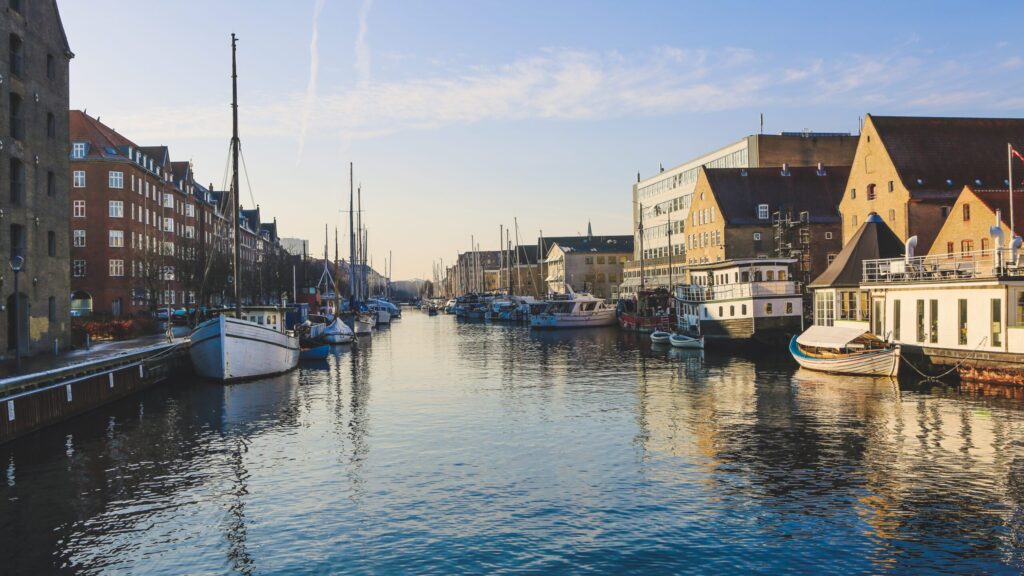
Must-See Places in Denmark
Denmark offers more than just charming cities—it’s filled with castles, coastal wonders, and UNESCO World Heritage sites. Whether you’re visiting or settling in, exploring the country’s iconic and off-the-beaten-path locations will enrich your experience.
Top Attractions:
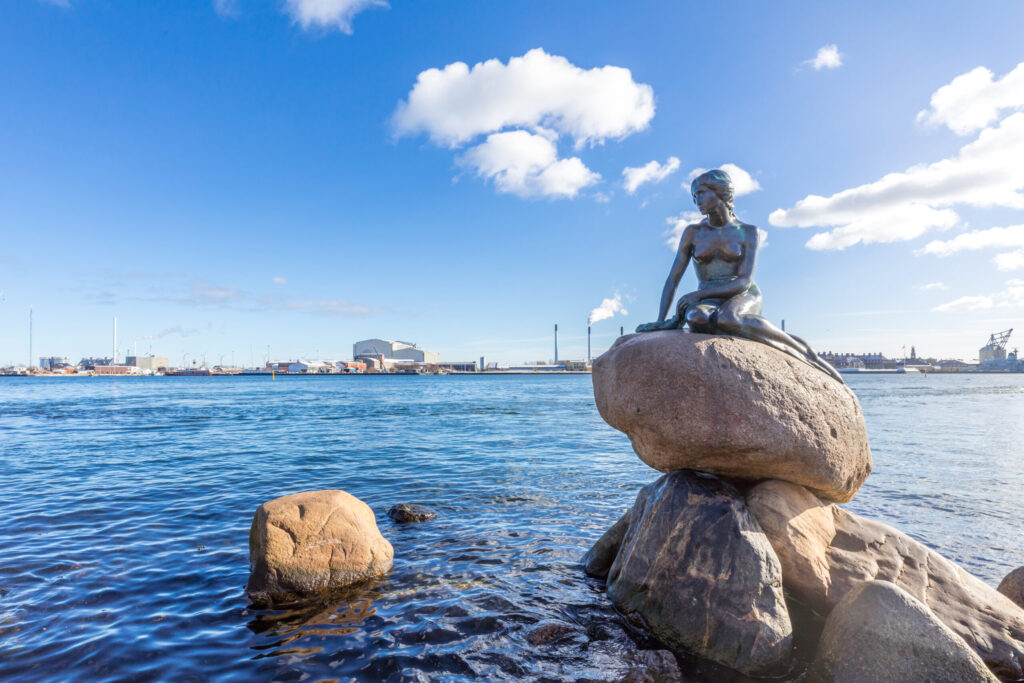
- The Little Mermaid (Copenhagen): Inspired by Hans Christian Andersen’s fairy tale, this statue is one of Denmark’s most photographed landmarks.
- Tivoli Gardens (Copenhagen): One of the world’s oldest amusement parks, offering rides, concerts, and magical lights.
- Kronborg Castle (Helsingør): Known as Elsinore in Shakespeare’s Hamlet, this majestic fortress is a UNESCO site.
- Legoland Billund: A favorite among families, this park is the original Legoland and includes themed rides and LEGO sculptures.
- National Museum of Denmark (Copenhagen): Dive into Danish history, from Viking artifacts to modern culture.
- ARoS Aarhus Art Museum: Famous for its rainbow-colored rooftop walkway and contemporary collections.
Scenic & Lesser-Known Gems:
- Møns Klint: Dramatic white chalk cliffs on the island of Møn, offering breathtaking views and nature trails.
- The Wadden Sea National Park: A UNESCO-listed area known for birdwatching, mudflat hiking, and rich biodiversity.
- Fjords of North Zealand: Peaceful, winding inlets surrounded by forest and quaint villages.
- Freetown Christiania (Copenhagen): A self-proclaimed autonomous neighborhood with creative art, music, and alternative living.
- Ribe: Denmark’s oldest town with cobblestone streets, Viking heritage, and a charming cathedral.
- Langeland Island: Known for its wild horses, beaches, and countryside calm—a great retreat from urban bustle.
Denmark’s compact size makes day trips and weekend getaways easy, giving residents and visitors alike the chance to experience its rich variety of natural beauty and cultural history.
Working in Denmark
Denmark offers a stable and modern work environment with a strong focus on employee well-being, work-life balance, and equal opportunities. The Danish labor market is known for its flexibility and relatively flat hierarchies, making it attractive to both locals and expats.
Key Features of Working in Denmark:
- Standard work week: 37 hours with generous vacation and parental leave policies.
- Informal workplace culture: First-name basis, collaborative decision-making, and emphasis on employee input.
- Job sectors in demand: Tech, pharmaceuticals, engineering, healthcare, education, and green energy.
- Languages: Many international companies operate in English, though speaking Danish opens more local opportunities.
Average Monthly Gross Salaries (DKK):
| Job Sector | Monthly Salary Range (DKK) |
|---|---|
| IT & Software Development | 45,000 – 65,000 |
| Engineering | 40,000 – 60,000 |
| Healthcare Professionals | 35,000 – 55,000 |
| Finance & Accounting | 42,000 – 65,000 |
| Skilled Trades (e.g. electrician, plumber) | 30,000 – 45,000 |
| Retail & Hospitality | 22,000 – 30,000 |
| Teaching & Education | 35,000 – 50,000 |
Note: These figures represent gross salary and may vary by region, qualifications, and experience level. Denmark also has high taxes, but this funds extensive public services including healthcare, education, and pension schemes.
Fun Facts About Denmark
Denmark is full of surprises beyond its well-known reputation for happiness and hygge. Here are some fascinating facts that may inspire or intrigue you as you consider life in this Nordic country:
- Bicycles outnumber people: In Copenhagen alone, there are more bicycles than residents, and over 60% of commuters bike daily.
- LEGO was invented here: The iconic toy company started in Billund in 1932 and is still headquartered there today.
- Oldest monarchy in Europe: Denmark’s monarchy dates back over 1,000 years and is the oldest continuous monarchy in Europe.
- Home of the world’s best restaurant: Copenhagen’s Noma has won the title of World’s Best Restaurant multiple times for its innovative New Nordic cuisine.
- The Dannebrog is the world’s oldest national flag: It’s been in use since 1219!
- Wind power leader: Denmark generates over 40% of its electricity from wind energy, one of the highest percentages globally.
- First country to legalize same-sex unions: Denmark led the way in LGBTQ+ rights by legalizing civil partnerships in 1989.
These fun facts offer just a glimpse into Denmark’s rich culture, innovation, and progressive values that continue to make it an exciting place to live and explore.
Finding a Job:
- Job portals: Workindenmark.dk, Jobindex.dk, Graduateland.com
- Networking: LinkedIn and professional associations are highly valuable in the Danish job market.
- Recruitment agencies: Many specialize in helping expats and international professionals.
Working in Denmark is not only financially rewarding but also contributes to a high quality of life supported by progressive labor policies and employee rights.
Why Live in Denmark?
Denmark is consistently ranked among the happiest and most livable countries in the world. It offers a rare combination of economic stability, environmental leadership, and a high standard of personal well-being. Whether you’re drawn by the stunning Nordic landscapes, modern cities, or progressive social policies, Denmark stands out as a top choice for relocation.
The Danish welfare state ensures all residents have access to healthcare, education, and social security. Moreover, its focus on sustainability and innovation makes it a forward-thinking society that’s welcoming to newcomers.
Highlights of Life in Denmark:
- High quality of life: Consistently ranked in the top 5 globally for happiness and well-being.
- Excellent healthcare and education systems: Universal access and world-class standards.
- Clean environment: Denmark is a global leader in wind energy and green urban planning.
- Safe and inclusive society: Low crime rates and a strong sense of community.
- Work-life balance: Short working hours, flexible contracts, and generous vacation policies.
- Family-friendly policies: Paid parental leave, child benefits, and subsidized childcare.
- Thriving expat community: Especially in cities like Copenhagen and Aarhus, where English is widely spoken.
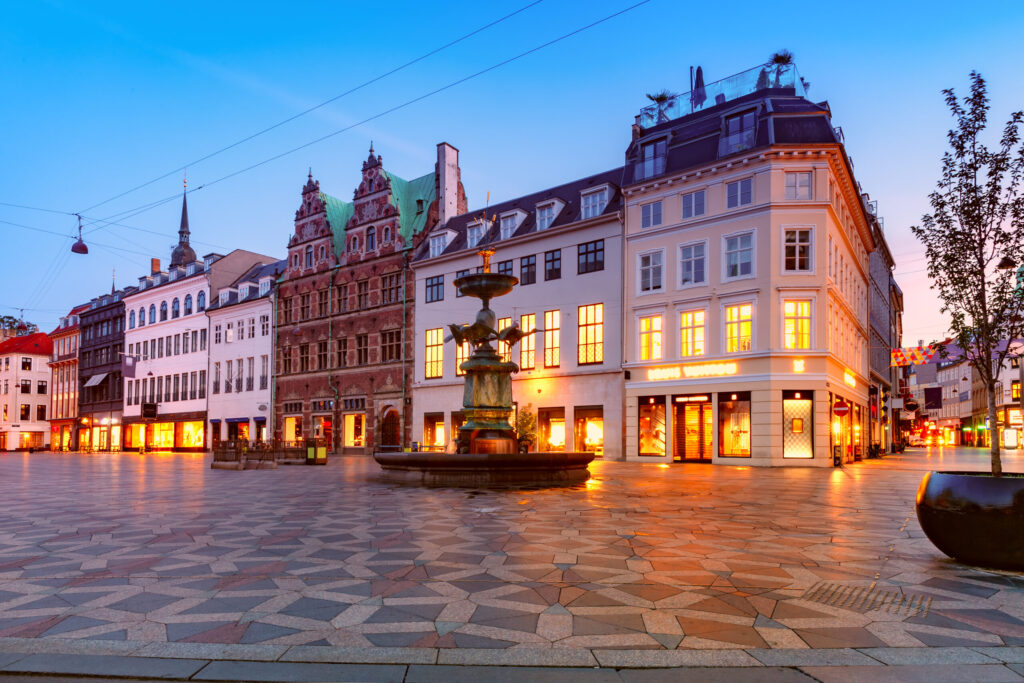
Moving to Denmark from the UK
Relocating to Denmark has become increasingly popular among UK citizens, particularly after Brexit. While the process now involves more paperwork, it is still a manageable and rewarding transition with the right planning.
What You Need to Know:
- Residency Permits: UK citizens must now apply for a residence permit or visa to live and work in Denmark. This typically requires proof of employment, study, or sufficient financial means.
- Healthcare Access: Once you register your address with the local municipality, you’ll receive a CPR number, granting you access to Denmark’s universal healthcare system. Make sure to choose a general practitioner (GP) as part of the registration process.
- Housing: The housing market, particularly in Copenhagen and Aarhus, is highly competitive. It’s advisable to search early and consider temporary accommodation while looking for a long-term lease. Websites like BoligPortal and Lejebolig.dk are useful resources.
- Jobs: English-speaking jobs are commonly found in tech, pharmaceuticals, renewable energy, and finance. Danish language skills are often not required for corporate roles but are advantageous for integration.
- Banking and Taxes: You will need a Danish bank account and a NemID/MitID for digital identification. Registering with the Danish Tax Agency (SKAT) is also essential for employment.
- Education: Public schools are free, and there are international schools available in larger cities. Denmark also offers a number of tuition-free university programs for EU residents.
- Pets and Vehicles: Bringing pets requires vaccination and microchipping with an EU pet passport. UK-registered vehicles may need re-registration depending on your length of stay.
Pro Tip: VanOnSite offers stress-free removals from the UK to Denmark, including full insurance, professional packing, customs guidance, and real-time shipment tracking. We specialize in weekly routes to Denmark to ensure your belongings arrive safely and efficiently.
Services by VanOnSite for Your Move
From the page: Removals to Denmark
“At VanOnSite, we specialize in international removals across Europe, including Denmark. We handle everything from packing and customs to door-to-door delivery.”
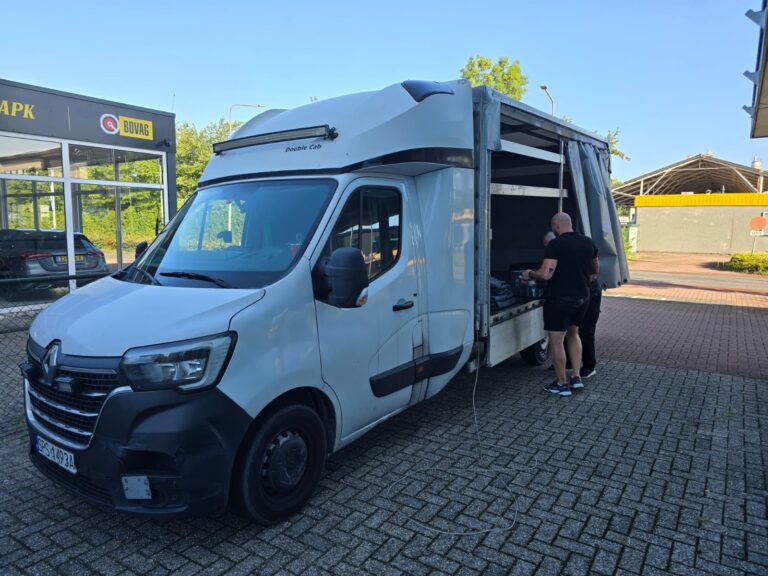
VanOnSite is more than a moving service—it is your relocation partner. With a dedicated team experienced in European logistics, the company ensures every detail of your move is professionally managed, allowing you to focus on settling into your new home.




VanOnSite Features:
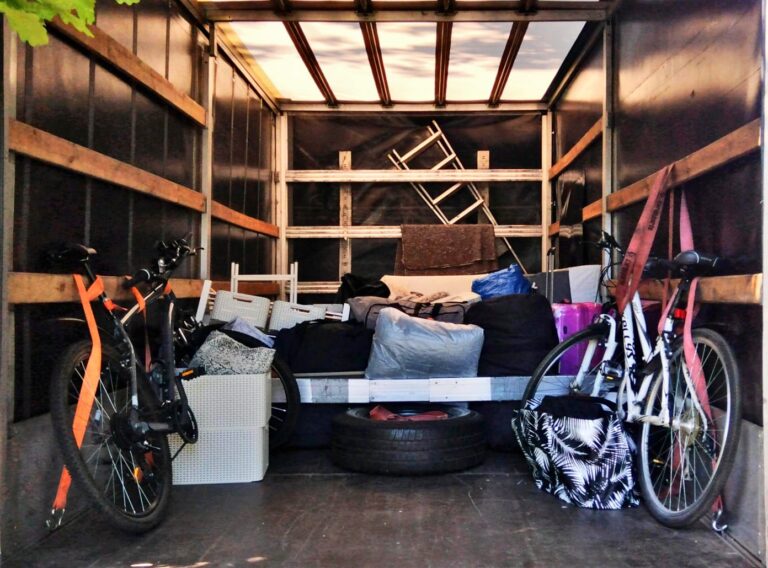
- Full insurance cover: Comprehensive protection for your belongings throughout the journey.
- Weekly routes to Denmark: Regular and reliable transportation from various UK locations to destinations across Denmark.
- Real-time tracking: Stay informed about your shipment’s location and estimated arrival.
- Customs clearance support: Expert assistance in managing documentation and ensuring compliance with EU regulations.
- Packing services: Professional packing and wrapping to safeguard your valuables.
- Door-to-door delivery: From your current residence to your new home in Denmark without a single handover.
- Flexible scheduling: Choose a moving date that works best for your timeline.
- Eco-friendly transport options: Sustainable fleet practices and route optimization help reduce your carbon footprint.
Customer Review: “VanOnSite made our move from London to Copenhagen incredibly smooth. Their team was responsive, careful, and incredibly professional. Highly recommended!”
Whether you’re relocating solo, as a family, or managing a corporate transfer, VanOnSite offers tailored solutions for stress-free international moves.
Conclusion
Living in Denmark offers a unique opportunity to experience one of the world’s most progressive, welcoming, and high-functioning societies. With exceptional public services, a strong job market, rich cultural heritage, and a deep-rooted sense of community and environmental care, Denmark continues to attract individuals and families seeking long-term quality of life.
From navigating residency and work to enjoying local cuisine, exploring scenic towns, and building meaningful relationships, this guide has covered everything you need to make your move successful. Whether you’re starting a new chapter from the UK or another corner of Europe, your journey will be smoother with the right support.
Let VanOnSite be your trusted partner in this exciting transition—so you can focus on embracing your new Danish lifestyle with peace of mind and confidence.
FAQs
Q: Is Denmark English-friendly?
A: Yes, most Danes speak excellent English.
Q: How long does a move from the UK take?
A: VanOnSite offers weekly departures; transit typically takes 2–5 days.
Q: Do I need a visa to live in Denmark as a UK citizen?
A: Yes, post-Brexit, UK citizens need a residence permit to live or work in Denmark.
Q: Can I drive with my UK license in Denmark?
A: Yes, for a limited time. Long-term residents are usually required to exchange their UK license for a Danish one.
Q: How easy is it to find accommodation in Denmark?
A: It can be competitive, especially in major cities like Copenhagen and Aarhus. Start your search early and consider temporary housing options.
Q: What’s the climate like in Denmark?
A: Denmark has a temperate climate with mild summers and chilly, windy winters. Expect frequent rain and shorter daylight in winter.
Q: Are there support services for expats in Denmark?
A: Yes, many municipalities offer international citizen services, and there are networks and online communities specifically for expats.