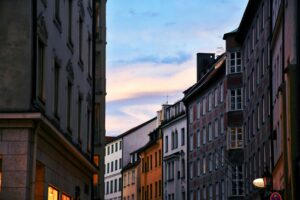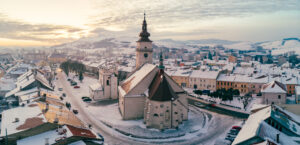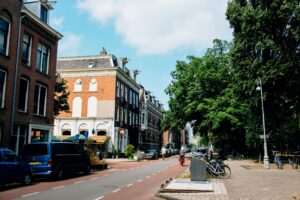
Living in Norway offers a unique blend of natural beauty, economic opportunity, and high living standards that attract expats from all over the world. From thriving cities like Oslo to tranquil countryside escapes, it’s a country where tradition meets innovation.
Key Takeouts
- Unrivaled natural landscapes and outdoor lifestyle opportunities.
- High safety, low crime, and exceptional public services.
- One of the highest standards of living in the world.
- A strong welfare system including healthcare and education.
- Competitive salaries balanced by a high cost of living.
- English is widely spoken, but learning Norwegian is a plus.
- The perfect place for families and career-driven individuals alike.
Cost of Living in Norway
Norway offers a high standard of living—but it comes at a cost. Everyday expenses can be significantly higher than in many other European countries.
Typical Monthly Costs
| Expense Category | Estimated Monthly Cost (NOK) | Monthly Equivalent in EUR (~) |
|---|---|---|
| Rent (1BR apartment) | 10,000 – 15,000 | €900 – €1,350 |
| Groceries | 3,000 – 5,000 | €270 – €450 |
| Transportation | 800 – 1,200 | €72 – €108 |
| Utilities | 1,200 – 2,000 | €108 – €180 |
| Fuel (per month) | 1,000 – 1,500 | €90 – €135 |
| Coffee (daily) | 900 – 1,400 | €81 – €126 |
| Gym membership | 400 – 800 | €36 – €72 |
| Restaurant (monthly) | 1,500 – 3,000 | €135 – €270 |
| Cinema (2 visits) | 300 – 500 | €27 – €45 |
| Vegetables | 500 – 700 | €45 – €63 |
| Fruits | 400 – 600 | €36 – €54 |
| Bread | 200 – 300 | €18 – €27 |
Tip: Use public transport passes and shop at discount stores like Rema 1000 or KIWI to save money. Cooking at home and avoiding frequent dining out can significantly reduce your monthly expenses.
Cost of Living in Norway vs UK vs Sweden
| Country | Average Rent (EUR) | Grocery Costs (EUR) | Transportation (EUR) | Fuel (EUR/month) | Coffee (EUR/month) | Gym (EUR/month) | Restaurant (EUR/month) | Cinema (2x/month) | Vegetables (EUR/month) | Fruits (EUR/month) | Bread (EUR/month) |
|---|---|---|---|---|---|---|---|---|---|---|---|
| Norway | €900 – €1,350 | €270 – €450 | €72 – €108 | €90 – €135 | €81 – €126 | €36 – €72 | €135 – €270 | €27 – €45 | €45 – €63 | €36 – €54 | €18 – €27 |
| UK | €750 – €1,100 | €200 – €350 | €60 – €90 | €75 – €110 | €60 – €90 | €30 – €60 | €100 – €180 | €24 – €40 | €35 – €50 | €30 – €45 | €12 – €20 |
| Sweden | €700 – €1,000 | €180 – €300 | €50 – €80 | €60 – €90 | €45 – €75 | €25 – €50 | €80 – €150 | €20 – €36 | €30 – €45 | €25 – €40 | €10 – €18 |
- Rent is highest in Norway, especially in Oslo or Bergen.
- Groceries in Sweden are generally more affordable.
- Transportation is efficient in all three countries, though Sweden often has the cheapest public options.
- Fuel prices in Norway are significantly higher due to taxes and environmental levies.
- Coffee culture is strong in Norway, but a daily cup adds up quickly.
- Gym memberships are commonly available but more expensive in Norway.
- Dining out in Norway is considered a luxury and can be quite costly.
- Cinema visits are priced higher in Norway compared to the UK and Sweden.
- Fresh produce like vegetables and fruits can be pricey in Norway, especially out of season.
- Bread and other bakery items are moderately priced but still costlier than in Sweden.
Benefits of Living in Norway
Norway rivals Switzerland in quality of life and boasts a wide array of benefits that make it an attractive destination for expats and families alike.
- Free public education: Norway provides quality education at no cost, including higher education for EU/EEA citizens.
- Affordable and accessible universities: Public universities typically charge only nominal semester fees.
- Universal healthcare system: Residents enjoy comprehensive coverage, with minimal out-of-pocket costs.
- Exceptional work-life balance: A 37.5-hour workweek, generous vacation time, and a deep cultural respect for personal time promote overall well-being.
- Generous parental leave: Up to 49 weeks at full pay or 59 weeks at partial pay, making it one of the most family-friendly countries in the world.
- High level of safety and stability: Consistently ranked among the safest countries globally.
- Strong environmental awareness and clean living: Sustainable urban planning, clean air, and a commitment to green energy make it ideal for nature lovers.
- English is widely spoken: Particularly in urban areas, reducing the language barrier for newcomers.
- Thriving job market in tech, oil, shipping, and renewable energy sectors: Especially for skilled professionals with international experience.
Disadvantages of Living in Norway
No place is perfect. While Norway offers a high quality of life, it comes with a few notable challenges:
- High taxes: Personal income tax can reach up to 38%, and VAT (Value Added Tax) is 25%, making goods and services more expensive.
- Cost of living: Everyday expenses like housing, food, transportation, and leisure activities are significantly higher than in most European countries.
- Cold, dark winters: Northern and even central parts of Norway experience long, dark winters with very limited daylight, which can affect mental well-being.
- Limited job market for non-Norwegian speakers: While English is widely spoken, many job sectors, especially in the public sector, require fluency in Norwegian.
- Social integration challenges: Norwegians tend to be reserved, and building strong social connections may take time and effort.
- Housing shortages in urban areas: Major cities like Oslo and Bergen face housing supply issues, pushing rental prices up and making the search competitive.
- Remote geography: Norway’s mountainous and coastal terrain can make inter-city travel slow and expensive, despite high-quality infrastructure.
Pros and Cons of Living in Norway
Pros:
- World-class infrastructure and safety: Reliable public transport, well-maintained roads, and low crime rates.
- Progressive values and gender equality: Strong emphasis on equal rights and inclusive policies.
- Breathtaking outdoor lifestyle: Access to forests, fjords, and mountains encourages an active and healthy life.
- Excellent environmental standards: Clean air, renewable energy initiatives, and sustainable city planning.
- High digitalization: Efficient e-government services, online banking, and remote work support.
- Work-life balance: Flexible hours, ample vacation time, and support for families.
Cons:
- Expensive goods and services: Dining out, electronics, and personal care items can be notably costly.
- Bureaucracy can be slow and complex: Especially when dealing with immigration, healthcare registration, or municipality services.
- Social integration may take time: Making close friends can be challenging due to cultural reserve and language barriers.
- Harsh winter conditions: Snow and cold weather can last for months, impacting daily life and mood.
- Limited consumer choices: Fewer international brands and imported products, often at a premium price.
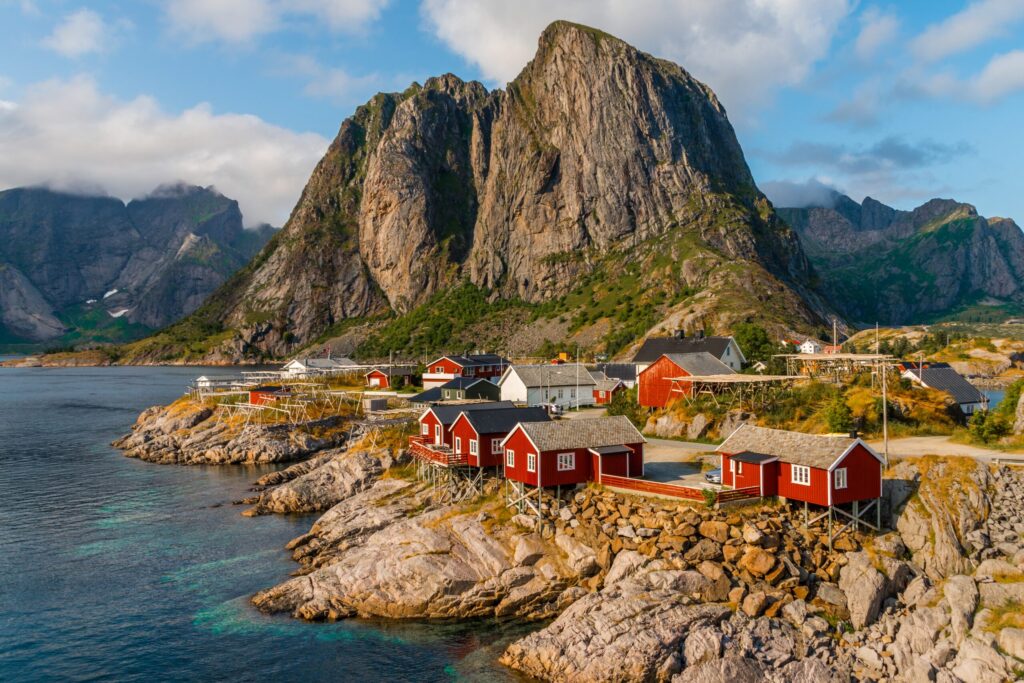
Major Cities in Norway & What to See
Norway’s cities each offer a unique flavor, from metropolitan culture to natural wonders. Here’s a guide to the most notable ones and their must-visit attractions:
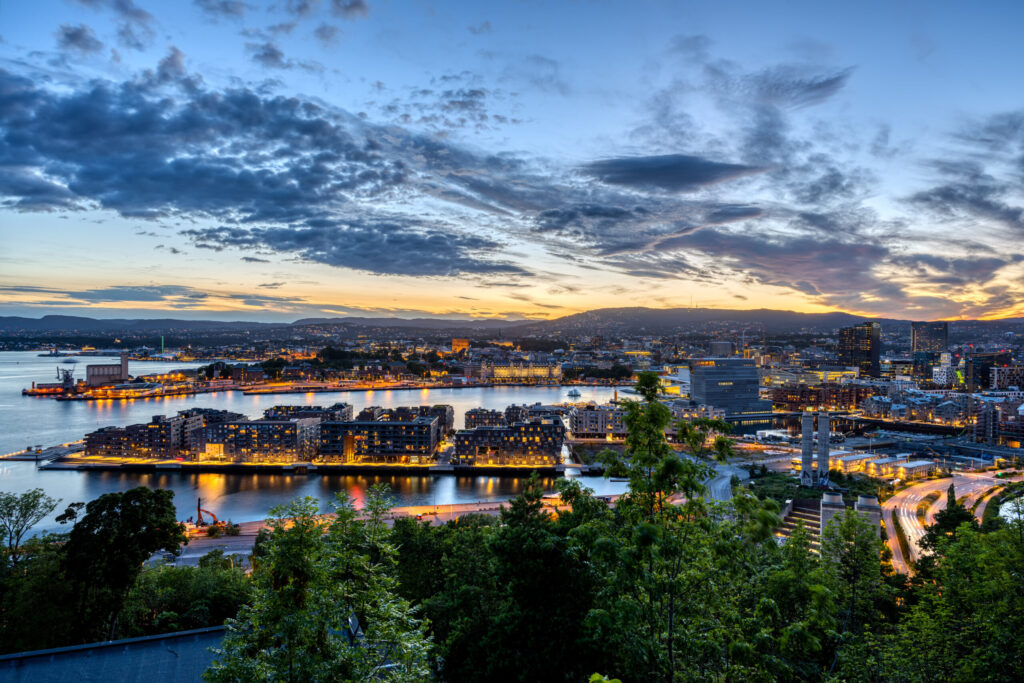
Oslo – The Vibrant Capital
- Vigeland Sculpture Park: Home to over 200 sculptures by Gustav Vigeland.
- Aker Brygge & Tjuvholmen: Waterfront neighborhoods with dining, shopping, and art.
- Oslo Opera House: Iconic modern architecture right on the fjord.
- Munch Museum: See “The Scream” and other masterpieces.
Bergen – Gateway to the Fjords
- Bryggen Wharf: A UNESCO World Heritage Site with colorful Hanseatic buildings.
- Fløibanen Funicular: Ride to the top of Mount Fløyen for panoramic views.
- Fish Market: Fresh seafood and local delicacies.
- Edvard Grieg Museum: The former home of the famous composer.
Trondheim – Academic and Tech Hub
- Nidaros Cathedral: Scandinavia’s largest medieval building.
- Bakklandet: Cozy cafés and wooden houses in a picturesque setting.
- Old Town Bridge (Gamle Bybro): The iconic “Gate of Happiness.”
- Rockheim Museum: Norway’s national museum of pop and rock music.
Stavanger – Oil Capital and Nature Gateway
- Lysefjord & Preikestolen (Pulpit Rock): A world-famous cliff with stunning views.
- Stavanger Cathedral: Norway’s oldest cathedral still in use.
- Norwegian Petroleum Museum: Interactive and family-friendly.
- Old Stavanger (Gamle Stavanger): Cobblestone streets and white wooden houses.
Tromsø – Arctic Experience
- Northern Lights (Aurora Borealis): Best viewed between October and March.
- Arctic Cathedral: Striking modernist church with iconic design.
- Fjellheisen Cable Car: Panoramic views over Tromsø and surrounding fjords.
- Polaria Arctic Aquarium: A great indoor Arctic wildlife experience.
These cities not only offer rich history and modern amenities, but also provide incredible access to Norway’s legendary landscapes and cultural identity.
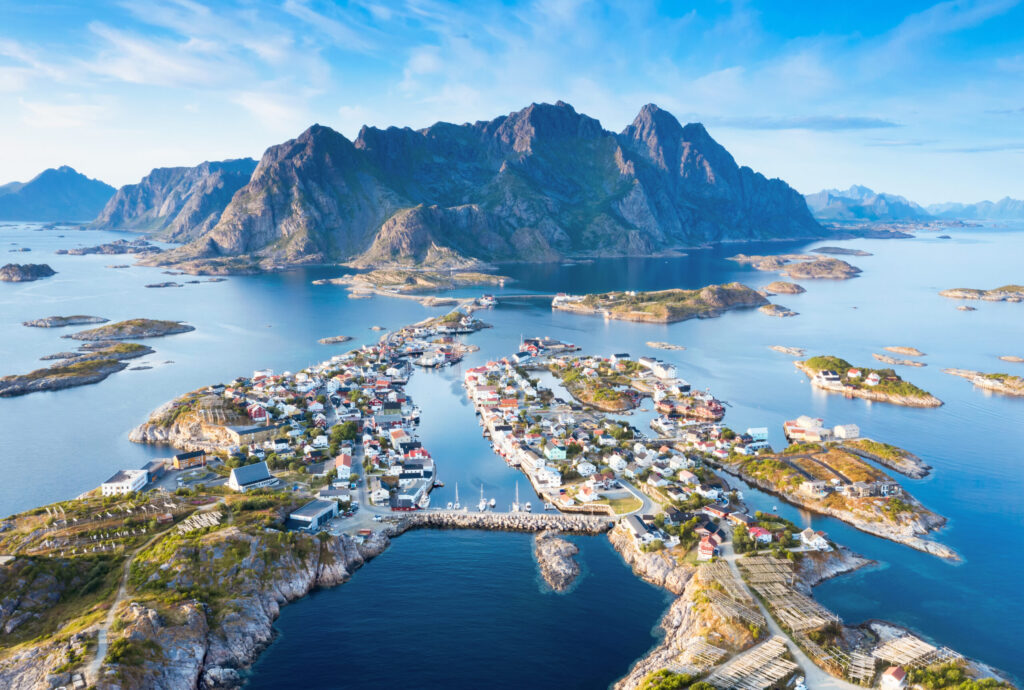
Traditional Norwegian Cuisine & Alcohol Culture
Norwegian cuisine is deeply rooted in the country’s natural environment and history. From hearty stews to preserved fish and seasonal delicacies, traditional dishes reflect Norway’s coastal heritage and long winters.
Popular Traditional Dishes
- Fårikål: A warming lamb and cabbage stew, officially the national dish of Norway.
- Kjøttkaker: Norwegian meatballs, typically served with brown sauce, potatoes, and lingonberry jam.
- Rakfisk: Fermented trout, an acquired taste often enjoyed with flatbread and sour cream.
- Lutefisk: Dried white fish (usually cod) treated with lye, rehydrated and served with potatoes and peas.
- Smalahove: Sheep’s head, boiled or steamed and traditionally eaten before Christmas in the west of Norway.
- Rømmegrøt: Sour cream porridge served with sugar, cinnamon, and cured meats.
Baked Goods and Sweets
- Kanelboller: Cinnamon buns, a staple in Norwegian cafés.
- Skillingsboller: Larger, Bergen-style cinnamon rolls.
- Kransekake: A towering almond-based ring cake served during celebrations.
Seafood Specialties
- Gravlaks: Cured salmon, often served with mustard sauce on rye bread.
- Tørrfisk: Stockfish, traditionally dried cod that is a Northern delicacy.
- Shellfish: Prawns, mussels, and crab are often eaten freshly caught and enjoyed by the waterfront.

Alcohol in Norway
Alcohol is heavily regulated and taxed in Norway, resulting in high prices and limited sales points:
- Beer (øl) under 4.7% ABV can be purchased in supermarkets, but only before 8pm on weekdays and 6pm on Saturdays.
- Wine and spirits are sold exclusively through state-run Vinmonopolet stores.
- Akvavit (Akevitt): A traditional distilled spirit flavored with caraway and other spices, often consumed during holidays and celebrations.
Note: Drinking in public is generally not allowed, and enforcement varies by municipality. Alcohol is often reserved for social gatherings and is typically more expensive than in most other European countries.
For food lovers, Norway offers a unique chance to explore traditional flavors with a modern twist, especially in major cities where local ingredients are reinvented by top chefs.
Norwegian Culture & National Holidays
Norwegian culture is a harmonious blend of deep-rooted traditions, modern liberal values, and strong community spirit. While Norwegians value privacy and modesty, they are also proud of their heritage and love to celebrate it throughout the year.
Key Cultural Values:
- Janteloven (The Law of Jante): A cultural norm that promotes humility, equality, and collective success over individual boasting.
- Friluftsliv: The philosophy of “open-air living”; Norwegians deeply cherish spending time outdoors, regardless of weather.
- Trust and honesty: Social trust is high, and systems rely on people being responsible and transparent.
- Work-life balance: Quality of life takes priority, and leisure time with family and nature is highly valued.
National Holidays and Celebrations:
- Constitution Day (17th May): Norway’s most important national holiday. Celebrated with children’s parades, traditional costumes (bunad), music, and community gatherings.
- Christmas (Jul): A cherished season filled with markets, light displays, traditional foods, and family gatherings. Celebrations typically begin on 23rd December and last through New Year.
- Easter (Påske): A week-long break filled with skiing, cabin trips, and reading crime novels—a unique Norwegian tradition.
- Midsummer (St. Hans Aften): Celebrated on or near 23rd June with bonfires, coastal festivities, and gatherings that mark the summer solstice.
- Sami National Day (6th February): A celebration of the indigenous Sami people’s culture, language, and heritage.
These occasions provide excellent opportunities to connect with locals, experience traditional food and music, and understand the social fabric that binds Norwegian communities together.
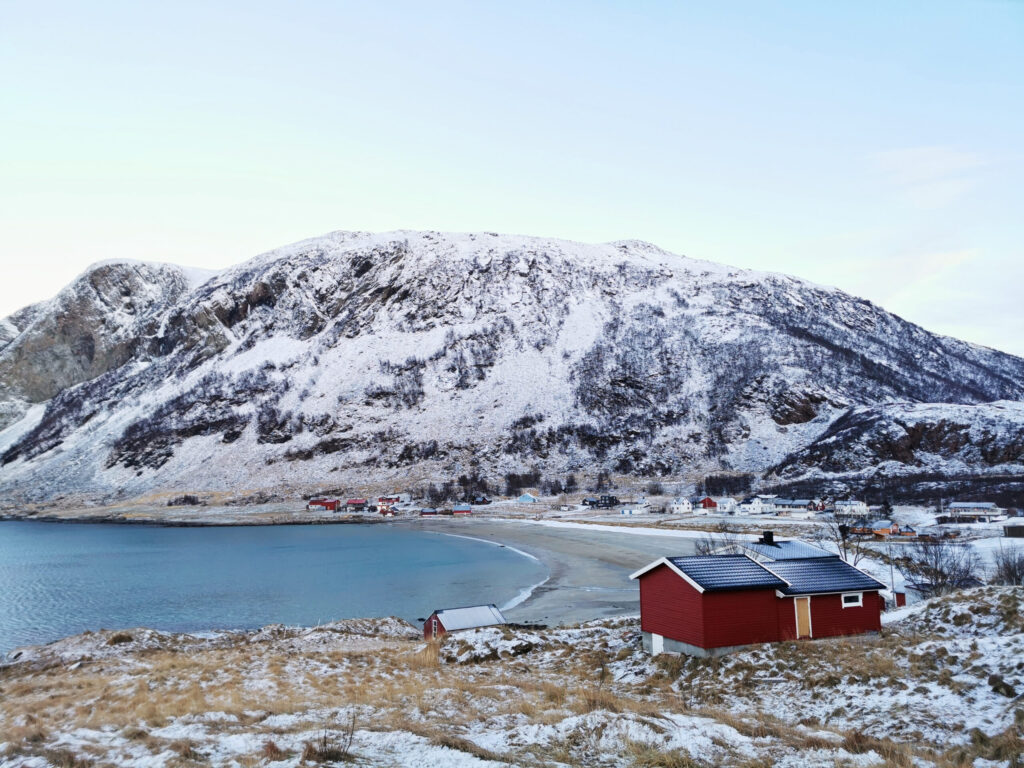
Working in Norway: Job Market & Salaries
Norway offers a dynamic and stable job market, especially appealing for skilled professionals across various sectors. While Norwegian language skills improve employability, many companies, particularly in the tech and oil industries, operate in English.
Key Employment Facts:
- Average working hours: 37.5 hours per week.
- Overtime is compensated generously or offered as time off.
- Employees are entitled to 25 working days of paid vacation annually.
- Workplace equality and work-life balance are strong cultural priorities.
Salary Ranges by Sector (Monthly Gross Salary in EUR):
| Sector | Entry-Level (EUR) | Mid-Level (EUR) | Senior-Level (EUR) |
|---|---|---|---|
| IT & Software Development | €3,500 – €4,500 | €5,000 – €6,000 | €6,500 – €8,000 |
| Engineering & Construction | €3,800 – €4,800 | €5,200 – €6,200 | €6,800 – €8,500 |
| Healthcare (Nurses/Doctors) | €3,200 – €4,000 | €4,500 – €5,800 | €6,000 – €7,500 |
| Oil & Energy | €4,000 – €5,500 | €6,000 – €7,500 | €8,000 – €10,000 |
| Finance & Accounting | €3,300 – €4,200 | €4,700 – €5,800 | €6,200 – €7,800 |
| Education (Teachers) | €2,800 – €3,500 | €3,700 – €4,500 | €5,000 – €6,200 |
| Hospitality & Tourism | €2,200 – €2,800 | €2,900 – €3,400 | €3,500 – €4,000 |
| Skilled Trades (Electricians etc.) | €3,000 – €3,800 | €4,000 – €5,000 | €5,200 – €6,200 |
Finding a Job:
- Use platforms like NAV.no, Finn.no, and EURES.
- Network via LinkedIn or attend local job fairs.
- Many job ads specify language requirements—search for “Engelsk” or “English spoken.”
Norway is particularly attractive for professionals in sustainable energy, digital innovation, and healthcare. While salary levels are high, they are complemented by strong social protections and benefits.
Fun Facts About Norway
Norway is a fascinating country full of quirks, history, and world-firsts. Here are some fun and surprising facts to round out your knowledge:
- Longest road tunnel in the world: The Lærdal Tunnel stretches 24.5 kilometers (15.2 miles) through mountains in western Norway.
- Midnight sun and polar nights: Above the Arctic Circle, the sun doesn’t set for weeks in summer, while winter brings near-total darkness.
- Nobel Peace Prize: Unlike other Nobel prizes awarded in Sweden, the Peace Prize is handed out in Oslo.
- One of the happiest countries in the world: Norway consistently ranks in the top 10 on the UN World Happiness Report.
- National love for cabins (hytter): Over 400,000 Norwegians own a cabin, and spending weekends or holidays in nature is a national pastime.
- Viking legacy: Norway was a key center of Viking activity and exploration. Museums in Oslo and Stavanger preserve this epic history.
- Salmon pioneers: Norway helped popularize salmon sushi in Japan during the 1980s through successful export campaigns.
- Electric vehicle (EV) champion: Norway leads the world in EV adoption per capita, thanks to tax incentives and robust charging infrastructure.
- Brown cheese (brunost): A beloved caramel-like cheese made from goat milk whey—often served on waffles.
- Royalty on skis: The Norwegian royal family is known for its love of skiing and nature. The King even served in the military as a regular conscript.
These cultural gems highlight why Norway is more than just fjords and northern lights—it’s a modern, forward-thinking country with deep roots and playful traditions.
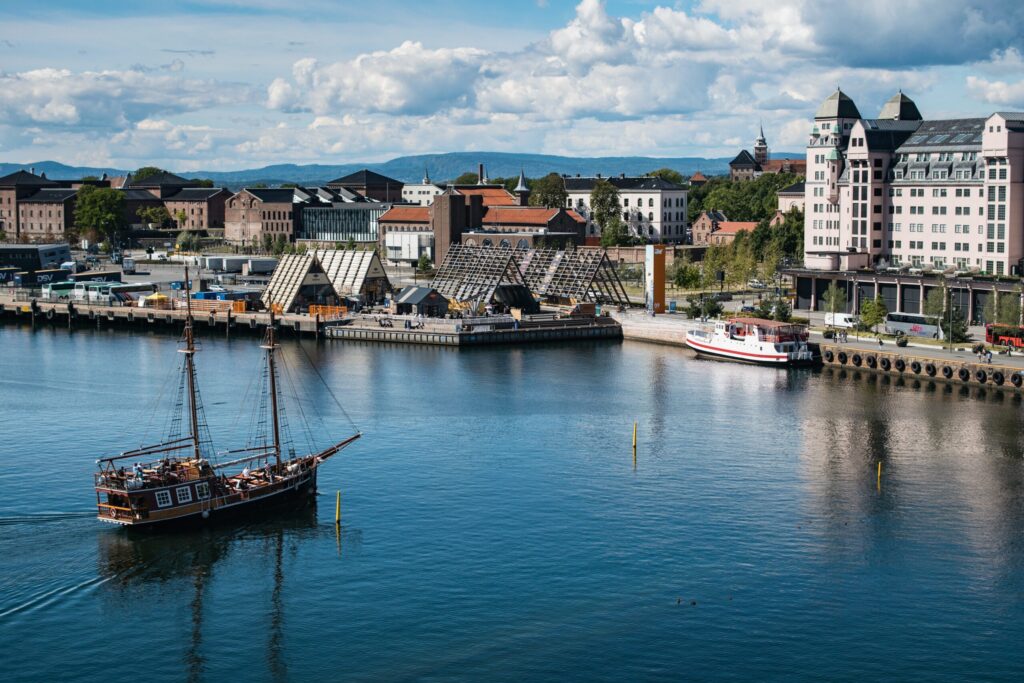
How VanOnSite Can Help
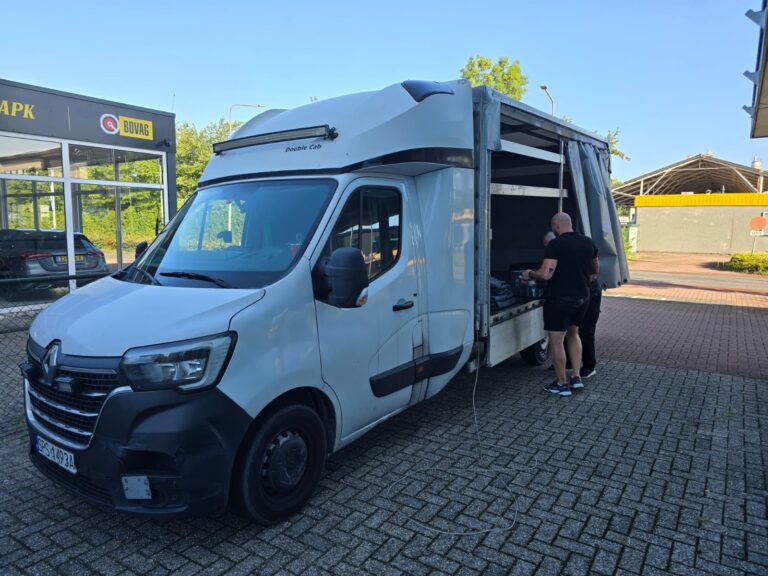
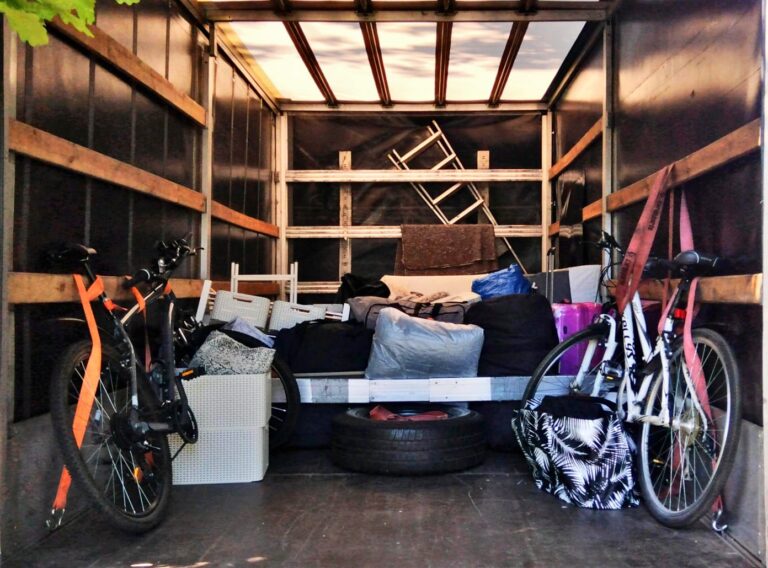
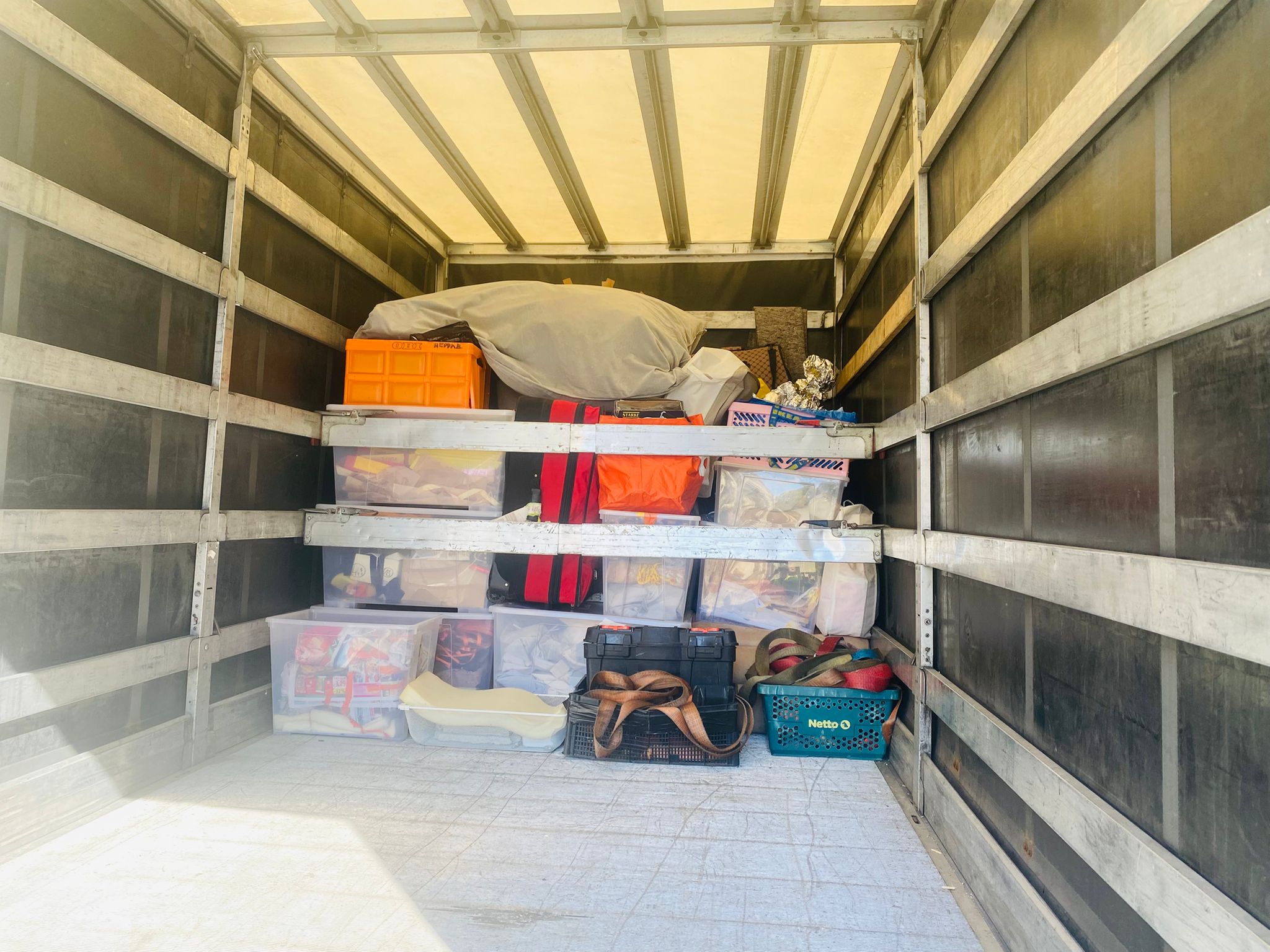
At VanOnSite, we specialize in hassle-free, professional moving services tailored for your journey to Norway. Our team ensures your relocation is smooth, efficient, and fully compliant with Norwegian regulations.
Our Services Include:
- Door-to-door removals across Europe: We pick up and deliver your belongings directly, no matter where you’re relocating from.
- Full customs and logistics management: We handle all paperwork, customs declarations, and import duties so you don’t have to.
- Secure transport and climate-controlled storage: Your possessions are safe with us during transit or in temporary storage.
- Packing and unpacking assistance: From fragile items to furniture disassembly, we take care of it all.
- Route and timing optimization: Based on years of experience navigating Scandinavian roads, ferries, and climate conditions.
- Multilingual support and client service: We speak your language and ensure smooth communication at every step.
- Expert guidance on Norwegian relocation laws: Including import restrictions, vehicle registrations, and residence registration.
“We take the stress out of European moves, so you can focus on your new life.”




With VanOnSite, you’re not just moving your belongings—you’re transitioning into a better lifestyle with trusted professionals by your side.
Why Move to Norway?
Norway consistently ranks among the most desirable countries to live in—and for good reason. The combination of natural beauty, social stability, and modern living standards makes it ideal for both individuals and families.
- Unmatched natural beauty: From dramatic fjords and vast forests to snowy peaks and the mesmerizing northern lights, nature in Norway is pristine and accessible year-round.
- Safety and stability: Norway is among the world’s safest countries, with very low crime rates and strong political stability, providing peace of mind for residents and expats.
- Strong economy: With a thriving economy fueled by oil, renewable energy, technology, and fisheries, Norway enjoys one of the lowest unemployment rates in Europe and consistently high wages.
- Family-friendly: Norway’s generous social programs include world-class healthcare, subsidized childcare, and free education, all contributing to a supportive environment for raising children.
- Modern infrastructure: Efficient public transportation, well-maintained roads, and widespread digital services make everyday life easy and convenient.
- Cultural richness: Despite its relatively small population, Norway boasts a dynamic cultural scene with music festivals, museums, cuisine, and a growing focus on design and architecture.
- Gateway to adventure: Whether you enjoy skiing, hiking, kayaking, or road-tripping under the midnight sun, Norway is a playground for outdoor enthusiasts.
Planning Your Move
Relocating to Norway requires careful planning and foresight. From legal requirements to lifestyle adjustments, making the right preparations will set you up for a smooth transition.
Checklist Before You Go:
- Secure accommodation: Whether renting temporarily or buying, start your housing search early—demand in urban areas is high.
- Arrange job or income source: While having a job offer is ideal, remote work or sufficient savings are alternatives accepted for some visa types.
- Apply for a Norwegian personal number (personnummer): This is essential for accessing public services like healthcare and banking.
- Choose the right moving company: Select a provider experienced in international removals to Norway to handle customs and logistics efficiently.
- Prepare documents: Ensure your passport is valid for at least 6 months. Depending on your nationality, you may need a visa, work permit, or EU registration.
- Notify tax and postal services: Inform your home country’s authorities of your move and set up mail forwarding.
- Research Norwegian laws and customs: Familiarize yourself with tenancy agreements, banking rules, recycling systems, and traffic regulations.
Best Cities to Move to:
- Oslo: A bustling capital offering career opportunities, cultural events, nightlife, and access to top universities. High cost of living, but high salaries to match.
- Bergen: Known for its beautiful harbor, creative arts scene, and rain! It’s slightly more relaxed than Oslo but still well connected.
- Trondheim: A tech-savvy university city with a youthful population and strong focus on research, innovation, and green technology.
- Stavanger: Oil industry hub with an international community, mild climate, and scenic fjords.
- Tromsø: For those seeking adventure in the Arctic Circle—northern lights, dog sledding, and a growing cultural scene.
Final Thoughts
Living in Norway offers a rewarding experience for those who embrace both its natural wonders and societal values. While the cost of living can be high, it is balanced by world-class healthcare, education, safety, and environmental quality. Whether you’re drawn by job opportunities, a slower pace of life, or a deep connection to nature, Norway provides a solid foundation for building a fulfilling life.
From understanding cultural norms and salary expectations to exploring stunning fjords and enjoying traditional dishes, preparation is key to making the most of your move. With VanOnSite as your trusted relocation partner, the practical side of your transition is taken care of—so you can focus on starting your next chapter with confidence.
🎯 Start your Norwegian journey today. Request your free quote and let our experts handle the rest.
FAQ: Living in Norway
Is it expensive to live in Norway?
Yes, Norway is one of the most expensive countries in Europe. However, high wages and excellent public services help balance the cost of living.
Do I need to speak Norwegian to live and work there?
Not necessarily. English is widely spoken, especially in larger cities and international workplaces. But learning Norwegian will help with integration and job opportunities.
How cold does it get in winter?
Winters vary depending on region. In Oslo, temperatures can dip to -10°C, while in northern areas like Tromsø, it can fall below -20°C with polar nights lasting weeks.
Is healthcare really free?
Norway has a universal healthcare system. Residents pay a small fee for services until an annual cap is reached, after which treatment is free.
Can I drive in Norway with my foreign license?
Yes, EU/EEA citizens can use their license indefinitely. Non-EU/EEA citizens can use theirs for up to three months and then must convert or retake tests.
What is the job market like for expats?
Strong in sectors like IT, engineering, oil and gas, and healthcare. Proficiency in Norwegian improves opportunities, but English-only jobs exist too.
Are there any relocation services for moving to Norway?
Yes. VanOnSite provides comprehensive door-to-door removal and relocation support tailored to your needs across Europe.