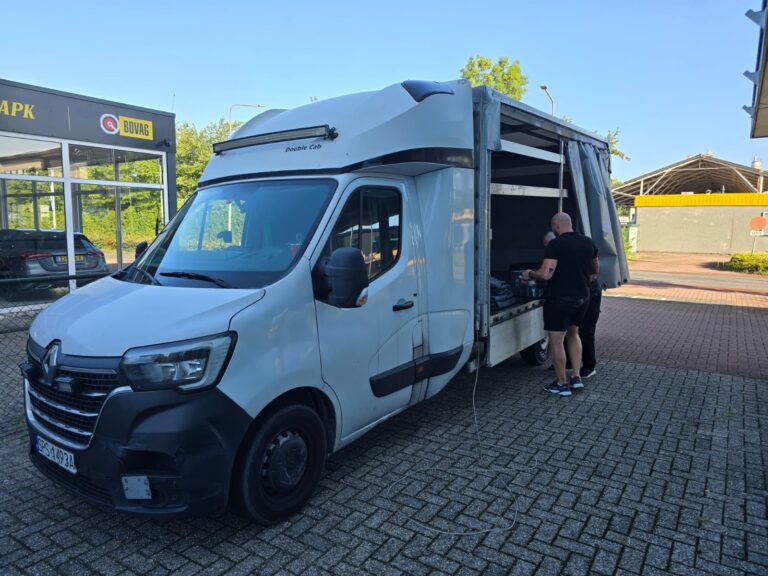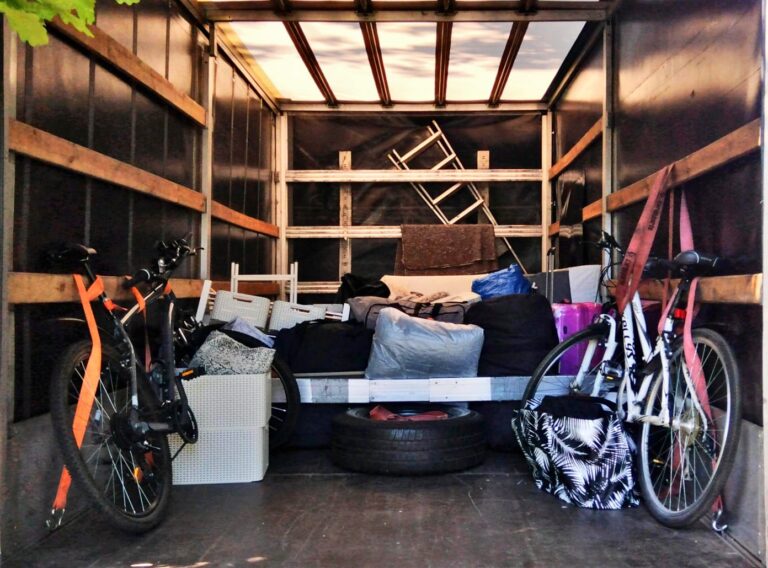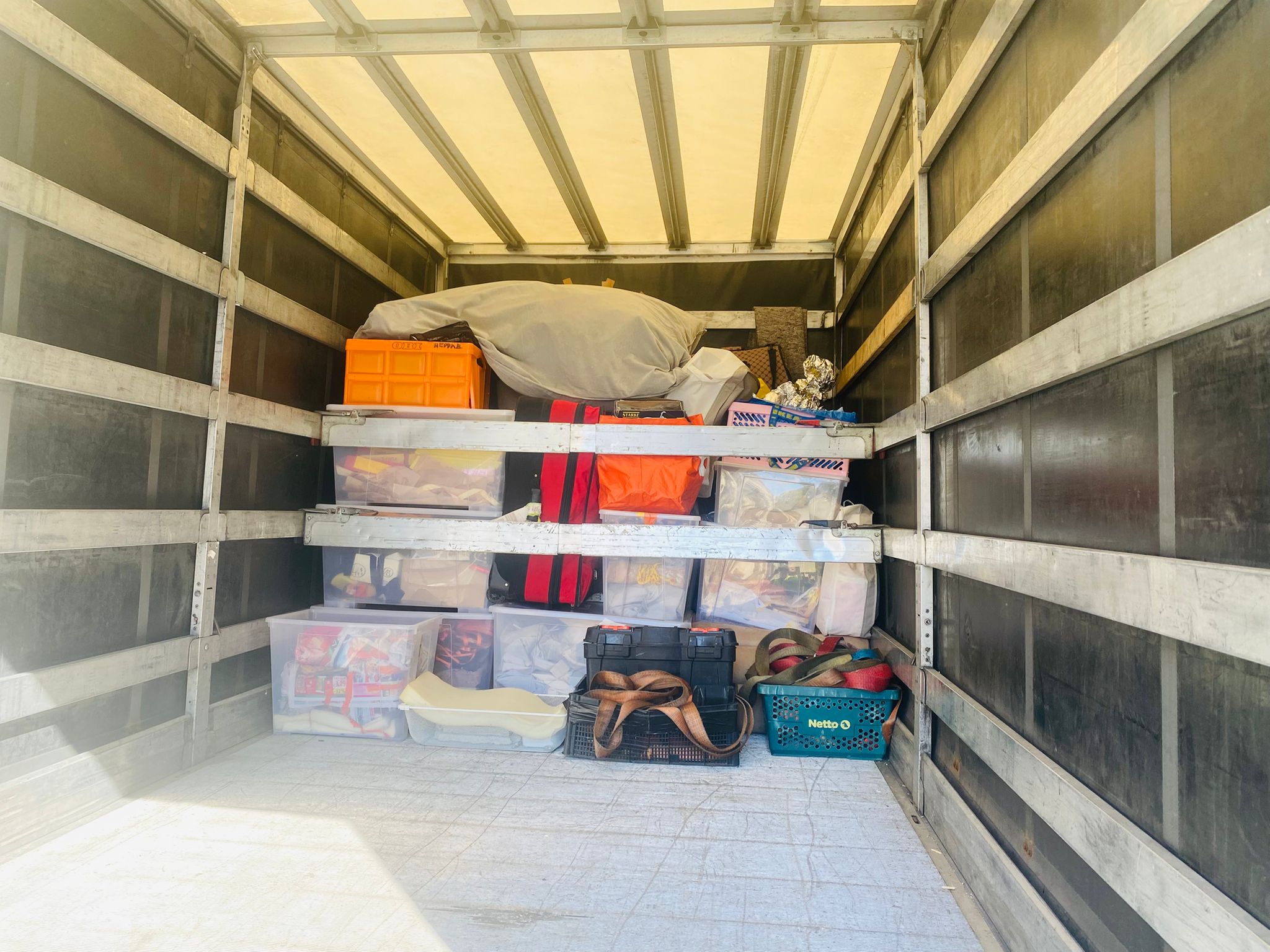

How to move to Hungary without stress or surprises. This complete, step‑by‑step guide distills everything you need to know—visas and residency basics, what you can and can’t bring, packing tactics, transport options, real‑world costs, and the first week after arrival. When you want hands‑on help, our furniture movers Hungary team provides professional packing, door‑to‑door transport, and careful delivery anywhere in the country. Get a tailored plan via Removals to Hungary.
TL:DR;
- Start 6–8 weeks out: declutter, request a survey, and lock in dates.
- Prepare core documents (passport, purpose, accommodation, insurance) and confirm current rules with official sources.
- Build a numbered inventory and label boxes; protect fragile/high‑value items or add professional packing.
- Pick transport to match timing and budget: shared load = savings; dedicated van = speed and fixed dates.
- Budget smart: volume, access, packing level, and season affect price; flexibility and decluttering cut costs.
- Plan arrival: address registration, utilities/internet, banking, and recycling; photograph condition at delivery.
- Shortcut to peace of mind: book specialists—VanOnSite’s furniture movers in Hungary handle tight streets, permits, stairwells, and claims support.
Quick Start
If you need a fast, reliable relocation within Europe—Hungary included—start by locking your preferred week and service level. Share a few essentials (addresses, approximate volume in m³, timing, special items, and access notes) and we’ll map the best route and crew size.
- Get a tailored quote: VanOnSite – Removals to Hungary
- Great for: families, professionals, students, and small businesses relocating household goods and office items.
Quick 5‑step plan:
- Book a survey (video or in‑home) to estimate volume and identify fragile/oversized pieces.
- Choose your service level: shared/consolidated load (save) or dedicated van (speed + fixed dates).
- Reserve dates & parking: secure loading/unloading permits or a marked space at both ends.
- Prep documents & inventory: ID, lease/keys, box list with numbers; flag high‑value items for insurance.
- Pack smart (or add pro packing): first‑open box, parts bag for furniture, clear labels room→box number.
At a glance (signals to choose):
- Small apartment + flexible date → consolidated load = most cost‑effective.
- Larger home or tight timetable → dedicated van = control, privacy, and fastest transit.
- Fragile/valuable items → pro packing + itemized inventory + enhanced insurance.
What we need to quote accurately:
- Origin & destination postcodes/cities
- Approx. volume (m³) or a room‑by‑room list/photos
- Target pickup/delivery window
- Access details (floors, lift/no lift, long carry, narrow street)
- Special pieces (piano, antiques, glass cabinets, large wardrobes)
Service snapshot
| Service Level | Best For | Delivery Window | Key Benefit |
|---|---|---|---|
| Shared / Consolidated | Smaller moves, flexible timing | Flexible window | Lowest cost per m³ |
| Dedicated Van (Express) | Family homes, set dates | Fixed date(s) | Fastest, door‑to‑door control |
| Pro Packing Add‑On | Fragile/antique items | N/A | Professional materials & protection |
Pro tip: Send short videos or photos during your quote request—this speeds up planning and helps allocate the right protection for furniture.
Pre‑move Planning
Pick your destination thoughtfully and design the move around your daily life—not the other way around. Budapest’s energy and transport links feel different from the calmer rhythm of Debrecen, Szeged, Pécs, or Győr. Think about commute times, schools, healthcare, access to services, and whether a large van can safely park on your street on moving day.
City snapshots (at a glance)
| City | Vibe | Ideal For | Watch‑outs |
|---|---|---|---|
| Budapest | Fast‑paced capital; diverse districts | Professionals, families wanting big‑city amenities | Busy streets, parking permits, elevator sizes vary |
| Debrecen | University city, growing tech scene | Students, academics, remote workers | Some older buildings with narrow stairwells |
| Szeged | Relaxed, sunny, cultural | Families, creatives | Delivery access in historic center |
| Pécs | Artistic, Mediterranean feel | Students, culture lovers | Hillside streets can affect van access |
| Győr | Industrial hub near Vienna/Bratislava routes | Commuters, engineers | Peak‑hour traffic near factories |
What comes with you vs. what to replace
- Bring items that are costly to replace, bespoke, or sentimental (solid wood furniture, heirlooms, curated décor).
- Replace low‑value, bulky duplicates (old mattresses, worn sofas, budget bookcases).
- Measure large items and compare with door widths, stair angles, and lift cabins at both addresses.
Appliances & power basics
- Hungary uses 230V and Type C/F (Schuko) plugs. Many EU appliances are compatible; if you’re coming from outside the EU, check voltage compatibility before packing.
- Consider whether white goods are worth transporting versus buying locally.
Housing & access prep
- Confirm loading/unloading permissions with your building manager/HOA and the local district office if needed.
- Note floor level, elevator size/weight limits, stair turns, and any long‑carry distance from van to door.
- Share photos/videos of entrances, corridors, and the street with your mover—this helps our furniture movers Hungary team plan the right crew and protection.
Documents & life admin to organize early
- Lease/ownership papers, utility account references, school records (if applicable), vaccination cards, and key IDs.
- Bank and mobile provider updates; mail forwarding; insurance notifications.
- Digital backup: keep scans in cloud folders accessible on your phone.
Sustainability & efficiency
- Donate or sell usable items; recycle electronics responsibly.
- Reuse sturdy boxes where possible; choose paper tape and biodegradable packing where available.
Expanded Mini‑Checklist
- Create a numbered digital inventory (photos + notes) by room.
- Measure doorways, stairwells, elevators at both ends.
- Reserve parking/permits for loading and unloading.
- Confirm access constraints (stairs, narrow streets, time restrictions).
- Decide bring vs. buy for appliances and bulky furniture.
- Share entrance/street photos with your mover; flag fragile/oversized pieces.
- Prepare a first‑open box (linens, kettle, chargers, basic tools).
Visas, Residency & Documents (Overview)
Relocation success depends on getting paperwork right before you pack a single box. Requirements vary by nationality and purpose of stay (work, study, family, business), and they change over time—so treat the points below as a planning framework and always verify with official sources.
Quick orientation
EU/EEA/Swiss citizens generally have the right to live and work in Hungary. You may still need to register your stay and address after arrival and complete local admin (e.g., tax ID, healthcare registration) if you’ll be residing long‑term.
Non‑EU/EEA citizens typically need a long‑stay visa and/or residence permit tied to your purpose (employment, study, family, business). Application steps often start at your local Hungarian embassy/consulate, followed by residence procedures in Hungary.
Planning tip: Start paperwork early—appointment lead times can stretch during peak seasons. Align your visa timeline with your moving dates to avoid storage or travel changes.
Common residence pathways (overview)
- Employment (local contract or intra‑company transfer)
- Study (admission to a recognized institution)
- Family (joining a spouse/partner or family member legally staying in Hungary)
- Business/Self‑employed (company setup or entrepreneurial activities)
- Research/Specialist (institution‑backed projects)
Core document checklist
Prepare these baseline items, then add pathway‑specific documents as requested:
- Passport (valid beyond your intended stay; check minimum validity)
- Biometric photos (passport‑style, recent)
- Purpose proof (employment contract/offer, admission letter, family link)
- Proof of accommodation (lease, invitation, or hotel + later lease)
- Proof of funds (bank statements, payslips, scholarship)
- Health insurance (EU cover or private policy meeting local requirements)
- Police clearance (if required for your pathway)
- Qualifications (CV, diplomas, professional licenses if relevant)
- Translations & legalization (certified translations; apostille/legalisation where requested)
- Application forms & fees (consulate/authority specific)
- Appointment confirmations & receipts
Timeline & sequencing (typical)
- 8–10 weeks before target move: gather documents, book consular/authority appointment(s), line up translations/apostilles.
- 4–6 weeks before: submit applications, attend biometrics/biometric photo, track decisions; avoid non‑refundable bookings until you have clarity.
- Arrival week: complete local address registration, pick up/activate residence documentation if applicable, and start utilities, banking, and mobile setup.
- First month: finalize employer onboarding requirements (e.g., tax/social registrations) and keep copies of everything.
After‑arrival admin checklist (overview)
- Register your residential address and keep proof for banks, mobile providers, and utilities.
- Collect or finalize residence card/permit steps if your route requires it.
- Tax ID & social security/healthcare registrations as applicable for employment.
- Bank account & mobile plan (bring ID and proof of address).
- Keep digital + paper copies of approvals, letters, and receipts in one labeled folder.
Families & dependants
Moving with family usually means separate applications for spouse/children and extra documentation:
- Marriage/birth certificates, apostilled/legalised and translated as requested.
- School records & immunisations for children.
- Parental consent documents if a minor travels without both guardians.
- Evidence of accommodation & funds adequate for the full household.
Your “move‑day” document pack (carry‑on)
Bring originals in your cabin luggage and keep digital scans accessible:
| Document | Original | Paper Copies | Digital Copy |
|---|---|---|---|
| Passport & biometric photos | ✓ | ✓ | ✓ |
| Visa/residence approvals & receipts | ✓ | ✓ | ✓ |
| Proof of accommodation/lease & keys | ✓ | ✓ | ✓ |
| Employment/admission/family proofs | ✓ | ✓ | ✓ |
| Health insurance policy/card | ✓ | ✓ | ✓ |
| Inventory list + high‑value receipts | ✓ | ✓ | ✓ |
| Emergency contacts & consulate info | ✓ | ✓ | ✓ |
Red flags to avoid
- Booking flights and movers before you understand visa/permit timelines.
- Relying on outdated blog posts instead of official guidance.
- Missing translations/legalisation requirements (apostille) for civil documents.
- Letting your passport validity fall short of minimum thresholds.
- Arriving without proof of address, making bank/utility setup slower.
Verify before you go: Always double‑check current visa/residency rules with official authorities or your local Hungarian embassy/consulate.
Hand‑off to logistics: Once your paperwork plan is clear, lock your dates with VanOnSite. Our furniture movers Hungary specialists can synchronise packing/collection with your permit timeline so you’re not paying for avoidable storage or change fees.
What You Can & Can’t Bring
Before you start packing, check what’s typically allowed, restricted, or prohibited in household moves to Hungary. Rules differ for EU→EU relocations versus shipments arriving from outside the EU, and carriers apply their own safety limits. When in doubt, ask us—our furniture movers Hungary specialists can review your inventory and advise on compliant, safe packing.
EU → Hungary (intra‑EU) at a glance
Most personal household goods move freely within the EU. Restrictions still apply to dangerous goods (flammables, compressed gases, certain chemicals) and to items that pose hygiene or safety risks.
Outside the EU → Hungary (customs)
Expect paperwork: a detailed, signed inventory, proof you’re changing residence, ID/passport, and (if relevant) visas/residence approvals. Duty/tax relief for used personal effects may be available subject to eligibility and timelines—verify with official guidance before shipping.
Typically allowed (household goods)
- Used furniture, mattresses (clean/protected), rugs, lamps.
- Clothing, books, toys, sports equipment, bicycles.
- Kitchenware, tableware, small domestic electronics (powered off).
- TVs/monitors/computers and home‑office gear (in original or sturdy cartons with padding).
Restricted or carrier‑controlled (ask first)
- Lithium batteries & e‑devices: devices with installed, intact batteries are usually OK when switched off. Loose/spare lithium batteries or damaged devices are typically not accepted.
- Aerosols, paints, solvents, adhesives, gas canisters, fuels (including fuel in lawnmowers/strimmers) are usually refused or require special handling.
- Alcohol & tobacco: personal quantities may be limited; commercial‑scale amounts are not allowed.
- Foodstuffs: avoid perishables; sealed, shelf‑stable foods are often discouraged due to pests/spills.
- Plants, soil, seeds: frequently restricted; check phytosanitary rules.
- Medicines & medical devices: keep with you alongside prescriptions and documentation.
- Weapons/replicas/munitions (including parts, pepper spray): generally prohibited without specific authority approvals.
- Art/antiques, collections, musical instruments: declare value; keep provenance/receipts and high‑res photos for insurance and, if applicable, export/import formalities.
Absolutely do not load
- Cash, jewelry of high value, passports and essential IDs.
- Life‑critical medications and medical records.
- Hazardous chemicals, fireworks, explosives.
- Live animals (use dedicated pet transport services).
Packing & documentation best practice
- Create a numbered inventory that mirrors your box labels (Room → Box No. → Contents → Notes/Value).
- Photograph high‑value or fragile pieces before packing; note existing wear.
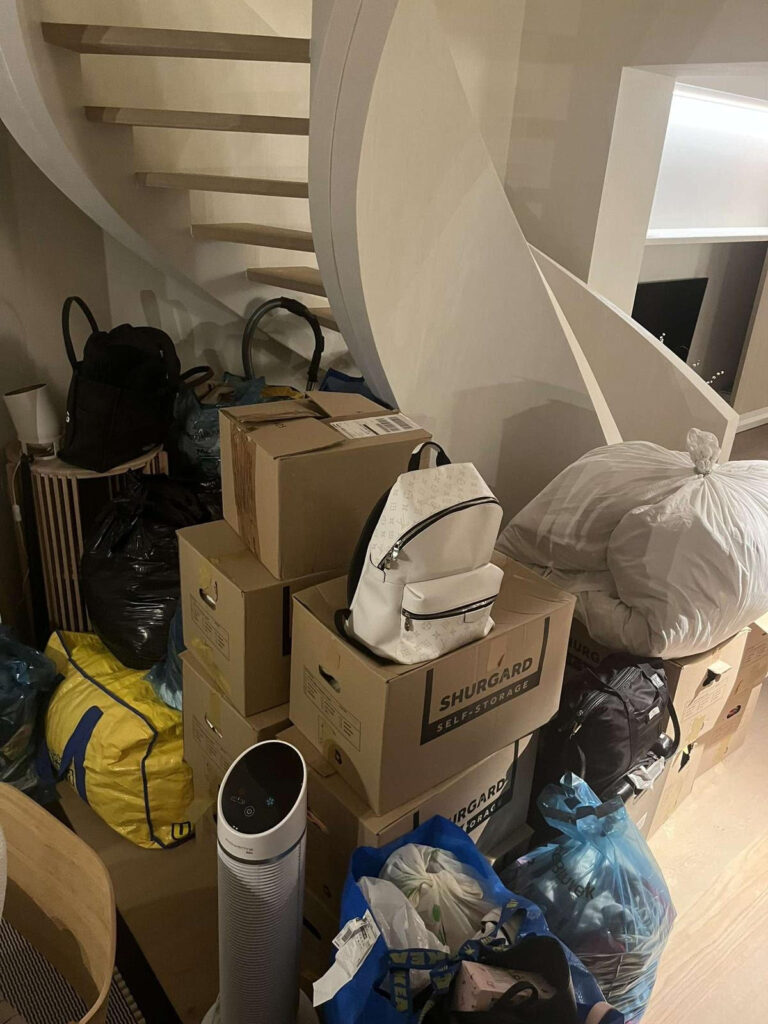
- Use double‑walled cartons; export‑wrap furniture; protect glass/mirrors with edge guards.
- Mark FRAGILE, THIS SIDE UP, and DO NOT TIP clearly where relevant.
- Share serial numbers for electronics and list any items worth insuring individually.
Insurance & valuation
Owner‑packed boxes are insurable, but fragile items and high‑value pieces are best packed by professionals. Ask us about standard vs. full‑value cover and the documentation needed for claims.
Not sure whether an item is allowed? Share a photo with your quote request. We’ll confirm what can travel, how to pack it, and any safer alternatives. Ask VanOnSite → Removals to Hungary


Your 8‑Week Move Timeline (Checklist)
8–6 weeks out
- Shortlist providers; request quotes (volume, dates, special items).
- Decide on service level: economy (shared load), standard, or express/dedicated.
- Start decluttering; sell/donate bulky pieces.
5–4 weeks out
- Book your mover and confirm parking/permits.
- Order packing materials (or add pro packing).
- Notify landlords/HOAs; schedule end‑of‑tenancy clean.
3–2 weeks out
- Pack rarely used rooms; create a parts bag for furniture hardware.
- Set up mail forwarding; update banks and subscriptions.
- Photograph furniture pre‑move; note existing wear.
Final week
- Essentials box (linens, toiletries, chargers, kettle).
- Defrost fridge/freezer; run down perishables.
- Confirm ETA with your mover; share live contact.
Moving day
- Walkthrough with crew, highlight fragile/“last on, first off” items.
- Sign inventory; keep copies.
- Final meter readings; keys and documentation.
Choosing a Moving Partner
Picking the right mover is the difference between a smooth handover and a stressful redo. For Hungary specifically, it pays to choose a cross‑border specialist — and VanOnSite is built for European road relocations with on‑the‑ground experience in Budapest and regional cities.
What to compare (quick checklist):
- In‑home/video survey accuracy and itemised volume plan
- Insurance options (standard vs. enhanced/full‑value)
- Packing quality (double‑walled cartons, export wrap, custom crating if needed)
- Access planning (permits/parking, long‑carry, stair turns, lift sizes)
- Delivery control & communication (single coordinator, clear ETA updates)
- References for furniture movers Hungary projects and complex stairwells
Why a specialist matters in Hungary: tight inner‑city streets, district‑level parking permissions, heritage staircases, and lift weight limits can complicate delivery. A team that does this weekly minimises risk, time on site, and incidental costs.
Why choose VanOnSite (Hungary experts)
- Pro planning, not guesswork: precise pre‑move surveys, room‑by‑room inventory, clear access‑based pricing.
- Flexible transport: shared/consolidated loads for savings or dedicated express vans for fixed‑date control.
- Professional packing: export‑grade protection for glass, mirrors, antiques, and designer furniture.
- Hungary know‑how: parking/permit guidance, narrow‑street solutions, shuttle options where large vehicles can’t reach.
- Single point of contact: coordinator who tracks your shipment end‑to‑end with proactive updates.
- Insurance & claims support: guidance on valuation and documentation so claims — if needed — are handled fast.
- Trusted furniture movers Hungary: crews experienced with disassembly/reassembly and staircase navigation.
When VanOnSite is the right choice:
- You need fixed pickup/delivery dates or an urgent timeline.
- You’re moving fragile or high‑value pieces that deserve pro packing.
- Your home is in a historic building or a narrow street area requiring shuttle solutions.
- You want one provider to survey → pack → transport → deliver across borders.
Comparison at a glance
| Criterion | VanOnSite | Typical broker/aggregator |
|---|---|---|
| Delivery model | Direct, coordinated crews | Varies; multi‑subcontract chain |
| Hungary expertise | Regular Hungary routes & access planning | Varies by subcontractor |
| Packing standards | Export wrap & furniture protection | Inconsistent |
| Permit/parking help | Proactive guidance & scheduling | Often client‑led |
| Communication | Single coordinator, clear ETAs | Varies |
Shortcut: Save time and uncertainty. Book VanOnSite’s Removals to Hungary for a tailored plan, transparent pricing, and careful delivery.
Packing Strategy (Room‑by‑Room)
A disciplined packing plan protects your belongings and speeds up delivery day. Use this section to choose materials, set weight limits, and follow room‑by‑room methods our crews rely on.
Materials checklist (essentials)
- Double‑walled cartons (small/medium/large), wardrobe boxes, picture/mirror packs
- Acid‑free tissue, bubble wrap, paper, corner/edge protectors, furniture blankets
- Mattress and sofa covers, stretch film, tape (paper or PVC), fragile stickers
- Zip bags for screws/bolts, cable ties, permanent markers, “DO NOT LOAD” tags
Owner‑packed vs. professional packing
- Owner‑packed: lower cost; best for books, clothing, non‑fragiles. Follow weight limits.
- Pro packing: ideal for glass, mirrors, artwork, antiques, and complex furniture; improves claim eligibility and reduces risk.
Room‑by‑room methods
Kitchen:
- Wrap plates vertically in paper; glasses with tissue then bubble; fill voids to stop rattle.
- Tape knife guards; bundle cutlery; drain/clean small appliances before packing.
- Label FRAGILE and room name; keep kettle + mugs for the first‑open box.
Living room:
- TV: photograph connections → remove cables → use TV carton/panel box → protect corners → “UPRIGHT ONLY”.
- Frames/art: corner protectors + picture cartons; avoid stacking face‑to‑face without padding.
Bedroom:
- Use wardrobe boxes for hanging clothes; vacuum‑seal seasonal items.
- Mattress bags and headboard protection; put bed hardware in a labeled parts bag taped to the frame.
Bathroom:
- Seal caps with tape; bag liquids; avoid aerosols/flammables. Keep daily meds with you.
Office/Study:
- Back up devices; photograph cable layouts; pack each device with its own cables in a marked zip bag.
- Keep passports, financial documents, and data drives in carry‑on (not in the van).
Kids’ room/Nursery:
- Small toy boxes by category; secure loose parts; keep a comfort toy accessible for arrival day.
Garage/Storage/Balcony:
- Drain fuel from mowers/strimmers; don’t pack paints/solvents; wipe and collapse outdoor furniture.
Art, mirrors & musical instruments:
- Use rigid picture cartons and glass‑mark stickers; consider custom crating for large canvases.
- Pianos/guitars: temperature‑aware handling; let instruments acclimatise after delivery.
Plants:
- Many movers restrict plants; extreme temperatures can damage them. Consider transporting a few in your own vehicle or gifting them before the move.
Disassembly & hardware control
- Photograph complex furniture before disassembly; store screws/bolts in a labeled parts bag per item.
- Tape parts bags to the corresponding furniture or keep in one dedicated Hardware box.
Labelling & inventory system
- Color for room + running box number (e.g., KITCHEN‑03).
- Mark HVO for high‑value objects; FOB for first‑open box.
- Add brief contents on at least two sides; consider a QR/inventory app to map box→contents.
Weight limits & safe lifting
- Aim for ≤ 20 kg per standard carton; small boxes for books/records; large boxes for light textiles.
- Keep pathways clear; stack heaviest cartons at the bottom, fragile on top.
First‑open box (suggested)
- Kettle, mugs/tea/coffee, basic cutlery/plates, phone chargers, multi‑plug, towels/linens, small toolkit, cleaning wipes, toilet paper, nightlight.
Suggested Box Mix by Home Size (Guide)
| Home Size | Small Boxes | Medium Boxes | Large Boxes | Wardrobe | Specialty/TV |
|---|---|---|---|---|---|
| Studio/1‑bed | 10–15 | 10–12 | 4–6 | 1–2 | 1 |
| 2‑bed | 15–20 | 15–18 | 6–8 | 2–3 | 1–2 |
| 3‑bed+ | 20–30 | 20–25 | 8–12 | 3–5 | 2–3 |
Note: This is a planning guide; your survey produces a precise list. If you’d like, our furniture movers Hungary team can pack fragile rooms (kitchen, art) while you handle the rest — a popular hybrid option.
Transport Options & Transit Signals
Choose the transport model that fits your timeline, budget, and volume. We operate both fixed‑date express moves and economical groupage across Europe.
Options compared
| Option | Best For | Typical Delivery | Cost Level | Flexibility | Notes |
|---|---|---|---|---|---|
| Dedicated Van (Express) | Full homes, tight schedules, high privacy | Fixed date(s); fastest door‑to‑door | $$$ | Low (fixed plan) | Your own vehicle/crew; most control. |
| Shared / Groupage | Small–medium moves, flexible dates | Delivery window (coordinated route) | $ | High | Lower cost per m³; eco‑friendly. |
| Partial Load | Medium moves without strict dates | Window; quicker than full groupage | $$ | Medium | Good balance of price vs. speed. |
| Shuttle Vehicle (Last‑mile) | Narrow streets, no‑truck zones | Adds 0.5–1 day for transfers | + | N/A | Small van used from larger truck to door. |
Indicative door‑to‑door windows (illustrative)
- Austria/Slovakia/Czechia → Hungary: ~1–3 days (dedicated), 2–5 days (shared)
- Germany/Poland → Hungary: ~2–4 days (dedicated), 3–6 days (shared)
- Italy/France/Netherlands → Hungary: ~2–5 days (dedicated), 4–7 days (shared)
- UK/Ireland/Spain/Portugal → Hungary: ~3–6 days (dedicated), 5–9 days (shared)
- Nordics/Balkans/Baltics → Hungary: ~2–5 days (dedicated), 4–8 days (shared)
Actual timing depends on routing, season, and access. We’ll confirm a realistic ETA during your quote.
Transit time signals (expanded)
- Distance & routing: motorway vs. mountain routes, ferry crossings, and weekend driving rules.
- Seasonality: summer and year‑end peaks require earlier booking; winter conditions may slow transit.
- Access factors: long‑carry, stairs without lift, shuttle needs, or parking permits can extend onsite time.
- Service choice: dedicated vans run point‑to‑point; shared loads follow optimised multi‑stop routes.
Access, permits & potential extras
- Reserve parking within 10–15 m of the entrance; request district permits where required.
- Long‑carry thresholds (e.g., >20–30 m) and stair carries above agreed floors may add time/cost.
- For heritage buildings, we can supply protective floor runners and banister wraps; for extreme cases, discuss external hoists.
Sustainability & communication
- Groupage reduces CO₂ per m³ and cost; choose it when dates are flexible.
- Expect proactive updates (call/SMS/WhatsApp) with live ETAs; you’ll have a single coordinator throughout.
Ready to match an option to your dates and volume? Get a tailored plan → Removals to Hungary
Costs & Budgeting
What drives price:
- Volume/weight and accessibility (stairs, long carry)
- Packing service and materials
- Dedicated vs. shared transport
- Seasonality and lead time
- Optional storage and insurance
Savings ideas:
- Be flexible on dates (mid‑week, mid‑month).
- Declutter heavy, low‑value items.
- Use consolidated loads if timing allows.
- Reserve parking to avoid waiting fees.
Sample Cost Structure (Illustrative)
| Scenario | Service | What You Get | Typical Profile |
|---|---|---|---|
| Small apartment | Shared load | 1–2 day pickup window; grouped delivery | Students, singles |
| Family home | Dedicated van | Fixed dates; full crew; priority unload | Families |
| Fragile antiques | Pro packing add‑on | Export wrap; custom protection | Collectors |
Arrival & First‑Week Setup in Hungary
Make your first seven days count. Use the plan below to secure your address, utilities, connectivity, and daily essentials—then handle any issues while details are fresh.
Your first 7 days — suggested plan
| Day | Priority Actions |
|---|---|
| Day 0–1 | Walkthrough with the crew; photograph any issues; unpack the first‑open box; take meter photos (water/gas/electricity); confirm building access/parking rules. |
| Day 2–3 | Address registration (as applicable to your status); collect keys/fobs; start bank and mobile setup; book internet/TV installation; register with a local GP/clinic if eligible. |
| Day 4–5 | Transfer/activate utilities; update employer/university with your address; arrange school visits/enrolments if moving with children; set up waste/recycling service and pick‑up days. |
| Day 6–7 | Deep clean; assemble final furniture; safety check for kids/pets; map nearest pharmacy, supermarket, and transport stops; review any delivery notes for follow‑up. |
Address registration & admin (overview)
- Bring ID, proof of accommodation (lease/ownership/host letter), and any residence approvals your route requires.
- Keep paper and digital copies of confirmations; banks, mobile providers, and utilities often request proof.
- If you’re an EU/EEA/Swiss citizen, you may still need to register your stay/address for long‑term residence. Always verify your specific obligations with official guidance.
Utilities & internet
- Before delivery: request a switch/activation date from sellers/landlords where possible.
- On arrival: record meter readings with date/time‑stamped photos; share with the provider or landlord.
- Installation: many ISPs require an adult on site; choose a 2–4 hour window and clear a workspace near the router socket.
- Keep a small power strip and extension cable handy for temporary setups.
Banking & mobile
- Typical requirements: passport/ID, proof of address, and sometimes proof of income/enrolment.
- Consider opening an account with multi‑language online banking; carry your tax/residence numbers if applicable.
- For mobile, eSIM or prepaid SIM can be activated quickly—bring ID and proof of address if requested.
Schools & childcare (if applicable)
- Prepare school records and immunisation summaries; book an appointment or open day.
- Factor commute time and after‑school care into your housing choice.
- Pack a basic school starter kit in a clearly labeled box for quick access.
Driving, parking & tolls (general)
- Check local resident parking options and rules for your district; some areas require permits.
- If you drove in, keep insurance/roadside cover handy; confirm any toll/vignette obligations for Hungarian motorways.
- For narrow streets or historic zones, ask us about shuttle vehicle solutions for future deliveries.
Waste & recycling
- Learn your building’s collection schedule and rules for bulky waste; break down cartons and tie bundles.
- Keep a donation box for items you decide not to keep after unpacking.
- Avoid storing boxes on balconies or stairwells (fire/safety).
Issue handling & claims
- Report concerns within the time window set by your policy; attach photos and inventory references.
- Note concealed damage as soon as discovered; keep packing for inspection if required.
- Share your delivery report and any meter photos with your coordinator.
- We’ll guide you through next steps and keep communication in one thread for speed.
Need help coordinating appointments or last‑mile access? VanOnSite can handle it → Removals to Hungary
Moving With Pets or a Car (Overview)
Relocating with furry friends or a vehicle adds a few extra steps. Use these checklists to travel safely and settle smoothly.
Pets — travel & arrival essentials (general)
- Microchip & vaccinations; carry a pet passport/health certificate suited to your route.
- Pack food/water for the journey, collapsible bowls, leash/harness, waste bags, and a familiar blanket or toy.
- Choose a well‑ventilated carrier sized for your pet; label with your name, phone, and destination.
- Plan regular breaks on long drives; avoid leaving pets in parked vehicles.
- After arrival, identify a local vet and confirm any registration steps for pets in your municipality.
- Keep records of vaccinations/medications handy for boarding, travel, or landlord requests.
Pet comfort & safety on the road
- Feed lightly before departure; many pets travel better on a partial stomach.
- Use seat‑belt harnesses or secured carriers; never let pets roam in the cab.
- Cover carriers partly with a breathable cloth to reduce stress; maintain airflow and comfortable temperature.
Cars — driving in & registering (general)
- If you’re keeping your car, check insurance validity for cross‑border travel and bring breakdown cover details.
- Some roads use toll/vignette systems; arrange the correct pass before or shortly after entry.
- Parking is district‑specific—review resident parking options near your home.
- If importing your car, expect registration/inspection steps; taxes/fees may apply depending on origin and vehicle type.
- EU licences are generally recognised; non‑EU licences may need an IDP or later exchange—verify timing and rules for your case.
Car import vs. local purchase
- Import: best if the car is relatively new, efficient, and well‑maintained; prepare service records and emissions data.
- Buy locally: skip import formalities and match local specs; consider a short‑term rental while you shop.
Documents to keep in the glovebox
- ID/passport copy, driving licence, insurance, vehicle registration, and breakdown contact.
- A printed address card/lease and small notepad with emergency numbers.
- Reflective vest and warning triangle per European road norms.
Moving with a pet or car? Tell us early. We’ll align parking, shuttle options, and route breaks with your schedule and help plan pet‑friendly stops. Ask VanOnSite → Removals to Hungary
Why VanOnSite for Hungary Moves
When your timeline, furniture, and budget matter, choosing a Hungary‑savvy mover pays off. VanOnSite combines cross‑border road expertise with careful, room‑by‑room handling—ideal for apartments in narrow streets and family homes alike.




What you get with every VanOnSite move
- Dedicated coordinator from survey to delivery.
- Cross‑border planning: route, timing, ferries/weekend rules, and district permits where applicable.
- Professional packing options (full/partial/specialty) with export‑grade materials.
- Inventory & labelling system that mirrors your box numbers for stress‑free delivery.
- Access‑aware pricing explained before move day (stairs, long‑carry, shuttle if required).
- Protection on site: floor runners, banister wraps, door‑frame guards where needed.
- Proactive updates (phone/SMS/WhatsApp) and clear ETAs.
- Insurance guidance: standard cover included; enhanced/full‑value options available.
- Aftercare & claims support with quick documentation checklists.
Specialities for Hungary (why a localised approach helps)
- Budapest districts & historic staircases: shuttle vehicles and lift‑size planning.
- Permits/parking: guidance on district‑level requirements and best‑practice street placement.
- Tight access: small‑van transfers from larger vehicles where trucks can’t reach.
- Fragile & designer furniture: export wrap, custom protection, and careful staircase navigation by furniture movers Hungary specialists.
Coverage & service models
- Door‑to‑door anywhere in Hungary (Budapest, Debrecen, Szeged, Pécs, Győr and beyond).
- Europe‑wide origins/destinations with shared/groupage for savings or dedicated express for fixed‑date control.
Our simple process
- Quick survey (video or in‑home) → accurate volume and access notes.
- Tailored plan & quote → pick shared vs. dedicated and packing level.
- Packing & loading → inventory confirmed; protection applied.
- Transport & updates → route optimised; you get live ETAs.
- Delivery & reassembly → placement by room; packaging cleared on request.
- Aftercare → support with any questions or claims paperwork.
➡️ Plan your move now: VanOnSite – Removals to Hungary
Frequently Asked Questions
How far in advance should I book?
As soon as you have target dates—4–6 weeks is comfortable; earlier for summer.
How long does a move to Hungary usually take?
Dedicated vans are typically the fastest; consolidated loads take longer due to route planning and shared delivery windows.
Can movers dismantle and reassemble furniture?
Yes—request this in your quote, especially for large wardrobes/beds.
Is insurance included?
Basic coverage is common; ask about enhanced or full‑value options for high‑value items.
What if my street is narrow or parking is limited?
We can plan shuttle vehicles and help with guidance on parking/permits—share photos and dimensions early.
Do you offer professional packing?
Yes—choose full or partial packing to protect fragile and high‑value items.
Can you supply packing materials only?
Yes—request a materials pack (boxes, wardrobe cartons, tape, wrap) or add professional packing.
Do you offer storage if my dates change?
Yes—short‑term storage can bridge gaps between collection and delivery; tell us your window.
Do I need to arrange permits?
Some districts/buildings require permits or reserved bays. We’ll advise what’s needed and the best way to secure a space.
Can you move pianos, artwork, or antiques?
Yes—with advance notice. We’ll plan custom protection, extra hands, and access solutions.
What affects price the most?
Volume (m³), access (stairs/long carry), packing level, and service type (shared vs. dedicated). Flexibility on dates can reduce cost.
Is a video survey enough?
Often yes. For complex access or large homes, we may recommend an in‑person visit.
How do payments work?
Payment options and schedules are outlined in your quote; we’ll confirm accepted methods for your route.
Can I change my date?
We’ll accommodate date changes whenever possible—tell us as soon as you know to keep options open.
Do you operate on weekends?
Yes, subject to availability and local rules; request this in your quote.
Will you carry to upper floors without a lift?
Yes—please note floor count in the survey. It may add time/cost depending on volume.
What if something arrives damaged?
Notify us promptly with photos and the inventory number. We’ll guide you through next steps per your coverage.
Ready to Move?
Make your Hungary relocation simple, safe, and well‑timed. Here’s how to start:
- Request a fast quote with your dates, origin/destination, and rough volume.
- Choose your service level (shared savings or dedicated express) and packing option.
- Lock your week and we’ll coordinate permits, parking, and the perfect crew.
👉 Get your tailored quote for Removals to Hungary
Prefer a quick chat first? Mention your route and ideal dates in the message box—our team will reply with next steps.