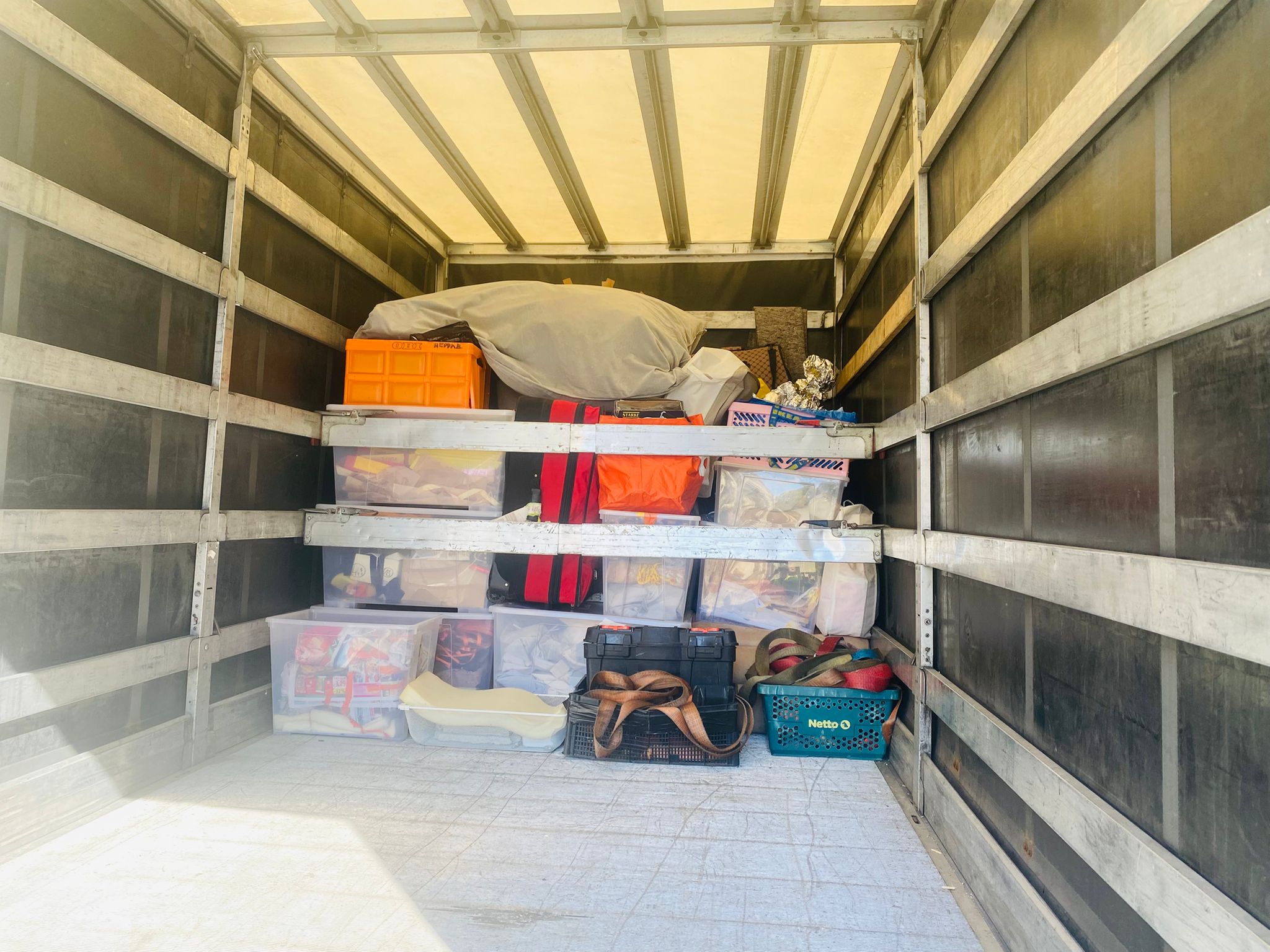
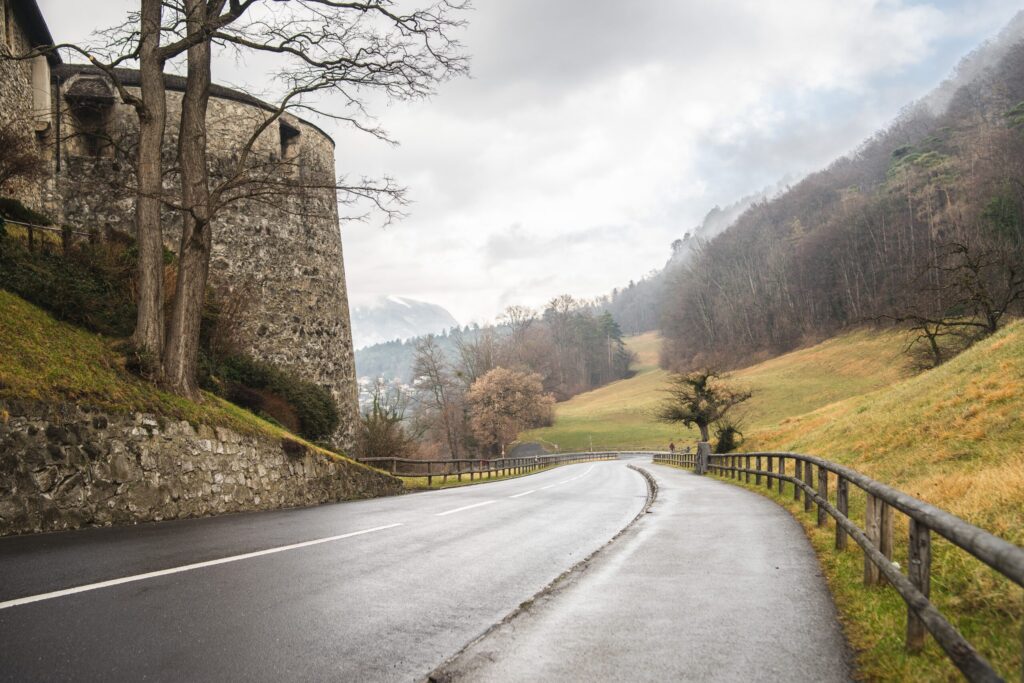
Milan to Liechtenstein — planning a move from Lombardy to the Rhine Valley microstate? This guide gives you a complete, step‑by‑step plan covering documents, customs, packing, access, best routes, and realistic timelines so your relocation is smooth, fast, and cost‑efficient. Need an instant quote or dates? Visit our dedicated page: Removals to Liechtenstein.
TL:DR;
- Dedicated vans deliver door‑to‑door in ~24–48 hours; shared‑load/groupage takes ~2–6 days.
- Customs apply (EU export + Swiss/Liechtenstein import), with tax relief available for used household goods when paperwork is correct.
- Must‑have documents: passport/ID, itemized inventory, and proof of residence/registration (or lease/employment contract).
- Recommended route: A9 → E35 (Como/Chiasso) → Swiss A13 → Liechtenstein; arrange customs on the Swiss side to avoid delays.
- Access planning matters: Milan ZTL/loading bay reservations; Alpine towns may need a shuttle van; long carries and stairs affect timing and cost.
- Choose the right service: dedicated, express, or shared load; add professional packing, storage, and full‑value insurance if needed.
- Get a fixed quote after a quick video survey via Removals to Liechtenstein.




Who this guide is for
If you’re relocating your home or office from Milan (or greater Lombardy) to any Liechtenstein municipality—Vaduz, Schaan, Triesen, Balzers, or beyond—this guide is built for you. It covers dedicated and shared‑load vans, express options, customs steps, packing best practices, building access, and insurance.
You’ll find this especially useful if you are:
- Private households moving studios up to 4‑bed homes and want predictable, fixed‑price timings.
- Expats and cross‑border professionals relocating for roles in finance, manufacturing, or tech and needing compliant paperwork.
- Students and early‑career movers taking partial loads with tight budgets and flexible dates.
- SMEs and offices transferring equipment and archives to Vaduz/Schaan industrial zones.
- High‑value/fragile shippers (art, instruments, antiques) requiring custom packing and insurance.
- HR & mobility managers who must coordinate visas/registration, customs relief, and precise delivery slots.
At‑a‑glance: Milan → Liechtenstein
Before diving deep, here are quick facts to set expectations.
| Topic | Fast Facts |
|---|---|
| Distance & route | ~230–300 km via A9 → E35 (Como/Chiasso) → Swiss A13 → Liechtenstein |
| Driving time | ~3.5–5 hours wheel time (traffic, weather, and access can extend) |
| Typical transit | Same‑day or next‑day for dedicated vans; 2–6 days for shared loads |
| Border & customs | EU export (Italy) + import into Swiss/Liechtenstein customs union |
| Documents | Passport/ID, detailed inventory, proof of residence (Anmeldebestätigung or lease), exemption forms for household goods |
| Van sizes (guide) | Small 10–15 m³ • Medium 20–25 m³ • Large 35–40 m³ |
| Booking lead time | Express 24–72 h • Standard 5–10 days • Peak/winter: book earlier |
| Parking & permits | Milan ZTL/loading bay reservation; Swiss vignette/charges handled by carrier; check narrow streets in Liechtenstein |
| Insurance | Basic cover included; upgrade to full‑value protection for high‑value items |
| Ideal for | Apartments, houses, offices, student moves, partial loads |
| Sustainability | Groupage/shared‑load reduces cost and CO₂ footprint |
Tip: Dedicated vans typically deliver door‑to‑door within 24–48 hours depending on access, load size, and driving regulations.
Why people move from Milan to Liechtenstein
Liechtenstein combines a pro‑business climate with an outdoorsy Alpine lifestyle and excellent public services. If you work in finance, manufacturing, or tech—or you simply want a quieter base with quick access to Switzerland and Austria—this corridor makes sense.
Top reasons movers choose Liechtenstein:
- Competitive taxation & business environment for residents and entrepreneurs (seek personal tax advice for your situation).
- Exceptional safety and quality of life with short commutes and clean air.
- Career opportunities in finance, precision manufacturing, fintech, and R&D, often in cross‑border clusters with Switzerland/Austria.
- Family‑friendly towns (Vaduz, Schaan, Triesen) with well‑maintained infrastructure and access to childcare/schools.
- Four‑season recreation: hiking, skiing, cycling, and lakes within an hour’s drive.
- Multilingual environment (German‑speaking with widespread English in business) and proximity to wider EU markets.
| Mover profile | Typical priorities |
|---|---|
| Finance/tech professionals | Fast onboarding, compliant customs, near‑term housing |
| Families | Safe neighborhoods, schooling options, reliable delivery windows |
| SMEs & startups | Minimal downtime, weekend/after‑hours slots, office IT handling |
| Students/early‑career | Partial loads, budget control, flexible dates |
The main route explained
From Milan, the standard path is A9 toward Como/Chiasso, then north through Switzerland to the Rhine Valley before crossing into Liechtenstein. Two reliable corridors are commonly used, chosen on traffic, weather, and season:
- A13 / San Bernardino corridor (recommended for LI):
- Milan → A9 → Chiasso → Bellinzona → A13 (E43) → Sargans → Rhine Valley.
- Pros: Avoids Gotthard tunnel queues; scenic but efficient; aligns naturally with Rhine Valley entries.
- Considerations: Alpine weather in winter—monitor forecasts; some gradients.
- A2 → Gotthard → A4/A3 corridor:
- Milan → A9 → Chiasso → A2 (Gotthard) → A4/A3 → Sargans → Rhine Valley.
- Pros: Strong motorway infrastructure and services; a good alternative during A13 maintenance.
- Considerations: Gotthard tunnel can experience heavy traffic, especially holidays/weekends.
Step‑by‑step flow for moving vans:
- Milan pickup & city exit: Plan around ZTL windows and building rules; pre‑reserve a loading bay if possible.
- Chiasso / Brogeda border (IT → CH): EU export formalities; proceed to Swiss import/commons for household‑goods relief when applicable.
- Swiss leg (A2/A13): Carrier handles vignette/LSVA charges. Schedule breaks at service areas near Bellinzona, Thusis, or Sargans.
- Rhine Valley approach (Sargans → Buchs/Sevelen/Trübbach): Confirm last‑mile access, street width, and any shuttle van needs.
- Liechtenstein delivery: Coordinate key handover and room placement; check off the inventory on arrival.
Common last‑mile crossings into Liechtenstein (from Switzerland):
- Sevelen ↔ Vaduz bridge — ideal for central Vaduz addresses.
- Buchs ↔ Schaan bridge — fastest for Schaan industrial/residential zones.
- Trübbach ↔ Balzers bridge — best for Balzers/Triesen (southern LI).
Border & timing tips:
- Travel off‑peak (avoid Fri PM/Sat AM on holiday weekends).
- Heavy vehicles >3.5 t face Swiss night/Sunday restrictions; we plan loading to comply.
- In winter, monitor Alpine conditions; snow chains may be required on approach roads.
Customs & documents (household goods)
Moving household goods from Milan to Liechtenstein means clearing EU export in Italy and import into the Swiss/Liechtenstein customs union. If your goods are used and you are changing residence, you typically qualify for tax relief. Below is a practical, mover‑friendly breakdown to help you breeze through formalities.
Key facts snapshot
| Topic | Details |
|---|---|
| Where clearance happens | Usually on/near the Swiss side (e.g., Chiasso/Brogeda; Rhine Valley offices near Buchs/Sevelen/Sargans) |
| Eligibility for relief | Household goods tied to a change of residence, generally used (not new for resale) and moving within a reasonable window of your relocation |
| Who must attend | You or your authorised mover (with power of attorney); have original IDs available |
| Typical timing | ~30–90 minutes with complete paperwork; longer during peaks/holidays |
| Costs | Relief = no import duty/VAT on eligible goods; admin/handling fees from carriers or third parties may apply |
| Inspections | Possible spot checks—keep boxes accessible and inventory accurate |
Paperwork checklist (expandable)
Prepare an organised pack—digital + printed—labelled with your Milan to Liechtenstein move details.
- Passport/ID for the person relocating (and copies for household members)
- Itemised inventory list: box numbers, room, contents, condition; note approximate values for insurance
- Proof of residence in Liechtenstein: lease/tenancy, property deed, or registration appointment/confirmation
- Employment/assignment letter (helps demonstrate the reason/timing of your move)
- Proof items are used: purchase dates/receipts/photos for high‑value items
- Deregistration/proof of departure from Italy (if available)
- Power of attorney authorising your mover to lodge declarations on your behalf
- Serial numbers for electronics (TVs, laptops, bikes/e‑bikes where applicable)
- Special items: certificates for art/antiques, instrument documents
- Pets: microchip, vaccination record (rabies), and an EU pet passport if available
Tip: Keep passports, keys, jewellery, medication, and laptops with you—do not place them in the moving truck.
Step‑by‑step at the border
- Pre‑clear (when arranged): We can schedule customs during opening hours and prepare declarations in advance.
- EU export (Italy): Confirm export formalities before crossing; your mover coordinates the stop.
- Swiss/Liechtenstein import: Declare household goods under relief, present inventory + residence proof; pay any admin fees.
- Inspection (if requested): Open selected boxes; ensure labels match your inventory numbers.
- Release & onward travel: Clearance confirmed; proceed to Vaduz/Schaan/Triesen/Balzers for delivery.
What qualifies for tax relief
- Goods are for personal use and accompany a change of residence to Liechtenstein.
- Items are used and not intended for resale.
- The move occurs within a reasonable timeframe of taking up residence (avoid long gaps).
What may be taxed or restricted
- Brand‑new items bought shortly before moving (keep receipts; may attract VAT/duty).
- Alcohol, tobacco, large food quantities—often excluded from relief.
- Commercial goods and work stock (separate procedures apply).
- Weapons, plants, animal products—subject to strict rules/licences.
Vehicles & personal transport
Bringing a vehicle along your Milan to Liechtenstein move? Plan an extra admin step at import and local registration.
| Item | What to prepare | Typical timing |
|---|---|---|
| Car/motorbike | Registration docs, proof of ownership, insurance, emissions info; plan for import at Swiss customs and later local registration | +1–3 hours for customs; separate time for registration |
| Bicycle/e‑bike | Proof of ownership; for e‑bikes, battery specs/serial | Cleared with household goods |
| Company vehicle | Company letter & permissions; confirm rules for continued use by resident | Case‑by‑case |
Planning to import a car? Note that roadworthiness, insurance, and plate exchange follow local Liechtenstein rules after customs—schedule appointments early.
Pets
Pets can travel with your household goods provided entry rules are met.
- ISO microchip and valid rabies vaccination
- EU pet passport (recommended) or equivalent veterinary documents
- Check any breed/transport restrictions with your vet and carrier
Temporary moves (students, contractors)
If you are relocating temporarily (e.g., study or fixed‑term contract), you may still clear household goods. Keep proof of your temporary status, and note that re‑export on return may be required for certain items. Ask us for the best approach.
Need hands‑off customs? We can prepare inventories, liaise with customs, and attend the clearance on your behalf. Start here: Removals to Liechtenstein.

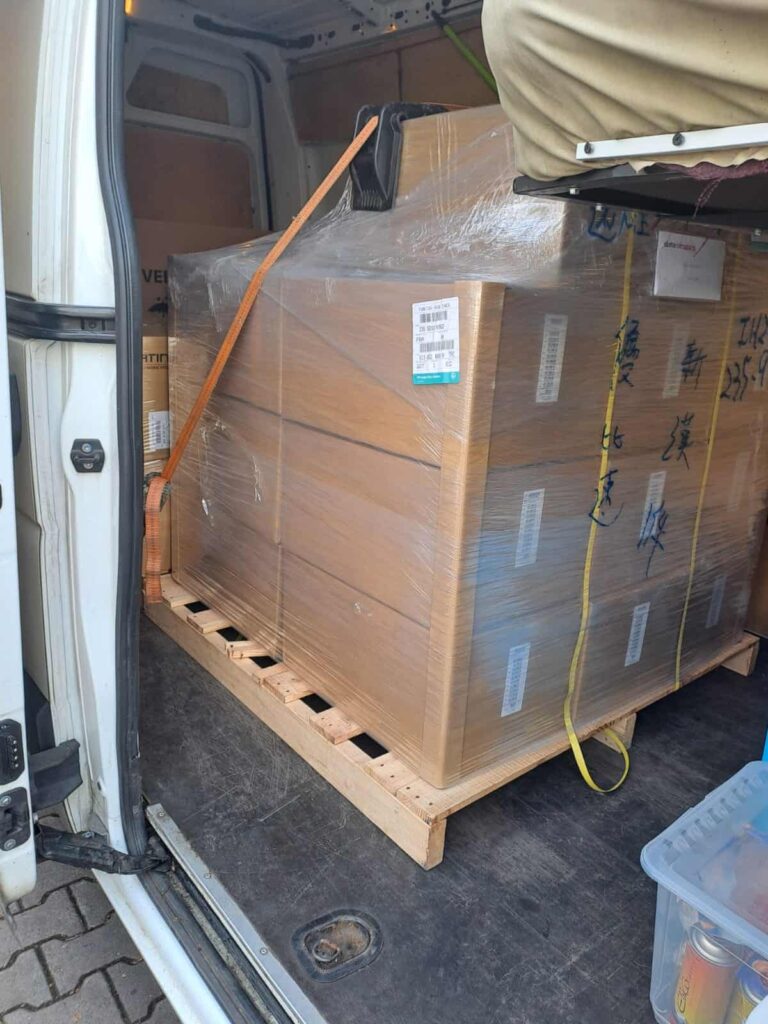
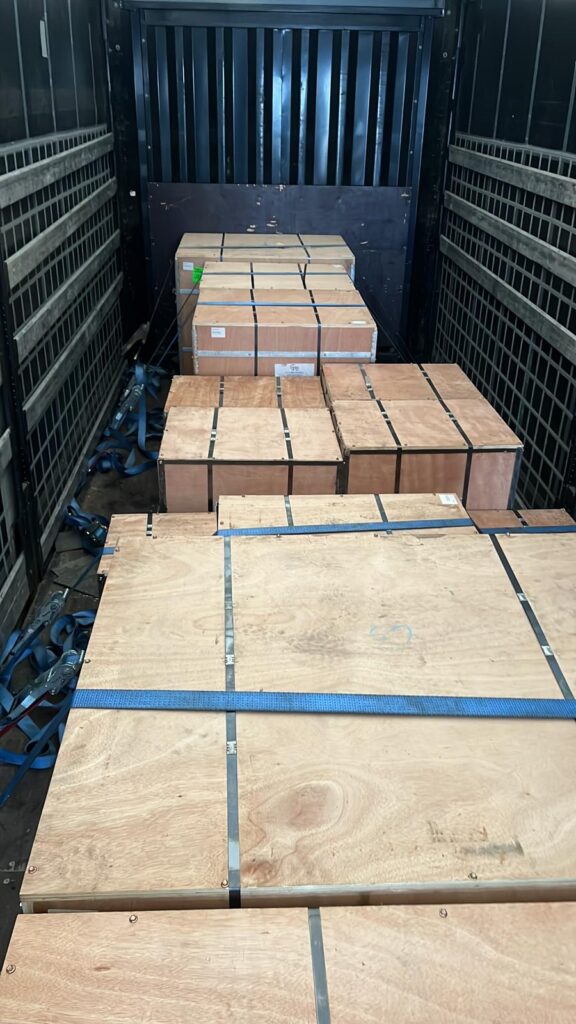
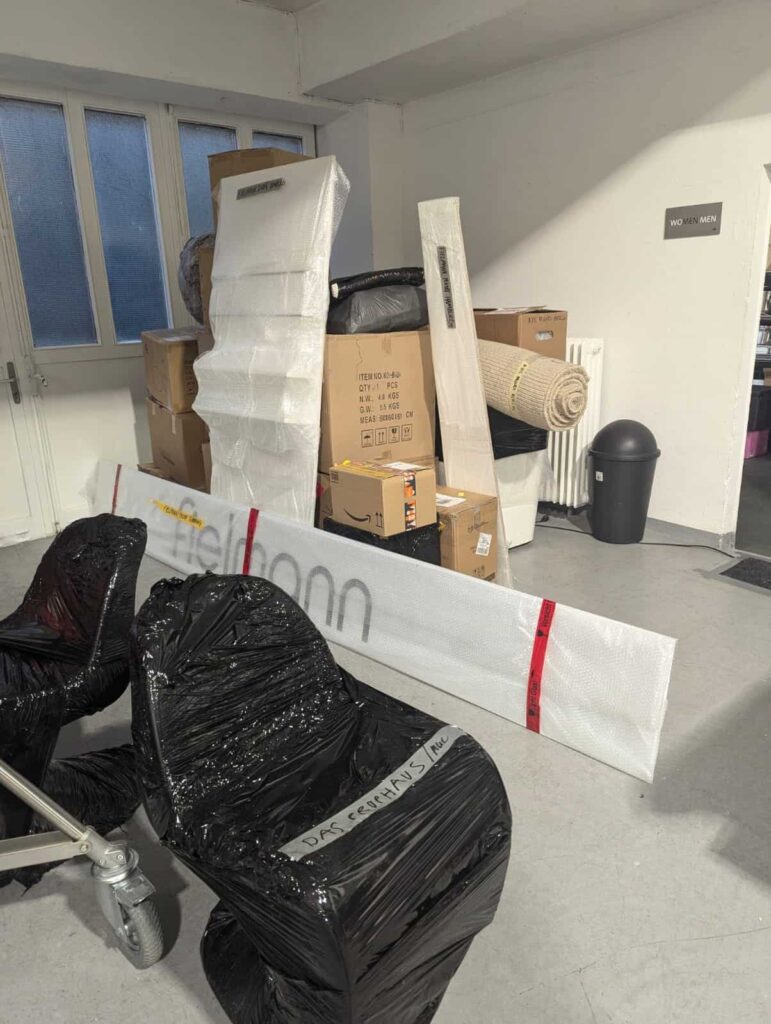
Service options from Milan to Liechtenstein
Choose the service that matches your timing, volume, and budget.
| Service type | Best for | Transit window | What you get |
|---|---|---|---|
| Dedicated Van | Whole flat/house, urgent office moves | ~24–48h | Direct route, fixed pickup & delivery slots, minimal handling |
| Express Dedicated | Time‑critical deliveries | ~12–36h | Priority scheduling, two drivers (where applicable), overnight runs |
| Shared‑Load / Groupage | Partial loads, budget‑savvy moves | ~2–6 days | Cost‑effective, flexible dates, consolidated loads |
| Packing & Unpacking | Fragile/valuable items | Add 2–6 hours (size‑dependent) | Pro materials, room‑by‑room system, debris removal |
| Storage (short/long‑term) | Gap between keys | On request | Secure warehousing, timed redelivery to Liechtenstein |
Typical capacity & crew
| Service | Approx. capacity (m³) | Typical crew | Handling notes |
|---|---|---|---|
| Dedicated Van | 18–40 | 2–3 | Direct loading; ideal for access‑sensitive addresses |
| Express Dedicated | 10–30 | 2 (sometimes 2 alternating drivers) | Priority routing; reduced dwell times |
| Shared‑Load / Groupage | 2–18 | 2 | Consolidated with other shipments; flexible dates lower costs |
How to choose fast (decision paths)
- Tight deadline or keys‑handover window? Pick Express Dedicated.
- Full apartment/house, set dates, minimal handling? Dedicated Van.
- Smaller cargo and flexible on dates? Shared‑Load/Groupage saves money and CO₂.
- Lots of fragile/high‑value items? Add Pro Packing and consider custom crating.
- Narrow street or no truck access? Add a shuttle van for last‑mile.
Popular add‑ons
| Add‑on | When to use | What it includes |
|---|---|---|
| Fragile‑only pack | You self‑pack most items | Glass/China/electronics packing, labels, materials |
| Full packing | Busy schedules or premium protection | All materials, room‑by‑room packing, inventory |
| Furniture assembly | Beds/wardrobes, office desks | Dismantle/re‑assemble, hardware bags, alignment |
| Debris removal | After unpacking | Same‑day collection of used materials |
| Shuttle van | Tight streets/low bridges | Small vehicle transfer from main van |
| External hoist/lift | Upper floors/no elevator | Window/ balcony lifts where permitted |
Not sure which fits your needs? Start here: Removals to Liechtenstein.
Budgeting your move (size & cost drivers)
While every move is unique, these factors most influence price:
- Volume (m³) & weight: More items = larger van or multiple trips.
- Access complexity: Stairs, lifts, restricted streets, long carries.
- Flexibility: Shared loads save money if your dates are flexible.
- Packing scope: Self‑pack vs. professional full pack.
- Insurance level: Basic coverage vs. full‑value protection.
Quick self‑estimator
- List big items (beds/sofas/wardrobes/tables) and note which will be dismantled.
- Count boxes you expect; as a rough guide, 10–12 medium boxes ≈ 1 m³.
- Add +10–15% buffer for last‑minute items and packing materials.
- Map your total volume to the table below and choose a service option.
Access impact (plan for these early)
| Access factor | Impact on time/cost | Mitigation |
|---|---|---|
| No elevator / narrow stairs | Slower carries, more crew time | Reserve elevator windows; dismantle large furniture |
| Long carry (> 30–40 m) | Extra handling time | Request closer parking bay; use trolleys/ramps |
| ZTL / restricted hours | Fixed loading windows | Pre‑book permits or early morning slots |
| Tight streets / low bridges | Main van cannot access | Plan shuttle van or smaller vehicle |
| Winter conditions | Reduced speeds, chains | Flexible scheduling; protective packing |
Common extras that influence quotes
- Parking permits or reserved bays in Milan.
- Waiting time due to key handovers or building rules.
- Shuttle van for last‑mile in Alpine towns.
- Out‑of‑hours/Weekend collections or deliveries.
- Customs attendance/admin for special items/vehicles.
Savings tips without sacrificing safety
- Be flexible on dates → opt for shared‑load to reduce cost.
- Declutter and sell/donate before packing; volume drops fast.
- Self‑pack non‑fragiles; let pros handle kitchens/art/electronics.
- Reserve parking early to avoid long carries.
- Consolidate deliveries if moving office + home to nearby addresses.
- Provide photos/videos of access to avoid surprises.
Illustrative volume guide (to help you scope your quote):
| Home size | Typical volume |
|---|---|
| Studio | 6–10 m³ |
| 1‑bed apartment | 10–18 m³ |
| 2‑bed apartment | 18–28 m³ |
| 3‑bed home | 28–40 m³ |
Box count rough guide (approximate)
| Volume (m³) | Medium boxes (avg.) |
|---|---|
| 6 | 60–70 |
| 12 | 120–140 |
| 20 | 200–230 |
| 30 | 300–350 |
Request an accurate, fixed quote after a quick video survey or inventory checklist.
Packing that survives mountain roads
Alpine roads are smooth but never vibration‑free; temperature and altitude shifts can add stress to materials and adhesives. Use this section as a practical, room‑by‑room blueprint to keep your belongings safe from Milan to Liechtenstein.
Core techniques
- Double‑walled cartons labeled by room and content; cap each box at ~20 kg / 44 lb to protect seams and backs.
- Wrap fragile items (glass, ceramics, electronics) with bubble and paper; fill voids so contents cannot rattle.
- Disassemble large furniture; bag/label screws and fittings; tape the bag to the underside or place in a “hardware” box.
- TV/monitor protection using original boxes when available; otherwise hard corners + foam and an upright position.
- Wardrobe boxes keep clothes crease‑free and speed up delivery day.
- Weight balance: mix heavy and light items; keep heaviest boxes on the van floor, lightest on top.
Room‑by‑room checklist
Kitchen: Pack plates vertically like records; double‑wrap glasses; separate knives in blade guards; liquids sealed in zip bags.
Living room: Remove TV stands; coil and label cables in zip bags; pad frames/art with corner protectors and glassine.
Bedroom: Use mattress bags; keep bedding in large light boxes; dismantle wardrobes; tape runners and handles.
Bathroom & laundry: Tape lids, drain appliances, and bag small parts; avoid packing open liquids.
Garage/balcony: Clean garden tools; remove fuel from mowers or machines (cannot travel with flammables).
Labeling & inventory that speeds delivery
Adopt a simple schema like LI‑ROOM‑BOX### and add priority stars (★) for first‑open boxes. Consider a photo inventory or QR code that links to a shared list. Mark FRAGILE and THIS SIDE UP clearly on two adjacent faces.
Weatherproofing & altitude care
- Use stretch wrap and moving blankets on furniture; avoid trapping moisture on freshly varnished surfaces.
- In winter, let electronics acclimatise after delivery before powering on (reduce condensation risk).
- Add silica gel/desiccant packs to boxes with cameras, lenses, or delicate electronics.
Materials starter kit (per ~10 m³)
| Item | Recommended qty | Note |
|---|---|---|
| Double‑walled boxes (M) | 80–120 | Mix sizes; avoid overfilling |
| Tape rolls | 6–10 | Cross‑tape bottoms; reinforce corners |
| Bubble wrap (50 cm) | 30–50 m | Add paper to stop sliding |
| Packing paper | 10–15 kg | Plate/glass wrapping; void fill |
| Edge protectors | 20–30 pcs | For tables, frames, mirrors |
| Moving blankets | 10–20 | For furniture & appliances |
| Stretch wrap | 1–2 rolls | Bundle drawers/doors |
Load order & essential box
Pack an Essentials Box (kettle, mugs, basic cookware, bedding, chargers, toiletries, meds). Load it last‑on, first‑off with a ★ label. Keep remotes, keys, and sensitive documents with you, not in the van.
What not to pack
Aerosols, fuel, paint/solvents, pressurised cylinders, perishable foods in bulk, and valuables (jewellery, passports, cash). Ask for guidance if you’re unsure—rules protect your shipment and our crews.
Pro move: Stage boxes near the door and reserve a legal parking bay in Milan the day before collection. Share access photos/videos with the crew 24–48 h before pickup to validate trolley routes and door widths.
Building access & parking
Both Milan’s urban fabric and Liechtenstein’s compact towns reward good access planning. A short prep call and a few measurements can shave hours off loading/unloading and prevent surprises.
Milan loading: ZTL, permits & timing
Milan operates restricted traffic zones (ZTL) and regulated loading windows. Because rules and hours change, confirm the latest guidance with the municipality or building management before move day.
- ZTL/permit check: Identify your address’s zone and whether a temporary access permit or building authorisation is needed.
- Reserve curb space: Where allowed, request a temporary loading bay or place building‑approved signage/cones; coordinate with the portineria/administration.
- Best times: Early morning slots reduce traffic and simplify access in central districts.
- Protect common areas: Lay floor runners and corner guards; some buildings may ask for a Certificate of Insurance (COI) from the mover.
Measurements to collect (send to us with photos)
| Path segment | What to measure | Target |
|---|---|---|
| Street width / archway | Narrowest point to 1 cm | Decide if shuttle van is required |
| Entrance door & hallway | Clear width/height; tight corners | Plan turn angles & protection |
| Elevator | Door width, cabin size, max load | Will furniture fit or go by stairs? |
| Stairwell | Tread depth, riser height, landings | Large items manoeuvrability |
| Carry distance | Van → door in metres | Crew/time planning |
Liechtenstein delivery: last‑mile realities
Villages and hillside streets can be narrow with limited turning circles. We may stage the main van in a nearby bay and run a shuttle van for the last 300–800 m.
- Street width & turning space: Confirm with quick video/photos; note tight bends near Vaduz, Schaan, Triesenberg.
- Quiet hours & neighbours: Some buildings have Hausverwaltung rules—avoid early/late noise.
- Winter plan: If snow is forecast, consider flexible delivery windows; ensure driveways are cleared and sanded.
When to add a shuttle van (rule‑of‑thumb)
- Street width < 2.3 m, low bridge/arch < 3.0 m, or no turning circle at destination.
- Prolonged long carry (> 40–50 m) from legal parking to door.
- Steep gradients or cobbles where trolleys struggle.
Pro move: Share a Google pin for the best staging bay and a quick sketch of the path to your door. We’ll bring ramps and the right trolleys to suit surfaces.
Insurance & special care
Protecting high‑value and fragile items is about the right cover, the right packing, and a clear paper trail.
Coverage options (overview):
| Cover level | What it usually protects | Valuation basis | Good for |
|---|---|---|---|
| Basic liability (included) | Loss/damage directly caused by the carrier within terms | Limited per‑kg/item caps | Low‑risk, non‑fragile shipments |
| Full‑Value Protection (FVP) | Repair, replace, or cash‑settle up to your declared total value | Declared value for the whole shipment | Homes with mixed contents, peace of mind |
| Item‑specific add‑on | Scheduled items at agreed values (art, instruments, antiques) | Agreed value per item | High‑value or rare pieces |
Note: Policy terms/exclusions vary. Read certificates and ask for coverage certificates naming your address/building if a COI is required.
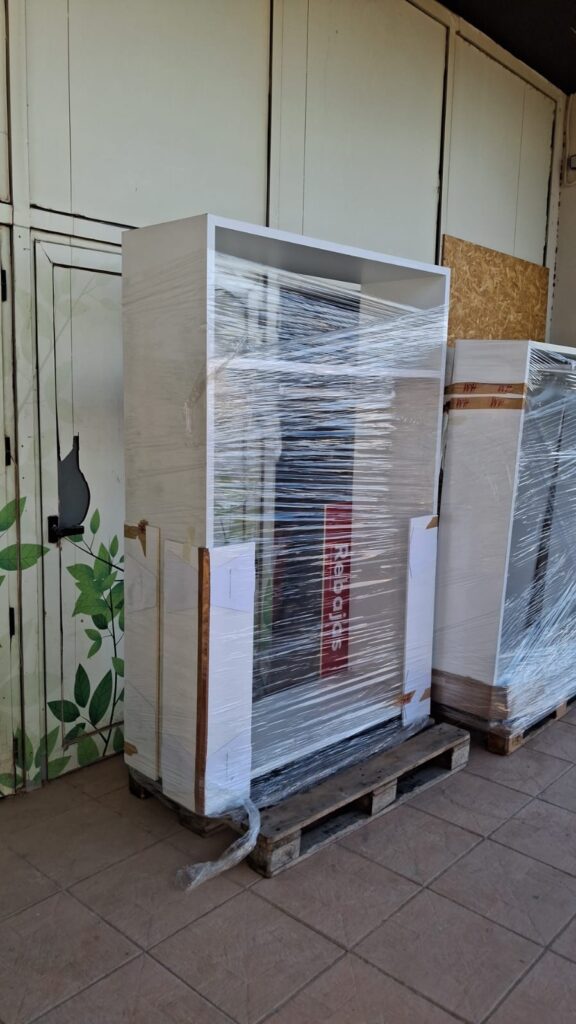
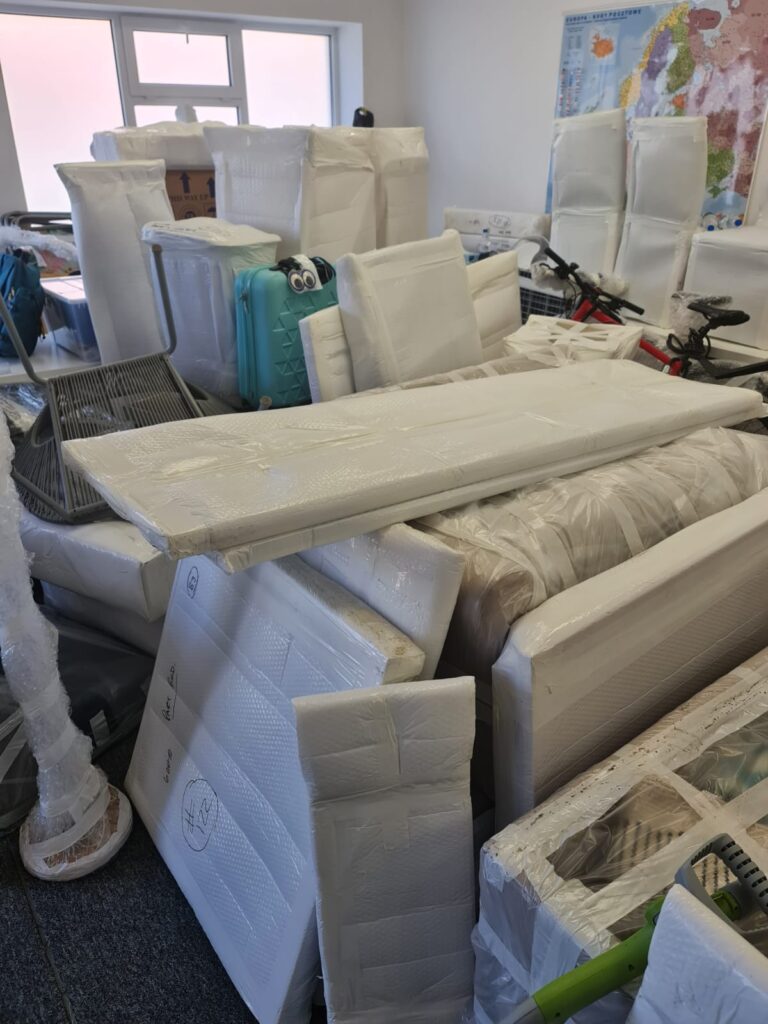
When to upgrade coverage:
If you’re moving artwork, fine instruments, designer furniture, collectibles, or pro‑audio/IT, choose FVP and schedule any single item over your policy’s per‑item cap.
Documentation to keep handy:
- Photos of items before packing and on delivery (condition report)
- Purchase receipts or valuation letters for art/antiques/instruments
- Serial numbers for electronics and bikes/e‑bikes
- Packing inventory noting crate/box numbers for special items
Packing methods & crating standards:
- Custom wooden crates with foam suspension for art, glass, and marble
- Double‑box method for electronics; anti‑static wraps for PCs/servers
- Piano moves: skid boards, stair climbers, keyboard locks, felt wraps
- Climate considerations: keep art/electronics away from prolonged cold; allow acclimatisation before power‑on
Chain‑of‑custody & sealing:
We can apply tamper seals to crates/IT boxes and maintain a signed chain‑of‑custody form at load and delivery.
If a claim is needed:
Report within the policy window (often 7–14 days). Provide photos, inventory references, and receipts. We’ll supply the packing notes and crew statements to speed resolution.
For bespoke protection, ask about fine‑art rider coverage and on‑site crating options before collection.
Week‑by‑week moving timeline
Use this as a blueprint and adapt based on your dates. Add buffers in winter or during peak holiday periods.
- 6–8 weeks out:
- Compare Dedicated vs. Shared‑Load; request a video survey for volume (m³)
- Gather ID, lease/contract, job letter or registration appointment
- Start decluttering; list items to sell/donate/recycle
- Notify landlord/HOA; check Milan ZTL and building rules for loading
- Identify high‑value items needing crating or extra cover; collect receipts/photos
- If bringing a vehicle or pets, review import requirements and appointments
- 4 weeks out:
- Confirm dates; reserve Milan loading bay/permits; inform portineria
- Order packing materials; begin with non‑essentials and seasonal items
- Create a room‑by‑room inventory with box numbers; set ★ for first‑open boxes
- Share access photos/video (Milan & destination) to validate van size/shuttle needs
- Book elevator slots at both ends if required
- Start address updates (bank, insurance, subscriptions); plan utilities handover
- 2 weeks out:
- Finalise inventory; separate documents, jewellery, meds, electronics to travel with you
- Pack kitchen fragiles and artwork using pro materials or schedule pro‑packing
- Confirm customs paperwork (EU export + Swiss/Liechtenstein import relief)
- Prepare vehicle documents if importing; back up computers
- Decide disposal of bulky waste; book debris collection if needed
- 1 week out:
- Pack majority of clothing/books; dismantle large furniture (label hardware)
- Prepare Essentials Box (kettle, bedding, toiletries, chargers)
- Re‑confirm parking/reservations and crew ETA; share building entry codes
- Photograph high‑value items pre‑pack; save to a shared folder
- 72–48 hours out:
- Defrost fridge/freezer; drain washing machine; secure loose shelves
- Set aside passports, keys, permits in a travel folder
- Mark no‑load items clearly (stay‑behind)
- 24 hours out:
- Finish packing bathrooms/kitchen essentials; stage boxes near exit
- Reserve elevator (if applicable) and protect common areas (runners/corners)
- Confirm customs appointment time if applicable
- Move day:
- Walkthrough with crew; align on inventory count and room plan
- Meter readings; photos of property condition if renting
- Keep travel folder and valuables with you, not in the van
- Delivery day:
- Guide room placement; assemble priority furniture; check off inventory
- Note any exceptions on the delivery note; schedule debris removal if needed
- +24–72 hours:
- Power on electronics after acclimatisation; test appliances
- Register residence locally; confirm insurance; book school/healthcare as needed
- File any insurance reports within policy windows
Where we deliver in Liechtenstein
We cover every municipality and village in Liechtenstein. Below are the most common destinations with quick access notes to help you plan last‑mile delivery.
| Municipality | Typical access notes | Good to know |
|---|---|---|
| Vaduz (capital) | Central streets; limited old‑town loading bays | Best via Sevelen–Vaduz bridge; reserve parking early |
| Schaan | Mix of residential & industrial zones; good road widths | Use Buchs–Schaan bridge; convenient for offices/warehouses |
| Triesen | Residential; some narrow streets | Shuttle van sometimes recommended for hillside sections |
| Balzers | Southern valley; easy access from A13 | Cross via Trübbach–Balzers bridge; ideal for quick turnarounds |
| Triesenberg | Steep gradients; hairpins | High likelihood of shuttle van/external lift |
| Eschen/Mauren | Northern valley; residential streets | Plan curbside space; check HOA quiet hours |
| Ruggell | Flat, industrial zones | Ample truck access; straightforward scheduling |
| Gamprin/Bendern | Valley floor; residential clusters | Coordinate exact entrance/parking photos |
| Schellenberg | Hillside approaches | Smaller vehicle advised; confirm turning circle |
| Planken | Narrow/steep access | Shuttle van and extra crew time likely |
Swiss staging points we often use: Buchs, Sevelen, Sargans, Trübbach (for efficient border formalities and last‑mile planning).
If your destination isn’t listed, ask—if a road reaches it, so can we.
Frequently asked questions (FAQs)
How long does a Milan to Liechtenstein move take?
Most dedicated van moves complete within 24–48 hours, depending on access and scheduling. Shared loads usually take 2–6 days.
Are there customs when moving household goods?
Yes. You’re exporting from the EU and importing into the Swiss/Liechtenstein customs area. With correct documents (ID, inventory, proof of residence), household goods are commonly cleared with relief.
Can you move partial loads?
Absolutely. Shared‑load (groupage) services are ideal for 2–12 m³ and flexible dates.
Do you offer packing?
Yes—full or partial packing, plus specialty crating for fragile items.
What about parking in Milan and delivery access in Liechtenstein?
We can help with guidance on reserving a loading bay in Milan and planning last‑mile access in Alpine towns.
Is storage available?
Short‑ and long‑term storage can be added if there’s a gap between keys.
Which documents are mandatory for customs relief?
Passport/ID, itemised inventory, and proof of residence (lease/registration/contract). For high‑value items add receipts/valuations. See the Customs & documents section above for the full checklist.
Do I need to attend customs in person?
Not necessarily. We can attend with your power of attorney and present your paperwork. Some cases may still require your availability by phone.
Do I need a Swiss vignette or to pay extra road fees?
No action needed on your side—our vehicles are compliant and any road charges are included in your quote unless otherwise specified.
Weekend or evening deliveries—are they possible?
Often yes, subject to building rules and local quiet‑hour regulations. Tell us your preferred slot when requesting a quote.
What if my street is too narrow for a large van?
We stage nearby and use a shuttle van or an external hoist. This is common in Triesenberg, Planken, and older parts of Vaduz.
Can you handle special items like pianos, artwork, or IT equipment?
Yes. We provide specialist crews, custom crating, and enhanced insurance. Flag these items in your inventory for accurate planning.
What shipment sizes do you handle?
From 2–40 m³ as standard (studios to 3–4 bed homes). Larger or multi‑van moves available on request.
How far in advance should I book?
Express options run 24–72 hours ahead of pickup; standard bookings work well at 5–10 days. Book earlier for winter/holiday peaks.
Will you provide a Certificate of Insurance (COI) for my building?
Yes—available on request. Tell us the building’s wording requirements in advance.
What payment options are available?
We issue a secure online invoice; a booking deposit may apply. Details are confirmed with your quote.
Can you transport pets?
We don’t place live animals inside removal vehicles. Pets travel with you; we’ll advise on entry paperwork and scheduling considerations.
What can’t go on the truck?
Hazardous materials (fuel, paint/solvents, aerosols), perishables in bulk, and valuables like cash/jewellery/passports. See What not to pack above.
What if there’s damage?
Notify us within your policy’s reporting window (usually 7–14 days), attach photos and inventory references—our team will guide the claim.
Ready for a fast, fixed quote?
Start your move today: Removals to Liechtenstein.
For the most accurate price, include:
- Pickup & delivery addresses (floors, elevator, stair count)
- Photos/video of parking & entrances at both ends
- Estimated volume (m³) or a rough box count + big items list
- Preferred dates + any flexibility (helps unlock shared‑load pricing)
- Special items (art, piano, IT), assembly needs, or debris removal
- Whether you need packing, storage, or customs attendance
We’ll confirm availability and provide a guaranteed, all‑in price tailored to your route and access.