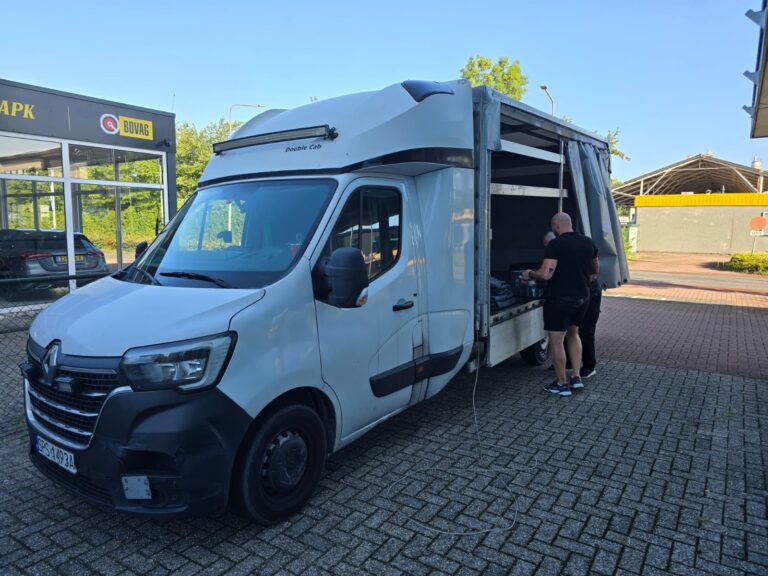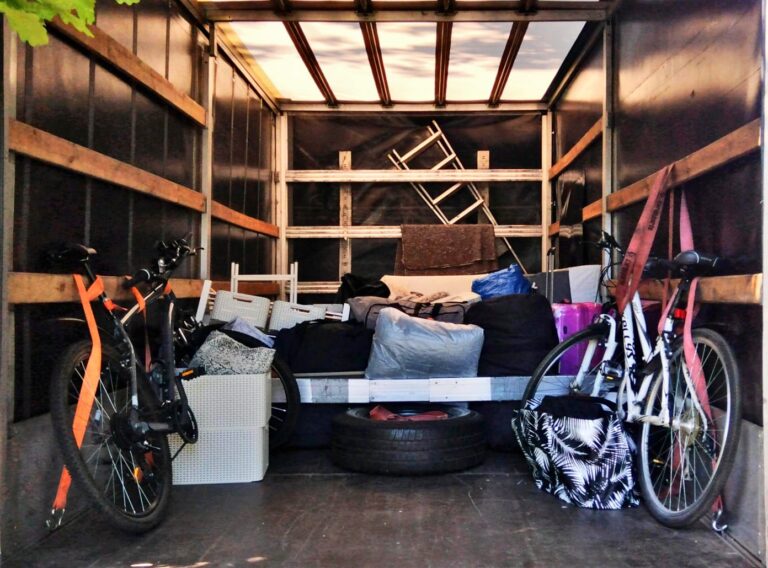

Moving to Sweden from Ireland is straightforward when you combine smart planning with a right‑sized vehicle and a weather‑proof route. As an EU→EU relocation, there’s less red tape; however, timing, ferry/bridge choices, and building access still determine how smooth (and affordable) the journey feels. This guide turns the topic into a high‑converting article with short sentences, clear transitions, checklists, and practical tables that readers can act on immediately.
With VANonsite you also gain conversion‑driving differentiators: live GPS tracking on every shipment, proactive ETA updates, trained crews, and flexible van sizes (5–90 m³). When needed, add specialist help – Last Minute Moving, Furniture Removals, Home Removals, Packing Service, White Glove Delivery, Office Removals, Storage, Student Removals – so fragile items, tight stairwells, and VIP timelines are handled safely.
Removals to Sweden • How to Relocate to Sweden • Moving to Ireland from Sweden • Moving to Sweden from Germany
TL;DR
- Plan 8–10 weeks ahead: room‑by‑room inventory, ferry/bridge window, permits and lift slots at both ends.
- EU→EU focus after arrival: folkbokföring → personnummer → ID‑kort/BankID; book appointments early in major cities.
- No fixed prices here: costs vary by volume, route, access, season, service level – use live bands on Removals to Sweden and request a tailored quote.
- Right‑size your van – 5, 10, 15, 30, or 90 m³ – via photo/video survey; every load has GPS‑tracked ETAs.
- Choose your corridor: France↔Ireland ferries + Øresund bridges (more rest, fewer road miles) or UK landbridge (more daily sailings, tight timing control).
- Pack smart or book Packing Service; premium/fragile items → White Glove Delivery; remember ADR rules (no paints, fuels, gas cylinders).
- First 72 hours in Sweden: utilities/internet, folkbokföring steps, GP/schools, waste collection, and Open‑First boxes for immediate comfort.
Why Sweden? Pros & cons at a glance
Sweden combines safe cities, modern infrastructure, and close‑at‑hand nature. Digital public services (BankID) and English fluency help newcomers settle quickly. However, housing competition in big hubs and long, dark winters require planning. Use the snapshot below to check fit before you lock dates and van size.
Pros
- High quality of life; English widely spoken; digital‑first admin & banking.
- Reliable roads/transport; family‑friendly policies and green spaces.
- Clean, well‑planned cities; fast fibre internet; strong cycling culture.
- Stable economy; diverse job market in tech, engineering, life sciences.
- Strong safety record; organised recycling and community amenities.
Cons (plan around them)
- Housing competition in Stockholm/Gothenburg/Malmö → start early, consider suburbs.
- Long winters and limited daylight → winter‑ready packing, delivery slots in daylight, cosy home setup.
- Costs can be higher than many Irish regions → realistic budgeting and route/ferry choices.
- Some local notices in Swedish → set up translation support and learn key terms.
- Strict recycling rules → get bins/labels and collection info on Day 1.
City snapshots (pick your fit)
| City/Region | Vibe & strengths | Housing competition | Good for |
|---|---|---|---|
| Stockholm | Capital, tech/finance, culture | High | Careers, urban life |
| Gothenburg | Ports, R&D, coast | Medium‑High | Families, engineering |
| Malmö/Skåne | Creative, close to Copenhagen | Medium | Cross‑border workers |
| Uppsala/Lund | University hubs | Medium | Students, researchers |
| North/Småland | Nature, space, lower prices | Low‑Medium | Remote work, outdoors |
Cost & setup snapshot (qualitative)
| Topic | Sweden vs Ireland | Planning tip |
|---|---|---|
| Housing demand | Higher in big hubs | Start early; consider nearby towns |
| Everyday costs | Similar–Higher | Budget buffers; shop smart |
| Daylight (winter) | Shorter | Daylight delivery window, cosy kit |
| Admin & services | Digital‑first | Secure BankID early |
Fit questions to ask
- Do you prefer a dynamic capital or a calmer coastal city?
- Can you start housing searches 8–10 weeks out?
- Are winter routines (lighting, clothing, tyres) acceptable for your family?
Support link: How to Relocate to Sweden.

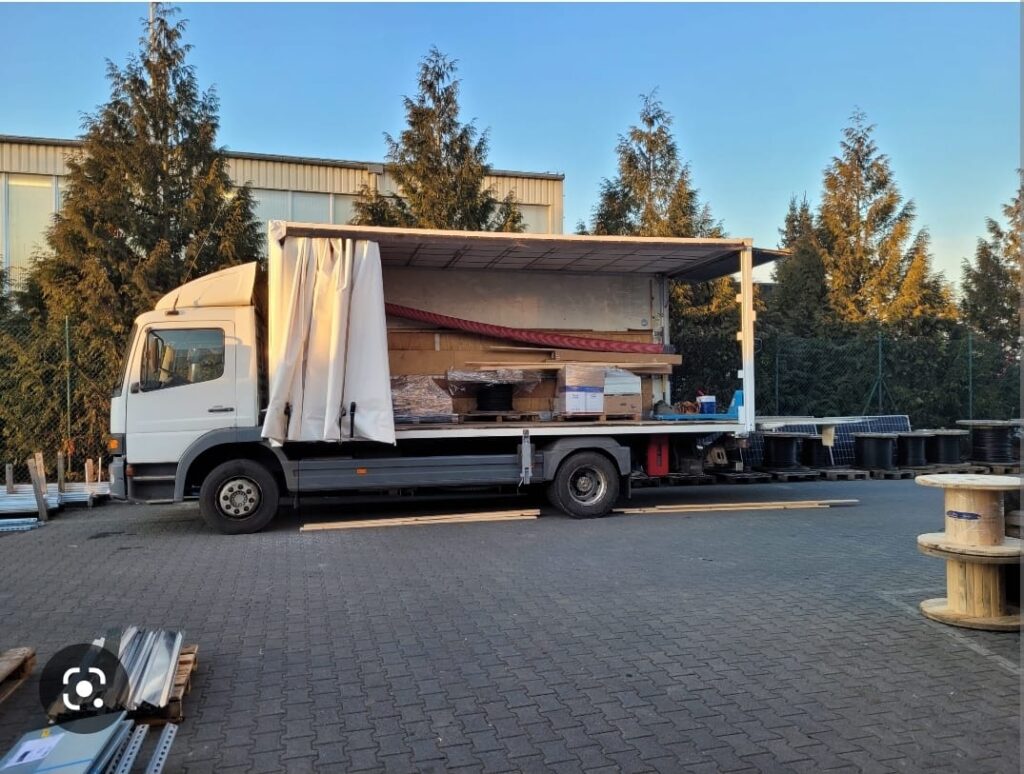
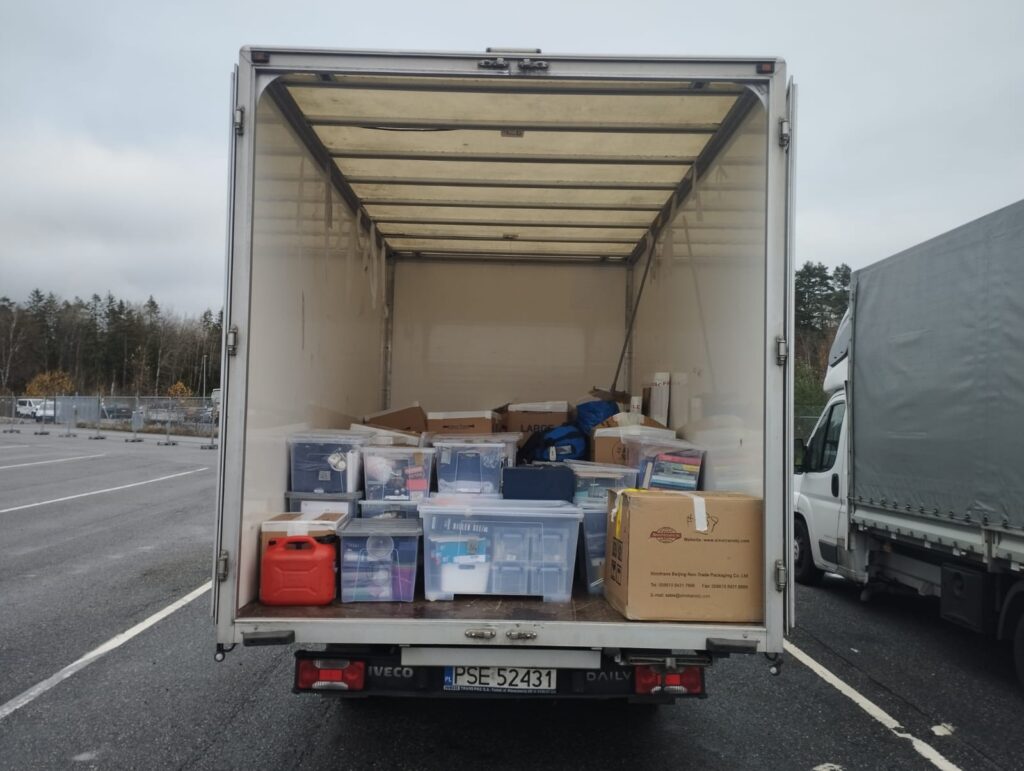
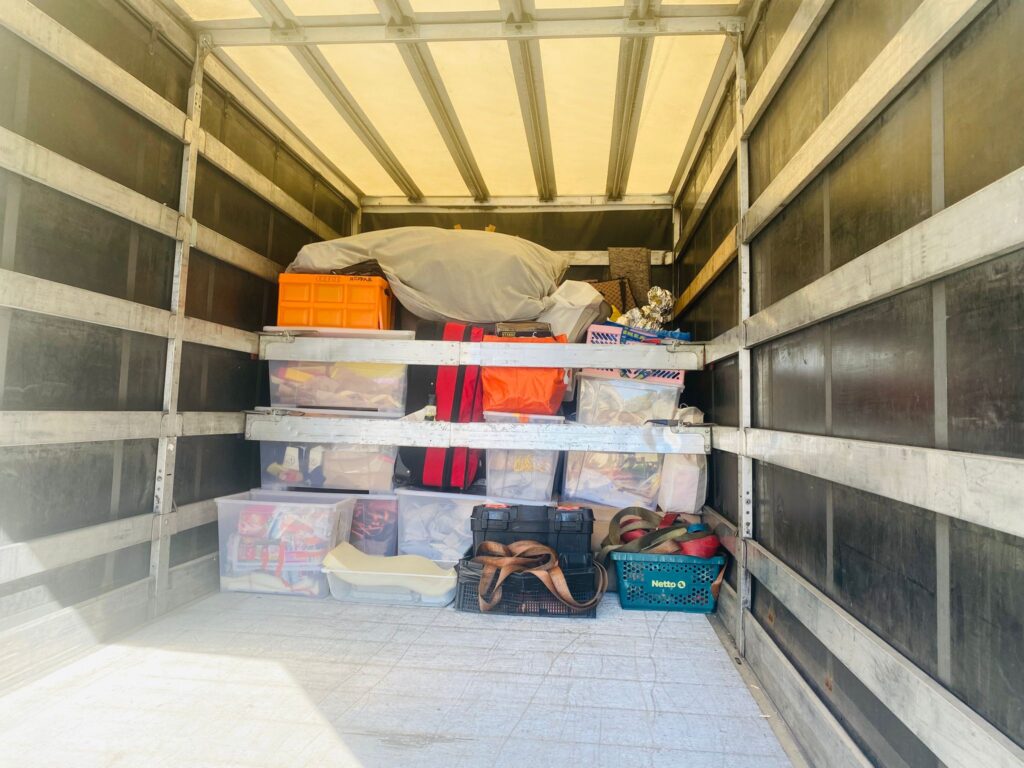
Step‑by‑step plan & timeline (Ireland → Sweden)
A clear sequence reduces cost and stress. Share photos/video of each room early; lock in access on both ends. Use the deliverables table to keep everyone aligned.
8–10 weeks (scope & shortlist)
- Fix your move window and budget; shortlist Swedish areas by commute/schools.
- Build a room‑by‑room inventory; measure bulky items (sofas, wardrobes, appliances).
- Request a quote; choose DIY pack or Packing Service.
- Flag specials (piano, art, IT) for White Glove planning.
- Start housing hunt and collect access constraints (lifts, bays, narrow streets).
6–8 weeks (route & permits)
- Pick route preference: France↔Ireland ferry + Øresund or UK landbridge; we’ll propose both with ETAs.
- Gather documents for Swedish registrations; confirm pet travel (cabins/kennels).
- Pre‑book permits/elevators/parking bays in Ireland and Sweden.
- Decide insurance level and your target collection slot + ETA.
- Share video walkthrough of each room for accurate m³ mapping.
4 weeks (declutter & materials)
- Declutter (−10–20% volume); sell/donate bulky items to right‑size m³.
- Order materials or confirm pro‑pack date.
- Share lift dimensions, long‑carry distances, gate codes, height limits.
- Confirm ferry/bridge timing windows and backup plan for weather.
1–2 weeks (labelling & final checks)
- Label by Room + Category + Number + Priority (1–3); prep Open‑First boxes.
- Separate a Do‑Not‑Ship pouch (passports, keys, meds, chargers, contracts).
- Final access check (both ends); print colour‑coded floor plans.
- Photograph valuable items and meter readings (origin).
Move week (handover & tracking)
- Protect floors/doors; walkthrough with crew lead; confirm load order.
- Switch on GPS alerts and share the link with decision‑makers.
- Track ferries/bridges; we re‑route if weather shifts.
- Photograph delicate items pre‑load for your records.
Arrival (Day 1 – fast comfort)
- Room‑by‑room placement via labels/colours; avoid hallway staging.
- Assemble beds, connect essentials; remove packaging.
- Start the admin sprint (folkbokföring, ID, BankID, utilities).
- Photograph meter readings (destination) and sign off inventory.
Owner split (who does what)
| Task | You | VANonsite |
|---|---|---|
| Inventory & photos | ✅ | ▫️ |
| Van sizing & route plan | ▫️ | ✅ |
| Packing (DIY or pro) | ✅/▫️ | ✅/▫️ |
| Permits/parking | ✅ | ✅ (guidance) |
| Load/unload & protection | ▫️ | ✅ |
| GPS ETA updates | ▫️ | ✅ |
| Special item crating | ▫️ | ✅ (White Glove) |
| Storage bridging (if needed) | ▫️ | ✅ (arranged) |
| Insurance & documentation | ✅ | ✅ (advice) |
Deliverables timeline (keep on track)
| Week window | You deliver | We deliver |
|---|---|---|
| 8–10 | Inventory, photos, route preference | Provisional plan + van size options |
| 6–8 | Access notes, permits in progress | Dual‑route quote + ETA ranges |
| 4 | Decluttered list, pro‑pack date | Materials list / pack date confirm |
| 1–2 | Labels, Open‑First, Do‑Not‑Ship | Final schedule + GPS link setup |
| Move week | Handover, sign inventory | Protection, load, live ETAs |
| Day 1 | Meter photos, sign‑off | Placement, packaging removal |
Get your scheduled collection window and fixed ETA once the inventory and access notes are in.
Documents & registrations (EU focus)
Ireland and Sweden are in the EU. For EU/EEA/Swiss citizens, there’s no visa for work/residence; the focus is arrival registrations.
Before you leave Ireland
- Deregistration & post: set up mail forwarding where relevant.
- Civil docs: passports/IDs, birth/marriage certificates, any translations/apostilles.
- Employment & housing: work contract/offer; Swedish lease/host letter.
- Health: EHIC, insurance certificate, vaccination cards.
- Kids & schools: reports, transfer letters, immunisation records.
- Driving & car: registration, CoC, service history, spare keys.
- Pets: EU Pet Passport, microchip, rabies vaccination; ferry rules.
First steps in Sweden (folkbokföring → personnummer)
- Where: local Skatteverket.
- Bring: ID, proof of address, purpose (work/study), family docs.
- Process: register population (folkbokföring) → receive personnummer → apply ID‑kort → set up BankID.
- Tips: book early in big cities; ensure names/addresses match.
Banking, healthcare & everyday setup
- Open a bank account after ID steps; then enable BankID.
- Choose a local GP (Vårdcentral); keep EHIC for the interim.
- Utilities & internet: sign contracts; photograph meter readings.
Driving & vehicles (optional)
- EU licences valid; consider exchange later if desired.
- Car import: register/inspect; plan winter tyres for season.
- City parking often app‑based – set up day one.
Fast arrival checklist
| Task | Why it matters | Who |
|---|---|---|
| Folkbokföring → personnummer | Unlocks ID‑kort, banking, healthcare | You |
| ID‑kort & BankID | Access to banks & e‑services | You |
| Bank account | Salary, rent, utilities | You |
| GP registration | Everyday healthcare access | You |
| Utilities & internet | Comfort & work readiness | You |
| School enrolment | Avoid waiting lists | You |
| Parking/permits | Smooth move‑in & deliveries | You + VANonsite |
Why choose VANonsite (proof points)
- Live GPS tracking with proactive ETA updates.
- Right‑size vans (5–90 m³) – pay for capacity you need.
- Trained crews with pro protection (blankets, corner guards, crates).
- Specialist services: Last Minute, Packing Service, White Glove Delivery, Office Removals, Storage, Student Removals.
- Route intelligence (ferries vs landbridge + Øresund) and winter playbook.
- Transparent scoping: video survey, clear inventory, and live capacity bands (see Removals to Sweden).
Outcome‑focused table
| Your concern | Our solution | What it means |
|---|---|---|
| On‑time arrival | GPS‑driven routing, ferry/bridge contingencies | Predictable ETAs |
| Item safety | Pro materials; White Glove for premium | Lower risk, clean install |
| Paying for empty space | 5–90 m³ fleet | Fair, right‑sized pricing |
| Complex access | Permits, lift slots, shuttle plans | Fewer delays |
| Last‑minute change | Flexible scheduling + Storage | Stress‑free buffers |
Start your Ireland→Sweden plan – get your quote and timeline.
What you can and can’t bring (quick compliance)
EU household moves are simple, but safety rules still apply. A clean, documented shipment travels faster.
Household goods (OK)
Clothes, books, furniture, most electronics. Numbered inventory and photos of high‑value items help.
Food, plants & natural materials
Prefer sealed, shelf‑stable foods. Plants/seeds/soil can be restricted – avoid unless verified.
Medicines & medical devices
Carry daily/critical meds with you; keep prescriptions and original packaging.
Dangerous goods (ADR) – do not pack
| Item / Substance | Status | Safer Alternative |
|---|---|---|
| Paints/solvents/thinners | ❌ | Buy in Sweden; clean & dry tools |
| Aerosols (bulk) | ⚠️/❌ | Limit personal items only |
| Gas cylinders/fuels | ❌ | Return cylinders; ship engines dry |
| Strong chemicals | ❌ | Dispose safely pre‑move |
| Fireworks/weapons | ❌ | Not permitted |
| Lithium batteries (large) | ⚠️ | Remove/declare; some travel separately |
Quick OK vs restricted table
| Category | OK? | Notes |
|---|---|---|
| Clothes, books, furniture | ✅ | Include on inventory |
| Electronics | ✅ | Note serials; protect screens |
| Food/perishables | ⚠️/❌ | Prefer sealed, shelf‑stable only |
| Plants/seeds/soil | ⚠️/❌ | Verify rules; best avoided |
| Alcohol/tobacco | ⚠️ | Personal use only; avoid groupage |
Add Packing Service for fragile items and White Glove Delivery for placement/assembly in Sweden.
How much does it cost to move to Sweden?
Costs vary by volume/weight, route, access, season, and service level. We do not publish fixed prices here. Instead, use the live bands on Removals to Sweden and request a tailored quote.
Cost drivers (summary table)
| Factor | Influence | How to control it |
|---|---|---|
| Volume/weight | Van size, crew time | Declutter 10–20%; right‑size by video survey |
| Access | Carries, stairs, parking | Reserve bays/lifts; share distances & codes |
| Route | Ferries/tolls vs road miles | Flexible on sailing/bridge timings |
| Season & dates | Availability buffers | Mid‑week moves; off‑peak windows |
| Service level | Packing/White Glove time | DIY non‑fragiles; pro‑pack fragile/premium |
Example scenarios (no prices)
| Scenario | Volume | Service | Route | Access | Typical timeline |
|---|---|---|---|---|---|
| Student kit Dublin → Malmö | 5–7 m³ | DIY pack | France ferry + Øresund | 3rd‑floor walk‑up | 3–4 days door‑to‑door |
| Family apartment Cork → Stockholm | 25–35 m³ | Packing + White Glove | Landbridge or France ferry | Lift + tight bay | 4–6 days incl. overnight |
| Large household Galway → Gothenburg | 60–90 m³ | Packing + White Glove | France ferry + Øresund | Reserved bays, long carry | 5–7 days, staged delivery |
Use these to choose a capacity band in the live table, then request your tailored quote.
Pick the right van size (Ireland → Sweden)
Right‑sizing protects your budget and your goods. All vans are GPS‑tracked.
| Vehicle | Capacity | Max Weight | Best For | Example Load |
|---|---|---|---|---|
| Moving Basic | 5 m³ | 300 kg | Minimal/student | 20–30 boxes + bike |
| Moving Medium | 10 m³ | 600 kg | 1–2 rooms | Boxes + small sofa + desk |
| Moving Premium | 15 m³ | 1,000 kg | 2–3 rooms | Bed + wardrobe + dining set |
| Moving Premium Plus | 30 m³ | 3,500 kg | Family apartment | Multiple rooms + appliances |
| Moving Full House XXL | 90 m³ | 20,000 kg | Whole home/office | Full household + outdoor gear |
Quick estimator
Studio 4–6 m³ • 1‑bed 8–15 m³ • 2‑bed 15–25 m³ • 3‑bed 25–40 m³ • 4‑bed+ 40–70+ m³.
Access constraints → plan
| Constraint | Impact | Tip |
|---|---|---|
| Stairs/no lift | Slower carries | Consider 10–15 m³ + extra crew |
| Narrow streets | Parking/turning limits | Shuttle van; book bays |
| Height limits | Garage/arch access | Share vehicle profile early |
| Long carry (50m+) | Adds time | Trolleys/ramps; add crew |
Routes: France ferries vs UK landbridge → Denmark bridges
Two proven corridors connect Ireland to Sweden. We plan both for safety, rest, and predictable ETAs.
Corridor overview
- France ↔ Ireland ferry + Øresund bridges: Fewer borders; longer sea leg; calmer logistics for families and pets.
- UK landbridge: Shorter sea legs; more sailing options per day; fine‑tuned arrival times.
Route matrix – compare fast
| Corridor | Sea Time | Admin | Predictability | Best When | Notes |
|---|---|---|---|---|---|
| France ferry → Øresund | Longer | Simpler | High | Winter, pets/kids, steady ETAs | Cabin rest; fixed check‑ins |
| UK landbridge → Øresund | Shorter | More steps | High | Tight slots, flexible timing | Watch motorway peaks |
Winter & weather playbook
- Build a buffer window around storms and snow.
- Heavy snow → favour ferry‑led plans to cut road risk.
- High winds → favour bridges to avoid sailing disruption.
- See live GPS ETA updates if plans change mid‑journey.
Family, pets & comfort
- Ferries: book cabins; choose pet‑friendly options.
- Landbridge: plan service‑area breaks; keep Open‑First bag accessible.
Port/bridge checklist
Check‑in windows • Vehicle height/length • Cabin vs seats • Pet rules • Backup sailing/route • Toll payment method.
Packing & protection (DIY or pro)
Great packing cuts claims and speeds unloading. Follow this framework – or let our Packing Service handle it end‑to‑end.
Five‑step system (with timing hints)
- Declutter (−10–20%) – Do this 4–5 weeks out; target books, wardrobes, garage.
- Zone by room/use – Create packing zones and a staging area near the door.
- Protect – Double‑walled boxes, corner/edge guards, blankets, mattress covers.
- Label/index – Room–Category–Number + Priority (1–3) +
FRAGILEtag where needed. - Open‑First – One box per person + one home kit; load last so it comes off first.
Box size guide (what to use & why)
| Box type | Typical size | Max safe weight | Best for | Notes |
|---|---|---|---|---|
| Small | ~35×35×35 cm | 15–18 kg | Books, tools, tins | Dense items → small boxes |
| Medium | ~45×45×45 cm | ~20 kg | Mixed household | Most common; stacks well |
| Large | ~60×40×40 cm | ~15 kg | Bedding, bulky light | Avoid heavy items |
| Wardrobe | Tall w/rail | – | Hanging clothes | Tape base for shoes |
| Crate | Varies | – | Fragile/IT/glass | Reusable, stackable |
Heuristics (estimates only)
Per furnished room: 8–12 medium + 2–4 small; kitchen adds 4–6 small for plates/glass.
Materials bill (per ~10 m³)
- 20–30 medium boxes, 10–15 small, 3–5 large.
- 2 wardrobe boxes per adult.
- 4–6 rolls tape, 1 tape gun, 2 markers.
- 1 pack bubble wrap, 1 pack packing paper, 6–8 furniture blankets.
- TV/monitor crates if applicable; mattress covers.
Fragile & special items playbook
- Glass/ceramics: wrap individually; soft paper bed; fill voids; mark
FRAGILEand P1. - TVs/monitors: keep vertical; use screen‑safe crates; no pressure on panel.
- Frames/art: corner guards; face protection; consider White Glove.
- Appliances: drain hoses; tape doors; bag screws/bolts and tape to the item.
- Electronics/IT: original boxes if available; cable bags labelled by device.
- Musical instruments/pianos: request White Glove Delivery for carry teams and crating.
Room‑by‑room micro‑checklists (new)
Kitchen: plates vertical; glasses in cells; knives guarded; tape lids on spice jars.
Living room: TV crate; wrap frames; coil and label cables; protect table corners.
Bedrooms: wardrobe boxes; mattress covers; small parts bag for beds fixed to headboard.
Bathroom: liquids sealed in zip bags; keep meds with you (not on the van).
Garage/outdoor: drain fuel/oil; clean tools; bundle long items; no gas cylinders.
Labelling that speeds unloading (examples)
BED2–Clothes–12 (P1)KITCH–Plates–05 (Fragile, P1)LIV–Books–09 (P3)
Pro tip: add a QR/shortcode tying each box to your inventory photo.
Common packing mistakes (avoid these)
- Over‑weight large boxes → cracked bases.
- Liquids in shared/groupage loads.
- No inventory → slower claims/admin.
- Ignoring access notes → longer carries and extra time.
- No floor plan → slower room placement.
Sustainability & re‑use (new)
- Choose reusable crates where possible.
- Keep a separate bag for tape cores, soft plastics, and cardboard offcuts to recycle on Day 1.
- Donate surplus materials to neighbours or reuse groups after unpacking.
When to upgrade services
- Packing Service: time‑poor, mixed fragile items, international handovers.
- White Glove Delivery: pianos, art/antiques, premium appliances, complex assembly.
- Furniture Removals: disassembly/reassembly and stair‑safe handling.
Service links – Packing Service • Furniture Removals • White Glove Delivery.
Move‑day & first 72 hours in Sweden
Keep roles clear. Use GPS updates. Aim for quick comfort and fast admin.
Day‑before (final prep)
- Charge phones/power banks; share the GPS link with all decision‑makers.
- Reserve parking bays/lifts; print permits and note access codes.
- Pack Do‑Not‑Ship pouch: passports/IDs, keys, meds, chargers, contracts, jewellery.
- Defrost and dry the freezer; drain appliances/garden tools.
- Photograph metre readings (origin) and condition of valuables.
- Stage Open‑First boxes to be loaded last.
Move morning (handover & protection)
- Walkthrough with crew lead; agree load order and room colours.
- Protect floors/doors/corners and lift interiors.
- Confirm inventory/box counts; tag
FRAGILEand P1 boxes. - Enable GPS notifications; keep a charged phone with crew lead’s number.
Time‑coded micro‑timeline (new)
- T‑60 min: clear corridors; reserve lift; place door stoppers and floor runners.
- T‑30 min: final box count; label last‑minute items; pets/children in safe room.
- T‑0: crew briefing and safety check; start load.
- T+90 min: mid‑load check; confirm route/ferry window; share ETA screenshot.
- Arrival T‑30 min: send building contact down; prep lift; assign room spotters.
Transit (calm & connected)
- Follow live ETAs; we may re‑route for weather/traffic (switch ferry/bridge if needed).
- Keep snacks/water/comfort kit accessible, especially with kids/pets.
- If a sailing is rescheduled, your GPS link updates the ETA.
Arrival (first 2 hours – fast setup)
- Place by label/colour directly from the van (avoid hallway piles).
- Assemble beds, connect essentials (fridge, kettle, router) first.
- Walk the checklist; remove packaging; leave access clean.
- Photograph metre readings (destination) and confirm final inventory.
First 72 hours (admin & comfort)
- Day 0–1: utilities/internet; building access/parking apps; basic groceries.
- Day 1–2: folkbokföring steps; book ID‑kort/BankID; choose GP.
- Day 2–3: school enrolment follow‑ups; recycling setup; bank tasks once ID is ready.
Open‑First table
| Category | What to pack | Why | Notes |
|---|---|---|---|
| Personal | IDs, meds, chargers | Operational from hour one | Pouch per adult/teen |
| Kitchen | Kettle, mugs, cutlery, pan, snacks | Hot drinks + quick meal | Add baby items if needed |
| Bedding | Sheets, pillows, duvets | First‑night sleep | Include kids’ favourite blanket |
| Tools | Knife, screwdrivers, tape, bulbs | Fast fixes & assembly | Add multi‑plug |
| Cleaning | Cloths, spray, bags, paper towels | Clean handover | Microfibre cloths help |
| Kids/Pets | Toys, nightlight, food, bowls/leash | Reduce stress | Spare outfit/blanket |
Quick safety & building notes
- Stairwells: keep runners in place; lift caps on corners; assign a spotter.
- Waste/recycling: know bin rooms and sorting rules before unpacking.
- Issue triage: packaging left → driver; missing screw/bolt → crew lead; delayed ferry ETA → ops via GPS chat; visible damage → photograph + note on delivery sheet.

Vehicles, winter & special cases
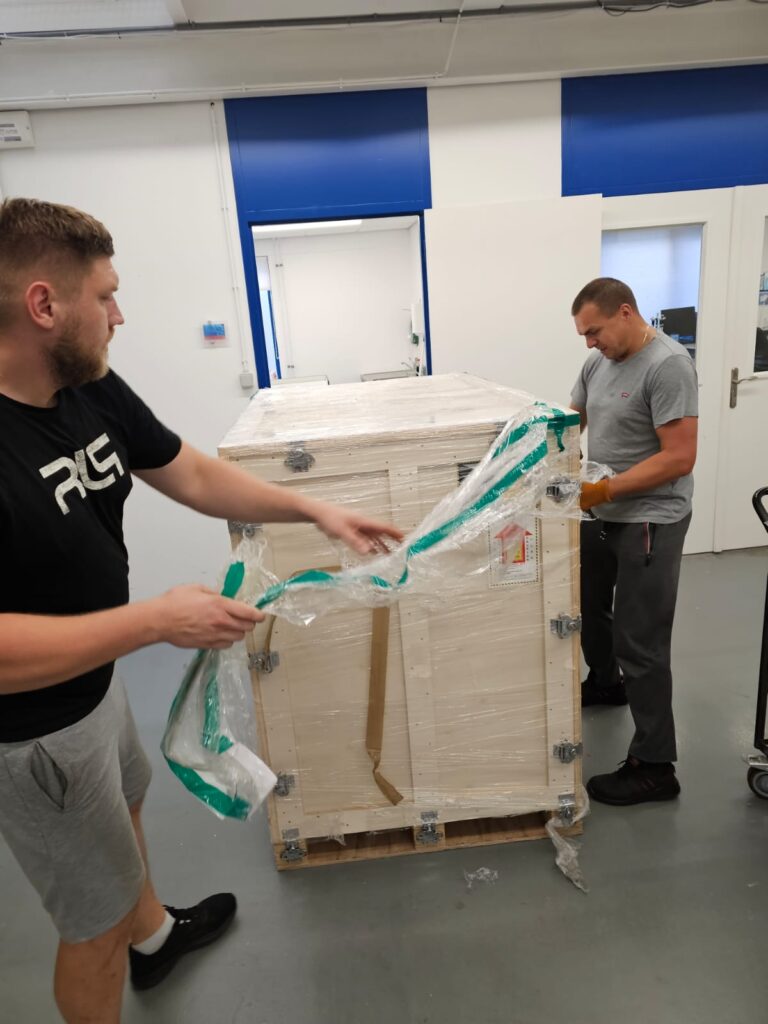
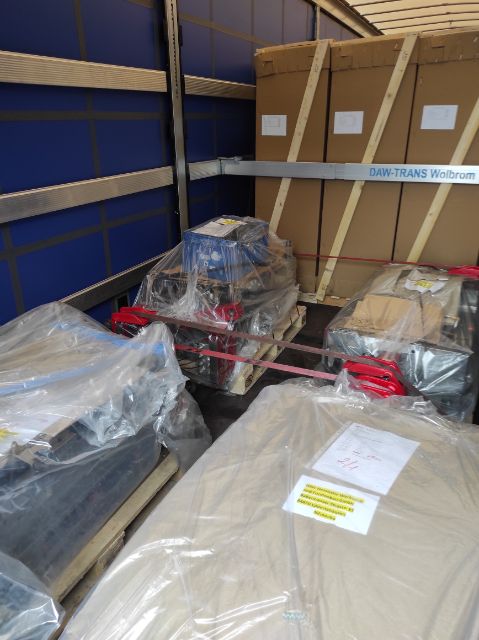
Plan for season, access, and item specifics – from car imports to pets and premium pieces.
Importing a car (high‑level)
- Gather docs: registration, proof of ownership, certificate of conformity (CoC), ID/insurance, spare keys.
- Arrival plan: book inspection/registration appointments early.
- Winter: tyres appropriate for conditions; keep traction aids in the boot.
- Admin: store originals in your Do‑Not‑Ship pouch; keep copies with you.
- Tip: if you must attend appointments, ask about staged delivery so your goods arrive around your admin slots.
Vehicle profile & access
- Share any height/length constraints (garages, arches, old‑town streets).
- Decide on shuttle van use for tight final metres.
- Long carries (>50 m): add crew for efficiency; confirm trolley/ramps.
City winter access cheat sheet (new)
| City | Typical constraints (winter) | Book in advance | VANonsite tip |
|---|---|---|---|
| Stockholm | Garage height limits; inner‑city loading bays | Lift + bay windows | Use shuttle van in old town |
| Gothenburg | Harbour winds; slopes in some districts | Overnight ferry sync | Stage deliveries 30–90 m³ |
| Malmö | Øresund winds impact ETAs | Flexible arrival slot | Hybrid route: short ferry + bridges |
Winter readiness (Sweden‑grade)
- Tyres for winter conditions; correct tread depths.
- Pack a winter kit: scraper, de‑icer, blankets, gloves, shovel, traction mats, torch, phone chargers, snacks.
- Buffer for snow/high winds; prefer ferry‑led routes in heavy snow; favour bridges when strong winds affect sailings.
- Protect entrances with mats/runners; keep salt/grit for steps.
Pets (calm travel)
- EU Pet Passport, microchip, rabies vaccination up to date.
- Ferries: book pet‑friendly cabin/kennel; bring familiar bedding and water.
- Land route: schedule breaks; never leave pets unattended in vehicles during temperature extremes.
- Keep vet records and a small first‑aid kit with you.
Special items (premium handling)
- Pianos, art/antiques, servers, aquariums: consider White Glove Delivery for crating, carry teams, and placement.
- Large furniture: coordinate Furniture Removals for disassembly/reassembly suited to stairwells/lifts.
- Temperature‑sensitive goods: plan wraps and short carry distances in winter.
Insurance & documentation
- Choose appropriate transit cover; declare high‑value items; note serials/photos.
- Keep the signed inventory and delivery notes; photograph any concerns at handover.
- For aftercare or claims, reference your booking; our team responds with next steps.
FAQs
Do EU citizens need a visa to move from Ireland to Sweden?
No visa is needed for EU/EEA/Swiss citizens. Focus on folkbokföring → personnummer → ID‑kort/BankID after arrival.
How long until I receive my personnummer?
Varies by city and season. Book early; ensure documents match. Plan for weeks, not days.
What van size fits a 2‑bed flat?
Often 15–25 m³. Complex access? Consider 15 m³ + extra crew instead of a very large vehicle.
Which route is best – France ferry or UK landbridge?
Winter, pets, and steady ETAs → ferry‑led. Tight delivery slots → landbridge. We plan both and update ETAs via GPS.
Can you handle pianos or premium items?
Yes – White Glove Delivery for crating, carry teams, placement. Furniture Removals for disassembly/reassembly.
What can’t I put on the van?
ADR items like paints, fuels, gas cylinders, strong chemicals, fireworks, weapons. Limit aerosols; declare large lithium batteries.
Do you offer last‑minute moves and storage?
Yes, subject to capacity. We also bridge date gaps with Storage.
Can I mix dedicated and groupage services? (new)
Yes. Dedicated = fastest, tailored timing; groupage = best value for smaller volumes. We’ll suggest the mix by route and dates.
How do you keep fragile items safe in winter? (new)
We use insulated wraps, short carry distances, and staged unloading into warmed areas, plus White Glove for premium pieces.