Moving from Ireland to Denmark: the practical answer
Moving to Denmark from Ireland is an EU-to-EU household relocation, but the transport plan still depends on the ferry leg, the size and shape of the load, and access at both properties. VANonsite can plan collection in Dublin, Cork, Galway, Limerick or elsewhere in Ireland and delivery to Copenhagen, Aarhus, Odense, Aalborg and other Danish destinations. Start with an item list or photographs, the two addresses, preferred dates, floor and lift details, parking distance, and any packing or dismantling needed so a specialist can match the vehicle and service to the actual move.




Choose the right Ireland-to-Denmark removal
A few boxes with flexible dates need a different plan from a full home with a fixed handover. Use the table to choose the right starting point; the final recommendation is confirmed after the load and access details are checked.
| Your move | Best starting point | What VANonsite needs |
|---|---|---|
| Boxes, selected furniture or a flexible collection window | Check a shared or part-load option | Item list, photographs, collection area and acceptable date range |
| Apartment, full home or fixed collection and delivery dates | Plan a dedicated Denmark removal | Both addresses, complete inventory, access notes and preferred dates |
| Urgent move with suitable route capacity | Check Last Minute Moving | Exact dates and a complete load list; a 1-3 day option is subject to route and vehicle availability |
| Fragile, high-value or awkward items | Add specialist handling | Dimensions, photographs, material and any assembly or placement instructions |
Ready to price the actual route? Enter the collection, destination, date and load details in the automatic removal estimate. The calculator is the first planning step; VANonsite then checks the inventory, access and handling scope before the move is confirmed.
Why Ireland to Denmark moves are simpler than you think
Both countries sit in the EU single market. Household goods for personal use usually travel duty free under EU rules. Roads are excellent, ports are efficient, and Danish buildings follow clear access guidelines. Put simply, fewer moving parts mean fewer delays and smoother handovers.
You benefit from:
- One market rules for most personal effects, so no customs formalities for typical household goods within the EU.
- Frequent, reliable ferries and motorway links, whether you route via the UK or sail direct to France and drive up.
- Professional buildings with elevator booking systems, quiet hours, and defined loading bays that keep moves orderly.
- Crews trained for compact city streets, heritage stairwells, courtyards, and tight turns.
- Live GPS tracking on every VANonsite load so you always know where your belongings are.
When might it be trickier?
- Historic stairwells, long carries from street to door, or no lift buildings above the second floor.
- City events that restrict access windows.
- Winter weather requiring extra padding and careful timing.
Share these details early and we will plan the right vehicle, crew, and timing to keep everything calm.
Pro tip: If your keys are delayed, combine short term Storage with phased delivery to avoid rush fees and stress. Book your slot here: Removals to Denmark.
Documents and registrations you actually need
For EU citizens, the process is straightforward. A few timely steps keep everything crisp and compliant.
If you are an EU/EEA citizen (including Irish):
- Register your address and CPR via the Life in Denmark portal and your local Borgerservice: https://lifeindenmark.borger.dk/
- Set up your tax card with SKAT so payroll runs correctly: https://www.skat.dk/
- Obtain MitID for banking and public services once you have your CPR: https://www.mitid.dk/
If you are a non EU citizen:
- Secure the right permit with SIRI (work, study, family, self employed) before relocating: https://nyidanmark.dk/
- After arrival, complete CPR and tax steps via Life in Denmark and SKAT.
Irish side, useful links when leaving:
- Revenue change of address, tax residence, and PAYE matters: https://www.revenue.ie/
- NDLS for driving licence updates if applicable: https://www.ndls.ie/
- Citizens Information practical guides for moving abroad: https://www.citizensinformation.ie/
Time saving checklist
- Keep digital copies of tenancy or purchase agreements, job or study letters, and travel documents.
- Save confirmations from Life in Denmark, SKAT, and MitID in one folder.
- If you are non EU, include your SIRI approval and passport copies.
Keep digital copies of tenancy agreements, job offer or study letter, and travel documents. If you are non EU, get the correct permit through SIRI before you move.
What you can and cannot bring from Ireland
Moving household goods within the EU is typically duty free for personal use. Still, know the exceptions and plan smart so everything arrives safely.
Allowances and controls
- Alcohol and tobacco have personal allowances. Check SKAT for current guidance and quantities: https://www.skat.dk/
- Food and animal products for personal use are usually fine within the EU. Large quantities or specialty items can trigger limits. When in doubt, keep receipts and pack sealed.
- Plants, soil, seeds can face restrictions to protect biosecurity. Verify before shipping garden items and clean tools and pots.
Hazardous or sensitive items
- Lithium batteries and e bikes: remove detachable batteries and pack terminals safely. Tell us in advance so we can advise on compliant transport.
- Pressurised containers: aerosols, gas cylinders, paint, varnish, fuels, and solvents require special handling or cannot travel in household shipments. Share a list and we will suggest safe alternatives.
- Cleaning chemicals: avoid mixed liquids. Use sealed original containers only and bag them to prevent leaks.
- Medications: carry in original packaging with prescriptions where applicable. Keep controlled medicines with you.
- Valuables and documents: passports, jewelry, cash, bonds, and irreplaceable papers travel with you, not in the van.
Vehicles and bikes
- If you are importing a car to Denmark, review registration, taxes, and timing on SKAT: https://www.skat.dk/. You will need proof of ownership, ID, and Danish address once you register.
- For bikes and e bikes, remove loose accessories and pack chargers separately.
Simple packing win
- Create a small box labeled Open First with a kettle, cups, bedding, toiletries, basic tools, and chargers. It turns your first night into a soft landing.
How the Dublin-to-Copenhagen route is planned
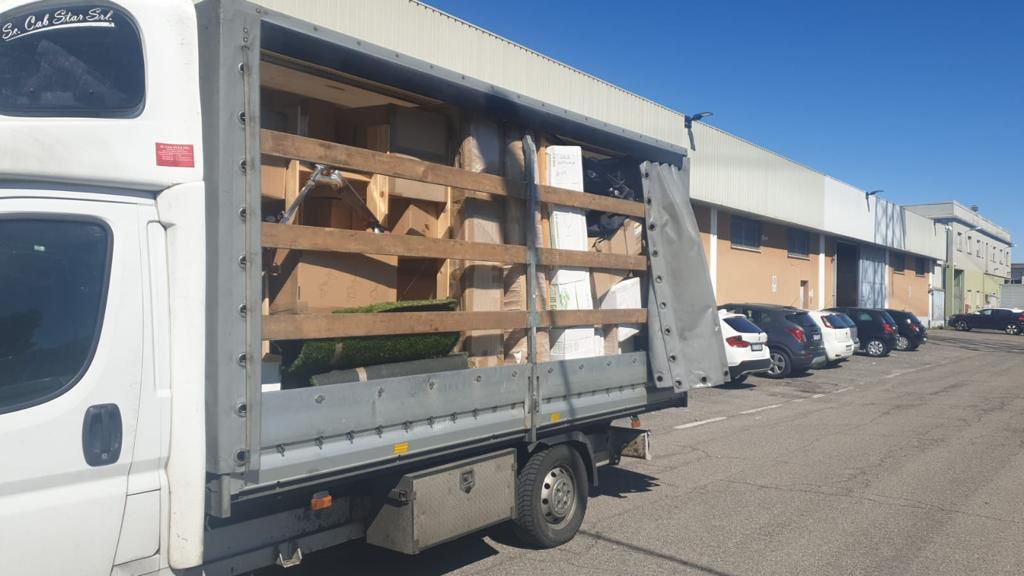
An Ireland-to-Denmark removal combines a ferry crossing with a long road leg through northern Europe. The best route is selected for the collection address, destination, vehicle, sailing availability and the status of the goods. It should be confirmed for the actual booking rather than chosen from a generic mileage table.
Route via Great Britain and mainland Europe
This option can offer useful sailing choices from Ireland before the vehicle continues through Great Britain and into mainland Europe. VANonsite checks the transit plan and required documents against the booked sailing and the load; passing through Great Britain is not automatically the quickest option for every date.
Direct ferry to continental Europe, then road to Denmark
A sailing from Ireland to continental Europe avoids the land transit through Great Britain and continues north by road. The sea leg is longer, so the total schedule depends on sailing availability, driving hours and the final Danish delivery address.
What determines the delivery window
- collection and delivery addresses, including ferry-port positioning;
- shared-load consolidation or a vehicle dedicated to one customer;
- the complete inventory, vehicle size and any specialist handling;
- legal driving and rest hours, sailing availability, weather and port conditions;
- parking, lift reservations and the agreed handover window at both properties.
For an urgent relocation, Last Minute Moving can sometimes support a 1-3 day collection-to-delivery option when the route, vehicle availability, access and confirmed load allow it. This is an available service, not the standard promised time for every Ireland-to-Denmark move.
Van sizes that fit your home
Right size saves money and time. Our fleet covers minimalist studios to full family homes.
| VANonsite vehicle | Approx. volume | Max load | Best for |
|---|---|---|---|
| Moving Basic | 5 m³ | 300 kg | Student essentials, light moves |
| Moving Medium | 10 m³ | 600 kg | One bedroom flats, compact furniture |
| Moving Premium | 15 m³ | 1000 kg | Two bedrooms or bulkier items |
| Moving Premium Plus | 30 m³ | 3500 kg | Three to four bedrooms, light office moves |
| Moving Full House XXL | 90 m³ | 20000 kg | Full house moves, large offices |
Fast chooser
- Studio or student room with 20 to 30 boxes: Moving Basic or Moving Medium
- One bedroom with sofa and wardrobe: Moving Medium
- Two bedrooms or solid wood pieces: Moving Premium
- Three to four bedrooms or mixed furniture plus appliances: Moving Premium Plus
- Full family home and garden gear: Moving Full House XXL
Measure once, move once
- List your biggest items and measure in meters. Multiply length × width × height for each to get m³. Add 10 to 15 percent for padding and odd shapes.
- Typical box volumes for quick math: small 45 × 35 × 35 cm ≈ 0.055 m³, medium 55 × 35 × 35 cm ≈ 0.067 m³, large 60 × 40 × 40 cm ≈ 0.096 m³.
- A compact 45 m² city flat with 25 boxes often totals 9 to 12 m³. A 70 m² two bedroom with wardrobes and dining set can reach 14 to 18 m³.
Access checklist that affects sizing
- Stair width and turns, elevator size and booking window, door and hallway clearances, courtyard height limits, loading bay distance to entrance.
- If access is tight, two smaller trips can protect walls and save time compared with one oversized truck.
Protection and loading order
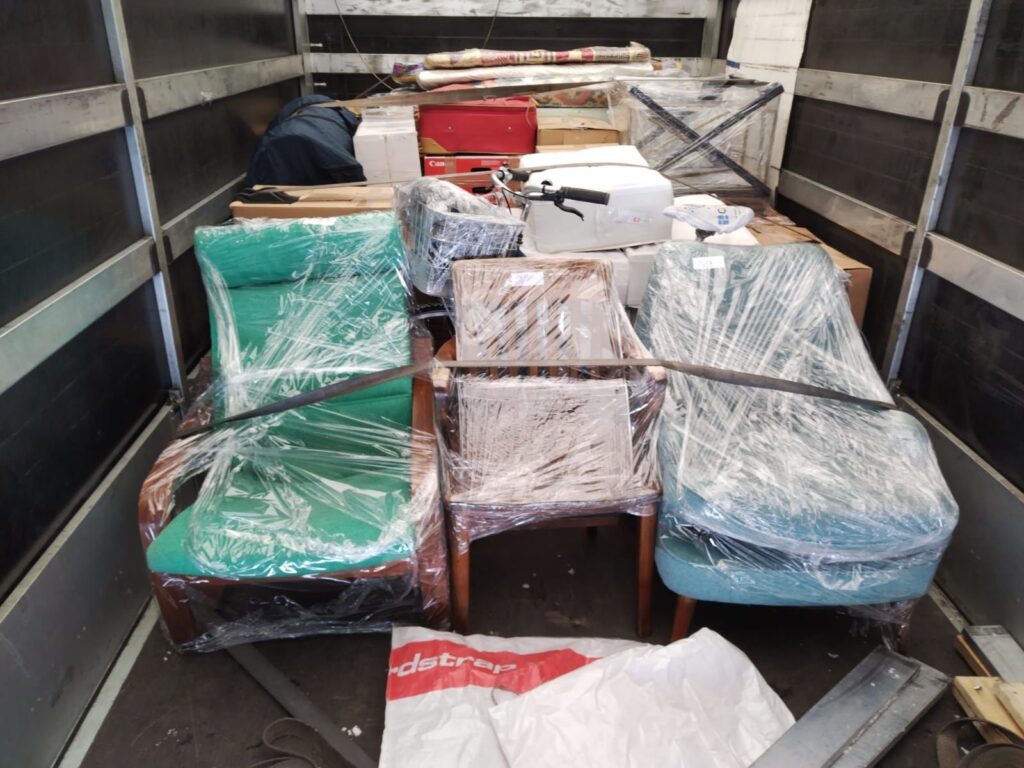
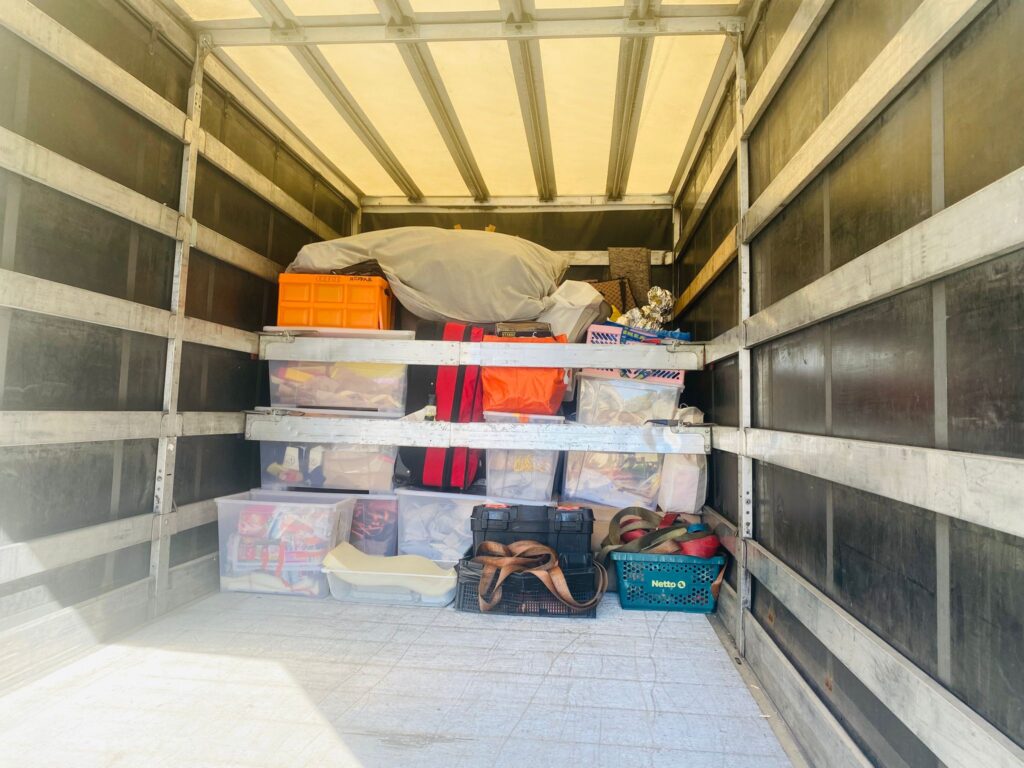
- Sofas, wardrobes, and appliances first, then medium boxes, then light and fragile last.
- Use blankets, straps, and corner protectors. Tape hardware in labeled bags to the matching item.
Not sure what you need? Send a quick inventory and photos. We will size it precisely and prevent costly over or under booking.
What an Ireland-to-Denmark removal quote depends on
A useful quote is built from the job itself, not from distance or bedroom count alone. VANonsite reviews the route, load, access, handling and timing together so that the proposed vehicle and crew reflect the move you are actually making.
| Quote input | Why it matters | What to provide |
|---|---|---|
| Route | Ferry positioning, road distance and destination affect the operating plan | Full collection and delivery postcodes |
| Load | Volume, weight and awkward shapes determine usable vehicle space | Inventory, dimensions and clear photographs |
| Access | Stairs, lifts, parking distance and restricted hours change loading time | Floor, lift, doorway and parking notes for both addresses |
| Handling | Packing, dismantling, fragile items and placement may require more time or equipment | Identify items that need packing, protection or assembly |
| Timing | Flexible dates may allow load sharing; fixed or urgent dates can require a dedicated plan | Preferred date plus any acceptable collection and delivery range |
The automatic estimate gives an initial route-based figure from the existing form. Its fields, calculation and sending process are unchanged. A VANonsite specialist then checks details the calculator cannot see, such as a narrow staircase, long carry, fragile surface or restricted loading window.
If you need help preparing the load, add professional packing. For art, antiques or pieces that need careful placement at destination, review White Glove Delivery.
Packing that protects and speeds things up
Great packing is compound interest. It pays off all day. Use this section to build momentum and protect every item from door to door.
Essentials
- Double wall boxes, wardrobe boxes, bubble wrap, stretch film, furniture blankets
- Tape gun, fragile stickers, waterproof marker
- Zip bags for screws and fittings, cable ties, painter’s tape for temporary door fixes
- Corner protectors for mirrors and frames, mattress covers, sofa covers
- Shoe boxes or cloth bags to keep pairs together
Materials calculator
| Home size | Typical box count | Bubble wrap | Tape rolls | Wardrobe boxes |
|---|---|---|---|---|
| Student room or studio | 15 to 25 | 10 to 20 m | 3 to 4 | 1 |
| One bedroom | 25 to 40 | 20 to 40 m | 4 to 6 | 2 |
| Two bedrooms | 40 to 60 | 40 to 70 m | 6 to 9 | 3 |
| Three bedrooms | 60 to 90 | 70 to 120 m | 9 to 12 | 4 to 5 |
Best practices
- Pack room by room and label two sides with room and contents.
- Wrap plates vertically and pad gaps with paper or towels.
- Place heaviest boxes at the bottom. Split books into several small boxes.
- Photograph cable setups before you unplug and place cables in labeled bags.
- Create a Day 1 box with bedding, toiletries, kettle, and chargers.
- Use the towel rule for glass and ceramics – one soft layer around every fragile piece.
- Remove lamp shades and bulbs and box them separately.
- Tape hardware to furniture in a small bag or place in a labeled jar.
- Keep cleaning supplies together and bag liquids to prevent leaks.
- Do a shake test for fragile boxes. If you hear movement, add padding.
Labeling that speeds unloading
- Color code by room and number each box. Example: Blue 07 Kitchen, pots and pans.
- Add a small priority tag such as Open First or Seasonal.
- Keep a simple inventory list that maps numbers to contents. It saves time at delivery.
Furniture prep
- Wardrobes: empty, remove shelves, tape doors shut with painter’s tape, not duct tape.
- Beds: remove bedding, bag fixings, photograph the slat direction for fast rebuild.
- Sofas and chairs: remove legs where possible and protect corners with foam.
- Appliances: defrost freezers 24 hours before, drain washing machines, secure drums with transit bolts.
Do not pack list
- Passports, cash, jewelry, original deeds, essential medications – carry these with you.
- Pressurised containers, fuels, and loose lithium batteries – ask us for safe alternatives.
Sustainability wins
- Reuse cartons from local marketplaces and return or recycle them after the move.
- Choose paper based padding where possible.
- Right size the van to cut extra trips and emissions.
Add our Packing Service if time is tight. Use White Glove Delivery for art, instruments, and antiques that deserve delicate handling.
Moving day playbook
Moving day rewards crisp choreography. Follow this simple schedule to keep stress low and momentum high.
24 hours before
- Confirm crew arrival window and driver contact.
- Print or save parking and elevator permits for both addresses.
- Finish the fridge, defrost freezers, and air them dry.
- Set aside a valuables kit with passports, keys, contracts, medications, and chargers.
Morning of the move
- Clear hallways and protect floors with runners or blankets.
- Reserve a quiet room for kids and pets so the loading zone stays safe.
- Walk the crew through access, elevator rules, and fragile priorities.
During loading
- Load big items first, then medium boxes, then light and fragile last.
- Keep a small toolkit, tape, and zip bags handy for screws and brackets.
- Take meter readings and a quick set of exit photos before you lock up.
En route
- Use the live GPS link to follow progress in real time.
- Share the tracking link with anyone receiving at the destination.
Delivery and handover
- Ensure destination parking is free and elevator is booked if needed.
- Direct items by room to reduce re handling.
- Assemble beds first for a restful first night.
- Sign the inventory and note any issues immediately so we can resolve them fast.
After you arrive in Denmark
Within the first days, handle the basics. Keep confirmations in one digital folder so every step is quick to show and easy to update.
- Register your address and CPR via Life in Denmark: https://lifeindenmark.borger.dk/
- Tax card with SKAT so your employer can pay you correctly: https://www.skat.dk/
- Healthcare registration and choosing your GP on Sundhed.dk after CPR: https://www.sundhed.dk/
- MitID for banks and public services: https://www.mitid.dk/
- Digital Post (e‑Boks) so you receive official letters online: https://www.eboks.com/danmark/en
- NemKonto to link your bank account for public payments: https://www.nemkonto.dk/
Timeline at a glance
- Days 1 to 3: CPR and address, order your health card, activate Digital Post, book GP.
- Days 3 to 7: Apply for your tax card, open a bank account, set NemKonto, mobile and internet.
- Weeks 2 to 4: School or daycare, vehicle matters with SKAT if applicable, home and liability insurance.
Why VANonsite fits the Ireland-Denmark route
VANonsite treats the ferry, road leg and property access as one coordinated move. The planning starts with evidence about the load and ends with a written scope that the customer and operations team can use on collection day.
- Route-specific planning: the sailing and road plan are matched to the addresses, dates and vehicle.
- Right-sized transport: inventory and photographs are used to check usable load space.
- Optional packing and specialist handling: the scope can include protection, dismantling, reassembly or in-home placement where agreed.
- Live GPS tracking: the customer can follow the vehicle during the transport stage.
- One coordinated handover: access, parking, contact people and delivery instructions are confirmed before collection.
Start with the real details: use the automatic estimate for Ireland-to-Denmark removals, or review the wider Denmark removals service before choosing the transport option.
Ireland to Denmark removals FAQ
Do I need customs clearance when moving household goods from Ireland to Denmark?
Ordinary Union goods moving between Ireland and Denmark generally do not attract internal EU customs duties. The document plan can change for restricted items, goods with a different customs status or a route transiting outside the EU customs territory, so VANonsite checks the route and inventory before collection.
How is a Dublin-to-Copenhagen removal routed?
The move normally combines a ferry from Ireland with a road journey through northern Europe. Depending on the booked sailing and load, the vehicle may travel via Great Britain and mainland Europe or take a direct ferry from Ireland to continental Europe before continuing to Denmark.
Can VANonsite move a few boxes or selected furniture to Denmark?
Yes. Share an item list and photographs so the team can compare a shared or part-load opportunity with a dedicated vehicle. Availability and the final service depend on the load, route and dates.
How quickly can VANonsite deliver from Ireland to Denmark?
The confirmed window depends on the addresses, ferry, vehicle, load and access. Last Minute Moving can sometimes support a 1-3 day option when route and vehicle availability allow it, but this is not the standard promised time for every move.
What information makes the automatic estimate more accurate?
Provide both postcodes, preferred dates, a complete inventory or photographs, floors and lift details, parking distance, and any packing, dismantling or fragile-item requirements.
Can I track my belongings during the move?
Yes. VANonsite provides live GPS tracking for the transport stage so you can follow progress and prepare for the delivery handover.
Summary
Moving to Denmark from Ireland is straightforward when you follow a clear plan. Start with the essentials: use Life in Denmark for CPR and address registration, SIRI for any non EU permits, SKAT for your tax card, and MitID for banking and public services. Pack with purpose using sturdy boxes, labels on two sides, and a Day 1 box so your first evening is easy. Choose a right sized van from 5 to 90 m³ based on a simple inventory and photos. Pick the route that fits your schedule: frequent sailings via the UK or a direct Rosslare to France ferry for fewer borders. On moving day secure parking and elevators, load big items first, sign the inventory, and follow your shipment in real time with GPS. After arrival finish the setup with CPR, Digital Post, NemKonto, healthcare, and your tax card.
VANonsite ties it all together with punctual crews, protective materials, clean vehicles, and transparent pricing. Add Packing Service, Storage, or White Glove when you need extra care, then relax while a dedicated coordinator keeps everything on track from quote to handover.
Next steps
- Share your inventory for precise van sizing and a firm quote.
- Lock in your dates and ferry route; we will sync the crew and delivery.
- Book now: Removals to Denmark