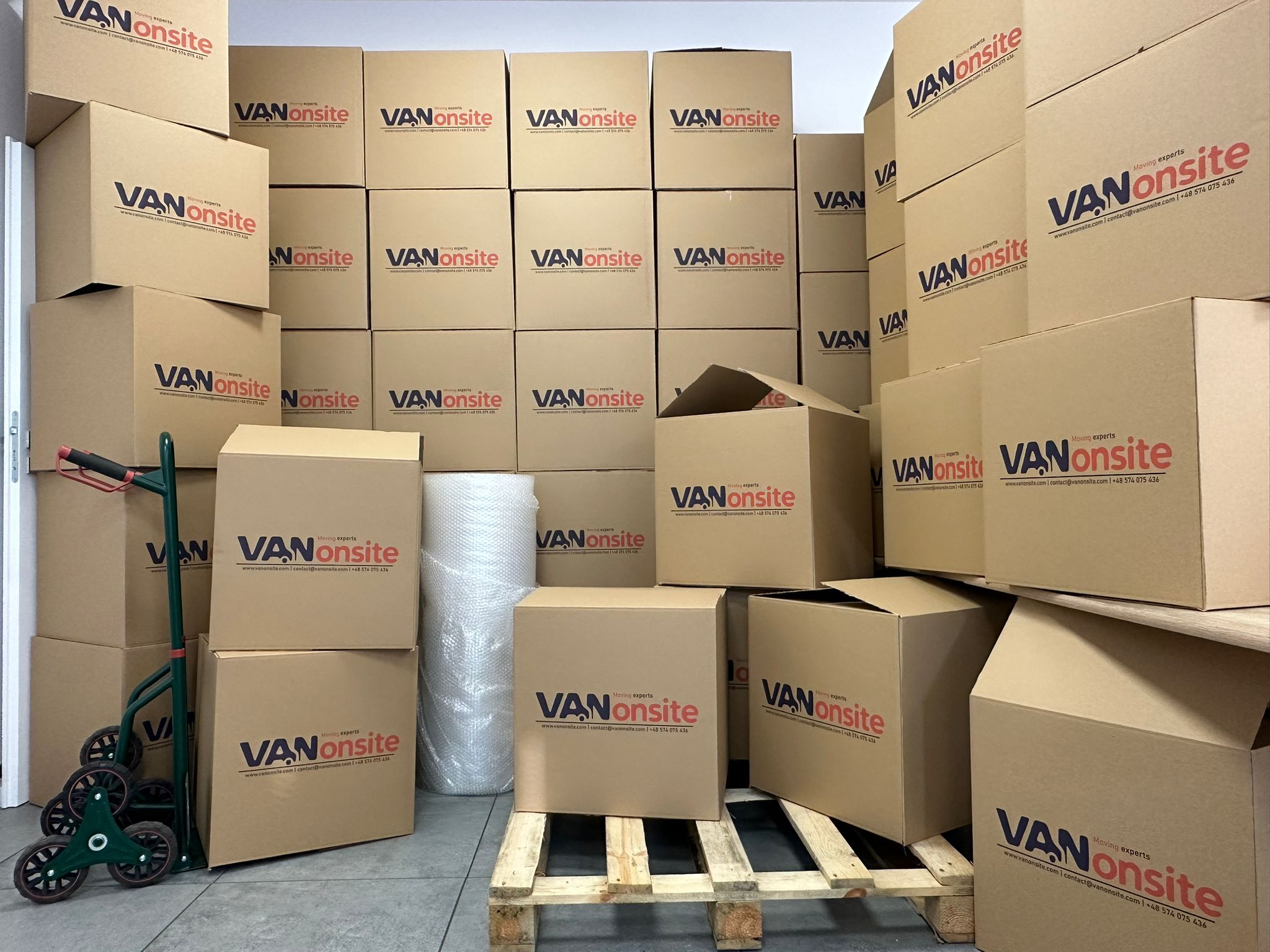
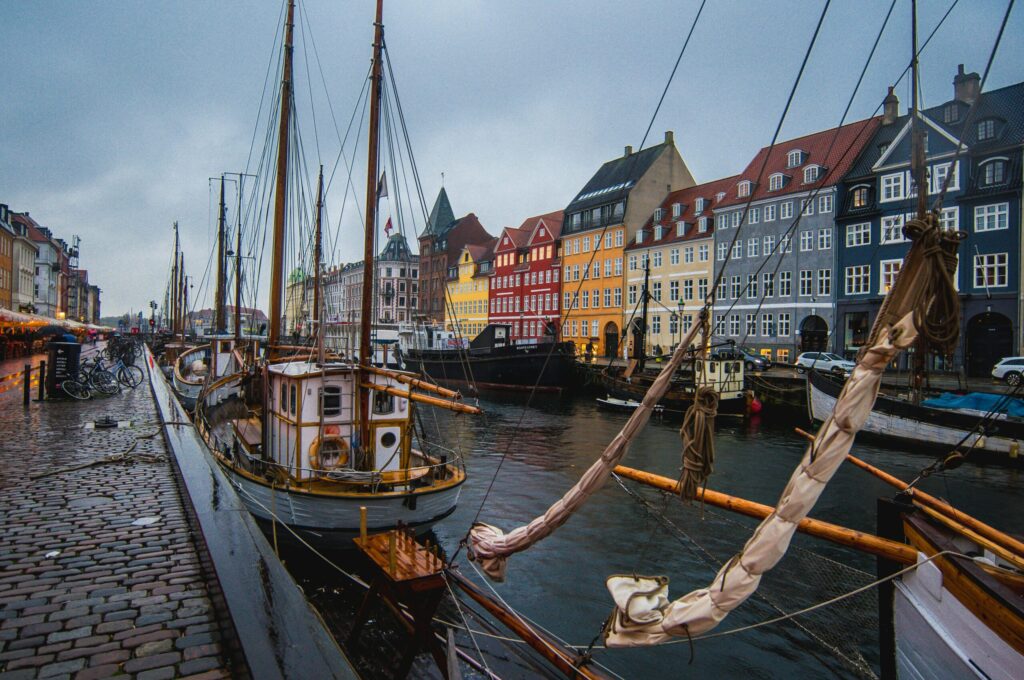
International removals to Denmark work best when the service model matches the load. VANonsite compares part-load and dedicated transport against cubic volume, access, handling risk and the required delivery window. For an immediate starting point, use the automatic removals to Denmark estimate. Moving mainly large household items? The furniture removals to Denmark page explains packing and loading decisions in detail.
TL;DR
- Choose the service around your inventory. Compare part-load transport for a compact, flexible shipment with a dedicated vehicle when delivery coordination matters more than sharing capacity.
- Separate the goods route from your residence status. Moving from Great Britain involves a non-EU customs process. An EU passport does not make a UK-origin household shipment an intra-EU move.
- Measure awkward items and access. A sofa that fits the vehicle can still fail at a stair turn. Send item dimensions, lift measurements and photographs of both entrances.
- Agree collection and delivery windows before booking. Ferries, customs, driver rest and other collections affect the plan. A dedicated vehicle is not an automatic guarantee of a particular arrival day.
- Specify packing and handling. State which boxes you will prepare and which furniture, glass or artwork needs professional attention. Confirm dismantling, reassembly and room placement in the service scope.
- Check the conditions, not just the total. Ask what handling, access, customs support and cover are included. Keep essentials and original documents with you.
- Start with an estimate. Use the Denmark quote page, then supply an inventory and access details so VANonsite can review the proposed transport. An automatic estimate is not a confirmed booking.
Introduction
For an international removal to Denmark, the difficult decision is often not the border crossing but the fit between the load, the vehicle and the destination building. A few boxes for a furnished flat call for a different plan from a household containing a marble table, wardrobes and washing machine. Start by listing what is actually travelling, not simply how many bedrooms you have.
VANonsite helps compare the transport and handling options around that inventory. Part-load can suit a smaller shipment with flexible dates; dedicated transport can suit a move that needs closer coordination. Packing and specialist handling should be scoped item by item, with any cover, delivery updates and additional equipment confirmed for the booked service.
For a first calculation, use the Denmark automatic estimate. Then share the collection postcode, Danish destination, dates, inventory and access photographs. Those details make the discussion useful: they reveal whether the estimate needs adjustment before you commit.


Things to know before you move (culture, rules, quick wins)
Denmark runs on quiet precision and neighbourly trust. A little local etiquette goes a long way, and it also trims costs on move day.
Building etiquette that really matters
- Quiet hours. Heavy lifting and drilling belong in daytime windows. Give your beboerforening or building manager a heads up about move times.
- Elevators. Book lift pads and a time slot. Add the reservation to your plan so crews do not wait and you avoid charges.
- Courtyards and stairwells. Many addresses use shared courtyards. Measure turns, note stair widths, and check arch or gate height limits.
Parking permits and access
- Check loading and parking rules with the municipality or property manager before reserving space. Requirements depend on the exact address.
- Share access photos of the street, doorway, lift and stair runs. A small shuttle van solves tight lanes where the main vehicle cannot enter.
Quick reference table
| City focus | Common requirement | Why it matters | Your action |
|---|---|---|---|
| Copenhagen inner districts | Check loading-bay rules | Avoid tickets and delays | Check local process and keep confirmation |
| Newer blocks with lifts | Elevator slot and pads | Prevents waiting fees and scuffs | Book a window and note the code |
| Historic stairwells | Narrow turns and fragile rails | Protects deposit and furniture | Measure widths and send photos |
Bike culture and winter reality
- Denmark is bike first. Plan bike storage both at home and in the van layout.
- Winter is beautiful and brisk. Pack reflective covers, warm layers near the top, and consider stud friendly tyres.
Digital services you will actually use
- CPR and address registration unlock healthcare, banking and schools. Book Borgerservice once you land.
- MitID enables secure login for public and private services after CPR.
- Digital Post/e‑Boks is where official letters arrive. Check weekly.
- NemKonto is the account designated for payments from Danish public authorities; confirm its setup separately with your bank.
Quick wins to save money and stress
- Book midweek slots where possible.
- Pre book elevator windows and parking permits to avoid waiting time.
- Share a photo inventory and access photos so we right size the van.
- Use part load for small removals and flexible dates.
- Keep a Day 1 box on top so the first evening feels like home.
Useful official resources:
- Life in Denmark: Life in Denmark
- SKAT tax: Danish tax authority
- SIRI permits: New to Denmark
- Healthcare (Sundhed.dk): Sundhed.dk healthcare portal
Documents and registrations (with gov links)
Treat residence administration and the transport booking as two connected but separate tasks. Check the requirements for your citizenship and reason for moving with the Danish authorities; do not plan around a promise that every registration will be finished in the first week.
Registration planning before the move
- Before booking travel. Check the residence route that applies to you and your family. The Life in Denmark arrival checklist is a starting point for the relevant authorities.
- Before delivery. Confirm that you can access and occupy the Danish property. Having a lease is not the same as having keys on the transport date.
- Keep appointments separate. Allow time for paperwork without leaving the delivery crew waiting outside the property.
EU and EEA citizens
- EU/EEA citizens. Check the applicable EU residence category with SIRI. Nordic citizens have a different registration route, so do not use one checklist for every nationality.
- Address and CPR. Check your municipality’s documentation and appointment requirements before attending.
- Healthcare. Follow the official instructions for registration, GP selection and the yellow health card rather than assuming it must be ordered on a particular website.
- Digital access. Follow the current MitID identity-verification instructions.
- Tax. Check the tax-card process with the Danish tax authority and your employer.
- Banking. Confirm the bank’s identification requirements and the NemKonto process separately.
Prepare your appointment folder
- Keep your identity documents, housing evidence and relevant work, study or family documents in a personal folder. Obtain the exact checklist from the authority handling your case.
Non EU citizens
- Non-EU citizens. Check the correct residence and work route, including any approval needed before travel, with New to Denmark. Do not assume that every case follows the same permit process.
- Check each family member’s position before arranging a final delivery date.
- Keep original permits and appointment confirmations with you rather than in packed boxes.
Family add ons
- Children. Ask the municipality or school which records it needs, and put these in your travel folder.
- Keep medication, medical summaries and items needed during appointments accessible while the main shipment travels.
What you can bring: EU and non-EU routes
For personal-use goods entering from another EU country, the Danish Customs Agency explains the general duty and tax position, restrictions and exceptions in its intra-EU guidance. A shipment from Great Britain is different: customs declarations and transfer-of-residence relief conditions need checking before collection. Your citizenship alone does not determine the goods process.
Practical rules of thumb
- Ordinary household goods. List furniture and cartons clearly, including contents and any high-value pieces. Clean and dry items before packing.
- Unusual items. Check both import permission and the carrier’s acceptance. Being legally importable does not mean an item can join a standard household load.
- Carry essentials yourself. Passports, cash, jewellery, essential medication and original documents belong in your personal travel bag.
Restricted and sensitive categories
- Plants and soil. Requirements depend on the origin and item. Check the relevant authority and carrier before packing live plants.
- Chemicals, paints, aerosols and solvents. Declare these before booking; do not hide potentially hazardous contents in ordinary cartons.
- Gas cylinders and fuels. Ask for an approved separate arrangement or disposal guidance. Do not assume an empty cylinder is safe for a household shipment.
- Lithium batteries. Declare e-bikes, scooters and batteries, including their condition. Follow the agreed transport instructions; never pack a damaged battery without specialist advice.
- Weapons, ammunition and fireworks. Do not include these in a standard removal. They require separate legal and transport checks.
- Food and perishables. Check restrictions and acceptance before loading. Avoid leaking or temperature-sensitive contents in household boxes.
Check each unusual item before loading
| Category | Standard load? | Before packing | Check with |
| Alcohol and tobacco | Confirm first | Tax and quantity rules differ by route | Danish Customs Agency |
| Food and perishables | Confirm first | Import restrictions and temperature needs | Authority and carrier |
| Plants and soil | Confirm first | Origin and species matter | Relevant authority |
| Paints and solvents | Do not pack unapproved | Declare hazardous contents | Carrier |
| Gas cylinders and fuel | Separate assessment | Do not assume empty means safe | Carrier |
| Lithium batteries | Separate assessment | Declare type and condition | Carrier |
| Weapons and ammunition | Not a standard load | Separate permission and transport | Relevant authority |
| Medication | Keep with you | Retain prescriptions and originals | Relevant authority |
| Cash and jewellery | Keep with you | Do not place in the main load | Your travel plan |
| Vehicles and mopeds | Separate arrangement | Tax and registration process differs | Danish Motor Vehicle Agency |
For a non-EU move, consult the Danish Customs Agency moving-goods guidance. Relief is conditional, not automatic: the agency specifies residence history, import timing, continued use and supporting evidence, and requires both a customs clearance declaration and a personal-property declaration. Identify who prepares and submits each document before the vehicle departs. Keep a numbered inventory and copies of the agreed paperwork with your move records.
Matching the vehicle to volume, weight and access
A bedroom count is a useful description of a home, not a loading specification. For international removals to Denmark, vehicle selection needs the packed dimensions, weight and access constraints together. Books can reach a weight limit while the vehicle still looks partly empty; a light sofa can take substantial space. On a phone, swipe tables sideways to read the remaining columns.
| Shipment | Volume check | Weight check | Access check |
| Boxes and study items | Count packed cartons | Flag books and tools | Parking near entrance |
| Compact flat | Measure remaining furniture | Include appliances | Lift and stair turns |
| Larger furniture load | Allow for wrapping | Flag stone and solid wood | Doorways and stair width |
| Family household | List every room | Include garage contents | Loading space and timing |
| Full house or office | Review complete inventory | Heavy equipment separately | Vehicle approach and handling |
Which size fits me
- Boxes only. Count each box size and flag dense contents such as books. Do not infer weight from the space they occupy.
- Compact furniture. List the desk, chairs, bed sections and appliances separately. Note which pieces will be dismantled before collection.
- Bulky pieces. Measure sofas, wardrobes and sideboards after any removable parts have been taken off. Include wrapping in the loading discussion.
- Family household. Work room by room, including cupboards, bikes and outdoor items. A photograph of a furnished room can miss the packed contents.
- House and garage. Identify tools, equipment and heavy items before choosing capacity. These can change the weight and handling plan substantially.
Access checklist that changes the size
- Stair width and turns, lift cabin and door size, courtyard height limits.
- Distance from parking to door and trolley route quality.
- Low bridges or narrow lanes that require a shuttle van.
Weight vs volume
- Books, ceramics, tools and solid wood add weight quickly. We balance volume and weight for safe, compliant loading.
- If your list is heavy but compact, we may upsize the vehicle for load security.
Inventory checks before choosing a vehicle
| Move type | Inventory priority | Handling discussion | Time planning | Transport discussion |
| Student studio | Cartons and desk | Self-packed or assisted | Collection readiness | Part-load suitability |
| Compact apartment | Sofa and bed dimensions | Dismantling needs | Lift availability | Shared or dedicated |
| Family home | Every room and cupboard | Packing scope | Crew and access | Dedicated comparison |
| Large household | Garage and outdoor items | Special equipment | Loading sequence | Vehicle assessment |
| House plus workshop | Tools and dense items | Weight and safe handling | Separate preparation | Capacity review |
Send an overview photograph of each room and separate measurements for bulky pieces. Include items in the loft, garage and balcony. Confirm the proposed vehicle and any shuttle requirement with VANonsite after the inventory has been reviewed.
Routes and delivery planning: Ireland, UK and Spain
The destination postcode matters as much as the origin country. A Danish island address, city flat or rural house can produce a different final delivery plan. Treat the corridors below as planning options, not an itinerary or transit-time promise. VANonsite should confirm the actual route, crossings and delivery window for your booking.
Corridor snapshots
- Ireland → Denmark
- Route options: compare a direct Ireland-to-continental-Europe ferry with a UK landbridge. The latter introduces a third-country transit that needs its own paperwork review.
- Timing: collection readiness, sailing availability and the onward road journey all affect the agreed window. Ask how a missed sailing changes the plan.
- Direct ferry discussion: an EU-only route may simplify the transit plan, but the current crossing and vehicle availability must still be checked.
- Spain → Denmark
- Route options: a mainland Spain collection normally involves a substantial continental road journey. Provide the actual postcode rather than using Barcelona as a proxy for every Spanish origin.
- Timing: allow for loading, driver rest, traffic and final access. A part-load collection sequence can differ from a dedicated vehicle.
- UK → Denmark
- Crossing options: the collection address and onward route inform whether a Channel or North Sea crossing is suitable. Confirm the booked crossing rather than assuming one port.
- Customs and timing: Great Britain is a non-EU origin. Resolve the Danish import process and any relief application before collection; a delivery date should not assume instant clearance.
Crossing choices to discuss
| Corridor | Crossing option | Verify before booking | Planning question |
| Ireland to continent | Direct EU ferry | Current sailings and vehicle space | Avoid UK transit? |
| Great Britain to France | Channel crossing | Customs and booked departure | Which origin postcode? |
| Great Britain to Netherlands | North Sea crossing | Customs and onward route | Does the crossing fit the load? |
Transport stages for a dedicated move
| Stage | Preparation | Transport task | Confirm |
| Collection | Inventory and access | Protection and loading | Ready time and keys |
| Transit | Documents and contact | Road legs and crossing | Progress-update method |
| Delivery | Building access | Unloading and agreed placement | Window and service scope |
Driver hours and buffers
- The applicable driver-hours and rest requirements depend on the vehicle and journey. The itinerary must allow for them; distance divided by cruising speed is not a realistic delivery calculation.
- Ask how traffic, weather, crossing changes and customs delays will be communicated. Agree a contact method and avoid arranging a non-changeable building slot on an unconfirmed ETA.
City delivery realities
- Check loading-bay and lift availability with the property manager before committing to a delivery window.
- Send photographs and dimensions of low arches, narrow lanes and stair turns. Discuss a shuttle only if the main vehicle cannot safely reach the entrance.
- Check building rules for noisy handling and permitted delivery hours. These can rule out a late-evening arrival.
Documents to keep on you during transit
- Keep identity documents in your personal travel bag.
- Keep the destination address, access contact and key handover information accessible.
- Keep the numbered inventory and booking confirmation with your move records.
- Keep customs paperwork and any residence or travel documents relevant to your situation accessible.
If your key handover or lift booking leaves little room for variation, discuss dedicated transport and the implications of a delay before booking. For urgent moves, ask about last-minute moving: the 1 to 3 day option may be available for suitable jobs, subject to route, capacity, paperwork and access. It is not a standard time for every Denmark move.
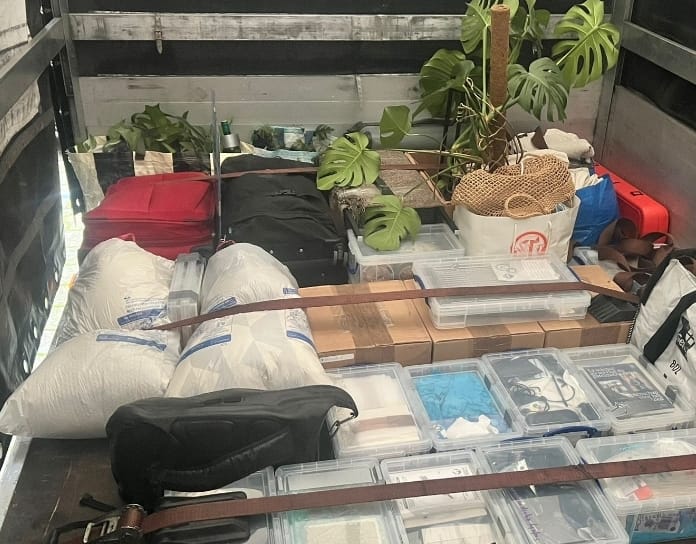
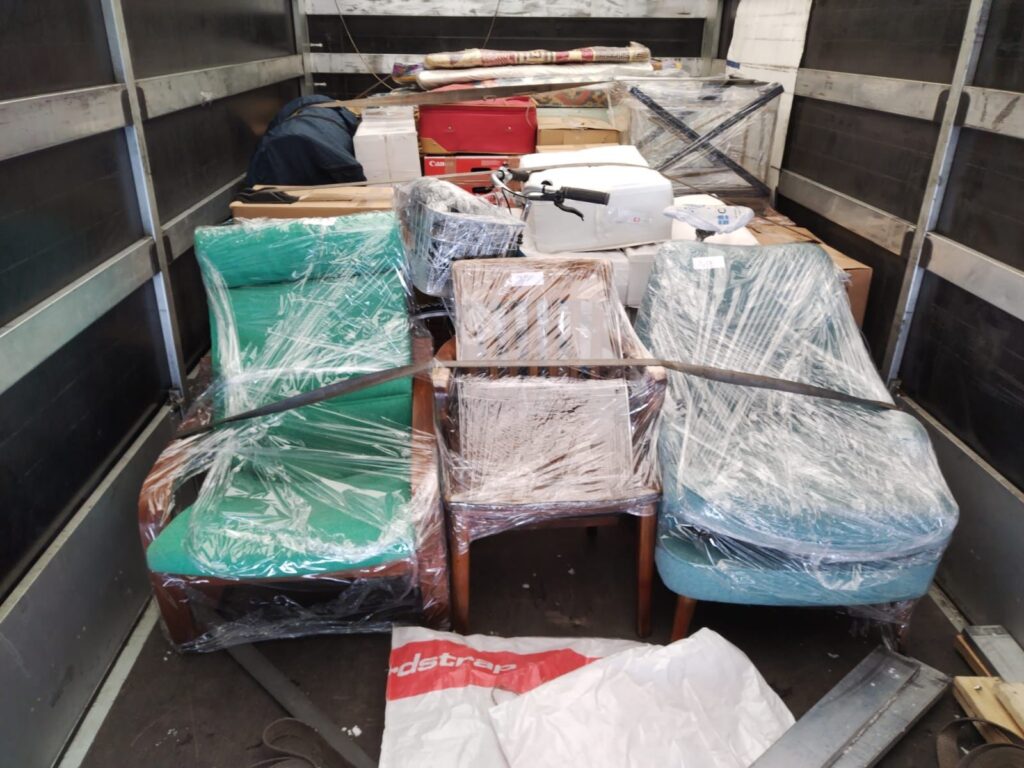
Packing that protects and speeds things up
Packing well is the quiet superpower of a smooth international move. It protects your belongings, accelerates loading, and makes your first evening feel like home.
Essentials kit
- Double‑wall boxes in three sizes; wardrobe boxes for hanging clothes
- Bubble wrap and paper, stretch film, furniture blankets
- Mattress and sofa covers, corner guards
- Tape gun, fragile labels, waterproof markers
- Zip bags for screws/fittings, cable ties, painter tape
Room‑by‑room blueprint
- Kitchen. Plates on edge, glasses in dividers, knives in guards, small appliances in boxes, tape appliance doors.
- Living room. TV in original carton or TV pack; never lay screens flat. Corner guards on sideboards and tables.
- Bedrooms. Wardrobe boxes for hanging clothes; mattress covers; disassemble beds, bag fittings and tape to frames.
- Kids’ rooms. Label toys by priority so bedtime is easy.
- Garage/balcony. Drain fuel from tools; do not pack paints or solvents; clean and dry grills.
Fragile playbook
- Televisions. Original box or TV pack; remotes and cables in a zip bag taped to the box.
- Mirrors and framed art. Use suitable edge protection and a rigid box or specialist crate. Do not apply adhesive to delicate surfaces without specialist guidance.
- Glassware. Two layers of paper and one of bubble; fill voids to stop rattle.
- Instruments. Follow the manufacturer’s or specialist’s packing instructions. Use the appropriate case and declare valuable or unusually large instruments before booking.
Pro label system
- Colour by room + simple priority code. A unpack first, B later, C storage.
- Number every box and keep a spreadsheet or phone note that matches your inventory.
Illustrative packing-material checklist
| Home size | Small boxes | Medium boxes | Large boxes | Wardrobe boxes | Bubble rolls | Tape rolls |
| Studio or student | 10–15 | 10–15 | 2–4 | 1–2 | 1–2 | 2–3 |
| 1‑bed flat | 15–20 | 15–20 | 4–6 | 2–3 | 2–3 | 3–4 |
| 2‑bed home | 20–30 | 20–30 | 6–8 | 3–4 | 3–4 | 4–6 |
| 3–4 bed home | 30–45 | 30–45 | 8–12 | 4–6 | 4–6 | 6–8 |
Self pack vs pro pack
| Option | Speed | Protection | Who it suits |
| Self pack | Lower cost, slower | Good | Students, light moves |
| Pro Packing Service | Fast, efficient | Excellent | Busy families, kitchen heavy |
| White Glove | Tailored, meticulous | Item-specific protection | Art, antiques, designer pieces |
Do‑not‑pack list
- Passports, cash, jewellery, deeds, essential medications
- Pressurised containers, fuels, loose lithium batteries, fireworks
- Open liquids and harsh chemicals
Sustainable choices
- Reuse boxes where strong; request paper‑based padding.
- Ask whether carton collection or recycling can be included in your service; confirm the scope and timing.
Need a hand with the toughest rooms? Add our Packing Service or elevate protection with White Glove Delivery.
Pricing, quotes and removals to Denmark costs
Removals to Denmark costs depend on what travels and how it can be handled at both ends. Without a current route-specific quotation, a euro price band can mislead: two similar-volume loads may need different vehicles, packing and access arrangements. Use the tables below to prepare a comparable request, then obtain an automatic estimate and review the scope.
How load size changes the quotation
| Load type | Inventory to supply | Part-load discussion | Dedicated discussion |
| Student or studio | Boxes and desk | Flexibility and packing | Date sensitivity |
| Compact apartment | Bed, sofa and cartons | Space and handling | Full inventory fit |
| Family household | Furniture and appliances | Suitability of shared load | Capacity and crew |
| Larger home | Every room and outdoor items | Split-load implications | Loading sequence |
| Full house | Garage and dense contents | Availability assessment | Weight and equipment |
Part-load shares transport capacity with other shipments and can suit flexible dates. Dedicated transport reserves a vehicle for the agreed load. Compare the complete service and delivery conditions, not just the transport line on a quotation.
Route-specific cost factors
| Origin corridor | Cost factors to confirm |
| Mainland Spain to Denmark | Origin postcode, road distance, access and delivery dates |
| Ireland to Denmark | Ferry route, vehicle space and any UK transit process |
| Great Britain to Denmark | Crossing, approach distance and customs support |
What moves the needle most
- Access. No lifts, long carries, shuttle vans and narrow courtyards increase labour time.
- Packing. Compare self-packing with agreed professional help. Include materials and handling of fragile items in the scope.
- Dates. Availability and service model affect the price. Ask whether flexible dates change the available options; do not assume midweek is always cheaper.
- Volume accuracy. Real m³ avoids sending the wrong van and prevents overflow.
How to lower your bill without cutting corners
- Offer more than one acceptable collection or delivery date where your schedule allows.
- Coordinate elevators, permits and keys to reduce avoidable waiting.
- Send a photo inventory per room and access photos so we right size the vehicle.
- Choose part load for compact moves with flexible dates.
- Disassemble flat pack furniture in advance and box small items tightly.
Example inventories to compare
| Illustrative move | Route | Inventory priority | Service comparison | Quote question |
| City flat | London to Copenhagen | Sofa, bed, cartons | Shared or dedicated | Customs and stair access? |
| Family home | Barcelona to Aarhus | Furniture and appliances | Dedicated comparison | Packing and delivery scope? |
| Compact shipment | Dublin to Odense | Boxes, desk, bicycle | Part-load comparison | How flexible are the dates? |
| Kitchen-heavy move | Valencia to Aalborg | Fragile cartons and furniture | Packing assessment | Which items need professional packing? |
These scenarios illustrate quotation inputs, not past jobs, published tariffs or offers. State the real inventory and access conditions for your own addresses.
Common add ons and how to avoid them
| Possible extra | Why it matters | Confirm in quote | Prepare by |
| Waiting | Keys or lift unavailable | Included allowance and conditions | Coordinate access contact |
| Long carry | Vehicle cannot park nearby | Distance and handling scope | Send parking-to-door photos |
| Shuttle vehicle | Main vehicle cannot enter | Vehicle and transfer requirement | Measure low arches and lanes |
| Extra packing | Goods not ready at collection | Materials and labour scope | Agree who packs each item |
Fast quote checklist
- Photo inventory per room with box counts and big items
- Access photos at both addresses
- Preferred dates and flexibility window
- Special items like piano, art, e‑bike, safe
- Service level. self pack, Pro Packing or White Glove
- Contact details and any building rules
For an initial calculation, use the automatic removals to Denmark estimate. Before booking, confirm the reviewed price, service scope, dates and any conditions that could change the total.
Small removals to Denmark
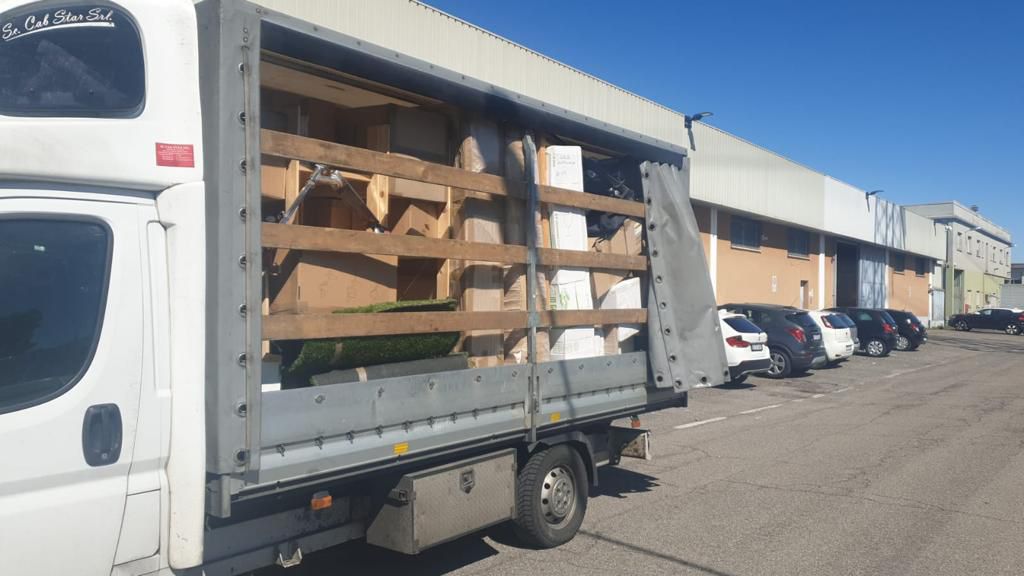
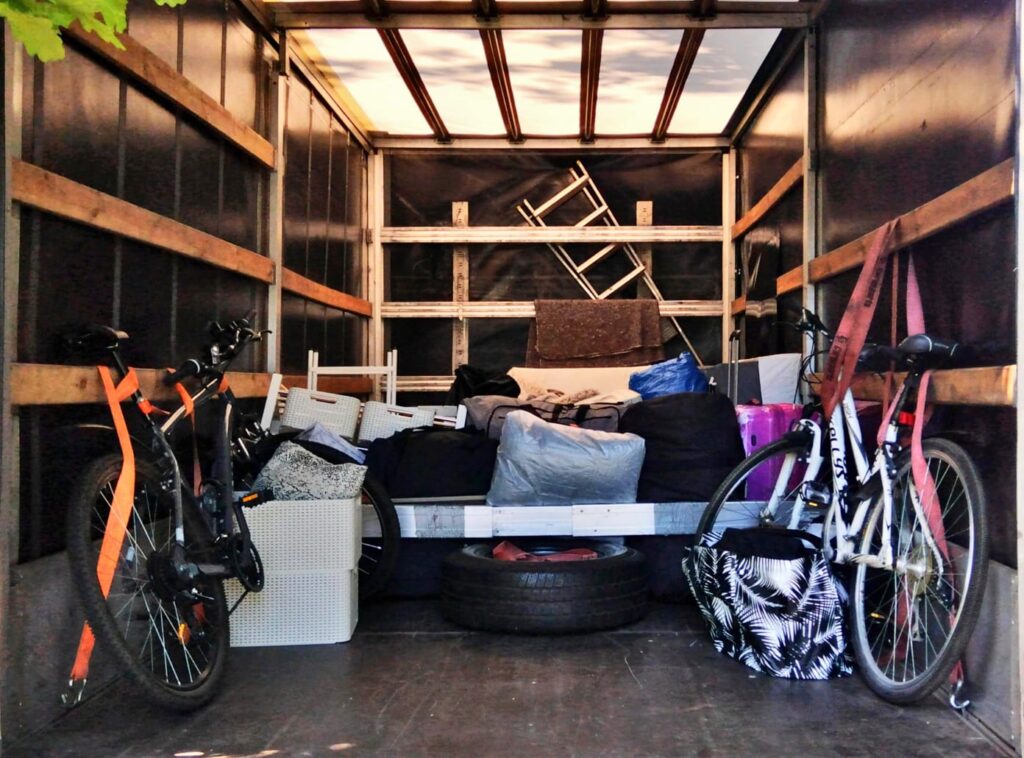
Small removals to Denmark often involve boxes plus a few awkward items: a desk that will not fit a courier carton, a bicycle or a sofa worth keeping. Part-load transport can be useful when the inventory is compact and your dates can accommodate a shared route. It is not automatically the right choice for every small move.
When part load beats dedicated
- A compact load such as boxes, a desk or selected furniture rather than a full household
- Collection and delivery dates flexible enough for the proposed shared route
- No non-changeable handover or building slot unless specifically agreed
How our groupage works
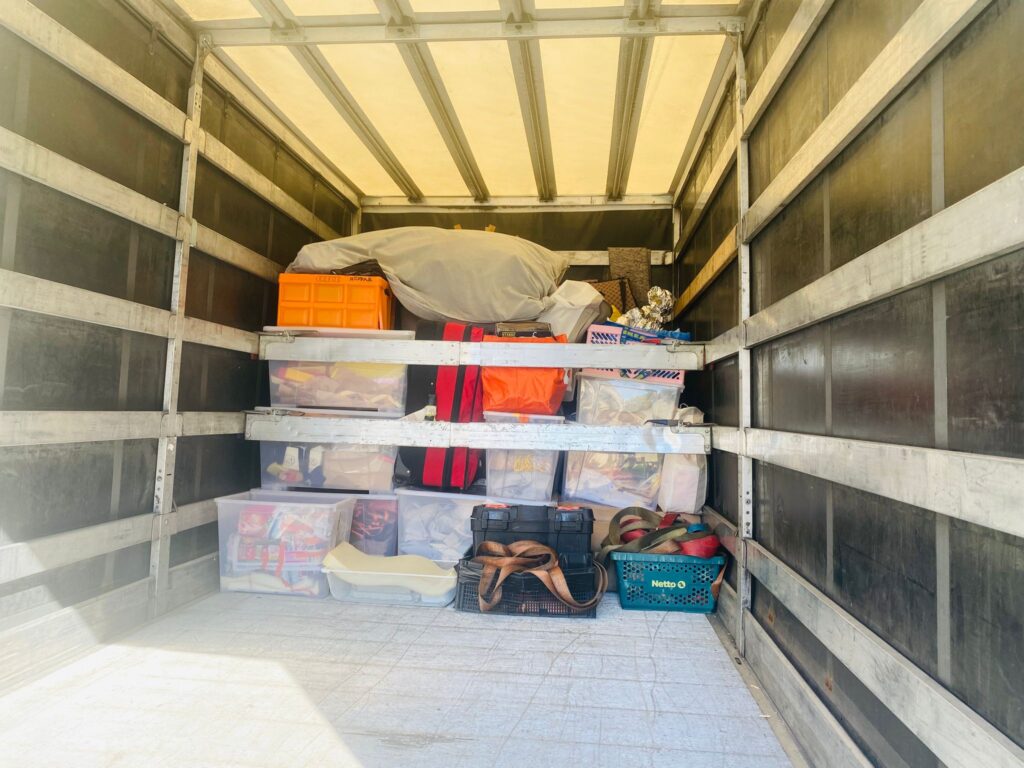
- Prepare a clear inventory and matching labels so the shipment is identifiable at each handling stage.
- Confirm the shared transport route and whether any transfer or storage is planned.
- Agree how items and quantities will be checked at collection and delivery.
- Confirm the progress-update method and how the delivery window will be agreed. Tracking availability depends on the booked vehicle and service.
Agree the collection, transit and delivery windows
- Collection. Agree a window based on capacity, route and how ready your load is.
- Transit. The planned route, other shipments, crossings and any customs process affect timing.
- Delivery. Confirm access and a usable delivery window before committing to key handovers.
What to put in a small removal
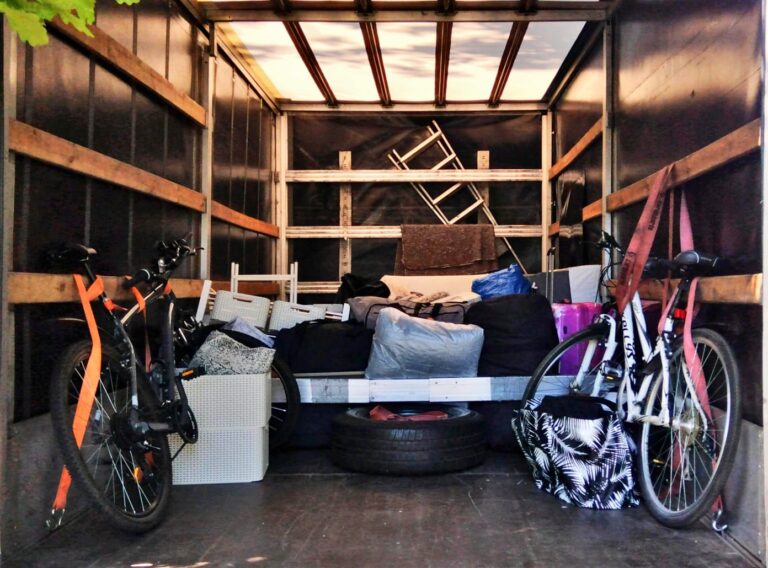
- 20 to 40 boxes, a bike or two, flat pack desk, compact sofa, TV in carton, small wardrobe.
- Keep a personal Day 1 bag with essentials, documents and medications.
Packaging standards that keep costs low
- Use double wall boxes only and fill voids to stop crush.
- Label two sides and the top with room and priority code.
- TV in original box or TV pack.
- Bag and tape all fittings to their parent item.
Is part load right for me
- Great fit: students, relocations with temporary housing, short leases, trial moves.
- Consider dedicated: strict key handovers, fragile heirlooms needing White Glove, or very tight inner city access with small elevator windows.
Choosing between part-load and dedicated transport? Send the inventory, dates and access details. VANonsite can review whether sharing capacity fits your move or whether the delivery constraints make dedicated transport more appropriate.
Furniture removals to Denmark (special care)
Protecting furniture over long distances is about precision and patience. We treat each piece like a mini project, from dismantling to the last felt pad under the legs.
Our professional handling workflow
- Survey and plan. We map awkward turns, fragile finishes and lift sizes. Heavier pieces get an engineered path and extra hands.
- Disassembly. Beds, wardrobes, tables and modular sofas are taken down methodically. Screws and fittings go into labelled zip bags taped to the parent piece.
- Protection. Soft wrap with export blankets, corner guards on edges, stretch film to control doors and drawers.
- Crating where needed. TV and art crates or custom builds for glass, marble and high value items.
- Stair and lift protection. Runners on stairs, pads in lifts, door jamb guards, floor protection at both addresses.
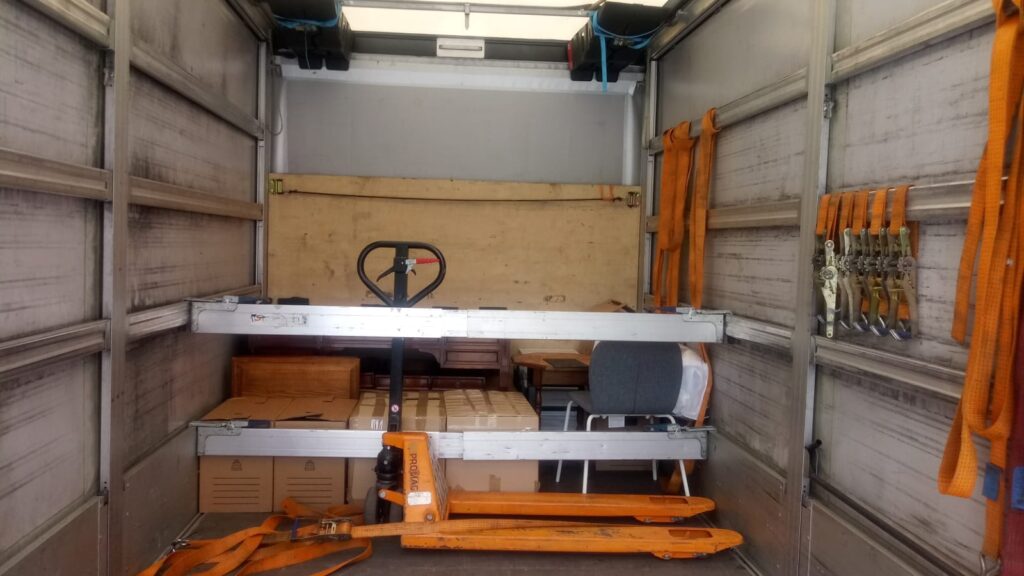
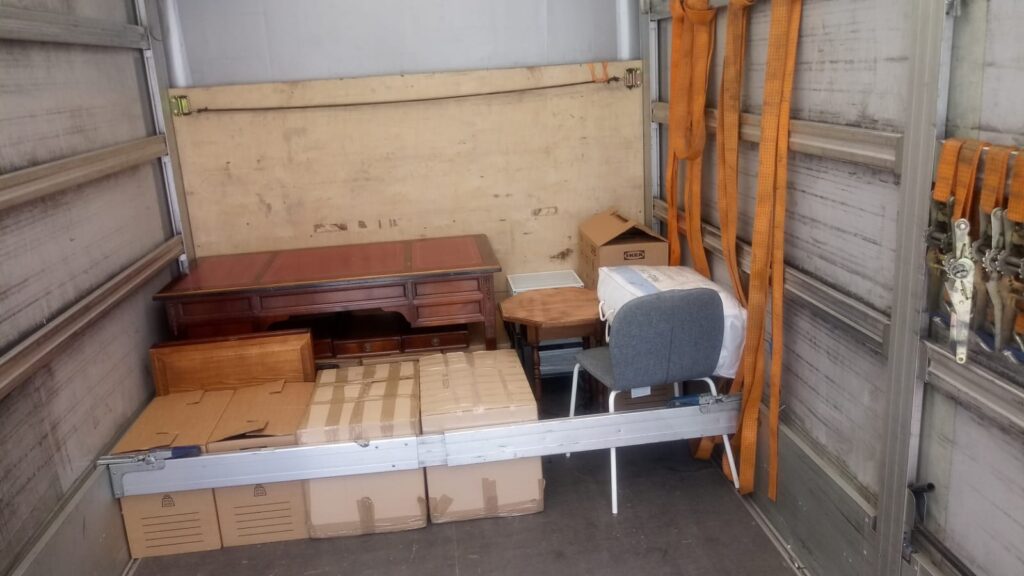
- Load order. Heavy to light, tall to short, soft against soft. Straps and bars secure the stack for European motorways.
- Reassembly and placement. Agree which items will be rebuilt and where they should finish. Confirm any wall fixing or anti-tip work separately.
When to choose White Glove
Consider White Glove when delicate finishes, high-value pieces or difficult access need a handling plan beyond ordinary loading. Confirm the materials, equipment and tasks included for your particular items.
- Designer furniture in delicate finishes
- Antique or heirloom pieces that need condition logging
- Large mirrors, glass tables, marble tops
- Premium audio, pianos and instruments
- Tight access that may require a separate lifting or shuttle assessment
White Glove vs Standard
| Handling topic | Standard scope to confirm | Specialist scope to discuss |
| Protection | Wrap and edge protection | Item-specific materials or crating |
| Team | Crew for the agreed load | Specialist handling assessment |
| Building access | Floor, doorway and lift needs | Complex access plan |
| Documentation | Inventory and handover record | Condition photographs if agreed |
| Placement | Room and access conditions | Final positioning if agreed |
| Packing debris | Removal if agreed | Confirm scope and timing |
Specialty items guide
- Pianos and large instruments. Skids, ramps and extra crew. Pre check stairs, turns and structural limits.
- Art and mirrors. Discuss suitable edge protection, rigid boxes or specialist crates. Avoid adhesives on sensitive finishes without specialist advice.
- Appliances. Transport bolts for washing machines, taped doors, drained filters, protect floors at placement.
- Outdoor and garden. Clean and dry furniture to prevent mould. Remove gas from grills and tools.
Insurance and peace of mind
- Ask what cover applies to the booked service, including limits, exclusions, owner-packed items and any additional protection for high-value pieces. Keep valuations and condition photographs where appropriate; do not assume every item has unlimited cover.
Ready for meticulous handling? Explore White Glove Delivery or request our standard Furniture Removals with reinforced packing.
Moving with family (schools, healthcare, housing)
Denmark is built for families. Playgrounds in courtyards, safe streets and a clear path to healthcare make landing simpler when you know the sequence.
Schools in a nutshell
- School planning. Contact the municipality about school options and the enrolment process before deciding when the household shipment should arrive.
- International schools operate in larger cities. Places are limited, so apply early and keep documents ready.
- Documents. Ask the school for its exact checklist and keep relevant school records in your travel folder.
Daycare and preschool
- For daycare, ask the municipality about application requirements and available places.
- Do not assume a place will be ready on the delivery date. Have a practical childcare plan for unloading day.
- Keep your child’s vaccination card and any special needs documentation handy for a smooth start.
Healthcare for families
- Follow official healthcare registration instructions for each family member; the Life in Denmark arrival checklist points to the relevant steps.
- Check entitlement and any interim healthcare arrangements for your family’s circumstances before moving.
- In an emergency call 112. For non emergency guidance, your municipality lists out of hours services on Sundhed.dk.
Housing and deposits
- Rentals are common. Expect a deposit plus prepaid rent. Read the inventory report carefully during key handover.
- A signed tenancy agreement often helps with address registration at Borgerservice. Keep a digital copy for appointments.
Family checklist around delivery
- Check outstanding residence and address-registration appointments.
- Follow the current digital-access, tax and banking instructions that apply to your situation.
- Keep healthcare documents and medication accessible while awaiting registration.
- Apply for daycare or confirm school placement with your municipality.
- Label door and post box, activate Digital Post, and learn your recycling schedule.
- Map the local cycle routes and safe school run.
- Unpack the Day 1 boxes. Beds, linens, kitchen basics and kids’ comfort items first.
Keep all official steps in one place. A simple note with links to Life in Denmark, Sundhed.dk and your municipality’s school portal keeps you on track.

Moving to Denmark as an EU citizen: coordinate the two plans
Your citizenship affects the residence process; it does not decide the customs status of a household shipment collected outside the EU. Use this section to organise the move around your administrative appointments. For the legal route itself, check the current SIRI instructions for your circumstances.
Who qualifies
- EU/EEA and Swiss citizens. Check the residence category that matches your circumstances with SIRI.
- Family members. Check each person’s applicable route and document list rather than assuming one adult’s application covers everyone.
Check the residence rules for your situation
- SIRI generally requires an EU residence document for stays exceeding three months; jobseekers have specific rules. Nordic citizens follow a different route. Read the official SIRI residence guidance and select the relevant category before planning appointments.
Step‑by‑step timeline
- Before arrival
- Prepare the authority’s document checklist in a personal folder. Do not leave originals in cartons that may arrive after you.
- Book required appointments separately from the unloading window so someone can meet the vehicle.
- Appointments after arrival
- Check which residence documents need to be ready for your municipal appointment.
- Ask the relevant service centre which steps it can handle and what needs a separate booking.
- Before the main shipment arrives
- Keep the destination address and key collection details consistent across your transport records.
- Keep medication and health records accessible while household items are in transit.
- Plan for digital access to appointment confirmations during travel.
- Keep employer contact details available if a document needs clarification.
- Keep enough access to funds for travel and temporary accommodation; do not put bank cards in the shipment.
Documents you typically need
- Check whether certified copies or translations are required for your own application. Put originals and copies in separate labelled folders.
Family members who are not EU citizens
- Ask SIRI about the applicable family-member route, especially where nationalities differ. Do not assume the household-goods paperwork replaces a residence application.
Special situations
- Jobseekers. Follow the specific SIRI instructions for this situation rather than relying on the general three-month summary.
- Cross-border workers. Check residence, employment and tax arrangements with the relevant authorities before deciding which address the shipment serves.
Banking and KYC while CPR is pending
- Many banks prefer a CPR to open a full account. Options while waiting:
- Ask your bank which services remain accessible during relocation.
- Ask for its current identification checklist and appointment availability.
- Confirm the NemKonto process separately; an account is not automatically designated for public payments.
- Keep document scans secure and available for appointments. Do not share identity or financial files with the removal crew unless required for an agreed customs task.
Common pitfalls to avoid
- Leaving document preparation until the transport is already booked.
- Confusing a signed lease with a confirmed key handover.
- Scheduling an appointment when no one can receive the delivery.
- Packing chargers, identity documents and essential medication where you cannot access them.
Keep the two plans distinct: residence appointments and identity documents stay with you; the removal plan records the inventory, goods paperwork, access and delivery contact. Update VANonsite if a change of address or delayed key handover affects the agreed transport.
Moving day playbook: collection to handover
Use this sequence as a preparation checklist, not an appointment schedule. The actual start, loading duration and delivery arrangements depend on your inventory, access and booked service.
T‑72 to T‑24 hours
- Finalise permits and elevator slots; share codes with your crew lead.
- Confirm box count and any last‑minute special items.
- Pack a clearly marked Day 1 box and personal travel bag.
- Photograph valuables for your records.
Load day morning
- Arrival. Walk through the property, check the agreed inventory and confirm protection and access.
- Preparation. Complete the dismantling and packing tasks included in the booking before loading the relevant items.
- Loading. Check labels and load sequence, with heavy and fragile pieces handled according to the plan.
- Before departure. Check the remaining rooms, inventory and agreed contact method.
En route
- Reconfirm the route and any crossing or customs changes with the transport contact.
- Use the agreed progress-update method. Tracking, where available, depends on the booked vehicle and service; an ETA can change with traffic, rest and clearance.
Arrival day in Denmark
- Staging. We secure a loading bay or closest legal spot. Lift pads installed if required.
- Placement. Prioritise beds and essentials where the agreed service includes reassembly. Keep a room plan ready.
- White goods. Positioned on pads, basic connections as agreed.
- Packing debris. Stack cartons clear of access routes; confirm any collection separately rather than assuming a next-day service.
Sign‑off protocol
- Room‑by‑room check, note any issues immediately.
- Sign delivery sheet with time in/out and any agreed follow‑ups.
- Keep the crew lead’s contact until you are fully settled.
First 48 hours after delivery
- Unpack the Day 1 and Kitchen A boxes; schedule a carton collection if included.
- Register outstanding appointments: Borgerservice for CPR, Sundhed.dk GP choice, MitID, SKAT, NemKonto as relevant.
- Walk the building for scuffs; photograph and inform management if needed.
If the vehicle cannot reach the entrance, discuss a shuttle plan before booking. A smaller vehicle does not by itself solve a restricted lift slot; coordinate both vehicle access and unloading time.
Why VANonsite
VANonsite offers a way to connect transport selection, packing and access planning rather than treating an international move as a parcel delivery. Use the available service pages to choose the right conversation, and ask for the details that matter for your particular load.
A plan built around the actual shipment
- Transport choice. Compare part-load and dedicated options against the inventory, access and date constraints, rather than selecting by a bedroom count alone.
- Vehicle assessment. Supply packed dimensions and flag dense or unusually heavy items. Confirm a shuttle only if the main vehicle cannot reach the entrance.
- Packing options. Discuss self-packing, professional packing and White Glove Delivery for items needing specialist handling.
- Urgent moves. Ask about last-minute moving and whether the conditional 1 to 3 day option fits your route and available capacity.
- Service scope. Confirm the reviewed quotation, cover and conditions before booking. Ask explicitly about packing, stairs, waiting and customs support.
- Route planning. Compare suitable crossings and delivery sequences. A shared route must still fit the inventory and your flexibility.
- Property protection. Identify vulnerable floors, narrow doorways and lift restrictions before the crew arrives; agree the required materials and tasks.
- Communication. Confirm the contact method, available progress updates and who will receive the vehicle if your travel plans change.
Service menu at your fingertips
- Home Removals and Furniture Removals
- Office Removals and Storage options
- Student Removals and Last Minute Moving
- International corridors:
- Denmark country service and estimate
- Moving to Denmark from Ireland
- Removals to Denmark from Spain
- Moving from Denmark to Sweden
- Moving from Denmark to UK
What to confirm before committing
- Delivery window. Agree a usable arrival window and how changes will be communicated. Do not treat an estimated time as an unconditional guarantee.
- Item condition. Discuss condition records for high-value pieces and keep your own photographs before packing.
- Price conditions. Ask which changes of inventory, access or service scope could affect the price, and how additional work is approved.
- Aftercare. Confirm reassembly, packing debris and any later collection in the booking scope.
Start the quotation process with the Denmark estimate page. Keep a list of any assumptions the automatic calculation cannot capture, such as a low arch, heavy stone top or restricted lift slot, and share them during the review.
FAQ
How much is international shipping to Denmark?
International shipping can refer to courier parcels, pallet freight or a household removal. These are different services, so a parcel price is not a useful benchmark for transporting furniture. Compare the handling and delivery requirements first:
| Shipment type | Inventory | Quotation basis | When to compare |
|---|---|---|---|
| Courier parcel | Packed box | Courier’s current tariff | One suitable parcel |
| Pallet freight | Prepared pallet | Freight and access terms | Palletised goods |
| Part-load removal | Boxes and selected furniture | Inventory and shared route | Compact, flexible move |
| Dedicated removal | Agreed household load | Vehicle and handling scope | Closer delivery coordination |
If you are moving household belongings, prepare the full inventory before choosing a transport model. Include the items that cannot be stacked or moved through the building without preparation.
How expensive is it to move to Denmark?
The removal quotation covers transport and agreed handling. Your wider relocation budget may also include travel, temporary accommodation and housing costs. Keep those separate from the VANonsite transport estimate.
- Transport. Compare the route and service model with the actual inventory.
- Handling. Include packing, dismantling and reassembly where required.
- Access. Declare stairs, lifts, parking distance and shuttle constraints.
- Dates. Confirm collection, delivery and any waiting or storage conditions.
Is it hard to relocate to Denmark?
The practical difficulty depends on your residence situation, housing and load. Check official requirements with SIRI and your municipality, and organise transport around an address you can access. Do not assume the registration process and furniture delivery can be completed on the same day.
How to move abroad to Denmark?
Use this preparation sequence:
- Before booking. Check your housing, document requirements and date constraints.
- Service scope. Decide who packs and which items need professional handling.
- Inventory. Count boxes and measure large or dense items.
- Vehicle. Review volume, weight and access together.
- Route. Confirm crossings, customs support and delivery windows.
- Packing. Use suitable materials and label each carton to match the inventory.
- Personal travel. Carry identity documents, medication and valuables yourself.
- Delivery. Keep keys, access contact and room plan ready.
- After arrival. Check the delivered inventory and attend the relevant official appointments.
Why is shipping to Denmark so expensive?
Long road legs, crossings, handling time and difficult access can all affect a quotation. For a smaller flexible load, compare part-load and dedicated options with the same inventory. Sending clear photographs can reduce uncertainty, but it does not guarantee a discount.
How much does it cost to ship 5kg?
For one 5 kg parcel, obtain a current courier quotation using the origin, destination, packed dimensions and contents. Do not apply a household-removal tariff to a parcel. If you have several cartons plus furniture or fragile pieces, compare a small-removal service instead.
How expensive are international removals to Denmark?
For a useful figure, use the automatic removals to Denmark estimate with your route and load details. The reviewed quotation should explain the transport model, packing, handling and relevant conditions. An estimate is not a confirmed service price or booking.
Is customs needed within the EU?
An intra-EU move and a UK-origin move do not use the same goods process. Check the customs section above and the Danish Customs Agency moving-goods guidance for a non-EU origin. Confirm the paperwork for the actual route, including any third-country transit.
What is a part load and when is it cheaper?
A part-load uses shared vehicle capacity for compatible shipments. It can suit a smaller inventory when collection and delivery dates can accommodate the proposed route. Compare the complete quotation and handling arrangements; a shared vehicle is not automatically cheaper or faster for every job.
How long does an IE/UK/ES → DK move take?
Ask for a route-specific delivery window rather than applying one standard transit time to all three origins:
| Corridor | What affects the delivery window |
| Ireland to Denmark | Sailing, onward route and any UK transit |
| Great Britain to Denmark | Crossing and import clearance |
| Mainland Spain to Denmark | Collection postcode, road legs and driver rest |
For a shared load, confirm the collection sequence and any transfer or storage. If you need urgent transport, discuss the conditional last-minute option; capacity and route suitability still need checking.
Can you handle pianos, art, or e‑bikes?
Declare pianos, artwork, marble, e-bikes and batteries before booking. Acceptance, equipment and packing requirements need an item-specific assessment. The White Glove service page is a starting point for discussing specialist handling, not automatic acceptance of every unusual item.
Do you offer Storage in Transit if keys are delayed?
Ask about storage or a changed delivery date before booking if key handover is uncertain. Confirm availability, handling, cost and the release arrangements; do not assume the goods can be held and redelivered immediately.
Can I track my shipment in real time?
Tracking and progress-update options depend on the booked vehicle and service. Confirm the available method when reviewing the quotation and agree how changes to the estimated arrival window will be communicated.
Summary
A workable Denmark removal plan answers four questions: what is moving, how it will be handled, which route fits the dates, and who can receive it at the property. Compare part-load and dedicated transport with those answers in hand. Keep customs and residence tasks separate, and confirm the service conditions before committing.
Use the guide that matches your route:
- Start with an estimate → Denmark automatic quote
- From Ireland → Moving to Denmark from Ireland
- From Spain → Removals to Denmark from Spain
- From Denmark to Sweden → Moving from Denmark to Sweden
- From Denmark to UK → Moving from Denmark to UK
- Full home move → House Removals to Denmark
For an initial calculation, use the Denmark automatic estimate. Keep photographs of awkward access and a complete inventory ready for the next step, so the reviewed quotation reflects the move you actually need.