
Austria to UK removals: what changes at the border
Moving household goods from Austria to Great Britain is a customs-controlled relocation, not a routine move inside the EU. The transport plan and the import file should be aligned before collection so the vehicle, inventory and customs reference describe the same shipment. Northern Ireland follows different rules, so the UK destination must be confirmed at the quotation stage.
VANonsite plans the Austria–UK route around the actual load: inventory volume, access at both addresses, packing needs, loading help and the dates that matter. That gives you a useful automatic estimate before the team confirms the final scope, instead of a generic headline price that ignores stairs, parking or fragile items.
| Decision before collection | What to prepare | Why it affects the move |
|---|---|---|
| Load and vehicle | A room-by-room inventory, photos and approximate dimensions of large items | Determines capacity, handling time and whether flexible or dedicated transport is the better fit |
| Customs file | Transfer of Residence status, owner details and a consistent inventory | Reduces the risk of the shipment reaching the border with incomplete or conflicting information |
| Address access | Floor, lift, parking, carrying distance and local restrictions in Austria and the UK | Changes crew time, equipment and the vehicle that can safely reach each property |
| Protection | Mark glass, artwork, electronics and furniture requiring disassembly | Lets the team plan wrapping, packing materials and handling before loading day |
| Timing | Preferred collection and delivery windows plus any flexibility | Helps match the route to realistic vehicle availability |
If your relocation date is close, our Last Minute Moving service can sometimes support delivery in 1–3 days when vehicle availability, access, customs readiness and route alignment allow it. This is an available option, not the standard promised transit time for every Austria–UK move.
For current official rules, check HMRC’s Transfer of Residence guidance and Austria’s residence de-registration guidance. VANonsite can organise the transport information around your move, but immigration and tax eligibility should always be confirmed with the relevant authority.
Moving in this direction? Review our removals to the UK service, then use the calculator below. The form fields, calculation and sending process are unchanged.





Why people move from Austria to the UK now
Career growth, world‑class universities, and a vibrant business scene keep drawing families and professionals to the UK. English makes settling in simpler, salaries can be attractive in finance, tech, and creative industries, and international networks open fast. Daily flights and short travel times keep Vienna, Graz, or Salzburg within easy reach for weekends.
Top pull factors
- Global job market with strong demand in tech, finance, healthcare, research, and the arts.
- Renowned universities and research hubs for both students and academics.
- Language immersion for children and adults, plus broad international communities.
- Direct connections and similar time zones that make cross‑border family life workable.
- Rich culture: museums, festivals, green parks, and coastal escapes.
Brexit added paperwork, but with preparation and a reliable mover, the path is clear.
Quick timeline: 6 weeks to moving day
Week 6–5
- Choose your visa route and confirm job or study dates via UK visas and immigration.
- Apply for HMRC Transfer of Residence relief to reduce duty and VAT on used household goods.
- Book a professional mover and lock preferred dates early; share access notes and floor numbers.
- Start a detailed inventory with rough values and photos for fragile or high‑value items.
Week 4–3
- Prepare customs paperwork and keep proofs of ownership or use for key items.
- Decide what travels now versus what goes into short‑term Storage.
- Reserve parking or permits at both addresses. In Austria, check local Gemeinde rules; in the UK, ask building management for loading bays.
- Begin room‑by‑room pre‑packing. Use a colour code per room and label boxes on two sides.
Week 2
- Confirm insurance cover for transit and destination. Photograph electronics and furniture edges.
- Notify Austrian authorities of your move and handle deregistration as required; see guidance on oesterreich.gv.at.
- Plan travel for kids and pets. Review UK entry rules for pets here: Bring your pet to Great Britain.
- Finalise elevator bookings, narrow‑street access, and door measurements for sofas, wardrobes, and large appliances.
Week 1
- Final customs check. Share the ToR reference with your mover. Print a copy for the crew.
- Pack a first‑week essentials kit: documents, meds, chargers, Wi‑Fi details, work devices, kettle, bedding, and a change of clothes.
- Back up devices and scan passports, visas, permits, and inventory into a secure cloud folder.
- Defrost and clean fridge/freezer. Use up open liquids and avoid packing perishables.
Moving day
- Walk‑through checklist with the crew leader. Protect floors and door frames.
- Confirm item list, note pre‑existing marks, and agree the unloading plan by room.
- Meter photos, keys, and final sweep. Take box counts and seal numbers before departure.
- Track your shipment live with VANonsite GPS updates and be reachable at delivery.
Visas and the right to live in the UK
Post‑Brexit, most Austrian citizens need a visa to study or work. If you already hold settled or pre‑settled status under the EU Settlement Scheme, you can live and work in the UK; check or prove your status here: View and prove your immigration status. Otherwise, start with the main hub pages on UK visas and immigration.
Common visa routes for Austrian citizens
- Skilled Worker if you have a UK job offer from a Home Office–approved sponsor. See Skilled Worker visa.
- Health and Care Worker for eligible medical and care roles. See Health and Care Worker visa.
- Student for degree or language study with a licensed provider. See Student visa.
- Graduate if you completed an eligible UK degree and want to work after studies. See Graduate visa.
- Global Talent for leaders or emerging leaders in academia, arts, or digital tech. See Global Talent.
- Family visas if joining a partner, spouse, or parent in the UK. See Family visas.
- Innovator Founder for entrepreneurs with an endorsed business plan. See Innovator Founder visa.
Helpful pointers
- Confirm that your employer or university is licensed to sponsor you and gather the Certificate of Sponsorship (CoS) or Confirmation of Acceptance for Studies (CAS) reference.
- Prepare translations for any documents not in English. Keep passports valid beyond your intended stay.
- You will usually pay the Immigration Health Surcharge (IHS) as part of the application. Learn more: Pay for healthcare in your visa.
- Application steps typically include an online form, fee and IHS payment, and a biometrics appointment at a visa application centre.
- Decisions are issued as an eVisa or vignette. Set up your UKVI account to access digital status: View and prove your immigration status.
Tip: Processing times vary by route and season. Book movers after you understand your likely visa window. We can still handle Last Minute Moving if your start date shifts.
Customs and tax relief for personal goods
You are moving goods from the EU to Great Britain, so customs rules apply. Many households qualify for Transfer of Residence relief (ToR) when relocating their normal home and importing used personal belongings.
What ToR usually involves
- Read HMRC guidance: Transfer of Residence to Great Britain.
- Prepare a valued inventory of household goods, with make/model for high‑value items.
- Gather proofs that you lived outside GB and are moving your normal home to GB, plus evidence items are for personal use.
- Complete the online ToR application and keep the reference. Share it with your mover before collection.
- Keep copies of passports, visa status, tenancy or property contracts, and transport booking details.
What ToR does not cover
- Excise goods such as large quantities of alcohol or tobacco generally do not qualify for ToR relief. See HMRC guidance in the link above for exceptions.
Prohibited and restricted items
- Firearms and ammunition require strict permissions.
- Certain food, plant, and animal products face controls. Check current rules: Bringing goods into the UK.
- Items made from endangered species may require CITES permits. See CITES: import and export of protected species.
Special notes
- Rules for Northern Ireland differ in places. If your delivery address is in NI, read Moving your personal belongings to Northern Ireland.
- If you are importing a car or motorcycle, additional approvals and taxes may apply. See Importing vehicles into the UK.
Austrian side
- For deregistration, residence formalities, and certificates you may need before departure, use the Austrian government portal oesterreich.gv.at for up‑to‑date steps.
Customs‑ready checklist to hand your crew
- ToR approval reference and your contact details.
- Valued inventory with box numbers and room labels.
- Copies of passports and UK address proof for delivery.
- Any permits for restricted items or special materials.
Once ToR is approved and your inventory is ready, we coordinate clearance and keep you updated with live GPS tracking from collection to delivery.

Packing, protection, and item bans
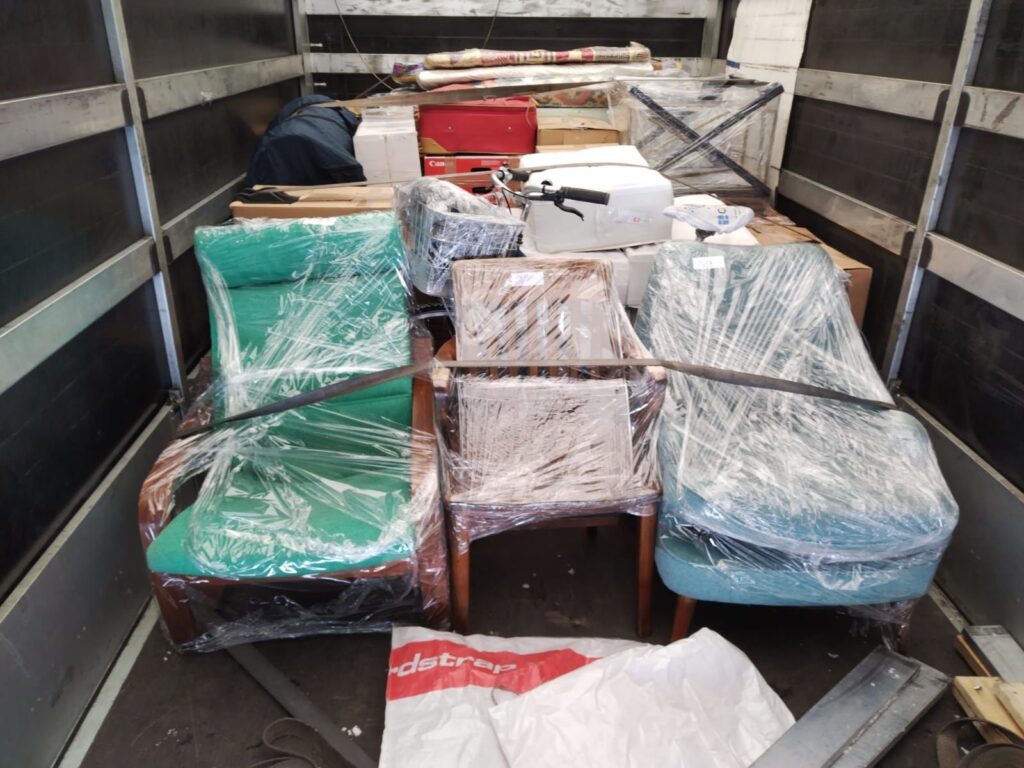
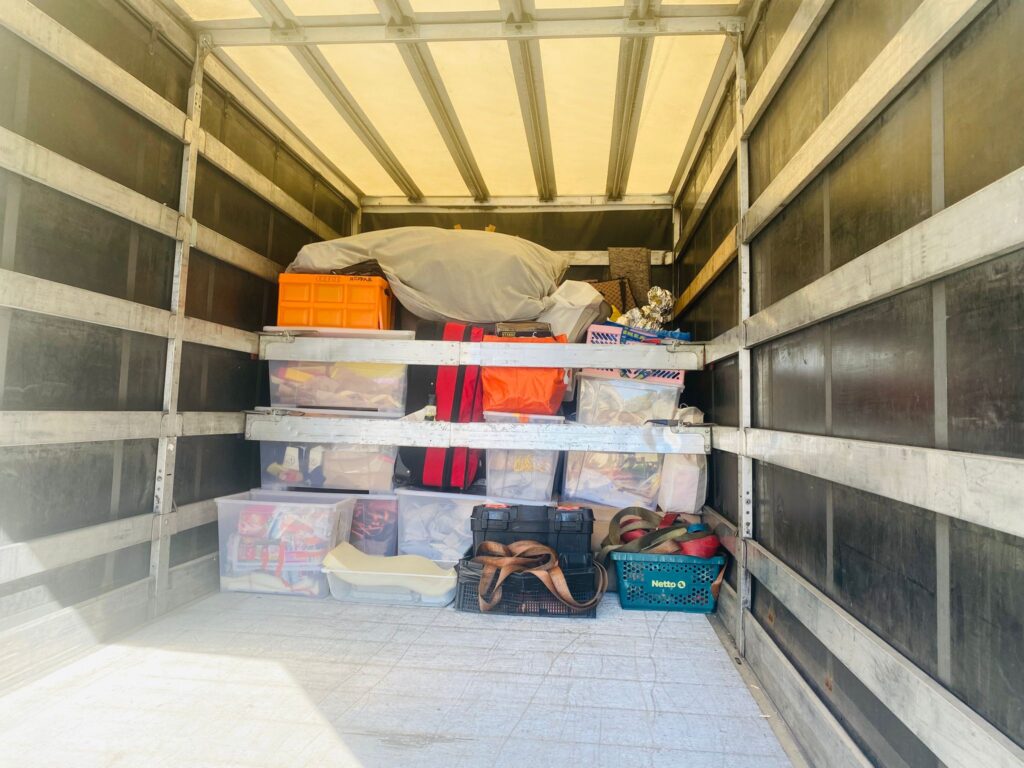
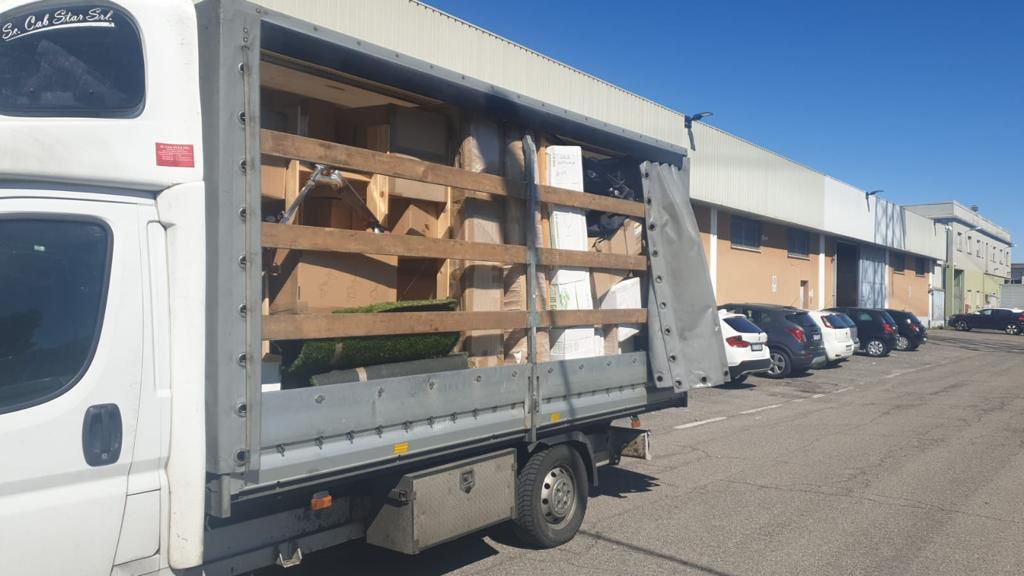
Your shipment’s safety lives in the details. We wrap furniture, guard edges, and stabilise sofas and wardrobes for long road miles. Use professional materials and a clear, room‑coded system so nothing goes missing.
Materials checklist
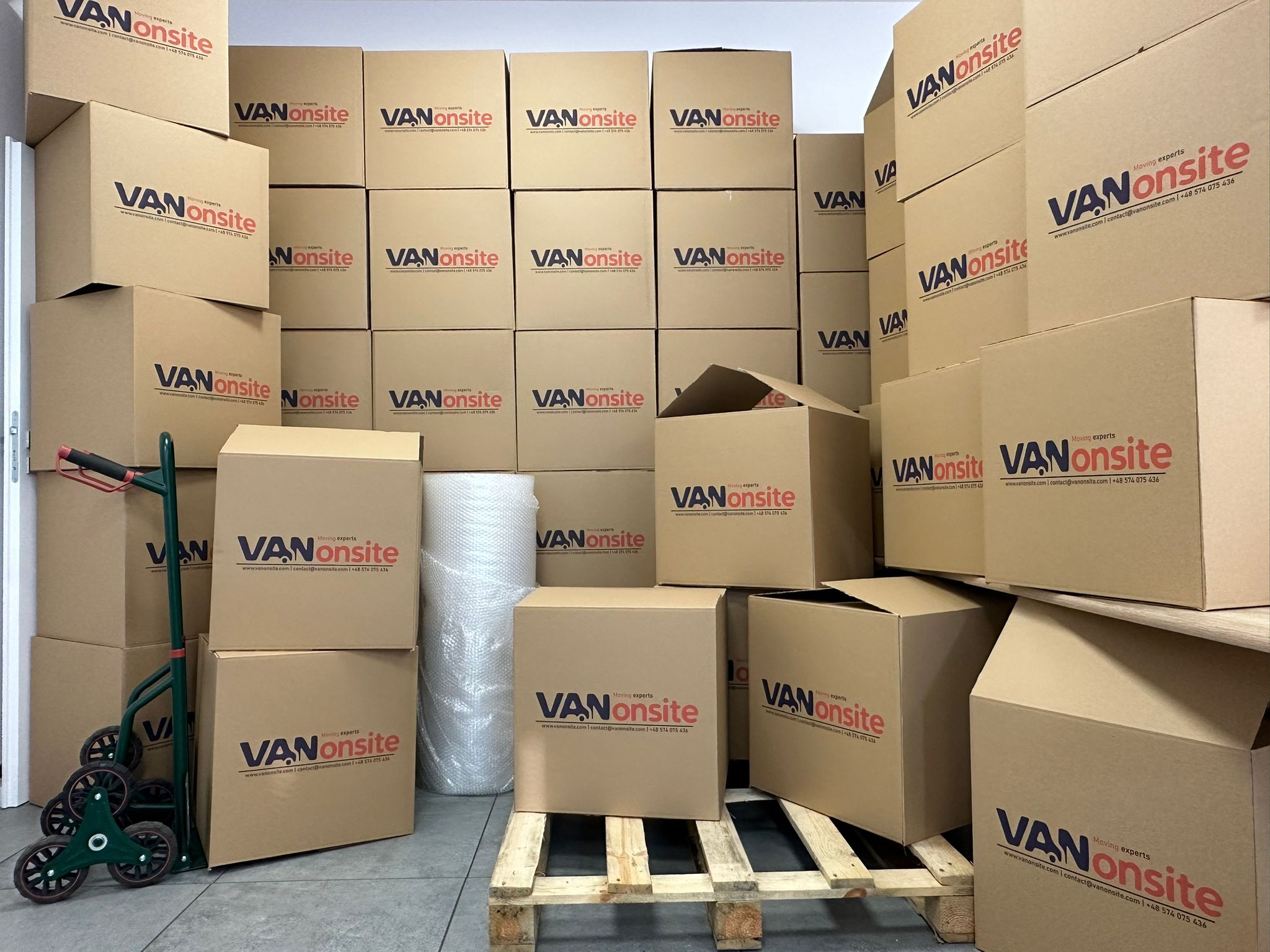
- Double‑walled boxes in small, medium, large
- Wardrobe cartons for hanging clothes
- Picture cartons or art crates with corner protectors
- Bubble wrap, foam sheets, kraft paper, acid‑free tissue for fine finishes
- Mattress and sofa covers, stretch wrap, carpet protectors
- Heavy‑duty tape, fragile tape, tamper labels
- Permanent markers and box labels; QR stickers for digital inventory
Smart packing rules
- Heavy items in small boxes, light items in large boxes.
- Fill voids with soft padding to prevent crush damage.
- Mark fragile on at least two sides and the top.
- Photograph high‑value items before packing.
- Keep cables in labelled zip bags taped to the device.
- Books spines down, rows alternated to avoid bowing.
- Plates vertical in dish boxes with foam between.
Pro care for tricky items
- Art and mirrors: Corner protectors, glass face taped in X, then bubble and carton or crate.
- TVs and monitors: Original box is best. Otherwise foam sheet, corner guards, and a screen‑safe carton. Never lay a TV flat.
- Glass furniture: Edge‑guard, foam wrap, and custom carded faces. Label upright side.
- Mattresses: Use breathable covers. Avoid trapping moisture; let air out after delivery.
- Wardrobes and drawers: Remove loose shelves. Tape drawers shut only after surface protection.
- Appliances: Drain and dry 24 hours before loading. Secure drums on washing machines.
What not to pack
- Perishables, open liquids, aerosols, flammables, pressurised containers, and paint.
- Soil, many plants, and some animal products may be restricted. Always verify rules here: Bringing goods into the UK.
- Items made from protected species may need permits. See CITES guidance.
Labelling that speeds unloading
- Format example:
KITCHEN | 12 of 24 | Fragile | Cupboards A–B - Place labels on two sides and the top; add a colour dot per room.
- Optional: QR code that links to your inventory list and photos.
Need a hands‑off move? Add Packing Services or White Glove Delivery for museum‑grade care and condition reporting.
Loading‑day choreography
- Pre‑brief with the crew and walk the route. Protect floors and door frames.
- Load room by room. Start with boxed goods, then furniture, then protected artwork.
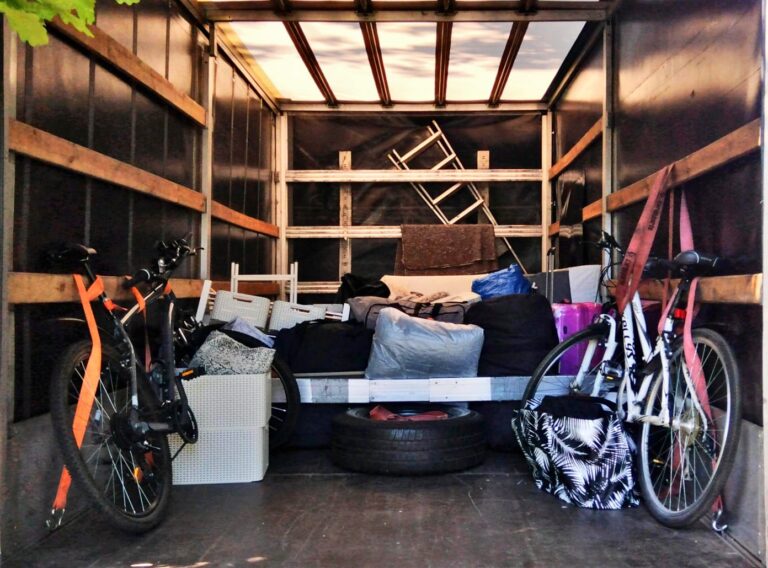
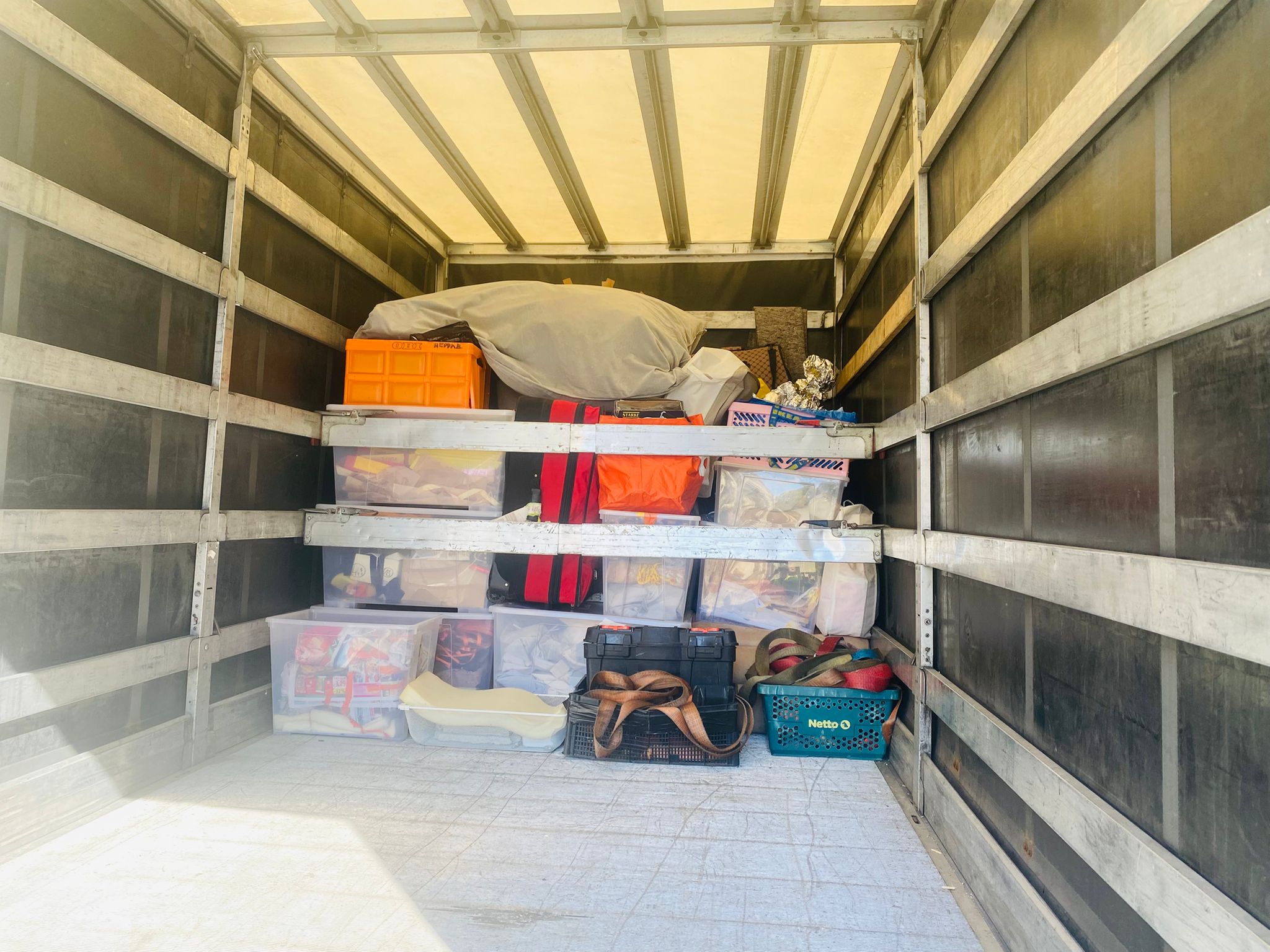
- Use straps and load bars to lock items in place. Heavy at the base, light up high.
- Final sweep of each room, meter photos, and seal check before departure.
Vehicle options, capacity, and what to choose
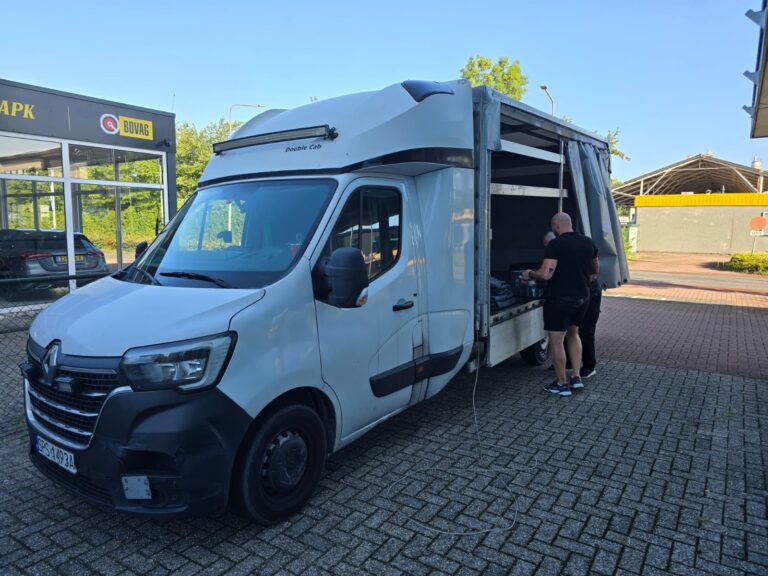
VANonsite gives you the exact size for your volume, so you never overpay for empty space. If you are unsure, we help estimate from your inventory and photos.
| Vehicle | Approx. Volume | Max Payload | Typical boxes | Example loads |
|---|---|---|---|---|
| Moving Basic | 5 m³ | 300 kg | 20–30 | Student room, essentials, TV and a few suitcases |
| Moving Medium | 10 m³ | 600 kg | 40–60 | Studio or compact 1‑bed, sofa, bed frame, 1 wardrobe |
| Moving Premium | 15 m³ | 1,000 kg | 60–90 | 1–2 bed apartment, white goods, dining set, bikes |
| Moving Premium Plus | 30 m³ | 3,500 kg | 120–180 | 2–3 bed home, wardrobes, desks, garden tools |
| Moving Full House XXL | 90 m³ | 20,000 kg | 350+ | Large family home, piano, outdoor furniture, bulk storage |
How to estimate your volume
- 1‑bed flat usually ranges between 10–15 m³.
- 2‑bed flat often needs 15–25 m³.
- 3‑bed home may require 30 m³ or more.
Quick decision guide
- Add up your m³. If you are within 10 percent of a band, choose the larger size for safer stacking.
- Check building access. Narrow streets or low car parks may require a shuttle van or split load.
- Consider payload. Books, tools, ceramics, and gym equipment add weight quickly.
- Factor in extras like bikes, outdoor furniture, or a piano that need extra protection space.
Access and parking reality check
- Provide street width, floor number, lift size, and distance to door. Photos help us right‑size.
- For busy city centres, we schedule off‑peak arrivals and arrange permits where possible.
- London may involve ULEZ or congestion fees. Tell us the exact postcode so we can plan accurately.
Real‑world scenarios
- Couple in a 1‑bed in Vienna: 12 m³ with 70 boxes and a sofa. Choose Moving Premium.
- Family of four from Graz: 28–32 m³ including wardrobes and bikes. Choose Moving Premium Plus or a split load if access is tight.
- Full‑house relocation near Salzburg: 80–90 m³ with garden gear and a piano. Choose Full House XXL and white‑glove handling for instruments.
Share your inventory and we will right‑size the truck. You will also see live progress with GPS tracking on every load.
Realistic costs, quotes, and how to save
Relocation cost depends on distance, volume, access, and services. Transparent pricing prevents surprises, so we separate labour, packing, materials, road tolls, ferries or Eurotunnel, and any storage. Every quote is itemised, easy to compare, and tailored to your pickup and delivery addresses.
What drives the price
- Volume and payload: higher m³ and heavier loads require larger vehicles and more crew hours.
- Distance and route: Austria to UK corridors often include motorway tolls and channel fees.
- Access: long carries, stair‑only buildings, or shuttle vans increase labour time.
- Services: full packing, furniture disassembly, white‑glove handling, and timed delivery windows add precision and care.
- Seasonality: late summer and year‑end are popular. Early booking keeps rates predictable.
Before numbers, choose your style of move.
Good, Better, Best packages
- Good – Economy: self‑pack, curbside to room delivery, basic protection, crew handles load and unload, no assembly.
- Better – Standard: partial pack for kitchen and fragile items, door‑to‑room placement, basic furniture disassembly and reassembly, debris sweep.
- Best – Premium: full packing and unpacking, white‑glove handling for artwork and high‑value pieces, full assembly, timed pickup and delivery, debris removal.
Here is how typical scenarios compare. Use it to sense‑check your volume and service level, then request a written quote.
| Scenario | Approx. volume | Suggested vehicle | Crew size | Typical inclusions | Usual road transit* |
|---|---|---|---|---|---|
| Student or micro move Vienna to London | 5–8 m³ | Moving Basic | 1–2 | Load, unload, basic protection, curbside to room | 2–3 days |
| 1‑bed apartment Salzburg to Manchester | 12–15 m³ | Moving Premium | 2 | Partial pack for fragile items, door‑to‑room placement | 2–4 days |
| 2–3 bed home Graz to Birmingham | 25–32 m³ | Moving Premium Plus | 2–3 | Furniture disassembly, protection, staged delivery if needed | 3–5 days |
| Full‑house Vienna to Greater London | 70–90 m³ | Full House XXL | 3–4 | Full packing, white‑glove for art, assembly, debris removal | 4–6 days |
*Transit times reflect road schedules and customs windows and are not a promise of exact dates. Your coordinator will confirm precise plans in writing.
Ways to optimise your budget
- Declutter before packing. Sell or donate bulky items you rarely use.
- Choose weekday pickup if your dates are flexible. Avoid peak city hours when possible.
- Reserve lifts and loading bays to reduce crew waiting time.
- Consider split delivery with short‑term Storage if your UK home is not ready on the same day.
- Self‑pack non‑fragiles and let us pack only glass, art, and electronics.
- Share accurate photos and a list of heavy items. The right truck and crew prevent extra trips.
Quote checklist
- Pickup and delivery postcodes, floor numbers, lift access.
- Approximate m³, special items, and any parking restrictions.
- Preferred week for pickup and delivery, and your flexibility window.
- Which services you want: packing, disassembly, storage, white‑glove.
Request a tailored quote with instant guidance on size and timeline. Your coordinator will propose at least two options so you can choose speed or economy without sacrificing safety.

Special services for smoother moves
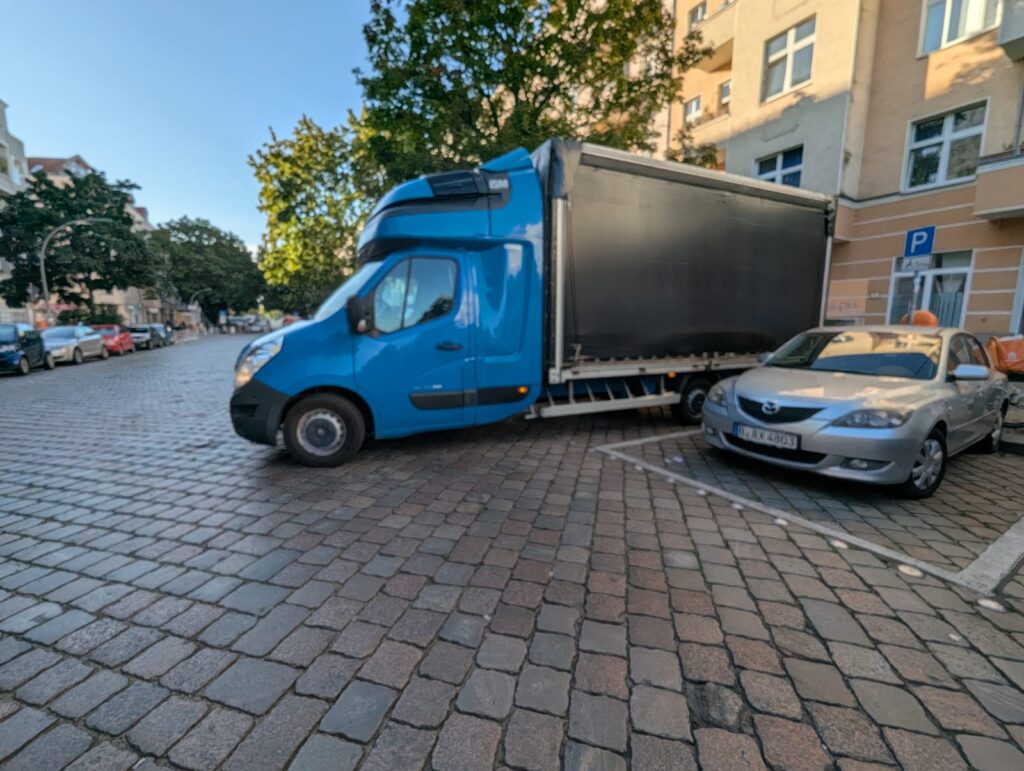
Sometimes speed or precision matters more than anything. These add‑ons keep your plan elegant and stress‑free.
- Last Minute Moving
- Ideal for urgent job starts, landlord deadlines, or keys collected earlier than expected. Priority routing, rapid paperwork checks, and real‑time GPS updates keep you in control.
- Home Removals
- Room‑by‑room planning, protective wraps on doors and floors, and careful placement so your new space feels like home on day one.
- Office Removals
- Out‑of‑hours loading, desk disassembly and cable management, IT‑safe packing, and phased delivery to cut downtime.
- Student Removals
- Compact loads, flexible dates around term times, help with shared housing access, and budget‑friendly options.
- White Glove Delivery
- Museum‑grade packing, condition reports, climate‑aware transport plans, and precise in‑room placement for art, antiques, and luxury furniture.
Feature snapshot
| Service | When it shines | What it adds |
|---|---|---|
| Last Minute Moving | Tight deadlines | Priority slots, rapid confirmations, GPS visibility |
| Home Removals | Family moves | Floor protection, room mapping, careful placement |
| Office Removals | Business continuity | Night or weekend work, labeling systems, phased setups |
| Student Removals | Light, fast, affordable | Minimal volume options, flexible timing |
| White Glove Delivery | High‑value items | Custom crating, condition reports, white‑glove handling |
Moving with kids, pets, and cars
Moving with family and furry companions adds logistics and emotion. A clear checklist calms the day and keeps everyone smiling at the door.
Kids
- Pack a comfort bag with snacks, games, favourite toy, and familiar bedding.
- Keep school records, proof of address, and vaccination history ready for admissions. Start here: School admissions and find your council: Find your local council.
- For childcare searches, note that waiting lists can be long. Ask schools about breakfast and after‑school clubs during your application call.
- Car seats must meet UK rules. Review Child car seats: the rules.
- If eligible, explore Child Benefit once you have a UK address and bank account.
Pets
- Review UK pet entry requirements, microchips, rabies vaccinations, and paperwork here: Bring your pet to Great Britain.
- Dogs may need tapeworm treatment within the required window. Your vet in Austria can advise and stamp documents.
- Confirm carrier rules with your airline, ferry, or Eurotunnel. Book pet‑friendly cabins or pet reception centres early.
- Pack a pet essentials kit: food, travel water bowl, medication, familiar blanket, and waste bags.
Cars
- If importing a vehicle, follow DVLA and HMRC steps: Importing vehicles into the UK.
- Notify HMRC through the NOVA system soon after arrival, then complete registration with DVLA. Learn about registration here: Vehicle registration.
- Headlights may need adjustment for UK roads. Arrange insurance before driving and carry proof of identity and address.
- For driving on an Austrian licence in the UK or exchanging it, see Exchange a foreign driving licence.
Your first 7 days in the UK
A calm, day‑by‑day setup turns a house of boxes into a functional home.
Day 1
- Move in, take meter readings with photos, and locate the stopcock and fuse box.
- Walk each room. Note any access issues for the delivery crew and agree final placements.
Day 2
- Order broadband and set up a temporary hotspot if needed.
- Update delivery addresses for banks, subscriptions, and work. Keep a master list.
Day 3
- Apply for a National Insurance number if you need one: Apply for a NI number.
- Create or sign in to your Personal tax account to keep HMRC details tidy.
Day 4
- Register with a local GP and find a dentist. Start here: Access NHS services and Find a GP.
- Set aside medical records and vaccination cards for each family member.
Day 5
- Set up Council Tax and check waste collection days. See Council Tax and find your council: Find your local council.
- If you watch live TV or BBC iPlayer, check if you need a TV Licence.
Day 6
- Register children at school or confirm start dates. See School admissions.
- Open a UK bank account using passport, visa, and proof of address from your tenancy or council letter.
Day 7
- If you brought a car, confirm insurance and consider licence exchange steps: Exchange a foreign driving licence.
- Do a safety review: smoke alarms, carbon monoxide detectors, window locks, and childproofing.
City notes for deliveries
Every UK city has its own rules, parking culture, and timing quirks. A little local know‑how prevents tickets, delays, and extra carries.
London
- Request parking suspensions or bay reservations with the borough in advance. Some areas need several working days of notice.
- Check if your route passes through ULEZ or the Congestion Charge zone. Give us the exact postcode so we can plan the least costly route.
- Watch Red Routes and bus lanes during peak times. We often schedule early morning arrivals to avoid restrictions.
- Many blocks require service lift bookings and security sign‑in. Share building management contacts and loading bay height limits.
Oxford and Cambridge
- Historic cores have narrow streets and time‑restricted access windows. Early morning slots work best for clean, quick unloads.
- Colleges and labs can have controlled access points. Provide gatehouse details and any delivery references.
- Parking is scarce in Controlled Parking Zones. Arrange a permit or plan a short carry from a legal bay.
Manchester and Birmingham
- Busy centres with ongoing works can change access patterns. Lift bookings and clear concierge contacts help speed the day.
- Some clean air or traffic management measures may affect routes for certain vehicles. We optimise the approach to keep costs predictable.
- New‑build apartments often have underground car parks with tight turns. Measure height and width for safe entry or plan a street‑level unload.
Edinburgh and Glasgow
- Tenement stairs and steep streets can limit large vehicle access. We may use a smaller shuttle van for door‑to‑door efficiency.
- Low Emission Zones apply in both cities. Share the exact address and we will plan compliant routing and parking.
- Councils often require parking suspensions for curbside unloads near the centre. Lead time helps secure the best spot.
Quick city planning table
| City | Best arrival window | Common constraints | Helpful prep |
|---|---|---|---|
| London | Early morning | ULEZ, Congestion Charge, Red Routes, service lift bookings | Borough parking suspension, loading bay dimensions |
| Oxford, Cambridge | Before 9 a.m. or mid‑afternoon | Time‑restricted historic streets, limited bays | Controlled Parking Zone permit, gatehouse contact |
| Manchester, Birmingham | Morning to early afternoon | Construction diversions, tight underground car parks | Concierge contact, lift booking, vehicle height check |
| Edinburgh, Glasgow | Morning | Steep streets, LEZ compliance, tenement stairs | Parking suspension request, shuttle plan for narrow streets |
What to expect on moving day
Moving day flows best when everyone knows the sequence. Here is how a typical day unfolds from first knock to final handshake.
Before arrival
- Clear hallways and reserve a parking spot if possible. Keep pets and children safe in a separate room.
- Set aside passports, keys, and your essentials kit. Leave out a basic toolkit and cleaning supplies.
Arrival and protection
- Crew briefing, building walk‑through, and floor protection. We pad door frames and guard corners in high‑traffic areas.
- Quick inventory review to confirm priorities and fragile items.
Loading sequence
- Boxes first, then disassembled furniture, then protected artwork and mirrors.
- Each box is scanned or counted against the manifest. Large items are wrapped, strapped, and stacked with heavy at the base.
In transit
- You receive road updates and live GPS tracking. If traffic or weather shifts, your coordinator adjusts routing.
- For multi‑day routes, we confirm the next day’s ETA by evening so you can plan access at the destination.
Delivery and placement
- Access check, lift pads in place, and a quick walk‑through of room labels.
- Unload by room. Beds, sofa, and essential appliances are reassembled first so the space becomes usable fast.
- Debris sweep and removal of packing materials unless you prefer to keep boxes for a later unpack.
Sign‑off and aftercare
- Final box count, condition notes, and placement confirmation.
- Any snag items are logged with photos and a simple follow‑up plan.
What can delay the day
- No parking or last‑minute lift issues
- Long carries over 30–50 metres without trolleys allowed
- Unlisted heavy or oversized items that need extra crew
- Missing keys or access codes at delivery
Share any concerns with us up front and we will build in solutions so the day stays calm and efficient.
Frequently asked questions
How far in advance should I book? 2–4 weeks is ideal. Last‑minute slots are often available.
Can I ship food or plants? Avoid perishables and check restrictions. Plants may face biosecurity rules.
Do you offer packing only? Yes. See our Packing Services.
Can you store items in the UK first? Yes. Ask about flexible Storage with rapid re‑delivery.
How hard is it to move to the UK from the EU? Since Brexit, most EU citizens need a visa to live and work in the UK. The process is straightforward if you meet the route’s rules and prepare documents early. Common options include the Skilled Worker visa, Student visa, Family visas, and Global Talent. Irish citizens do not need a visa because of the CTA. If you already hold status under the EU Settlement Scheme, you can continue living and working in the UK.
Can EU citizens still move to the UK? Yes, but most need a visa unless they are Irish citizens or already have status under the EU Settlement Scheme. Explore routes on UK visas and immigration and check your digital status here: View and prove your immigration status.
Why choose VANonsite
What makes us different
- Speed that respects your start date with realistic pickup windows, proactive routing, and quick turnarounds on urgent moves.
- Safety in every touchpoint through trained crews, premium materials, load bars, and doorway protection for both properties.
- Certainty you can see with live GPS tracking, ETA texts, and a single coordinator who keeps you informed.
- Choice without compromise from 5 m³ micro moves to 90 m³ full‑house relocations, plus split loads and storage.
- Service that fits your budget and timeline, from Economy to White Glove, all clearly itemised.
- Customs‑ready support for ToR paperwork and restricted items so clearance is smooth and predictable.
- Europe‑wide expertise on Austria–UK lanes, city permits, LEZ rules, and building access.
- Insurance options beyond the standard so high‑value pieces travel with confidence.
Ready to move from Austria to the UK with less stress and more certainty? Tell us your dates, volume, and destination. We will shape a plan that fits like a glove.
Start your move today.
- Explore services: Home Removals, Furniture Removals, Office Removals, Student Removals, White Glove Delivery, Packing Services, Storage.
- Planning the reverse route too? See Removals to Austria.
Summary: Moving from Austria to the UK at a glance
- Plan your route early. Choose the right visa, confirm job or study dates, and set up your UKVI account to manage eVisa status.
- Claim ToR relief so your used household goods can enter Great Britain with reduced duties. Keep a valued inventory and copies of key documents.
- Pack with purpose using sturdy boxes, room labels, and photo documentation for valuables. Avoid prohibited items and check food, plant, and animal rules.
- Pick the right vehicle by volume. Most 1‑bed moves fit 10–15 m³, larger family homes may need 30–90 m³. Share photos and access notes.
- Price it smart. Costs are driven by volume, access, distance, and service level. Economy, Standard, and Premium packages keep choices clear.
- Use special services when speed or precision matters: Last Minute Moving, White Glove, and short‑term Storage smooth the edges.
- Land softly in week one. Sort NI number, NHS, Council Tax, broadband, and school registration. Keep meter photos and safety checks.
When you are ready, we will align dates, confirm the right truck, and give you live GPS visibility from door to door.