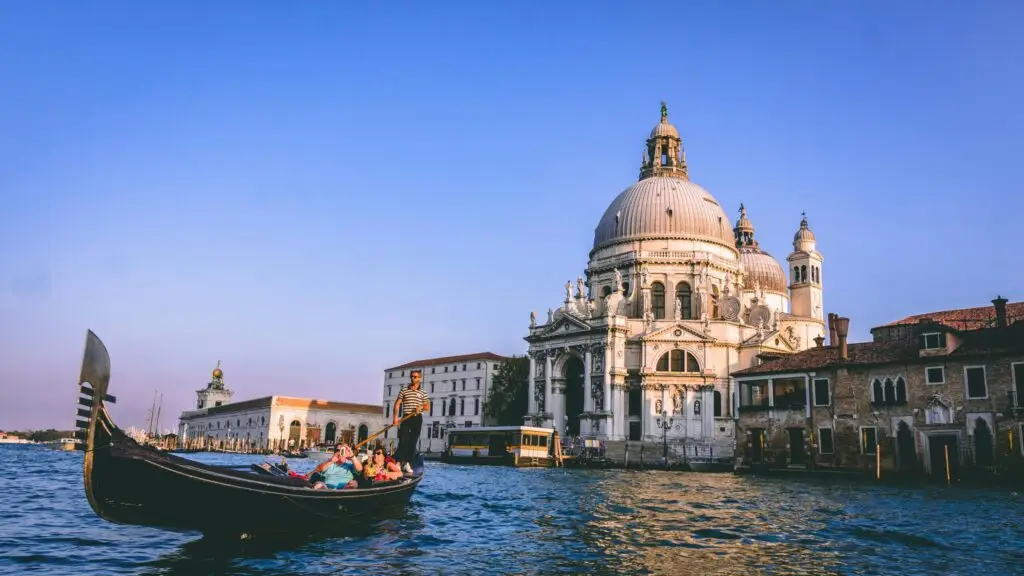
What to know before moving to Italy is more than a list of random facts. It is a mix of emotional truths, hard numbers, legal basics and one simple question: does your real life fit the Italian rhythm you imagine. Maybe you picture yourself drinking a quick espresso at the bar, hanging your laundry on a sunny balcony, or chatting with neighbours in the piazza after work. This guide takes that daydream and turns it into a clear, practical plan, with a moving to Italy checklist, an honest look at the pros and cons of moving to Italy, and step by step support from a professional European man and van partner like VANonsite.
Instead of guessing and hoping everything works out, you will understand how life in Italy really feels, what paperwork you need, how much it costs and how to move your belongings safely across Europe. By the time you reach the final section, you will be ready to choose dates, request a quote and set a real moving day in your calendar.
TL:DR – what to know before moving to Italy in 7 quick points
- Italy offers an amazing lifestyle, food and landscapes, but also slower bureaucracy and strong regional differences.
- Cost of living changes a lot between Milan, Rome, small towns and the islands, so always research your exact area, not just the country.
- Visa rules and paperwork depend on whether you are an EU or non EU citizen, so start with your legal status and official government guidance.
- Healthcare, taxes and residency rules will shape your long term life, not only the first few months, so build them into your plan from the start.
- Choosing the right city, region and neighbourhood matters as much as choosing the right apartment or house.
- A realistic moving to Italy checklist and a trusted man and van service like VANonsite will keep chaos under control and protect your belongings.
- Planning early with GPS tracked removals to Italy lets you focus on enjoying your first espresso in your new Italian street instead of worrying about the road.




What To Know Before Moving To Italy: Big Picture Overview
Before you write a single checklist or pack a single box, you need the big picture. What to know before moving to Italy is not only about documents or renting a flat. It is about lifestyle, expectations and whether the way you like to live fits the Italian rhythm.
If you are reading this, you are probably already half in love with Italy. Maybe you had a weekend in Rome that felt magical, or a long summer in Tuscany that you never wanted to end. Holiday Italy is real and wonderful, but everyday Italy has another side too, with work, bills, queues at the Comune and rainy days. This guide shows you both, so you can make a decision that feels brave and informed, not blind.
You will find here:
- the emotional and practical pros and cons of moving to Italy,
- a clear explanation of visas, residency and basic legal rules,
- a realistic look at money, cost of living and banking,
- guidance on choosing a region, city and neighbourhood,
- a detailed moving to Italy checklist that starts months before moving day,
- and finally, practical advice on how to move your belongings with a professional man and van team across Europe.
Throughout the guide you will see how everything connects. Your choice of city affects your costs. Your legal status changes your paperwork. Your volume of belongings shapes which VANonsite van size you need and how long the trip will take. Instead of treating each decision separately, you can see the whole journey as one continuous plan.
If you want to go even deeper on this topic, VANonsite has created a dedicated hub page that focuses fully on this question. You can explore more insights and examples on What to know before moving to Italy, then come back to this long guide whenever you need structure and detail.
Pros And Cons Of Moving To Italy
Every big move has a heartbeat. When you think about Italy, you probably feel a rush of excitement first. Sun on old stone walls, late dinners outside, the sound of Italian floating through the streets. To make a wise decision, you also need to look at the full picture. The real pros and cons of moving to Italy sit side by side. When you see them clearly, you can decide if this beautiful, sometimes chaotic country is the right match for you.
Emotional pros: lifestyle, food, climate, culture, community
On an emotional level, Italy is powerful. Many people feel more alive here. Daily life often includes small pleasures that cost almost nothing but change everything.
You might enjoy:
- Coffee at the bar before work, standing at the counter like a local.
- Long, unhurried meals with friends and family.
- Historic streets and architecture that turn every walk into a mini museum visit.
- Strong local identity, festivals and traditions that give each town its own soul.
- A climate that, in many regions, allows you to spend much more time outside.
There is also a sense of human connection. Shopkeepers remember your face. Neighbours greet you. Conversations in the piazza can last longer than planned. If you are craving warmth and community, this part of Italy can feel like a dream.
Practical pros: cost of living, healthcare and access to Europe
Beyond feelings, there are solid practical advantages that belong on any list of pros and cons of moving to Italy.
For example:
- In many smaller towns and southern regions, rent and daily costs can be lower than in northern Europe.
- Italy offers a public healthcare system that, once you are correctly registered, can be very affordable and accessible.
- You have direct access to the rest of Europe by train, car or short flights, especially from major cities.
- Fresh, seasonal food is widely available, often at reasonable prices in local markets.
If you choose your region carefully and understand how the system works, you can often enjoy a high quality of life without needing a luxury level income.
Cons and challenges: bureaucracy, jobs, language and differences
Italy is not perfect. No country is. Some of its weaknesses are exactly the things that frustrate new arrivals the most.
Common challenges include:
- Bureaucracy that can feel slow and confusing, with forms, appointments and changing rules.
- A job market that is strong in some sectors and regions, but limited in others, especially for non Italian speakers.
- A real language barrier outside of tourist areas, offices and some international companies.
- Strong regional differences in salaries, services and attitudes.
If you move expecting a perfect postcard, these realities can feel harsh. If you move knowing that you will face some delays, learn some Italian and ask for help when needed, they become manageable.
Pros and cons of moving to Italy at a glance
This simple table brings the main points together so you can compare them quickly.
| Pros of moving to Italy | Cons of moving to Italy |
|---|---|
| Warm lifestyle with strong food and social culture | Slow and sometimes confusing bureaucracy |
| Beautiful landscapes and historic cities | Job market can be limited in some regions and for some professions |
| Public healthcare system once you are registered | Language barrier, especially outside big cities and tourist areas |
| Potentially lower costs in many smaller towns | Strong regional differences in salaries and services |
| Access to the rest of Europe for travel and work | Need for patience and flexibility with local systems |
| Rich traditions, festivals and community feeling | Adapting to different working hours and holiday rhythms |
Looking at this table, ask yourself a simple question. Do the pros light you up more than the cons scare you. If the answer is yes, then the rest of this guide will help you build a strong, realistic plan around that feeling.
Everyday Life In Italy: Culture, Climate And Rhythm
What to know before moving to Italy is not only what happens in offices or at the bank. It is what your Tuesday mornings and Sunday evenings feel like. Everyday life is the real test of any move. Once the man and van has left and the last box is in the corner, this is the life you will actually live.
Daily rhythm in Italian cities and towns
Italian days have a different heartbeat. Mornings often start early, with people heading to work or school and stopping for a quick coffee and cornetto at the bar. Lunchtime can still be important, especially in smaller towns, and some shops or offices may close for a few hours in the early afternoon.
Evenings come alive again. Families go for walks, children play in squares, friends meet for an aperitivo before dinner. In many places, the street feels like an extension of the living room.
If you are used to 24 hour supermarkets and constant availability, this rhythm may feel strange at first. Over time, many people grow to love it. It forces you to slow down and create more structure in your day.
Food culture and social life
Food is not just fuel in Italy. It is a language, a tradition and one of the easiest ways to connect with people.
You will notice that:
- Local markets are full of seasonal produce, and many families still cook at home most days.
- Each region, and often each town, has its own special dishes and products.
- Meals are a social event. Even a simple dinner with friends can last several hours.
You do not have to be a world class cook to enjoy this. Simply being open to local ingredients, recipes and invitations will change how you relate to food and to people around you.
Climate differences between north, centre, south and islands
Italy looks small on the map compared to some countries, but the climate changes a lot from region to region.
In simple terms:
- The north has colder winters, sometimes with snow, and warm but less humid summers in many areas.
- The centre usually has milder winters and hot summers, especially inland.
- The south and islands often enjoy very mild winters and long, hot summers with plenty of sun.
This affects everything from what clothes you bring to how you heat or cool your home and which activities feel good in each season. When you read the pros and cons of moving to Italy, remember that the weather can sit in both columns, depending on how you feel about heat or cold.
Weekends, holidays and August shutdowns
Weekends in Italy can feel wonderfully alive. Markets, family lunches, day trips to the sea or mountains, local festivals and sports all have their place. At the same time, you may find that some shops or services have shorter hours on Sundays.
One of the biggest cultural shocks for newcomers is August. In many areas, especially in cities, a large number of people take holidays at the same time. Offices slow down, some small businesses close for several weeks and coastal areas fill up with visitors.
This can feel frustrating if you arrive in the middle of it and need to get things done. If you know about it in advance, you can plan around it. Use that time to explore, settle into your home, meet neighbours and enjoy the slower pace.
Everyday life in Italy is not a never ending holiday. It is real life, with bins to take out and forms to sign. But it is a life where simple moments can feel richer. If that sounds like the kind of everyday you want, then keep reading.
Visas, Residency And Legal Basics
What to know before moving to Italy also includes a clear look at the rules. Even if you fall in love with a place at first sight, you still need the right to live, work or study there. The good news is that once you know your status, the steps become much simpler. The most important distinction is whether you are an EU citizen or a non EU citizen.
EU citizens: freedom of movement and residence registration
If you are a citizen of another EU country, plus Iceland, Liechtenstein, Norway or Switzerland, your basic right to enter and live in Italy is protected by European free movement rules. You usually do not need a visa to move, but you still have obligations once you decide to stay long term.
In practice, as an EU citizen you can:
- Enter Italy with a valid passport or national ID card.
- Stay for up to 3 months while you look for work, study, explore or prepare your move.
- Stay longer than 3 months if you are working, self employed, studying, or have sufficient resources and health coverage.
If you plan to settle, you will normally need to register your residence with the local Comune where you live. This usually means visiting the Anagrafe (registry office) with documents such as your ID, proof of address and proof of work or resources. For a deeper look at this path, you can read the dedicated guide EU citizen moving to Italy.
Because rules and required documents can change, it is always wise to double check official guidance on Italian government sites, for example through the Italian Ministry of the Interior or the Italian government portal, and on your own country’s government site before you move.
Non EU citizens: visas, permits and early planning
If you are not an EU, EEA or Swiss citizen, your move to Italy usually starts with a visa application in your home country. Only after arrival can you apply for a permesso di soggiorno (residence permit). This two step process takes time, so early planning is essential.
Typical visa routes may include options such as:
- Work visas for employees with a job offer under the relevant schemes.
- Visas for self employed workers or specific professional activities.
- Student visas for recognised courses or university programs.
- Family reunification visas if you are joining certain family members who are already legally in Italy.
For each route, you will need specific documents such as proof of income, health insurance, housing and clean criminal records. Because these requirements are detailed and can change, always start from official sources, for example the Italian Ministry of Foreign Affairs visa portal and the website of the Italian embassy or consulate in your country.
Once you arrive in Italy with your visa, you usually have a limited period to apply for your permesso di soggiorno at the post office and then finalise the process through the local Questura (police immigration office). Ignoring these deadlines can cause serious problems later.
The 90 day rule and respecting time limits
A key point in what to know before moving to Italy is the 90 day rule. For many visitors, including some non EU citizens in the Schengen area, short stays without a long term permit are limited to 90 days within a 180 day period.
If you plan to live in Italy, not just visit, you should not rely on tourist time. Overstaying or ignoring time limits can lead to fines, entry bans or difficulties when you try to apply for proper residence later.
Instead, use your moving to Italy checklist to:
- Count your days correctly.
- Apply for the right visa before arrival if you need one.
- Register your residence or apply for a permesso di soggiorno within the required time after arriving.
By respecting the 90 day framework and local rules, you build a stable foundation for your new life instead of starting it with legal stress.
Always verify on official government websites
Immigration and residency rules can change. Blogs, forums and social media groups can be helpful for stories and tips, but they are not a substitute for official information.
Before you make final decisions, always:
- Check the latest rules on official Italian government websites for visas, residence permits and registration.
- Visit your own country’s government website for travel, consular and tax advice.
- If needed, contact the Italian embassy or consulate in your country to confirm which documents you must prepare.
When you later expand this section with specific document lists for your audience, link directly to the relevant Italian government pages and the official embassy or consular sites for each country. This keeps your readers safe, up to date and confident as they plan.
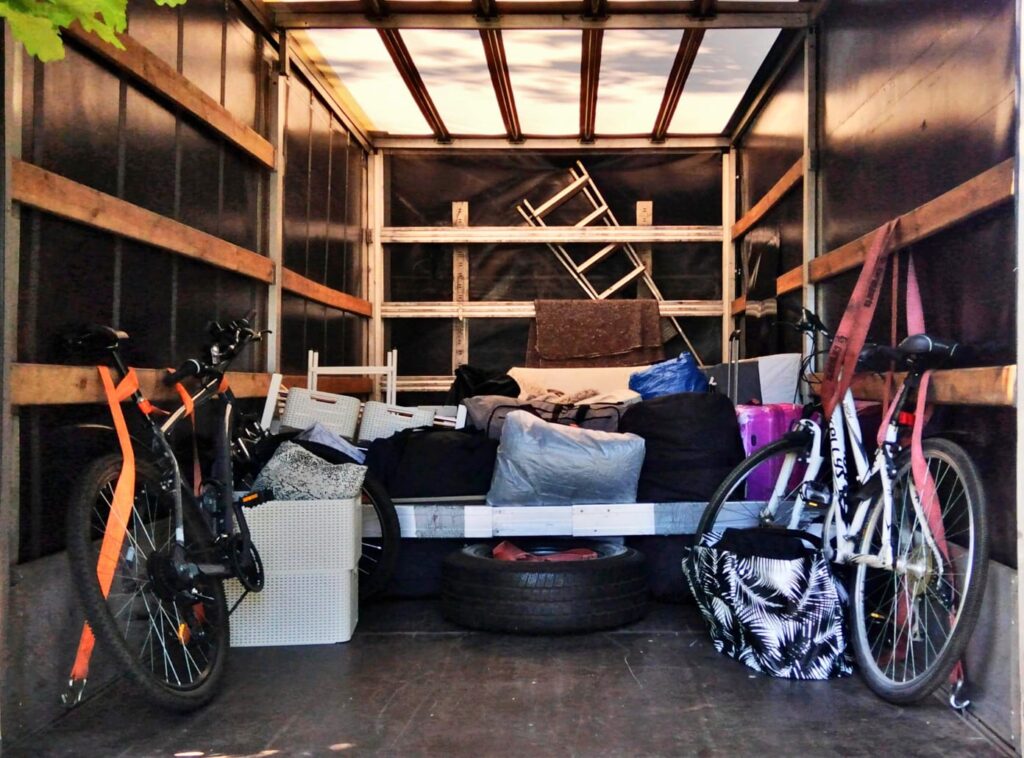


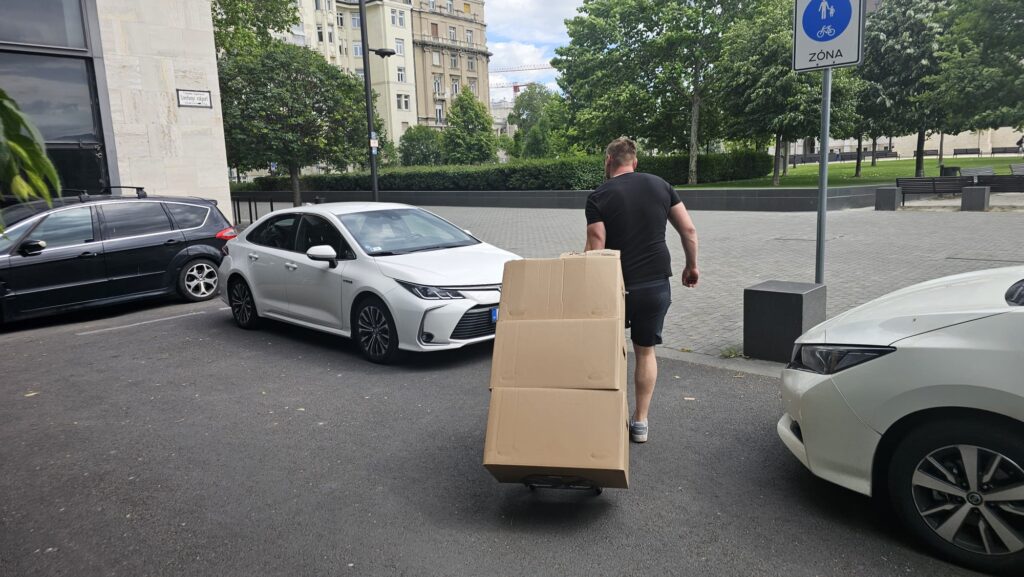
Money, Cost Of Living And Banking
Money may not be the most romantic part of your Italian dream, but it is one of the most important. What to know before moving to Italy definitely includes a realistic view of cost of living, housing and how you will manage your finances between countries. Clear numbers prevent nasty surprises and help you enjoy the beautiful parts of life in Italy with a calm mind.
Cost of living differences between major cities and smaller towns
Italy is not one price tag. Milan and a small town in Puglia can feel like two different planets when you look at rent and daily expenses.
In general terms:
- Big cities such as Milan, Rome or Florence come with higher rents and more expensive eating out, but also higher salaries in some sectors.
- Mid sized cities often offer a softer balance, with reasonable rents and good services.
- Small towns and some southern regions can have much lower housing costs and cheaper local food, but may offer fewer jobs.
When you plan your move, always research the exact city or town you are considering. Look at typical rents, transport passes, utility costs and food prices so you can build a budget that matches reality.
Typical monthly budgets for different lifestyles
Your personal budget will depend on your choices. A single remote worker in a shared flat spends differently than a family of four in a larger home.
Think about:
- Housing: rent, condominium fees and basic maintenance.
- Utilities: electricity, gas, water, waste and internet.
- Food: groceries at supermarkets and markets, plus eating out.
- Transport: public transport passes, trains or car costs.
- Extras: phone plans, healthcare top ups, hobbies and travel.
Later in this guide you can add a simple table with example monthly budgets for a big city and a mid sized town, showing how these elements change.
Rent expectations and how deposits work
Rent is usually your biggest monthly cost, so it deserves special attention.
In many Italian rentals you can expect:
- A security deposit of one to three months’ rent.
- The first month of rent paid in advance.
- Possible agency fees if you rent through an estate agent.
Some contracts include certain condominium or heating costs in the rent, others list them separately. Always read the contract carefully, ask questions if anything is unclear and keep copies of everything.
Understanding these basics early helps you save enough before you book your man and van and avoids last minute panic about deposits.
Opening an Italian bank account and getting an IBAN
Once you live in Italy, an Italian bank account makes daily life much easier. You can pay rent, receive a salary, set up direct debits and avoid extra foreign transaction fees.
To open an account, banks will usually ask for:
- Your ID or passport.
- Your codice fiscale (Italian tax code).
- Proof of address and sometimes proof of income or study.
With your account open, you receive an IBAN that you can use for local and international transfers. Some online banks and traditional banks offer accounts tailored for newcomers or people who still have strong financial links with other countries.
Currency, payments and managing money between two countries
Italy uses the euro, which simplifies life if you are moving from another eurozone country. If your home currency is different, exchange rates will affect your budget.
To manage your money smoothly:
- Decide which expenses will stay in your home country and which will move to Italy.
- Consider using multi currency accounts or cards if you are paid in a different currency.
- Track your spending for the first few months to see how your real Italian costs compare to your initial estimates.
Good money planning does not remove all uncertainty, but it gives you control. When you know your numbers, you can choose the right VANonsite man and van option, the right flat and the right lifestyle without constant anxiety.
Where To Live: Cities, Towns And Regions
Choosing the right place to live is one of the most important things to know before moving to Italy. The same country feels very different depending on whether you are in a busy northern city, a quiet hill town or a coastal village. Your choice will shape your costs, your social life and even how often you use your man and van for future mini moves inside Italy.
North vs central vs south vs islands
Each part of Italy has its own character.
- The north is often more industrial, with stronger job markets, higher average salaries and very good transport links. Cities like Milan and Turin feel fast paced and business focused.
- The centre mixes historic cities with countryside and coast. Places such as Florence, Bologna or many towns in Tuscany and Umbria offer a rich cultural life and a balanced rhythm.
- The south can feel warmer in both climate and personality. Many areas have lower rents, strong local traditions and a slower daily pace.
- The islands, like Sicily and Sardinia, bring dramatic landscapes and a strong sense of identity, but they sit physically further from the rest of Europe.
There is no single best region. There is only the region that fits your work, budget and personality.
Big cities vs mid sized cities vs small towns
When you picture your life in Italy, do you see yourself in a large, buzzing city or somewhere smaller and quieter.
Big cities offer:
- More jobs and international companies.
- Universities, cultural events and nightlife.
- Better connections by train and plane.
They also bring:
- Higher rents and more competition for good apartments.
- Busier streets, more noise and more traffic.
Mid sized cities often strike a sweet spot. They can have:
- A strong local identity and active cultural life.
- Shorter commutes and more walkable centres.
- More reasonable housing costs.
Small towns and villages give you:
- A slower pace and close community.
- Lower costs for housing and often for food.
- Quieter streets and easier access to nature.
The trade off is that jobs may be fewer and some services, such as hospitals or major shopping centres, may be further away.
Coastal, countryside and mountain living
Landscape shapes your daily routine more than many people expect.
- Coastal life means sea views, beach days and busy summer seasons when tourists arrive. Winters can be peaceful, even very quiet.
- Countryside gives you space, silence and starry skies. You may need a car and a good internet connection to keep work and life flowing.
- Mountain areas offer fresh air, skiing or hiking and cooler summers, but winters can be long and transport more challenging.
Think about how you like to spend your weekends. Do you recharge by the water, among fields or in the mountains. That answer helps you narrow down your ideal region.
Transport links and living connected
Transport is not exciting to think about, but it changes how your life feels.
Ask yourself:
- How important is it to live near an international airport.
- Do you want high speed train connections to other Italian cities.
- Will you mostly walk, cycle, drive or use public transport.
If you expect frequent travel for work or family visits, a city with strong connections will make life easier. If you plan a quieter, more local life, you may be happy in a place with fewer links.
When you explore specific cities, you can use VANonsite resources for inspiration. For example, if the idea of lagoon life and boats instead of buses fascinates you, read their guide on Moving to Venice Italy. If you prefer a dynamic northern city with mountains nearby and strong industry, explore Moving to Turin Italy.
You can also create a simple table comparing two cities and one smaller town that interest you. Include rent ranges, transport options, climate notes and lifestyle keywords. Seeing everything side by side makes the decision feel calmer and more concrete.
Where To Live: Cities, Towns And Regions
Choosing the right place to live is one of the most important things to know before moving to Italy. The same country can feel like several different worlds depending on whether you are in a busy northern city, a quiet hill town or a small coastal village.
Subsections:
- North vs central vs south vs islands: who usually loves which area
- Big cities vs mid sized cities vs small towns
- Coastal, countryside and mountain living
- How transport links to airports and trains change your lifestyle
Internal links:
- Mention lagoon life and link to Moving to Venice Italy
- Mention a dynamic northern city with mountains nearby and link to Moving to Turin Italy
Consider adding a simple table that compares two example cities plus one smaller town.
Work, Business And Remote Jobs In Italy
What to know before moving to Italy is also how you will actually earn a living once the boxes are unpacked and the man and van has driven away. Sunlight on old buildings is wonderful, but you still need a reliable income. This section gives you a high level view of work, business and remote jobs in Italy so you can start with realistic expectations.
Job market overview in different regions and sectors
Italy has a very mixed job market. Opportunities depend a lot on both region and sector.
In broad terms:
- The north usually has more jobs in industry, finance, technology and services.
- The centre often combines public sector work, tourism, culture and education.
- The south and islands can have fewer traditional jobs, but more chances in tourism, agriculture and small family businesses.
If you already work in a specific field, research where that sector is strongest. For example, fashion and finance often cluster around Milan, automotive and industry around Turin and some tech and start up activity around larger cities.
Many people moving to Italy combine different income streams. A part time local job, some remote work for a foreign employer or freelance projects together can create a stable picture over time.
Remote work from Italy for foreign employers
Remote work has opened the door for many people who want to live in Italy while working for companies based elsewhere. If your current job can be done online, this might be your easiest path.
To make remote work from Italy sustainable, think about:
- A stable, fast internet connection in the area you choose.
- Time zones and how they affect meetings with your employer or clients.
- Tax rules in both Italy and your home country, especially if you stay long term.
Some people keep their existing job and simply change location. Others build a client base abroad while living in Italy. In both cases, it is important to check official tax and labour guidance before you commit, so that your dream life does not turn into a paperwork headache later.
Starting a business or freelancing in Italy
Italy can be an inspiring place to start a small business or go freelance. Cafes, creative studios, tourism services, online consulting, language teaching, digital marketing and many other activities can all be based here.
If you are thinking about this path, start by:
- Researching which legal form fits you best, such as a simple freelance registration or a company.
- Checking basic registration and tax rules on official government websites.
- Talking with a local accountant or advisor who understands both Italian rules and the situation of foreign residents.
At this stage, you do not need to know every law by heart. You just need to know that rules exist, where to read them and when to ask a professional for help.
Work life balance and typical working hours
One of the big reasons people consider Italy is the idea of a better work life balance. In many places, evenings really belong to family, friends and community. Long dinners, weekend visits to relatives and summer holidays are taken seriously.
At the same time, reality differs by sector and role:
- Some office jobs still have long days and unpaid overtime.
- Service and hospitality roles often involve evenings and weekends.
- Flexible or remote jobs can offer more control, especially if you manage your own schedule.
Before you move, try to picture your real weekday. How many hours do you want to work. How far are you willing to commute. How important is it for you to finish at a time that lets you enjoy the local rhythm in the piazza.
Whatever path you choose, always cross check key information on official labour and tax resources in both Italy and your home country. Stories from other people can inspire you, but law and tax rules come from government sources, not social media.
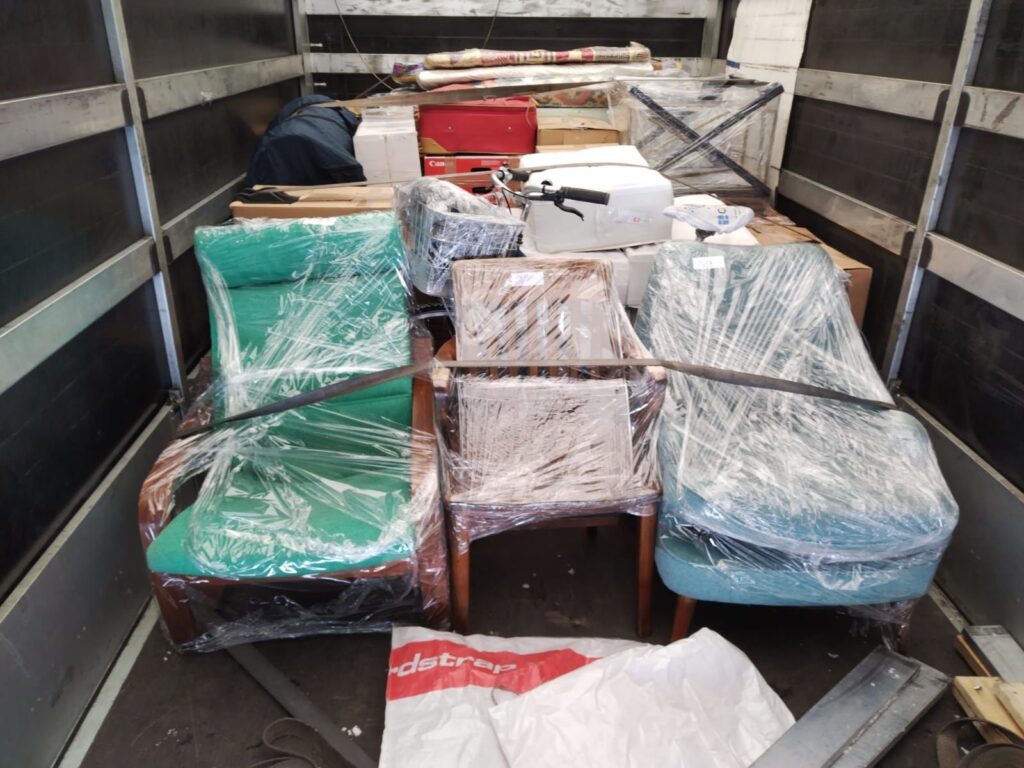
Healthcare, Insurance And Social Security
Another vital part of what to know before moving to Italy is how you will protect your health and your long term security. Beautiful views feel very different if you are worried about medical bills or do not understand how the system works.
This section gives you a high level picture of healthcare, insurance and social security so you know which questions to ask and where to look for official answers.
The basics of the Italian healthcare system
Italy has a national public healthcare system known as the Servizio Sanitario Nazionale (SSN). Once you are correctly registered, you can usually access family doctors, hospital care and many other services either free or at a reduced cost.
How you register and what you pay depends on your status. Employees and many self employed workers are covered through their social security contributions. Some residents without standard employment may join by paying an annual contribution. The details can vary between regions.
Because rules and procedures can change, always confirm the latest information on official Italian health authority or ministry websites before making decisions.
Public healthcare access vs private insurance
Many residents rely primarily on public healthcare, then use private services for speed, comfort or specific specialists.
When planning your move, consider:
- How to access the SSN once you become a resident.
- Whether you want additional private health insurance, especially in the first months.
- How waiting times and available services in your chosen region compare with your expectations.
If you already have international health insurance through work or a private provider, check how it works in Italy, how long it covers you and when you may need to switch to local arrangements.
EU and non EU citizens in the health system
Your route into the health system also depends on whether you are an EU citizen or a non EU citizen.
- EU citizens may arrive with a European Health Insurance Card for temporary stays and later register with the Italian system once they become residents, following EU rules and local procedures.
- Non EU citizens often need to show proof of adequate health insurance as part of their visa or residence permit process and then move into the public system once certain conditions are met.
In both cases, it is essential to read the latest guidance on official government sites. These will tell you which forms you need, where to register and what contributions you may have to pay.
Social security contributions and long term security
If you work in Italy, you will usually pay social security contributions. These help fund public healthcare, pensions and some other benefits.
When you plan a long term move, think about:
- Where your pension rights will accumulate and how to keep track of them.
- How contributions in Italy may interact with contributions you have already paid in other countries.
- What happens if you move again in the future.
Official social security and pension websites in both Italy and your home country are the best sources for this information. Reading them early helps you see your move not just as a one year adventure, but as part of your whole working life.
Moving To Italy Checklist: From First Idea To First Night
A strong moving to Italy checklist turns a vague dream into a clear series of steps. Instead of trying to do everything at the last minute, you spread tasks over several months. This makes your move calmer and also helps your man and van team plan the perfect route and vehicle size for your belongings.
Six to three months before moving
This is your research and vision phase.
Focus on:
- Exploring different regions and cities, using real data on rent and jobs.
- Building a draft budget for life in Italy.
- Reading about visas, residency and healthcare rules from official sources.
- Deciding whether you will look for local work, bring a remote job or start a business.
At this stage you can also start collecting quotes from European man and van services like VANonsite, based on your rough volume and ideal moving month.
Three to two months before moving
Now your plan becomes more concrete.
Your priorities:
- Confirm your legal route. For non EU citizens, move forward with your visa process. For EU citizens, plan your residency registration steps.
- Start your housing search and note typical prices in your chosen area.
- If you have children, look into schools or childcare options.
- Begin decluttering so you only move what you truly want to keep.
Share any updates with your chosen man and van company so they can refine timing and routes.
Two to one month before moving
This is when things start to feel real.
You should:
- Book your man and van service with VANonsite or another trusted provider.
- Confirm access details for your current and future homes, including floors, lifts and parking.
- Start serious packing of non essential items.
- Tell employers, schools and important services about your moving date.
A professional European man and van team can guide you on van size, timing and any special handling for fragile or bulky items.
Final weeks before moving
The final weeks can feel intense, but a clear checklist keeps you grounded.
Tasks to handle:
- Finish packing, room by room, with clear labels on each box.
- Create a simple inventory of valuable and fragile items.
- Close or transfer contracts and subscriptions in your home country.
- Prepare a folder with all key documents for travel and registration in Italy.
Moving week
Moving week is where your plan becomes reality.
Make sure you:
- Confirm exact loading and arrival times with your man and van team.
- Keep an essentials bag with clothes, toiletries, devices and medicines.
- Do a final inspection of your old home after the van has left.
- Travel to Italy in the way that suits you best, knowing your belongings are tracked by GPS.
Arrival week in Italy
Your first week in Italy sets the tone for your new life.
In these first days:
- Direct the unloading so boxes land in the correct rooms.
- Set up a basic sleeping area and kitchen so you can rest and eat well.
- Note any urgent admin tasks, such as registering your address or booking appointments.
- Take time to walk around your new area and find shops, pharmacies and transport stops.
Compact moving to Italy checklist
You can use this short list as a quick reminder:
- Choose a region, city and neighbourhood.
- Confirm your legal route and read official visa and residency guidance.
- Build a realistic budget and savings target.
- Declutter and decide what will travel with you.
- Book a trusted European man and van service such as VANonsite.
- Pack, label and create a simple inventory.
- Plan your first week in Italy, including one small celebration for your first night.
For more ideas and deeper planning support, you can also visit VANonsite’s dedicated guide What to know before moving to Italy, then come back to this checklist whenever you want to tick off the next step.
How To Move Your Belongings: Man And Van, Removals And Storage
Moving your belongings across borders is where theory turns into action. This is also where choosing the right European man and van partner makes the difference between a stressful journey and a controlled, almost calm experience.
Man and van vs traditional large removals trucks
Traditional big removals trucks are useful for very large loads, but they are not always the best choice for real European streets. Many Italian cities and towns have narrow roads, low arches and limited traffic zones.
A man and van service offers:
- More flexible vehicle sizes that match your real volume.
- Easier access to tight streets and historic centres.
- A more personal experience, often with the same crew from loading to unloading.
For many moves to Italy, a dedicated man and van setup feels more human and more practical than a huge anonymous truck.
When a nimble man and van is perfect
A compact, well planned man and van service is ideal when:
- You are moving from a flat with tricky stairs or limited parking.
- Your new Italian home is in a historic centre with narrow lanes.
- You have a medium sized load that does not justify a full size truck.
- You need flexibility with dates or timing, for example for a last minute move.
VANonsite specialises in this kind of European man and van work. Their crews are used to planning access in advance and adjusting on the day if something unexpected appears on the street.
When a larger vehicle is better for full house moves
There are times when you really do need volume. If you are moving a full family home with several bedrooms, outdoor furniture and storage items, a larger vehicle becomes the smart choice.
With VANonsite you can choose from different van sizes, including options that comfortably handle full house loads. Their team will help you match your inventory to the right vehicle so you are not squeezing everything in at the last minute.
Here is a quick reminder of the main options:
| VANonsite option | Volume and weight | Typical use in a move to Italy |
|---|---|---|
| Moving Basic | 5 m3, 300 kg | Student moves, luggage, urgent parcels |
| Moving Medium | 10 m3, 600 kg | Small flat, partial loads |
| Moving Premium | 15 m3, 1 000 kg | One bedroom flat with furniture and appliances |
| Moving Premium Plus | 30 m3, 3 500 kg | Larger flats, small houses, family moves |
| Moving Full House XXL | 90 m3, 20 000 kg | Full family home, large international relocations |
GPS tracking and real time updates on long routes
One of the most reassuring things about working with VANonsite is GPS tracking on every load. When your belongings are crossing countries, you do not want to guess where they are. You want to know.
With GPS tracking and clear communication you can:
- See progress along the route.
- Receive updates about estimated arrival times.
- Relax during your own travel, knowing your possessions are exactly where they should be.
This transparency turns a long European route into a known journey instead of a black box.
Storage between homes
Sometimes the timing between leaving your old place and entering your new Italian home is not perfect. You may need to leave your country on one date, but your new rental is only available later.
In these cases, storage is your safety net. VANonsite can help arrange storage options to:
- Bridge a gap of a few days or weeks.
- Keep part of your belongings safe while you test life in Italy with a lighter load.
- Protect seasonal or rarely used items until you really need them.
Talking about these possibilities early with your man and van team helps them design a route and loading plan that fits your real life, not just a perfect calendar.
If you want to explore how VANonsite organises removals to Italy in more detail, you can read their dedicated page Removals to Italy.
Packing, Decluttering And Protecting What You Love
Packing is the moment your move becomes emotional. Every object you touch carries a story, a habit or a plan for your new Italian life. Done well, packing protects what you love, saves money and makes your first weeks in Italy much easier.
Why decluttering before moving to Italy saves money and energy
Before you reach for the tape, it is worth asking a hard question. Does everything you own deserve a seat in the van.
Decluttering before you move:
- Reduces the number of boxes and the van size you need.
- Lowers your overall man and van cost.
- Makes unpacking in Italy lighter and faster.
A simple method is to move room by room and sort items into keep, sell, donate and recycle. Be honest with yourself about what you actually use. Your future self in Italy will thank you when you open fewer boxes in a cleaner space.
Packing strategies for fragile items, art and electronics
Some things simply cannot be replaced. Plates from your grandparents, favourite glasses, artwork, instruments, high value electronics. These deserve extra care.
Good packing for fragile items usually means:
- Wrapping each piece separately in paper or bubble wrap.
- Using strong boxes and filling empty spaces with soft materials.
- Keeping heavier objects at the bottom and lighter ones on top.
- Marking boxes as fragile and noting which side should stay up.
If you feel unsure, VANonsite can support you with a professional Packing Service. Their crews know how to protect delicate items for long European journeys so you do not lie awake worrying about them.
Labeling boxes in a way that helps in both languages
Good labels are a small effort that brings a big reward when you arrive.
A simple system might be:
- Room name in English and Italian, for example “Kitchen / Cucina” or “Bedroom / Camera”.
- Short description like “Plates and cups” or “Towels and sheets”.
- A number or code that links to a basic inventory list if you use one.
This helps your man and van team place boxes in the right rooms and makes it easier for any Italian helpers to understand where things belong.
What to keep with you vs what goes into the van
Not everything should travel in the van. Some items are better staying close to you during the journey.
Keep with you:
- Passports, ID cards and key documents.
- Cash, cards and small valuables.
- Medicines and basic first aid.
- One or two changes of clothes per person.
- Phones, laptops and chargers.
Everything else can usually travel with the man and van. Keeping essentials by your side means that even if there is a small delay on the road, you can still sleep, eat and manage basic needs without stress.
When to choose a professional Packing Service instead of DIY
There comes a point when doing everything yourself stops making sense. Maybe you are working full time up to the move, caring for children or managing a very large home. In those cases, a professional packing service can transform the experience.
VANonsite offers expert help that can include:
- Supplying all packing materials.
- Packing entire rooms or just fragile and high value items.
- Coordinating packing with loading so everything happens in a smooth sequence.
You stay in control of what goes and what stays, while the crew does the heavy, detailed work. You can also combine packing with other VANonsite services such as Home Removals, Furniture Removals and White Glove Delivery for special pieces. If you need to keep part of your belongings elsewhere for a while, storage options can complete the picture.
Bureaucracy, Documents And Italian Offices
Once the physical move is underway, the next big chapter is paperwork. Italian bureaucracy has a reputation, but it becomes much less scary when you know which offices you need, which documents they expect and how to pace yourself.
Registering your address and residency with the Comune
If you plan to live in Italy long term, you will normally register your address and residency with the Comune where you live. This is usually handled by the Ufficio Anagrafe.
In practice you will:
- Check your Comune website for opening hours and how to book an appointment.
- Bring proof of identity and proof of address, such as your rental contract.
- For some situations, bring proof of work, study or sufficient resources.
Because specific rules can vary, always verify the list of required documents on your Comune’s official website or on national government portals such as the main Italian government site.
Getting your tax code and registering with the health system
Two other pillars of everyday life are your codice fiscale and your registration with the health system.
- The codice fiscale is your personal tax code. You use it for contracts, banking, work and many forms.
- Registration with the Servizio Sanitario Nazionale usually happens through your local health authority once you are resident.
To understand exactly how to request a codice fiscale or register for healthcare in your situation, check official guidance on national tax and health authority websites before you move or soon after arrival.
Setting up utilities, internet and a phone plan
After the offices, you will face another kind of system: utilities and communication.
You will usually need to:
- Activate or transfer electricity, gas and water contracts.
- Choose an internet provider that offers good coverage in your area.
- Pick an Italian mobile phone plan so that services and delivery drivers can reach you.
Keep copies of every contract and note payment dates. A simple spreadsheet or notebook can save you from missed bills during the first busy months.
Typical office opening hours and how to book appointments
Italian offices are not always open at times you might expect. Some close in the middle of the day, some operate only on certain mornings.
Before you go anywhere, make it a habit to:
- Check opening hours on the official website.
- See if you need to book an appointment online.
- Prepare copies of all documents and a list of questions.
Going in prepared turns a potentially stressful visit into a manageable task on your moving to Italy checklist. It also leaves you with more time and energy to enjoy your neighbourhood once you step back out into the street.
First Weeks In Italy: Settling In For Real
Your first weeks in Italy are a strange and beautiful mix. Part of you feels like a tourist. Part of you realises that this is now home. How you move through this time will shape your relationship with your new country for years.
How the first month really feels emotionally
At the start, every small task feels big. Buying a bus ticket, ordering at the bar, finding the right bin for your rubbish. You may feel excitement one day and doubt the next.
This is normal. You have taken your life apart and rebuilt it in a new place. Give yourself permission to feel everything. You are not failing if some days feel heavy. You are simply adjusting.
Balancing admin with exploring your new area
In the first weeks there is always a list of things to do. Offices to visit, forms to sign, services to set up. It can be tempting to focus only on bureaucracy until everything is perfect.
A kinder approach is to balance tasks and pleasure. One morning you visit the Comune. In the afternoon you walk through a new park or sit in a piazza with a coffee. This rhythm helps your brain link Italy with joy, not only with queues and forms.
Meeting neighbours and building a basic social circle
People are what make a place feel like home. Even if your Italian is still basic, small interactions matter.
Simple steps include:
- Saying hello to neighbours in the stairwell.
- Learning the names of people at your local bar or bakery.
- Joining a language exchange, sports group or hobby class.
You do not need a huge social circle immediately. A few familiar faces can already make the streets feel friendlier.
Small habits that help you feel at home faster
Habits turn a place from new to familiar.
You might choose to:
- Visit the same market stall each week for fruit and vegetables.
- Take a short evening walk along the same route most days.
- Set a regular coffee or aperitivo time where you watch the world move.
These micro rituals ground you. They weave your presence into the local pattern so that, one day, you look around and realise that you no longer feel like a visitor. You feel like a resident.
Common Mistakes People Make When Moving To Italy
Even the best prepared people sometimes stumble on the same few obstacles. Understanding the most common mistakes people make when moving to Italy helps you sidestep them with grace. It also connects directly to the pros and cons of moving to Italy you read earlier. Many cons become much softer once you know how to handle them.
Treating Italy like an endless holiday instead of a real life move
One of the biggest traps is arriving with a permanent holiday mindset. In the first weeks, it is tempting to eat out every night, travel every weekend and ignore budgets or routines. Over time, this can lead to money stress and disappointment when real life catches up.
A healthier approach is to:
- Enjoy some special moments, but also create simple, everyday routines.
- Set a realistic monthly budget from the start.
- Remember that you did not move only for views and restaurants, but for a full life.
Italy feels more magical, not less, when you treat it as a real home rather than an endless vacation.
Ignoring tax and visa rules until it is late
Another common mistake is pushing tax and visa questions to the bottom of the list. People hope they can sort everything out “later”. Later often arrives with tight deadlines, fines or blocked applications.
To avoid this, build legal and tax steps into your moving to Italy checklist early. Before you book your man and van, you should already:
- Understand your basic visa or residency route.
- Know which official government sites you will use for guidance.
- Have a rough timeline for registering with the Comune, health system and tax authorities.
If something is unclear, asking a qualified advisor or contacting an official office is always better than guessing.
Underestimating bureaucracy and not keeping copies of everything
Italian bureaucracy can be slow and paper heavy. Many newcomers underestimate how many documents they will need or how often the same information will be requested.
A simple system helps a lot:
- Keep both digital and paper copies of key documents.
- Bring more than you think you need to each appointment.
- Note the names of offices, dates of visits and protocol numbers when given.
Treating paperwork as part of the move, not an afterthought, protects you from frustration later. It turns a potential con of moving to Italy into a manageable inconvenience.
Bringing too much stuff without decluttering first
It is very easy to put everything you own into boxes “just in case”. The result is a heavier, more expensive move and a cluttered Italian home.
Instead, remember that:
- Every box costs energy and money to move.
- Your new home may have different storage, climate or style.
- Letting go of unused items creates space for your new life.
Decluttering before your move allows you to choose a smaller man and van option if possible and to arrive with belongings that actually fit your plans.
Choosing the cheapest van instead of a reliable man and van specialist
Price always matters, but choosing the absolute cheapest option can create problems that cost more in the end. Very low cost offers might mean rushed loading, poor communication, no GPS tracking or unclear insurance.
A reliable man and van specialist like VANonsite will:
- Help you choose the right vehicle size.
- Provide clear timelines and contact points.
- Track your load with GPS so you always know where your belongings are.
- Use experienced crews who understand European routes and Italian streets.
When you choose quality over the lowest headline price, you buy peace of mind for the entire journey.
Learning from the experience of others
You do not have to learn every lesson the hard way. Working with an experienced company like VANonsite means you benefit from years of completed moves to Italy. Their team has seen these mistakes many times and knows how to prevent them.
By listening to advice, planning ahead and choosing partners carefully, you keep the pros of moving to Italy bright and strong while gently shrinking the cons.
Why VANonsite Is A Strong Partner For Your Move To Italy
At this point in the guide, you have seen how many pieces need to come together for a smooth move. Legal steps, money, housing, packing, emotions. You do not have to carry all of this alone. A specialist man and van partner like VANonsite can turn a complex European move into a clear, guided process.
Speed, safety and GPS tracking on every load
VANonsite focuses on two things that matter deeply when you move countries: speed and safety. Their crews are used to planning efficient routes across Europe while treating every box as if it belongs in their own home.
Every load travels with GPS tracking. This means you can:
- See where your belongings are along the way.
- Receive realistic updates about arrival times.
- Coordinate your own travel plans with confidence.
Instead of wondering whether the truck is still at the border or near your new town, you know. That knowledge removes a huge amount of stress from your move.
Flexible options from small man and van jobs to full house relocations
No two moves to Italy look the same. Some people travel with a few carefully chosen pieces. Others bring an entire family home.
VANonsite offers a full range of vehicle sizes so you can match the service to your real life:
- Moving Basic for compact student moves, luggage or urgent parcels.
- Moving Medium for small flats or partial loads.
- Moving Premium for one bedroom apartments with furniture and appliances.
- Moving Premium Plus for larger flats and small houses.
- Moving Full House XXL for full family homes and big international relocations.
Their team will ask the right questions about your inventory, access and timing so you do not overpay for space you do not need or, worse, run out of room on moving day.
Support for every life stage: Last Minute, Students, Homes and Offices
Moves are not only about families changing countries. Sometimes you need a fast solution after a sudden decision, a student relocation or an office move.
VANonsite can support you with services such as:
- Last Minute Moving when plans change quickly and you need a reliable man and van at short notice.
- Student Removals for moves to and from universities, often with lighter loads but tight timings.
- Home Removals for classic family relocations within Europe.
- Office Removals when your business takes a step toward Italy or reorganises its space.
Whatever your starting point, there is a configuration that fits.
White Glove Delivery for high value items and art
Some items need more than careful packing. They need special handling at every step. For high value pieces, art, design furniture or delicate installations, VANonsite offers White Glove Delivery.
This can include:
- Extra protective materials and custom packing.
- Careful loading and unloading by specialist crews.
- Placement of items in the exact room and position you choose.
If part of your Italian dream includes a treasured piano, artwork or designer furniture, this level of service keeps that dream safe.
Real stories and experience from past removals to Italy
VANonsite has completed many removals to Italy for different kinds of clients: families, couples, students, professionals and companies. Each move adds to their understanding of real roads, local rules and building access in cities and small towns.
That experience means:
- Better planning for tricky entrances and narrow streets.
- Realistic timing that respects borders, ferries and rest rules.
- Calm reactions when something unexpected appears on the route.
If you want to see how they approach Italian moves in more detail, you can explore:
The same man and van know how that works in Milan, Turin or Naples also applies if you choose Venice or another city entirely.
Call To Action: Turn Your Italy Plan Into A Moving Date
You started this guide with an idea. Maybe it was a quiet thought, maybe a strong decision. Now you understand much more about what to know before moving to Italy. The next step is to turn that knowledge into a concrete plan.
Share your route, dates and volume
A good move begins with a simple conversation. When you reach out to VANonsite, you can:
- Describe your current home and your future address in Italy.
- Share your ideal moving dates and any flexibility you have.
- Give a rough idea of your volume, from “a few boxes and furniture” to “full house”.
You do not need a perfect inventory on day one. The team will help you refine details and suggest the right man and van option for your situation.
Let professionals handle the heavy part
You have enough to think about with visas, jobs, schools and emotions. Handing the physical move to professionals frees your energy for the parts only you can do.
VANonsite can:
- Handle packing for you or support your own packing with advice.
- Load, transport and unload your belongings with care.
- Use GPS tracking and clear updates so you feel informed all the way.
From Last Minute Moving to carefully planned full house relocations, they bring order to what could easily become chaos.
Take the first concrete step toward your new life
Every big change starts with one clear action. In this case, it might be sending a message or filling in a quote form. Once you do, your move stops being a distant dream and becomes a real project with dates, routes and a trusted man and van partner by your side.
Picture your first quiet evening in your new Italian home. Boxes stacked neatly, a simple meal on the table, a window open to warm air or cool mountain breeze. You got there not by luck, but by planning and by choosing the right support.
When you are ready, reach out to VANonsite, share your story and let them help you write the next chapter of your life in Italy.