Shipping furniture to Spain can feel like a simple idea and a complex reality. You picture your favourite sofa in your new living room, then you remember doorways, customs rules, and the delicate truth that furniture is heavy, stubborn, and surprisingly emotional.
This guide is built to make the process feel clear and controlled, not chaotic. Whether you are sending a few key pieces with a nimble man and van, or relocating a full household with packing and white glove care, VANonsite helps you move fast, safely, and with real visibility. Every load is protected with GPS tracking, so you can follow the journey instead of sitting in the dark.
Start with the big picture here:
TL:DR
Furniture shipping is won or lost on planning, access, and paperwork. Here is the short version that keeps the move calm.
- Decide what is worth shipping. Take photos, measure, and be honest about what you truly want in your new home. If you are only keeping something because it is familiar, it might be cheaper to let it go.
- Pick the right transport style. Road removals, part load, or a dedicated move. Your best option depends on whether you want speed, savings, or maximum control.
- If you are moving from outside the EU, plan customs early. Build a clean inventory, keep values realistic, and keep originals with you so you are not chasing paperwork later.
- Choose professional packing for fragile pieces. Glass, artwork, mirrors, stone, premium finishes. Packing is where most damage happens, so treat it like protection, not a chore.
- Plan delivery access in Spain. Lifts, stairs, parking, permits, tight streets. One tricky stair turn can add hours if you do not plan it.
- Select a vehicle size with breathing room. Tight loads cause damage and delays. Space is not waste. It is insurance for your corners and surfaces.
- Use GPS tracking and clear updates. Control from pickup to placement changes the whole emotional tone of a move. You stop guessing and start arriving.
A quick mindset shift that helps: do not think of this as shipping. Think of it as delivering your comfort.




First, decide what you should ship
Shipping furniture is not only about cost. It is also about meaning, comfort, and time.
There is a moment many people recognise. You are standing next to a piece you have lived with for years. Maybe it is the sofa where you watched a hundred evenings fade. Maybe it is the table where your life got messy in the best ways. That moment matters. But it still needs a plan.
Ask yourself these questions before you book anything
- Is this item hard to replace, or simply familiar?
- Would buying it again in Spain be easier than transporting it?
- Does it fit your new layout, doorways, and lift?
- Is it fragile, premium, sentimental, or all three?
A quick decision matrix
Use this table to make fast, honest choices.
| If your item is… | Usually worth shipping when… | Usually better to replace when… |
|---|---|---|
| High quality furniture | It is expensive to replace, or built to last | You are downsizing drastically |
| Sentimental items | The emotional value is real and you want it with you | It is bulky and you can store it safely at home |
| Low value heavy furniture | You cannot replace it easily in Spain | It is easy to replace and costs more to move than to buy |
| Fragile items | You can pack professionally and control handling | It is not valuable enough to justify the risk |
What to measure and photograph
These tiny checks prevent big surprises.
- Sofa width and depth, plus leg removal option
- Bed frame size and headboard depth
- Wardrobe dimensions and whether doors can be removed
- Dining table length and thickness
- Mirror and artwork size, plus frame type
- The narrowest doorway in both homes
- Lift internal dimensions and door width, if you have a lift
- The tightest stair turn and corridor corner
Photos that speed up planning:
- Each large piece from two angles
- Stairwell and landing turns
- The building entrance and street access
- The lift interior, if it exists
What people usually ship first
A smart approach is to ship the pieces that anchor your life.
- Your best bed and mattress
- A sofa you genuinely love
- A desk setup for work
- Dining table and chairs if they are high quality
- Artwork, mirrors, or heirlooms that matter
If you are unsure, use a phased move
If you are unsure, start with a phased move. Bring essentials first, then ship the rest once you know the space.
A phased plan can look like this:
- Phase one: essentials and comfort items, often perfect for man and van
- Phase two: furniture and the heavier pieces once keys and access are confirmed
- Optional: storage if your timing is not aligned
This approach protects your budget and your mood. It also prevents you from shipping items that simply do not belong in your new layout.
Know your options for shipping furniture to Spain
Most people think of shipping as sea freight, but for moves within Europe, road removals are often faster, simpler, and kinder to your furniture.
The real question is not “how do I ship”. It is “how much control do I want, and how fast do I need it”.
Below are the most common routes, plus the kind of life each one fits.
Road removals
Road transport is ideal for European moves because it is direct, flexible, and often faster than people expect.
It suits:
- Full home moves
- Furniture heavy apartments
- Timed deliveries into cities and towns
Why people love road removals: fewer touch points. Less lifting. Less waiting. Your furniture travels like it matters, not like cargo.
What to prepare for road removals:
- Parking and access at pickup and delivery
- Lift and stairs reality, including tight turns
- A clear inventory, especially for fragile pieces
- A delivery window, not a single fragile hour
Part load and shared transport
Part load is a smart choice when you are shipping furniture but not a full household. You share space with other loads, which can lower cost.
It suits:
- A few furniture pieces and boxes
- Student moves
- Staged relocations
Part load is a little like carpooling for furniture. You gain savings, but you trade away a bit of precision.
What to expect with part load:
- Pickup and delivery windows can be broader
- Timing is coordinated around multiple routes
- It is best for flexible schedules and nonurgent deliveries
If you have strict keys handover times or a building that only allows moves on one specific day, part load might feel too tight.
Dedicated transport
Dedicated transport is the premium route. Your items travel alone, with a cleaner timeline and fewer touch points.
It suits:
- High value furniture
- Tight deadlines
- Fragile loads where control matters
Dedicated transport is for the moments when your furniture is not “stuff”. It is your life. Your work setup. Your favourite pieces. Your comfort.
This option shines when:
- You need a clear delivery time
- You are shipping premium items like stone tables, designer sofas, or artwork
- You want fewer stops and less handling
What about sea freight
Sea freight can make sense when you are moving from outside Europe, or when you are shipping large volumes over long distances.
It can also come with longer timelines, more steps, and more paperwork. If you are moving within Europe, road removals are usually the calmer path.
Quick comparison table
Pick the option that matches your real priority.
| Option | Best for | Why it feels good | What to plan |
|---|---|---|---|
| Part load | A few pieces, lower cost | Efficient and flexible | Timing can be less exact |
| Dedicated transport | Premium items, fixed timing | Highest control | Higher price, smoother experience |
| Full removals | Households and larger moves | Structured from pickup to delivery | Access planning and a clear inventory |
Choose by priority
This table helps when you are stuck between two options.
| Your priority | Strongest match | Why |
|---|---|---|
| Lowest cost | Part load | You share space and reduce transport cost |
| Fixed timing | Dedicated transport | You control the schedule and touch points |
| Full home move | Full removals | Built for volume, structure, and safer loading |
| Fragile premium pieces | Dedicated or full removals with white glove | Less risk, better protection |
| A staged move | Part load or man and van | Flexible and fast for smaller phases |
Man and van for furniture shipping, when it is the perfect move
A man and van move is not small minded. It is precise.
It is perfect when:
- You are shipping a few key pieces to start your Spain life
- You are relocating in phases
- You want a fast, nimble service that adapts to real life
The sweet spot for man and van
A man and van is a strong choice when your move is defined by essentials.
Think:
- A bed and mattress
- A sofa and coffee table
- A desk and chair for work
- A few boxes of personal items
It is also ideal when you are moving into a temporary place first, then upgrading once you know the city and your paperwork is settled.
Typical man and van scenarios that work beautifully
- The soft landing
You move essentials first, sleep well on night one, then ship the rest later. - The keys are late
Your move date is real, but your access is uncertain. You start small and stay flexible. - The upgrade move
You bought furniture in Spain, but you want to ship one or two premium pieces from home. - The student move
You need speed, cost control, and a clean plan.
- Student moves: Student Removals
Furniture only moves
If your relocation is mainly furniture, keep it focused and protected.
- Furniture only moves: Furniture Removals
How to make man and van feel effortless
Send clear details and the move becomes simple.
- A rough box count
- A list of large items
- Photos of the biggest pieces
- Floor level and lift info on both ends
- Any parking or access notes
If you have fragile pieces, do not gamble.
Pair the move with:
When man and van is not enough
Man and van is powerful, but it is not magic.
Consider full removals when:
- You have multiple rooms of furniture
- You are above the second floor with no lift
- You have more than 30 to 40 medium boxes
- You have a lot of fragile items and want maximum protection
If you are moving a full household, this is the structured route:
A small but important reminder: the best moves are the ones that do not require heroics.

Vehicle size matters more than you think
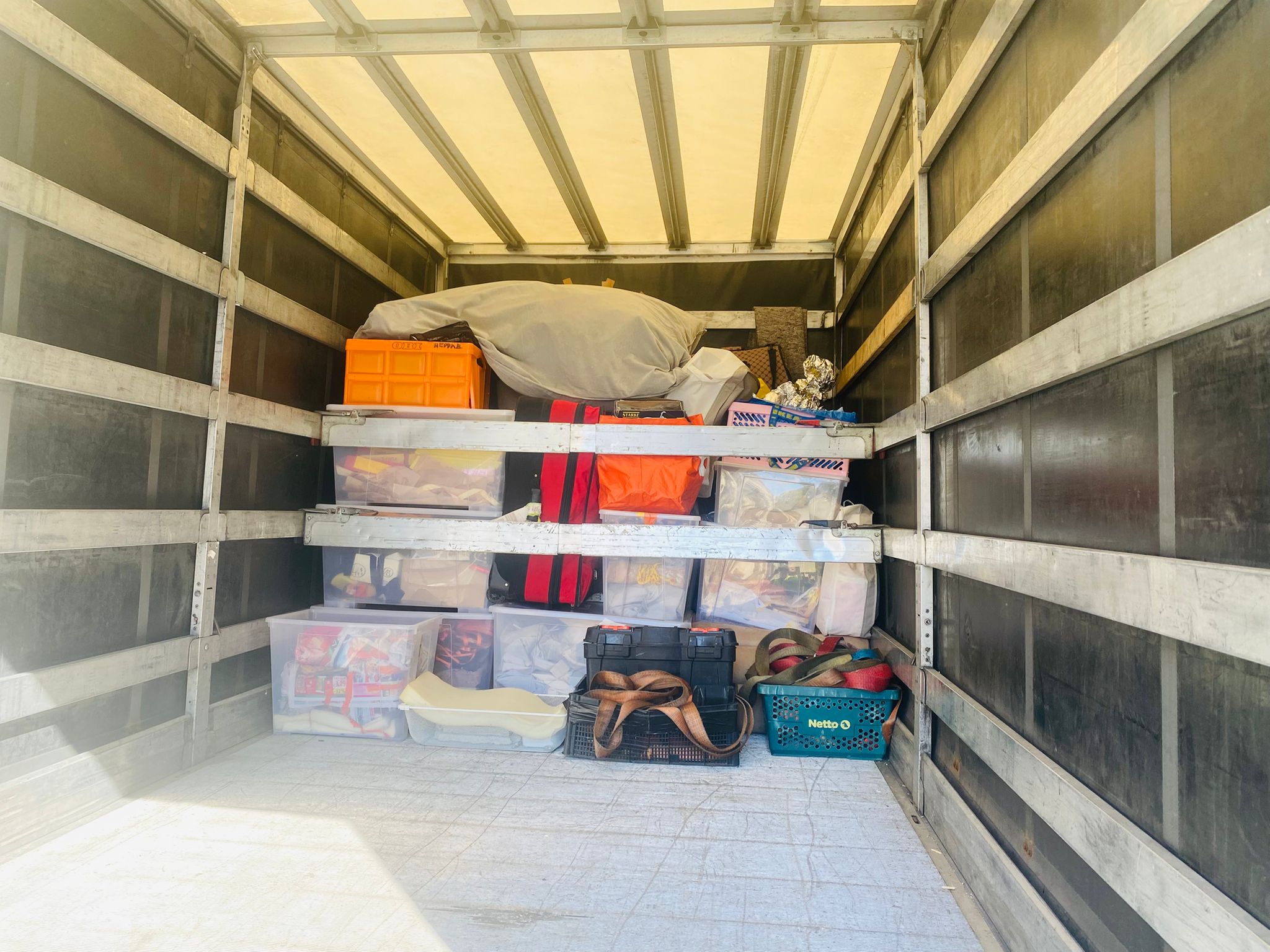
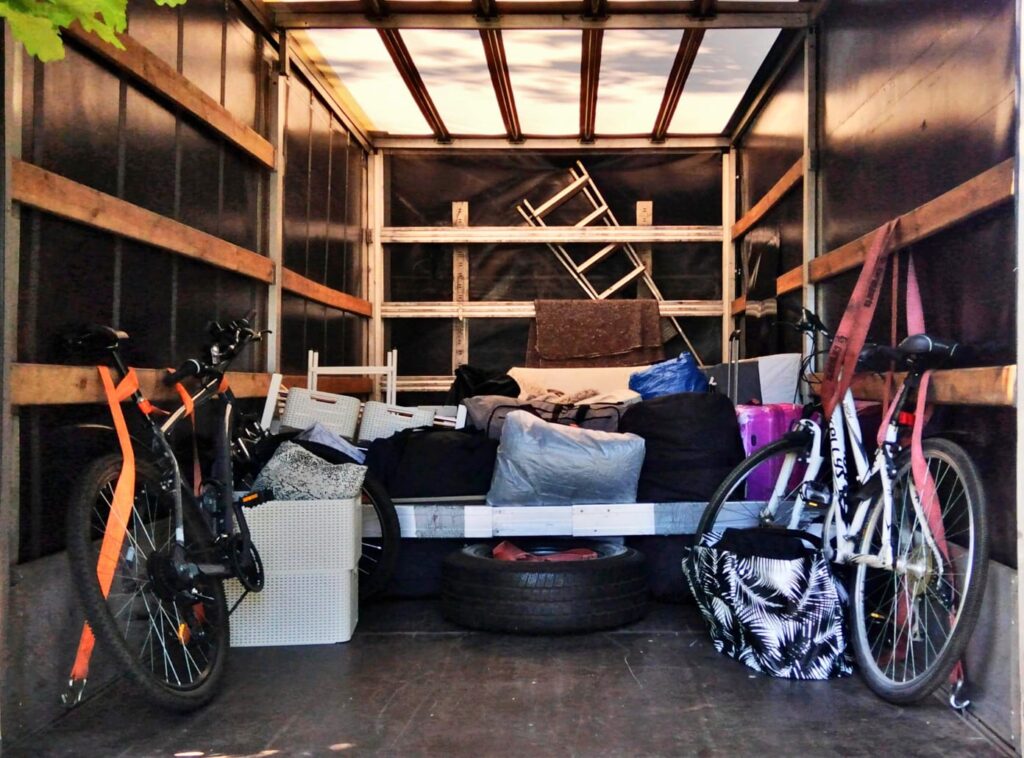
Furniture damage often happens because loads are squeezed too tightly. A packed van turns into a pressure chamber.
The tricky part is that a van can look big until you start loading. Sofas eat space. Wardrobes are awkward. Then boxes multiply like rabbits.
Choose a vehicle size with breathing room. It protects corners, reduces stacking, and makes unloading smoother. It also helps your timeline, because a well packed van unloads faster. A squeezed van turns delivery into a puzzle.
VANonsite vehicle options
| Vehicle option | Volume | Max load | Best for |
|---|---|---|---|
| Moving Basic | 5 m3 | 300 kg | A few boxes, small items |
| Moving Medium | 10 m3 | 600 kg | Light furniture, studio loads |
| Moving Premium | 15 m3 | 1000 kg | 1 bedroom core items |
| Moving Premium Plus | 30 m3 | 3500 kg | 2 to 3 bedrooms, fuller loads |
| Moving Full House XXL | 90 m3 | 20000 kg | Large homes and big relocations |
Real world sizing examples
These are practical scenarios that help you picture the volume.
| What you are shipping | Often fits best in | Why it works |
|---|---|---|
| 10 to 15 boxes, suitcases, small items | Moving Basic | Simple loads, quick handling |
| Studio furniture plus 15 to 25 boxes | Moving Medium | Enough space without forcing stacking |
| 1 bedroom furniture plus 25 to 40 boxes | Moving Premium | Better protection for corners and fragile boxes |
| 2 bedroom furniture plus 45 to 80 boxes | Moving Premium Plus | Breathing room reduces damage risk |
| Full household and heavy items | Moving Full House XXL | Built for scale and weight |
A simple sizing rule
If you have a sofa, bed, and wardrobe, plan for more space than you think. If your first thought is “we can squeeze it”, size up.
Here is the honest reason. Tight loads create three problems:
- Pressure damage. Boxes crush. Corners scrape. Surfaces rub.
- Slow unloading. Everything is trapped behind everything.
- Second trips. The most expensive surprise of all.
The two checks that prevent 90 percent of sizing mistakes
Do these and your quote becomes more accurate instantly.
- Count boxes realistically, then add a buffer of 20 percent
- List your largest items and note anything awkward: L shaped sofa, stone table, tall wardrobe
If you have fragile pieces, do not plan for “just enough”. Plan for safe placement.
Weight is as important as volume
People focus on cubic metres and forget the second limiter: weight.
If you are moving dense items like books, gym equipment, tools, stone tables, or large appliances, the right choice is the van that can carry the load safely, not just fit it.
A simple habit helps. Spread heavy items across multiple boxes. Keep each box liftable. Your furniture will thank you.
Spain access tip
In many Spanish towns and city centres, access can be tight. Narrow streets, small lifts, and sharp stair turns turn an overpacked van into a bad day.
A van with breathing room makes the carry route faster. It also keeps your fragile boxes from being squeezed into corners.
Packing and protection, where furniture moves usually win or lose
Most breakages happen before the van even starts moving. Not on the road. Not at the border. At home, during packing, when people rush and hope for the best.
If you want a clean arrival, pack with care, or let a pro team do it fast and safely:
Packing materials that actually matter
You do not need a warehouse of supplies. You need the right ones.
- Strong double wall boxes for heavy items
- Cushioning for fragile pieces
- Stretch wrap for keeping parts together
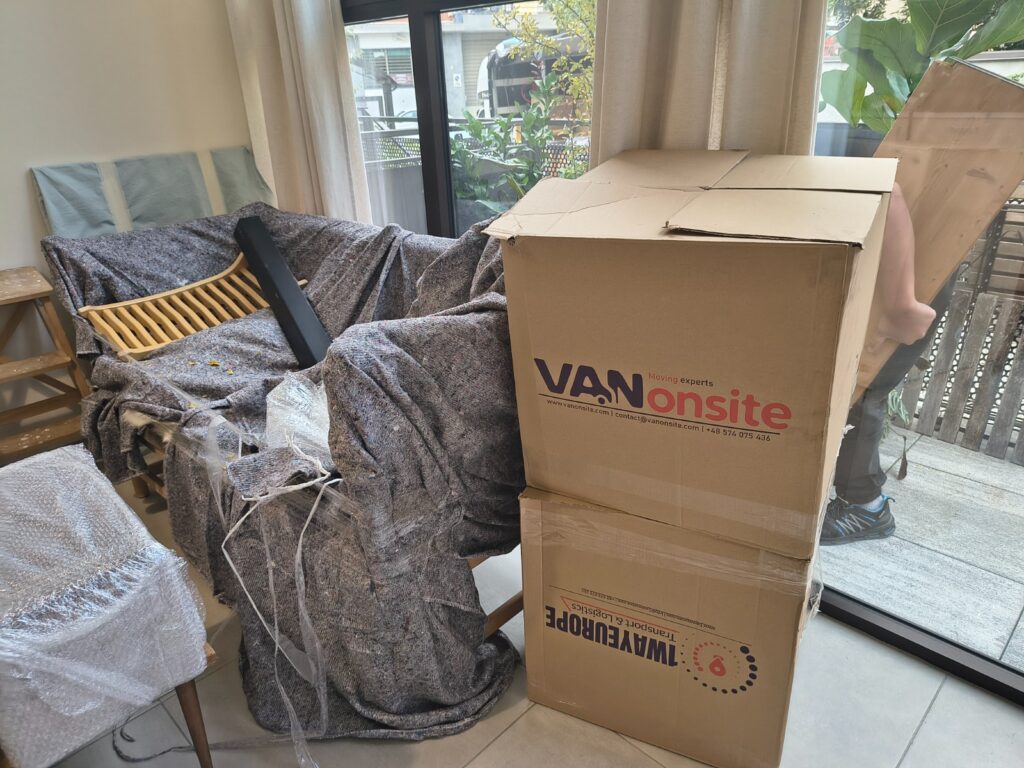
- Furniture blankets for large surfaces
- Corner protectors for tables, frames, and wardrobes
- A marker that does not fade, and tape that actually holds
A simple rule: if you can shake a box and hear movement, it is under packed.
Quick packing rules that protect furniture
- Wrap corners first. Corners take the hits.
- Keep glass and mirrors upright, never flat under pressure.
- Bag screws and fittings, label them, and tape them to the item.
- Remove sofa legs and wardrobe doors when needed.
- Protect floors and door frames during carry.
How to pack furniture by type
Furniture is not one category. A table is not a sofa. A mirror is not a wardrobe. Treat each item with the right kind of protection and your delivery gets dramatically safer.
| Item type | Main risk | Best packing approach |
|---|---|---|
| Sofa | Scrapes, fabric pulls, pressure | Wrap corners, remove legs, protect door frames |
| Dining table | Corner chips, scratches | Corner protectors, blankets, keep top protected |
| Wardrobe | Door damage, weak joints | Remove doors if needed, wrap edges, secure inside |
| Bed frame | Lost hardware, bent pieces | Bag fittings, label parts, keep pieces together |
| Mirrors and glass | Cracks from flex and pressure | Protect edges, keep upright, isolate from heavy items |
| Artwork | Corner dents, surface rub | Wrap, keep away from friction, avoid stacking |
| TV and screens | Torsion, impact | Keep upright, protect corners, avoid pressure |
Label like you want unpacking to be easy
Labels are not decoration. They are speed.
Use this format on every box:
- Room name
- Short category, like “Kitchen glass” or “Bedroom books”
- A clear fragile note where needed
A small upgrade: number your boxes and keep a simple note on your phone, like “Box 12: kettle, mugs, coffee”. It makes the first morning in Spain feel gentle.
The no gamble list
These items should travel with you, not inside the main load.
- Passport, ID, and immigration paperwork
- Medication
- Keys and contracts
- Laptop and irreplaceable data
- Jewellery and sentimental valuables
White glove delivery for premium pieces
White glove handling is built for delicate, expensive, and deeply loved items.
Use it when:
- Your new home has fresh paint and delicate floors
- Your furniture is high value or hard to replace
- Access is tricky and you want a calmer plan
If you want maximum protection, pair white glove handling with professional packing. That combination is how fragile pieces arrive like nothing happened.

Customs and documents for shipping furniture to Spain
If you are moving within the EU, shipping furniture is usually simpler. There is usually no customs process for your household goods.
If you are moving from outside the EU, including the UK, customs rules may apply. This is where a clean plan saves you from delays. It is also where stress spikes, because paperwork problems feel invisible until the exact moment they block your delivery.
Spain’s Tax Agency provides official guidance on customs relief and tax exemption when transferring residence:
The European Commission also explains the EU duty relief framework:
Who should treat customs as a priority
Customs becomes a real topic if your furniture crosses into the EU from a non EU country. In simple terms, if your starting point is outside the EU, assume paperwork matters.
Plan two things early:
- Your inventory and proof that your goods are personal
- Your timing buffer, so a small delay does not wreck your key handover
The document set that keeps customs smoother
Build a single admin folder. Paper and a digital backup. Keep it boring and clean.
Include:
- Passport or ID
- Proof of address in Spain, like a rental contract or deed
- Transport booking and delivery address
- A clear inventory with approximate values
- Proof that the goods are personal and not for sale
A practical tip that saves time: print two copies of your inventory. Keep one with you.
Your inventory, but make it customs friendly
The goal is clarity, not perfection. Customs officers want to understand your shipment fast.
Use simple groupings. Call out high value items clearly. Avoid mystery categories like “mixed”.
| Category | Example | Notes | Valuation tip |
|---|---|---|---|
| Furniture | Sofa, bed frame, wardrobe | List large pieces clearly | Use realistic second hand values |
| Electronics | TV, monitor, laptop | Keep serial numbers if available | Avoid pricing everything at 1 EUR |
| Boxes | Kitchen, clothes, books | Group by room and category | Values can be approximate |
| High value items | Artwork, camera | Flag clearly for careful handling | Add a short description |
| Appliances | Washing machine, fridge | Mention brand if possible | Helps avoid confusion |
Common mistakes that cause delays
Most delays come from small preventable choices.
- Inventories that are too vague or full of “misc”
- Values that look unrealistic
- No proof of address in Spain when requested
- Packing important documents inside the shipment
- A delivery date with no buffer
What not to put in the main load
Keep these with you, always:
- Passport, ID, and originals
- Medication
- Keys and contracts
- Laptop and irreplaceable data
- Jewellery and sentimental valuables
Spain paperwork that often comes up in real life
Customs is one part of the move. Settling is the other.
If you are preparing for Spain admin, these official pages are worth bookmarking:
- NIE assignment, Spain National Police: https://sede.policia.gob.es/portalCiudadano/_en/tramites_extranjeria_tramite_asignacion_nie.php
- Appointment system, Extranjería: https://sede.administracionespublicas.gob.es/icpplustiej/icpplus/citar?locale=es
- Empadronamiento in Barcelona: https://ajuntament.barcelona.cat/novaciutadania/es/empadronamiento
Delivery access in Spain, the quiet detail that decides the day
Furniture shipping becomes stressful when delivery turns into a puzzle. The van can arrive perfectly on time, and still lose an hour to a single tight corner.
Plan access early and your delivery becomes smoother, faster, and safer.
Confirm:
- Floor level
- Lift size and door width
- Stair turns and narrow corridors
- Parking rules and loading zone reality
Two Spain specific realities matter.
- Historic centres can be stunning and difficult for vehicles.
- Some buildings have lifts, but not furniture friendly ones.
The access checklist that prevents moving day surprises
Ask yourself these questions on both ends of the move.
- Is there a lift, and can a wardrobe actually fit inside it?
- Are there stairs with tight turns or narrow landings?
- Can a vehicle stop legally close to the entrance?
- Does your building require a move booking, or specific hours?
A simple habit helps: take a short video from the street to your front door. It tells the real story in seconds.
Parking and loading, the silent budget factor
Parking is not just a convenience. It changes carrying time. Carrying time changes cost and stress.
If your street is narrow or busy, plan a solution early. Even a short difference in distance makes heavy items feel twice as heavy.
If you want city specific guidance, these pages help you plan:
Timeline: how to ship furniture to Spain without panic
A calm furniture move is built in stages. Think of it like choreography. When each step has a place, the move feels almost quiet.
6 to 8 weeks before
- Decide what you are shipping and what you are selling or donating
- Measure key furniture and the narrowest doorways
- Photograph bulky and fragile items
- Choose your service level, including packing or white glove
3 to 6 weeks before
- Confirm your route and rough delivery window
- Start a clean inventory, especially if you are moving from outside the EU
- Book parking solutions if your street is complicated
2 weeks before
- Confirm delivery access details, floor level, lift, stairs, parking rules
- Finalise inventory and documents
- Start packing non essentials by room
7 days before
- Create a fragile zone and pack it with extra care
- Bag and label all fittings, screws, and small parts
- Set aside the items that must travel with you
48 hours before
- Protect furniture corners and fragile pieces
- Keep essentials with you
- Clear the carry route, especially in apartment buildings
Moving day
- Walk through the home and confirm priority items
- Load heavy pieces first, fragile protected
- Keep a “First Hour” box for arrival
- Use GPS tracking and clear updates to stay in control
The first 24 hours in Spain
Unpack for function, not perfection.
- Make the bed and bathroom usable first
- Build a small kitchen corner so your morning feels normal
- Keep packaging until you confirm fragile pieces are perfect
VANonsite services that match real furniture moves
Furniture shipping is rarely just transport. It is care, timing, and trust.
What you really want is a plan that feels simple. The right crew. The right vehicle. The right protection. Then a clean delivery, with GPS tracking for every load, so you can see progress without chasing updates.
VANonsite supports relocations across Europe with services designed for real life:
- Last Minute Moving
- Furniture Removals
- Home Removals
- Packing Service
- White Glove Delivery
- Office Removals
- Storage
- Student Removals
Which service fits your move
If you are not sure where you fit, this quick map helps.
| Your situation | Best match | Why it works |
|---|---|---|
| Shipping a few key pieces | Furniture Removals or man and van | Fast, focused, less stress |
| Moving an apartment or house | Home Removals | Structured loading and room by room delivery |
| Fragile, premium, or sentimental pieces | White Glove Delivery | Cleaner handling and lower risk |
| You want fewer boxes, fewer breakages | Packing Service | Protection built in, quicker unpacking |
| Tight timing, urgent change | Last Minute Moving | Built for speed and flexibility |
| Business move with downtime pressure | Office Removals | Keeps disruption low |
| Your dates do not line up | Storage | Holds your items safely until delivery day |
| Student move | Student Removals | Practical, lighter, cost aware |
If Spain is your destination, start here for routes and planning:
If you want examples of city specific planning, these guides help:
Premium detail that changes everything: GPS tracking for every load.
FAQ
Is it cheaper to ship furniture or buy new in Spain?
It depends on quality and emotional value. High quality pieces are often worth shipping. Low value, heavy items are often better replaced locally.
A practical rule that keeps regret away: ship what you would miss on a bad day.
Can I ship furniture only, without a full household move?
Yes. Furniture only moves are common, especially for staged relocations.
Do you offer careful handling for fragile items?
Yes. For premium care, use:
For the safest outcome, pair white glove handling with professional packing:
Can I do a staged move with man and van?
Yes. Many people start with essentials using man and van, then ship the rest once keys and paperwork are settled.
Do you offer packing, disassembly, and reassembly?
Yes. Packing reduces stress and breakages, especially for glass, mirrors, and premium finishes.
If your furniture is large or awkward, disassembly and careful reassembly keeps it safe.
Can you store my furniture if my dates do not line up?
Yes. Storage is a smart solution when you have a gap between moving out and moving in.
It also works well for phased relocations, where you bring essentials first, then ship the rest.
How do I get an accurate quote quickly?
Send these and your quote becomes faster and more accurate:
- Pickup and delivery postcodes
- Floor level on both ends, plus lift or stairs info
- A rough inventory and photos of bulky items
- Your preferred date window
- Any access notes: narrow streets, parking limits, building rules
How do I know where my items are during transport?
Every load includes GPS tracking for every load, so you can follow progress without guessing.
Can you handle office moves into Spain?
Yes. If downtime matters, office removals are designed to keep logistics tidy and disruption low.
Do you offer last minute moves to Spain?
Yes, depending on route and availability. Share your inventory, access details, and a flexible date window to move faster.
Summary
Shipping furniture to Spain does not have to feel like a leap of faith. When you treat it like a structured plan, the move becomes calmer, faster, and safer.
This guide covered the full journey, from the first decision to the final placement. You learned how to choose what is truly worth bringing, how to pick the transport style that matches your priorities, and how to avoid the classic mistakes that cause damage and delays.
Here are the takeaways that matter most:
- Measure and photograph key furniture and access points before you book anything
- Choose the right route: part load for savings, dedicated transport for precision, full removals for full households
- Use man and van when you want a nimble, phased move with essential pieces first
- Size your vehicle with breathing room, because overpacked loads create pressure damage and slow unloading
- Protect fragile and premium items with professional packing and white glove handling
- If you are moving from outside the EU, build a customs friendly inventory and keep originals with you
- Plan Spanish delivery access early, including parking reality, lifts, stairs, and tight corridors
- Keep control end to end with GPS tracking for every load and clear updates
If you want a clean route into Spain with premium care and full visibility, start here:
If you are comparing destinations or planning city details: