
British moving to France is not just a change of address. It is a reset. New routines, new rules, new documents, and often a very real question at the back of your mind: will my move actually go smoothly at the border?
This guide is designed to make British moving to France feel calm and controlled. You will get a clear visa overview, a practical customs plan for household goods, and a straight choice between man and van and full removals. You will also get realistic timelines, cost levers, and a step by step arrival checklist.
If you want a fast start with a removals plan and a quote, use this page: https://vanonsite.com/removals-to-france/
Quick answer
A British moving to France plan works best when you lock in three essentials early.
- Your visa and residency path
- Your customs documents for household goods
- Your transport choice, man and van or full removals
Here is the fast “what to do first” checklist for British moving to France.
- Pick your intended move date and add a 7 to 14 day buffer.
- Choose the right visa route and start your document folder.
- Secure your French address or at least your accommodation plan.
- Build a clean inventory for customs, with values.
- Decide dedicated transport or shared load.
- Book removals once your dates are real.
- Keep essentials with you, not inside the load.




Who this guide is for
British moving to France looks different depending on your life stage. This guide is written for real people with real constraints, school runs, work deadlines, pet stress, and that one box you swear is labelled but somehow is not.
It is for you if you are:
- Families relocating full time who need schooling, stability, and a smooth delivery window
- Couples moving for work who want speed, clear admin steps, and fewer surprises
- Retirees and second home owners who want calm paperwork and careful handling of furniture
- Students and young professionals who need a lighter move and a sensible man and van option
- Remote workers planning a longer stay and a clean residency, banking, and healthcare setup
What each group should focus on first
British moving to France becomes easier when you focus on the right first step for your situation.
| Your situation | First focus | Why it matters for British moving to France |
|---|---|---|
| Family | housing and proof of address | schools, healthcare, and admin all follow the address |
| Work move | visa route and move date | fixed start dates need dedicated planning |
| Retiree or second home | visitor pathway and healthcare plan | funds, coverage, and calm documents win |
| Student | volume and timing | smaller loads reduce cost and complexity |
| Remote worker | residency, taxes, and stability evidence | prevents paperwork gaps later |
British moving to France can feel heavy, but the steps are predictable when you do them in the right order. You will handle visas, goods, pets, vehicles, and arrival admin without guesswork.
Brexit reality in one paragraph
British moving to France after Brexit is still very doable. It just needs sharper planning. In practice, this means two headline changes. First, UK citizens are treated as non EU for stays over 90 days, so you need the right long stay route if you are settling. Second, customs applies when bringing household goods from the UK to France, so your inventory and paperwork must be clean.
If you do those two things well, British moving to France feels straightforward. If you do them late, you risk border delays, extra checks, and a move in date that suddenly slips.
Before 2021 vs now
| Topic | Before 2021 | Now for British moving to France |
|---|---|---|
| Stays over 90 days | EU freedom of movement | long stay visa or residence path required |
| Household goods | minimal border friction | customs steps and paperwork apply |
| Border experience | fewer document checks | more checks if details are missing |
| Planning risk | lower | higher when inventories are vague |
| Timeline reliability | usually predictable | more sensitive to paperwork accuracy |
The two biggest success factors
For British moving to France, these two habits are worth gold.
- Build a clear inventory with realistic values and keep it consistent across documents.
- Lock in your dates and access, then choose the right transport style, man and van for smaller moves, full removals for bigger homes.
Visa and residency options for British moving to France
British moving to France starts with one decision: how long are you staying, and under which purpose. The good news is that most people fit into a small set of routes. The better news is that you can prepare 80% of the paperwork in one focused weekend.
The 90 day rule, explained simply
- Within 90 days in a 180 day period, you can visit France for tourism and short business trips. You cannot simply settle long term under the visitor allowance.
- If you plan to live in France, work, study, join family, or stay longer than 90 days, you generally need a long stay visa pathway.
Practical takeaway for British moving to France: if you want a lease, a long term routine, and an address that unlocks admin, plan as if you will need a long stay route.
Official starting points for British moving to France:
- GOV.UK Living in France: https://www.gov.uk/guidance/living-in-france
- France Visas long stay visa: https://france-visas.gouv.fr/en/long-stay-visa
- Service Public long stay visa page in English: https://www.service-public.gouv.fr/particuliers/vosdroits/F16162?lang=en
Most common long stay routes
British moving to France usually falls into one of these routes. Keep it simple and choose the closest match.
- Visitor visa, best for retirees, second home owners, and non working stays
- Work route, best for people with a French job or employer sponsorship
- Student route, best for university, language schools, and longer study plans
- Family route, best for joining a spouse or family member in France
- Talent Passport style routes, best for specific high skill profiles
Mini decision flow for British moving to France:
- If you will not work and can prove funds, explore the visitor path.
- If you have a contract or employer route, focus on work documentation first.
- If you are studying, build school acceptance documents and proof of means.
- If you are joining family, prioritise relationship evidence and housing.
What you will typically need, regardless of route
Think of your visa pack like a well organised suitcase. If it is tidy, everything moves faster.
Core documents that show up again and again for British moving to France:
- valid passport
- proof of accommodation in France, lease, ownership, or a formal hosting document
- proof of income or funds, this may be payslips, pensions, savings statements, or a contract
- proof of health coverage, depending on your route
- a short plan that matches your route, purpose, dates, and address
A simple rule: your story must be consistent across every page. Names, dates, addresses, and job titles should match.
Route by route, what people often forget
These are small details, but they cause big delays.
- Visitor route: clear proof you can fund your stay without working, plus medical coverage
- Work route: contract details and start date must match your move plan
- Student route: acceptance documents plus proof you can support yourself
- Family route: relationship evidence plus a credible housing plan
Applying from the UK
British moving to France goes smoother when you start early. Many people aim to begin the visa process 8 to 12 weeks before their intended move date.
Good habits for British moving to France:
- Keep one PDF folder with clean scans, labelled clearly.
- Use consistent names and dates across documents.
- Book appointments as soon as you can.
- Print a backup copy of key pages, because phones die at the worst moments.
Official links for UK applicants:
- France in the UK, applying for a visa: https://uk.diplomatie.gouv.fr/en/applying-for-a-visa
- France Visas UK page: https://france-visas.gouv.fr/en/royaume-uni
A realistic visa timeline you can plan around
Timelines vary, but British moving to France feels calmer when you treat the visa as a project with milestones.
| Time before move | What to do | Why it matters |
|---|---|---|
| 12 to 10 weeks | choose your route and start the document pack | avoids last minute panic |
| 10 to 8 weeks | submit, book appointments, finalise scans | keeps your dates realistic |
| 6 to 4 weeks | secure removals window and housing plan | aligns your move with approvals |
| 2 weeks | confirm pickup and delivery access | protects your delivery day |
Customs and household goods
British moving to France with furniture and boxes is treated as third country import, so customs steps matter. This is where most stress happens, and it is also where good planning pays you back.
The simple truth
When British moving to France includes household goods from the UK, you should expect customs checks and document requests. The aim is to prove your items are personal effects, not commercial goods.
Think of customs as a conversation you must win with evidence. If your inventory is clear and your story is consistent, the conversation is short.
Duty relief for household goods
British moving to France may qualify for relief for used personal effects in the context of a genuine change of residence. The key is evidence.
Customs may ask for:
- proof you lived in the UK before the move
- proof you are taking up residence in France
- proof the goods are your personal belongings
- an inventory that makes sense
Evidence that often helps British moving to France:
- tenancy agreement or proof of home ownership in the UK for your previous address
- French lease, property deed, or a formal accommodation plan
- employment contract, school acceptance letter, or retirement plan documents
- utility bills, council tax, or bank statements showing continuity
Your inventory, done the smart way
An inventory is not just a list. It is your calm voice at the border.
To make British moving to France easier, build an inventory that is:
- grouped by room, kitchen, bedroom, office
- specific for high value items, laptop, bicycle, designer furniture
- realistic with values, not inflated, not zero
- consistent with your packing, so the list matches what is inside
A simple target: keep your inventory to 2 to 6 pages. Long enough to be credible, short enough to be readable.
Common mistakes that slow British moving to France
- vague inventories with no values
- missing proof of address in France
- last minute changes that break the paper trail
- packing prohibited or restricted items inside general boxes
- mixing brand new items with household goods without clear explanation
Customs paperwork checklist
Use a simple table so British moving to France stays organised.
| Document | Why you need it | Where to get it |
|---|---|---|
| Inventory with values | proves items are personal effects | you create it, keep it clear |
| Proof of change of residence | supports relief and eligibility | lease, property documents, contracts |
| Passport | identity and travel proof | your passport |
| Visa or residency proof if relevant | supports long stay intent | France Visas or Service Public route |
| Proof of address in France | shows destination and intent | lease, attestation, bills, accommodation proof |
Official UK reference for personal goods declarations:
- HMRC guidance: https://www.gov.uk/guidance/check-how-to-declare-personal-goods-you-bring-into-or-take-out-of-the-uk
Border day, what to do to avoid stress
British moving to France is smoother when you treat border day like a simple performance.
- Keep your key documents printed and on your phone.
- Keep your inventory accessible within 10 seconds.
- Do not bury passports or paperwork inside a random suitcase.
- If you have a dedicated man and van, confirm who holds the paperwork and where.
Restricted items, keep this short and strict
British moving to France is faster when you do not create unnecessary inspections. Avoid packing anything that could trigger extra scrutiny.
- aerosols and flammable liquids in household boxes
- large quantities of alcohol or tobacco
- hazardous chemicals
- anything that could be interpreted as commercial stock
If you are unsure, keep the item out of the load and ask before you pack.
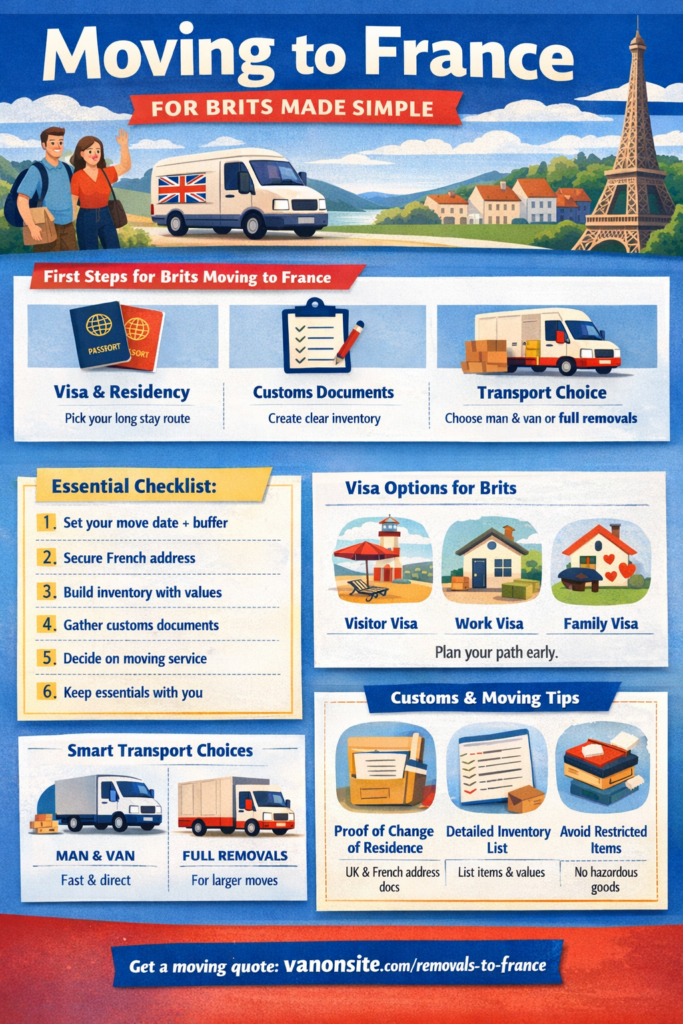
Transport choices for British moving to France
Transport is the practical heart of British moving to France. The right choice affects speed, border handling, and how safe your belongings feel.
Man and van
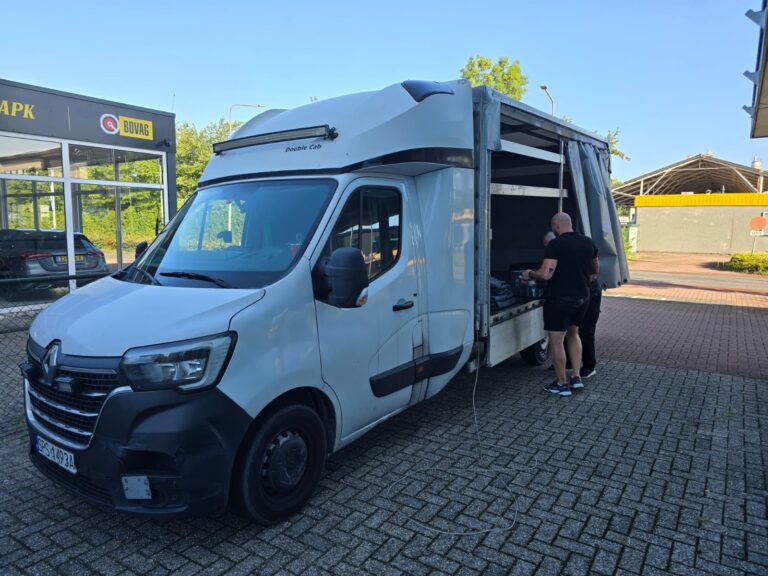
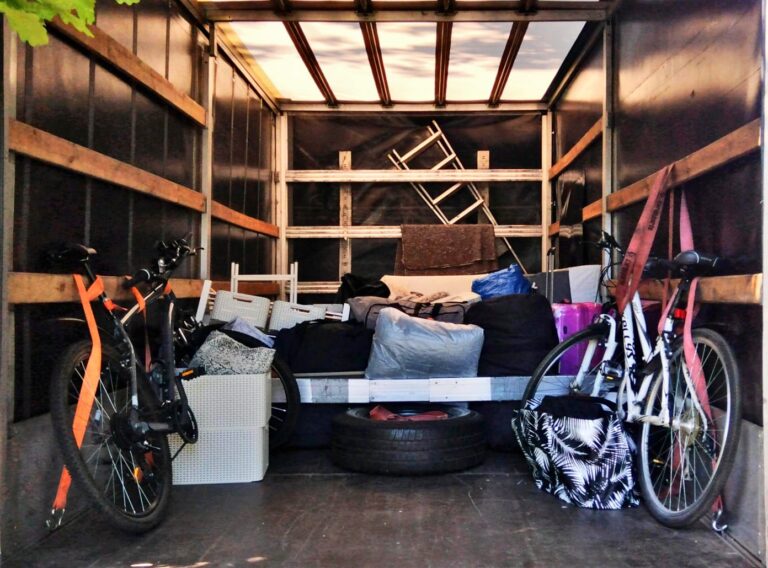
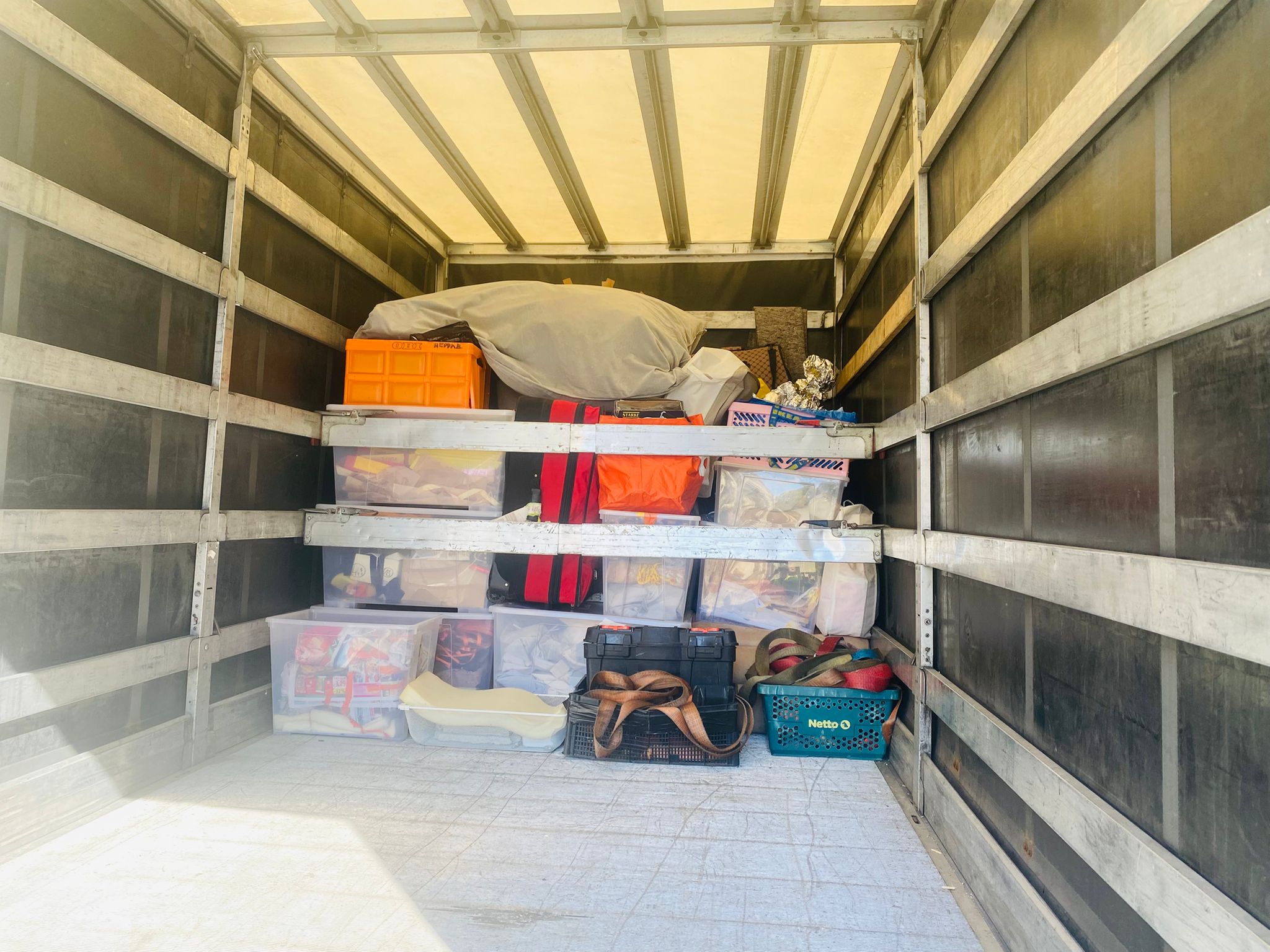
A dedicated man and van is a strong choice for British moving to France when you have a smaller home, tight deadlines, or items you want kept together.
Choose man and van for British moving to France if you have:
- a studio or 1 bed flat
- boxes, suitcases, a bike, and essential furniture
- a fixed move in date
- higher value items you want on one route
Why man and van feels safer for British moving to France:
- fewer transfers
- one route
- one crew
- clearer delivery window
Full removals
Full removals suits British moving to France when you have a family home, complex packing needs, or bulky furniture. It saves you time and reduces lifting risk.
Full removals is ideal for:
- family homes
- office relocations
- complex packing and dismantling
Time saved is real. Many households cut moving day labour by 30 to 50% with a full service approach.
VANonsite services to weave into your plan
For British moving to France, these pages help you match the service to your move.
- Packing Service: https://vanonsite.com/packing-services/
- Furniture Removals: https://vanonsite.com/furniture-removals/
- Home Removals: https://vanonsite.com/home-removals/
- White Glove Delivery: https://vanonsite.com/white-glove-delivery-service/
- Office removals: https://vanonsite.com/office-removals/
- Student Removals: https://vanonsite.com/student-removals/
Primary planning and quotes: https://vanonsite.com/removals-to-france/
Choose the right vehicle size
British moving to France gets cheaper and faster when the van size matches your true volume. Too small forces an extra trip. Too large means you pay for empty space.
| Package | Volume | Payload | Best for |
|---|---|---|---|
| Moving One | 1 m3 | 100 kg | boxes only |
| Moving Basic | 5 m3 | 300 kg | student room |
| Moving Medium | 10 m3 | 500 kg | 1 bed flat |
| Moving Premium | 15 m3 | 1100 kg | 2 bed flat |
| Moving Premium Plus | 30 m3 | 3500 kg | family home |
| Moving Full House XXL | 90 m3 | 20000 kg | large home or office |
Which van size fits your move
People often guess too small because boxes look tidy, then furniture volume hits like a wave. For British moving to France, start with the biggest items, then add boxes.
A quick guide:
- Moving One is for essentials only, like suitcases, a few boxes, and fragile priority items.
- Moving Basic is common for students and small rooms with a desk, a chair, and boxed life.
- Moving Medium suits a 1 bed flat when you have a sofa, a bed, and a realistic number of boxes.
- Moving Premium suits a 2 bed flat, or a 1 bed flat with heavier furniture.
- Moving Premium Plus is the family favourite when British moving to France includes children, storage units, or bulky furniture.
- Moving Full House XXL is for big homes and office moves with serious volume.
Quick volume hints for British moving to France
Use these numbers as a fast sanity check.
- 10 medium boxes about 0.8 m3
- a sofa often 1.5 to 2.5 m3
- armchair often 0.6 to 1.0 m3
- double mattress often 0.8 to 1.2 m3
- wardrobe often 0.8 to 2.0 m3, depending on shape
- dining table often 1.0 to 2.0 m3
- bicycle often 0.3 to 0.6 m3
Weight matters too. Keep most boxes under 20 kg. It reduces damage risk and makes loading faster.
Simple method
- Count boxes and multiply by 0.08 m3.
- Add big items and furniture.
- Add 10 to 15% buffer.
Mini examples to help you choose
| Example move | Typical contents | Likely match |
|---|---|---|
| Student room | 12 boxes, suitcase, desk chair, small shelves | Moving Basic |
| Couple, 1 bed | sofa, bed, 25 boxes, TV, 2 bikes | Moving Medium |
| 2 bed flat | sofa, beds, wardrobes, 45 boxes, appliances | Moving Premium |
| Family home | full furniture, kids items, 70 plus boxes | Moving Premium Plus |
Mistakes that make British moving to France more expensive
- Choosing a van size with no buffer, then paying for a second run.
- Packing everything into large boxes and creating 30 kg monsters.
- Forgetting awkward items, mirrors, lamps, garden items, prams, chairs.
A clean fix is simple. Use smaller boxes for books. Pack fragile items together. Keep one box labelled “first night”.
Costs and timelines
British moving to France is easiest when you understand what you can control.
Typical door to door timelines
| Transport style | Typical range | Best for British moving to France when… |
|---|---|---|
| Dedicated transport | 2 to 6 days | your dates are fixed and you want speed |
| Shared load | 5 to 12 days | you want a lower cost and have flexibility |
What changes timing:
- port routes and crossing schedules
- customs checks and paperwork completeness
- building access and parking restrictions
- distance and weather
A simple timeline you can actually use
British moving to France feels smoother when you plan in two lanes. Lane one is paperwork. Lane two is logistics.
| Weeks before move | Paperwork lane | Logistics lane |
|---|---|---|
| 10 to 8 | confirm visa path, start customs folder | shortlist movers, start inventory |
| 6 | tidy documents, confirm address plan | decide man and van or full removals |
| 4 | finalise inventory and key proofs | confirm access, lift, parking, timings |
| 2 | print and back up documents | pack by room, label priority |
| 1 | keep essentials with you | confirm pickup and delivery windows |
What shapes the price
British moving to France costs are shaped by a mix of controllable and uncontrollable factors.
You control:
- volume
- flexibility with dates by 2 to 4 days
- packing level and dismantling needs
- access readiness, lift booking, parking plan
You cannot fully control:
- customs processing time
- city access rules in busy areas
- seasonal traffic and peak periods
- ferry schedules and weather disruption
The four biggest cost drivers
British moving to France pricing is usually shaped by these drivers.
- Volume and van size
- Dedicated route versus shared load
- Packing and dismantling level
- Access difficulty, stairs, carry distance, parking
How to save 15 to 30% on British moving to France
- reduce volume by selling bulky low value items
- pack non fragile items yourself
- avoid peak dates when possible
- choose a van size that matches your real inventory
- keep access easy, reserve a lift slot if your building requires it
A quick cost saving check
If British moving to France feels expensive, run this checklist.
- Can you cut volume by 15% by selling or donating?
- Can you shift dates by 2 days to use a better slot?
- Can you pack clothes, books, and non fragile items yourself?
- Can you confirm parking and lift access so loading time drops?
Even two of those changes can move your quote in a nicer direction.
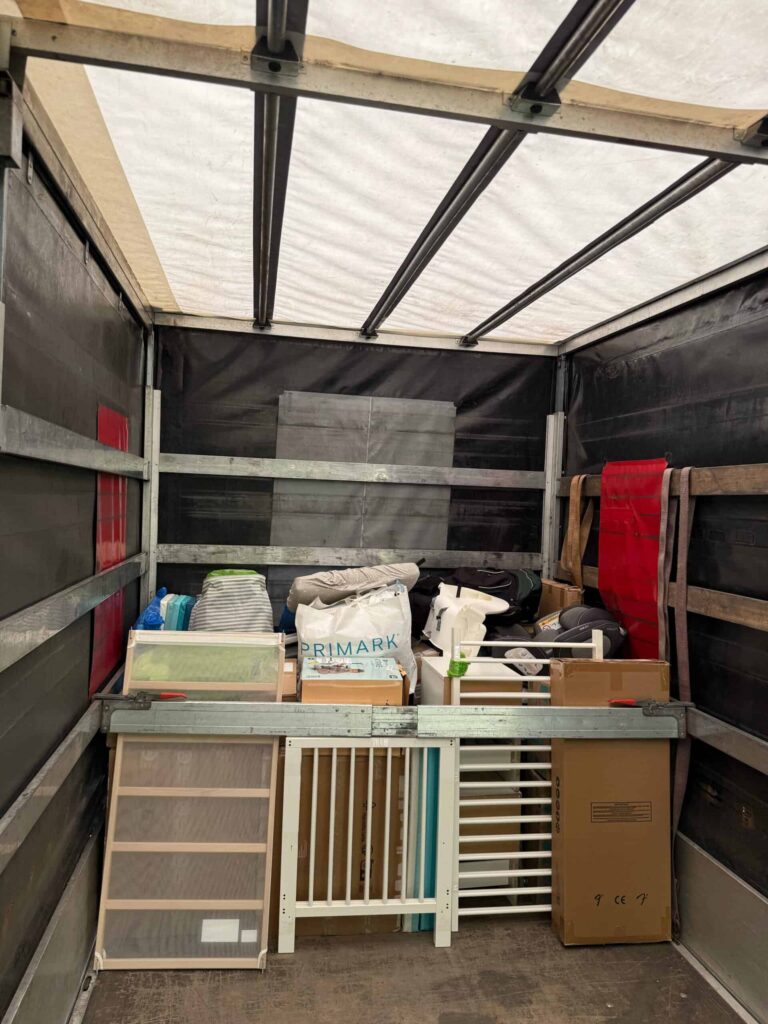
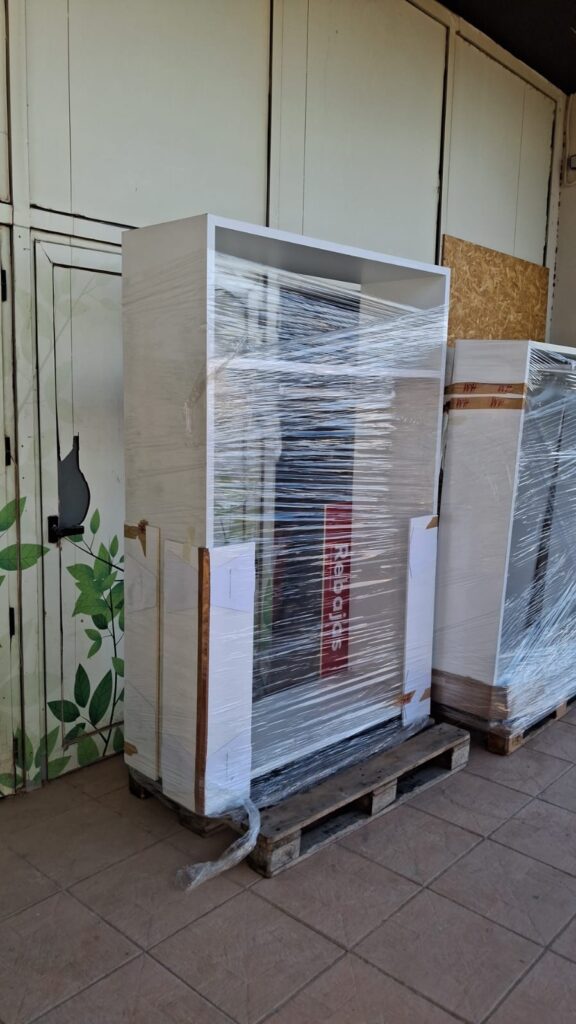
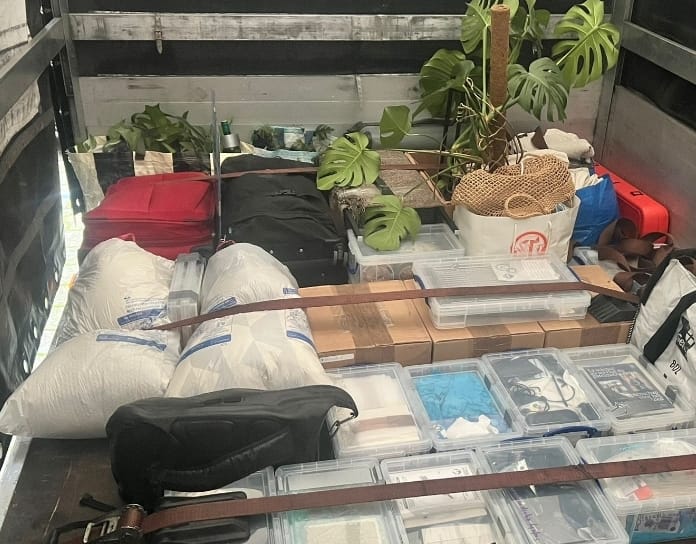
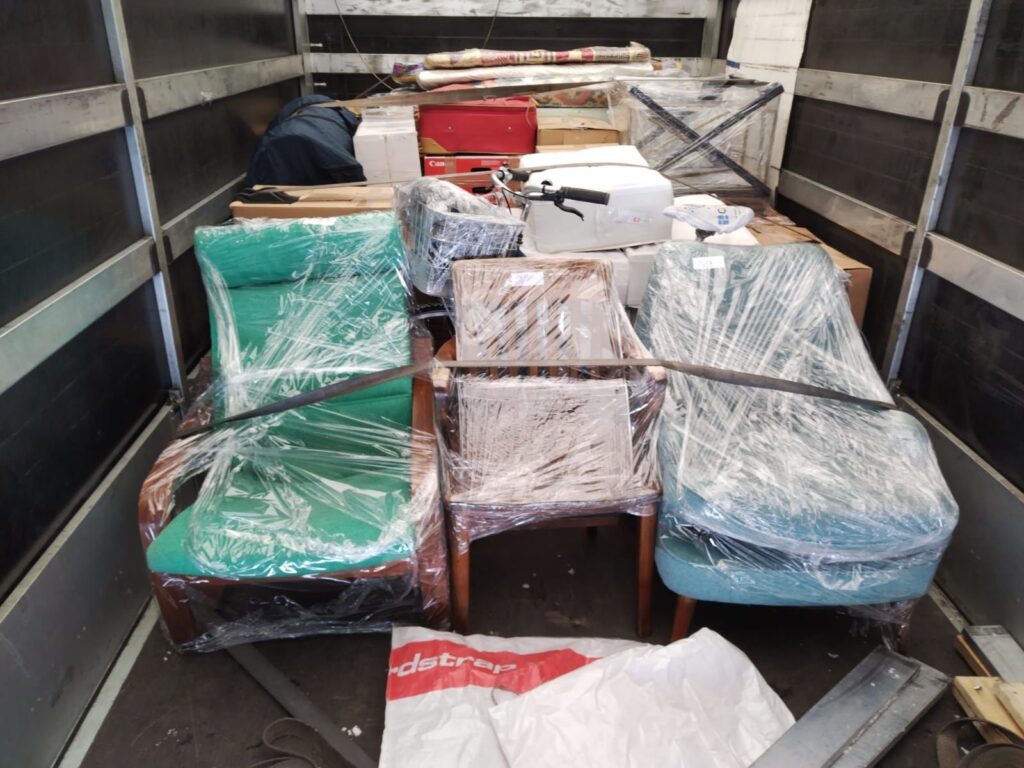
Required documents and admin after arrival
British moving to France becomes comfortable when you complete a few admin steps early. Your first week should focus on unlocking systems, not trying to do everything at once.
Think of it like a keyring. You want the three keys that open the rest: address proof, banking access, and the first steps for healthcare.
First 72 hours in France
These steps make British moving to France feel real, fast.
- Confirm proof of address: lease, attestation, or a document from your host
- Get a French phone number: many services text verification codes
- Set up your basics: electricity, gas, and internet if needed
- Book your first admin appointments: do not wait for “when I feel settled”
Helpful official guidance:
- Service Public change of address: https://www.service-public.gouv.fr/particuliers/vosdroits/R11193
- Taxes, Je déménage: https://www.impots.gouv.fr/particulier/je-demenage
First 7 days in France
Checklist for British moving to France:
- proof of address
- bank setup
- healthcare pathway
- driving and vehicle steps if applicable
Here is what each step usually involves.
Proof of address
This is the admin accelerator. It unlocks the rest.
Good proof of address examples:
- rental lease
- electricity bill in your name
- insurance certificate for the home
- formal accommodation attestation with supporting documents
If you are staying with someone, a clean “attestation d’hébergement” plus copies of their ID and a recent bill often helps.
Bank setup
A French bank account can make British moving to France calmer. Rent, utilities, insurance, and refunds all become easier.
What often speeds up banking:
- proof of address
- ID
- proof of income or funds
- a phone number
If you want official guidance around everyday admin and your rights, start here:
- Service Public, everyday steps and rights: https://www.service-public.fr/
Healthcare pathway
Healthcare is not a one click setup for many newcomers, so start early.
- Ameli guidance for Europe and international: https://www.ameli.fr/assure/droits-demarches/europe-international
A practical note for British moving to France: keep copies of medical prescriptions and basic medical history in English. It can save time in the first month.
Driving and vehicle steps
If you are bringing a car, begin early. If you are not, you can still set up your mobility basics.
- ANTS vehicle admin: https://immatriculation.ants.gouv.fr/
First month, the “stability layer”
This is where British moving to France stops feeling temporary.
- register and confirm the right healthcare pathway
- update tax profile and contact details
- complete vehicle steps if applicable
- set up insurance, subscriptions, and recurring payments
UK residents already in France before 2021
If British moving to France is not new for you, and you were resident before 2021, check GOV.UK guidance on Withdrawal Agreement residency pathways: https://www.gov.uk/guidance/living-in-france
Renting and housing tips
Housing can be the toughest part of British moving to France. In France, a rental dossier is often the key to getting a yes.
The secret is to make your dossier feel effortless to accept. If a landlord can understand your stability in 60 seconds, you stand out.
Core dossier items
- ID
- proof of income
- recent bank statements
- previous landlord reference if available
- accommodation and move in timing
Add these if you can. They raise trust fast.
- employment contract or pension statement
- a short cover note that explains who you are and why the move makes sense
- a clear contact number you will answer
Official guidance on renting and tenant rights:
- Service Public, renting: https://www.service-public.fr/particuliers/vosdroits/N19808
Guarantor and guarantees
Some rentals will ask for a guarantor. If you do not have one, you can still succeed with British moving to France. Apply wider, and build a stronger stability file.
If you want to explore guarantee options, Visale is an official scheme worth checking:
- Visale, Action Logement: https://www.visale.fr/
Access checks for moving day
Access is the hidden cost. It can decide whether unloading takes 45 minutes or 3 hours.
Check:
- lift size and availability
- stair width and tight turns
- parking distance to the entrance
- building moving hours
- whether you need to reserve a lift slot
- whether the building has fragile floors or narrow corridors
Micro table that saves time
| Building issue | Fix for British moving to France | Outcome |
|---|---|---|
| small lift | pack smaller units, label priorities | faster trips, less damage |
| long carry distance | plan a clear route, keep entry clear | reduces time and fatigue |
| strict hours | confirm slot in writing | avoids refusal on arrival |
| narrow stair turns | dismantle bulky pieces, protect corners | fewer wall scrapes |
| no parking nearby | confirm legal stopping point, plan carry path | avoids fines and delays |
Quick script for contacting landlords
When British moving to France, speed wins. Use a message like this and keep it short.
- your name and situation
- your move in date
- your income or stability summary
- confirmation you have a full dossier ready
Packing rules that reduce damage
British moving to France stays safer when your packing is disciplined. Packing is not just about protection. It is about time, access, and how smoothly unloading happens.
A simple benchmark: good packing can reduce breakage risk by 40 to 60%, because items stop moving inside the box. It can also speed up unloading, because clear labels mean fewer wrong turns.
Practical rules
- keep boxes under 20 kg, aim for 12 to 18 kg when possible
- label by room and priority, then add a number, for example Kitchen 1 of 6
- photograph high value items before packing and after wrapping
- keep liquids and fragile items protected and upright
The room label system that actually works
British moving to France is smoother when every box has three lines.
- room name, Kitchen, Bedroom, Office
- priority, First night, Daily, Later
- quick contents, mugs, cables, winter coats
This takes 10 seconds per box and can save 30 to 90 minutes on delivery day.
Fragile packing that protects without overdoing it
Use a simple rhythm.
- Wrap and lock, bubble wrap or paper, then tape to stop sliding.
- Fill gaps, towels, paper, soft items.
- Test shake, if it rattles, add padding.
For plates and glass:
- pack plates vertically like records
- keep glass upright
- use double wall boxes if possible
Box packing do and do not
Do:
- use smaller boxes for books
- keep heavy items on the bottom
- tape the base twice
Do not:
- mix liquids with electronics
- pack sharp items loose
- leave empty space in fragile boxes
Essentials box for British moving to France
This one box is a life saver. Mark it clearly and keep it accessible.
- chargers and adapters
- kettle or coffee essentials
- toiletries
- bedding basics
- one set of plates and cutlery
- documents folder
If you want professional packing support for British moving to France, use: https://vanonsite.com/packing-services/
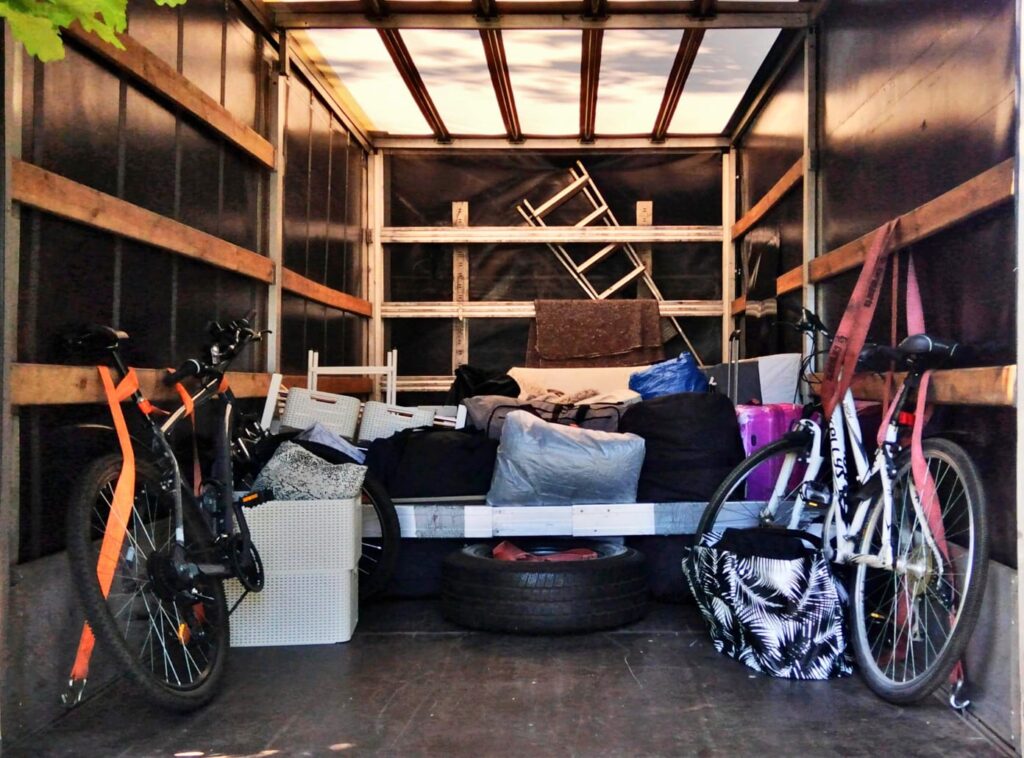


Pets and vehicles
British moving to France with pets or a car is doable, but it needs clean documentation. The goal is simple: no surprises at the border, no frantic searching for a missing page.
Pets
Official EU rules: https://europa.eu/youreurope/citizens/travel/carry/pets-and-other-animals/index_en.htm
Pet checklist for British moving to France:
- microchip
- vaccinations
- required documents and travel readiness
- familiar carrier and accessible water
Pet travel comfort plan
British moving to France is already a big day. Your pet feels it too. A small comfort plan makes the journey gentler.
- feed a lighter meal 4 to 6 hours before travel
- pack a familiar blanket that smells like home
- plan short stops every 2 to 3 hours for water and calm
- keep documents in the same folder as your passports
Bringing a car
Vehicle admin runs through ANTS: https://immatriculation.ants.gouv.fr/
If you plan British moving to France with a vehicle, start early. Vehicle paperwork can take longer than expected.
A simple vehicle checklist
For British moving to France, keep vehicle admin structured.
- gather ID and proof of address
- keep purchase and ownership documents accessible
- plan your insurance and initial driving setup
If you are not driving immediately, decide where the vehicle will be stored and how it will be secured.
Safety, insurance, and GPS tracking
British moving to France is emotional because your life is in boxes. Safety turns that emotion into confidence.
What protection looks like
- furniture blankets and stretch wrap
- corner protection
- mattress covers
- straps inside the vehicle
What good insurance planning looks like
You want clarity, not confusion. Before pickup, confirm:
- what is covered by default
- what needs a declared value
- how claims are handled and what evidence is required
A practical habit for British moving to France: keep a photo set of your most valuable items. It is fast, and it protects you.
Delivery day checklist
- Keep your inventory open.
- Check high value items first.
- Photograph any visible issues before signing.
- Keep packaging until everything is confirmed.
Why GPS tracking matters
VANonsite offers GPS tracking for every load. For British moving to France, it replaces guessing with timing. It can save 2 to 4 hours of waiting when access depends on a tight window, and it reduces the stress of “where is the van right now”.
It also helps you plan your day realistically:
- when to meet the driver
- when to open building access
- when to move kids and pets out of the way
FAQ
Do British citizens need a visa to move to France?
For British moving to France beyond 90 days, you generally need a long stay visa pathway. Start with these official pages and choose the route that matches your purpose.
- GOV.UK Living in France: https://www.gov.uk/guidance/living-in-france
- France Visas long stay visa: https://france-visas.gouv.fr/en/long-stay-visa
How long does the visa take?
It depends on the route and the time of year. For British moving to France, most people get the smoothest experience by starting 8 to 12 weeks before the intended move date.
A simple planning rule:
- 12 weeks out: start the document pack
- 8 weeks out: submit and book appointments
- 4 weeks out: confirm removals dates and access
Can I bring my household goods duty free?
British moving to France may qualify for relief for used personal effects in the context of a genuine change of residence. The difference between “easy” and “stressful” is usually evidence.
Bring:
- proof you lived in the UK before the move
- proof you are taking up residence in France
- a clear inventory with realistic values
What paperwork do I need at the border?
For British moving to France, expect to show identity and a tidy proof trail. Keep printed copies and a phone backup.
Essentials:
- passport
- inventory with values
- proof of address in France
- proof of change of residence where relevant
Helpful reference:
- HMRC guidance: https://www.gov.uk/guidance/check-how-to-declare-personal-goods-you-bring-into-or-take-out-of-the-uk
What should my inventory look like?
A clean inventory makes British moving to France dramatically calmer. Keep it short, readable, and consistent with what is actually packed.
Best practice:
- grouped by room
- specific for high value items
- values included, realistic not zero
- 2 to 6 pages is a practical target
Mini example:
| Room | Items | Notes |
|---|---|---|
| Kitchen | 20 boxes, plates, small appliances | list any new items separately |
| Living room | sofa, TV, 12 boxes | note serial numbers for electronics |
| Bedroom | bed frame, mattress, 10 boxes | include wardrobes if dismantled |
Is man and van enough for my move?
For British moving to France from a studio or 1 bed flat, man and van is often the sweet spot. It is direct, fast, and easier to coordinate. For larger homes, full removals usually fits better.
A quick guide:
- man and van: smaller volumes, tighter dates, higher value items that you want kept together
- full removals: family homes, bulky furniture, full packing and dismantling
Can I track my load?
Yes. VANonsite provides GPS tracking for every load, which helps British moving to France feel controlled and predictable. It also helps you plan access, lifts, and handover timing without guesswork.
What items are restricted?
To keep British moving to France clean at the border, avoid packing anything that can trigger extra checks.
Common examples:
- hazardous materials and chemicals
- aerosols and flammable liquids
- large quantities of alcohol or tobacco
- anything that looks like commercial stock
How far ahead should I book?
For British moving to France, aim to book as soon as you have real dates. In peak periods, booking 3 to 6 weeks ahead can protect your preferred slots.
If you are flexible, shifting by 2 to 4 days can also unlock better availability.
Can VANonsite handle packing and fragile items?
Yes. For British moving to France with delicate furniture, art, or electronics, professional packing can reduce damage risk and speed up delivery day.
- Packing Service: https://vanonsite.com/packing-services/
- White Glove Delivery: https://vanonsite.com/white-glove-delivery-service/
Where do I start if I want a quote?
If British moving to France is on your calendar, start here to plan the route and get a tailored quote:
Summary and next step
British moving to France goes smoothly when you keep it simple and decisive. Choose your visa route early, prepare customs documents, and build a clean inventory with values. Then pick the right transport style, man and van for a smaller, faster move, or full removals for a bigger home.
If you want a fast, secure move with GPS tracking on every load, start here: