
You can pack a suitcase in an hour. A home is different.
A home has weight. Not just in kilos, but in the quiet comfort of your own chair, your own mug, your own life laid out the way you like it. That is why van removals to France need more than a van and a vague plan. You need clarity, You need timing that makes sense. Also You need people who treat your things like they matter.
VANonsite handles cross border moves across Europe with speed, safety, and GPS tracking for every load. If you want a route specific quote now, start here: Removals to France
TL;DR: fast answers for van removals to France
If you are short on time, read this and you will already be ahead.
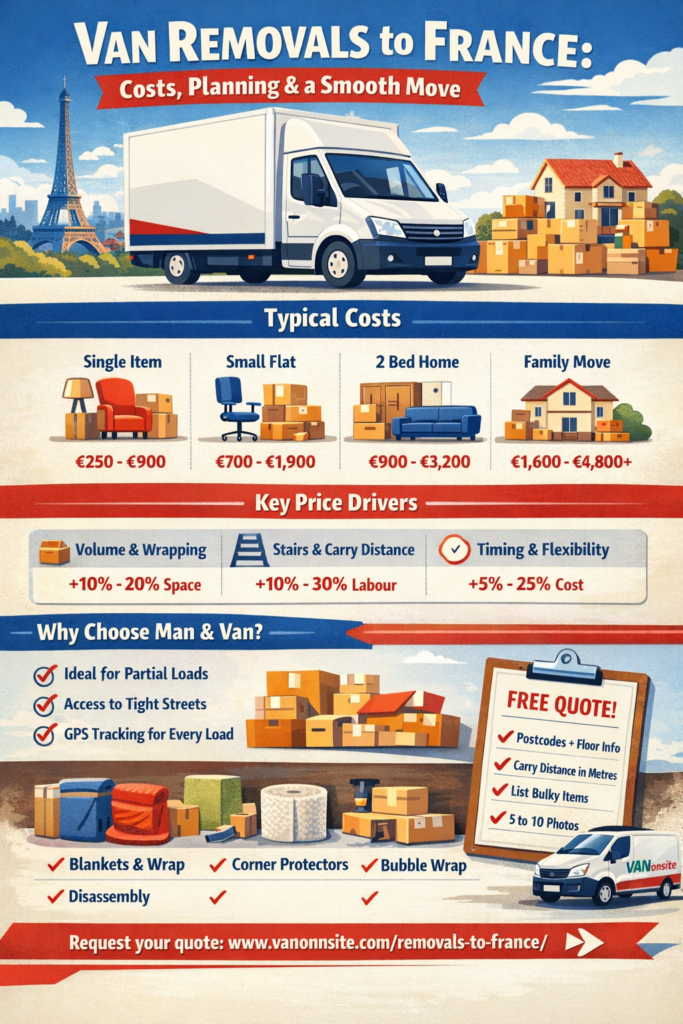
- Typical van removals to France prices often fall between €250 and €4,800, depending on volume, route, access, and service level.
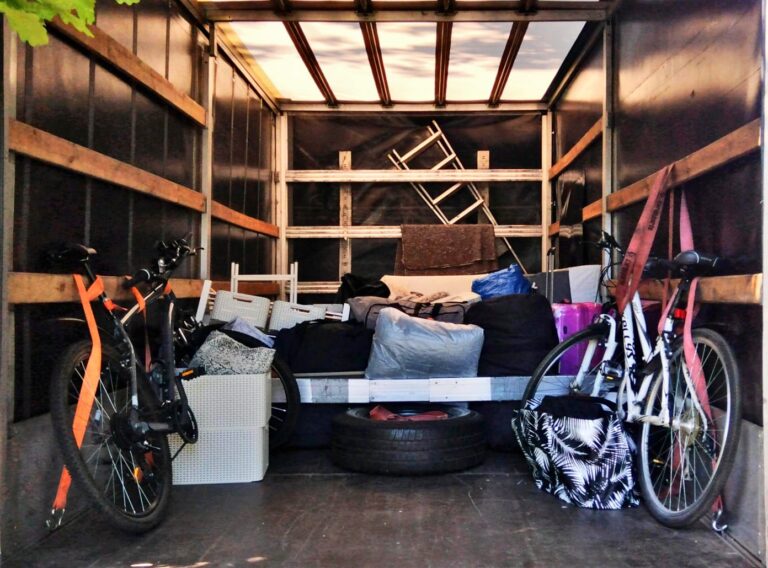
- Wrapping and protection usually increases real volume by 10% to 20%, so plan breathing space in the van.
- Stairs, long carry, and difficult parking can add 10% to 30% to cost because handling time rises.
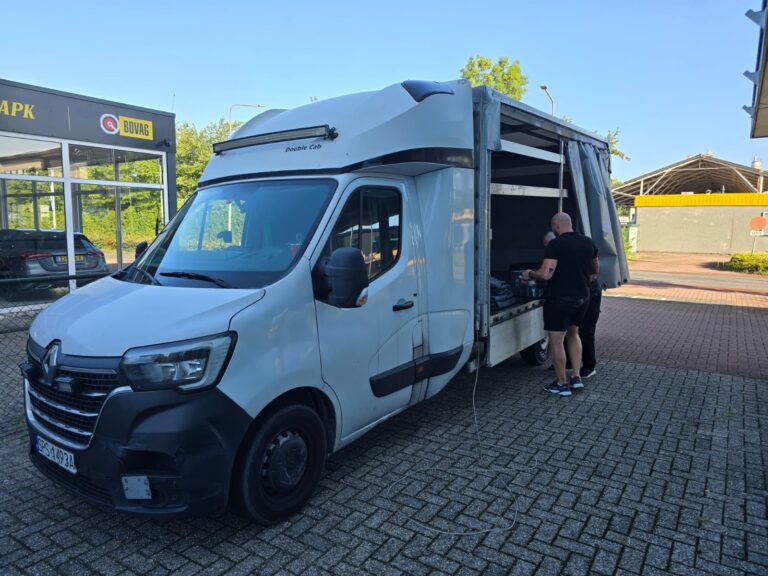
- A man and van option is perfect for partial loads, flexible dates, and tight streets.
- Many EU to France moves are paperwork light, but a clean inventory still prevents delays.
- UK and other non EU routes can involve customs steps, so prepare documents and inventories early.
- The fastest accurate quote comes from postcodes, access notes in metres, and 5 to 10 photos of the biggest items.
- If you can keep a 48 to 72 hour flexibility window, you often unlock smoother routing.
- For fragile finishes, adding packing support can reduce damage risk sharply.
Mini table: what changes the price fastest
| Price driver | Why it matters for van removals to France | Typical impact |
|---|---|---|
| Volume after wrapping | blankets and separation need space | +10% to +20% space |
| Access and carry distance | stairs and long corridors raise handling time | +10% to +30% labour time |
| Timing | weekends and end of month can be busier | +5% to +25% |
| Protection level | packing and white glove reduce risk | +5% to +25% |




What “van removals to France” actually includes
Van removals to France is road transport with a professional team, loaded with care, driven across borders, and delivered door to door. It is the sweet spot between full scale removals and the stress of doing it yourself. It works for a single sofa, a student room, a furniture heavy relocation, and even a full household, as long as the van based setup fits your volume and access.
Think of it as a controlled move, not a chaotic one. You get a plan, real handling, and a clear delivery window. And because VANonsite provides GPS tracking for every load, you are not left guessing where your life is parked on a motorway.
What is typically included
When you book van removals to France, the core usually covers:
- pickup at your address with professional loading
- safe road transport to France
- delivery to your address with careful unloading
- clear updates so you know when to expect arrival
Your exact setup depends on your needs. Some people want transport only. Others want packing. Some want white glove handling because the item is priceless, even if the price tag was not.
When van removals to France is the best fit
Van removals to France shines when you want speed, flexibility, and city friendly access.
It is ideal when you want:
- flexible pickup and delivery windows
- fast scheduling, including urgent dates
- careful handling for furniture and fragile items
- easier access in tight streets with a nimble man and van team
And it is especially smart when you are moving in stages, for example furniture first, boxes later, or when your keys do not line up perfectly.
Choose the service level that matches your life
This is where stress disappears. Pick the level that protects your time and your items.
| Service level | What you get | Best for |
|---|---|---|
| Transport only | loading, transport, delivery | sturdy items, confident packers |
| Packing support | packing plus protected loading | busy schedules, fragile basics |
| White glove | premium protection and handling | glass, marble, lacquer, artwork |
Useful links:
- Furniture Removals for key pieces
- Home Removals for full households
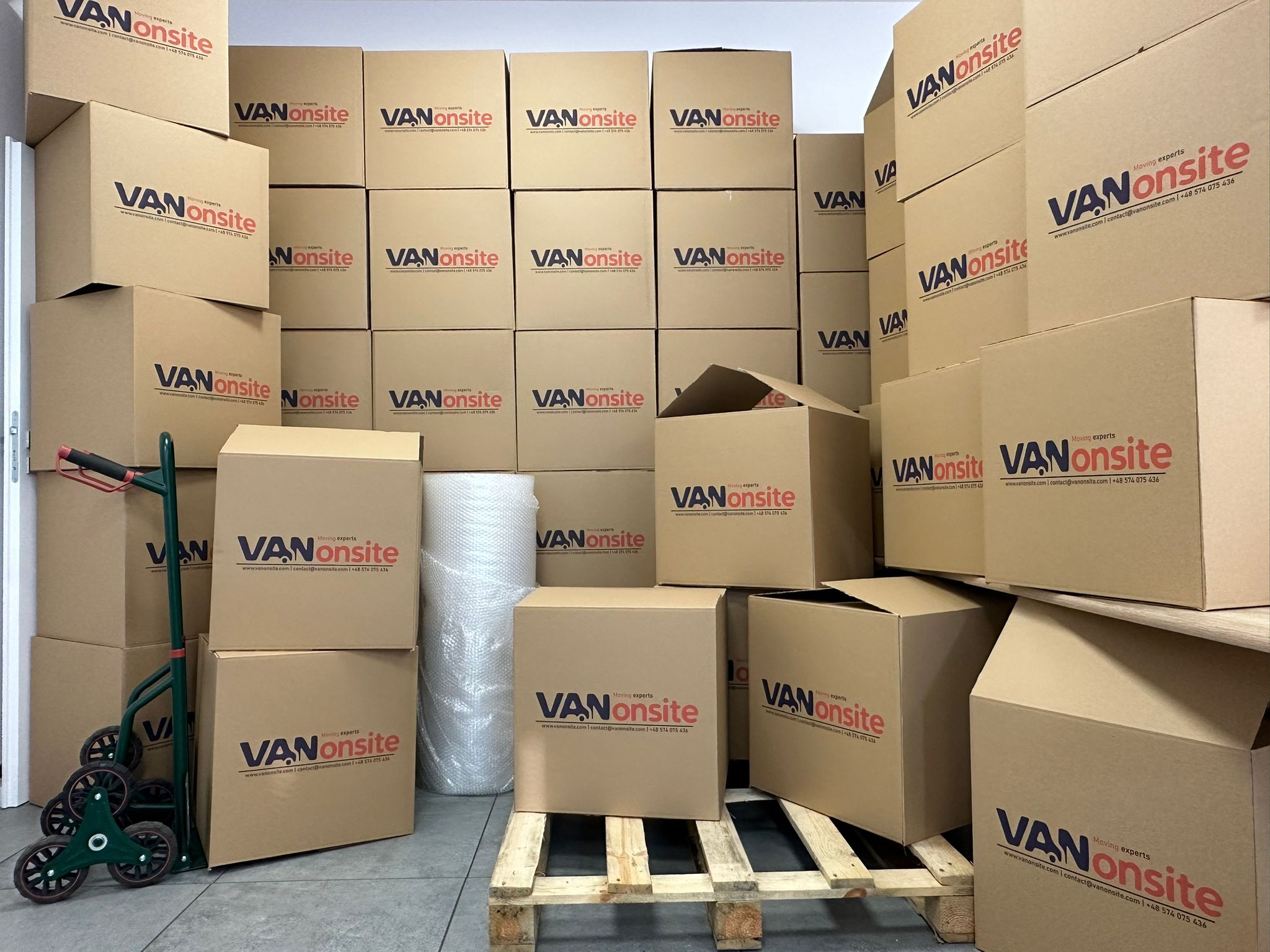
- Packing Service when you want speed and protection
- White Glove Delivery for high value items
- Office removals when downtime hurts
- Storage as a calm buffer when keys shift
- Student Removals for compact budgets
Costs: what you can expect for van removals to France
Let’s get practical. Costs are driven by four things: distance, volume, access, and risk level. When you understand those levers, van removals to France becomes predictable.
Below are realistic planning brackets for van removals to France. Use them to budget. Then tighten them with photos and access notes.
| Move profile | Typical volume | Best starting vehicle | Indicative cost range |
|---|---|---|---|
| Single item or micro move | 1 to 5 m³ | Moving One or Moving Basic | €250 to €900 |
| Small flat or student load | 5 to 10 m³ | Moving Medium | €700 to €1,900 |
| 1 to 2 bed flat | 10 to 15 m³ | Moving Premium | €900 to €3,200 |
| Family move, partial household | 15 to 30 m³ | Moving Premium Plus | €1,600 to €4,800 |
| Large relocation | 30 to 90 m³ | Full House XXL | €3,500 to €12,000+ |
Real world examples that make pricing feel clear
- Student move: 12 to 18 boxes, a desk, a chair, and a small bed frame. Often fits Moving Basic or Moving Medium.
- Furniture move: sofa, dining table, 6 chairs, wardrobe, and 15 to 25 boxes. Often fits Moving Medium or Moving Premium.
- Family partial household: multiple wardrobes, a dining set, appliances, and 40 to 70 boxes. Often fits Moving Premium Plus.
The goal is simple. Do not pay for empty space. Do not gamble by squeezing. Van removals to France should protect your belongings and your nerves.
The 4 cost drivers that change your quote fast
- Volume after wrapping
Wrapped furniture grows. Plan 10% to 20% extra space for blankets, corner protection, and separation. This is protection space, not waste. - Access at pickup and delivery
No lift, tight stairs, or long corridors turn minutes into hours. That is why difficult access can add 10% to 30%. Carry distance in metres matters more than people expect. - Route reality
It is not only kilometres. It is tolls, traffic patterns, city rules, and the time window you choose. - Service level
Packing, disassembly, and white glove handling can increase the quote, but they also reduce damage risk. If you have fragile finishes, protection often pays for itself.
A quick budgeting formula that works
If you want a fast estimate that usually lands close to reality:
- Count boxes and list bulky items.
- Add 10% to 20% for protection space.
- Write access notes for both addresses: floor, lift, stairs, and parking distance in metres.
- Add your flexibility window. A 48 to 72 hour window can make routing smoother.
This simple method stops van removals to France pricing from feeling like a gamble.
Choose the right VANonsite vehicle size
Vehicle choice is one of the biggest levers for cost and safety. Too small creates stress. Too tight increases damage risk. And in cross border moves, risk is expensive.
If you are between sizes, go one size up. Space is protection. The extra breathing room lets you load with separation, not pressure. That is how furniture arrives looking like furniture, not like it survived a storm.
VANonsite vehicle sizes
| Vehicle | Volume | Max load | Best for van removals to France |
|---|---|---|---|
| Moving One | 1 m³ | 100 kg | tiny essentials, documents, small boxes |
| Moving Basic | 5 m³ | 300 kg | student moves, a few furniture pieces |
| Moving Medium | 10 m³ | 500 kg | studio loads, bed plus boxes |
| Moving Premium | 15 m³ | 1,100 kg | 1 bed furniture set and cartons |
| Moving Premium Plus | 30 m³ | 3,500 kg | family moves and bulky furniture |
| Moving Full House XXL | 90 m³ | 20,000 kg | large homes and heavy relocations |
Quick match guide
Use this to get close fast. Then refine with photos.
- Moving Basic (5 m³): 10 to 15 boxes plus a chair, small desk, or compact mattress
- Moving Medium (10 m³): bed, desk, compact sofa, 20 to 35 boxes
- Moving Premium (15 m³): sofa, bed, wardrobe, 30 to 45 boxes
- Moving Premium Plus (30 m³): multiple wardrobes, dining set, full flat contents
A simple decision path
If you want a quick yes or no answer, use this.
- Do you have a sofa or wardrobe? If yes, start at Moving Medium.
- Do you have a sofa plus a wardrobe plus a bed? If yes, start at Moving Premium.
- Do you have more than two wardrobes or a full dining set plus appliances? If yes, start at Moving Premium Plus.
Common sizing mistakes that cost money
These show up all the time in van removals to France.
- Counting unwrapped volume. Protection needs space. Add 10% to 20%.
- Forgetting boxes. A “few boxes” is often 20 boxes. Count them.
- Ignoring stairs and tight turns. Difficult access can raise handling time by 10% to 30%.
- Loading too tight. Tight loads lead to rub marks and crushed corners.
When man and van is the smartest option
A good man and van move is not about squeezing everything in. It is about loading smart, keeping pressure off corners, and arriving with zero heartbreak.
A man and van plan is often perfect for van removals to France when you have:
- partial loads and you do not want to pay for unused volume
- tight streets and limited legal stopping points
- flexible dates, ideally a 48 to 72 hour window
- phased moves, furniture now and boxes later
If you want the most accurate vehicle pick, send postcodes, access notes in metres, and 5 to 10 photos to Removals to France.
Packing and protection: how to keep your items unscarred
Most damage happens at touch points. Corners. Edges. Legs. Handles.
If you are doing van removals to France, treat protection as the real move, and transport as the final step. The road is not the problem. Pressure is the problem.
Materials that actually matter
| Material | Best for | Quick tip |
|---|---|---|
| Moving blankets | wood, upholstery | protect corners first |
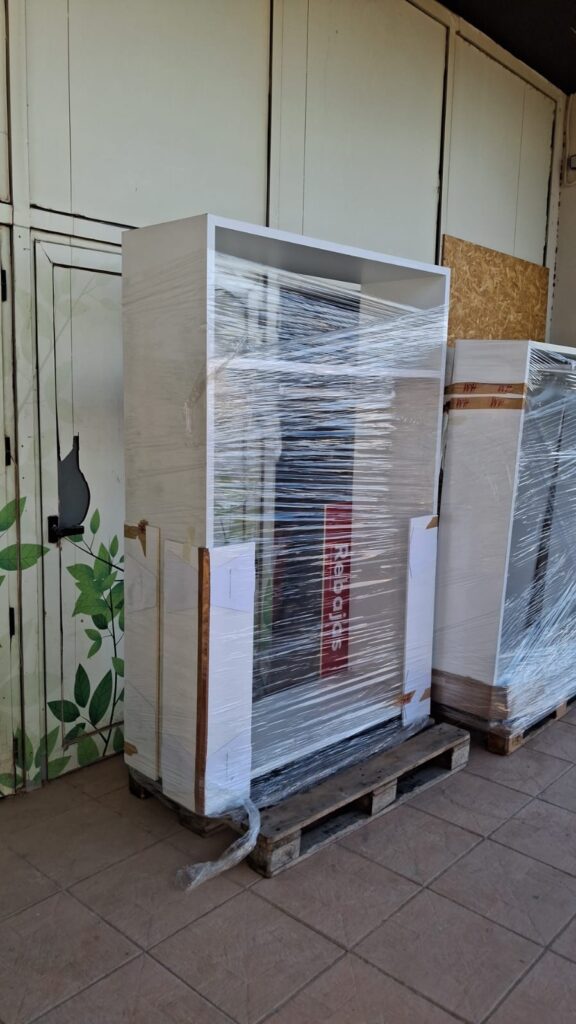
| Stretch wrap | sofas, drawers | keeps fabric clean and tight |
| Bubble wrap | glass, lamps | wrap, tape, label clearly |
| Corner protectors | tables, frames | stops chips on edges |
| Cardboard sheets | mirrors, table tops | shields flat surfaces |
| Mattress cover | mattresses | protects from dirt and moisture |
| Zip bags | screws and hardware | one bag per item, label clearly |
The rule that prevents 80% of scratches
Never let two hard surfaces touch. Not wood on wood; Not glass on metal; Not lacquer on anything.
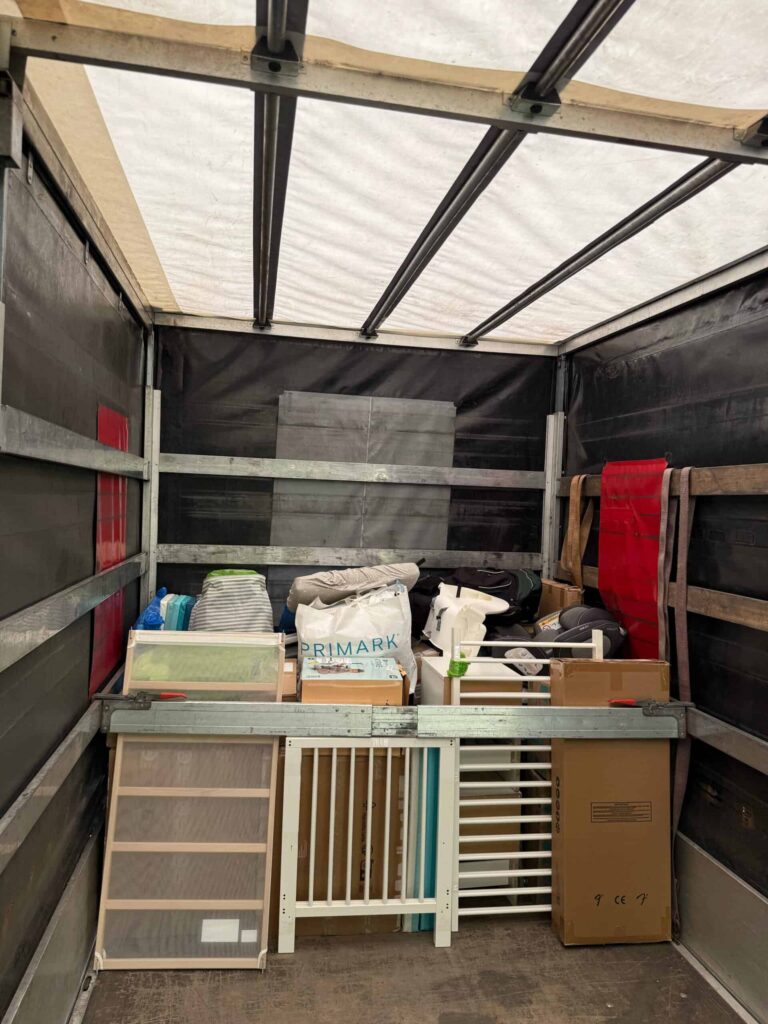
Add one soft layer, then lock it in place. That is why blankets plus stretch wrap is such a powerful combination for van removals to France.
The packing order that prevents pressure damage
Use this loading logic:
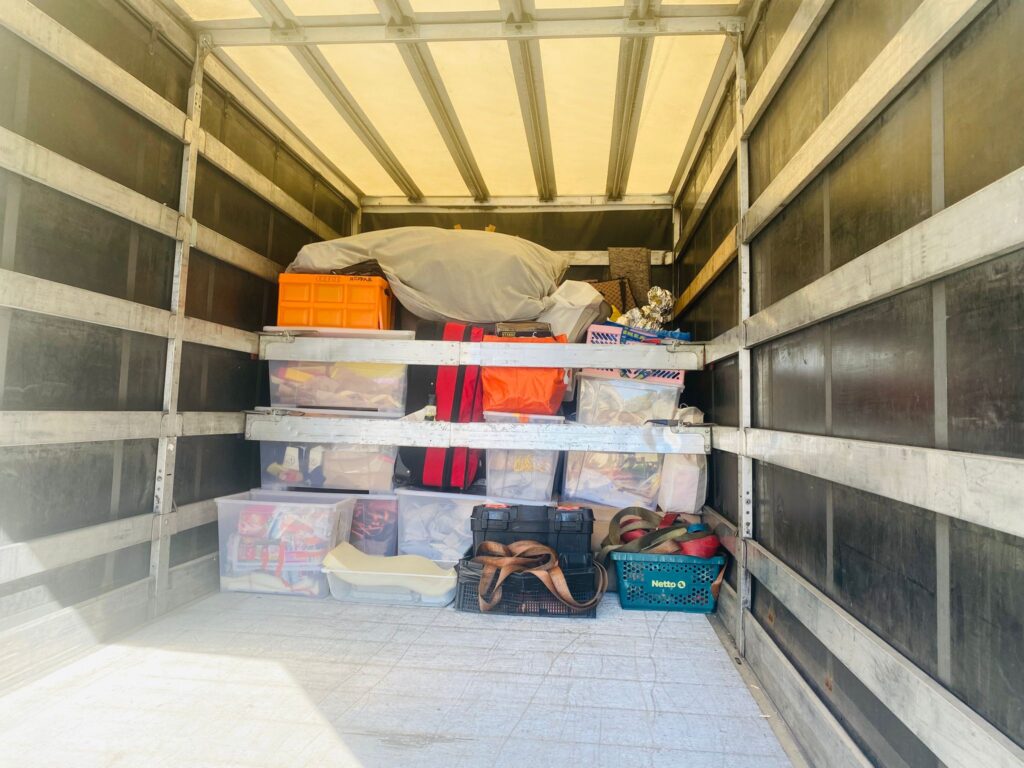
- Heavy, stable items first.
- Upholstery next, with blankets between pieces.
- Flat fragile surfaces upright and protected.
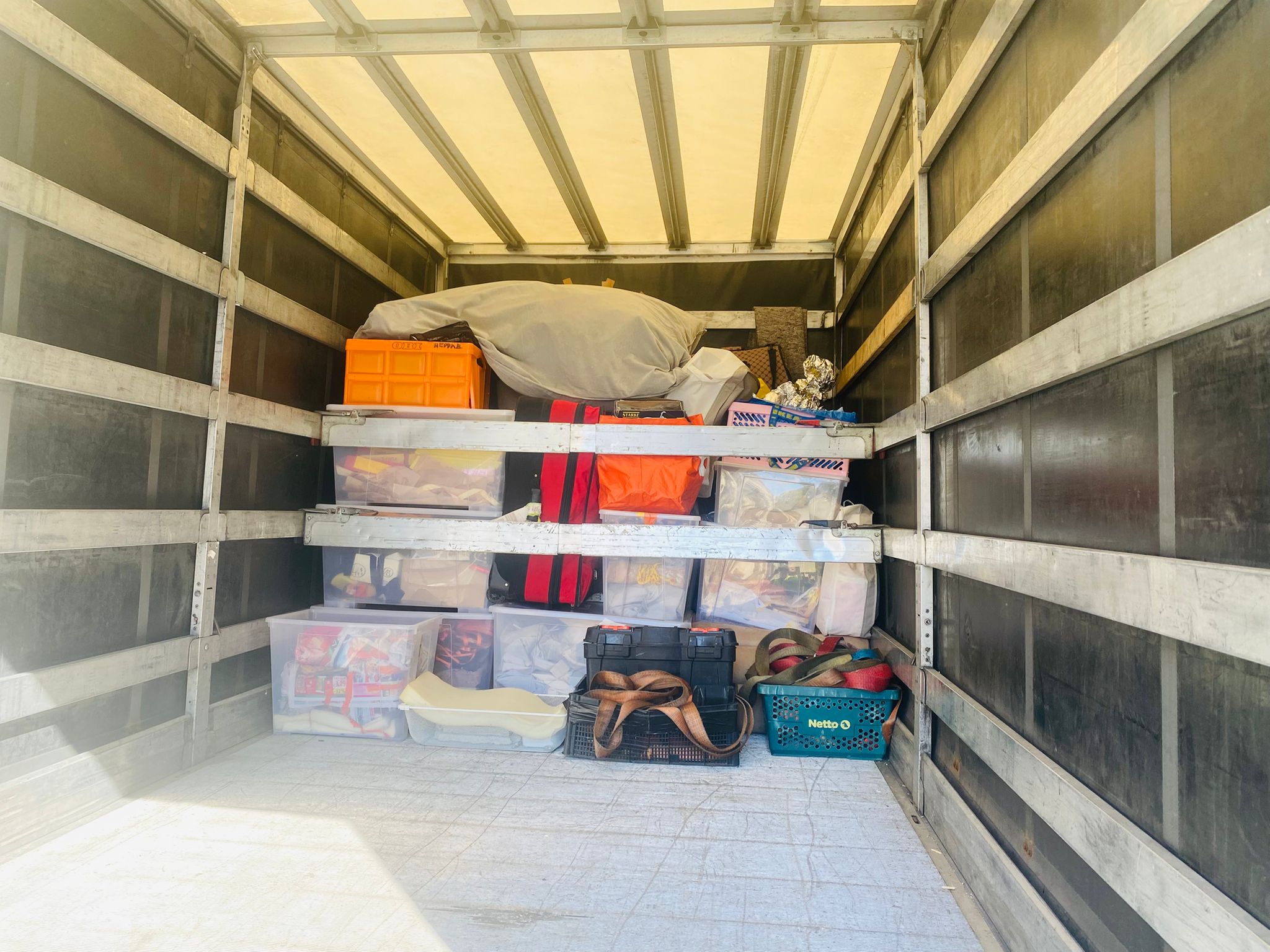
- Boxes last, heavy low, light high.
If you want faster loading and fewer breakages, consider Packing Service. If something must arrive flawless, use White Glove Delivery.
Fragile finishes: quick protection rules
If your move includes fragile finishes, protection needs to be stricter.
- Glass: protect edges first, keep upright when possible.
- Marble: isolate it, add a rigid layer, avoid pressure points.
- High gloss lacquer: avoid direct stretch wrap on the surface, use a soft layer first.
- Artwork and mirrors: add a rigid front layer and mark the face clearly.
A 72 hour essentials bag
Keep this with you, not in the van.
- passports and key documents
- chargers and adapters
- medication for 30 to 60 days if essential
- one change of clothes per person plus one warm layer
- basic toiletries
- keys, access codes, spare keys
- a small tool kit: tape, scissors, marker
Disassembly and reassembly: when it is worth it
Disassembly is not busywork. In van removals to France, it is often the difference between a smooth carry and a slow, risky struggle on a tight staircase. It reduces pressure points, stops doors from swinging, prevents snapped legs, and makes loading cleaner.
When disassembly usually saves money
It is usually worth it for:
- beds and bed frames
- wardrobes and large cabinets
- dining tables with removable legs
- modular sofas
- glass top desks
It is also worth it when any of these are true:
- the stairwell has a tight turn or low ceiling
- the lift is small or narrow
- you have glossy finishes that scratch easily
- you want to reduce handling time by avoiding awkward angles
Quick time estimates
These are realistic ranges for careful disassembly. They help you plan the day.
| Item | Typical disassembly time | Notes |
|---|---|---|
| Bed frame | 15 to 35 minutes | keep slats bundled |
| Wardrobe | 30 to 75 minutes | remove doors first |
| Dining table | 10 to 25 minutes | protect the top |
| Modular sofa | 10 to 30 minutes | label sections |
| Glass top desk | 20 to 45 minutes | glass upright only |
Tools that make disassembly clean
You do not need a workshop. You need the right basics.
- Allen keys and a basic screwdriver set
- small spanner or adjustable wrench
- painter’s tape for marking
- zip bags for hardware
- a marker that writes on tape
- blankets and cardboard for panels
The disassembly checklist that prevents damage
Follow this order. It keeps control.
- Photograph first. One wide photo, then one close up of joints.
- Remove doors and drawers. Less weight, fewer swinging parts.
- Bundle and protect panels. Cardboard, then blanket, then stretch wrap.
- Secure loose parts. Wrap legs and handles so they do not scratch other items.
- Label orientation. Top, front, left, right on tape.
Hardware system that saves your sanity
Most reassembly stress is not the wood. It is the missing screw.
- One labelled zip bag per item.
- Tape the bag to the item, or put it in a box labelled “hardware priority 1”.
- Take one photo of the hardware before you seal the bag.
- Mark top and front on panels with painter’s tape.
Reassembly in France: the calm method
Reassembly becomes simple when you do two things.
- Keep one clear room as your assembly zone.
- Open one hardware bag at a time.
Start with the bed. Sleep is your fastest recovery tool. Then rebuild wardrobes and large storage so boxes stop living on the floor.
This small discipline makes van removals to France feel clean, not chaotic.
Documents and customs for moving to France
Paperwork is either easy, or it is the reason your schedule slips. The difference is preparation. A calm move has a clean folder, a clear inventory, and answers ready before anyone asks.
The “move folder” you should prepare
Create one digital folder and bring two printed sets.
- passports or national IDs
- proof of address or accommodation
- a simple inventory list
- proof of your move date, if available
- receipts for high value items if you have them
- insurance documents if applicable
Tip: aim for 2 printed sets and keep one set with you, not in the van.
If you move within the EU
For many EU routes there is no classic customs barrier, but organisation still matters.
Prepare:
- passport or national ID
- proof of address or accommodation
- a basic inventory list
Even on EU routes, an inventory is a quiet superpower. It reduces confusion at delivery, speeds up unloading, and keeps everyone aligned.
If you move from outside the EU, including the UK
Customs requirements depend on your situation, so confirm via official sources first. This is the safest way to plan van removals to France without delays.
French government references:
- French Customs, moving home: https://www.douane.gouv.fr/particuliers/vous-demenagez
- France Visas: https://france-visas.gouv.fr/
- Service Public: https://www.service-public.fr/
What customs usually wants from a household move
Customs processes vary, but the logic is consistent. They want to understand what you are bringing and why.
Prepare these basics early:
- your identification
- proof of residence change if relevant
- an inventory with quantities
- an honest description of high value goods
A clean inventory helps your van removals to France plan move faster, because it reduces questions and rechecks.
Inventory format that keeps things simple
Keep it specific, readable, and human. Avoid vague lines like “miscellaneous”.
| Item | Quantity | Notes |
|---|---|---|
| Boxes, kitchen | 8 | fragile plates, paper between |
| Wardrobe | 1 | disassembled, hardware bag taped |
| Sofa | 1 | legs removed, wrapped |
| TV | 1 | upright only |
Inventory tips that prevent delays
- Use room categories: kitchen, bedroom, living room.
- Add fragile notes: glass, upright only, do not stack.
- If an item is disassembled, say it.
- If something is new and high value, add the receipt if available.
Document mistakes that slow van removals to France
- missing proof of address
- unclear inventory with no quantities
- documents packed inside the load
- last minute changes that create mismatched lists
Keep your folder in your bag. Not in a box. Not in the van.


Delivery day in France: parking, stairs, and city access
City rules can decide your whole rhythm. If the van cannot stop close, carrying distance rises, and time rises with it. On busy streets, a “quick unload” can turn into a 40 minute puzzle if you do not plan access.
To keep van removals to France predictable, plan these details early:
- closest legal stopping point
- carry distance in metres
- lift size, not only lift existence
- sharpest stair turn
- gate codes and intercom names
The 5 minute access check that prevents delays
Before moving day, do a quick walk outside both addresses and answer these questions:
- Where can the van legally stop without blocking traffic?
- How many metres is the carry from that point to your door?
- Is there a narrow doorway, tight corner, or low ceiling on the route?
- Does the lift fit a wardrobe panel or sofa section?
- Who opens the door if you are delayed by 10 minutes?
That small check can cut wasted time by 15% to 30% on busy moves.
Parking, permits, and “no stopping” zones
In many French cities, rules are strict and enforcement can be fast. If your street is tight or signed heavily, assume you need a plan.
Practical ways to keep van removals to France smooth:
- reserve a legal space if your building or area allows it
- tell neighbours in advance if parking is shared
- keep a contact ready to guide the driver to the best unloading point
- aim for quieter hours if your area is crowded
Carry distance guide
Carry distance is one of the most underestimated cost drivers.
| Carry distance | What it feels like on moving day | Why it matters |
|---|---|---|
| 0 to 10 m | very fast flow | minimal handling time |
| 10 to 30 m | manageable but steady | time starts to add up |
| 30 to 60 m | noticeable fatigue | more trips and higher risk |
| 60 m plus | slow and demanding | needs planning and pacing |
If you can shorten carry distance by even 15 metres, the move often feels dramatically easier.
Access notes template you can copy
Use this format. Short, specific, and impossible to misunderstand.
- Pickup: floor, lift yes or no, stairs count, parking distance in metres
- Delivery: floor, lift yes or no, stairs count, parking distance in metres
- Street notes: restrictions, permit needed, best unloading point
- Bulky risks: tight turn, low doorway, fragile surfaces
Micro checklist for the front door
Put this on your phone notes. It helps on the day.
- keys and entry codes ready
- lift booked if your building requires it
- one room cleared for staging boxes
- fragile items marked and separated
- hardware box and essentials bag kept with you
If you want the quickest, cleanest schedule for van removals to France, send access notes in metres plus 5 to 10 photos and request your quote here: Removals to France
Timeline: a calm plan for van removals to France
A good move is built early. Use this schedule to keep stress low. The goal is simple: fewer surprises, fewer last minute decisions, and a calmer arrival.
30 to 21 days before
This is the planning window. Decisions made here reduce stress later.
- Choose dates and keep a flexibility window of 48 to 72 hours if possible.
- Build your inventory and take photos.
- Measure doorways, stair turns, and lift size.
- Decide what you are not taking. Less volume often saves 10% to 25%.
14 days before
This is your protection and sorting stage.
- Buy protection materials.
- Start wrapping non essentials.
- Plan disassembly for wardrobes and beds.
- Start using up pantry basics so you do not move half a kitchen.
7 days before
This is the organisation stage. It should feel controlled.
- Label boxes by room and priority.
- Pack a 72 hour essentials bag.
- Confirm access codes, parking notes, and contacts.
- Prepare a “first night” box: bedding, kettle, mugs, basic plates.
72 hours before
This is the final confirmation stage.
- Prepare your document folder.
- Send final photos and access notes.
- Keep valuables and medicines out of the load.
- Confirm your time window and the best phone number to reach you.
Move day
This is execution. Keep it simple and keep flow.
- Keep one room clear for handling.
- Assign one person as the access lead.
- Keep pets and small children safely away from the loading route.
- Do a quick walk through before leaving: cupboards, drawers, balcony.
- Check items on arrival before you relax.
How to get an accurate quote in 60 seconds
If you want fast, accurate pricing for van removals to France, send details that remove guesswork. The more precise your inputs, the tighter your quote.
Send this info
- pickup and delivery postcodes
- floor number at both addresses
- lift yes or no, plus lift size if small
- stairs count if there is no lift
- parking notes and carry distance in metres
- box count and bulky item list
- fragile finishes: glass, marble, lacquer, antiques
- preferred dates and flexibility window
Add these 4 details to make your quote even sharper
These small extras often cut “range estimates” down to a clearer number.
- Biggest item dimensions
Sofa length, wardrobe height, mattress size. One line each. - Access pinch points
Narrow hallway, tight stair corner, low doorway, steep steps. - Any heavy items
Appliances, gym equipment, stone tops. Mention them. - Drop off reality
Is it a maisonette, an apartment block, a gated building, a rural lane. One sentence helps.
Photo checklist
Send 5 to 10 photos:
- biggest items
- staircase or lift entrance
- street outside showing parking options
- close ups of fragile surfaces
If you want the fastest quote, add a 20 to 30 second video of the biggest room. Slow pan. One take.
Quote blockers to avoid
These slow down van removals to France pricing.
- “some boxes” without a number
- no photos of bulky items
- missing floor or lift info
- unknown carry distance
- dates with zero flexibility when routes are busy
Then request your route based price here: Removals to France
Why VANonsite for van removals to France
Cross border moves are emotional. Your things are not “items”. They are the scaffolding of your life. When you move to France, you want that scaffolding to arrive intact, on time, and without nasty surprises.
VANonsite makes van removals to France feel controlled with safety first handling, flexible scheduling, and GPS tracking for every load. You can plan keys, parking, and arrival with confidence, not hope.
What you get
- GPS tracking so you can coordinate keys, parking, and arrival
- careful loading and protection that reduces scratches and cracks
- a responsive man and van setup that fits partial loads and city access
- optional packing support and white glove handling when it matters
Built for real life moves
If your move has tight timing, awkward access, or fragile items, you need a team that adapts.
- Last minute moves: faster scheduling when dates suddenly change
- Furniture heavy loads: protection, separation, and controlled loading
- High value delivery: white glove handling when the finish must stay flawless
If you need a move style match, these pages help:
- Furniture heavy move: Furniture Removals
- Whole household: Home Removals
- Office relocation: Office removals
- Student route: Student Removals
To price your route and lock dates, start here: Removals to France
FAQ: van removals to France
How much do van removals to France cost?
Most van removals to France land between €250 and €4,800, depending on volume, route, access, and service level. If you want a sharper figure, share postcodes, floor and lift details, carry distance in metres, and 5 to 10 photos.
What is included in van removals to France?
Usually: professional loading, secure road transport, and careful unloading. You can also add packing, disassembly, storage, or White Glove Delivery if your items need extra protection.
Is man and van suitable for cross border moves?
Yes. A man and van option is ideal for partial loads, flexible dates, and tight streets. It is often the smartest way to do van removals to France when you want speed without paying for unused volume.
How long does delivery take for van removals to France?
Many moves run within a 1 to 3 day window depending on distance, route planning, and access. If you can offer a 48 to 72 hour flexibility window, scheduling is usually smoother.
Do you offer GPS tracking?
Yes. VANonsite provides GPS tracking for every load, so you can coordinate keys, parking, and arrival with real confidence.
Do I need customs documents for van removals to France from the UK?
It depends on your status and situation, so confirm via official sources first. Start here: French Customs moving home: https://www.douane.gouv.fr/particuliers/vous-demenagez
What size van do I need?
A studio move often fits Moving Medium. A 1 bed flat often suits Moving Premium. Family moves often need Moving Premium Plus. If you are unsure, send photos of your biggest items and your estimated box count and we will recommend the safest fit for van removals to France.
How do I reduce the cost of van removals to France without risking damage?
Try these high impact moves:
- keep volume honest and reduce what you do not use
- pack boxes by room and keep them stackable
- share access notes in metres so the plan matches reality
- choose quieter pickup times when possible
- protect furniture properly so it can be loaded tighter without pressure damage
Can you handle furniture only moves?
Yes. If you are moving key pieces, use Furniture Removals for a tailored approach.
Can you move a full home to France?
Yes. For whole household relocations, see Home Removals.
Summary and next step
If you want van removals to France to feel simple, focus on four things: honest volume, the right van size, serious protection, and clear access notes.
Plan for wrapping to increase volume by 10% to 20%. Expect stairs and long carry to add 10% to 30% when access is difficult. Then remove uncertainty by sending postcodes, floor and lift details, carry distance in metres, a bulky list with quantities, and 5 to 10 photos.
Want the fastest, cleanest quote for van removals to France? Start here: Removals to France