
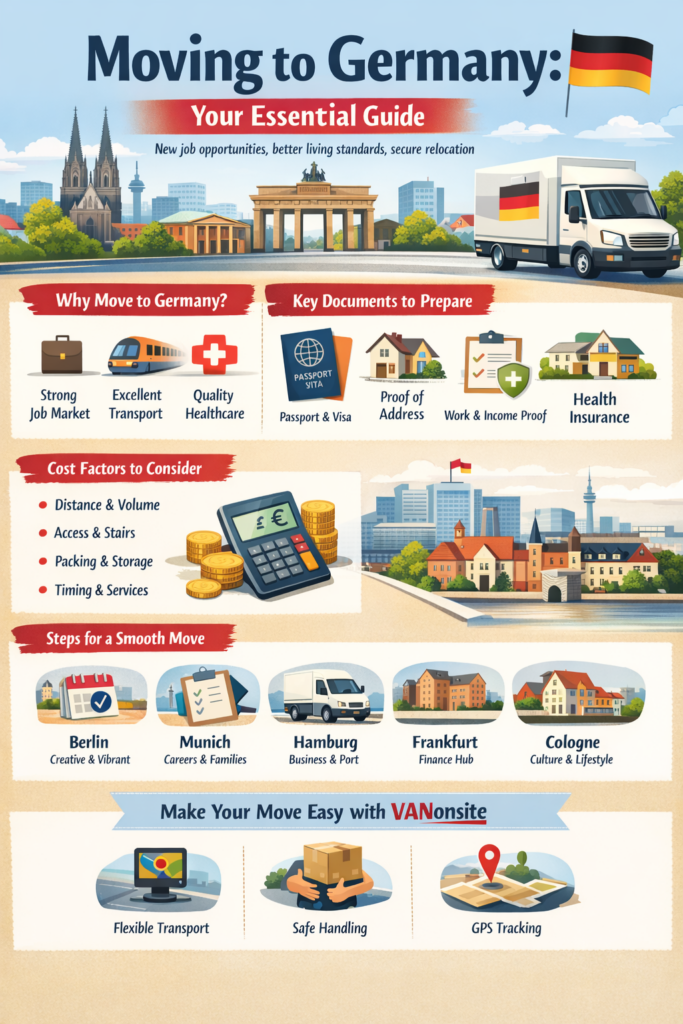
Moving to Germany can feel like standing at the door of a completely new chapter. It is exciting, yes, but it can also feel brutally intense. One day you are imagining cleaner streets, better career prospects, and a fresh start. The next, you are buried in housing searches, paperwork, moving quotes, and the quiet panic of wondering whether your sofa will survive the trip.
That contrast is exactly why good planning matters. Germany remains one of the most attractive destinations in Europe for people who want stronger job opportunities, reliable public services, and a higher sense of structure in everyday life. Yet moving to Germany is not only about choosing a city and packing boxes. It is about timing, documents, costs, transport, and making dozens of smart decisions before your new life even begins.
This guide is built to make the process easier. It answers the questions people ask first, and the questions they often forget to ask until it is too late. You will learn what documents matter, how much the move can cost, what cities suit different lifestyles, how Anmeldung works, and why choosing the right man and van service can change the entire experience.
If you want a move that feels controlled rather than chaotic, this is where to start.
TL:DR
- Germany attracts newcomers with strong job prospects, dependable infrastructure, and a high standard of living.
- The most stressful parts of moving to Germany are usually documents, housing, registration, and transport timing.
- Smart planning starts with an inventory, a moving date, and the right vehicle size for your belongings.
- Costs vary based on route, load volume, access conditions, and extra services such as packing or storage.
- Most newcomers need ID, proof of address, income records, and health insurance documents ready before arrival.
- Housing can be competitive, especially in major cities, so temporary accommodation can be a strategic first move.
- A trusted partner like VANonsite can make moving to Germany faster, safer, and far easier to manage with flexible vans and GPS tracking.




Why Are So Many People Moving to Germany?
Germany has a magnetic pull for people across Europe and beyond. It offers something many countries struggle to combine: strong economic power, practical day to day stability, and genuine long term prospects. For many people, moving to Germany is not a gamble. It is a calculated leap toward a more secure future.
There is also the emotional side. Germany often appeals to people who are tired of uncertainty. They want a place where trains usually run on time, healthcare feels dependable, and professional growth is not built on chaos. That promise of order can feel deeply comforting.
Some of the biggest reasons people choose Germany include:
- A powerful job market in engineering, logistics, healthcare, manufacturing, IT, and skilled trades.
- A central European location, which makes travel, business, and family connections easier.
- Excellent public transport, especially in major cities and regional hubs.
- Strong tenant protections, which can offer more stability for renters.
- Reliable healthcare, with broad access and a high reputation across Europe.
- Family support and education opportunities, which matter for parents thinking long term.
Germany has a population of more than 84 million people, and a significant share of residents have an international background. That matters. It means moving to Germany does not have to feel like stepping into a closed world. In cities such as Berlin, Frankfurt, Munich, and Hamburg, international communities are already woven into everyday life.
Each city has its own flavor:
- Berlin attracts creatives, startups, and people who want an international atmosphere.
- Munich draws professionals seeking high salaries and polished quality of life.
- Hamburg blends business strength with a calmer rhythm.
- Frankfurt is powerful for finance, logistics, and travel links.
- Cologne wins people over with warmth, culture, and a more relaxed social energy.
For many, moving to Germany is not just about money. It is about replacing friction with momentum.
Is Moving to Germany Right for You?
Not every country suits every person, and Germany is no exception. It can be brilliant for people who appreciate structure, planning, and long term rewards. It can also feel demanding for those who dislike bureaucracy, rigid processes, or intense competition in the rental market.
Moving to Germany is often a strong fit for professionals seeking growth, families wanting safety and order, and students who want access to respected education and better career paths. It can also work well for digital workers, especially in larger cities. Still, daily life may feel tougher if you arrive unprepared or expect everything to move quickly and casually.
| Good fit if you want | May feel challenging if you dislike |
|---|---|
| Stable career options | Administrative processes |
| Strong public infrastructure | Housing competition |
| Reliable healthcare | Language barriers |
| Long-term quality of life | Strict appointment systems |
A simple truth sits underneath all of this: moving to Germany rewards preparation. The more organized you are before the move, the smoother your landing tends to be.
What Documents Do You Need When Moving to Germany?
This is one of the first pressure points in any international move. Missing one important document can slow down your relocation, delay registration, or create problems when opening a bank account, securing a rental contract, enrolling in health insurance, or setting up daily essentials after arrival. That is why document preparation should never be treated as a last minute chore. In fact, for many people moving to Germany, paperwork is the invisible backbone of the entire relocation.
When moving to Germany, most people should prepare the following:
- A valid passport or national ID
- A visa or residence permit, if your nationality requires one
- A work contract or proof of income
- A rental agreement or proof of address
- Health insurance documents
- Birth or marriage certificates, if relevant
- Vehicle papers or pet documents, if applicable
- A transport inventory list, especially for larger removals
That list covers the basics, but smart movers go one step further. They build a document pack that is easy to reach during the move and impossible to lose in the chaos of boxes, labels, and travel bags. Keep all vital paperwork together in one slim folder that stays with you, not inside the van. If border checks, rental formalities, or registration appointments come up, you need instant access, not a painful search through packed belongings.
It also helps to think about documents in layers:
- Travel documents such as ID, passports, and visa paperwork
- Housing documents such as tenancy agreements, landlord confirmations, and proof of address
- Work and income documents such as contracts, payslips, or bank statements
- Family records such as certificates for marriage or children
- Move related documents such as inventories, insurance papers, and special declarations for certain items
If you need official information about entry rules, visas, or residence requirements, use government sources connected to Germany, such as the Federal Foreign Office, Make it in Germany, and your relevant German mission abroad. If you need information about local registration after arrival, look for the official city page for the district where you will live. That step matters because registration rules can vary slightly depending on the local authority.
A few practical habits make a huge difference:
- Save digital scans in a cloud folder
- Email key files to yourself as backup
- Print hard copies of the most important papers
- Keep originals in a clearly marked travel file
- Do not pack vital documents inside the moving van
This may sound simple, but it is one of those small disciplines that prevents big stress. When moving to Germany, delays often happen not because people forgot everything, but because one document is in the wrong bag at the wrong moment.
If you are relocating with children, pets, or a vehicle, the paperwork load rises quickly. School records, vaccination documents, pet passports, and car registration papers can all become part of the process. The earlier you collect them, the calmer the move feels.
Keep both physical and digital copies of everything. That one small habit can save hours of stress. Store scans in a cloud folder, and keep originals in a clearly marked travel file that stays with you, not inside the moving van.
How Much Does Moving to Germany Cost?
The price of moving to Germany can vary sharply. A compact student move from a nearby country may be relatively affordable. A full family relocation with fragile furniture, packing support, and storage can cost several times more. The mistake many people make is focusing only on the transport quote without understanding what actually drives the final cost. That can lead to false expectations, rushed decisions, and unnecessary overspending.
In reality, the final price is shaped by a mix of distance, volume, access, timing, and service level. The more precise your planning, the more accurate your quote tends to be. When moving to Germany, uncertainty is expensive. Clear information saves money.
The biggest factors usually include:
- Distance and route complexity
- Total volume of belongings
- Weight of the load
- Type of property at pickup and delivery
- Stairs, narrow access, or lift restrictions
- Packing support
- Storage requirements
- Last minute scheduling
- Fragile items or white glove handling
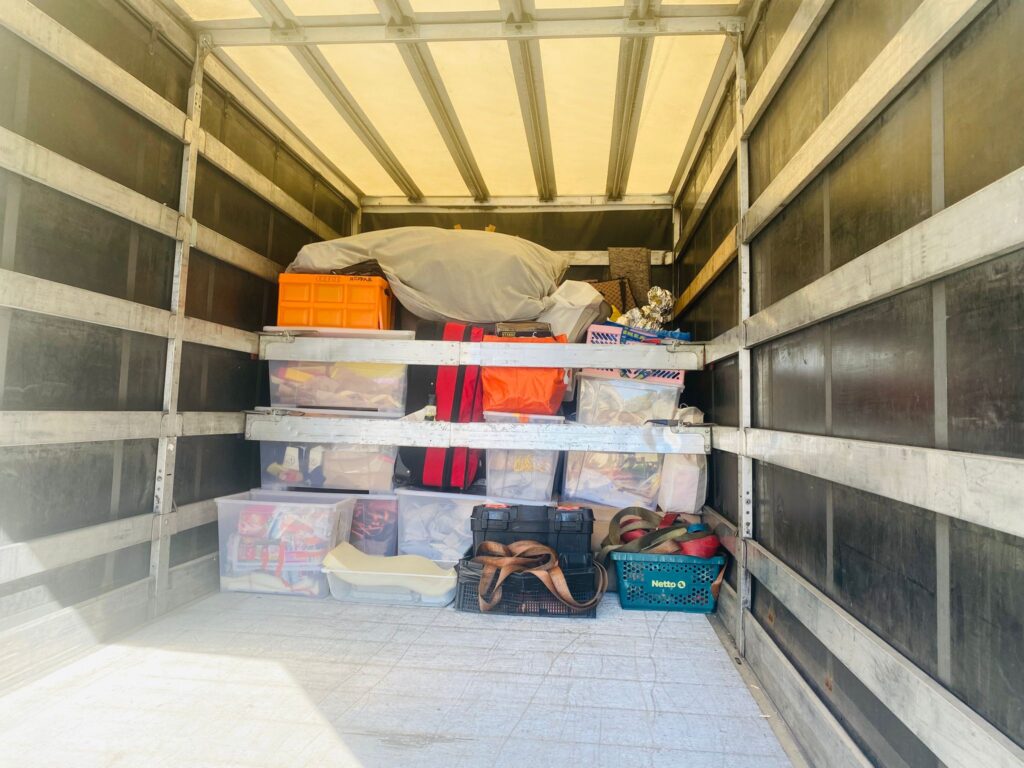
One of the smartest ways to control the cost of moving to Germany is to match the van size to the actual volume of your belongings. This can cut waste, reduce delays, and stop you from paying for space you do not need. It also improves loading efficiency and can reduce the risk of poor packing choices caused by squeezing too much into too little room.
| Service level | Capacity | Max load | Best for |
|---|---|---|---|
| Moving One | 1 m3 | 100 kg | Documents, suitcases, a few boxes |
| Moving Basic | 5 m3 | 300 kg | Student moves, small essentials |
| Moving Medium | 10 m3 | 500 kg | Studio flat or partial move |
| Moving Premium | 15 m3 | 1100 kg | 1-bedroom move |
| Moving Premium Plus | 30 m3 | 3500 kg | Family relocation |
| Moving Full House XXL | 90 m3 | 20000 kg | Full house move |
This table tells an important story. Not every move needs a large vehicle, and not every move should be treated like a budget micro-load. Choosing well can protect both your wallet and your timeline. A student moving with a laptop, clothing, and a few small pieces of furniture has very different needs from a family transporting beds, wardrobes, appliances, and boxes from several rooms.
What can increase the price fast?
Some cost drivers are easy to underestimate until the quote changes. These include:
- Booking very close to the moving date
- Poor access for loading or unloading
- Extra waiting time at either property
- Heavy, awkward, or delicate furniture
- Needing help with dismantling and reassembly
- Temporary storage between addresses
Even a seemingly small issue, like no legal parking space near the building, can add pressure and wasted time. That is why moving to Germany smoothly often starts with details that do not look dramatic at first glance.
How can you reduce moving costs without cutting corners?
The smartest savings do not come from choosing the cheapest option blindly. They come from reducing waste and planning the move with precision.
Try these strategies:
- Declutter before getting a quote so the load size reflects reality
- Measure large furniture to avoid surprises on moving day
- Pack efficiently if you are not using a packing service
- Book early for better timing options
- Choose the right van size instead of estimating by guesswork
- Group the move logically so nothing important gets left behind
As a rough guide, many people save meaningful money by decluttering before the move. Cutting 15% to 25% of low value items can reduce the required load size and make the whole process faster. That matters even more when moving to Germany across longer European routes.
There is also a hidden cost many people forget: stress. A poorly planned move can lead to delays, duplicate purchases, wasted travel, and damage to belongings. A well organized move may not always be the absolute cheapest on paper, but it often becomes the better value in real life.
How to Plan Your Move to Germany Step by Step
A move can unravel fast when everything is left to the final two weeks. The best relocations are not always the cheapest or the fastest. They are the best coordinated. When moving to Germany, a practical sequence matters more than raw speed. A smooth relocation is built through small decisions made early, not heroic fixes made at the last minute. The sooner you turn the move into a clear plan, the less likely it is to spiral into stress.
A useful way to think about moving to Germany is this: every good step reduces friction later. One confirmed date reduces scheduling chaos. One accurate inventory improves your quote. One carefully packed essentials bag saves you from tearing open ten boxes on your first night. The process feels lighter when every stage has a purpose.
1. Set your moving date
Choose your target date as early as possible. This helps you compare transport options, notify landlords, and organize your paperwork without panic.
Do not pick a date casually. Look at work commitments, tenancy deadlines, school calendars, and how long document preparation may realistically take. A smart moving date gives you room to breathe. It also improves your chances of getting the van size and transport slot you actually want instead of settling for what is left.
2. Check visa and residency requirements
Do this before you book anything expensive. If you are unsure about entry rules or residency steps, verify them through official German government sources.
This step protects you from costly mistakes. Flights, housing deposits, and moving services are easier to organize when your legal route is clear. When moving to Germany, paperwork delays can affect your timeline more than almost anything else, so it makes sense to confirm the rules before the rest of the move gains momentum.
3. Create a moving inventory
List what you are taking room by room. This helps with quotes, van sizing, insurance, and deciding what should be sold, stored, or donated.
An inventory does more than count boxes. It reveals the real shape of your move. You begin to see what is worth transporting, what is emotionally important, and what is simply taking up space. Many people discover that trimming even 20% of low value items makes moving to Germany cheaper, quicker, and far less tiring.
4. Choose the right transport option
A small move may only need a compact man and van service. A family relocation or high value furniture move may need a larger vehicle, packing support, or white glove delivery.
This is where strategy becomes money. The wrong transport option can lead to delays, overpayment, or damaged belongings. The right one creates flow. If you are moving a studio flat, student load, or partial household, a leaner setup may be perfect. If you are taking wardrobes, beds, fragile furniture, and a full household, a larger service level is usually the wiser choice.
5. Book packing help if needed
Packing always takes longer than people expect. Fragile items, artwork, electronics, and furniture often deserve professional attention.
This is especially true when time is short or the move includes high value items. Professional packing is not a luxury in every case, but it can be a lifesaver when you are balancing work, children, travel, and deadlines all at once. A careful packing service can also reduce the risk of breakage, which matters even more on longer European routes.
6. Notify key people and services
Inform landlords, employers, schools, utilities, and subscription providers. This reduces loose ends and missed letters after moving to Germany.
It is easy to underestimate how many systems are attached to your current address. Redirecting mail, closing contracts, and updating service providers may not feel exciting, but these small admin tasks stop the move from haunting you weeks later. A clean transition feels lighter than one full of forgotten bills and missed notices.
7. Prepare an essentials box
Pack one box or suitcase with clothes, chargers, medication, important papers, toiletries, and a few kitchen basics. This becomes your survival kit for the first 24 to 48 hours.
This one step is pure gold on moving day. After a long trip, nobody wants to search through sealed boxes for toothpaste, clean socks, a phone charger, or pain relief. Your essentials bag creates instant stability. It turns the first night from frantic into manageable.
8. Confirm access at both addresses
Check parking, floor level, lift access, narrow staircases, and entry times. Small access issues can create expensive delays.
This is one of the most overlooked parts of moving to Germany. A perfect quote can be disrupted by one narrow stairwell, one restricted loading area, or one building that only allows move-ins during certain hours. Confirming access early helps the moving team prepare properly and reduces the risk of nasty surprises.
9. Track your shipment and arrival timing
This is where good logistics matter. A company that offers GPS tracking gives you far more control and far less guesswork.
Visibility changes the emotional tone of the move. Instead of sitting in uncertainty, you know where your belongings are and when they are likely to arrive. That is particularly valuable when moving to Germany on a tight schedule or coordinating keys, work start dates, or temporary accommodation.
10. Complete local registration after arrival
Once you are in your new place, take care of Anmeldung and any other local setup tasks quickly. This unlocks banking, tax, healthcare, and many other daily essentials.
Do not leave this step drifting into the background. Registration is one of the switches that turns a move into real daily life. The faster you complete it, the faster the rest of your setup falls into place.
A simple moving timeline that works
To make the process even easier, use a basic rhythm:
- 6 to 8 weeks before: set the date, check documents, start decluttering
- 4 to 6 weeks before: request quotes, choose transport, begin packing non essentials
- 2 to 4 weeks before: confirm housing details, update providers, finalize inventory
- 1 week before: pack essentials, confirm access, review documents
- Moving week: track the load, travel with key paperwork, keep first day basics close
This kind of structure gives moving to Germany a much calmer shape. Instead of reacting to chaos, you stay one step ahead of it.
Choosing the Best Moving Service to Germany
Not all moving options are created equal. Some people try to manage everything alone. Others use standard courier services designed for parcels, not real relocations. Then there are professional removals teams that understand routes, furniture handling, timing windows, and the tiny details that make or break a move.
When moving to Germany, the best option depends on what you value most. If your goal is pure cost cutting and you have very little to carry, a DIY move may work. If you care about speed, safety, reliability, and actual support, a specialist service is usually the smarter route. The real question is not simply how to move your items. It is how to move them without turning the whole experience into a draining, expensive mess.
A professional man and van solution can be especially effective for European relocations because it offers:
- Flexible pickup and delivery timing
- Better handling for furniture and fragile belongings
- More direct routes than many standard freight solutions
- A more personal level of support
- Easier coordination for partial loads or urgent moves
That flexibility matters more than many people realize. A standard shipping setup may be fine for boxed goods, but moving to Germany often involves far more than cardboard. It involves wardrobes, dining tables, mattresses, office equipment, sentimental items, and awkward pieces that need proper handling. That is where experience becomes visible.
DIY, courier, or professional removals?
Here is the honest trade-off.
| Option | Best for | Main upside | Main downside |
|---|---|---|---|
| DIY move | Very small loads, very tight budgets | Lowest direct cost | Highest physical effort and risk |
| Standard courier | Boxes and non fragile items | Simple for basic shipments | Poor fit for full relocations or furniture |
| Professional removals | Household, furniture, urgent or valuable moves | Safer, faster, more controlled | Higher upfront cost |
The cheapest option on paper is not always the best value. A DIY move can look attractive until fuel, tolls, accommodation, loading stress, delays, and damage risk begin to pile up. A courier may seem convenient until you need timing precision, furniture protection, or a service that actually understands the rhythm of a real relocation.
What should you look for in a moving company?
When comparing providers, ask sharper questions than just “How much does it cost?” Price matters, but confidence comes from the details.
Look for:
- Clear vehicle sizing so you know what you are paying for
- Experience with European routes and cross border logistics
- Support for different move types such as student, home, office, or furniture removals
- GPS tracking for better visibility and timing control
- Packing or white glove options for more delicate items
- Straightforward communication without vague promises
A strong moving company should make the process feel simpler, not more confusing. If a service leaves you guessing, chasing updates, or worrying about whether your load was sized correctly, that uncertainty becomes part of the price.
Why GPS tracking makes a real difference
GPS tracking is another major advantage. It removes a huge layer of uncertainty. Instead of wondering where your load is, you have real visibility. That can make moving to Germany feel far more controlled from the first collection point to the final delivery.
This is not just a nice extra. It is practical. You can coordinate key handovers, arrival windows, temporary stays, and your first night setup much more confidently when the transport does not feel like a mystery. For people balancing work starts, family logistics, or a narrow move-in slot, that kind of visibility is incredibly valuable.
Why VANonsite fits this kind of move
For many customers, the best moving service is the one that adapts to the real size and complexity of the relocation. VANonsite does that well by offering a wide range of vehicle sizes, from small load options to full household capacity, alongside services such as packing, furniture removals, storage, office removals, student removals, and white glove delivery.
That range means you do not need to force every move into the same template. A single student move and a family home relocation are completely different jobs. They deserve different solutions. That is one of the reasons a specialist service can feel far more efficient.
For readers comparing providers, a useful next step is to explore removals to Germany and see which service level matches the size and urgency of the move.


Packing for Germany Without Stress
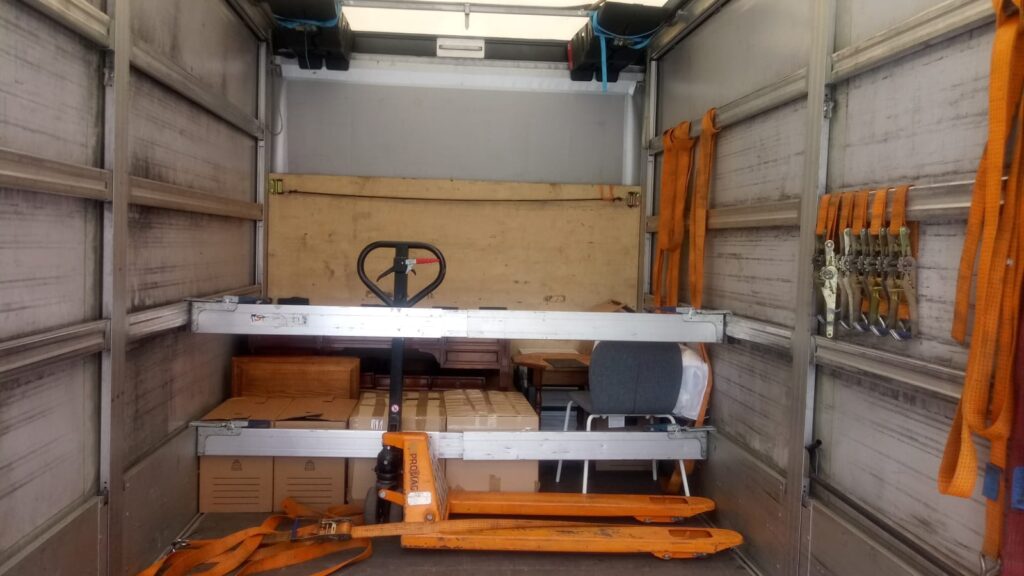
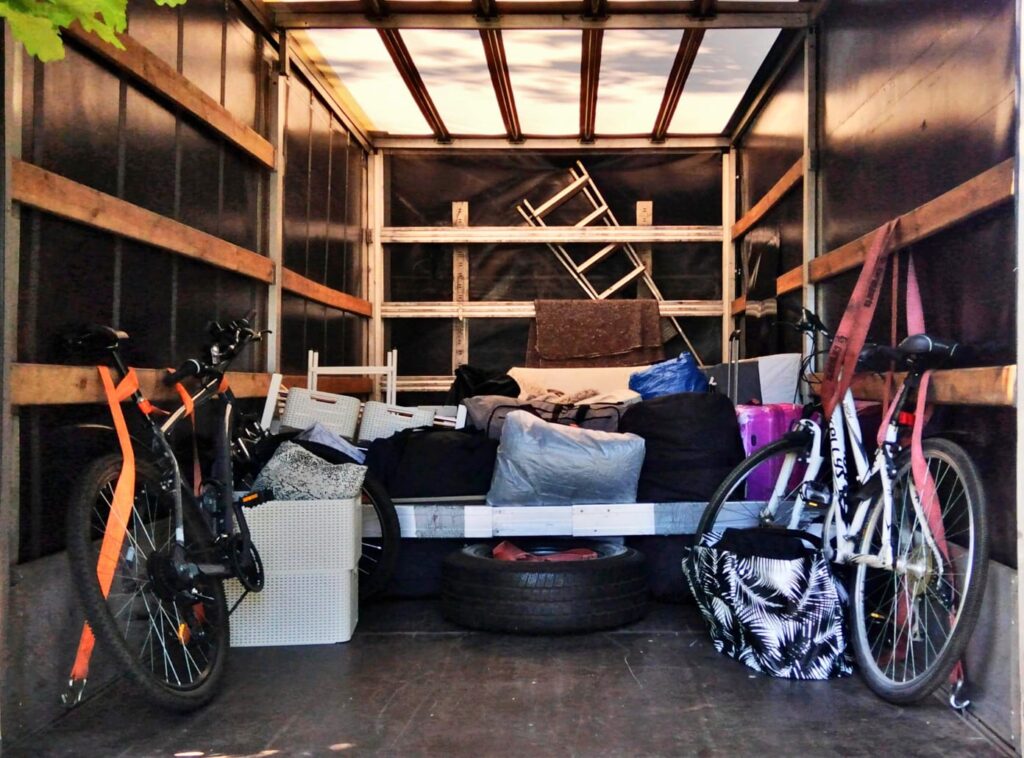
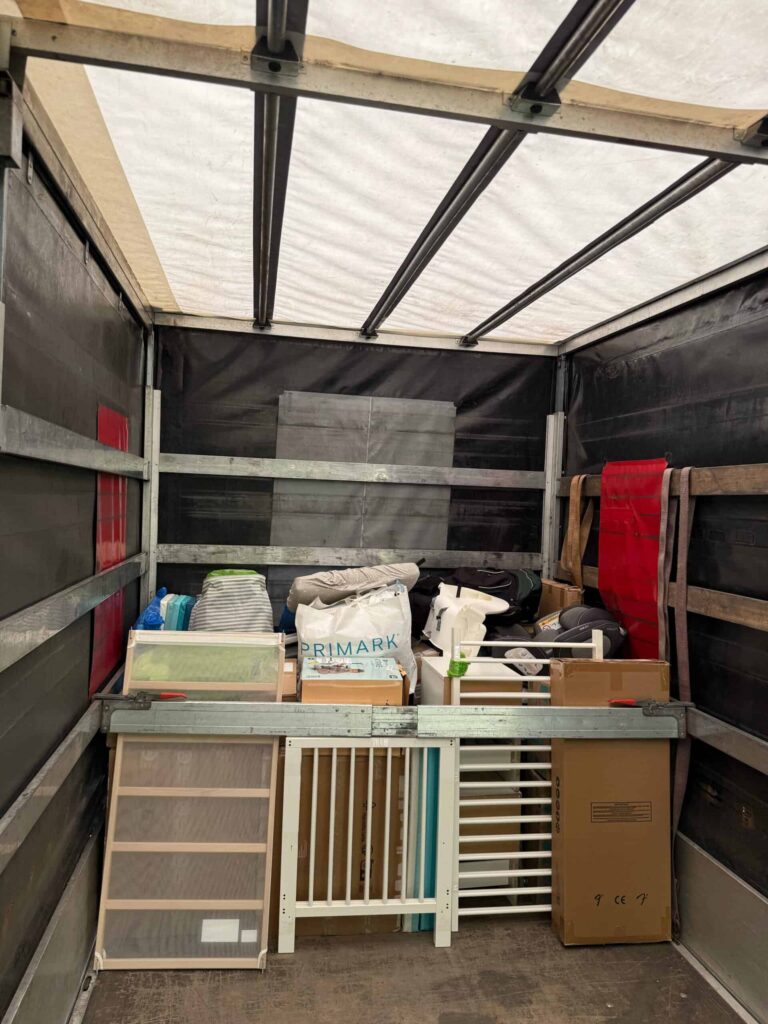
Packing is where optimism usually collides with reality. At first, it seems manageable. Then the books appear, then the kitchen, then the cables, the winter coats, the odd shaped lamps, and the drawer full of items nobody remembers owning. That is the moment when a move stops feeling abstract and suddenly becomes real.
That is why smart packing is not just about wrapping objects. It is about building order before the move gets louder. It is about protecting your time, your fragile belongings, and your energy. When moving to Germany, good packing can reduce breakage, speed up loading, simplify unloading, and make the first days in your new home far less chaotic.
Start with a ruthless sort out. The fewer unnecessary items you transport, the more efficient moving to Germany becomes. Once you cut the clutter, the rest is easier to plan. Many people carry too much simply because it feels easier in the moment than deciding what stays and what goes. Yet every extra box adds weight, cost, and decision fatigue.
A useful rule is simple: if an item is cheap to replace, difficult to transport, and rarely used, think hard before taking it. This is especially true for worn furniture, duplicate kitchen items, outdated electronics, and bags of miscellaneous things that always seem to multiply before a move.
Use these packing habits to stay ahead:
- Label each box by room and priority
- Mark fragile items clearly on multiple sides
- Keep documents and valuables with you
- Wrap electronics carefully and photograph cable setups before disconnecting them
- Use soft items like towels or bedding to cushion non fragile goods
- Build a first night essentials kit with chargers, tea, snacks, toiletries, and basic clothes
Those habits work because they create clarity. A clearly labeled box saves time on delivery day. A photo of your cable setup saves frustration when reconnecting a workstation or television. A separate essentials bag turns the first evening into something manageable instead of messy.
What should you pack first?
Start with the items you use least often. Out of season clothes, decorative items, spare linen, books you will not read before the move, and non essential kitchenware can all go early. This creates visible progress and helps you pack in waves rather than in one exhausting rush.
A practical order often looks like this:
- Decorative items and seasonal belongings
- Books, spare shoes, and non daily clothing
- Guest room and storage items
- Most kitchen items except daily basics
- Electronics and work equipment near the end
- Toiletries, documents, chargers, and essential clothing last
That sequence makes moving to Germany feel much more structured. Instead of packing blindly, you are making the home gradually smaller and more focused until only daily essentials remain.
How to protect fragile and high value items
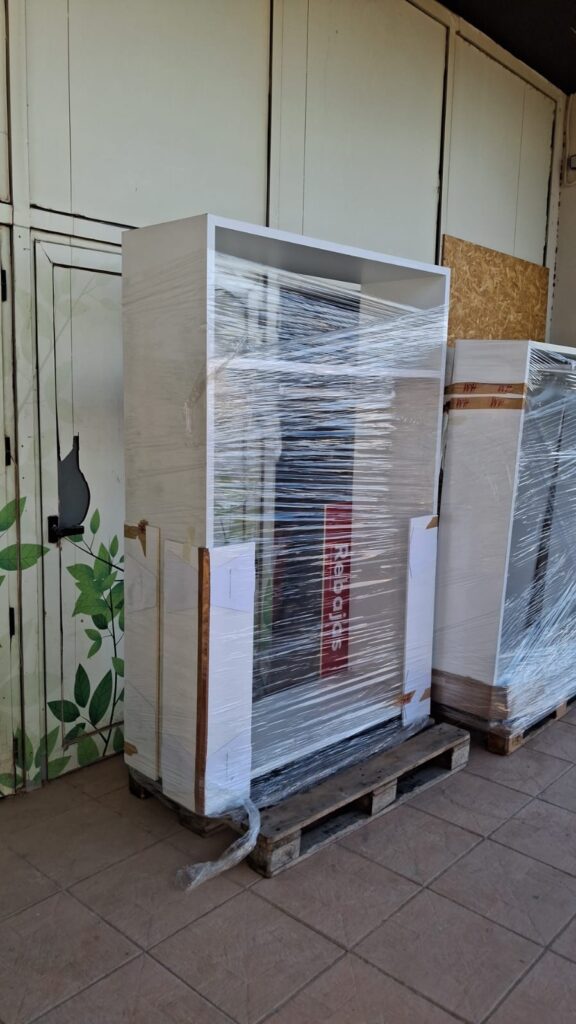
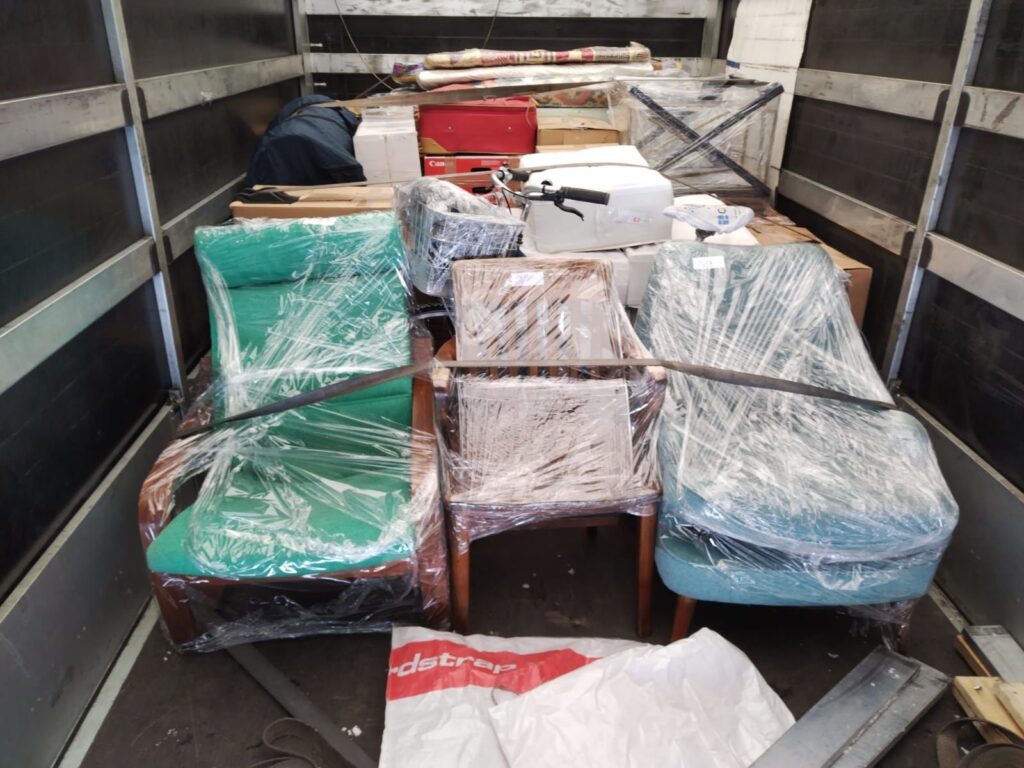
Some belongings deserve more than a quick layer of paper. Glass, ceramics, monitors, mirrors, lamps, artwork, and sentimental objects need a calmer approach. Wrap items individually, fill empty space inside boxes, and avoid overloading one carton with too much weight. Heavy boxes break trust fast, especially when they are packed without balance.
For furniture, protect corners, legs, and delicate surfaces. If something can be dismantled safely, that often makes transport easier and lowers the risk of damage. Keep screws, fittings, and small parts in labeled bags. Tape them securely to the relevant item or store them all in one clearly marked hardware box.
Do not underestimate the essentials bag
This small step carries huge value. Your essentials bag should include:
- Important documents
- Medication
- Chargers and power banks
- One or two changes of clothes
- Basic toiletries
- Kettle or mug if needed
- Snacks and water
- Bed linen or sleep basics for the first night
It may not sound glamorous, but after a long day of moving to Germany, easy access to these basics can feel like a luxury.
For more delicate or complex moves, it may be worth booking professional help. This is especially true if you need support with Packing Service, Furniture Removals, Home Removals, Student Removals, or White Glove Delivery. For busy families, professionals working against a tight deadline, or anyone moving valuable furniture, that support can remove a huge amount of strain.
Quick packing checklist
- Declutter first
- Count your boxes
- Protect breakables
- Separate vital documents
- Pack one essentials bag
- Label everything clearly
Packing feels less frightening when each box already has a purpose. That is the quiet power of preparation. It turns noise into order.
Finding a Home in Germany
Housing can be one of the hardest parts of moving to Germany, especially in major cities. Many newcomers expect the move itself to be the stressful part, only to discover that the real battle is finding the right apartment at the right time. In some areas, demand moves fast, viewing slots disappear quickly, and strong applications matter far more than casual browsing.
That is why finding a home should not be treated as a side task. When moving to Germany, your housing choice influences almost everything else, from commute times and monthly costs to registration, school options, and how quickly daily life starts to feel stable.
In Germany, you will often see the terms cold rent and warm rent. Cold rent usually means the basic rent without extra running costs. Warm rent includes additional charges such as heating or building related costs. Knowing the difference is essential when you compare listings because two apartments can look similar at first glance while creating very different monthly budgets.
New arrivals often rent before they buy, and that is usually the wise move. It gives you time to understand neighborhoods, commuting patterns, and local pricing without making a rushed long term commitment. It also lets you test what daily life actually feels like in a specific area rather than falling in love with a map pin.
What do landlords usually ask for?
Landlords may ask for:
- Proof of income or employment
- Identification
- A SCHUFA credit record, where relevant
- A completed rental application
- Deposit funds, often up to several months of rent
In stronger rental markets, it helps to prepare these documents before you even begin serious viewings. A clean, ready to send application can put you ahead of slower applicants. Speed matters when moving to Germany, especially in cities where competition is fierce.
Should you choose temporary accommodation first?
In high demand cities such as Munich, Berlin, or Hamburg, competition can be fierce. Temporary accommodation can be a smart bridge. It gives you time to handle viewings, paperwork, and registration without forcing a bad decision.
This approach is often underrated. People sometimes rush into the first apartment they can secure because they are under pressure. Yet a short term solution can buy clarity. It lets you explore the city, compare neighborhoods, and avoid locking yourself into a poor fit that becomes expensive or draining later.
What should you look for beyond the rent?
Price matters, but it should never be the only filter. When moving to Germany, think about the full shape of life in the new area.
Look at:
- Commute time to work or university
- Access to public transport
- Grocery stores and daily services nearby
- Noise levels and street activity
- Family needs such as schools or childcare
- Parking or loading access for move-in day
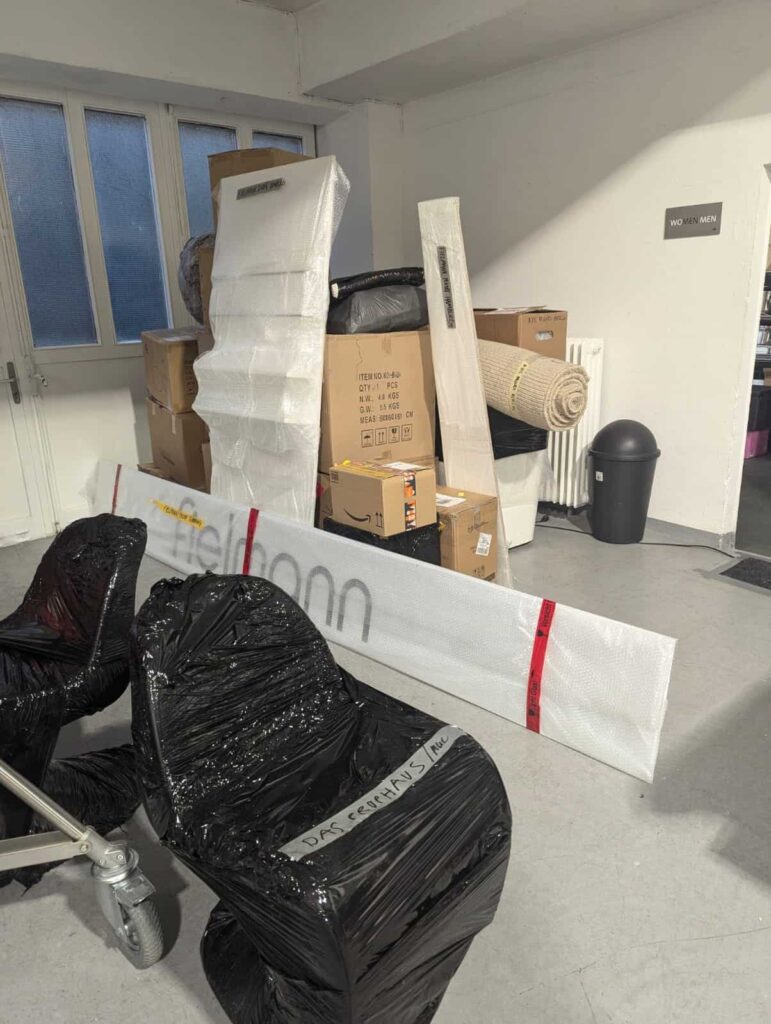
That last detail is often forgotten. A beautiful apartment with terrible loading access can make the delivery far harder than expected. If you are using a man and van service, good access helps the move stay faster, safer, and more efficient.
Big city or smaller city?
Major cities offer international communities, career depth, and stronger transport links. Smaller cities may offer lower rent, less competition, and a calmer rhythm. The right answer depends on your goals.
If career growth and networking matter most, bigger cities may be worth the higher cost. If you want more space and less financial pressure, smaller cities or outer districts may be a better fit. Moving to Germany is easier when your housing choice supports your actual lifestyle, not just an ideal image.
A smart housing strategy for newcomers
A balanced approach usually works best:
- Set a realistic monthly budget
- Choose 3 to 5 target neighborhoods
- Prepare your application documents early
- Consider temporary housing if competition is intense
- Confirm move-in access before booking final transport
Housing stress has a way of spreading into everything else. But once the right place is secured, the rest of moving to Germany starts to feel much more solid. The boxes have somewhere to go. The paperwork has an address. The move becomes real in the best possible way.

Registering Your Address in Germany
After moving to Germany, one of the most important early admin steps is Anmeldung, which is the process of registering your address. It may sound like a small formality, yet it has real weight in daily life. This is the step that helps turn your move from temporary arrival into official residence. For many newcomers, it is one of the first moments when the whole relocation stops feeling abstract and starts feeling real.
Without registration, many everyday tasks become harder or slower. Banking, tax setup, health insurance administration, mobile contracts, and even some employment steps can stall without it. That is why Anmeldung should sit near the top of your post arrival checklist, not drift into the second or third week while you focus on unpacking.
In many areas, you will typically need:
- Your passport or ID
- Your rental agreement
- A landlord confirmation form, where required
- Registration paperwork from the local office
These basics may sound straightforward, but local rules can vary more than people expect. Some offices operate only by appointment. Others release slots at specific times. Some cities move quickly, while others can feel painfully busy. When moving to Germany, this is exactly why official local guidance matters more than guesswork.
Why Anmeldung matters so much
A lot of newcomers underestimate this step because it sounds like simple address registration. In practice, it often unlocks core parts of normal life.
Registration can affect:
- Opening or fully activating a bank account
- Receiving your tax related documents
- Setting up health insurance smoothly
- Signing some utility or phone contracts
- Handling employer paperwork
- Accessing other local services linked to your address
That is why delaying Anmeldung can create a strange kind of friction. You may feel physically moved in, but key systems around you are still waiting for an official address record.
What should you do before the appointment?
Preparation makes this step much easier. Before the appointment, gather your documents in one place, double check whether your city requires a specific form, and confirm whether the landlord confirmation must be signed in a particular way.
A calm, practical checklist helps:
- Check the official city website for your district
- Book the earliest suitable appointment you can find
- Download any required forms in advance
- Prepare your passport or ID and housing paperwork
- Keep printed copies ready, even if online uploads are mentioned
This saves time, but it also reduces the emotional drag that often follows a move. After moving to Germany, the mind is already crowded. The fewer avoidable admin surprises you face, the easier it is to settle in with confidence.
What if appointments are hard to get?
In some larger cities, finding an appointment can feel frustrating. That does not mean the process is impossible. It means you should act early, check official booking pages often, and keep your documents ready so you can move fast when a slot opens. Speed and preparation work together here.
This is also why many people prefer to secure housing details and move in access early. The sooner you know your address, the sooner you can move toward registration without losing momentum.
Always check the official local city website for the district where you live. Rules, appointment systems, and required forms can vary by location. When moving to Germany, local details matter, and official information is far more reliable than generic advice copied across blogs.
Jobs, Salaries, and Working Life in Germany
For many people, career growth is the engine behind moving to Germany. The country remains one of Europe’s strongest economies, with high demand in engineering, healthcare, logistics, manufacturing, skilled trades, and parts of the tech sector. That makes Germany especially attractive for people who want not only a change of place, but a stronger professional future.
There is also something deeply appealing about the way work is often perceived in Germany. For many newcomers, it feels more structured, more predictable, and more stable than what they have experienced elsewhere. That sense of order can be a major reason why moving to Germany feels worth the effort.
German language skills can open more doors, especially in customer facing roles, regulated fields, and regional markets. However, international opportunities do exist, particularly in Berlin, Frankfurt, Munich, and other large cities with global employers. In some sectors, English can be enough to start. Over time, though, stronger German skills often improve promotion options, confidence, and daily ease.
Which sectors are strongest?
Germany continues to attract talent in areas such as:
- Engineering and advanced manufacturing
- Healthcare and care services
- Logistics and supply chain operations
- Skilled trades and technical roles
- Information technology and software
- Finance, business support, and international services
This breadth matters because moving to Germany is not only for one type of professional. It can work for graduates, specialists, tradespeople, office staff, and experienced managers. The right city and sector combination is often what makes the biggest difference.
What everyday work culture often looks like
While every employer is different, there are a few patterns many newcomers notice quite quickly:
- Punctuality is taken seriously
- Processes are usually structured
- Meetings tend to have clear purpose
- Reliability often matters as much as charisma
- Expectations are often explicit rather than vague
For some people, this feels refreshing. For others, it takes adjustment. The upside is clarity. The downside is that loose planning or casual communication may land poorly in environments that value precision and consistency. When moving to Germany for work, it helps to arrive with realistic expectations rather than romantic assumptions.
What about salaries?
Salary levels vary sharply by city, sector, and seniority. Munich and Frankfurt may offer higher pay, but they also come with a heavier cost of living. Leipzig or smaller cities may feel more affordable, though job options can be narrower depending on your field.
This is why headline salary figures do not tell the whole story. A bigger number in an expensive city may not stretch as far as a slightly lower income in a more affordable location. When moving to Germany, quality of life often depends on the balance between earnings, rent, transport, and daily costs, not salary alone.
A smart comparison looks at:
- Net income after deductions
- Monthly rent expectations
- Commuting costs
- Childcare or family expenses
- Local cost of living in your chosen city
That wider view helps you avoid one of the most common mistakes people make when planning a relocation for work: chasing salary without measuring real lifestyle value.
Is Germany a good long term move for work?
For many people, yes. The attraction is not only the first contract. It is the long term picture. Stable sectors, respected professional environments, and strong infrastructure can make moving to Germany feel like a strategic decision rather than a temporary experiment.
It also helps that the country offers a wide range of living environments. A fast career in Frankfurt feels very different from building a calmer family life in a smaller city. That flexibility gives people room to shape the move around the life they actually want.
Moving to Germany for work can be a powerful decision, but it works best when expectations are realistic and research is thorough. The strongest moves usually happen when people look beyond the job title and think about the full rhythm of life that comes with it.
Healthcare, Banking, and Everyday Setup
The first weeks after moving can feel strangely intense. Even if the boxes are delivered, you are not fully settled until the basics of life are running properly. That means healthcare, banking, internet, transport, and daily logistics. This stage is where the move stops being about cardboard and starts becoming real life. A home does not feel complete until you can see a doctor, pay your bills, get online, travel easily, and manage the routines that shape every week.
Many newcomers underestimate this phase because it looks less dramatic than the move itself. Yet it can be just as important. When moving to Germany, the faster you organize these daily systems, the faster you regain stability, confidence, and a sense of control.
Health insurance
Germany has a strong healthcare system, and insurance is essential. Depending on your status and income, you may enter the public or private system. Make sure your documents are ready early because healthcare setup often affects other admin tasks.
This is not something to leave until later. Health insurance is often tied to employment, registration, and practical life setup. If paperwork is delayed here, other processes can feel slower too. That is one reason moving to Germany feels easier when your health insurance documents are ready before arrival or at least organized from day one.
A few smart habits can help:
- Keep insurance documents in the same folder as your ID and registration paperwork
- Check what proof your employer or provider may need
- Save digital copies you can access quickly
- Confirm whether your chosen insurer requires any extra forms after arrival
The real benefit of getting this sorted early is peace of mind. Even when everything else still feels new, healthcare clarity makes life feel safer.
Banking
Opening a bank account may require proof of identity, registration, and sometimes proof of income. This is one more reason Anmeldung matters so much.
Banking sounds simple until you realize how many other things depend on it. Rent, salary, subscriptions, utility payments, and daily spending all become easier once your account is active and fully usable. After moving to Germany, this step often becomes one of the quiet foundations of normal life.
Before you start, prepare:
- Passport or ID
- Proof of address or registration, where required
- Employment or income evidence, if requested
- Your phone number and contact details
The goal is speed and simplicity. A well prepared account setup helps you avoid awkward delays just when you want your new routine to start feeling smooth.
Phone and internet
Getting a SIM card and internet connection can be simple, but timing varies by provider and property type. Do not leave this too late if you work remotely.
This is one of those details people brush aside until they need it urgently. No internet means no smooth remote work, no easy admin, and no effortless navigation through the first weeks of moving to Germany. Even simple tasks become more irritating when you are dealing with poor connection or temporary mobile workarounds.
A smart approach is to:
- Compare providers before the move
- Check what is already available at the property
- Arrange temporary mobile data if home internet may take time
- Keep contract and provider emails easy to access
That small bit of planning can save a surprising amount of frustration.
Public transport
Major German cities offer excellent public transport. Monthly passes can reduce commuting costs and make the early months after moving to Germany far smoother.
This is one of the everyday wins that many newcomers appreciate almost immediately. Good public transport reduces stress, expands your housing options, and makes it easier to settle into work or study without relying heavily on a car. It also changes how you experience the city. Neighborhoods feel closer, appointments feel easier, and daily life starts flowing with less friction.
If you are comparing areas, transport access should be part of the decision. A slightly cheaper apartment can become a poor deal if the commute is draining, expensive, or poorly connected.
Families
If you are relocating with children, school registration and childcare research should begin early. Spaces can be limited depending on the city and the age of the child.
Family moves need an extra layer of planning. Children do not just need a new bedroom. They need rhythm, security, and a stable routine as quickly as possible. That is why moving to Germany with family often feels smoother when school, childcare, transport, and healthcare are considered together rather than one by one.
It helps to prepare a family setup list:
- School or childcare research
- Registration timing
- Commute planning
- Nearby parks, shops, and family services
- A first week routine for the children after arrival
That kind of preparation softens the landing for everyone.
A simple everyday setup checklist
Once the moving van has arrived and the essentials bag is open, focus on these practical priorities:
- Activate health insurance or confirm coverage
- Open or finalize your bank account
- Arrange your phone and internet access
- Learn your local public transport routes
- Organize school or childcare needs if relevant
- Keep all core admin documents together in one place
These everyday systems may seem small compared with the move itself. In reality, they are what turn a relocation into a real home life. When moving to Germany, success is not only about arriving. It is about settling in well.
Best Cities in Germany for Newcomers
Choosing a city is not only about jobs. It is about rhythm, cost, culture, and whether you can imagine building a life there after the excitement of moving to Germany fades into routine. The right city can make the move feel lighter, faster, and far more natural. The wrong one can leave you battling a long commute, a stretched budget, and a daily rhythm that never quite fits.
That is why this choice deserves more than a quick glance at salary averages. When moving to Germany, your city shapes everything from rent and transport to social life, work opportunities, and how easy it is to settle in during the first six months.
| City | Best for | Cost level | International appeal |
|---|---|---|---|
| Berlin | Startups, creative work | Medium to high | Very high |
| Munich | Corporate careers, families | High | High |
| Hamburg | Logistics, quality of life | High | High |
| Frankfurt | Finance, travel links | High | High |
| Cologne | Media, culture | Medium | Medium to high |
| Leipzig | Budget-conscious movers | Lower | Growing |
Berlin
Berlin feels broad, energetic, and full of movement. It attracts people who want a more international atmosphere, a strong startup scene, and a city that rarely feels too predictable. For many newcomers, Berlin makes moving to Germany feel less intimidating because international communities are visible and English is more common in many work and social settings.
The trade-off is that competition can still be fierce, especially in housing. The city offers creativity and momentum, but it also demands patience when it comes to finding the right apartment and building a stable routine.
Munich
Munich often feels polished, prosperous, and deeply organized. It is especially attractive for corporate careers, higher salaries, and families looking for safety, structure, and excellent infrastructure. If moving to Germany is about long term professional growth and a strong standard of living, Munich can look extremely appealing.
The challenge, of course, is cost. Rent can bite hard, and daily life tends to be more expensive than in many other German cities. Still, for some people, the cleaner structure and strong earning potential make the premium worth paying.
Hamburg
Hamburg offers a calmer elegance. It tends to appeal to people who want strong career options, particularly in logistics and business, without the same pace or image as Berlin. There is a balance to Hamburg that many newcomers find attractive. It feels international, but not chaotic. Professional, but not cold.
For people moving to Germany who want quality of life without giving up urban strength, Hamburg often sits in a sweet spot. It is not cheap, but it can feel more measured and breathable than some other major cities.
Frankfurt
Frankfurt is a city of movement, money, and connections. It is especially strong for finance, international business, and people who travel often or need excellent transport links. If your career is tied to global companies, airports, or fast moving corporate environments, Frankfurt may be one of the sharpest choices when moving to Germany.
At the same time, it can feel more business driven than emotionally warm. Some people love that efficiency. Others prefer a city with a softer cultural rhythm. It depends on the kind of life you want to build outside working hours.
Cologne
Cologne often wins people over with warmth rather than polish. It has cultural energy, a friendly social atmosphere, and a less formal feel than some business heavy cities. For newcomers who care about human warmth, media related work, and a city that feels more open emotionally, Cologne can be a very attractive choice.
This matters more than it may seem. Moving to Germany is not only about finding a job. It is also about finding a place where friendships, routine, and comfort can grow more naturally.
Leipzig
Leipzig is increasingly attractive for people who want better affordability without giving up urban energy. It has gained momentum as a city with lower costs, growing appeal, and a younger feeling in many areas. For budget conscious movers, students, or people who want more space for their money, Leipzig can be a smart move.
It may not offer the same scale of international corporate opportunities as Munich or Frankfurt, yet that is not always the point. Sometimes the better city is the one where your monthly budget breathes more easily and your day to day life feels less pressured.
Which city fits your lifestyle best?
A useful way to compare cities is to think beyond headlines and ask sharper questions:
- Do you care more about salary or overall affordability?
- Do you want a fast career environment or a calmer daily rhythm?
- Is an international atmosphere important to you?
- Are you moving alone, as a couple, or with children?
- Will you rely heavily on public transport?
- Do you want a city that feels energetic, polished, relaxed, or creative?
These questions matter because moving to Germany becomes much easier when the city matches your real priorities, not just the version of life that looks best on paper.
Quick comparison by newcomer type
Here is a simple way to think about it:
- For startups and creative energy: Berlin
- For corporate careers and families: Munich
- For balance and logistics: Hamburg
- For finance and travel links: Frankfurt
- For social warmth and culture: Cologne
- For affordability and momentum: Leipzig
The truth is simple. There is no single best city for everyone. The best city is the one that makes your version of moving to Germany feel sustainable, exciting, and realistic at the same time.
Common Mistakes to Avoid When Moving to Germany
Some mistakes are expensive. Others simply drain energy when you can least afford it. The good news is that many of them are avoidable. The problem is that they rarely look dramatic at the start. Most of them begin as small shortcuts, rough guesses, or decisions made in a rush. Then, a week later, they become extra costs, missed deadlines, broken routines, or a move that feels far heavier than it should.
When moving to Germany, avoiding mistakes is not about perfection. It is about removing the avoidable friction that steals time, money, and peace of mind. A smoother move usually comes from getting the basics right early.
People moving to Germany often run into trouble when they:
- Book transport too late
- Underestimate housing competition
- Pack without a proper inventory
- Forget registration deadlines
- Move too many low value items
- Choose the wrong van size
- Ignore access or parking logistics
Booking transport too late
This is one of the most common and most expensive mistakes. Leaving transport to the last moment can limit your choice of dates, reduce the range of vehicle sizes available, and increase the pressure to accept a service that is not quite right.
When moving to Germany, early booking gives you more control. You can compare options calmly, confirm access details, and match the service to the true size of your move instead of gambling under pressure.
Underestimating housing competition
Many newcomers assume they will find the right apartment quickly, especially if they are well prepared financially. Then reality hits. In stronger markets, housing can move fast, landlords may expect complete paperwork immediately, and temporary accommodation may become the smarter short term plan.
This mistake matters because housing affects almost everything else. Without a stable address, registration becomes harder, planning becomes weaker, and the emotional pressure of moving to Germany rises fast.
Packing without a proper inventory
Packing without an inventory sounds harmless until moving day arrives. Then the problems show up. Quotes become less accurate. Box counts feel vague. Important items get buried. Furniture measurements get forgotten.
A proper inventory does more than list belongings. It helps you estimate volume, choose the right van size, decide what to keep, and protect more valuable items with better planning. In a real sense, the inventory is the skeleton of the move.
Forgetting registration deadlines
After arrival, many people want to rest, unpack, and delay paperwork for a few more days. That instinct is understandable, but it can create unnecessary friction. Registration affects banking, insurance, contracts, and other parts of daily life.
When moving to Germany, postponing Anmeldung often leads to a ripple effect. One late task slows another. Then another. Suddenly, simple life admin starts feeling heavier than the move itself.
Moving too many low value items
This is the silent budget killer. People often transport items that are bulky, cheap to replace, rarely used, or already close to the end of their life. The result is a larger load, a higher quote, and more clutter waiting at the other end.
A more disciplined move usually works better. If an item is inexpensive, awkward, and non essential, question whether it deserves space in the van. Moving to Germany becomes much easier when the load is leaner and more intentional.
Choosing the wrong van size
Too small, and you risk delays, awkward loading, or a move that becomes more complicated than expected. Too large, and you may overpay for capacity you do not need. This is why vehicle sizing matters so much.
A reliable removals partner should help you match the load to the right solution. That one decision affects price, speed, packing efficiency, and the overall feel of the move.
Ignoring access or parking logistics
This is one of the most underestimated problems in European moves. A narrow staircase, restricted street access, no parking space near the property, or strict building time windows can all slow down the delivery and add stress.
Moving to Germany is smoother when these details are confirmed early. Access is not a small technicality. It is part of the real route your belongings must travel.
A simple way to avoid the biggest mistakes
A practical mindset helps more than anything else:
- Plan earlier than feels necessary
- Get clear on housing and registration timing
- Build a realistic inventory
- Declutter before requesting final quotes
- Confirm access at both addresses
- Use a service that fits the real scale of the move
Even one avoided mistake can protect your budget in a meaningful way. More importantly, it protects your energy. Because the real challenge of moving to Germany is not only lifting boxes. It is managing change without losing control.
Even one of these can create a chain reaction. A late booking can mean higher costs. A poor inventory can mean the wrong vehicle. A missed registration step can slow down everything that follows. Preparation may not feel glamorous, but it is often what protects your budget and your sanity.
Why a Professional Man and Van Service Can Make All the Difference
The difference between a rough move and a smooth one is often invisible at first. It is not one dramatic moment. It is dozens of small moments handled well. A safe loading method. A realistic route. Careful furniture protection. Good timing. Clear communication.
That is why a professional man and van service can be such a game changer when moving to Germany. The right support does not simply move boxes from one address to another. It removes friction, reduces uncertainty, and gives the whole process a stronger sense of control.
The biggest benefits usually include:
- Faster collection and delivery
- Flexible routing across Europe
- Better protection for fragile or valuable belongings
- GPS tracking for every load
- Easier support for last minute or partial moves
- Less physical and emotional strain
Each of those benefits matters on its own, but together they create something even more valuable: breathing room. When professionals handle the logistics well, you gain time for documents, housing, registration, work starts, and the dozens of details that shape the first days after arrival.
There is also a hidden benefit: mental clarity. When professionals handle the transport well, you have more energy for the rest of the move. And that matters, because moving to Germany asks a lot from you even without transport chaos layered on top.
A strong man and van service is especially useful for people who want flexibility without sacrificing care. That can mean a student move, a partial household relocation, urgent furniture transport, or a fuller home move that still needs a direct, practical solution. In all of those cases, speed alone is not enough. The move also has to feel safe, visible, and well coordinated.
This is exactly where VANonsite fits naturally into the picture. With flexible vehicle sizes, GPS tracking for every load, and services ranging from furniture removals to full household support, the company is positioned to make moving to Germany feel more manageable from the first pickup to the final delivery.
FAQ About Moving to Germany
Is moving to Germany difficult?
Moving to Germany can feel demanding at first because it combines transport, housing, paperwork, registration, and daily setup in one tight process. Still, it becomes much easier when you plan early, prepare your documents, and use a reliable man and van service that gives you more control over timing and delivery.
How much does moving to Germany usually cost?
The cost of moving to Germany depends on distance, load size, access conditions, and whether you need extras such as packing, storage, or white glove support. A smaller move with only boxes and essentials will cost far less than a full household relocation with furniture, fragile items, and family logistics.
What documents do I need before moving to Germany?
Most people should prepare a valid passport or ID, proof of income or work, housing paperwork, health insurance documents, and any visa or residence papers if required. It is also smart to keep digital and printed copies of everything in one travel folder you can reach easily during the move.
Can I move to Germany without speaking German?
Yes, especially if you are moving to larger cities such as Berlin, Frankfurt, or Munich, where international communities and English speaking workplaces are more common. However, learning German can still make housing, administration, and daily life much smoother over time.
What is Anmeldung and why does it matter?
Anmeldung is the process of registering your address after arrival. It matters because it can affect banking, health insurance, tax related paperwork, employment admin, and many parts of everyday life. In simple terms, it helps turn your move into an official start in Germany.
Is a man and van service enough for moving to Germany?
For many people, yes. A man and van service can be ideal for student moves, partial household moves, furniture transport, or smaller relocations that need speed and flexibility. For larger family moves, choosing the right vehicle size and service level becomes even more important.
What is the best city in Germany for newcomers?
That depends on your priorities. Berlin suits people who want international energy and startup culture. Munich works well for corporate careers and families. Hamburg offers balance, Frankfurt is strong for finance and travel links, Cologne feels warmer and more social, and Leipzig can be a smart choice for affordability.
How early should I book removals to Germany?
Earlier is almost always better. Booking in advance gives you more flexibility, clearer pricing, and a better chance of securing the right van size and timing window. It also lowers the pressure that often leads to rushed decisions and avoidable mistakes.
Is temporary accommodation a good idea when moving to Germany?
Yes, especially if you are heading to a high demand city where long term housing is competitive. Temporary accommodation can give you breathing room to attend viewings, compare neighborhoods, and complete registration without forcing a poor housing decision.
How can I make moving to Germany less stressful?
The best way is to simplify the move step by step. Declutter before packing, build a clear inventory, prepare an essentials bag, secure your documents early, and choose a removals partner that offers reliable communication and GPS tracking. Less guesswork usually means less stress.
Final Summary
Moving to Germany is a major life step, but it does not have to feel chaotic. With the right plan, realistic expectations, and careful timing, the process becomes far more manageable. The key is to treat the move as a chain of connected decisions, from documents and housing to packing, transport, registration, and your first weeks of daily life.
The strongest relocations are rarely the most rushed. They are the best prepared. When you choose the right city, reduce unnecessary clutter, organize your paperwork, and work with a trusted man and van team, you protect more than your belongings. You protect your time, your money, and your peace of mind.
That is exactly why VANonsite can be such a smart choice for moving to Germany. With flexible vehicle sizes, practical moving services, and GPS tracking for every load, the company helps turn a stressful international move into a smoother, safer, and more confident transition.