
Moving to Germany sounds thrilling until real life starts spilling out of cupboards.
One day you are browsing flats in Berlin, Hamburg, or Munich. The next, you are knee-deep in cables, documents, kitchenware, and that one awkward chair that suddenly feels as heavy as the whole decision itself. A move across Europe can feel like standing in the middle of a storm with a checklist in one hand and packing tape in the other.
That is exactly why choosing the right man and van service matters. The best VAN removals to Germany are not only about transport. They are about clarity, timing, security, and breathing space. When your move is planned well, tracked properly, and matched to the right vehicle size, the whole journey becomes smoother from the first box to the final delivery.
If you are planning VAN removals to Germany, this guide gives you the fast answers first, then the practical detail you actually need. It covers costs, documents, packing, furniture transport, van sizes, timelines, and the smartest way to make removals to Germany feel less chaotic and far more controlled.
If you are already comparing options for removals to Germany, this guide will help you choose with confidence.
TL:DR
- VAN removals to Germany are often the fastest and most practical option for European relocations because road transport is flexible, direct, and easier to control.
- A man and van service is ideal for students, couples, families, urgent moves, furniture transport, and office relocations.
- The final cost depends mostly on distance, load size, property access, urgency, and whether you need packing or premium handling.
- EU citizens usually face simpler paperwork, while non-EU movers may need customs documents and additional residence-related formalities.
- Choosing the right van size is crucial because it affects speed, safety, and overall moving costs.
- GPS tracking adds real peace of mind by giving visibility throughout the journey to Germany.
- VANonsite helps make moving to Germany feel smoother with scalable vehicle options, careful transport, and practical support services across Europe.




What is the fastest and safest way to handle VAN removals to Germany?
For most people moving within Europe, road transport is the most practical choice. It is direct, flexible, and easier to organise than fragmented shipping chains. That matters because every extra handover can increase delay risk, confusion, and the chance of damage. When a move includes furniture, documents, family essentials, and valuable personal belongings, fewer stopovers often mean fewer headaches.
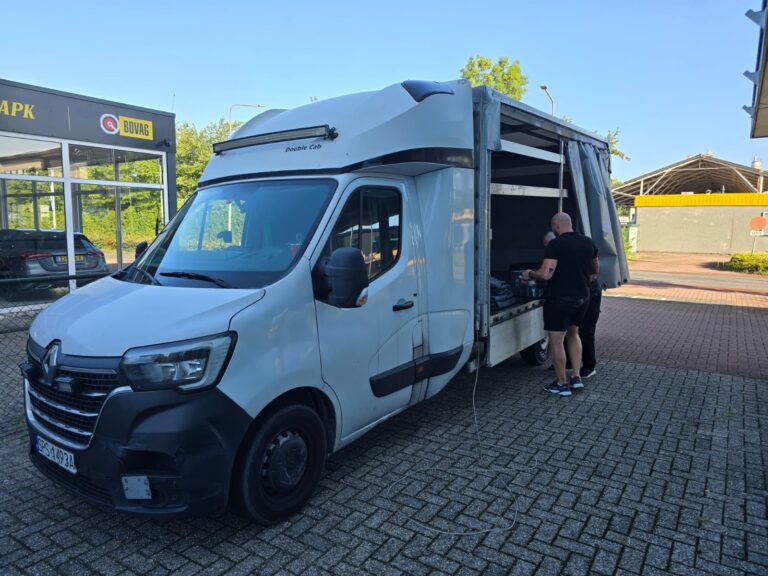
This is why VAN removals to Germany work so well for small, medium, and urgent relocations. A dedicated man and van solution can pick up from your address, travel directly or near-directly to Germany, and deliver to the exact destination with far fewer touchpoints. Instead of watching your belongings disappear into a vague logistics maze, you get a clearer route, a tighter schedule, and a move that feels far more human.
That creates three strong advantages:
- More speed, because your belongings spend less time waiting in warehouses
- More control, because you know what is moving, when it is moving, and where it is
- More safety, because fewer transfers usually mean less handling stress for your items
There is also another advantage people tend to notice only after the move begins: emotional relief. Moving abroad is not just a physical task. It is mental noise, admin pressure, farewell dinners, keys, contracts, and dozens of tiny decisions that nibble away at your energy. A direct, organised moving plan removes friction at exactly the moment when life already feels full.
For that reason, many people choose a man and van to Germany over bulkier freight models. It is often the sharper choice for relocations that need flexibility, precise scheduling, and careful doorstep delivery. If you are moving from a flat with tight access, relocating on a narrow timeline, or trying to coordinate arrival with work or tenancy dates, road transport gives you a major practical edge.
The safest option is usually a service that combines smart loading, clear communication, realistic scheduling, and live shipment visibility. VANonsite supports this with flexible European transport, careful handling, and GPS tracking for every shipment. That means you are not left guessing where your life is somewhere between pickup and delivery.
A well-organised move is not just about getting things from A to B. It is about protecting your time, your energy, and the pieces of life that make a new place feel familiar. When your belongings travel in a cleaner, more controlled chain, your arrival in Germany can feel less like damage control and more like a proper fresh start.
Who should choose a man and van to Germany?
Not every move needs a giant truck or a bloated logistics plan. In fact, a man and van to Germany is often the sharper, faster, and more economical option.
It is a strong fit for:
- students moving into halls, shared flats, or small studios
- couples relocating for a new job or a fresh start
- families moving part-loads or full household contents
- professionals with urgent start dates
- people sending furniture, boxed belongings, or fragile items
- businesses planning office removals to Germany
- anyone who wants door-to-door support without unnecessary complexity
This model is especially useful when speed and flexibility matter more than oversized capacity. A man and van service can be more agile than large freight setups, especially when access is tight, move dates are close, or the load is too large for a car but too small for a full removal lorry.
How much does it cost to move to Germany?
This is one of the first questions people ask, and for good reason. Before the packing starts, before the paperwork pile grows, and before the moving day adrenaline kicks in, most people want to know the number that shapes the whole decision.
The honest answer is simple: the cost of VAN removals to Germany depends on distance, volume, timing, and handling needs. Two people moving the same number of boxes can still get very different quotes if one property has a lift and the other sits on the fourth floor with no parking nearby. One route may be smooth and direct. Another may include city access restrictions, long carrying distances, and tight unloading windows that eat into time and labour.
That is why smart movers do not focus only on the cheapest headline price. They look at value. A lower price can quickly lose its shine if it means poor timing, weak communication, vague handling standards, or no visibility once your load is on the road. With VAN removals to Germany, the strongest quote is usually the one that balances price, reliability, speed, and the right van size.
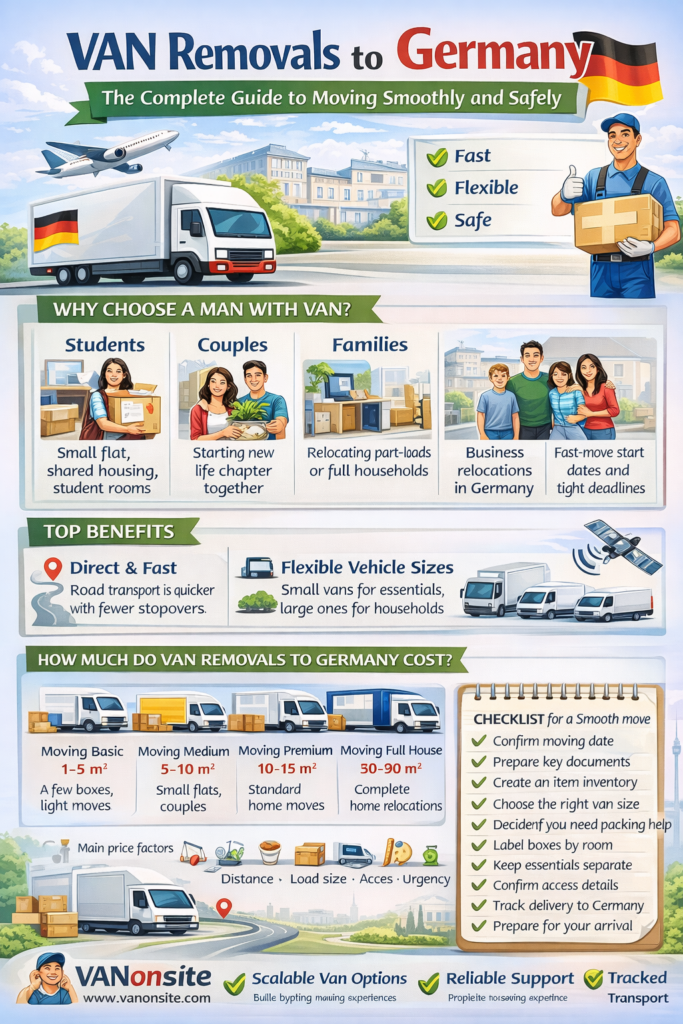
| Move type | Typical volume | Best vehicle | Best for |
|---|---|---|---|
| A few boxes and suitcases | 1 to 5 m3 | Moving One or Moving Basic | Students, light moves |
| Studio or small flat | 5 to 10 m3 | Moving Medium | Singles, couples |
| 1 to 2 bedroom home | 10 to 15 m3 | Moving Premium | Standard home removals |
| Large family move | 15 to 30 m3 | Moving Premium Plus | Multi-room households |
| Full house relocation | up to 90 m3 | Moving Full House XXL | Complete home moves |
In real life, many people moving to Germany fall into one of these three groups:
- a compact move with boxes, suitcases, and a few personal items
- a mid-size flat move with furniture, appliances, and daily essentials
- a full household relocation where timing, space, and protection all matter at once
The biggest price factors are usually:
- distance and route complexity
- total load size in m3 and kg
- access conditions such as stairs, long carry distances, or narrow streets
- whether you need packing help
- urgency, especially for last minute moving
- delicate, valuable, or premium handling requirements
Distance and route complexity shape fuel, driver time, road planning, and delivery windows. A straightforward European route is one thing. A move involving busy city centres, difficult parking, or specific timing requirements is another.
Load size matters because it determines what vehicle is needed. A light student move may fit neatly into a smaller option. A family relocation with beds, wardrobes, sofas, and dozens of boxes will need far more space and weight capacity.
Property access can quietly change the whole job. No lift, narrow staircases, restricted loading zones, or long walks from vehicle to property can all increase labour time. This is one reason why two apparently similar moves can be priced very differently.
Packing support also affects cost, but it often saves time and reduces risk. If you are short on time, moving fragile items, or simply trying to avoid a week of living among half-packed boxes, professional help can be worth every cent.
Urgency is another major factor. Last minute moving often costs more because flexibility becomes the premium. When a move needs to happen fast, transport planning has to become sharper and availability more precise.
Premium handling matters when the load includes antiques, large mirrors, premium furniture, electronics, artwork, or delicate items that cannot be treated like everyday boxes.
A smart move starts with the right vehicle size. If you overbook, you may pay for empty space. If you underbook, the whole job can become slower, messier, and more expensive. That is why right-sizing your move early can reduce wasted budget and keep the relocation leaner.
VANonsite offers a wide range of vehicle sizes:
| Vehicle option | Capacity | Max load |
|---|---|---|
| Moving One | 1 m3 | 100 kg |
| Moving Basic | 5 m3 | 300 kg |
| Moving Medium | 10 m3 | 500 kg |
| Moving Premium | 15 m3 | 1100 kg |
| Moving Premium Plus | 30 m3 | 3500 kg |
| Moving Full House XXL | 90 m3 | 20000 kg |
This range is powerful because it gives people real choice. You are not forced into paying for a full-scale solution if you only need a compact load moved. At the same time, you are not left squeezing a full home into a vehicle that is clearly too small. That flexibility can make the difference between a move that feels streamlined and one that feels like a puzzle with missing pieces.
A useful rule of thumb:
- 1 to 5 m3 often suits student or essentials-only moves
- 5 to 10 m3 works well for studio flats or very light apartment moves
- 10 to 15 m3 fits many standard small household relocations
- 15 to 30 m3 is often ideal for larger homes and bulkier furniture
- up to 90 m3 is designed for major full-house moves
If you are unsure, it is far better to estimate honestly than to guess bravely. Underestimating volume is one of the most expensive mistakes in international removals. A tighter quote may look appealing at first, but if it is based on the wrong vehicle size, it can create delays, add stress, and leave you scrambling on moving day.
The best approach is to think beyond a headline number and ask a better question: what does this quote actually protect? With a strong man and van to Germany service, you are paying not only for transport, but also for smoother coordination, reduced handling risk, better visibility, and a move that does not unravel the moment something becomes complicated.
What documents do you need when moving to Germany?
This part worries many people more than the packing itself. The good news is that it is usually manageable when broken into clear steps. The exact paperwork depends on whether you are moving from an EU country or from outside the EU.
In other words, the rules are not identical for everyone. A Polish citizen moving to Germany for work will usually face a simpler process than someone relocating from outside the EU with residence formalities and customs clearance to think about. That sounds obvious, yet it is exactly where many people lose time. They read advice meant for someone in a completely different situation and end up making the process feel more intimidating than it really is.
In most cases, you should prepare:
- a valid passport or national ID card
- a tenancy agreement or proof of address
- registration documents for your new address
- visa or residence permit documents, if applicable
- an inventory list for transported goods
- customs paperwork for non-EU household moves, if required
Those six points cover the core of what most people need, but it helps to understand why each one matters.
A passport or national ID card confirms identity and is essential for travel, registration, and many administrative steps after arrival.
A tenancy agreement or proof of address supports your setup in Germany and can be needed when registering your residence or handling related local formalities.
Registration documents matter because Germany requires residents to register their address after moving in. This is a routine step, but it is an important one. Without it, several follow-up tasks can become harder than they need to be.
A visa or residence permit only applies in some cases, but when it does, it is central. Non-EU movers should treat this as a priority item rather than something to sort out later.
An inventory list is useful for clarity, organisation, and in some cases customs. It also helps you keep control of the move itself. When you know exactly what is travelling, the whole process feels less foggy.
Customs paperwork matters most for non-EU household moves, especially where residence transfer rules or duty relief may apply.
For practical guidance, use official German sources rather than blogs or forum guesses. For residence registration, see the German federal administration portal and the Federal Ministry of the Interior information on registration. If you are entering from outside the EU or need residence guidance, check the official entry process guide and the information for EU citizens moving to Germany. For household goods imported when transferring residence from outside the EU, review the official German customs page on transferring residence.
In plain English, most EU citizens face a simpler process. Non-EU moves can require more preparation, especially around customs declarations and immigration paperwork. So while documents are not glamorous, they are the hinges the whole door swings on.
A good way to stay ahead is to separate your paperwork into three groups:
- travel and identity documents, such as passports and ID cards
- living and registration documents, such as tenancy papers and address-related forms
- moving and customs documents, such as inventory lists and import-related paperwork
That simple split can save hours because it stops everything from ending up in one swollen folder of panic.
It is also wise to keep both digital and printed copies of your most important records. Phones run out of battery. Signals disappear. Printers fail at the worst possible moment. A paper backup of key documents can feel old-fashioned until the very second it becomes brilliant.
If you are moving with children, pets, or high-value items, your paperwork list may grow. Family-specific documents, vaccination or pet travel documents, and item-specific proofs may all come into play depending on the route and circumstances. That does not mean the move becomes unmanageable. It simply means preparation becomes more valuable.
The smoother your documents are, the smoother your move tends to feel. That is because paperwork delays rarely stay on paper. They spill into delivery timing, local admin, stress levels, and your first few days in Germany. A well-prepared move does not eliminate every challenge, but it removes the avoidable ones, and that alone can make the whole relocation feel dramatically lighter.
Can you bring furniture and personal belongings into Germany without stress?
Yes, absolutely, but only if the move is handled with discipline.
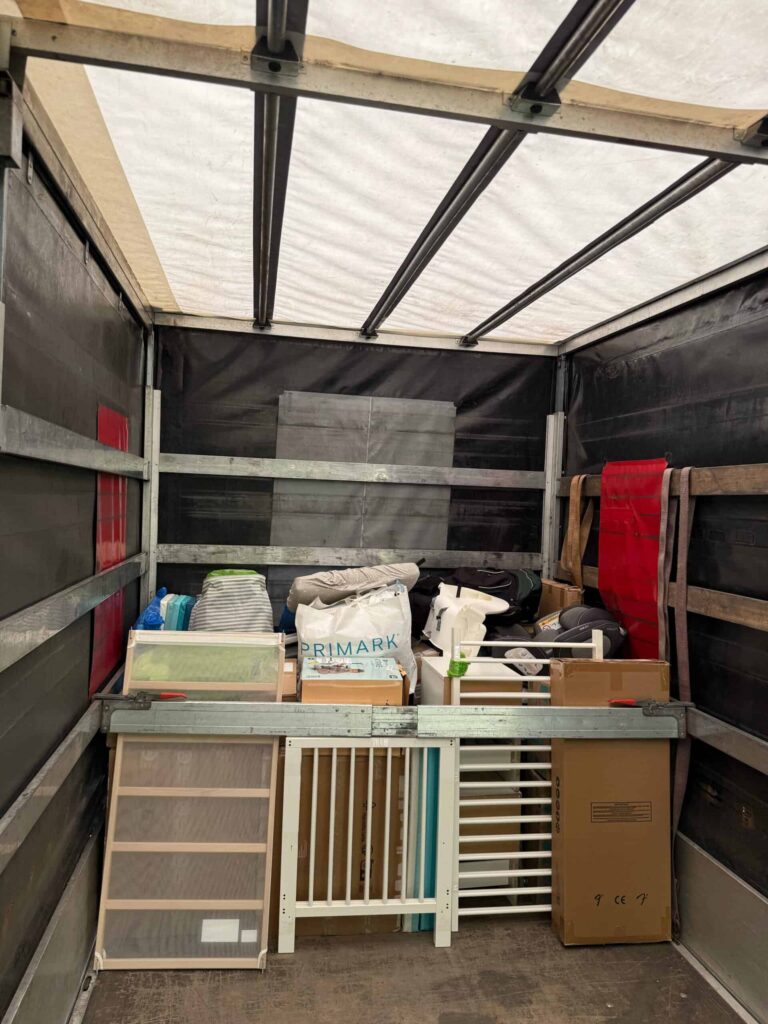
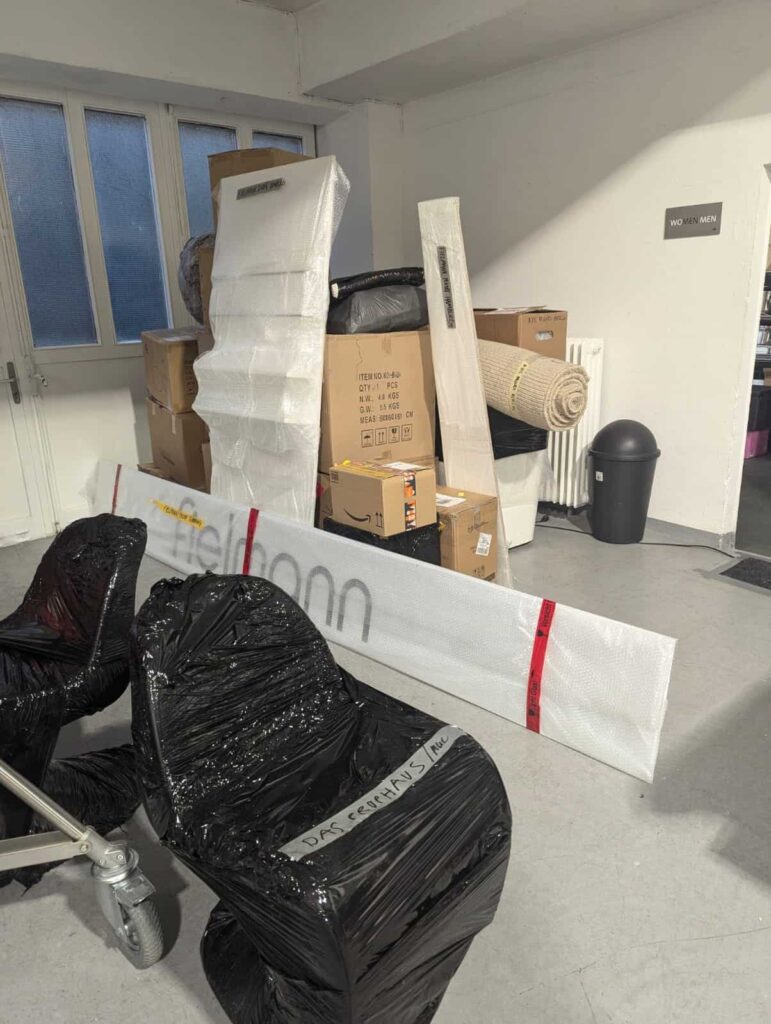
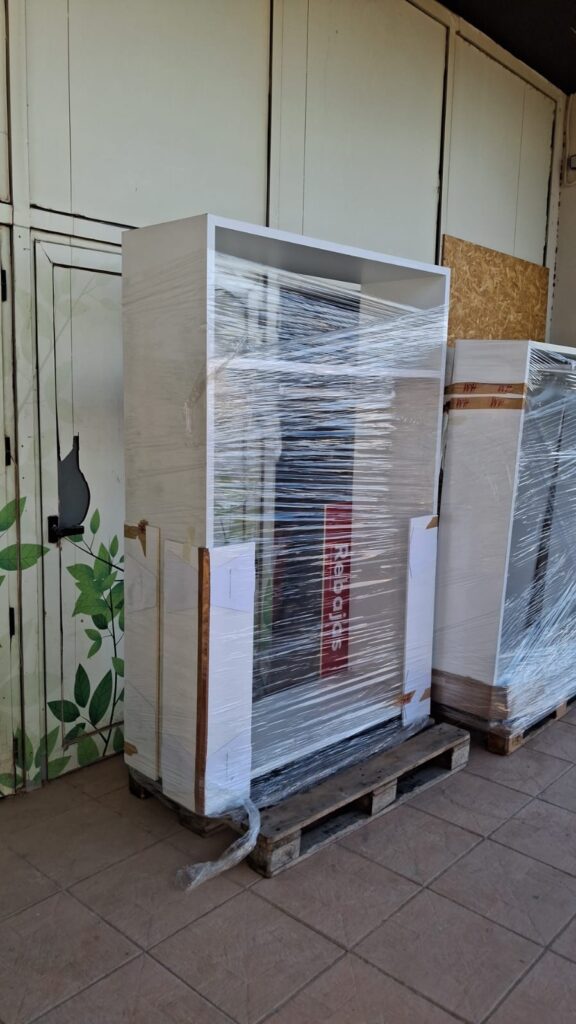
Most standard furniture removals to Germany include boxed personal effects, household furniture, clothing, books, kitchen items, home accessories, electronics, children’s items, and the awkward in-between objects that never seem important until you need them on the first evening. The question is rarely whether these belongings can travel. The real question is whether they can arrive in Germany in one piece, in the right order, and without turning unpacking into a full-blown nightmare.
That is where a clear moving system changes everything. When each item is identified, protected, and loaded with intention, the entire move feels lighter. Not because moving suddenly becomes easy, but because the chaos loses its grip.
Simple systems matter more than people expect:
- clear box labels by room and priority
- a clean inventory list for larger moves
- protective wrapping for delicate surfaces and corners
- stable loading that prevents shifting during transit
- direct handling to reduce unnecessary movement between depots
- separate marking for fragile, high-value, or first-night essentials
- furniture disassembly plans for bulky items that need safer transport
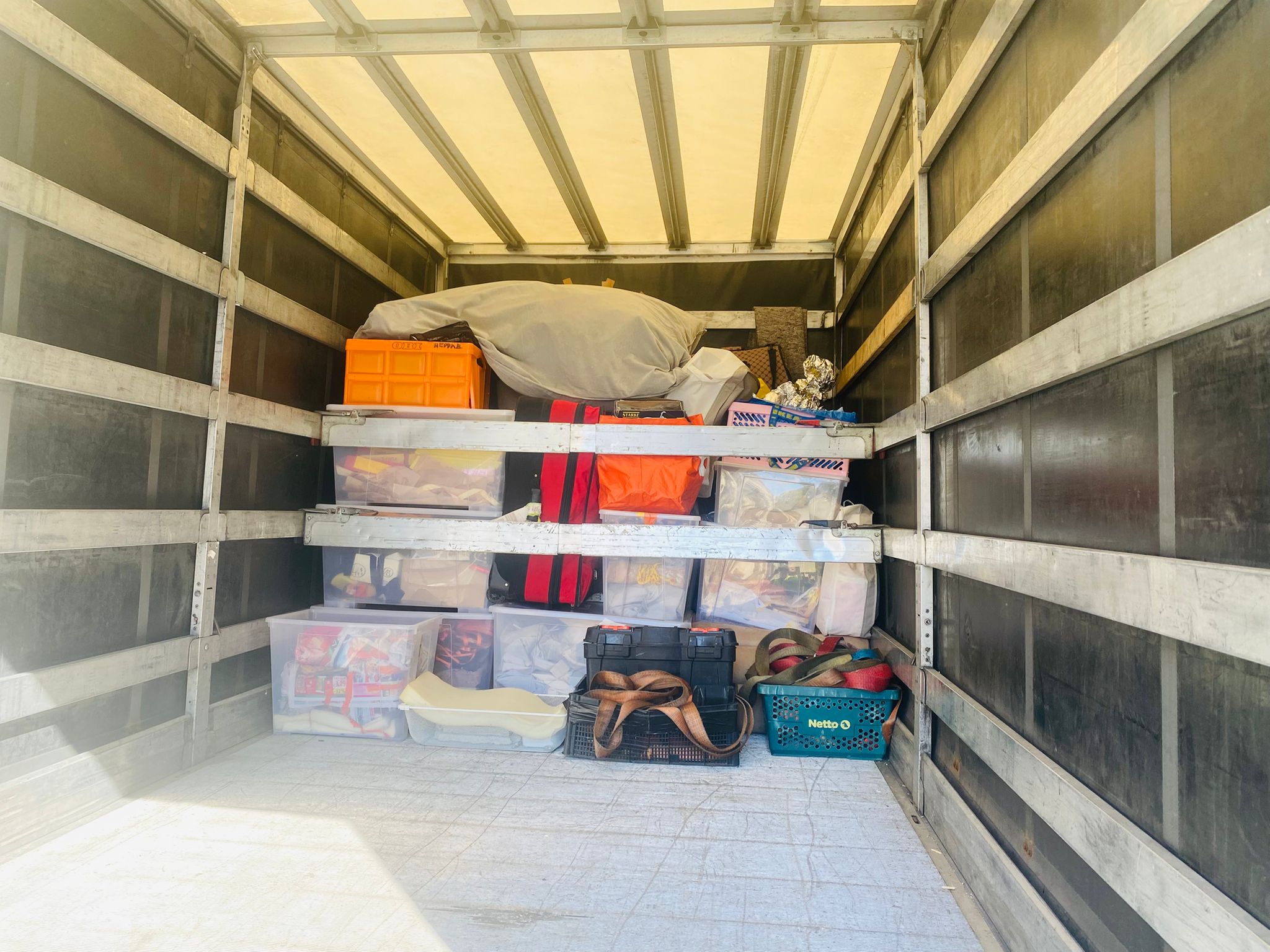
A wardrobe, a dining table, a mirror, and six boxes of books do not all travel in the same way. Heavy items need balance. Fragile items need cushioning. Valuable items need visibility. Daily-use items need to be easy to find the moment you arrive. This is why well-organised furniture removals to Germany are not just about strength. They are about sequence, planning, and protective detail.
It also helps to think in categories before moving day begins. Some belongings need full wrapping, some need careful stacking. Some should stay with you instead of going into the van at all. Passports, contracts, jewellery, cash, medicines, laptops, chargers, and vital keys should usually remain in your personal travel bag rather than inside the main load.
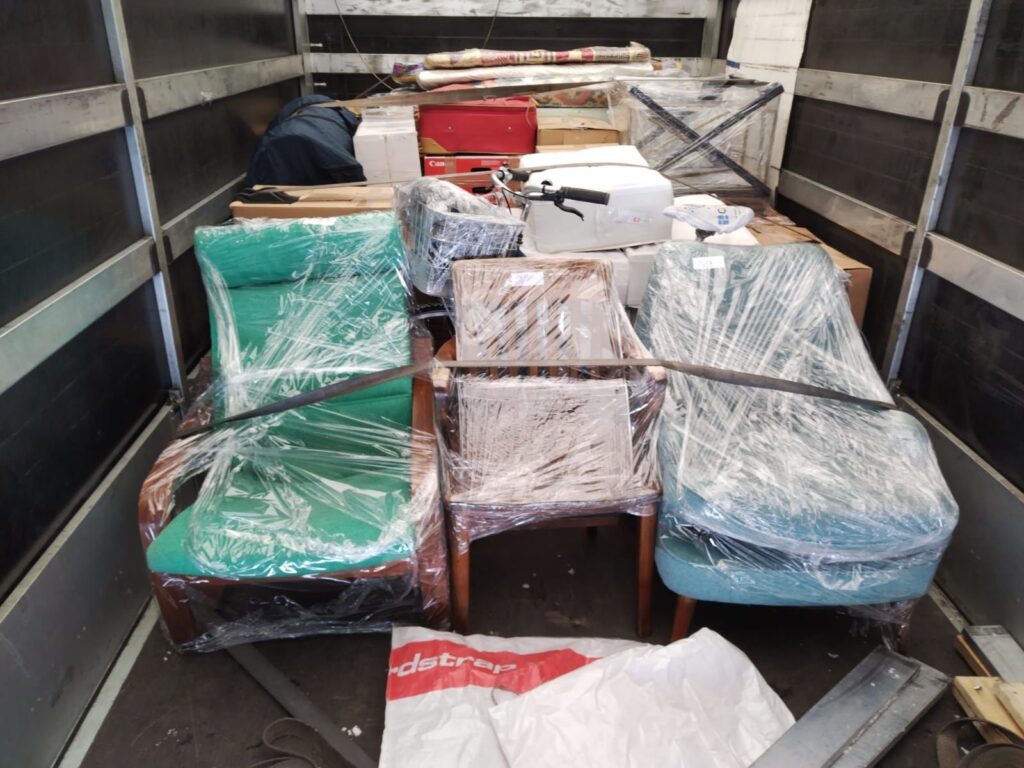
For furniture, extra care pays off fast. Sofas can snag. Wooden corners can chip. Glass shelves can crack under pressure. Table legs and bed frames can loosen or scratch if they are not secured properly. A move to Germany may be fast, but speed should never come at the price of careless handling. That is why protective blankets, corner guards, wrapping materials, and well-planned placement inside the van matter so much.
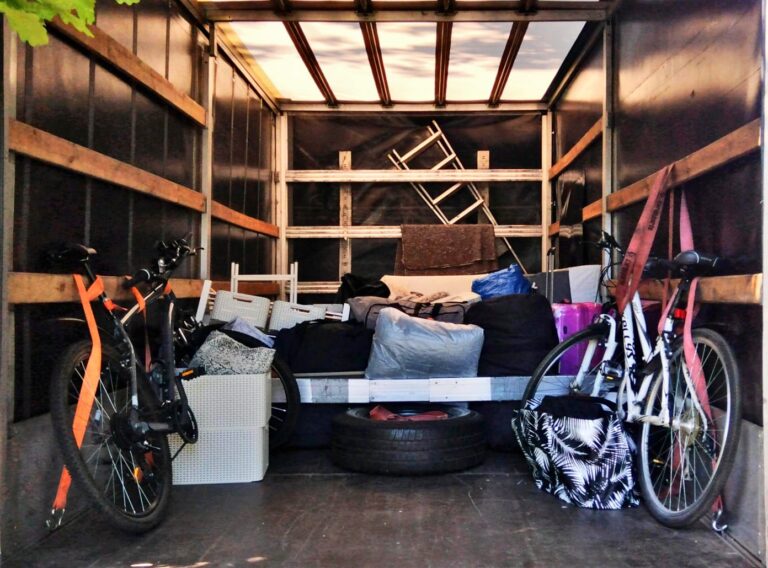
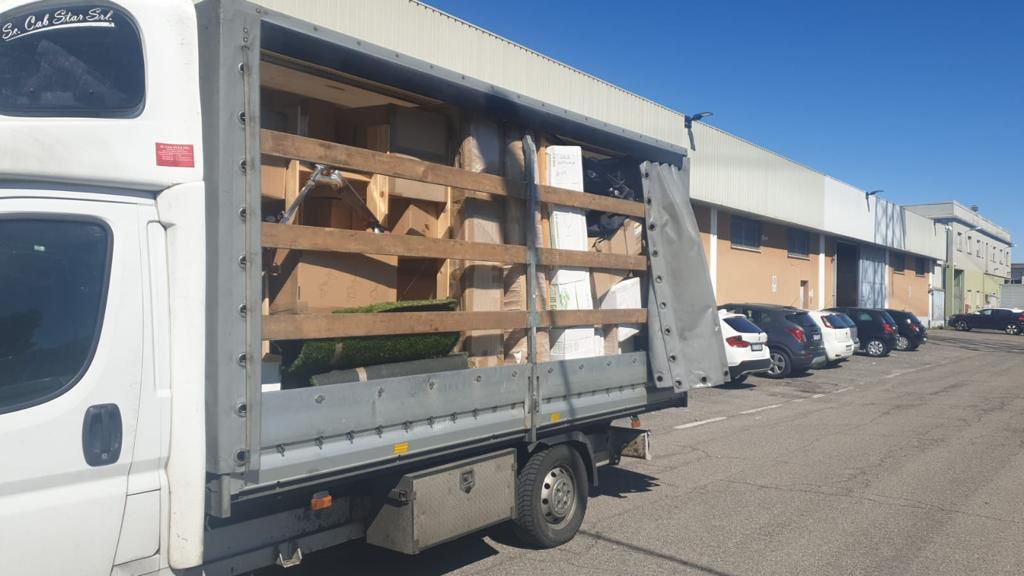
If you are moving a partial load, such as a bed, a desk, some chairs, boxed clothing, and kitchenware, a man and van to Germany can be a particularly efficient option. It gives you flexibility without forcing you into a larger setup than you need. On the other hand, if you are moving a fuller home with bulkier furniture and more fragile items, choosing the right van size early becomes even more important because space planning and load stability directly affect safety.
| Item group | What to do before loading | Why it matters |
|---|---|---|
| Furniture | disassemble where possible, wrap edges, protect surfaces | reduces scratches and saves space |
| Fragile items | use inner cushioning, label clearly, avoid overpacking | lowers breakage risk |
| Electronics | pack cables together, label devices, protect screens | speeds up setup after arrival |
| Clothes and linens | group by room or person, use sealed bags or boxes | keeps unpacking simple |
| Essentials | keep separately in a first-night bag | avoids opening multiple boxes on arrival |
When your dining table, child’s bike, work monitor, and family photo boxes are all on the road at once, visibility matters. Knowing where your load is can strip away a huge layer of moving-day anxiety. VANonsite offers GPS tracking for every shipment, which is especially reassuring when you are coordinating key handovers, travel dates, or entry into a new home.
That kind of visibility is not a luxury. It is a genuine stress-reducer. If your landlord is waiting, your children are tired, or you have a work start date looming over the week, real shipment visibility can turn uncertainty into calm, actionable timing.
The bottom line is simple. Yes, you can bring furniture and personal belongings into Germany without stress, but only when the move is planned with care, packed with discipline, and carried out by people who understand that these are not just objects. They are the moving parts of your everyday life.

Packing for Germany removals without chaos
Packing has a strange talent for looking easy until the first ten boxes are in the hallway and you still have not touched the bathroom, the kitchen, or the cupboard full of cables from mysterious devices you no longer own.
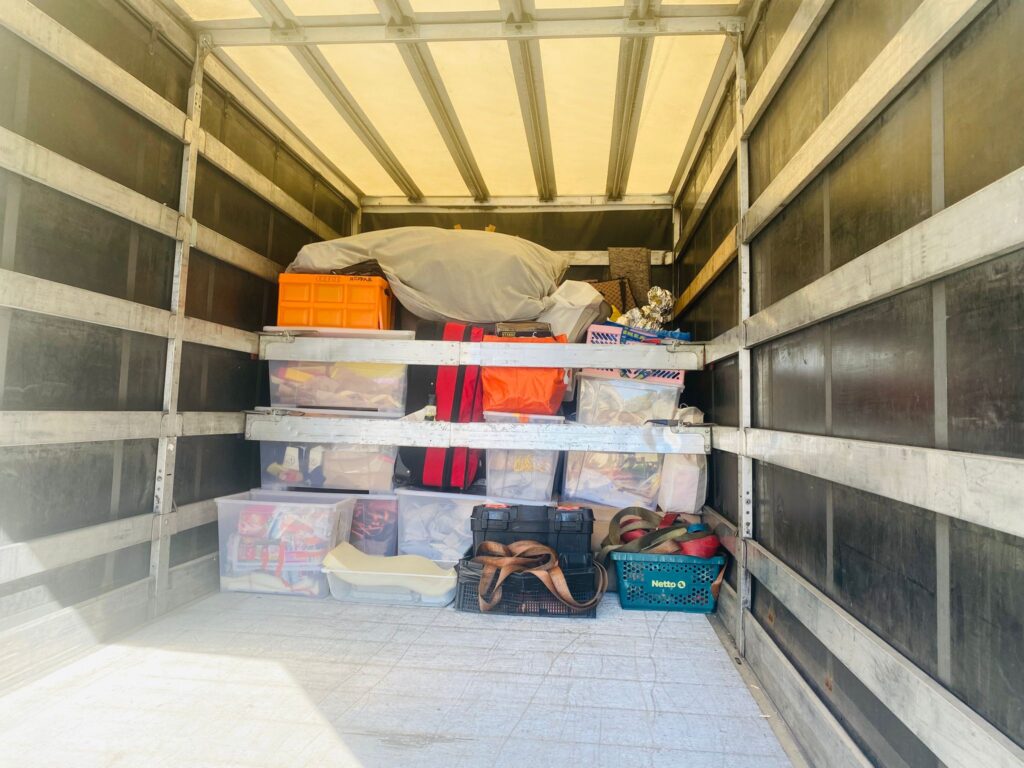
The fastest way to stay sane is to pack with a system. Good packing is not about making everything look neat for one afternoon. It is about protecting your belongings, keeping weight manageable, speeding up loading, and making the first 24 hours in Germany feel far less brutal.
The biggest mistake people make is starting too late and packing in random order. They fill boxes with whatever is closest, mix breakables with heavy items, forget to label anything clearly, and then spend the first evening in the new home hunting for chargers, medicine, a kettle, and a clean pair of socks. It is exhausting, and it is avoidable.
A stronger approach is to pack in waves. Start with low-use items, move next to decorative and seasonal belongings, then pack room by room until only daily essentials remain. This creates momentum and stops your home from turning into a maze of half-filled boxes.
Packing checklist
- sort essentials, valuables, and everyday items first
- label every box by room and priority
- wrap fragile items with strong cushioning inside the box
- separate documents, chargers, medicines, and keys
- avoid overfilling boxes beyond safe lifting weight
- prepare a first-night bag with toiletries, chargers, and spare clothes
- keep a simple inventory for electronics, fragile décor, and furniture pieces
Those steps sound simple, yet they make a massive difference. Clear labels can speed up unloading dramatically. Proper cushioning can protect plates, glassware, lamps, and decorative items from impact. A first-night bag can save you from opening ten boxes just to brush your teeth and charge your phone.
It also helps to pack by room and purpose, not by whatever fits. Kitchen items should stay together. Bathroom items should stay together. Children’s essentials should stay together. Work equipment should never be scattered across five different boxes. Packing by logic makes unpacking feel faster, which means your new place starts feeling functional much sooner.
| Area | Best packing focus | Extra tip |
|---|---|---|
| Kitchen | plates, mugs, pans, dry goods, utensils | keep one small essentials box for immediate use |
| Bedroom | clothing, bedding, shoes, personal items | pack one easy-access overnight set |
| Living room | décor, books, cables, electronics | label tech cables clearly before boxing |
| Bathroom | toiletries, towels, medicines | keep medication outside the main load if needed |
| Home office | documents, laptop accessories, monitors | separate work-day essentials from archive items |
One of the smartest tricks is to create three priority levels for every box:
- Open first
- Open this week
- Open later
This tiny system changes the entire arrival experience. Instead of unpacking blindly, you unpack in layers. First, you regain function. Then you regain comfort. Finally, you handle the non-urgent extras.
Packing well can lower breakage risk dramatically and speed up unloading at the German address. It also makes your first 24 hours far calmer, because you are not tearing through twenty identical boxes trying to find a phone charger and a coffee mug.
For busy families, professionals, older movers, or anyone handling a tighter deadline, professional packing can be a smart upgrade. It saves time, reduces damage risk, and helps fragile or premium items travel more securely. This is where VANonsite’s Packing Service and White Glove Delivery become especially valuable, particularly for delicate furniture, electronics, artwork, and higher-value belongings.
Professional packing is especially useful when:
- you are moving under time pressure
- the load includes fragile or premium items
- you are relocating with children and have limited time to organise
- the move includes office equipment or sensitive electronics
- you want faster loading and a more controlled arrival experience
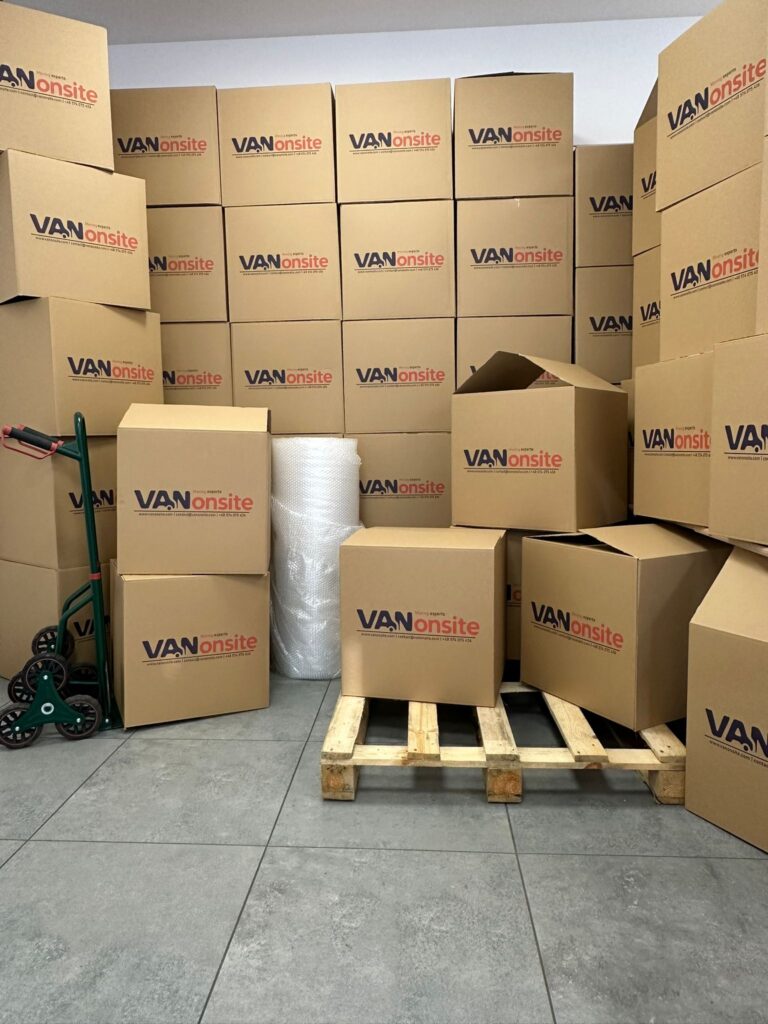
There is also a hidden advantage people often underestimate: better packing can reduce wasted van space. When boxes are packed properly, stacked efficiently, and sized sensibly, the whole load becomes easier to place securely. That can improve both safety and cost efficiency.
If you want your VAN removals to Germany to feel calmer from start to finish, packing is not a side task. It is one of the foundations of the move. The tape, labels, wrapping, and box order may seem small in the moment, but together they shape how safe, fast, and manageable the whole relocation becomes.
How to choose the right van size for your move to Germany
Many people overbook because they are nervous. Others underbook because they are optimistic. Both can backfire.
Choosing the right van size is one of the most important decisions in VAN removals to Germany because it affects price, loading speed, and the whole flow of the move. The right choice can save money, reduce stress, and stop the move from becoming a last-minute scramble. The wrong choice can do the exact opposite.
This is where many people slip. They focus only on the number of boxes and forget about the real space taken up by wardrobes, chairs, mattresses, lamps, mirrors, bikes, or oddly shaped furniture that never stacks neatly. Volume matters, but shape matters too. A van can look generous on paper and still fill up fast if the load includes bulky household pieces.
| Vehicle option | Capacity | Max load | Best use case |
|---|---|---|---|
| Moving One | 1 m3 | 100 kg | documents, essentials, a few boxes |
| Moving Basic | 5 m3 | 300 kg | student moves, suitcases, compact loads |
| Moving Medium | 10 m3 | 500 kg | studio flats, small apartments |
| Moving Premium | 15 m3 | 1100 kg | 1 to 2 bedroom home removals |
| Moving Premium Plus | 30 m3 | 3500 kg | larger homes, bulky furniture |
| Moving Full House XXL | 90 m3 | 20000 kg | full property relocations |
A simple way to think about van size is to match it not only to volume, but also to lifestyle. Someone moving to Germany with two suitcases, a desktop computer, and a few boxes has a very different profile from a family relocating with beds, wardrobes, a dining table, kitchen equipment, children’s items, and half a living room.
Here is how to think about each option in real terms:
- Moving One is ideal when you are only shipping essentials or a very small load. It suits document boxes, personal bags, compact electronics, and a handful of daily-use items.
- Moving Basic suits student relocations, part-load moves, or a few rooms’ worth of belongings. It is often a strong fit for clothes, bedding, study materials, and a few smaller pieces of furniture.
- Moving Medium works well for compact flats and lighter household moves. It gives more breathing room for people who have both boxes and selected furniture pieces.
- Moving Premium is often the sweet spot for standard home removals. It suits many 1 to 2 bedroom moves where everyday living items, furniture, and appliances need to travel together.
- Moving Premium Plus gives more breathing room for family properties and larger furniture. It is a strong choice when bulkier items start taking over the floor plan.
- Moving Full House XXL is built for complete house relocations where everything moves in one coordinated plan.
| Van size | Works well for | Typical example |
|---|---|---|
| Moving One | ultra-light moves | documents, a few boxes, essentials only |
| Moving Basic | student or minimal moves | suitcases, books, bedding, chair, small desk |
| Moving Medium | compact apartment moves | studio flat contents with selected furniture |
| Moving Premium | standard household moves | small family relocation or 1 to 2 bedroom flat |
| Moving Premium Plus | larger household moves | bigger family load, bulky furniture, more appliances |
| Moving Full House XXL | complete home relocation | full property move with large furniture volume |
One of the smartest things you can do is estimate your move by zones. Start with bedroom items, then living room furniture, then kitchen goods, then storage spaces, then everything hidden in drawers, cupboards, and utility corners. That final category catches people out all the time. The “small stuff” quietly becomes a major part of the load.
It also helps to think in common moving scenarios:
- student move to Germany: usually 1 to 5 m3
- studio or one-person apartment move: often 5 to 10 m3
- small household move: often 10 to 15 m3
- larger family relocation: often 15 to 30 m3
- full property move: can climb far beyond that, especially with storage items or garden equipment
There is another trap people rarely see coming: weight. A van can have enough space but still be limited by load. Books, tools, kitchenware, and packed electronics can become surprisingly heavy. So the best van is not just about fitting everything in. It is about fitting everything in safely.
This is especially important in VAN removals to Germany, where the move may involve a long road journey, different road conditions, and the need for secure balance across the whole trip. A well-loaded van protects not only your belongings, but also timing, fuel efficiency, and unloading flow at the destination.
A few simple questions can help you choose better:
- Are you moving only boxes, or boxes plus furniture?
- Do you have bulky items like sofas, wardrobes, mattresses, or desks?
- Are you moving from a room, a studio, a flat, or a full house?
- Will some items stay behind, go to storage, or travel separately?
- Do you need space for protective wrapping and safer load spacing?
If the answer includes bulky furniture, fragile items, or a home with more than one main living area, it is usually wise to avoid cutting the estimate too fine. A little breathing room inside the vehicle can make loading safer and the move far smoother.
A well-matched vehicle makes the move faster, smoother, and more economical. It also helps avoid that horrible moment when the final items are still standing on the pavement and the van is already full. In practical terms, the right van means fewer compromises, less repacking, stronger load stability, and a far calmer moving day.
How long do removals to Germany usually take?
Most people want the same answer here: how quickly can this all be over?
Transit time depends on a few key factors:
- the country and city you are moving from
- total distance and route conditions
- pickup and delivery access
- customs checks for non-EU relocations
- weather and road traffic
- whether the move is dedicated transport or part of a consolidated load
There is no single one-size-fits-all answer because a move from the Netherlands to western Germany is a very different job from a longer relocation across multiple European borders. Even so, the core rule stays the same: the simpler the route and the more direct the transport, the faster and more predictable the move usually becomes.
For many European routes, direct van transport is significantly faster than fragmented logistics chains because your belongings stay together from collection to delivery. That means less waiting, fewer unknowns, and a more predictable arrival window.
In practical terms, a small dedicated man and van to Germany move can often feel dramatically quicker than larger systems built around multiple loading hubs. So if time matters, direct road transport is often the sharpest route forward.
The timeline is also shaped by what happens at both ends of the move. Delays often begin before the wheels even turn. Late packing, difficult building access, elevator restrictions, missing paperwork, or slow handovers can all stretch the schedule. At the other end, restricted unloading hours, narrow streets, or waiting for keys can create the same effect.
| Factor | Can speed things up | Can slow things down |
|---|---|---|
| Route | direct European road route | traffic, diversions, border-related delays |
| Load type | compact, well-packed load | oversized, fragile, or badly packed items |
| Access | easy parking and lift access | stairs, narrow entrances, long carry distance |
| Planning | clear inventory and realistic schedule | late prep, missing info, last-minute changes |
| Delivery model | dedicated transport | consolidated or multi-stop routing |
Dedicated transport is often the biggest time-saver. When your belongings are collected and moved on a cleaner route, there are fewer pauses, fewer handovers, and fewer moments where things can drift off schedule. That matters not only for speed, but for your own planning too. If you are arranging flights, hotel stays, work start dates, tenancy handovers, or school logistics, a more predictable delivery window can remove a huge amount of pressure.
It is also worth remembering that speed should never come at the expense of care. A fast move only feels successful when your belongings arrive safely and the delivery still feels organised. The best VAN removals to Germany combine pace with control, so the move feels efficient without becoming reckless.
If time is especially important, the smartest move is to prepare early, choose the right van size, keep access clear, and work with a provider that offers direct road transport and realistic communication. That is usually where the biggest gains are made. Not in rushing blindly, but in removing the friction that causes delay in the first place.
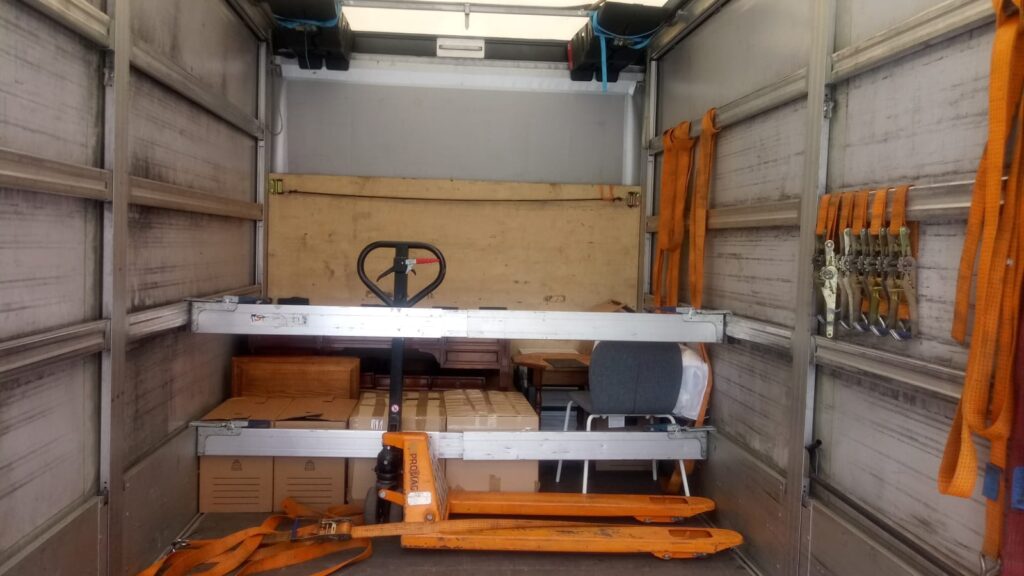


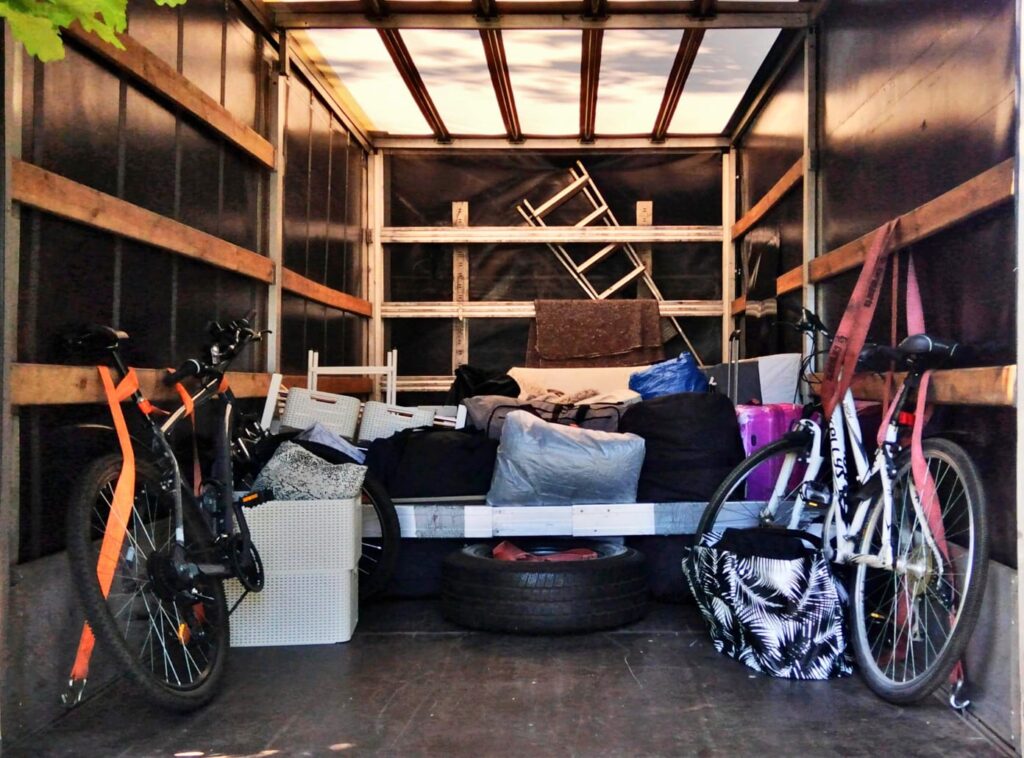
Last minute moving to Germany: what to do if time is against you
Sometimes a move arrives like thunder.
A job offer lands. A tenancy ends sooner than expected. University accommodation opens up. Family circumstances shift. Suddenly the calendar looks brutal and every hour feels expensive.
This is where Last Minute Moving matters. When the clock is working against you, the goal is not perfection. The goal is controlled speed.
In urgent relocations, hesitation is expensive. The longer you spend debating boxes, dates, and what should travel first, the more pressure stacks up. A last minute move to Germany works best when you create instant priorities, protect the essentials, and let the moving plan become ruthless in the best possible way. Not cold, not careless, just sharply focused.
Fast action list for urgent removals
- confirm your moving date immediately
- estimate your volume fast and honestly
- separate urgent essentials from non-urgent items
- secure passports, contracts, and key documents
- book a flexible removals team that can respond quickly
That five-step list may look simple, yet it does the heavy lifting. First, the date anchors everything. Without a fixed date, every other decision floats. Second, a realistic volume estimate prevents the classic last minute disaster of booking the wrong vehicle. Third, separating essentials keeps you functional even if the rest of the move still feels unfinished. Finally, a responsive removals team can turn panic into motion.
It also helps to think in two layers: what must move now, and what can follow later. Not everything has to travel in the first wave. If you are under real time pressure, your first priority should be the items that make daily life possible in Germany right away.
What should go first in an urgent move?
- identity documents and contracts
- clothes for several days
- medicines and toiletries
- chargers, laptops, and work equipment
- bedding and first-night essentials
- children’s must-have items
- the most important furniture pieces
This is where a man and van service becomes especially valuable. It can adapt faster than oversized logistics setups and is often far better suited to urgent, door-to-door relocations. If your schedule is tight, flexibility becomes one of the most powerful forms of value.
A last minute move does not always happen because someone planned badly. Quite often, life simply changes quickly. A new role in Germany may begin sooner than expected. A tenancy can collapse. A student placement can be confirmed late. Family situations can shift in a single week. When that happens, the real question is not how to create a perfect move. It is how to create a move that is fast, safe, and good enough to protect your momentum.
That is why urgent VAN removals to Germany work best when you simplify decisions. Focus on what must move now, what can move later, and what needs special handling. A responsive man and van service can take enormous pressure off your shoulders when time is tight and emotions are already running high.
| Priority area | Smart urgent-move action | Why it helps |
|---|---|---|
| Documents | keep them in one travel folder | avoids last-minute panic |
| Essentials | pack a separate survival bag | keeps day one manageable |
| Furniture | move only what you truly need first | saves time and space |
| Labels | mark boxes by urgency | speeds up unloading |
| Communication | confirm access and timing early | reduces avoidable delays |
When speed matters, overcomplication is the enemy. This is the moment to stop aiming for beautiful packing symmetry and start aiming for intelligent control. Clear labels, a realistic loading plan, and the right van size can rescue a move that would otherwise feel impossible.
For many people, Last Minute Moving is less about transport and more about emotional relief. It is the feeling that someone has stepped into the storm with a torch and a map. That matters, especially when your focus is already split between travel, work, paperwork, and the pressure of starting over in a new country.
Home, student, office, and furniture removals to Germany
Not every relocation looks the same. A student moving to Cologne has very different needs from a family moving to Frankfurt or a business relocating equipment to Berlin. The smartest moving plan fits the shape of the move itself. That is exactly why a one-size-fits-all service rarely feels satisfying. Different moves create different pressures, and the right support should reflect that.
Home removals to Germany
Home removals need structure. They involve routines, breakables, family logistics, and often a mixture of furniture, boxed belongings, personal keepsakes, and time pressure. Good home removals are not just efficient. They are calm.
A full home move often includes more than furniture and boxes. It includes school supplies, kitchen basics, sentimental items, electronics, clothing, and the quiet details that make a space feel lived in. That is why home relocations benefit from strong planning, careful packing, and a vehicle size that matches reality rather than guesswork.
VANonsite supports this with scalable vehicles, careful loading, and optional packing help for a smoother family move. For households, that matters because the real goal is not only to move things, but to restart life in Germany with less friction.
Student removals to Germany
Student moves are often budget-sensitive and fast. They usually involve fewer items, tighter move-in windows, and a need for practical simplicity. A smaller man and van to Germany setup can be ideal here, especially for suitcases, books, bedding, a desk chair, or compact furniture.
Student relocations also tend to run on strict dates. University accommodation opens on a set day. Shared housing changes hands fast. Budgets are tight, and there is usually little appetite for overpaying for empty vehicle space. That is why flexible smaller-volume transport can be such a smart fit.
For students, the best move is often the one that feels lean, quick, and easy to understand. A focused man and van option helps keep the process simple while still protecting essentials and avoiding the stress of trying to fit a real move into a private car.
Office removals to Germany
Office relocations need precision because downtime costs money. The priorities are different: equipment protection, timing, clear inventory control, and minimal disruption. VANonsite’s Office Removals support can help businesses move workstations, documents, monitors, and furniture with more control and less operational friction.
An office move is rarely just a transport job. It is a continuity challenge. Screens, desks, files, chairs, shared equipment, and stored materials all need to arrive in the right order and in usable condition. The smoother that process is, the faster the business can get back to work.
That is why office removals to Germany benefit from clear sequencing, careful handling, and realistic scheduling. A rushed business move without structure can become expensive very quickly, not only because of transport issues, but because lost time ripples across the whole team.
Furniture removals to Germany
Furniture removals live or die by handling quality. Sofas, wardrobes, dining tables, shelving, and fragile pieces need proper wrapping, balanced loading, and careful unloading. That is why direct transport and fewer handling stages can make such a difference. The less your furniture gets passed around, the lower the risk of dents, scrapes, and stress.
Furniture also tends to be the part of the move people care about most once the van door closes. Boxes can be replaced. Cheap kitchenware can be repurchased. But a scratched oak table, a damaged wardrobe, or a cracked mirror can leave a sour taste that lasts much longer.
This is where experience matters. Strong furniture removals to Germany rely on protective wrapping, correct positioning, and enough vehicle space to avoid crushing, friction, or unstable stacking. For premium items, antiques, or delicate finishes, that level of care becomes even more important.
In practical terms, good furniture moving is about restraint as much as speed. It is knowing when to disassemble, when to wrap more heavily, when to leave breathing room, and when to load by sequence rather than convenience. That is the kind of detail that turns transport into trust.
Why people choose VANonsite for removals to Germany
Trust is not built through slogans. It is built through moments when a move feels under control.
That matters because relocation stress rarely comes from one dramatic problem. It comes from dozens of smaller fears stacking up all at once. Will the van be the right size? Will fragile furniture arrive safely? Will the team respond quickly if the schedule changes? Will you know where your belongings are while they are crossing Europe? People do not choose a removals company only for transport. They choose it for reassurance.
VANonsite stands out because it combines practical European moving support with the kind of small but powerful details people actually care about during a stressful relocation. The service feels flexible enough for urgent moves, structured enough for family relocations, and careful enough for premium or fragile items that need more than basic handling.
Reasons people choose VANonsite include:
- GPS tracking for every shipment
- van sizes for everything from 1 m3 to 90 m3
- flexible support for urgent and planned relocations
- careful handling of fragile, bulky, and valuable items
- European removals experience across different move types
- helpful add-ons such as packing, storage, and white glove delivery
Those points matter in real life because every one of them removes friction from the move.
GPS tracking gives people something priceless during a cross-border relocation: visibility. When you know where your shipment is, the whole move feels less uncertain.
A wide choice of van sizes means the service can match the move instead of forcing the move to fit the service. That is a major advantage whether you are shipping a few essentials or relocating a full household.
Flexible support matters because moving plans rarely stay perfectly still. Dates shift. Access windows change. Priorities change. The ability to adapt can save both time and nerves.
Careful handling matters because not everything in a move is replaceable. Some items are fragile, some are valuable. Some are simply part of the life you are trying to rebuild in Germany as quickly and smoothly as possible.
European removals experience matters because cross-border transport is different from a local move down the street. Timing, route logic, paperwork awareness, and delivery coordination all need sharper planning.
Additional services such as packing, storage, and white glove delivery matter because they allow the move to be shaped around real needs rather than a fixed template.
For many customers, the biggest selling point is not one individual feature. It is the feeling that the move has a clear backbone. There is a plan; There is visibility; There is enough flexibility to cope with real life. That combination builds trust faster than flashy promises ever could.
What matters most is the feeling behind those details. Professionalism is not just transport. It is peace of mind, It is knowing your move has shape, visibility, and momentum instead of confusion. It is the difference between spending moving day firefighting every surprise and feeling, for once, that someone has already thought three steps ahead.
Moving to Germany checklist
A good checklist can rescue a move before it starts drifting.
The reason checklists work so well is simple. Moving creates decision fatigue fast. Every room contains choices, every box creates another small judgment call. Every missing label, forgotten charger, or misplaced document adds friction. A checklist cuts through that noise and turns a complicated relocation into a sequence you can actually follow.
Use this one to stay on track:
- confirm your move date
- check what documents apply to your nationality
- create a room-by-room inventory
- book the right van size
- decide whether you need packing help
- protect valuables and daily essentials separately
- label every box clearly
- confirm delivery access at the German address
- keep registration and identity documents close
- track your delivery and prepare for arrival
That simple structure does more than organise tasks. It protects momentum.
When you confirm the date early, everything else starts to line up around it, when you check your documents in advance, you avoid unnecessary panic later. When you build an inventory room by room, you understand the size of the move far more accurately; When you label clearly and separate essentials, your first day in Germany becomes functional instead of frantic.
A useful way to apply the checklist is to split it into three phases:
Before booking
- estimate your load honestly
- identify bulky or fragile items
- decide whether you need packing, storage, or white glove support
One week before moving
- finalise documents and address details
- finish most of the packing
- separate essentials, valuables, and first-night items
On moving day
- keep key documents and chargers with you
- double-check access and keys
- confirm that labelled priority boxes are easy to unload first
| Stage | Main focus | Why it matters |
|---|---|---|
| Early planning | date, documents, volume | reduces bad estimates and avoidable stress |
| Pre-move prep | packing, labels, access | speeds up loading and protects belongings |
| Moving day | essentials, timing, visibility | keeps arrival smoother and more controlled |
This kind of simple structure saves time because it reduces decision fatigue. And during a move, that matters more than most people expect. Every tiny choice drains energy. A checklist keeps that energy focused on what actually moves the day forward.
The smartest relocations are rarely the ones with the most complicated plans. They are the ones where the basics are handled brilliantly. A clear checklist does exactly that. It turns the move from a blur of loose ends into a process that feels possible, measured, and much easier to manage.
FAQ about VAN removals to Germany
Can I move to Germany with just a few boxes and furniture?
Yes, and this is one of the biggest reasons people choose a man and van service in the first place. Not every move to Germany involves a full household. Many people are relocating with a few boxes, suitcases, a desk, a mattress, a chair, or selected pieces of furniture that matter most.
That kind of move needs flexibility more than sheer scale. A man and van to Germany is often ideal for smaller relocations, student moves, part-load deliveries, and situations where you want door-to-door support without paying for unnecessary space. It can be a smart fit when you want the move to stay lean, fast, and easier to control.
Do I need customs documents for removals to Germany?
If you are moving from outside the EU, you may need customs paperwork for household goods. If you are moving within the EU, the process is usually simpler. That difference matters because many people mix up EU and non-EU rules and end up worrying about paperwork they may not even need.
The safest approach is to check the official German customs and residence guidance before you travel. A clean inventory list, identity documents, and any residence-related paperwork should be prepared early, especially if your move involves a cross-border transfer of personal belongings from outside the EU.
How do I know what van size I need?
It depends on the total volume, the type of furniture, and whether you are moving one room, a studio, a flat, or a whole house. The right vehicle keeps the move efficient and avoids wasted cost, but it also affects loading safety, timing, and how stressful the move feels on the day.
A few boxes and essentials may suit a compact option. A studio flat usually needs more breathing room. A household with wardrobes, beds, sofas, and appliances needs a vehicle that allows for safer placement and smarter load balance. When in doubt, it is better to estimate honestly than to force too much into too little space.
Is GPS tracking useful for a move to Germany?
Yes, especially when your move includes valuable, bulky, fragile, or time-sensitive items. GPS tracking improves visibility, reduces uncertainty, and helps you plan your own arrival with more confidence.
That matters more than people sometimes expect. When your schedule includes tenancy handovers, work start dates, hotel bookings, or family logistics, knowing where your shipment is can remove a huge layer of stress. Visibility does not just feel reassuring. It makes the whole move easier to manage.
Can I book a last minute move to Germany?
Yes. Urgent relocations are common, especially when job dates, tenancy deadlines, university calendars, or family circumstances shift quickly. A flexible man and van to Germany provider can be a major advantage here because speed is not just about transport. It is about being able to adapt quickly when real life changes fast.
Last minute moves work best when you focus on essentials, estimate the load realistically, and book a service that can respond without turning the whole process into chaos. With the right support, even a fast move can still feel structured and safe.
Final thoughts on VAN removals to Germany
Moving to Germany can feel like a mountain before it feels like a new beginning.
Yet that mountain looks very different when the move has a clear plan behind it. The right van size removes guesswork. Good packing protects what matters. Clear timing reduces pressure. GPS tracking adds visibility. And a dependable man and van service turns a stressful relocation into something far more manageable.
The best VAN removals to Germany are the ones that make life simpler, not louder. They answer questions quickly. They protect your belongings properly. They move at the pace real life demands. Most of all, they help you arrive in Germany feeling more prepared and less drained.
A strong move is not only about transport. It is about confidence. It is about knowing your furniture, personal belongings, and everyday essentials are handled with care, moved with purpose, and delivered with more control from start to finish.
If you are ready to plan your removals to Germany, VANonsite offers a reliable route with flexible vehicle sizes, careful handling, and tracked transport designed to make moving across Europe feel more manageable, more secure, and far less overwhelming.