Moving to Germany after Brexit is still very much possible, but it is no longer a simple case of loading a van, crossing a border, and unpacking a few days later. Today, UK citizens need to think earlier about visas, customs, address registration, health insurance, and the timing of the whole move. That sounds heavy at first. In practice, though, it becomes far easier when you break it into clear steps and choose a removals partner that knows how European relocations really work.
If you are planning a life change of this size, speed matters, but so does control. A rushed international move can burn money fast. A smart one feels measured, smooth, and surprisingly calm. That is why many people planning removals to Germany look for a team that can combine secure transport, flexible service options, and GPS tracking for every load. When the paperwork is in order and the logistics are sharp, moving to Germany after Brexit stops feeling like a maze and starts feeling like a real plan.
Quick Answer: Can You Move to Germany After Brexit?
Yes, you can absolutely move to Germany after Brexit, but the path is no longer as frictionless as it once felt. For UK citizens, the move now sits at the crossroads of immigration rules, customs formalities, housing pressure, and timing. That does not mean the dream is out of reach. It means the move rewards precision.
In simple terms, Germany is still open to British citizens who want to relocate for the right reasons. You can move for work, study, family reunion, self-employment, or another valid long term purpose. What changed is the process around that decision. Today, moving to Germany after Brexit is not only about where you want to live. It is also about how well you prepare before the wheels even start rolling.
Common reasons people make the move include:
- work
- university or training
- joining family
- self-employment
- long term relocation with a full household load
That distinction matters because every route creates a different paper trail. A graduate starting a master’s degree in Berlin will not need the same documents as a family moving to Munich for a new job contract. Likewise, someone taking only a few essentials with a man and van service will plan very differently from a household transporting furniture, electronics, and years of personal belongings.
So, can you move to Germany after Brexit? Yes, without question. You simply need the right legal route, a realistic document checklist, and a removals setup that understands cross-border transport after the UK left the EU framework. Once those pieces are in place, the process feels far less intimidating and far more manageable.




TL:DR
- Moving to Germany after Brexit is still possible, but UK citizens now need a proper residence route for most long term moves.
- The right path depends on why you are moving, such as work, study, family reunion, or self-employment.
- Customs matter far more than before, especially when shipping furniture to Germany from the UK.
- Address registration in Germany usually needs to be completed within 2 weeks of moving in.
- Health insurance, banking, and first-week admin should be planned before the moving day, not after it.
- A man and van service suits smaller or faster relocations, while larger household moves often need full removals support.
- VANonsite helps make moving to Germany after Brexit feel smoother with secure transport, GPS tracking, and flexible vehicle sizes.
What Changed After Brexit for People Moving from the UK to Germany?
Before Brexit, moving from the UK to Germany often felt wonderfully direct. You could focus on practical questions such as where to live, which city fit your budget, how quickly you could start work, and whether your furniture would fit through the new front door. Now, the move carries more administrative weight. The lifestyle choice is still exciting, but the route to get there has become more layered.
For most UK nationals making a new move, freedom of movement no longer applies. That single political shift changed the entire texture of relocation. Instead of simply choosing Germany and going, you now need to think about your legal basis for staying, your proof of purpose, your address registration plan, and the customs treatment of what you are bringing with you.
The biggest changes are these:
- new movers usually need a visa or residence based route for long term stay
- customs rules apply because the UK is outside the EU customs union
- proof matters much more than before
- timelines need tighter planning
These are not minor details. They affect the whole flow of the move. For example, if you book transport too early and your residence path is delayed, your timing can unravel. If you pack an entire flat without a proper inventory, customs checks can become far more stressful than expected. If you assume pre-Brexit habits still apply, the first week in Germany can feel heavier than it should.
There is one more important distinction. People who were already lawfully resident in Germany before 1 January 2021 may be protected by the Withdrawal Agreement, which creates a very different legal context from someone moving now for the first time. That difference is crucial, because it means not every British citizen faces the exact same post-Brexit rules.
This is exactly why a move that once felt simple now rewards good planning. Small mistakes can cost time, money, and momentum. On the other hand, a carefully organised move can still feel sharp, smooth, and deeply reassuring, especially when the logistics are handled by a team that knows how UK to EU removals work in the real world.
Who Can Move to Germany After Brexit?
Moving to Germany after Brexit is not limited to one type of person. In fact, many routes remain open, but each one comes with its own requirements, timelines, and pressure points. This is where many people make an expensive mistake. They assume there is one universal answer for British citizens moving to Germany. There is not. Your reason for moving shapes almost every part of the process, from the documents you need to the speed at which you should plan your removals.
The strongest moves begin with clarity. Before you compare transport quotes, pack boxes, or choose between a man and van service and a full household removals package, you need to know exactly which legal path you are using. That one decision influences everything that follows.
You may be able to move if you are:
- A skilled worker with a job offer, recognised qualifications, or a role that fits German immigration rules
- A student accepted by a German university or training institution
- A family member joining a spouse, registered partner, or close relative with the right status
- A self-employed professional with a viable business model and a clear economic plan
- A person with protected status under the Withdrawal Agreement because you were already living lawfully in Germany before the post-Brexit cut-off
Each of these categories comes with a very different rhythm. Skilled workers often need to move quickly once contracts are signed, which means the packing and transport side has to be precise and flexible. Students usually want lower-cost options, smaller vehicle sizes, and a move that fits around term dates and accommodation deadlines. Family moves tend to involve more paperwork, more furniture, and more emotional weight, because you are often relocating not just objects but routines, habits, and the entire feel of daily life.
Self-employed movers face a different kind of challenge. They often need to prove that the move makes economic sense and that the business activity is genuine and sustainable. That means timing becomes even more important. If you are moving for business, you do not want your transport plan to feel improvised or chaotic. You want it to support the bigger picture.
Then there are people covered by the Withdrawal Agreement. Their situation can be significantly different from new movers, which is exactly why broad online advice can be misleading. Two British citizens moving to Germany may sound similar on paper, yet their legal position can be worlds apart.
Because every route has a different documentary burden, it makes sense to lock in the legal side before you book transport. That one decision alone can save weeks of friction. It also helps you choose the right level of removals support. Someone moving one room of essentials may only need a fast, cost-effective man and van option. A family transporting a full household, premium furniture, and fragile belongings will usually need something far more structured.
In other words, moving to Germany after Brexit is still very achievable, but success starts with choosing the right category and planning around it with honesty. When that happens, the rest of the move feels less like a gamble and more like a controlled transition.
Documents You Need Before Moving to Germany
Paperwork is where international moves either stay elegant or start to unravel. Many people book the vehicle first and sort the documents later. That is often the wrong order. When moving to Germany after Brexit, your documents shape the move itself. They affect your entry route, your timeline, your customs position, and even how confidently you can plan your moving day.
This is not the glamorous part of the relocation, but it is the backbone of it. A missing document can cause more disruption than a delayed box. A weak paper trail can slow down customs, complicate residence formalities, and turn what should feel exciting into something tense and exhausting. That is why the smartest movers treat their documents like part of the load. They protect them, organise them, and prepare them early.
Core personal documents
You will usually need:
- a valid passport
- a visa or entry clearance if your route requires it
- a job contract, university acceptance, or proof of family relationship
- proof of accommodation, even if temporary at first
- birth or marriage certificates where relevant
- health insurance documents
- proof of funds if required for your route
- a detailed inventory list for household goods
That list is the foundation, but in real life most people also need a little more than the basics. If you are moving for work, keep copies of your contract, qualifications, and any recognition documents close at hand; If you are moving for study, save university communications, fee confirmations, and evidence of where you will live; If you are joining family, organise relationship documents carefully and make sure names, dates, and formats line up cleanly.
For the moving side itself, one of the most overlooked documents is the household inventory. It may seem simple, but it is one of the quiet heroes of a smooth post-Brexit relocation. A clear inventory helps with customs, protects you during transport, and gives structure to the entire move. It is especially useful when you are transporting furniture, appliances, or mixed household contents over a long route.
A practical way to build your paperwork folder is to separate it into four clear blocks:
- Identity documents such as passports and civil records
- Residence route documents such as visa paperwork, contracts, or university letters
- Arrival documents such as accommodation proof, insurance records, and registration-related paperwork
- Moving documents such as inventory lists, quotes, service confirmations, and customs papers
This simple structure makes a huge difference on a stressful week. Instead of digging through emails while your boxes are being loaded, you know exactly where everything lives.
Official guidance from the German Federal Ministry of the Interior explains how Brexit affects residence rights, especially for UK nationals with Withdrawal Agreement protection. For broader visa, work, and relocation guidance, the German government portal Make it in Germany is one of the most useful starting points. When it comes to the practical import of household goods, German customs guidance on transferring residence is essential.
If your route involves residence status questions linked specifically to Brexit, the German Federal Ministry of the Interior also provides dedicated information here: Brexit guidance. That is a valuable source when general blog content starts to feel too vague.
It also helps to keep both a digital folder and a printed folder. Your printed set should travel with you, not inside the main load. Your digital set should be stored somewhere easy to access from your phone. This small habit saves real stress on moving day, at check-ins, during customs conversations, and in the first few days after arrival when you are tired and trying to get organised fast.
One more smart move is to prepare a mini essentials pack containing the documents you are most likely to need in the first 72 hours. That can include your passport, address details, visa paperwork, health insurance confirmation, rental agreement, key phone numbers, and moving service paperwork. It sounds basic, but when the day turns busy, that little pack feels priceless.
A smooth international relocation is rarely built on luck. More often, it is built on strong preparation and calm systems. Documents are one of the biggest parts of that. Get them right early, and the entire move to Germany after Brexit becomes faster, lighter, and far easier to control.
Do UK Citizens Need a Visa to Move to Germany?
This is one of the first questions people ask, and rightly so. The short answer is that for most new long term moves, yes, UK citizens usually need a residence based route that matches the real purpose of their stay. Brexit did not close the door to Germany, but it did change the lock. That means you now need the correct key for the reason you are moving.
For short stays, the answer is different from long term relocation. A short trip, a property search visit, or a quick business meeting is one thing. Moving to Germany after Brexit to live, work, study, or join family is something else entirely. In those cases, the visa or permit route becomes one of the first decisions that shapes your timeline, your paperwork, and even the best moment to book your move.
Many people lose time because they search for a universal answer. In reality, there is no single visa for everyone moving from the UK to Germany. The exact route depends on your reason for moving, your documents, your finances, and in some cases your qualifications or personal ties.
Here is a simple view:
| Reason for moving | Usually needed | What matters most |
|---|---|---|
| Work | Work visa or residence permit | job offer, qualifications, timing |
| Study | Student visa or residence permit | university documents, funds, housing |
| Family reunion | Family reunion route | proof of relationship, sponsor details |
| Self-employment | Self-employment route | business plan, viability, finances |
That table gives a useful snapshot, but real life is always a little more textured. A skilled worker moving to Germany may need to coordinate a job start date with a moving date, housing, and customs paperwork all at once. A student may be balancing university deadlines, deposits, and a limited budget, which makes a smaller man and van option more appealing than a full-scale removals package. A family reunion move can be emotionally loaded, because it is not only about crossing a border. It is about rebuilding daily life together as quickly and smoothly as possible.
What matters most is matching your removals plan to your legal route. If your paperwork is still in progress, it may be smarter to hold off on transporting your full household. Some movers choose to send only essentials first, then schedule the larger load once everything is secure. That kind of staged move can reduce risk, protect your budget, and give you more breathing room.
It is also worth remembering that advice from friends can be misleading, even when it is well meant. A work move, a student move, and a family move can look similar on the surface, but the paperwork can be dramatically different. One person may move quickly with a compact load. Another may need a slower, more carefully documented relocation with furniture, family documents, and customs-sensitive household goods.
The smartest approach is to confirm your legal path first, then build the rest of your moving plan around it. Once you know which residence route applies, decisions about timing, packing, storage, and the right transport service become much clearer. That is where a confident move begins.
Step-by-Step Timeline for Moving to Germany After Brexit
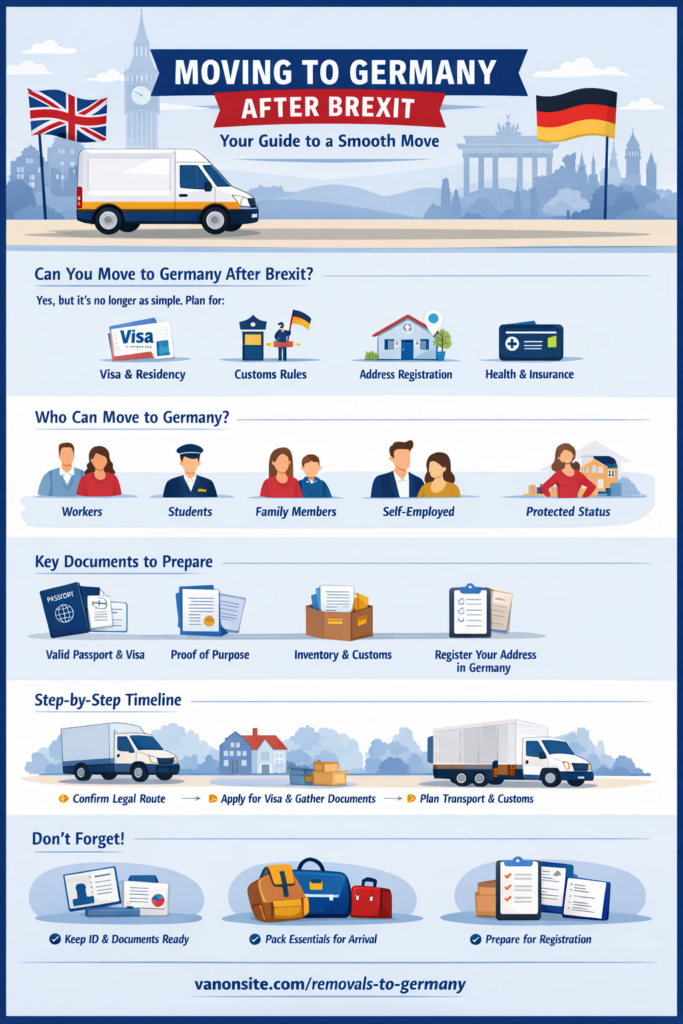
A strong move is built on sequence. When people skip steps, the whole thing gets shakier. When they follow a smart order, the move becomes lighter, calmer, and much easier to control. This matters even more when moving to Germany after Brexit, because immigration, customs, housing, and transport now overlap far more than they used to.
The biggest mistake people make is treating the move like one single event. In reality, it is a chain of decisions. Each one influences the next. If you get the order right, the move flows. If you get it wrong, even a beautiful plan can start to wobble.
- Confirm your legal route
Decide whether you are moving for work, study, family, or self-employment. That decision shapes everything else. It affects your paperwork, your likely timeline, and how confidently you can set a realistic moving date. - Gather documents early
Start collecting identity, accommodation, insurance, and route-specific proof. Leave margin for missing documents and delays. This stage is often slower than people expect, especially when certificates, translations, or additional proof are needed. - Apply for the correct visa or residence route
Never book a full household move before you understand your entry and stay conditions. It can be tempting to move fast, especially if you have a job offer or a housing deadline, but moving too early can create avoidable pressure. - Plan your housing
A temporary address may help at first, but you still need a realistic registration plan. Think not only about where you will sleep, but also about where you can receive documents, register your address, and start daily life without chaos. - Prepare customs paperwork and inventory
This is especially important if you are shipping furniture to Germany from the UK. A detailed inventory, sensible packing, and the right supporting documents can make the difference between a smooth border process and a frustrating delay. - Choose the right transport option
This is the moment to decide whether a compact man and van move is enough or whether you need a larger removals package. Smaller loads, student moves, and staged relocations often work beautifully with a leaner service. Family moves, heavier furniture, and premium items usually need more structure and more space. - Book your removals service at the right moment
Timing matters. Book too late and your options may narrow. Book too early without legal clarity and you may create pressure for yourself. The sweet spot is when your route is clear enough for confident planning, but early enough to secure the vehicle size and service level that suits your move. - Pack strategically, not emotionally
International moves are the perfect time to cut what no longer serves you. The fewer unnecessary items you move, the easier customs, loading, unloading, and cost control become. This is also where professional packing support can save astonishing amounts of time. - Travel with your essentials separately
Keep your passport, legal documents, valuables, medication, chargers, and first-night items with you. Do not bury them in the main load. This one habit makes the arrival experience dramatically smoother. - Register and settle after arrival
Once in Germany, move quickly on address registration, health insurance, and the basic setup of daily life. The faster you complete these first essential steps, the faster the country starts to feel like home rather than a temporary stop.
This timeline is not about perfection. It is about reducing friction. When you plan the move in the right order, everything begins to feel more stable. You stop reacting to problems and start steering the journey with intention. That shift is powerful, especially in a post-Brexit move where timing and paperwork carry more weight than they once did.
Moving Your Furniture and Household Goods from the UK to Germany
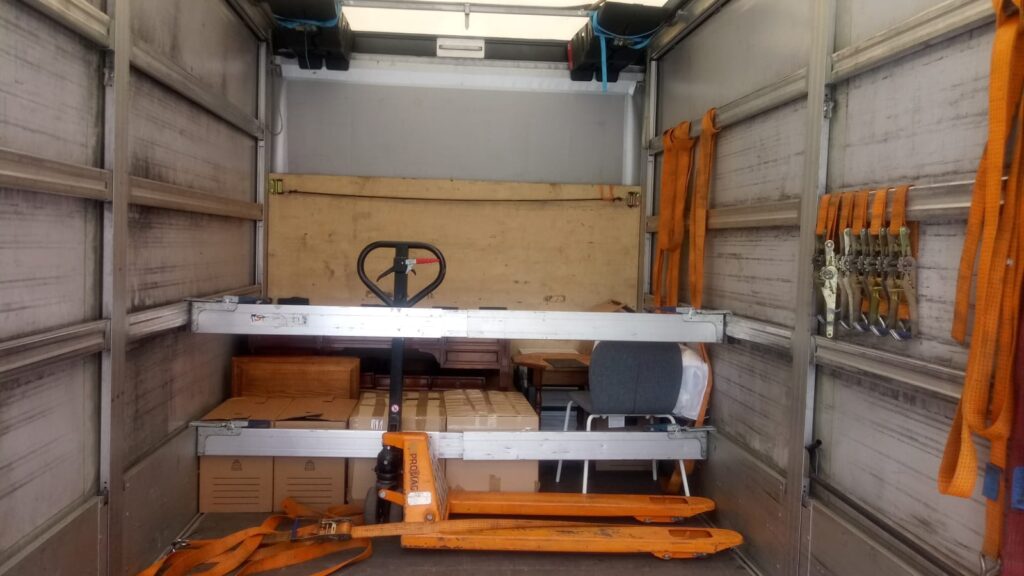
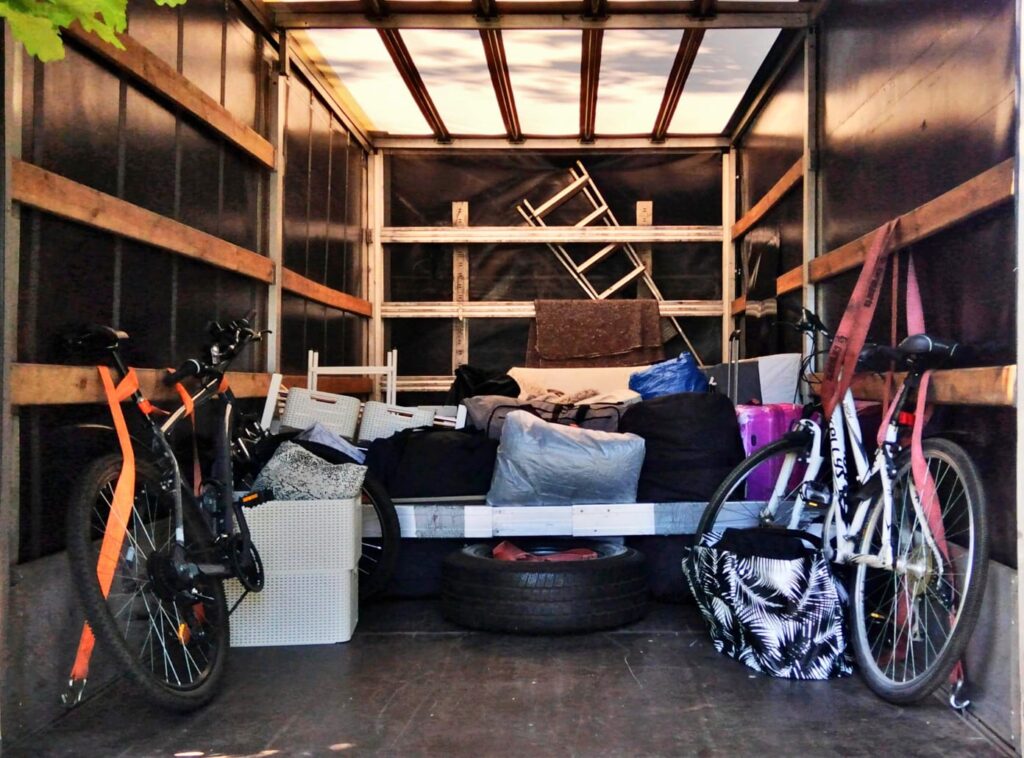
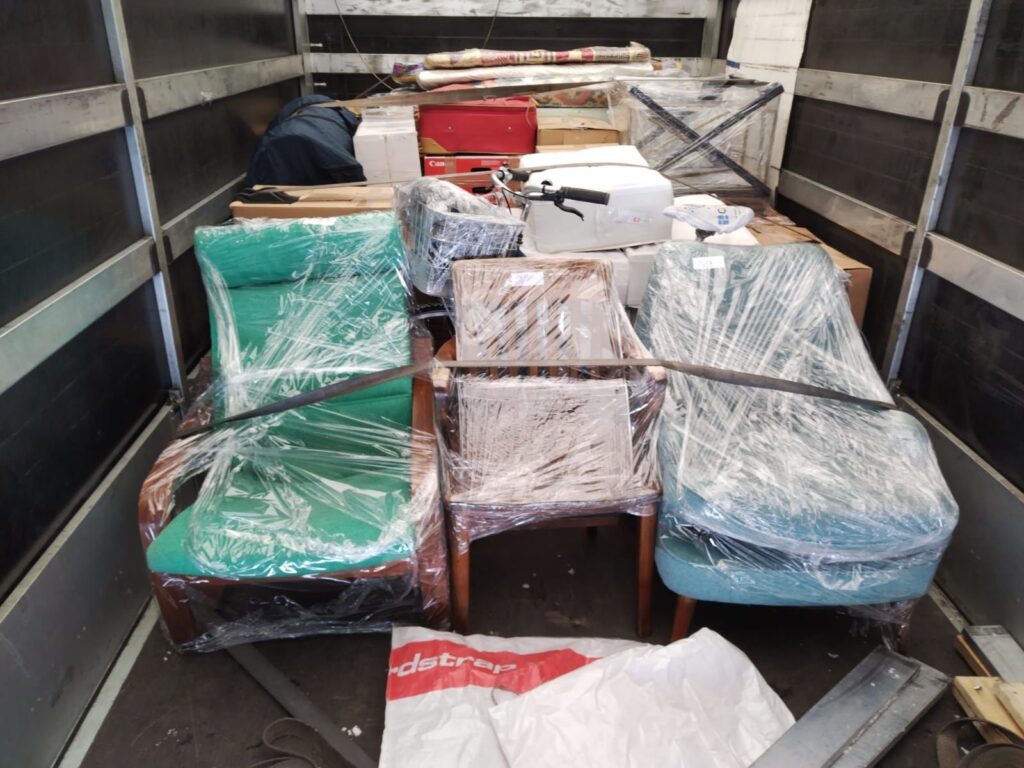
This is where moving to Germany after Brexit becomes deeply practical. Until this point, the idea of relocation can still feel abstract. Then the real questions arrive. What happens to the sofa, the bed frame, the books, the television, the dining chairs, the bikes, the fragile glassware, the family photos, the desk you use every day, and the hundred small things that quietly make a place feel like home? Once your belongings cross from the UK into Germany, they are no longer just household items. They become part of a cross-border process shaped by transport planning, customs logic, and timing.
That is why this stage deserves much more thought than simply asking how many boxes you have. The right moving plan depends on volume, weight, access, fragility, and urgency. It also depends on your life stage. A student relocating with a compact load will need something lean, fast, and cost-aware. A couple moving from a rented flat may want a structured but efficient service. A family relocating with heavy furniture, children’s items, appliances, and sentimental belongings usually needs a stronger, more carefully managed setup.
The good news is that household goods linked to a genuine transfer of residence may qualify for customs relief if the conditions are met. Still, that does not make the move casual. The transport side needs to be organised with the same care as the paperwork. A strong inventory, smart packing, realistic vehicle size, and clear communication make a huge difference.
For example, a student moving with a desk, clothes, kitchen basics, and a few boxes needs a very different service from a family transporting wardrobes, a dining table, electronics, bikes, and sentimental items collected over ten years. Trying to force both moves into the same model is where money gets wasted and stress starts to rise.
One of the smartest ways to plan is to divide your load into categories before you even request a quote. Ask yourself:
- what must arrive immediately
- what is bulky or awkward to move
- what is fragile or high value
- what could be packed more efficiently
- what no longer deserves space in the van
That last point matters more than many people expect. International moves are expensive places to move indecision. If an item is broken, rarely used, or easy to replace, it may not deserve to travel across Europe. On the other hand, furniture you love, practical items in daily use, and belongings with emotional weight often justify proper transport and protection.
That is why many customers mix practical planning with service flexibility:
- Furniture Removals for bulky or awkward pieces
- Home Removals for full household relocations
- Packing Service for people who want faster, safer preparation
- White Glove Delivery for fragile, valuable, or premium items
This is also where choosing the right vehicle size becomes a genuinely strategic decision, not a minor detail. A van that is too small creates repeat trips, loading compromises, and last-minute panic. A vehicle that is too large may inflate cost without adding real value. The best choice sits in the sweet spot between efficiency and protection.
Here is a quick way to think about typical moving profiles:
| Moving profile | Typical load | Best fit |
|---|---|---|
| Student or solo mover | boxes, suitcase, compact furniture | man and van or smaller vehicle size |
| One-bedroom flat | bed, sofa, boxes, dining set | medium or premium removals option |
| Family home | wardrobes, appliances, multiple rooms, children’s items | larger full-service removals setup |
| Premium or delicate move | artwork, designer furniture, fragile valuables | white glove delivery with extra protection |
A trusted man and van service can be ideal for smaller loads, staged relocations, or people who want a faster and more flexible move. A full removals plan is often smarter for larger family moves where structure matters more than raw speed. Neither option is automatically better. The right choice depends on how much you are moving and how much risk you are willing to carry.
The emotional side matters too. Many people underestimate how exhausting it feels to arrive in a new country and then discover their essentials were packed badly, delayed, or hard to find. Smart removals planning prevents that. It protects not only your furniture, but also your energy during a major life transition.
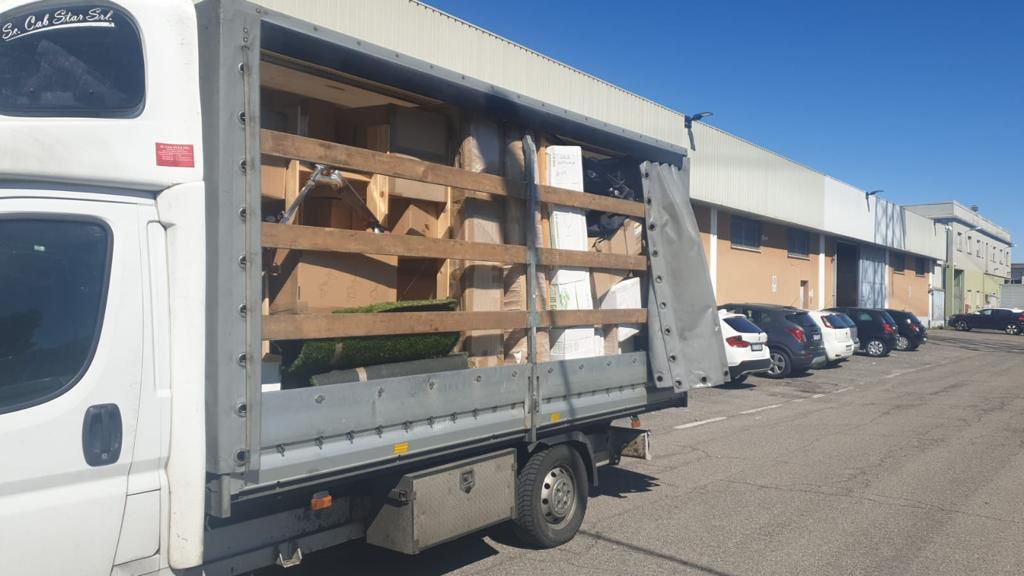
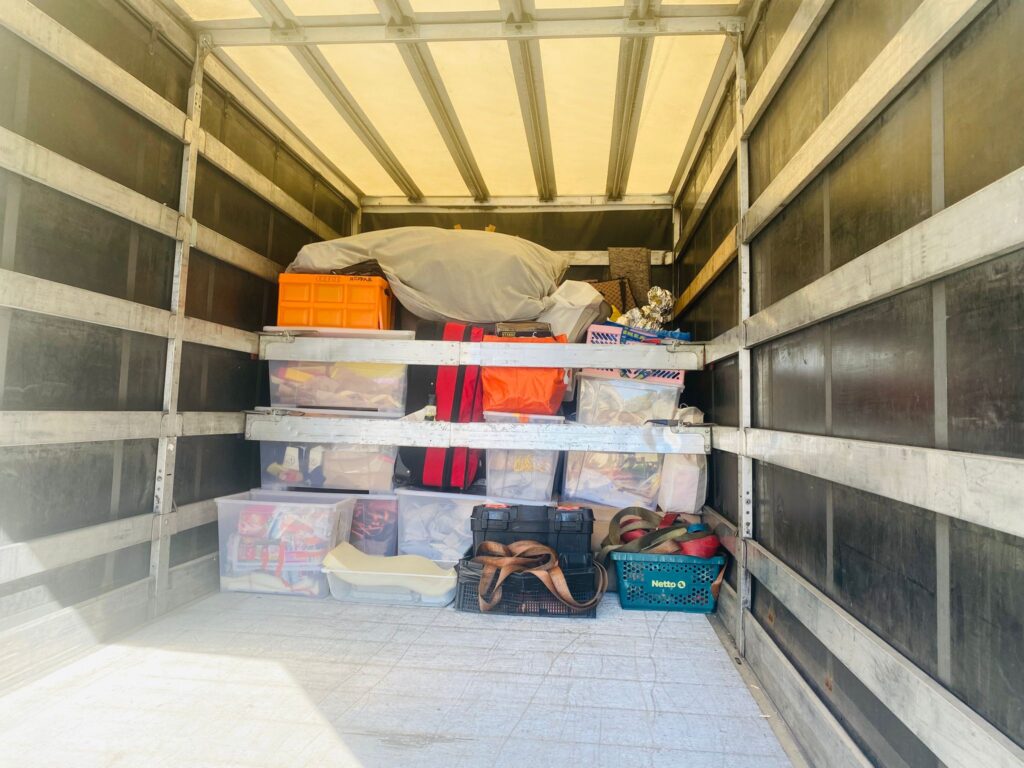
That is one reason VANonsite feels so well suited to this kind of relocation. The company can support compact man and van moves, larger home relocations, fragile-item handling, and practical packing support, all within one cross-border system. Combined with GPS tracking for every load, that helps turn a stressful unknown into something much more visible and controlled.


Customs Rules When Moving to Germany from the UK
Customs is one of the sharpest edges of moving to Germany after Brexit. Ignore it, and the move can slow down fast. Respect it early, and the entire relocation becomes smoother, cleaner, and much easier to manage.
Germany treats the UK as a non-EU country for customs purposes. That means your household goods are no longer moving within a simple internal EU framework. Instead, they are entering Germany from outside the customs union, which changes how your belongings need to be documented and understood.
The encouraging part is that if you are transferring your normal place of residence to Germany, some personal property may be imported duty free, provided the legal conditions are met. German customs explains that household effects, certain private vehicles, household provisions in normal family quantities, pets, and some professional tools may count as goods moved in connection with a transfer of residence. That can be a major financial advantage, but only if the move is prepared correctly.
This is exactly why customs should never be treated as an afterthought. A rushed or vague approach can create delays, document requests, extra costs, or stressful border complications. A structured approach makes the entire move feel much more secure.
To keep this part smooth, prepare:
- a detailed inventory list
- proof of residence transfer
- documents showing ownership or normal use where relevant
- route specific customs paperwork if requested
An inventory deserves special attention here. Customs officers do not see your shipment the way you do. They do not see family memories, daily routines, or the story behind each object. They see declared goods that need to match the paperwork. The clearer your inventory, the easier it becomes to explain what is being moved and why.
A strong inventory should be:
- clear enough to understand at a glance
- specific enough to distinguish major items
- grouped logically by room or item type
- aligned with the actual load
For example, “kitchen items” is much weaker than “6 kitchen boxes, plates, cookware, kettle, toaster.” A cleaner inventory creates less friction and more confidence.
It also helps to remember that customs works best when your whole move tells one consistent story. Your residence route, your housing plan, your inventory, and your transport timing should make sense together. If they do, the process tends to feel far more natural. If they clash, the move can invite questions you would rather avoid.
One important truth gets overlooked all the time: a relocation is not the same as sending parcels. A full household move needs better structure, better documents, and better timing. Treating it like courier shipping is one of the fastest ways to create avoidable problems.
There is also a practical reason to work with an experienced removals company here. When a team regularly handles UK to EU transport, they understand the difference between a simple local move and a customs-sensitive international relocation. That experience helps at the planning stage, the packing stage, and the point where documents need to align with the real load inside the vehicle.
For movers who want clarity rather than chaos, this is a powerful advantage. Instead of guessing your way through border complexity, you move with a process that already respects it. That is especially valuable after Brexit, where details that once felt invisible now carry real weight.
Registering Your Address in Germany
Once you arrive, one of your first major tasks is registration. This step matters more than many newcomers expect, because it is rarely just another box to tick. In Germany, registration is one of the practical foundations of settled life. Without it, many of the next steps feel slower, harder, or simply impossible to complete smoothly.
Germany generally requires residents to register their address within 2 weeks of moving in. That registration is often called Anmeldung. According to Make it in Germany, everyone living in Germany is required to register, and the process should be completed at the local Residents’ Registration Office.
For many newcomers, this moment marks the shift from arrival to real settlement. Up to this point, you may still feel as if you are only passing through. After registration, daily life begins to lock into place. That is why it deserves planning before you leave the UK, not only after you arrive in Germany.
In practice, you will usually need:
- your passport
- proof of address
- confirmation from the landlord or accommodation provider
- local forms depending on the city
In many places, the landlord confirmation document is essential. If you are moving into temporary accommodation first, it is wise to check in advance whether that address can support registration. This is one of those details that seems small until it suddenly delays everything else.
A smart approach is to book or prepare for your appointment as early as possible, especially in larger cities where slots can disappear quickly. Berlin, Munich, Hamburg, and Frankfurt can feel fast and competitive, particularly at busy times of year. A little early planning can save you days of frustration later.
This step often unlocks the next layer of life admin. Banking, residence formalities, contracts, and many day to day systems become easier once your address is properly registered. In real life, Anmeldung often acts like a key that opens several doors at once.
That is why many movers build their first week around it. They do not wait until everything feels settled. They treat registration as one of the central tasks that helps everything else settle faster. When you do that, the new country starts to feel less like a temporary stop and more like a place where life can actually begin.

Health Insurance, Banking, and First Week Essentials
The first week after arrival often feels like a blur. There is excitement, fatigue, and that strange in-between feeling that comes when your life exists in boxes. This is exactly why your first week setup deserves a plan. Without one, even simple tasks can start to feel bigger than they really are.
Health insurance should be handled early. The Make it in Germany health insurance guide explains that international health insurance can be useful for the first days or weeks of your stay, especially because proof of health insurance may be needed during visa processes. In Germany, health insurance is not optional. It is a core part of settling properly.
For many new arrivals, this is one of the first systems that makes Germany feel different. Things are structured, rules matter, and proof matters too. That can feel intimidating at first, but it also creates clarity. When your insurance position is sorted early, the rest of your setup tends to feel more stable.
Your first week priorities should usually include:
- confirming your health insurance position
- preparing for address registration
- opening or planning a bank account
- setting up a German phone number if needed
- organising local transport basics
- keeping essential documents and valuables separate from the main load
Banking is another area where preparation pays off. Some banks may ask for proof of registration, while others may be more flexible depending on the type of account and your status. This is why the order of your first-week tasks matters so much. Registration, insurance, banking, phone setup, and paperwork are not isolated chores. They support one another.
It also helps to create a simple arrival folder, either digital or printed, with the information you are most likely to need in the first few days. Include your passport details, temporary or permanent address, tenancy paperwork, insurance information, appointment confirmations, and contact details for your removals company. When your energy is low and your mind is full, easy access becomes a quiet luxury.
A surprisingly useful trick is to keep a first-night kit and a first-week kit separate. The first-night kit covers absolute essentials such as chargers, medication, toiletries, sleepwear, and basic documents. The first-week kit covers the practical life-building items you are likely to reach for repeatedly, such as folders, power adapters, stationery, transport cards, and a few days of clothing. It sounds simple, but it creates a huge sense of control.
You should also think about local mobility quickly. Knowing how you will get to registration appointments, banks, housing viewings, or shops in the first days can make your arrival feel dramatically lighter. A move does not feel smooth only because the van arrives on time. It feels smooth because your life starts moving too.
This is exactly where a well-planned removals process makes such a difference. If your main load arrives in a controlled, trackable way, you have more mental space to focus on the systems that matter in the first week. That is one of the hidden strengths of using an experienced cross-border removals service. Good logistics protect more than furniture. They protect your attention.
A good move is not only about getting your things there. It is about helping your life start quickly once they arrive. And in the first week, that feeling matters more than ever.
How Much Does Moving to Germany After Brexit Cost?
This is one of the most searched questions for a reason. People do not just want inspiration. They want numbers, logic, and a clear sense of what will shape the final bill. The honest answer is that there is no single fixed price, because every move is shaped by distance, volume, access, timing, and service level. Still, the biggest cost drivers are usually predictable, which means you can plan far more intelligently than many people assume.
Moving to Germany after Brexit is not only a transport cost. It is a chain of connected costs. The removals quote is one part of the picture, but admin, customs readiness, timing, and the way your load is packed all influence the total amount you end up spending. That is why two moves that look similar on the surface can land in very different price ranges in real life.
These factors affect the price most:
- visa and document related expenses
- customs complexity and admin risk
- pickup location in the UK and destination city in Germany
- number of items and total load size
- stairs, narrow access, lifts, and parking constraints
- packing support needed
- fragile or premium handling requirements
- urgency, especially for last minute bookings
Distance matters, but it is rarely the only driver. A compact student move from London to Berlin may still cost less than a complex family relocation from a smaller UK town to Munich if the second move involves more furniture, difficult building access, and premium handling. In other words, the volume and complexity of the move often matter just as much as the mileage.
This is also where people sometimes lose money without realising it. They focus only on the cheapest base quote, then discover later that poor load planning, the wrong van size, difficult access, or rushed scheduling created extra costs. A stronger strategy is to think in terms of total moving value, not just headline price.
Here is a useful service size view for planning your move:
| Service size | Capacity | Weight limit | Best for |
|---|---|---|---|
| Moving One | 1 m3 | 100 kg | documents, suitcases, urgent essentials |
| Moving Basic | 5 m3 | 300 kg | student move, room move, compact load |
| Moving Medium | 10 m3 | 500 kg | one-room flat, part load, flexible relocation |
| Moving Premium | 15 m3 | 1100 kg | one to two-bedroom move |
| Moving Premium Plus | 30 m3 | 3500 kg | larger flat, family move, heavy furniture |
| Moving Full House XXL | 90 m3 | 20000 kg | full house relocation |
This spread matters. A lean student move and a full family relocation can differ by hundreds or even thousands in total cost. Choosing the correct vehicle size is not a detail. It is one of the smartest cost control decisions you can make.
A quick way to think about it is this:
- Moving One works well when you only need essentials moved fast
- Moving Basic suits students or very compact room moves
- Moving Medium gives breathing space for a part-load relocation or a modest flat
- Moving Premium is often the sweet spot for one to two-bedroom homes
- Moving Premium Plus makes sense for larger flats, heavier furniture, or more complex family moves
- Moving Full House XXL is built for major relocations where underestimating space would be a costly mistake
Another useful question is whether you are moving everything at once. Some people reduce costs by staging the move. They send essentials first with a man and van service, then transport the larger household load later once housing, registration, or visa formalities are fully secure. That approach does not suit everyone, but in the right case it can reduce risk and smooth out cash flow.
You should also think about value per cubic metre, not only total price. If you pay for extra space because the load was badly prepared, costs rise fast. If you declutter well, choose the right packing method, and match your inventory to the correct vehicle size, you can often make the move leaner without making it harder.
The emotional side of cost matters too. The cheapest move is not always the least expensive move once stress, damage risk, delays, and repeat handling enter the picture. Paying slightly more for proper packing, secure handling, or GPS tracked delivery can save money in the bigger sense, because it reduces the chance of the move becoming chaotic.
That is where VANonsite offers a practical advantage. The company’s range of vehicle sizes makes it easier to fit the service to the real shape of the move, rather than forcing every customer into the same template. That flexibility helps protect both your budget and your sanity.
Best Moving Option: Man and Van or Full-Service Removals?
This is one of the most important choices in the whole moving process. It affects not only cost, but also pace, workload, and peace of mind. The right answer depends on what you are moving, how fast you need to move, and how much stress you are willing to carry yourself.
A man and van service sounds simple because it is simple. That is part of the appeal. It is often the best option for smaller loads, staged relocations, or movers who want flexibility and tighter cost control. Full-service removals are different. They are designed for moves where the load is larger, the timeline is tighter, or the consequences of disorganisation are much higher.
Here is a clear comparison:
| Option | Best for | Main advantage |
|---|---|---|
| man and van | small loads, flexible moves, fast turnarounds | speed, simplicity, cost control |
| full-service removals | larger homes, family relocations, complex logistics | less workload, better protection, more structure |
| white glove delivery | delicate, luxury, or high value items | premium care, careful handling |
A man and van solution is often perfect for students, solo movers, or people relocating part of their household first. It also works brilliantly when you already packed everything well, know your inventory clearly, and want a service that gets the job done without unnecessary extras.
Full-service removals make more sense when the move includes multiple rooms, fragile furniture, a tight family timeline, or premium items that deserve a calmer, better-protected process. When a move starts to include wardrobes, appliances, awkward access, emotional pressure, or complicated scheduling, more structure usually creates better value.
White glove delivery sits in a category of its own. It is ideal for people moving artwork, designer furniture, premium décor, or items that need an extra layer of attention. This is less about raw transport and more about preserving quality, presentation, and peace of mind.
A useful way to choose is to match the option to the reality of your move:
| If your move looks like this | The smarter choice is often |
|---|---|
| one room, student setup, a few boxes, essential furniture | man and van |
| part-load relocation before a second larger move | man and van |
| one to two-bedroom flat with standard household furniture | full-service removals or premium-sized transport |
| family home with multiple rooms and tighter coordination needs | full-service removals |
| fragile, luxury, or high-value pieces | white glove delivery |
What many people discover is that the best option is not always the cheapest in the narrow sense. It is the option that creates the least friction for the real move in front of you. A small move does not need a huge service. A complex move should not be treated like a quick courier run.
VANonsite is especially well placed here because the company can support both ends of the spectrum. That flexibility matters when real life does not fit into a one-size-fits-all box. Some customers need a fast man and van solution. Others need a structured family removals plan. Others need premium care for selected pieces. Being able to choose within one trusted system makes the decision much easier.
The strongest moving decisions often feel simple in hindsight. That usually happens because the service matched the move from the start. When the fit is right, cost feels fairer, the workload feels lighter, and the entire move feels more controlled from the first box to the final delivery.
Common Mistakes to Avoid When Moving to Germany After Brexit
Even strong moves can wobble when small things get ignored. The most common mistakes are rarely dramatic. They are usually simple oversights that snowball. That is exactly what makes them dangerous. They do not look serious in the moment, yet a missed document, a weak packing plan, or a rushed booking can create a chain reaction that follows you from the UK all the way into your first week in Germany.
The most expensive mistakes are often the ones people think they can fix later. In reality, post-Brexit moves reward early clarity. If you leave too much until the final week, the move starts to feel reactive instead of controlled. Stress rises, options narrow, and you end up solving problems at the most expensive moment possible.
Avoid these pitfalls:
- booking transport before confirming your residence route
- underestimating customs paperwork
- forgetting to prepare a detailed inventory
- choosing a van that is too small for the real volume
- packing fragile items without proper protection
- arriving without a first-week admin plan
- assuming old pre-Brexit habits still apply
Each of these deserves a closer look, because the damage is not always obvious at first.
Booking transport before confirming your residence route can create avoidable pressure from day one. If your visa path, work route, or housing plan is not stable yet, locking in a major move too early can force bad timing. You may end up paying more to rearrange dates, storing goods unexpectedly, or moving before you are fully ready.
Underestimating customs paperwork is another classic trap. Customs rarely feels urgent until it suddenly becomes the thing blocking progress. If your inventory is vague, your documents do not line up, or your story does not make sense on paper, a straightforward move can turn tense very quickly.
Forgetting to prepare a detailed inventory sounds small, but it affects everything. A strong inventory supports customs, protects the transport process, and gives you a better grip on what is actually being moved. Without one, the move becomes foggier than it needs to be.
Choosing a van that is too small for the real volume often comes from optimism rather than logic. People underestimate how much space furniture, boxes, and awkward items actually take. Then the moving day arrives and suddenly there is a painful choice between leaving things behind, overloading the plan, or paying for last-minute changes.
Packing fragile items without proper protection is where false savings often backfire. A poorly packed mirror, lamp, screen, or glass item can turn an apparently cheaper move into a frustrating one. Smart packing is not just about safety. It is about protecting the rhythm of the whole relocation.
Arriving without a first-week admin plan can make the move feel heavier than it needs to. Registration, insurance, banking, and local setup become far harder when you are tired, surrounded by half-open boxes, and searching for documents you should have separated earlier.
Assuming old pre-Brexit habits still apply is the mistake that sits underneath many others. People rely on outdated expectations, old stories from friends, or memories of how easy the route once felt. That mindset can create dangerous blind spots in planning.
A rushed move often feels like a row of falling dominoes. One delay feeds another. A planned move feels very different. It gives you breathing room, financial control, and confidence. More importantly, it lets you spend your energy on the move itself, not on preventable problems.
Why People Choose VANonsite for UK to Germany Moves
When people plan a major international relocation, they are not only buying transport. They are buying peace of mind, timing, and trust. That matters even more when moving to Germany after Brexit, because the logistics are no longer separate from the bigger life decision. The moving company becomes part of the transition itself.
VANonsite stands out because the service is built around the things that matter most during European removals:
- fast and secure cross-border transport
- GPS tracking for every load
- flexible vehicle sizes for different budgets and volumes
- support for furniture, home, student, office, and last minute moves
- practical service options from light man and van transport to larger removals
- careful handling that protects both valuable items and moving-day nerves
Those strengths matter in real, practical ways. Fast transport reduces the feeling of limbo. GPS tracking creates visibility, which instantly makes the whole move feel calmer. Flexible vehicle sizes help you avoid paying for the wrong scale of service. Support across different move types means you are not forced into a rigid model if your move is more complicated than average.
That flexibility is especially valuable for UK to Germany relocations, because not every customer is moving the same kind of life. One person needs a compact man and van solution for a quick student move. Another needs a structured home removals service for a family relocation. Another wants premium handling for selected furniture pieces that carry both financial and emotional value. VANonsite can meet those different needs without making the customer feel as if they have to fit a pre-made template.
There is also a trust advantage in working with a company that understands how cross-border European removals actually feel on the ground. Post-Brexit moves need more than a driver and a vehicle. They need timing, organisation, realism, and communication. They need a team that understands why inventory matters, why planning matters, and why a move is about far more than mileage.
This is where the human side of the service becomes powerful. A strong removals company does not only transport objects. It protects momentum, It helps keep the move from sliding into confusion. It reduces the invisible pressure that builds when your life is split between countries, deadlines, and unopened boxes.
That balance is powerful. It feels professional without feeling cold. Efficient without feeling rushed. Strong without being pushy. For many people, that is exactly the kind of support that turns a difficult international move into something much more manageable.
Final Checklist Before You Move
Before your move day arrives, run through this list carefully. Think of it as your calm, final sweep through the move. At this stage, tiny details matter. A missing passport copy, an unconfirmed registration plan, or a forgotten first-night bag can turn an otherwise well-planned relocation into a frantic last 24 hours. A checklist brings the move back under your control.
Use this list with intention, not as a formality:
- passport valid and easy to access
- visa or residence route confirmed
- accommodation arranged
- address registration plan understood
- health insurance prepared
- customs paperwork ready
- inventory completed
- removals service booked
- valuables and documents packed separately
- first-night essentials bag prepared
It also helps to do this check in two layers. First, review everything digitally. Then review the physical items you will actually carry with you. That second pass catches far more mistakes than people expect.
A smart final check should also answer a few quiet but important questions:
- Do you know exactly where your passport, tenancy papers, and insurance confirmation are?
- Do you know which items travel with you and which go in the main load?
- Do you know what you need in the first 12 hours after arrival?
- Do you know what you need in the first 3 days after arrival?
This is where many smooth moves separate themselves from chaotic ones. The people who feel calm on moving day are rarely lucky. They are usually prepared.
A 20-minute checklist can prevent a week of chaos. In many cases, it can also prevent expensive last-minute decisions, duplicate purchases, and hours of unnecessary stress.
FAQ
Can I move to Germany from the UK after Brexit?
Yes. Moving to Germany after Brexit is still possible, but the legal route depends on your purpose of stay. Work, study, family reunion, and self-employment all have different requirements. The move itself is still entirely realistic. It simply needs more structure than it did before Brexit.
Do British citizens need a visa to live in Germany?
In most new long term relocation cases, UK citizens need a residence based route linked to the reason for their stay. Short visits are a separate issue. The key point is that the legal route should be confirmed before you commit to the full moving timeline.
Can I take my furniture to Germany from the UK?
Yes, you can. However, because the UK is outside the EU customs union, your furniture and household goods now need proper customs planning and documentation. A strong inventory and a realistic removals plan make this dramatically easier.
Do I pay customs when moving house to Germany?
Some household goods linked to a genuine transfer of residence may qualify for customs relief, but conditions apply. Always check current German customs rules before the move. The safest approach is to treat customs as a core part of the relocation, not an afterthought.
How long does it take to organise a move from the UK to Germany?
Simple moves can be organised relatively quickly, but a smoother move usually comes from planning several weeks ahead, especially if visas, housing, or a full household load are involved. The more complex the move, the more valuable early planning becomes.
Is a man and van service enough for moving to Germany?
For smaller loads, yes. A man and van service can be cost-effective and fast. For larger homes or fragile contents, a fuller removals package is often safer. The right choice depends on the real size, weight, and complexity of the move rather than the label alone.
How soon do I need to register my address in Germany?
In general, you should register within 2 weeks of moving in. Local processes can vary slightly, so check the city office handling your registration. It is also wise to confirm that your accommodation allows registration before you move.
What is the cheapest way to move to Germany after Brexit?
The cheapest option is usually a smaller man and van move with only essential items. Still, the cheapest option is not always the best value if it leads to damage, delays, or repeated trips. A smarter goal is cost control with stability, not cost cutting at any price.
What should I keep with me instead of packing in the van?
Keep your passport, visa paperwork, medication, valuables, chargers, first-night clothing, tenancy papers, insurance documents, and any items you may need in the first 24 to 72 hours. These should travel with you, not in the main load.
Is it better to move everything at once or in stages?
That depends on your legal route, housing certainty, and budget. Some people benefit from a staged move, sending essentials first and larger household goods later. Others save time and money by moving everything in one well-planned trip. The better choice is the one that matches your real circumstances.
Ready to Make the Move Feel Easier?
Moving to Germany after Brexit takes more planning than it once did, but it does not have to feel messy or overwhelming. When the paperwork is handled early, the transport is matched to the real size of your load, and the route is built around your timeline, the entire experience becomes far more manageable.
Whether you are relocating a few essentials, a student setup, or a full family home, VANonsite helps turn a complex cross-border move into something more controlled, more secure, and far less stressful. From smart packing support to tracked delivery and flexible vehicle sizes, the service is designed for people who want clarity rather than chaos.
That is the real value of choosing the right removals partner. You are not simply booking transport. You are protecting your time, your belongings, your focus, and the energy you need for the first chapter of life in Germany. When the moving process works, everything else starts more smoothly.
If you want your move to feel faster, safer, and far more predictable, VANonsite gives you practical options that fit the real shape of your relocation, from compact man and van moves to full household removals across Europe.