
Berlin has a magnetic pull. It is creative, restless, international, and full of possibility. Yet the reality of moving to Berlin can feel far less romantic when your life is packed into boxes, your lease starts in a few days, and your furniture still needs to cross borders safely.
That is where smart planning changes everything. A well-organised move can save money, cut stress, and protect the things that matter most. This guide gives you the real answers fast. You will learn how to prepare, what documents may be needed, how much a move can cost, and how to choose the right transport option for your situation. If you are comparing a small man and van service with a larger removals solution, this article will help you make a confident decision.
Berlin can feel like a fresh beginning and a logistical puzzle at the same time. One moment you are imagining morning coffee in Prenzlauer Berg. The next, you are measuring a wardrobe and wondering whether it will survive the journey.
Quick Answer
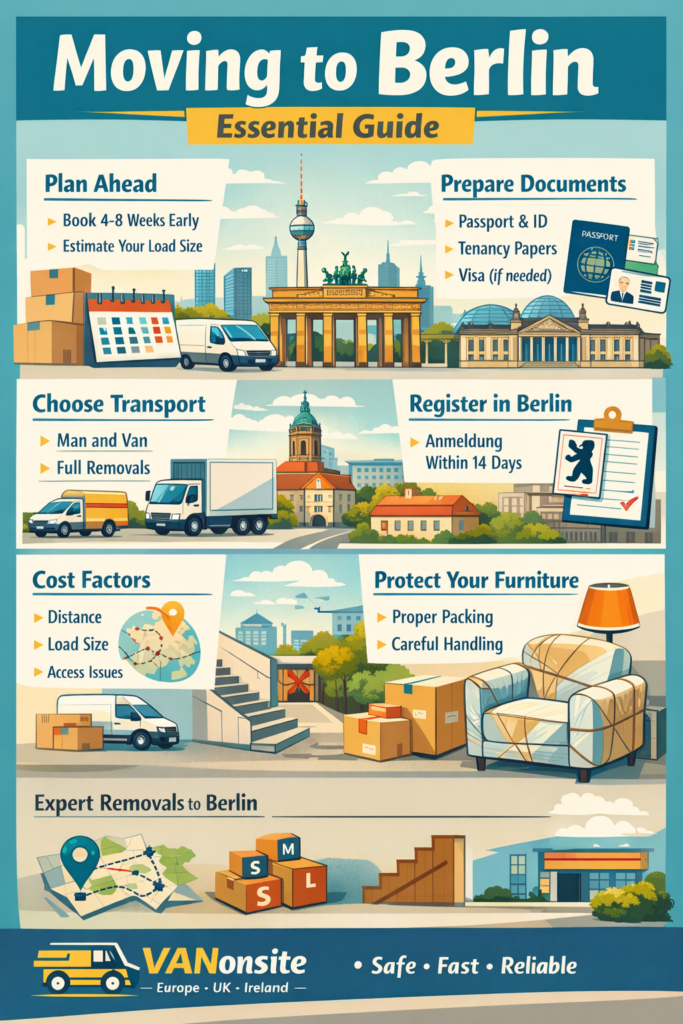
- Book your move 4 to 8 weeks early to get better availability, smoother planning, and more control over costs.
- Choose the right vehicle size from the start, because underestimating volume is one of the fastest ways to create delays and stress.
- Prepare key documents before departure, especially your tenancy papers, ID, and any visa or customs paperwork that may apply.
- Plan your Berlin address registration quickly, as the city generally expects residents to register within 14 days of moving in.
- Use a man and van service for smaller, flexible moves, but choose full removals support for family homes, bulky furniture, or long-distance relocations.
- Protect furniture with proper packing, careful loading, and professional handling, especially for fragile or high-value pieces.
- If you want a safer, faster, and more organised move, VANonsite offers European transport, GPS-tracked loads, and flexible moving options for every load size.




Why Moving to Berlin Attracts So Many People
There is a reason Berlin keeps drawing in professionals, students, families, and founders from across Europe and beyond. The city offers momentum. It feels open, connected, and full of new chances.
For many people, moving to Berlin is not only about a change of address. It is about building a different kind of life. Berlin combines economic opportunity with cultural energy in a way few capitals manage. It gives people room to grow.
Why people choose Berlin:
- a vibrant job market across tech, healthcare, logistics, education, and creative industries
- a multicultural atmosphere that helps newcomers settle faster
- a powerful student scene with strong international appeal
- excellent rail, road, and airport connections
- easy access to the wider German and European market
Berlin is also a city of contrasts. Mitte feels polished and central. Friedrichshain is louder, younger, and more electric. Charlottenburg offers a calmer, more classic pace. That variety is part of the appeal. It allows people to shape a lifestyle that actually fits them.
Still, excitement alone is not enough. A successful relocation depends on details. When deadlines, valuables, paperwork, and transport all collide, careful planning becomes your real safety net.
The First Things to Do Before Moving to Berlin
The shortest answer is simple: book your move early, prepare your documents, calculate your transport volume honestly, and do not underestimate how much time packing takes. Those four steps alone can remove a huge amount of pressure.
That sounds simple on paper, but this is where most people either build a smooth relocation or create stress they will carry for weeks. Moving to Berlin is much easier when you break the process into clear stages instead of trying to solve everything at once. A strong plan protects your time, your budget, and your energy.
When planning moving to Berlin, use this sequence:
- Set your ideal moving date
- Estimate how many boxes and pieces of furniture you need to transport
- Decide whether you need help with packing
- Check your housing, registration, and immigration requirements
- Confirm your visa or residence pathway if it applies to you
- Book transport as early as possible, especially in peak months
- Prepare a first-72-hours essentials bag
| Task | Ideal Time Before Move | Why It Matters |
|---|---|---|
| Compare housing areas | 8 to 12 weeks | Helps avoid rushed rental decisions |
| Book moving service | 4 to 8 weeks | Better availability and pricing |
| Sort and declutter | 3 to 6 weeks | Reduces volume and cost |
| Prepare documents | 2 to 4 weeks | Lowers the risk of admin delays |
| Pack essentials | 2 to 3 days | Makes arrival smoother |
Start with the moving date because almost every other decision grows from it. Your transport window, housing handover, notice period, travel arrangements, and even the price of the move will often depend on timing. If you can avoid peak weekends and last-minute bookings, you usually gain more flexibility and a better chance of securing the transport option you really want.
Next, be brutally honest about volume. This is where people get caught out. A few boxes quickly become fifteen. A bed, sofa, table, office chair, bike, and stacked storage containers suddenly turn a “small move” into something far more demanding. When moving to Berlin, accurate volume planning is not just useful. It can save you from wasted money, delivery delays, or the nightmare of discovering that the van is too small.
Packing decisions matter more than most people expect. If you are short on time, moving with children, relocating for work, or transporting fragile furniture, professional packing can be a game-changer. It reduces physical strain, protects delicate items, and helps the entire move run with more discipline. In many cases, that means fewer surprises and a smoother arrival.
Then comes the paperwork stage. This part is easy to postpone because it feels less urgent than boxes and furniture. Yet it can become the most frustrating barrier after arrival if ignored. Before moving to Berlin, check your tenancy documents, registration requirements, immigration path if applicable, and any customs details tied to your belongings. Even one missing piece of information can slow down the first days in your new home.
Finally, think beyond move day itself. Prepare an essentials bag with documents, medication, chargers, toiletries, a change of clothes, and basic items you will need immediately. The first evening after a big move can feel chaotic. That one prepared bag can feel like a lifeline.
The biggest mistake people make here is optimism. They assume the move will somehow organise itself. It rarely does. A single forgotten item, like proof of address or missing inventory details, can create an annoying chain reaction. On the other hand, a clear timeline makes the whole process feel lighter. It replaces panic with momentum.
How Much Does Moving to Berlin Cost?
The cost of moving to Berlin depends on a mix of practical factors. Distance matters, of course. But so do access, load size, urgency, and the level of service you choose.
A small student relocation from a nearby European city may cost far less than a full family move with packing, storage, and large furniture handling. The difference can be dramatic because every added layer changes the time, labour, and transport requirements.
Many people search for one clear number, but the real answer is more nuanced. The price of moving to Berlin is shaped by how complex the move is, not only by how far the van needs to travel. Two customers can move from the same country and pay very different amounts simply because one has a compact flat and the other has a full household with difficult access and fragile items.
The final price is often shaped by:
- your country of origin
- the total number of items
- floor level and lift access
- whether disassembly and reassembly are needed
- whether you need packing support
- storage requirements
- urgent or last-minute scheduling
- fragile, bulky, or premium items that require extra protection
What can increase the final moving price:
- narrow staircases
- no lift access
- long walking distance from van to property
- oversized furniture
- urgent weekend bookings
- extra stopovers
Transport size is one of the biggest cost drivers in any move.
| Service Option | Load Volume | Weight Limit | Best For |
|---|---|---|---|
| Moving One | 1 m3 | 100 kg | Boxes, suitcases, essentials |
| Moving Basic | 5 m3 | 300 kg | Small room move |
| Moving Medium | 10 m3 | 500 kg | Studio or partial flat move |
| Moving Premium | 15 m3 | 1100 kg | 1-bedroom home move |
| Moving Premium Plus | 30 m3 | 3500 kg | Family move or office load |
| Moving Full House XXL | 90 m3 | 20000 kg | Large home relocation |
This table gives you a much sharper sense of what your move may actually need. If you are transporting a few personal items, a compact solution may be enough. If you are relocating a flat or family home, choosing a larger vehicle from the start is often the safer and more economical move. Underbooking can be brutally expensive once time, delays, and extra transport are factored in.
There is another layer people often forget: risk. A low quote may look attractive at first glance, but a cheap move that causes damage, arrives late, or fails to match the real load size can become the most expensive option in the end. That is why value matters more than the headline price.
This is where experience matters. VANonsite offers a wide spread of vehicle sizes, which means you are less likely to overpay for unused space or underbook and create chaos on move day. That balance is powerful. It keeps the move efficient without cutting corners. Add secure handling, fast coordination, and GPS tracking for every load, and the move becomes far more controlled.
For many customers, the smartest path is not the cheapest one. It is the option that gives the best mix of price, protection, speed, and peace of mind. When moving to Berlin, that balance can make the difference between a stressful scramble and a move that feels impressively smooth.
Choosing the Right Transport Option for Moving to Berlin
Not every move needs the same solution. Some people need a quick, sharp, flexible service for a few pieces and boxes. Others need a full removals setup with careful planning, packing, and transport over a longer distance.
The smartest way to choose is to match the service to your real load, not to your wishful estimate. That one decision influences budget, speed, convenience, and how much strain the move puts on you.
When a man and van service is enough
A man and van option can be ideal for compact moves. It works especially well for students, people relocating from a room in a shared flat, or anyone transporting a relatively small number of items. If your move is time-sensitive and you do not need a huge vehicle, this can be a practical and cost-conscious choice.
It is also a strong fit for last-minute moves. If the job is focused, the route is clear, and the volume is moderate, a man and van service can feel refreshingly efficient.
This type of service is especially attractive when speed matters more than complexity. If you have boxes, a desk, a mattress, some chairs, and personal items, a man and van solution can remove a huge amount of friction without forcing you into a larger service than you actually need.
When you need a larger removals service
If you are moving a full flat, a family home, or a mixed load with bulky furniture, you will probably need more than a small van. Large removals give you greater capacity, stronger planning support, and a better margin of safety for long-distance transport.
This becomes especially important when moving to Berlin from another country. Cross-border transport rewards structure. A bigger, professional removals setup reduces the risk of miscalculations, delays, and damage.
It also helps when your move includes multiple rooms, heavy items, children’s furniture, appliances, or a large number of fragile objects. In these cases, choosing a more robust service is not excessive. It is sensible.
When premium support makes sense
Some moves are not just about volume. They are about value. If you own designer furniture, fragile glass pieces, antiques, or high-end office equipment, premium handling is worth serious consideration.
White glove style support is not about luxury for the sake of it. It is about reducing risk when the stakes are high. A premium table or custom-made cabinet can be far more expensive to repair or replace than the cost of better transport and careful handling.
A standard move may need:
- loading and unloading
- furniture protection
- route planning
- timing coordination
A complex move may also need:
- professional packing
- temporary storage
- white glove handling
- same-week scheduling
If you are unsure which option fits, think in terms of pressure points. Are you short on time? Are you moving valuable furniture? Are you dealing with a family schedule, a work deadline, or a long route across Europe? The more pressure points you have, the more valuable professional coordination becomes.
For customers moving to Berlin, the ideal service is rarely the biggest or the smallest by default. It is the one that matches the size, urgency, and sensitivity of the move with precision. That is exactly where an experienced removals company earns trust.
Documents You May Need When Moving to Berlin
Paperwork is one of the least glamorous parts of relocation, but it can decide how smooth your first weeks in Germany feel. The exact documents depend on your nationality, work status, and reason for moving. Still, there are a few basics that almost everyone should prepare early.
When people imagine moving to Berlin, they usually picture boxes, van sizes, and flat keys. The paperwork side often feels invisible until it suddenly becomes urgent. That is why it pays to prepare the essential documents before the move, not after you arrive tired, busy, and surrounded by unopened boxes.
A well-prepared folder can save you hours of stress in the first week alone. It also gives you a much stronger sense of control. Instead of chasing missing information, you can focus on settling in, setting up your home, and getting your daily life moving.
Address registration after arrival
If you move into a home in Berlin, you generally need to register your address. The Berlin service portal states that registration should usually be completed within 14 days of moving in. You can check the official information here: Berlin address registration and Moving to Berlin registration offices.
This registration, known as Anmeldung, is not a minor detail. It often connects to bank setup, tax matters, mobile contracts, and other daily basics. In practical terms, it is one of the first admin tasks you should prioritise after moving to Berlin.
What makes this step so important is the ripple effect. Without address registration, many other parts of life in Germany can become slower, more frustrating, or temporarily blocked. That is why smart movers treat Anmeldung as a priority, not an afterthought.
Before your appointment, make sure you have the right documents ready. Depending on your situation, that may include your passport or ID card, your tenancy agreement, and the landlord confirmation form known as Wohnungsgeberbestätigung. Missing one small document can mean losing valuable time and having to book another appointment.
What to prepare for Berlin address registration:
- passport or national ID
- tenancy agreement
- Wohnungsgeberbestätigung from the landlord or property provider
- registration form if required for your appointment type
- marriage or birth records if they apply to family registration cases
Visa and residence permit pathways
If you are moving from outside the EU, EEA, or Switzerland, visa and residence rules may apply depending on your purpose for entering Germany. The German government’s official portal explains entry routes, visa processes, and residence permit types here: Entry and visa process, Visa types, and the Berlin Immigration Office.
This area can feel intimidating, especially if your move is linked to work, study, or family reunification. The safest approach is simple: check the route that matches your exact reason for moving before booking anything that cannot be changed.
It also helps to think about timing in a realistic way. Some people assume immigration steps can be handled casually after arrival. In practice, even a small misunderstanding about entry conditions, appointment timing, or required supporting documents can create serious delays. When moving to Berlin, immigration planning deserves the same care as transport planning.
Different categories of movers often need different proof. Workers may need employment contracts or offer letters. Students may need university admission documents and proof of funds. Family reunification cases may require civil status documents. The exact path varies, which is why official guidance matters so much.
Documents often linked to visa or residence processes:
- valid passport
- visa application documents where applicable
- employment contract or job offer
- university acceptance letter if studying
- proof of accommodation
- proof of health insurance
- proof of finances if required
- biometric photos and appointment confirmations where relevant
Customs rules for household goods
If you are bringing household goods from a non-EU country, customs rules may matter. German customs explains that relief for personal property linked to a transfer of residence is generally subject to conditions, and the process is tied to a 12-month period after relocating your normal place of residence to Germany. Official guidance is available here: German customs guidance for transferring residence.
This is one of those areas where clean paperwork can save both time and money. Inventory lists, ownership details, and timing matter more than many people realise.
Customs can sound cold and technical, but in reality it is about proving that the goods you are bringing form part of a genuine household move. If the paperwork is disorganised, the process can become far more complicated than it needs to be. If it is clear and complete, you give yourself a much smoother path.
Before moving to Berlin with household goods from outside the EU, it is wise to create a detailed inventory. Keep it readable, realistic, and well structured. You do not need a dramatic catalogue. You need a clear record of what is being moved and why it belongs within your relocation.
Useful customs-related paperwork may include:
- detailed inventory list
- proof of previous residence abroad
- proof of new residence in Germany
- ownership evidence for selected items if relevant
- passport or ID documents
- shipping and transport paperwork
Driving licence considerations
If you are bringing a car or plan to drive in Germany, check whether your driving licence remains valid and whether an exchange is required. Start with official information such as this federal service page and Berlin’s driving licence service information.
This point is easy to overlook because it does not feel urgent on moving day. Yet it can quickly become important if you rely on driving for work, school runs, or daily errands. Rules can differ depending on where your licence was issued, so assumptions are risky.
If driving is part of your routine, check the rules before departure rather than weeks later. It is one more example of how moving to Berlin becomes easier when practical details are handled early.
Useful documents to prepare before moving to Berlin:
- passport or national ID
- tenancy agreement
- employment contract or university confirmation
- proof of health insurance
- visa documents if required
- inventory list for the move
- customs paperwork if required
- driving licence documents if bringing a vehicle
The deeper truth is simple. The more organised your paperwork is before departure, the faster Berlin starts feeling like home instead of an obstacle course.


Best Berlin Areas to Consider Before You Move
Berlin does not have just one personality. That is part of its charm, but it can also make choosing where to live surprisingly difficult. The right district can shape your commute, social life, stress level, and even how expensive your weekly routine feels.
One of the biggest mistakes people make before moving to Berlin is searching for a flat without thinking deeply enough about daily life. A district may look perfect in photos, yet feel completely wrong once your real routine begins. A short commute, nearby green space, a calmer atmosphere, or easier family logistics can matter far more than trend value.
That is why choosing an area should never be treated like a cosmetic decision. It is a quality-of-life decision. The district you choose will influence your mornings, your social circle, your travel times, and even how tiring the city feels week by week.
| Area | Best For | General Feel |
|---|---|---|
| Mitte | Professionals, first-time expats | Central, polished, well connected |
| Prenzlauer Berg | Families, young professionals | Residential, stylish, calm |
| Friedrichshain | Students, creatives | Energetic, social, lively |
| Neukolln | Trend-focused renters, internationals | Dynamic, diverse, evolving |
| Charlottenburg | Established professionals | Elegant, classic, convenient |
If you want convenience and a very central base, Mitte often feels like the obvious choice. It is well connected, practical, and attractive for people who want to stay close to major business areas, tourist landmarks, and fast transport links. For many newcomers, it offers a confident starting point.
Prenzlauer Berg has a softer rhythm. It is often associated with families, cafés, parks, and a more settled atmosphere. If your idea of city life includes leafy streets, a calmer pace, and a neighbourhood feel, this part of Berlin can be very appealing.
Friedrichshain has a different pulse. It is lively, youthful, and often full of movement. Many students, young professionals, and creatives are drawn to its energy. If you want nightlife, social activity, and a sense that the city is always in motion, Friedrichshain often delivers.
Neukolln is dynamic and layered. It attracts a broad mix of people and has built a reputation as a district that keeps evolving. For renters who want energy, diversity, and a more fast-changing urban environment, it can be a strong contender.
Charlottenburg feels more classic and composed. It often appeals to people who want a more polished, established atmosphere without giving up convenience. For professionals or families who prefer structure over intensity, it can feel like a very comfortable fit.
Before moving to Berlin, think about your real daily habits. Do you need green space, quiet mornings, nightlife, school access, or a quick commute? A beautiful flat can lose its shine fast if the location works against your life.
Questions worth asking before choosing a Berlin district:
- How long will your commute really be door to door?
- Do you want a quieter or more social neighbourhood?
- Will you need schools, parks, or childcare nearby?
- Do you rely on late-night public transport?
- Would you rather live centrally or have more breathing space?
There is no perfect district for everyone. The best area is the one that fits the version of Berlin you actually want to live in, not the one that simply sounds the most fashionable online.
Packing Tips That Make Moving to Berlin Easier
Packing badly is expensive. It does not just increase the chance of breakage. It also steals time, creates confusion, and drains your energy when you need it most. One badly packed box can slow unloading. Ten badly packed boxes can turn arrival day into chaos. That is why smart packing is one of the most powerful ways to make moving to Berlin feel organised from the very start.
The secret is not perfection. It is structure. Start with a room-by-room system and keep it consistent. That one habit makes packing faster, loading clearer, and unpacking far less painful. It also helps you avoid the classic problem of mixing kitchen items, cables, books, toiletries, and important papers into random boxes that become impossible to track later.
When moving to Berlin, it helps to think of packing in layers. The first layer is protection. The second is labelling. The third is access. You want your belongings protected, your boxes clearly marked, and your most important essentials easy to reach from the first minute you arrive.
Practical packing tips:
- pack room by room
- label every box clearly on at least two sides
- separate fragile, urgent, and high-value items
- keep chargers, medicine, and documents in one personal bag
- protect furniture corners and delicate surfaces
- take photos of cable setups before disconnecting electronics
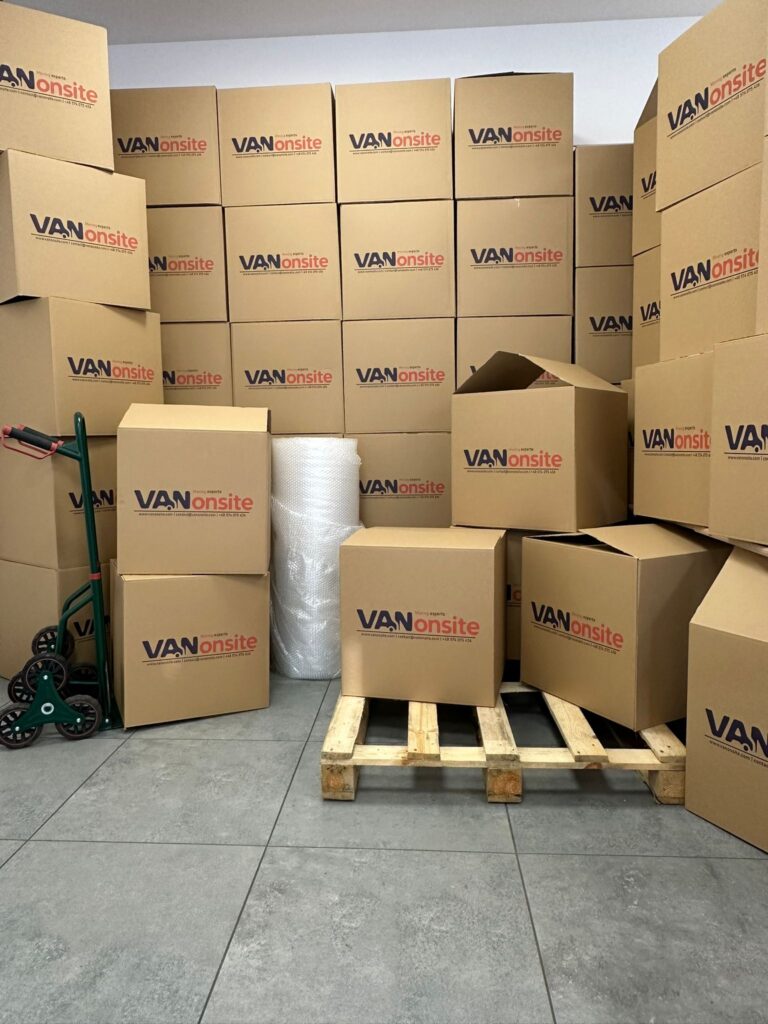
These basics sound almost too simple, yet they solve most moving-day problems before they begin. If a box is labelled clearly and packed with similar items, loading becomes faster and unpacking becomes more logical. If fragile items are grouped correctly and cushioned properly, the risk of breakage drops sharply. Small systems create big calm.
It also pays to declutter before you start sealing boxes. There is no sense in paying to transport broken lamps, clothes you never wear, or kitchen items you have not touched in three years. Every unnecessary item adds volume, weight, and cost. For many people moving to Berlin, a short decluttering session cuts the load by 10% to 20%, which can make the whole move leaner and more affordable.
How to pack smart for a cross-border move
International and long-distance moves need more discipline than a local relocation across one city. Boxes may be handled multiple times. Furniture may stay in transit longer. Timing can be tighter. That is why materials matter.
Use sturdy boxes, strong tape, and proper protective wrap instead of improvised packaging that tears halfway through the move. Soft items like towels or bedding can help cushion some belongings, but fragile objects still deserve proper wrapping. Plates should be packed vertically, glass should be separated carefully, and electronics should be cushioned so they do not shift in transit.
Best items to pack together by category:
- books with books, never mixed with fragile kitchenware
- plates, bowls, and glassware in reinforced kitchen boxes
- chargers, routers, and cables with labelled electronics kits
- bedding and towels in clearly marked soft-goods boxes
- important personal items in one essentials bag you keep with you
A little discipline here pays off twice. First, it protects your things. Second, it makes the first week after moving to Berlin much easier because you can actually find what you need without tearing open every box in the flat.
What to pack for the first 72 hours in Berlin
Your first days should not depend on finding one missing box out of twenty. Create a survival kit for the first 72 hours. Think of it as your landing pack. It should cover the basics of sleeping, washing, charging devices, preparing simple food, and handling documents.
Your first-days survival kit:
- ID and key documents
- phone chargers
- toiletries
- medication
- a change of clothes
- basic kitchen essentials
- bedding
- internet setup details
This kit matters more than people expect. The first evening after a long relocation is rarely elegant. You may be tired, hungry, and surrounded by sealed boxes. Having your essentials within arm’s reach turns that first night from stressful to manageable.
Packing fragile, valuable, and sentimental items
Some belongings are expensive. Others are emotionally priceless. Family photos, artwork, inherited objects, instruments, design pieces, and fragile glassware should never be packed in a rushed, improvised way.
Wrap delicate items individually. Fill empty spaces in boxes so things cannot slide. Mark fragile cartons clearly, but also pack them tightly enough that contents do not shift with every turn of the van. If you have especially valuable items, consider keeping selected pieces with you or choosing a higher level of moving support.
Items that deserve extra packing attention:
- artwork and framed prints
- mirrors and glass décor
- laptops and monitors
- coffee machines and kitchen appliances
- cameras and audio equipment
- sentimental keepsakes and documents
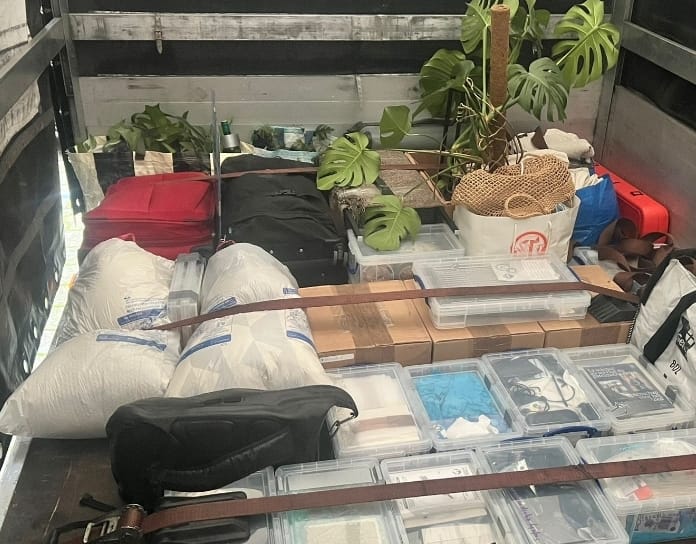
A professional packing service can reduce breakage risk dramatically, especially when the move includes glass, electronics, artwork, or complex furniture. It can also save hours of exhausting prep. That matters when the calendar is already packed with travel, contracts, and registration appointments. For many people, it is not just a convenience. It is a stress-saving decision.
How to Move Furniture to Berlin Without Damage
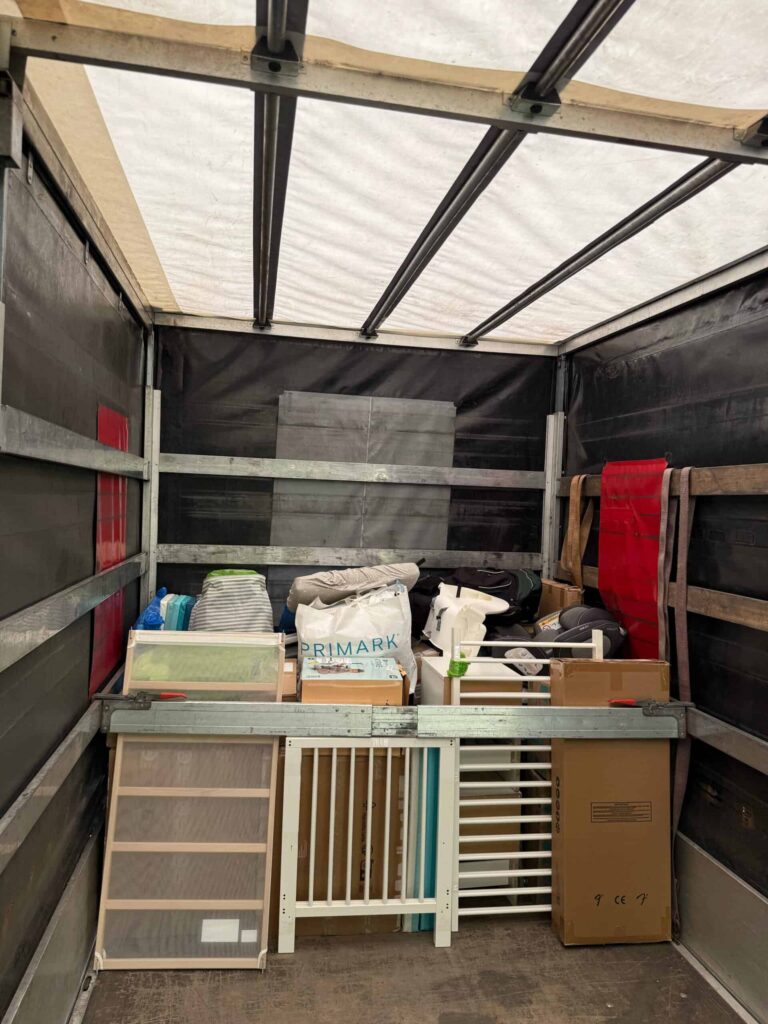
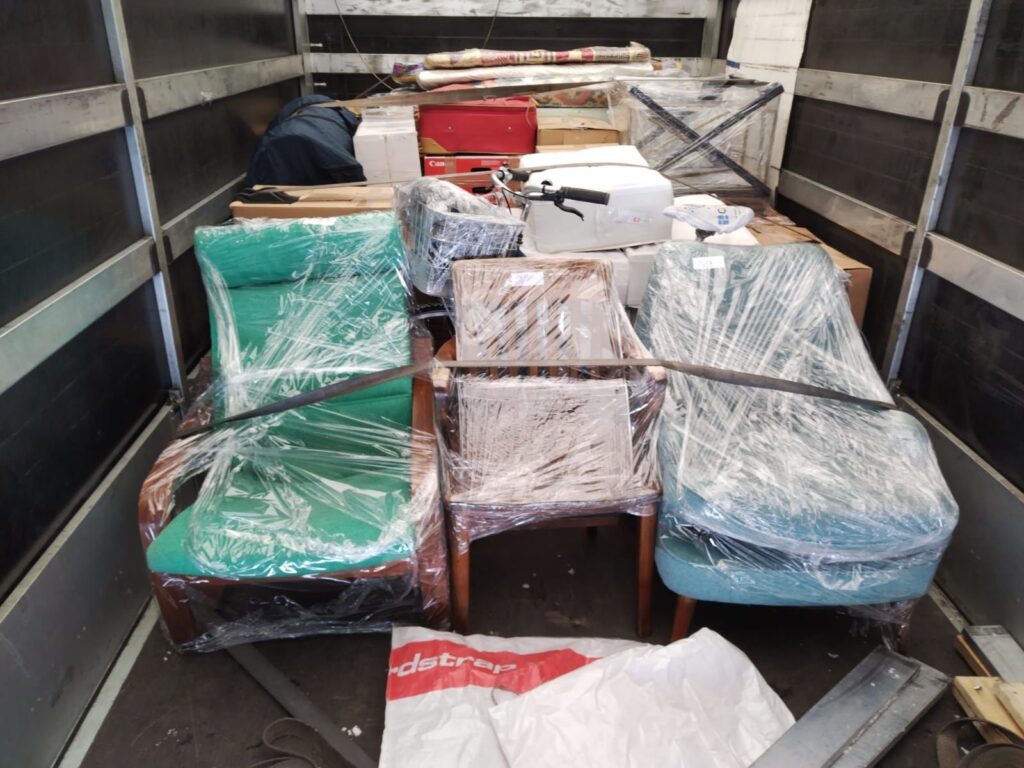
Furniture is often the emotional centre of a move. It is bulky, expensive, awkward, and surprisingly vulnerable. One careless lift on a staircase can scratch solid wood. One bad angle can crack glass. One rushed loading decision can damage an item you have owned for years. That is why furniture care deserves far more attention than people usually give it.
The main risks are predictable: scratched wood, cracked glass, loose fittings, dented corners, and rushed lifting. The solution is equally clear. Use proper wrapping, protect edges, disassemble when needed, and make sure loading is done by people who understand weight distribution and safe handling.
When moving to Berlin, furniture damage often happens in three moments: during disassembly, while carrying items through tight access points, and while loading or unloading the van. If those stages are handled well, the move becomes dramatically safer.
Furniture removals for delicate or oversized items
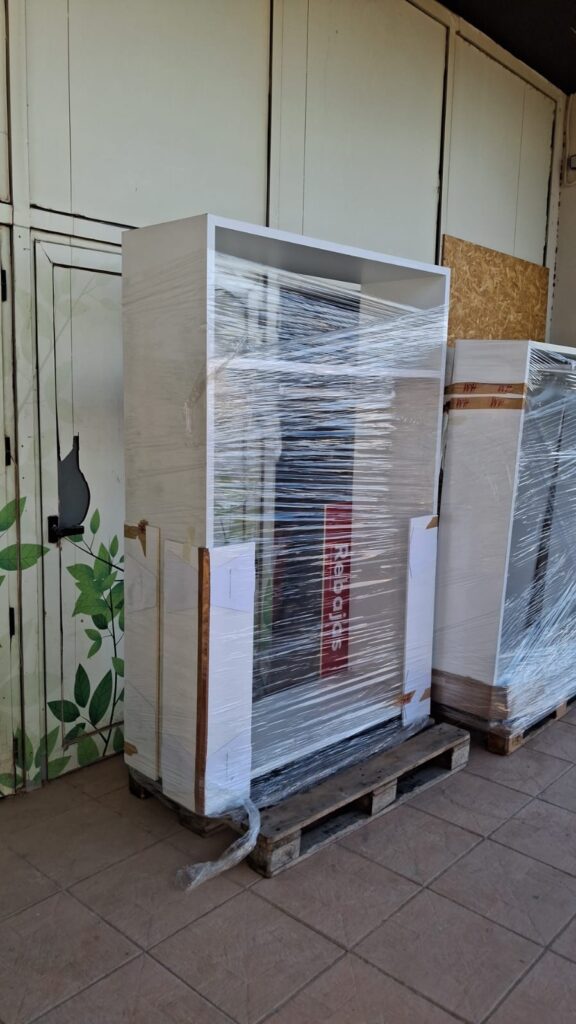
Large wardrobes, bed frames, mirrors, tables, and office desks often need more planning than people expect. Door clearances, stair angles, lift size, and van loading order all matter. Professional furniture removals take those details seriously because small mistakes become expensive very quickly.
Before transport, it is wise to measure larger pieces and compare them to doors, corridors, stairwells, and lift dimensions. If a wardrobe must be dismantled, do it methodically and store screws, fittings, and tools in labelled bags. If a table has delicate legs or a fragile top, wrap each vulnerable point separately instead of assuming one blanket is enough.
That is one reason VANonsite stands out in a practical way. The company is built for European transport, which means furniture moves are handled with speed, structure, and close attention to protection. For customers moving to Berlin, that kind of experience can mean fewer mistakes, cleaner handling, and a far more predictable move day.
Furniture moving checks before loading:
- measure large items before move day
- remove shelves, legs, and loose parts where needed
- bag and label screws, bolts, and fittings
- wrap corners, edges, and glass sections carefully
- keep heavy items balanced and upright where possible
How to protect furniture in transit
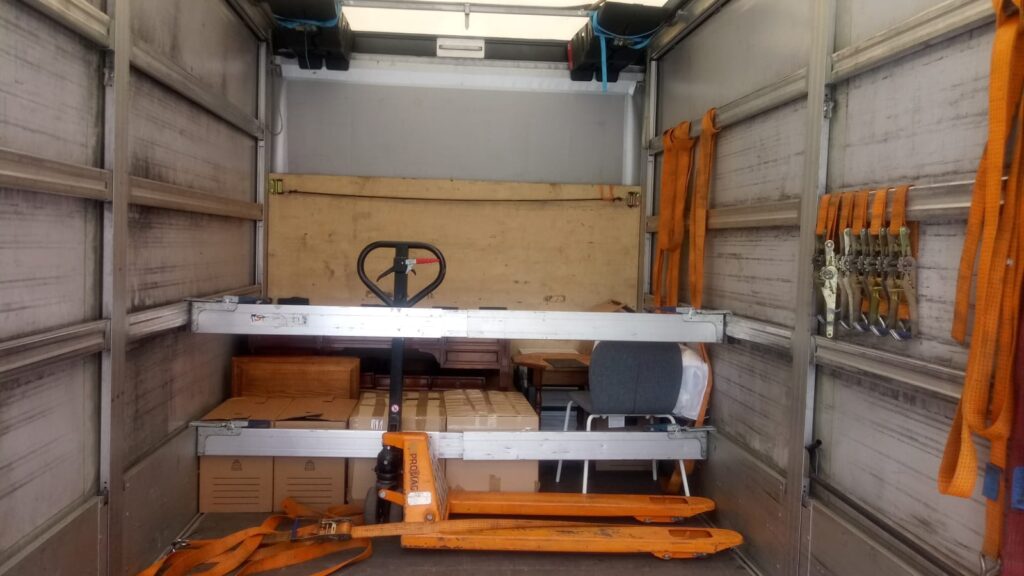
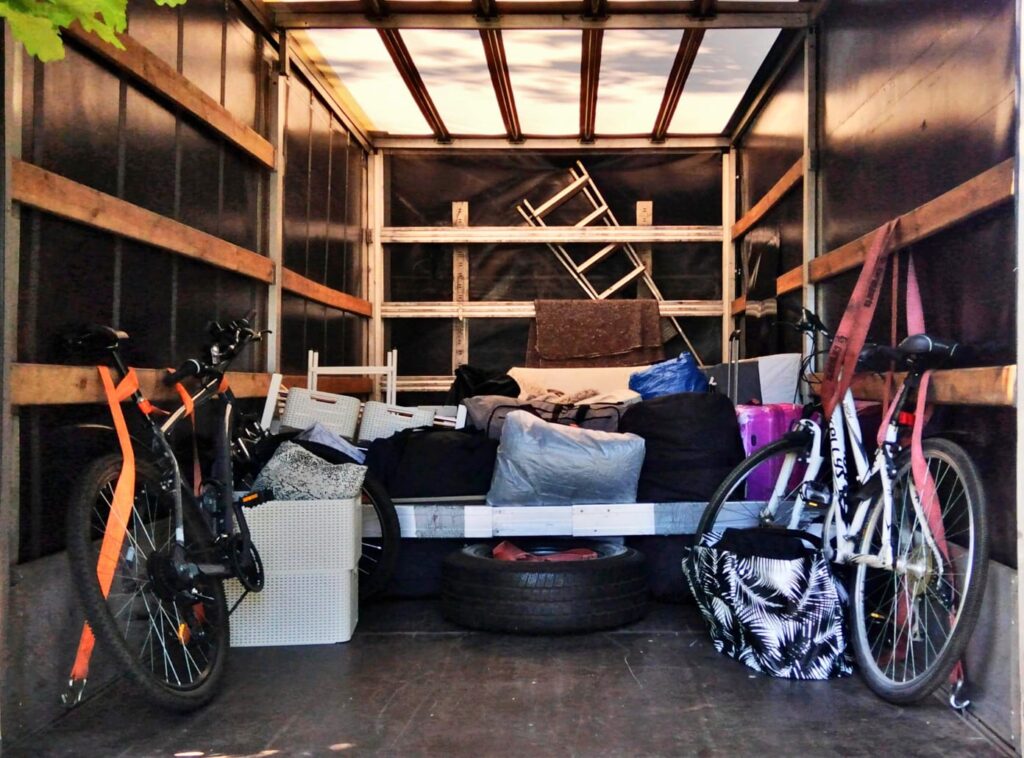
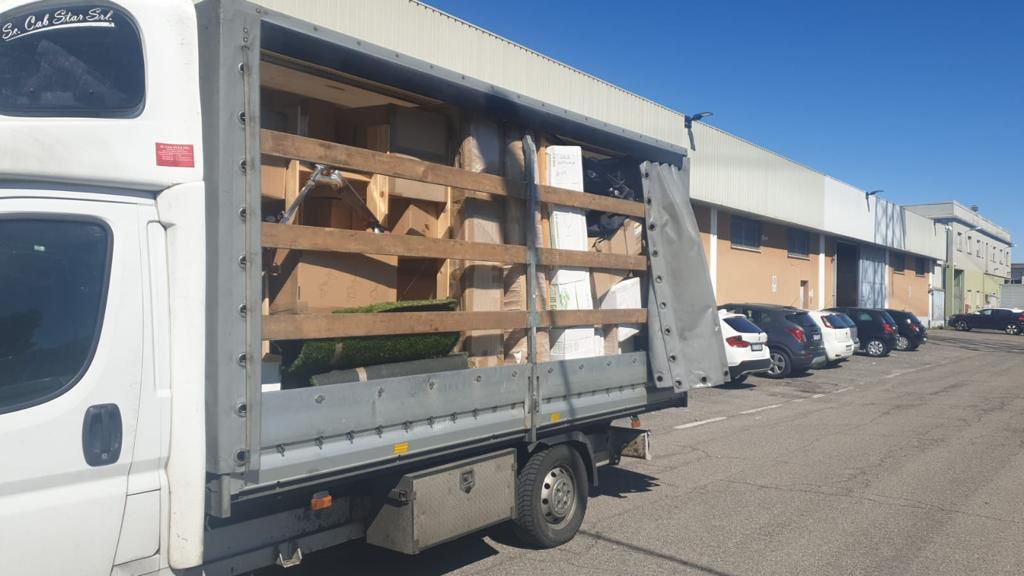
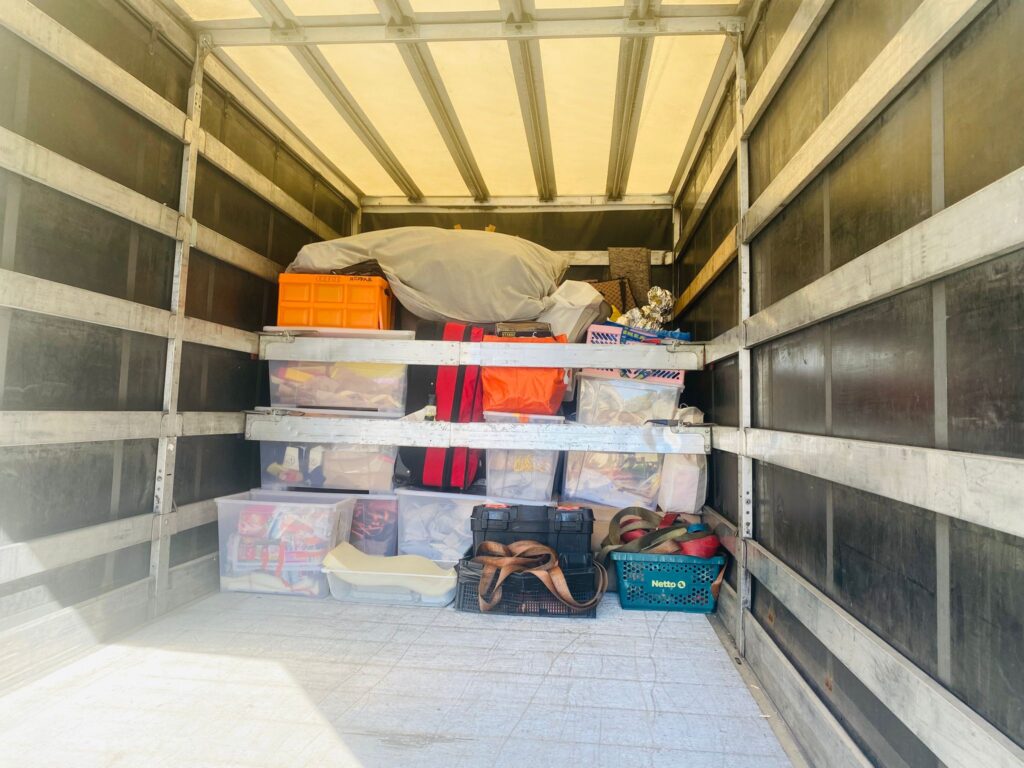
Transit is not just about distance. It is about movement. Even a short route can damage furniture if pieces are packed loosely, stacked poorly, or allowed to shift while driving. Padding, strapping, and loading order all matter.
Heavier furniture should usually go in first so it creates a stable base. Fragile or polished items should never be crushed under random boxes. Mattresses should be protected from dirt and moisture. Sofas should be wrapped to keep fabric clean and corners safe. Glass should be separated from pressure points, not placed where it can flex or absorb impact.
If you are using a man and van service for a smaller move, these principles still matter just as much. A smaller load does not automatically mean a safer one. Protection, restraint, and smart loading are what make the difference.
When white glove delivery is worth it
White glove support becomes valuable when the item itself is valuable. If you are transporting antiques, designer chairs, premium tables, or fragile display cabinets, extra care is not a luxury. It is a shield against avoidable loss.
This kind of service makes sense when the cost of damage would be painful, whether financially or emotionally. For premium furniture, custom pieces, and high-end interiors, more careful handling can be one of the best decisions you make during moving to Berlin.
Furniture that often needs extra care:
- wardrobes
- bed frames
- dining tables
- mirrors
- glass cabinets
- office desks
- designer chairs
There is also a psychological benefit here. When your most valuable pieces are handled with precision, the whole move feels less risky. That calm matters. It helps turn a move from something tense and exhausting into something more controlled and professional.
When moving to Berlin, the cheapest transport option is not always the smartest. A broken piece can cost far more than the difference between basic and professional handling.
Moving to Berlin With Family, as a Student, or for Work
Not every relocation has the same emotional weight. A student move might be fast and budget-driven. A family move can feel deeply personal and highly complex. A work relocation usually comes with deadlines that leave little room for mistakes. The smartest approach is to plan the move around real life, not around a generic checklist.
When moving to Berlin, your priorities change depending on who you are moving with, why you are relocating, and how tight your timeline is. A family may care most about routine and stability. A student may focus on flexibility and budget. A professional starting a new role often needs precision, speed, and dependable timing.
Moving to Berlin with children
Family moves reward structure. You need to think about safety, daily routine, bedding, school logistics, and the emotional comfort of children who are adjusting to a new environment. In these cases, packing support and organised delivery windows can make a major difference.
Children feel a move very differently from adults. What looks like an exciting next chapter to you can feel uncertain and unsettling to them. Familiar objects, predictable routines, and a calmer unpacking process can soften that shock. That is why family relocations benefit from careful sequencing rather than rushed improvisation.
Before moving to Berlin with children, try to separate what is essential from what can wait. Bedding, favourite toys, school items, snacks, toiletries, and comfort objects should be easy to access as soon as you arrive. If everything important disappears into the main moving load, the first 24 hours can feel much harder than they need to.
It also helps to reduce decision fatigue. The fewer chaotic choices you leave for move day, the more energy you keep for the parts that actually matter. That includes helping your children settle, checking the new home, and dealing with the emotional side of transition.
Family move essentials to keep close:
- children’s bedding and pyjamas
- favourite toys or comfort items
- school or nursery documents
- snacks and easy meals
- medicine and first-aid basics
- chargers, tablets, and headphones for travel
For families, professional support often creates more than convenience. It creates breathing room. With better scheduling, secure loading, and optional packing help, the whole process becomes less frantic and more manageable.
Student moves to Berlin
Students often need a leaner solution. Smaller loads, tighter budgets, and flexible timing make a man and van service especially attractive. If you are moving into student housing or a shared flat, a compact transport option may be exactly the right fit.
Student relocations usually move fast. You may be coordinating a tenancy start date, shared accommodation rules, travel plans, and university admin at the same time. That makes flexibility incredibly valuable. A smaller, smarter setup often works better than overcomplicating the move.
If you are moving to Berlin as a student, it helps to think in terms of essentials first. Clothes, books, a laptop, a desk chair, a mattress, and a few personal items may be enough to start well. You do not need to recreate your entire life on day one. You need a practical, comfortable base that lets you settle quickly.
A man and van option can be especially effective for student moves because it keeps the process simple. It suits room-sized loads, partial flat moves, and flexible routes. It can also be a strong choice when you are moving last minute or working with a limited budget.
Student move priorities often include:
- affordable transport
- flexible dates
- enough space for key furniture and boxes
- fast loading and unloading
- support for shared-flat access and tight urban streets
For many students, the smartest move is not the largest service. It is the one that matches the real size of the load, avoids wasted spending, and gets the essentials to Berlin safely and on time.
Relocating to Berlin for a new job
Work relocations often move at full speed. Contracts are signed, start dates are fixed, and there is pressure to arrive ready. In that situation, reliability matters as much as price. Delays are not just annoying. They can disrupt your first week of work.
A job-related move usually comes with much tighter margins. You may have limited time off, a fixed start date, a new office address, and a calendar already full of onboarding tasks. That is why the moving process needs to feel precise rather than unpredictable.
When moving to Berlin for work, transport delays can create more than inconvenience. They can affect your first impressions, your sleep, your focus, and your ability to start well. A missing desk, late delivery, or poorly timed arrival can ripple into the first days of a new role.
That is why professionals often benefit from a service built around timing discipline, route coordination, and clear communication. If you need selected items fast, careful load planning becomes especially useful. If you are moving home office equipment, screens, chairs, or work materials, protective handling matters even more.
Work relocation priorities often include:
- exact timing
- secure transport for electronics and office items
- fast turnaround
- minimal disruption before the first working day
- clear communication throughout the move
For career-related relocations, peace of mind is part of the value. When the move runs cleanly, you can focus on your new role instead of firefighting avoidable problems.
| Move Type | Main Priority | Best Service Angle |
|---|---|---|
| Family relocation | Safety and structure | Home removals + packing |
| Student move | Affordability and flexibility | Student removals + man and van |
| Work relocation | Speed and reliability | Fast cross-border removals |
| Office move | Coordination and minimal downtime | Office removals |
The common thread is simple. Different movers need different strengths. The best service is the one that fits the emotional reality, practical load, and timing pressure of the move itself.
Common Mistakes People Make When Moving to Berlin
Even smart people make avoidable moving mistakes. Usually not because they are careless, but because relocation compresses too many decisions into too little time. That pressure makes people guess, rush, or postpone important steps until the last possible moment.
When moving to Berlin, small oversights can quickly become expensive. One missing document can delay registration. One badly judged load size can derail move day. One poorly packed furniture piece can arrive damaged. The good news is that most of these problems are predictable, which means they are also preventable.
Here are the most common problems:
- Underestimating how much they need to transport
- Booking too late
- Forgetting access problems like stairs, parking, or lift restrictions
- Packing important documents inside the main moving load
- Ignoring registration deadlines
- Choosing the cheapest option instead of the safest one
- Failing to measure large furniture before move day
Underestimating the real load size
This is one of the most common mistakes in any relocation. People picture the move in broad strokes and forget how quickly volume builds. Extra chairs, loose storage boxes, plants, lamps, sports equipment, and small furniture pieces all add up. Suddenly the move no longer fits the original plan.
That is why accurate volume planning matters so much when moving to Berlin. It protects your budget, your timing, and your sanity.
Booking transport too late
Late booking shrinks your options. It can mean fewer vehicle choices, less flexibility, higher prices, and more compromise. Peak dates, weekends, and month-end periods can become especially competitive.
Booking early gives you a wider choice of service levels and a stronger chance of matching the move to the right van size and schedule.
Ignoring access and property details
A move can look simple until the van arrives and reality bites. Narrow staircases, no lift, long walking distances from parking, access restrictions, and awkward building layouts all change how the move needs to be handled.
These details are not minor. They influence labour, timing, and risk. Good planning means flagging them early, not on the day itself.
Losing control of paperwork
Important documents should never disappear into the main moving load. Tenancy papers, IDs, insurance details, contracts, registration forms, and customs-related documents should stay with you.
When moving to Berlin, paperwork is not background admin. It is part of the move itself. Keeping it organised can save you from some of the most frustrating delays.
Choosing price over value
A low price can be seductive, especially when the move already feels expensive. But the cheapest option is not always the smartest one. A badly matched service, weak communication, poor handling, or a late arrival can cost more in the long run than a stronger provider with better organisation.
This is where trust matters. Secure handling, realistic load planning, and clear communication are not extras. They are often the difference between a smooth move and a painful one.
Forgetting to measure large items
Wardrobes, sofas, bed frames, desks, and dining tables often create trouble when nobody checks dimensions in advance. If a large item cannot get through the door, into the lift, or around a stair corner, the move slows down immediately.
A tape measure used at the right time can prevent a surprising amount of stress.
How to avoid the most common moving mistakes:
- book your move early
- measure large furniture before move day
- prepare a realistic inventory list
- flag access restrictions in advance
- keep documents in a separate essentials folder
- choose the right service level, not just the lowest price
- pack fragile and high-value items with extra care
A move can go wrong in small, brutal ways. A missing form. A cracked mirror. A delayed van. A key box that somehow disappears at the worst possible moment. That is why clear planning beats optimism every single time. When the details are handled well, moving to Berlin becomes far less chaotic and far more exciting.
Why Professional Help Can Make Moving to Berlin Far Smoother
There is a quiet power in handing a complex task to people who do it every day. Professional support reduces uncertainty. It shortens decision time. It lowers the chance of damage. It makes the entire move feel less fragile.
For anyone moving to Berlin, that peace of mind can be worth a lot. Especially when the route is international, the furniture is valuable, or the schedule is tight. A good removals partner does more than transport boxes. It creates order. It protects your time. It takes dozens of small logistical worries off your shoulders before they have the chance to grow into real problems.
That is why professional support often feels most valuable at the moments you cannot predict in advance. A difficult staircase. A delayed handover. A load that turns out to be larger than expected. A fragile item that needs more care than you first realised. When experienced movers handle those moments, the whole relocation feels steadier and far less exposed.
VANonsite offers high-quality transport services across Europe with a strong focus on safety and speed. The company also provides GPS tracking for every load, which adds a layer of reassurance that many people appreciate deeply during a cross-border move. Services range from smaller relocations to full-house transport, and support can include furniture removals, home removals, office removals, packing, student moves, storage, and last-minute solutions.
For customers moving to Berlin, that flexibility matters. Some people need a fast and efficient man and van option. Others need a larger solution with professional packing, secure furniture handling, or extra space for a full household move. Being able to match the service to the real shape of the move is one of the clearest signs of professionalism.
There is also a trust factor that should never be underestimated. When your belongings are crossing borders, timing matters. Communication matters. Secure loading matters. Knowing where your load is matters. GPS tracking does not just sound impressive. It answers one of the most emotional questions in any move: where are my things right now?
What readers gain with professional support:
- fewer delays
- lower breakage risk
- less physical strain
- clearer scheduling
- more peace of mind
Professional support can also save hidden costs that people often overlook. Fewer damaged items. Less time off work. Lower risk of rebooking transport. Better control over loading and unloading windows. When you add those factors together, a well-run moving service can deliver stronger value than a cheaper option that looks attractive only at first glance.
If you are comparing providers, start with trust. Then check service flexibility, load size options, and handling standards. For broader support related to Germany, explore removals to Germany.
FAQ About Moving to Berlin
Is moving to Berlin expensive?
It depends on three main things: where you are moving from, how much you are transporting, and how much support you need. A small move with a man and van setup is naturally more affordable than a full household relocation with packing and storage. The smart move is to match the service to the real volume.
How long does moving to Berlin usually take?
Timing depends on distance, route complexity, and service level. A small European move may be much faster than a large family relocation involving packing, customs preparation, and multiple delivery stages. Booking early usually improves both speed and availability.
Do I need to register my address after moving to Berlin?
In most cases, yes. Berlin’s official guidance says residents should generally register within 14 days of moving in. Check the official page here: Berlin address registration.
Can I move a small flat with a man and van service?
Yes. For student relocations, partial-home moves, or compact cross-border transport, a man and van service can be a very strong option.
What is the safest way to move furniture to Berlin?
Use protective packing, secure loading, and experienced furniture handling. Larger or fragile items should never be treated like standard boxes. Skilled removals support reduces damage risk significantly.
Can VANonsite help with urgent or last-minute relocations?
Yes. VANonsite offers flexible support across several move types, including time-sensitive relocations where speed and coordination matter.
What size van do I need for moving to Berlin?
That depends on the real volume of your load. A compact student or room move may suit a smaller man and van option, while a full flat or family relocation usually needs a larger vehicle. The safest approach is to estimate volume honestly before booking.
Is professional packing worth it for moving to Berlin?
For many people, yes. Professional packing is especially useful when you are moving fragile items, valuable furniture, or a full household under time pressure. It can reduce breakage risk, protect your energy, and make the move far easier to manage.
Can I arrange a last-minute move to Berlin?
Yes, although availability depends on timing, load size, and route. Last-minute relocations are much easier to manage when you choose a company that offers flexible scheduling and a range of vehicle options.
What should I keep with me instead of loading into the van?
Keep your passport or ID, tenancy papers, contracts, medicine, chargers, valuables, and any documents linked to registration, customs, or immigration with you. Those essentials should stay accessible from start to finish.
Final Thoughts on Moving to Berlin
The smoothest version of moving to Berlin is rarely the one that happens by accident. It is the one built on early planning, realistic volume estimates, organised paperwork, and a transport solution that actually fits the move.
Whether you are relocating as a student, a professional, a family, or a business, the goal is the same. You want your belongings to arrive safely. You want the timeline to hold. You want the first days in Berlin to feel exciting, not exhausting.
That is where the right support becomes transformative. From a compact man and van booking to a full household relocation, VANonsite offers the kind of practical professionalism that helps people move with more confidence and less friction. Instead of wrestling with every detail alone, you gain structure, speed, and a clearer sense that the move is under control.
If you are serious about moving to Berlin, the smartest next step is not to wait for stress to build. It is to plan early, choose the right load size, and work with a company that understands how to move quickly without sacrificing care. That is the sweet spot where a difficult relocation starts to feel manageable.
Why book early:
- faster quote planning
- better choice of vehicle sizes
- safer scheduling
- more time to prepare documents
- less stress before departure
Berlin is waiting. The best move is the one that gets you there ready for it.