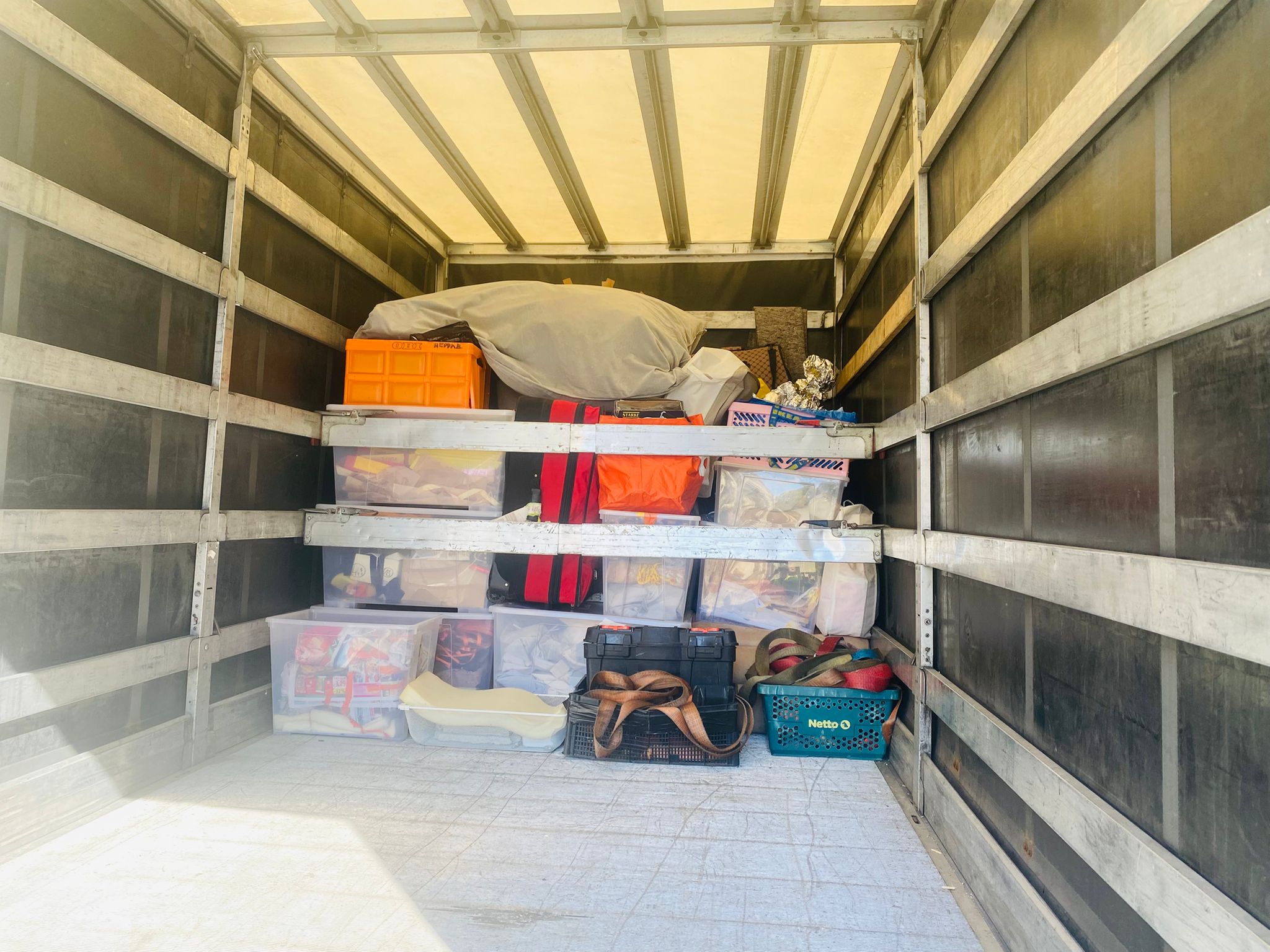

Germany pulls people in for good reason. It offers career stability, respected universities, strong infrastructure, and a sense of order that many people crave after years of uncertainty. For some, it is a professional leap. For others, it is a family decision, a study plan, or the start of a calmer, more secure life.
Yet German immigration is never just about crossing a border. It is about visas, residence rules, registration deadlines, housing pressure, and the very real challenge of moving your life from one country to another without losing money, time, or peace of mind. That is where people often feel stretched in two directions at once. One side of the move is official. The other is deeply human.
You may be comparing visa routes while also figuring out how to move furniture safely. You may be collecting health insurance documents while trying to estimate whether a man and van service is enough for your load. You may be thinking about customs rules, address registration, and the first night in a new home all at the same time. That is exactly why this guide exists.
This article explains both sides of German immigration clearly. It covers the legal route into Germany, the key documents you may need, the steps to take after arrival, and the smartest way to organise the physical move itself. If you want fast answers, practical direction, and fewer nasty surprises, you are in the right place.
Quick Answer on German Immigration
If you want the fastest possible summary, here it is: successful German immigration usually depends on doing two things well at the same time. First, you need the correct legal path into Germany. Second, you need a relocation plan that protects your belongings, your timing, and your energy.
Here are the essentials:
- Check whether you need a visa before entering Germany, because the answer depends on your nationality and your reason for moving.
- Prepare the correct residence and work documents early, especially if you are moving for employment, study, or family reunification.
- Register your address within 2 weeks after moving in, because this step often unlocks other vital admin processes.
- Arrange health insurance early, since it is often tied to both immigration and daily life in Germany.
- Keep customs paperwork ready if you are moving goods from outside the EU, particularly if you want a smoother entry for household belongings.
- Choose the right moving option, from a compact man and van service to full removals support, based on your real load and timeline.
- Book transport early to avoid last-minute stress, reduced availability, and higher moving costs.
The short truth is simple. German immigration becomes far easier when you stop treating paperwork and relocation as two separate problems. They are connected. The smoother your legal preparation and moving plan are, the faster Germany starts to feel less like a puzzle and more like a powerful new beginning.




What Does German Immigration Actually Mean?
At its core, German immigration means moving to Germany to live, work, study, reunite with family, or settle for the long term. That sounds straightforward, yet the real process can look very different from one person to another.
For some people, the legal side is relatively light. For others, visas, permits, proofs, and deadlines form a much more demanding path. On top of that, immigration is never only legal. It is practical too. You need housing, registration, transport, customs planning, and a way to move your belongings without turning the process into chaos.
That is why German immigration should never be viewed as one single route. It looks different for EU citizens, third-country nationals, students, skilled workers, and families. Once you understand which route applies to you, the move becomes much easier to organise with confidence.
Who Can Move to Germany?
Germany welcomes people through several different routes, and that is exactly why German immigration can feel confusing at first. There is no single path that fits everyone. The process depends on your nationality, your reason for moving, and how long you plan to stay.
For some people, the move is relatively direct. For others, it involves visas, permits, proof of finances, and careful timing. The key is to identify your category early. Once you know which path applies to you, the rest of the move becomes much easier to plan.
EU, EEA, and Swiss Citizens
For EU, EEA, and Swiss citizens, the route into Germany is usually much simpler. In many cases, no visa is needed to enter and live in the country. That does not mean the entire process is effortless, but it does remove one of the biggest legal barriers.
Even with this easier entry path, practical steps still matter. You may still need housing documents, proof of health insurance, work-related paperwork, and local address registration after arrival. In other words, German immigration may be lighter on the legal side for EU citizens, but the relocation side still needs planning.
Skilled Workers From Non-EU Countries
Germany remains highly attractive to skilled workers, especially in sectors where talent shortages are difficult to ignore. Healthcare, engineering, logistics, IT, skilled trades, and technical professions often appear in conversations about long-term workforce demand.
For non-EU nationals, this path usually involves a work-related visa or residence permit. The exact documents depend on the role, the salary level, and the type of permit involved, but employment contracts, qualifications, proof of accommodation, and health insurance often become central parts of the process. When German immigration is tied to work, timing matters enormously. A strong job offer can open the door, but the paperwork still needs precision.
Students and Graduates
Germany is also one of Europe’s strongest magnets for international students. Its universities, research culture, and long-term career potential make it especially appealing for people planning more than a short academic stay.
Students may need a student visa or other legal entry route depending on nationality. They may also need proof of university admission, financial means, accommodation, and health insurance. After graduation, some routes may allow graduates to remain in Germany and search for work or begin a career there. For many people, German immigration starts with education and later grows into something much bigger.
Family Reunification Cases
Some people move to Germany because the heart pulls harder than geography. Family reunification can apply to spouses and certain family members joining loved ones already living in Germany. This route can be deeply emotional, but it still requires careful documentation and official approval.
Marriage certificates, civil status documents, proof of accommodation, and identity documents may all play an important role. Because family-based moves often carry emotional urgency, they can feel especially stressful when paperwork is delayed. That is why early preparation matters so much.
Common reasons people start German immigration:
- work opportunities
- university studies
- family reunification
- long-term settlement plans
- better quality of life and stability
The truth is simple. People move to Germany for practical reasons, emotional reasons, and sometimes both at once. The more clearly you understand your route, the easier it becomes to make smart decisions about documents, timing, and the move itself.
German Immigration Documents You May Need
Documents can make or break a move. They may look like dry admin from a distance, but in reality they shape how smooth your entry, registration, and first weeks in Germany will feel. Smart preparation is not glamorous, yet it can save an extraordinary amount of stress.
The exact paperwork for German immigration depends on your nationality, purpose of stay, and legal route. Still, there are some recurring document groups that most people should prepare early. The best approach is to build a clear folder long before departure, not while you are already surrounded by boxes and deadlines.
Visa and Entry Documents
If you need a visa to enter Germany, start with the official guidance from Make it in Germany and the overview of visa types. These pages explain the entry process and help you identify which route may apply to your situation.
At this stage, people often need a valid passport, visa forms where required, supporting evidence linked to work or study, and proof that they meet the conditions of entry. This is where rushing becomes dangerous. A small mismatch between your real purpose of stay and the documents you submit can slow everything down.
Residence Permit Documents
For many non-EU nationals, entry is only one part of the picture. Staying in Germany long term may require a residence permit. Official information is available through Make it in Germany and the Federal Office for Migration and Refugees.
Residence-related paperwork may include your passport, proof of legal entry, work or study documents, proof of accommodation, health insurance, and additional supporting documents based on the permit category. In practical terms, German immigration becomes much smoother when these papers are prepared as a structured set instead of a last-minute pile.
Address Registration Documents
Once you move into a home in Germany, address registration quickly becomes one of the most important tasks. Germany’s federal service portal explains the process here: registering a residence.
The federal portal states that people must generally register their residence within 2 weeks of moving in. That deadline matters because registration often connects to other essential parts of daily life, including tax administration, banking, official correspondence, and permit-related processes.
For this step, people often need identity documents, a tenancy agreement, and confirmation from the landlord or housing provider. If German immigration is already stretching your attention in ten directions at once, this is one document group you do not want to lose control of.
Customs Paperwork for Household Goods
If you are moving from outside the EU, customs may become part of the journey as well. Germany’s customs authority provides official guidance here: transferring residence to Germany.
This matters because moving household goods is not just a transport issue. It can also be a documentation issue. Customs-related paperwork may include an inventory list, proof of your move, proof of your new address, and additional supporting records depending on what you are bringing into the country.
If you are relocating a full household, preparation here is priceless. A well-organised inventory and clear supporting documents can make the process far easier and reduce the risk of delays when your belongings arrive.
Documents often needed during German immigration:
- valid passport
- visa documents if required
- job contract or university acceptance letter
- proof of accommodation
- proof of health insurance
- financial proof where required
- residence permit paperwork
- landlord confirmation for address registration
- customs documents and inventory list for transported goods
The practical lesson is simple. German immigration is much less overwhelming when the paperwork is treated like part of the move itself. Documents are not separate from relocation. They are one of the pillars holding the whole plan together.
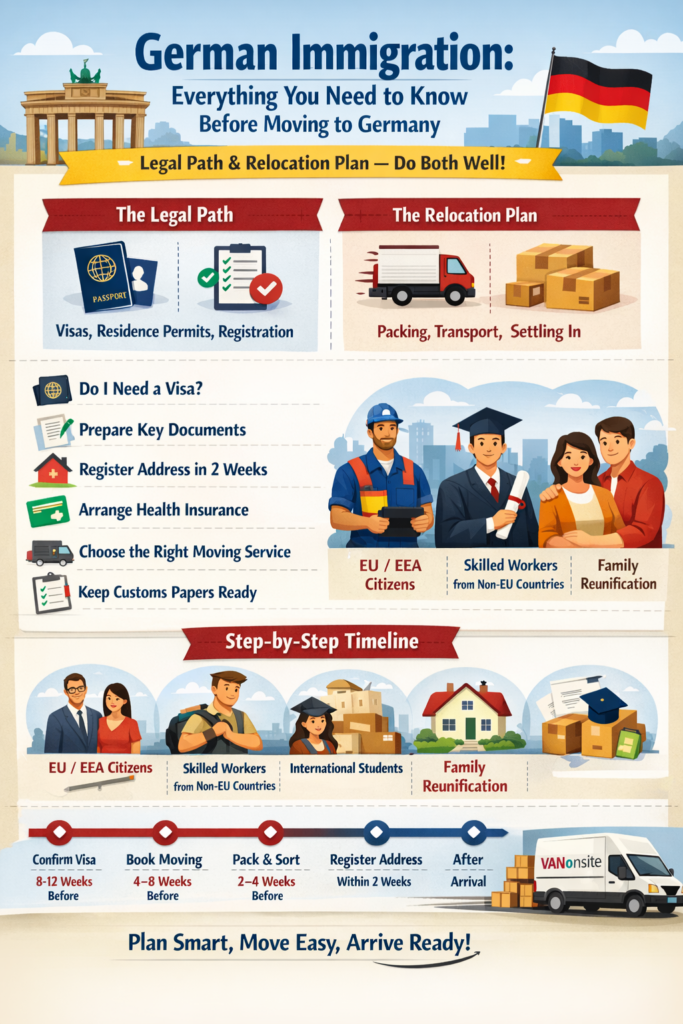
Step-by-Step Timeline for Moving to Germany
A move to Germany gets easier the moment it stops feeling like one giant unknown and starts looking like a sequence of clear steps. That is what most people need most. Not more vague advice. Not more legal jargon. Just a practical path they can follow without second-guessing every decision.
When planning German immigration, timing matters almost as much as paperwork. A visa route checked too late can delay the whole move. A late removals booking can leave you with fewer options and higher costs. A rushed packing process can turn arrival week into a mess of missing documents, broken items, and pure exhaustion.
The smartest way to approach the move is to treat it like a staged build, not a last-minute scramble. Every step supports the next one.
- Check your legal route to Germany. Start by confirming whether you need a visa, a residence permit, or a different entry route based on your nationality and reason for moving.
- Gather visa and entry documents. Build a clear folder with identity documents, work or study papers, accommodation proof, health insurance details, and any required application forms.
- Secure housing or temporary accommodation. Even if you do not have your long-term home yet, having a temporary address can make the first days in Germany dramatically easier.
- Book your moving service. Once your timing is clearer, reserve your transport. This is where you decide whether a man and van option is enough or whether you need full removals support.
- Sort, declutter, and pack. The less unnecessary volume you move, the leaner and smoother the relocation becomes.
- Prepare customs paperwork if needed. If you are moving from outside the EU, this step can save serious time and stress.
- Travel and arrive in Germany. Keep all essential documents and valuables with you rather than loading them into the van.
- Register your address. This is one of the first practical admin steps after arrival and often affects everything that follows.
- Apply for your residence permit if required. For many non-EU movers, this is a key legal step after entering Germany.
- Set up bank, insurance, internet, and daily essentials. These are the details that make a new address start to feel like real life.
| Step | Ideal Timing | Why It Matters |
|---|---|---|
| Confirm visa route | 8 to 12 weeks before move | Prevents entry mistakes |
| Prepare documents | 6 to 10 weeks before move | Reduces delays |
| Book removals | 4 to 8 weeks before move | Better availability and lower stress |
| Pack and declutter | 2 to 4 weeks before move | Cuts volume and cost |
| Register address | Within 2 weeks after move-in | Needed for key admin steps |
This timeline works because it reduces friction. You are not trying to solve immigration, housing, transport, and customs all in a single panicked weekend. Instead, you are building momentum in the right order. For anyone dealing with German immigration, that structure can be the difference between a move that feels punishing and one that feels controlled.
How to Move Your Household to Germany Safely
Once the paperwork is underway, the next challenge is the move itself. That is where many people realise something important: German immigration is not only about being allowed to enter Germany. It is also about getting your real life there safely. That means boxes, furniture, electronics, family belongings, documents, and everything else that turns an empty property into a home.
A safe move is not only about muscle. It is about planning, vehicle choice, timing, packing quality, and understanding what kind of support your move actually needs. Some relocations are light and flexible. Others need a bigger, more carefully managed setup. The cost of guessing wrong can be brutal. Damaged furniture, wasted time, late arrivals, and transport chaos have a habit of appearing when people underestimate the move.
When a Man and Van Service Makes Sense
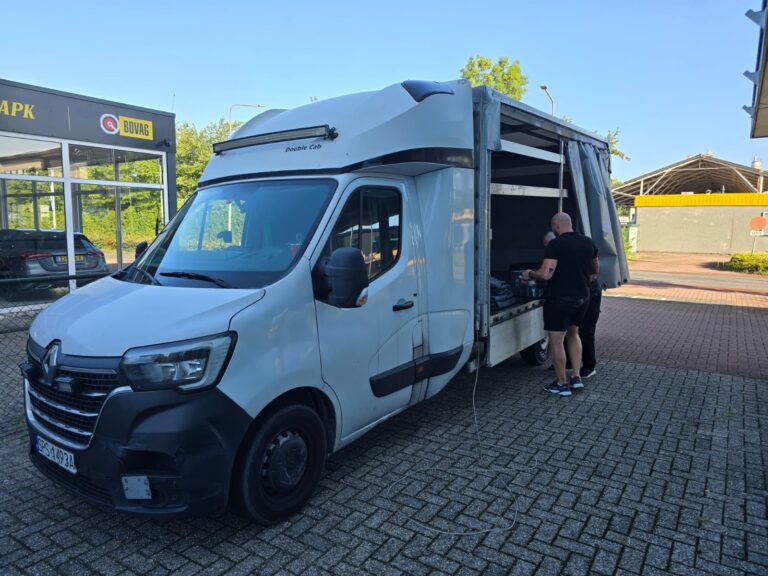
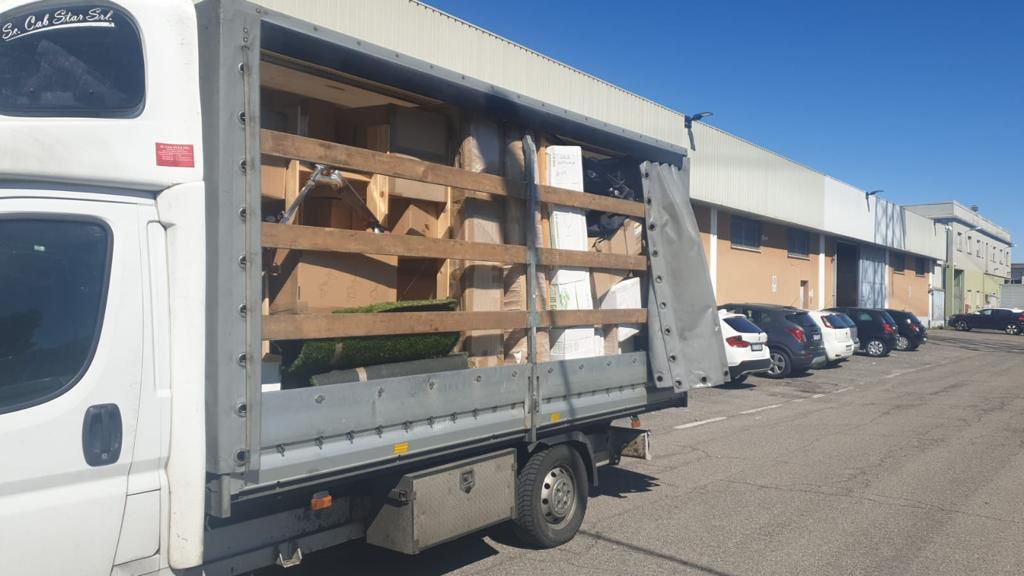
A man and van service can be a powerful option for smaller relocations. It works especially well when the move is focused, the load is limited, and speed matters. Students, single-room movers, people relocating from shared flats, and anyone handling a partial-home move often find that this kind of service fits both their budget and their timeline.
It is also a strong option for urgent transport. If you need to move quickly and you are not transporting a full household, a man and van setup can feel refreshingly simple. Less waiting. Less wasted space. Less unnecessary cost.
This kind of service often makes sense for:
- student moves
- room-sized relocations
- partial-home transport
- urgent or last-minute moving needs
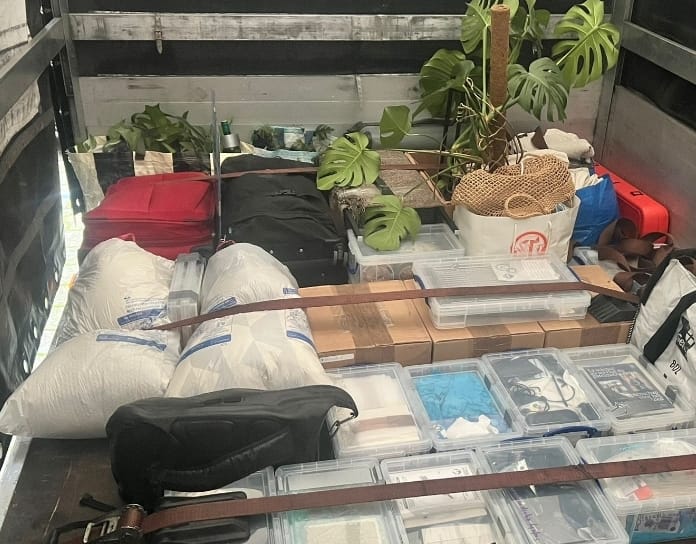
The key is honesty about your real load. If the move includes only essential furniture, a mattress, boxes, and personal items, a man and van option may be ideal. If the load is larger than it first appears, a bigger service is usually the smarter call.
When Full Removals Support Is Better
Some moves are simply too large or too complex for a smaller vehicle and a quick loading window. Family relocations, multi-room homes, long-distance moves, and furniture-heavy households usually need more structure and more capacity.
This is where full removals support becomes a stronger option. It offers more space, better planning, and a safer framework for large or sensitive loads. When the route crosses borders and the move includes wardrobes, beds, dining tables, appliances, or children’s furniture, the extra support is not a luxury. It is common sense.
Full removals support is often the right fit for:
- family relocations
- long-distance European moves
- large furniture loads
- multi-room flats and houses
For people navigating German immigration, this matters because a poorly matched transport choice can derail the practical side of the move, even when the legal side is going well.
When Packing and White Glove Support Matter
Some belongings need more than basic loading and transport. Fragile furniture, electronics, artwork, premium interiors, and sentimental items deserve extra protection. Tight timelines also increase the value of packing support, because rushed packing is one of the fastest ways to create damage and confusion.
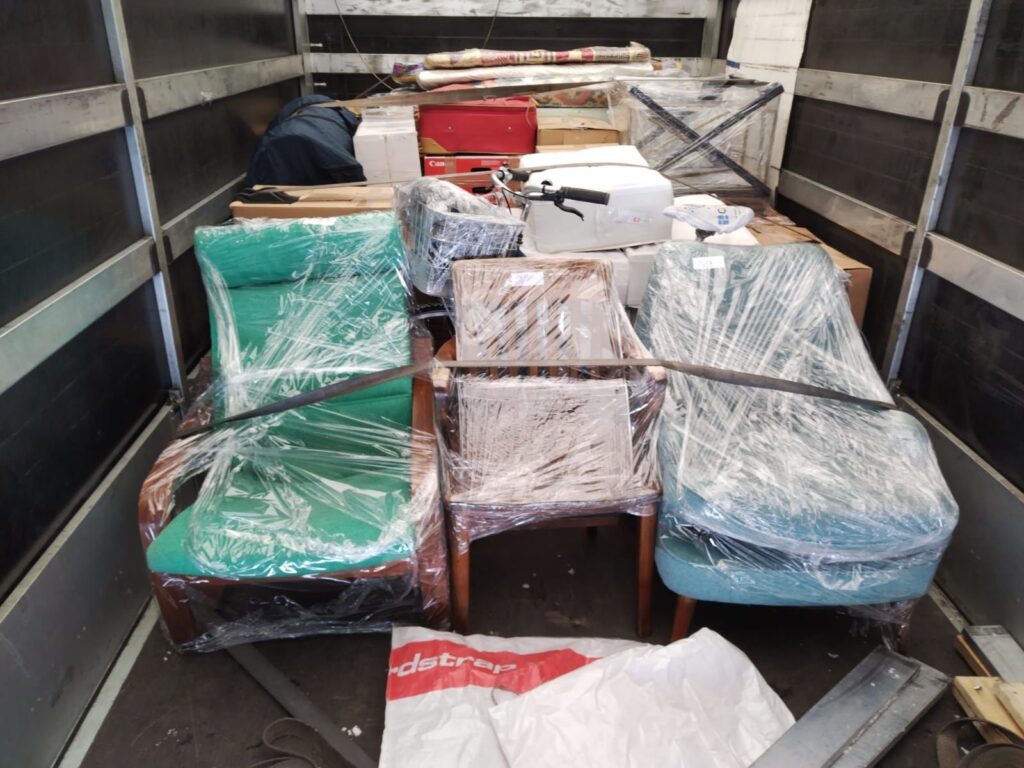
White glove style support becomes especially valuable when replacing the item would be painfully expensive or emotionally impossible. A polished table, glass cabinet, design chair, large mirror, or carefully built home office setup should never be treated like an ordinary box.
This level of support is often worth considering for:
- fragile furniture
- electronics and monitors
- premium interiors
- antiques and design pieces
- moves under heavy time pressure
| Move Type | Best Option | Why |
|---|---|---|
| Single room move | Man and van | Fast and cost-efficient |
| Student relocation | Man and van or student removals | Flexible and budget-friendly |
| Flat or house move | Home removals | Safer for larger loads |
| Premium furniture move | White glove support | Better protection |
| Office relocation | Office removals | Lower disruption |
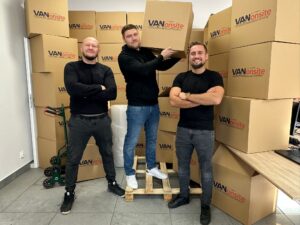
This is where VANonsite fits naturally into the picture. The company offers transport across Europe with a strong focus on safety and speed. Every load can be GPS-tracked, which gives customers real visibility instead of anxious guesswork. VANonsite also covers a wide range of move types, from last-minute moving and student removals to furniture transport, office removals, and full-home relocations.
That flexibility matters because German immigration does not happen in a single format. Some people are moving one room. Others are moving a family home. Some need fast, efficient transport. Others need extra care for valuable furniture or a schedule that leaves almost no room for delay. The stronger the transport match, the calmer the move feels.
If you are comparing options, do not focus only on the cheapest headline price. Focus on fit. The right service protects your belongings, your time, and your first days in Germany. That is the kind of support that makes a move feel less like an ordeal and more like a strong beginning.
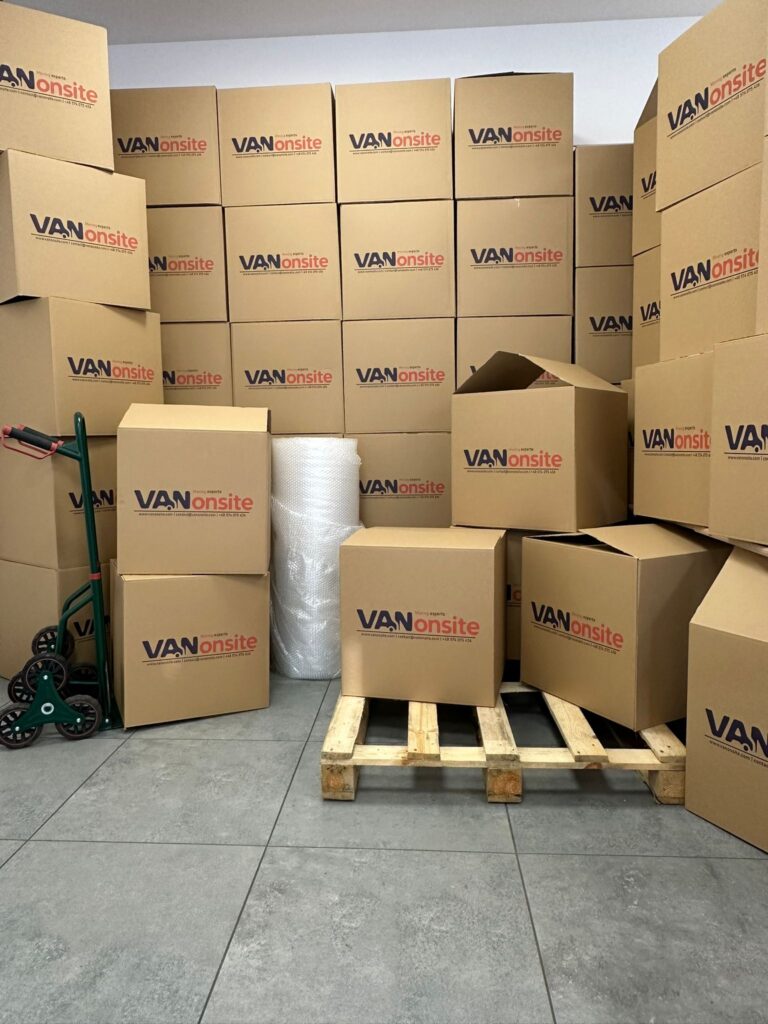
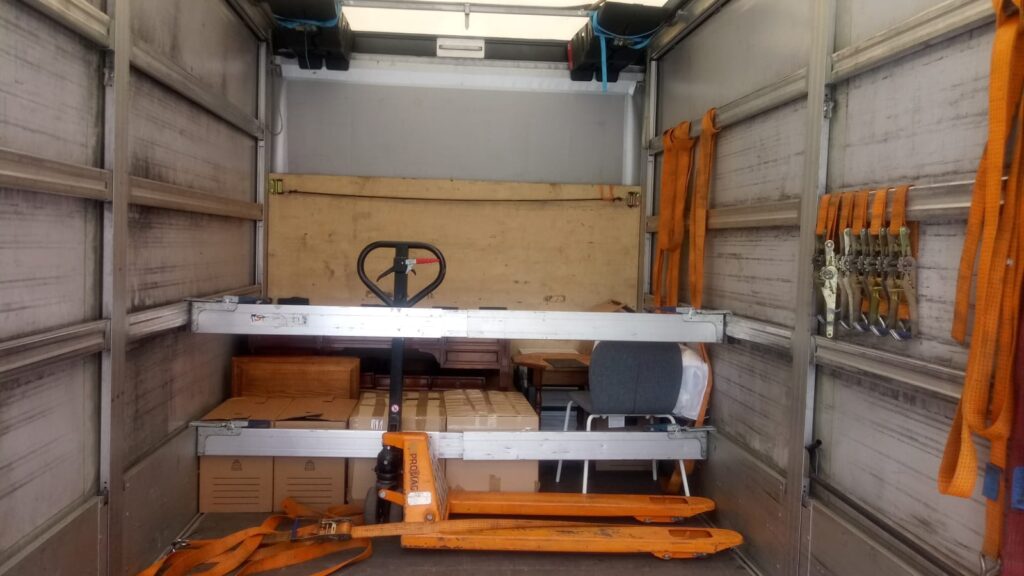


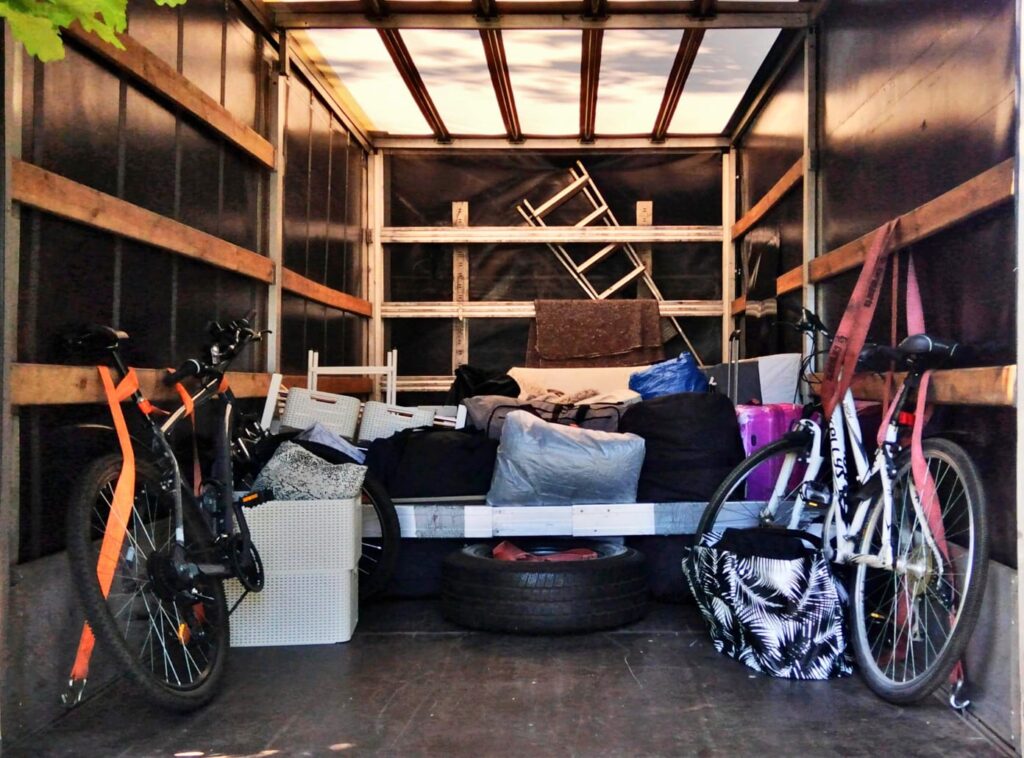
Vehicle Size Guide for Moving to Germany
Choosing the wrong vehicle size can create two different kinds of pain. If the van is too small, the move may become chaotic, delayed, and more expensive than expected. If the van is far too large, you may end up paying for capacity you do not need. That is why the smartest transport decision is rarely about guessing. It is about matching your load to a realistic vehicle size from the start.
For anyone dealing with German immigration, this decision matters more than it first appears. Transport size affects price, loading speed, unloading time, and how smoothly the move flows across a longer European route. A compact load may only need a lean, efficient setup. A full household may require something far larger and far more carefully planned.
| Service Option | Load Volume | Weight Limit | Best For |
|---|---|---|---|
| Moving One | 1 m3 | 100 kg | Boxes and essentials |
| Moving Basic | 5 m3 | 300 kg | Small room move |
| Moving Medium | 10 m3 | 500 kg | Studio or partial flat |
| Moving Premium | 15 m3 | 1100 kg | 1-bedroom move |
| Moving Premium Plus | 30 m3 | 3500 kg | Family relocation |
| Moving Full House XXL | 90 m3 | 20000 kg | Full household move |
This table gives readers a much clearer picture of what each option can realistically handle. A Moving One or Moving Basic setup may be enough for a student relocation, a few suitcases, boxes, and a limited amount of furniture. Moving Medium starts to make more sense when the move includes a studio flat, a bed, a desk, chairs, electronics, and several packed cartons. Moving Premium and above are better suited to larger domestic loads, family moves, and situations where bulky furniture changes the whole scale of the job.
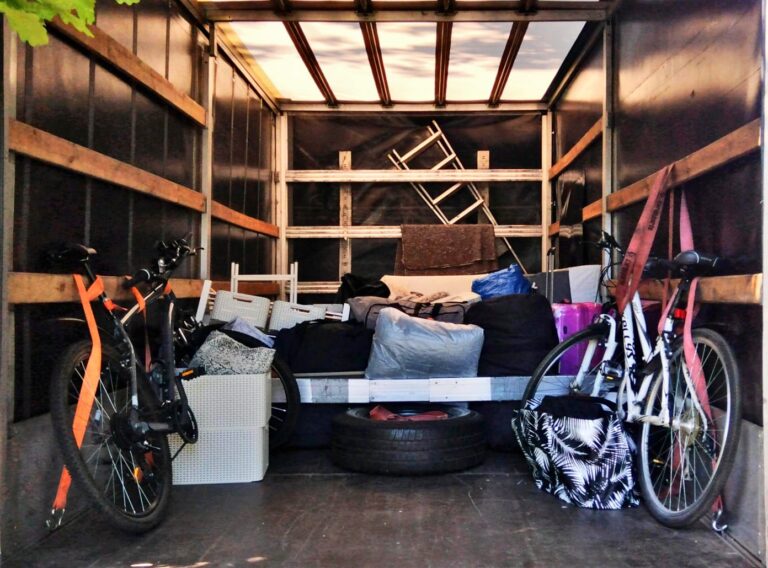
When estimating the right size, think beyond the obvious. People often count the sofa and the bed, then forget lamps, shelving, bikes, kitchen equipment, seasonal storage, and all the small pieces that quietly expand the load by 20% or more. That is one of the classic mistakes in international moving. A few overlooked items can turn a tidy plan into a stressful compromise.
The safest approach is to overestimate slightly rather than squeeze a full life into a setup built for half of it. In real terms, choosing the right van size can save both money and chaos. It reduces the risk of delays, lowers the chance of rebooking or split transport, and makes loading far more efficient from the first minute.
Customs and Bringing Personal Belongings Into Germany
For people moving from outside the EU, customs is not a side issue. It is one of the core practical parts of German immigration. If the paperwork is incomplete or the transported goods are poorly documented, the move can slow down at exactly the moment you need things to move forward.
Germany’s customs authority provides official guidance here: transferring residence and staying in Germany. These are the right starting points when you need reliable information about bringing personal property into the country.
In customs terms, personal property is not just “everything you own.” It usually refers to goods that form part of your genuine household move. That distinction matters. Household goods brought into Germany as part of a transfer of residence may fall under specific customs conditions, and import relief may apply in certain cases. Timing, ownership, and the nature of the items all matter.
This is why inventory lists are so important. They are not busywork. They are proof. A clear inventory helps show what is being moved, why it belongs to your household, and how the shipment relates to your relocation. If customs officers or shipping partners need clarity, that document can become one of the most valuable pieces of preparation you have.
Ownership also matters. Goods that genuinely belong to your household are treated differently from newly purchased commercial items or restricted goods. The customs side of German immigration becomes much easier when the load is documented honestly and consistently.
Useful customs prep steps:
- make a detailed inventory list
- keep proof of your move and new address
- separate personal items from restricted goods
- check vehicle-related obligations if bringing a car
A strong customs file often includes your inventory list, proof of residence abroad, proof of your new address in Germany, identity documents, and transport paperwork linked to the shipment. If you are bringing a vehicle, that adds another layer of planning and should never be left to assumptions.
The practical payoff is huge. When customs preparation is handled early, your move feels cleaner, faster, and far less exposed to avoidable delays. That is why anyone planning German immigration from outside the EU should treat customs as part of the moving strategy, not as an afterthought.
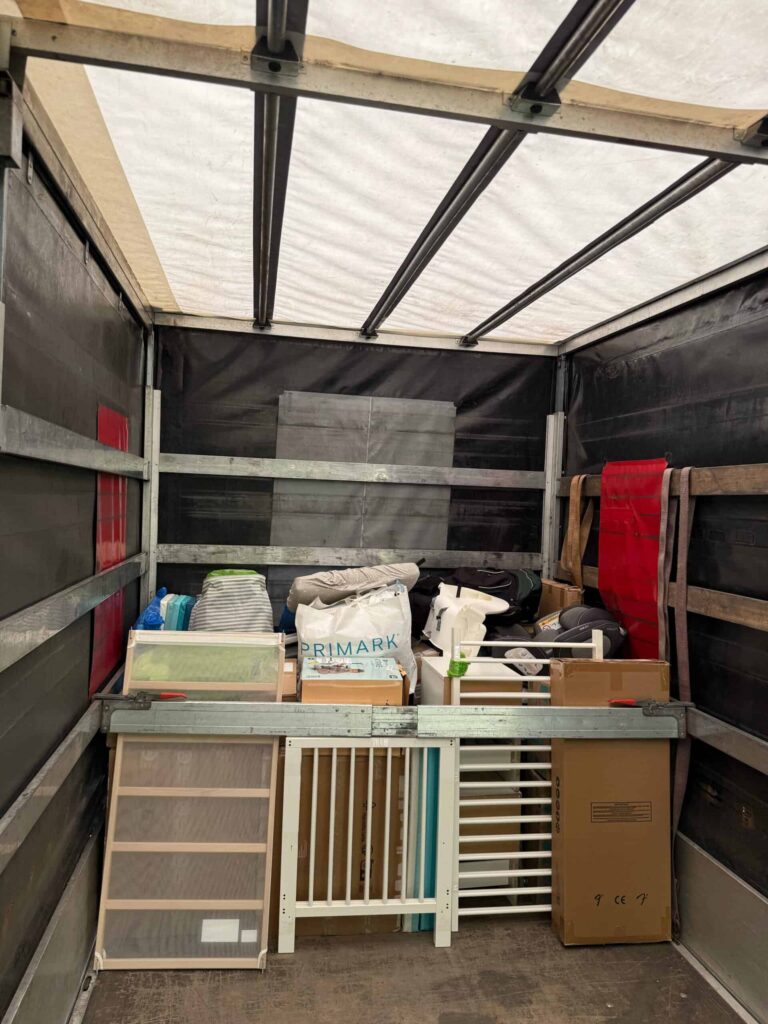
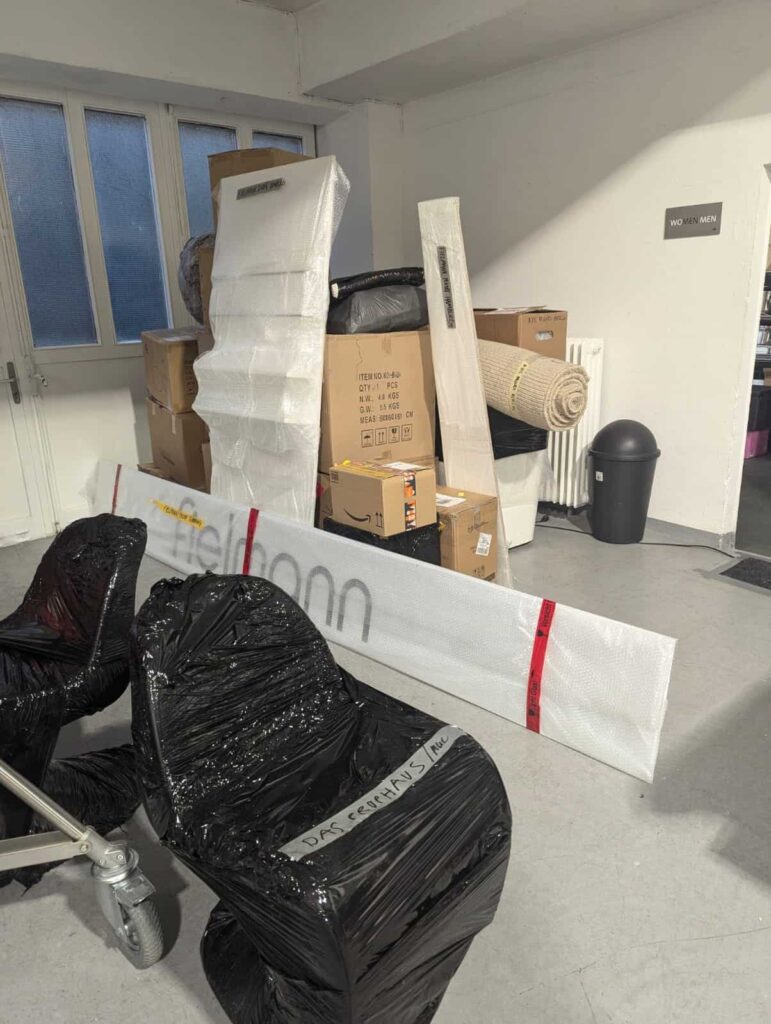
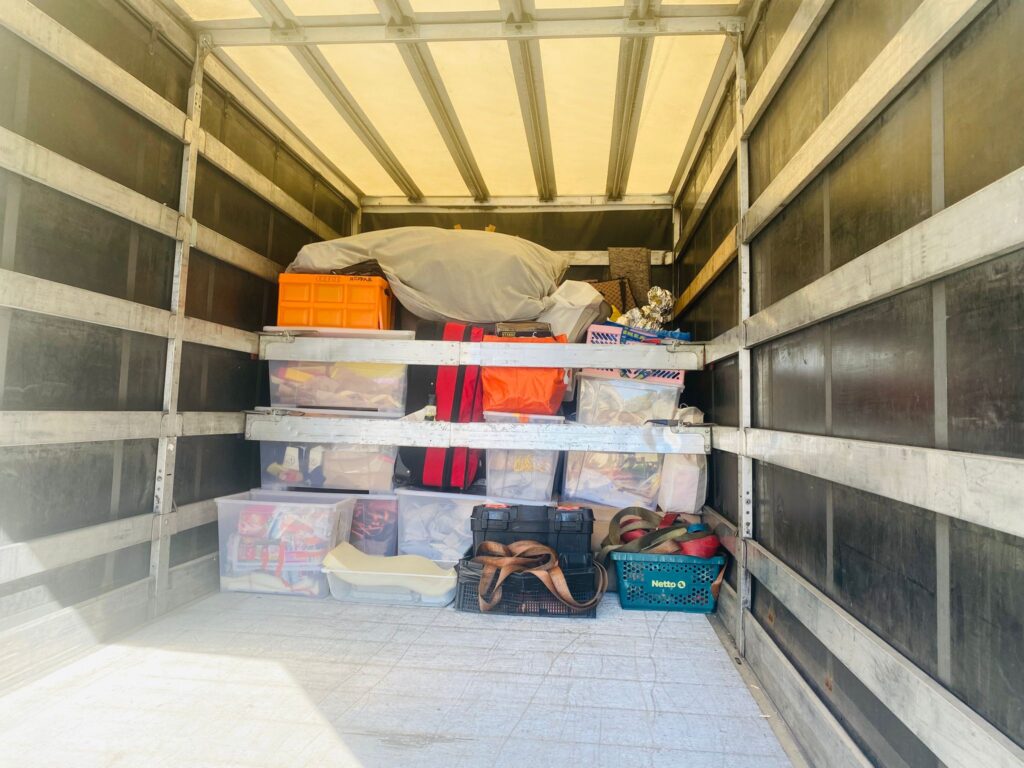
The First Things to Do After Arriving in Germany
The first days after arrival can feel thrilling and disorienting in equal measure. You finally made it to Germany, yet the practical side of the move is not finished. In many ways, this is the moment when German immigration stops being a plan and starts becoming daily life.
That is why the first actions matter so much. A calm, structured first week can save you from a long trail of avoidable delays. Instead of trying to solve everything at once, focus on the steps that unlock the rest.
- register your address
- arrange health insurance
- open a bank account if needed
- check your tax number and work setup
- apply for your residence permit if applicable
- set up internet and utilities
- organise furniture delivery and unpacking
Register Your Address First
Address registration is one of the most important practical tasks after arrival. It often affects tax administration, official letters, banking, and permit-related processes. If you delay this step, other parts of life in Germany can start backing up behind it.
Arrange Health Insurance Early
Health insurance is not something to leave floating in the background. For many newcomers, it is tied directly to work, study, residence status, and access to the healthcare system. The sooner it is clarified, the more stable everything else feels.
Open a Bank Account if Needed
Depending on your situation, you may need a German bank account quickly for rent, salary payments, utilities, and everyday spending. This becomes especially important if your old banking setup creates fees, delays, or practical limits after the move.
Check Your Tax Number and Work Setup
If you are moving for employment, this step matters fast. Salary, payroll, and formal work arrangements can all depend on your registration and tax setup. A smooth start at work often depends on handling these details earlier than you think.
Apply for Your Residence Permit if Applicable
For many non-EU nationals, entering Germany is only the beginning. If your route requires a residence permit, make this one of your early priorities. Delaying it can create stress later, especially when appointments and documents start stacking up.
Set Up Internet and Utilities
This may sound less urgent than immigration paperwork, but daily comfort matters. A home without internet, power clarity, or basic setup quickly becomes draining, especially if you are working remotely, studying, or organising family life.
Organise Furniture Delivery and Unpacking
This is the moment when the move becomes tangible. Beds, tables, chairs, kitchen items, and daily essentials all shape how quickly the new place starts to feel livable. If the transport side of German immigration was planned well, this stage becomes lighter, faster, and far less chaotic.
The first week in Germany should not feel like a storm of random tasks. It should feel like a steady landing. Focus on the steps that unlock stability first, and the whole move becomes much easier to carry.
Common Mistakes During German Immigration and Relocation
A move rarely collapses because of one dramatic mistake. More often, it unravels through small, avoidable errors that pile up under pressure. That is why this section matters. When you know where people usually stumble, it becomes much easier to stay out of the same traps.
With German immigration, those mistakes often happen in two places at once: the legal side and the practical side. Someone may prepare the visa route carefully but underestimate the move itself. Someone else may book transport early but ignore registration deadlines. The result is the same. Stress, delays, and unnecessary expense.
Here are the most common mistakes:
- Starting the visa process too late
- Not checking whether a permit is needed before entry
- Underestimating how much needs to be transported
- Booking moving services too late
- Packing important documents into the main load
- Ignoring registration deadlines
- Choosing the cheapest option instead of the safest one
Starting the Visa Process Too Late
Some immigration routes move quickly. Others do not. Waiting too long to start can compress the whole move into a rushed, expensive sprint. That pressure then spills into packing, housing, travel, and transport.
Not Checking Whether a Permit Is Needed Before Entry
Assumptions are dangerous. Rules depend on nationality and purpose of stay. Entering Germany without properly confirming the legal route can create serious complications that are much harder to fix later.
Underestimating How Much Needs to Be Transported
This is one of the most common practical mistakes in any international move. People count the obvious furniture and forget the boxes, shelves, lamps, bikes, and hidden storage that quietly expand the load. Suddenly the planned vehicle no longer fits the real move.
Booking Moving Services Too Late
Late booking means less choice, more pressure, and often higher prices. It can also force you into a service that does not really match your load or your timeline. When planning German immigration, transport should never be left until the final moment.
Packing Important Documents Into the Main Load
This mistake causes instant frustration. Passports, contracts, tenancy papers, registration documents, health insurance records, and customs paperwork should always stay with you. If they disappear into the van, even a simple first week can become far more stressful.
Ignoring Registration Deadlines
Registration sounds administrative, but it has real practical consequences. Miss the deadline or delay the process too long, and other parts of daily life may become slower and harder to organise.
Choosing the Cheapest Option Instead of the Safest One
A low quote can feel tempting, especially when the move already seems expensive. But weak planning, poor communication, careless handling, or the wrong transport size can cost more in the end than a stronger service with a slightly higher upfront price.
How to avoid the most common mistakes:
- start paperwork early
- confirm your legal route before booking travel
- estimate your moving volume honestly
- book transport in good time
- keep all key documents with you
- respect registration deadlines
- choose value, not just the lowest price
The good news is that most moving mistakes are predictable. That means they are also preventable. When you respect the details, German immigration stops feeling like a fragile balancing act and starts feeling much more secure.
Why Professional Support Makes German Immigration Easier
There is a huge difference between managing a move alone and having experienced people remove pressure from every critical step. That difference becomes even sharper when the move crosses borders, includes legal deadlines, or carries emotional weight. German immigration already asks a lot from one person or one family. The right support can stop that pressure from becoming overwhelming.
Professional help does not only move boxes from one address to another. It reduces uncertainty. It creates structure. It shortens decision time and protects your energy when ten things need your attention at once. When the route is international, the timing is tight, or the furniture is valuable, that kind of support quickly becomes more than convenient. It becomes strategic.
This is why experienced moving support lowers perceived risk so effectively. A well-run service helps you avoid late bookings, poor load estimates, damaged items, and awkward last-minute improvisation. It also helps the move feel calmer. That emotional shift matters. If the transport side is under control, the immigration side becomes easier to handle as well.
VANonsite fits naturally into that role. The company provides transport across Europe with a strong focus on safety and speed. Every load can be GPS-tracked, which gives real visibility instead of anxious guesswork. Services range from compact man and van support to full-home removals, furniture transport, office removals, packing support, storage, white glove delivery, student moves, and last-minute solutions.
That range matters because German immigration does not look the same for everyone. One person may need a fast student move with limited furniture. Another may need a carefully timed family relocation with a large household. Someone else may need secure transport for premium furniture or an urgent cross-border move tied to a new job start date. The more precisely the service fits the move, the more professional the whole process feels.
What professional support can save you:
- time
- physical strain
- breakage risk
- late delivery stress
- hidden costs from poor planning
Professional support can also protect value in ways people often underestimate. Less damage. Less rebooking risk. Less time lost to confusion. Fewer mistakes created by rushed packing or poor vehicle matching. When you add those factors together, a strong service often delivers better real-world value than a lower quote that only looks attractive on the surface.
That is why it makes sense to compare providers by fit, reliability, speed, handling standards, and flexibility, not just by price alone. If you want a broader overview of relocation support, explore removals to Germany. For many readers planning German immigration, this is the point where the move stops feeling like a burden and starts feeling genuinely manageable.
FAQ About German Immigration
What Is the First Step in German Immigration?
The first step is confirming your legal route into Germany. Before booking travel or arranging transport, check whether you need a visa, residence permit, or another form of legal entry based on your nationality and reason for moving.
Do I Need a Visa to Move to Germany?
That depends on your nationality and the purpose of your move. EU, EEA, and Swiss citizens usually have a simpler path. Many non-EU nationals need a visa or residence-related approval before or after entry, depending on the route.
How Long Do I Have to Register My Address in Germany?
Germany’s federal service portal states that people generally need to register their residence within 2 weeks of moving in. This is one of the most important first admin steps after arrival.
Can I Move to Germany With a Man and Van Service?
Yes, in many cases. A man and van service can work very well for smaller relocations, student moves, room-sized loads, and urgent transport. For larger family moves or full-home relocations, a broader removals setup is usually the better fit.
What Documents Do I Need for German Immigration?
The exact list depends on your route, but common documents include a valid passport, visa paperwork if required, job contract or university acceptance letter, proof of accommodation, health insurance, residence-related paperwork, and customs documents if moving goods from outside the EU.
Can I Bring My Household Goods to Germany Tax-Free?
In some cases, household goods brought into Germany as part of a transfer of residence may fall under customs relief conditions. The exact rules depend on factors such as timing, ownership, and the nature of the goods. That is why checking the official German customs guidance is essential.
Is VANonsite a Good Option for Moving to Germany?
For many moves, yes. VANonsite offers European transport, GPS tracking for every load, flexible vehicle sizes, and support for many relocation types, including student moves, furniture transport, office removals, last-minute moving, and full-home removals. That makes it a strong fit for people who want speed, clarity, and safe handling during German immigration.
Summary
If you are planning German immigration, do not leave the practical side of the move to luck. The legal route matters, but so does the physical relocation. Your belongings still need to arrive safely. Your timeline still needs to hold. Your first days in Germany still need to feel stable, not chaotic.
That is why planning early changes everything. The right documents reduce friction. The right transport prevents expensive mistakes. The right support turns a pressured, complicated move into something cleaner, calmer, and much easier to control.
VANonsite gives movers that kind of support across Europe. Whether you need a compact man and van option, a larger vehicle for a family relocation, careful handling for valuable furniture, or a fast last-minute solution, the goal stays the same: move safely, move smart, and arrive ready.
What you gain by planning early:
- fast quote planning
- flexible moving sizes
- support across Europe
- GPS-tracked loads
- help for urgent moves and full relocations
Germany rewards preparation. The smoother your move is, the faster your new life can begin with confidence.