
Moving to Germany with kids can feel like carrying two maps at once. One is practical. It is full of dates, boxes, paperwork, and transport plans. The other is emotional. It holds your child’s routine, their sense of safety, their small comforts, and the quiet questions they may not even know how to ask yet.
That is exactly why moving to Germany with kids needs a different kind of preparation. The move becomes much easier when you have a strong family plan, the right moving support, and enough structure to protect your children from unnecessary chaos. Parents usually worry about the same things: timing, school, documents, furniture, daily routine, and how children will adapt once the move becomes real.
When you are moving to Germany with family, the smartest approach is not to do everything at once. It is to create stability in the middle of change. With the right service, the right timeline, and a calm plan for the first days after arrival, the move can feel far more manageable than it first appears.
TL:DR
- Moving to Germany with kids is easier when you plan early around dates, school timing, housing, and a realistic family moving checklist.
- Children need more than transport. They need routine, reassurance, comfort items, and a smoother first week after arrival.
- Moving to Germany with family often requires more volume than parents expect because beds, clothes, toys, storage, kitchen items, and school supplies add up fast.
- A flexible man and van service can work for smaller or partial family moves, but full households usually need more structured support.
- Key documents such as IDs, birth certificates, school records, and proof of address should be kept easy to reach, not packed deep in the moving load.
- The first 24 to 72 hours matter enormously, so each child should have an essentials bag with clothes, comfort items, toiletries, and daily basics.
- VANonsite offers secure transport, GPS tracking for every load, and vehicle sizes from 1 m3 to 90 m3, which helps families match the service to the true scale of the move.
What Makes Moving to Germany with Kids Different?
Family moves are never just about boxes. Adults may focus on the deadline, the quote, the loading plan, and the paperwork. Children feel something else. They feel change in the rhythm of the home. They notice that familiar objects disappear. They sense stress even when nobody says it out loud.
That is why moving to Germany with kids needs a family-first plan rather than a simple transport plan. The logistics still matter, of course. Still, routine, timing, and emotional stability matter just as much. A smoother move is not simply the one that arrives on time. It is the one that allows the family to keep functioning while everything shifts around them.
A Family Move Is More Than Logistics
A move with children touches every part of daily life. Meals shift. Bedtimes shift. Bedrooms disappear into boxes. Parents are distracted. Children may become clingy, unusually quiet, irritable, or overexcited.
This is normal. It does not mean the move is going badly. It means children are absorbing change in the way children do. A child who suddenly becomes emotional about a toy, a blanket, or where they will sleep is not being difficult. They are trying to make sense of a home that no longer feels fixed.
A smoother family move usually protects:
- sleep routine
- mealtimes
- access to comfort items
- a sense of predictability
- quick setup after arrival
The more stable those things feel, the easier the whole move becomes for everyone. Even simple family anchors such as a familiar breakfast, a bedtime story, or the same pajamas can soften the emotional edge of relocation.
Why Timing Matters More with Children
Timing matters in every move, but moving to Germany with kids brings extra pressure points. School terms, childcare slots, naps, evening routines, and meal patterns all shape how heavy the move will feel.
If possible, families should avoid creating three major disruptions at once. A rushed house move, a school transition, and a chaotic first week can be overwhelming when they collide. Even reducing one point of pressure can make the family move feel 30% lighter in practice.
That is why families benefit from asking different questions than solo movers do. Not only, “When can the van arrive?” but also, “When will the children be least stretched?” In many cases, the best moving date is the one that protects recovery time, not just the cheapest slot on the calendar.
Why the Right Moving Company Matters for Families
Families do not just need transport. They need reliability, speed, careful handling, and visibility. When children are involved, delays do not only affect the schedule. They affect beds, meals, clothes, routine, and emotional calm.
That is why the right moving company matters so much. Clear communication, realistic timing, secure handling, and GPS tracking all help reduce the noise around the move. For parents, that kind of control is not a luxury. It is relief.
A family-friendly moving service should also understand that not every item has the same weight in family life. A cot, a child’s mattress, a kitchen table, a pushchair, or a school desk can matter more to the first week than some much larger pieces of furniture.
Moving to Germany with Family: What to Plan First
The first step is not packing. It is building a realistic family moving plan around date, documents, school timing, housing, and transport. That sequence matters because the wrong order creates pressure, and family moves already carry enough of it.
When people are moving to Germany with family, the smartest early decisions usually save the most money and stress later. Families that begin with structure usually avoid the classic chain reaction of late packing, rushed decisions, underbooked transport, and exhausted children.
Confirm Your Moving Date Early
Family moves need more lead time than solo relocations. School calendars, work schedules, childcare arrangements, key collection, and transport all have to align well enough to avoid a messy overlap.
If possible, begin proper planning 4 to 8 weeks in advance. In busy periods, especially summer, that window matters even more.
A confirmed date helps you line up:
- school transition planning
- childcare timing
- tenancy end and start dates
- transport availability
- your children’s first-night setup
Once the date is locked, a surprising number of later decisions become easier. Families can plan what the children need first, what furniture must arrive early, and how to avoid the worst form of moving stress, which is uncertainty piled on uncertainty.
Decide What Your Children Need Immediately After Arrival
This step changes the mood of the whole move. Families often focus so hard on the main load that they forget the first evening and first morning matter most.
Your children will usually need these items available first:
- beds or sleeping essentials
- clothes for 2 to 3 days
- school supplies or activity materials
- favourite toys or comfort objects
- kitchen basics for simple meals
When these things are easy to reach, the new home starts feeling safer much faster. A functioning first night often matters more than perfectly unpacked boxes. Children do not need every possession immediately. They need enough familiarity to feel secure.
Measure Furniture Before Booking Transport
Volume is often underestimated in family moves. Parents count the obvious items, then forget child beds, toy storage, changing tables, pushchairs, desks, shelving, laundry baskets, floor lamps, and all the loose practical things that make daily life work.
Measure:
- beds and mattresses
- wardrobes
- desks
- dining tables
- sofas
- storage units
This matters because family furniture takes space fast. A more accurate estimate helps avoid underbooking, tighter packing, and moving-day stress.
It is also worth measuring access points in both homes. A family move can get slower very quickly if a wardrobe does not fit the staircase or a child’s bed frame becomes difficult to carry through narrow hallways.
Keep One Essentials Bag for Each Child
This is one of the strongest practical habits in the whole move. Give each child one dedicated essentials bag or backpack that stays with the family, not in the main load.
A strong essentials bag may include:
- 2 to 3 changes of clothes
- pajamas
- favourite toy or comfort item
- toiletries
- medication if needed
- a book, game, or quiet activity
- snacks and water bottle
This simple step can transform the first 24 hours. It lowers the need to open every box in a panic and gives each child a small personal zone of continuity in the middle of transition.
Documents You May Need When Moving to Germany with Kids
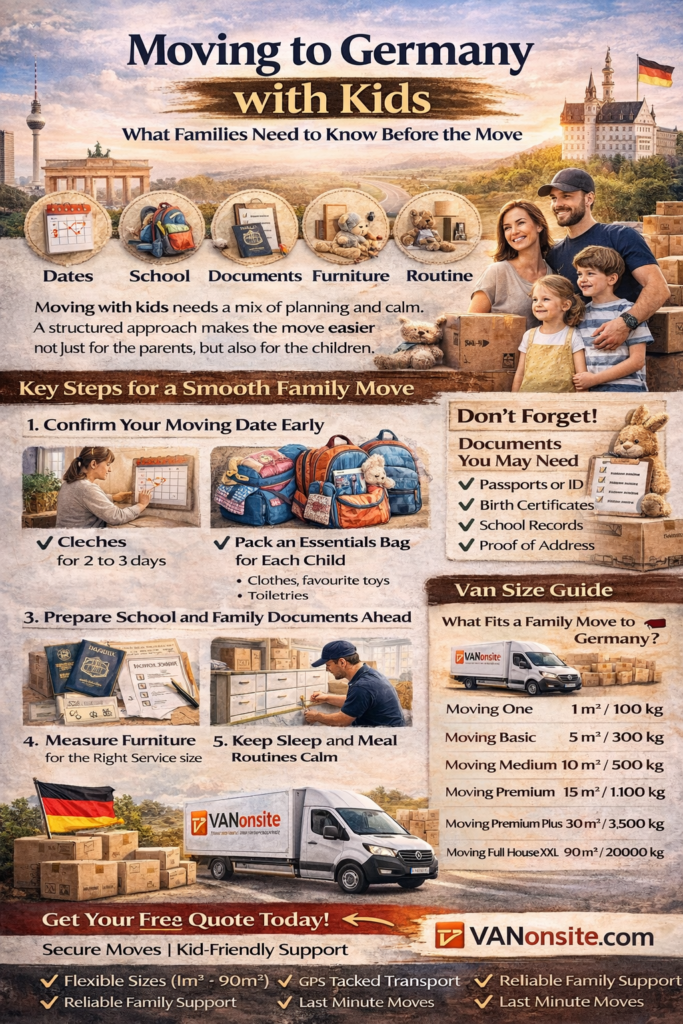
Requirements vary depending on nationality, route, family structure, and what is being transported. Still, paperwork becomes much less stressful when it is prepared early and kept in one clear family folder.
A calm folder is often worth more than people expect. It saves time, reduces confusion, and makes the whole move feel more controlled. When the move includes children, document access matters even more because several parts of daily life may depend on it soon after arrival.
Family Identity and Address Documents
Most families should prepare:
- passports or IDs
- proof of address
- tenancy agreement or address confirmation in Germany
- inventory list
Keep digital copies as backup, but carry the key originals with you.
It is wise to keep these documents together rather than spreading them across different bags. One clearly organised family folder can remove a surprising amount of stress when a school, landlord, mover, or administrative office asks for something quickly.
Child-Related Documents
When moving to Germany with kids, child paperwork matters more than many parents expect, especially when school, childcare, health, or local family administration need to be arranged quickly.
Useful child-related documents often include:
- birth certificates
- school records
- vaccination records
- health or medical notes if relevant
Having these ready can help reduce friction in the first weeks after arrival. If a child needs medication, learning support, ongoing treatment, or school placement discussions, organised paperwork can make the process significantly smoother.
Pet, Vehicle, and Special-Item Paperwork
If the family move includes pets, vehicles, medical items, or high-value belongings, additional documents may be needed. This is where official sources matter most.
For Germany-specific guidance, use:
| Document | Why it matters |
|---|---|
| Passport or ID | Identity verification |
| Proof of German address | Useful for registration and daily admin |
| Inventory list | Helps with moving accuracy and customs clarity |
| Birth certificate | Can help with family admin and records |
| School or vaccination records | Useful when arranging education or care |
One simple rule helps here: keep all essential family documents with you, not buried in the transport load. That includes passports, child records, address documents, and any papers linked to health or school access.
School, Childcare, and Routine: How to Make the Transition Easier
Parents often worry more about children settling in than about transport itself, and for good reason. A family can survive a delayed box. A child struggling with sleep, insecurity, or school transition feels much heavier.
This part of the move is where practical planning and emotional care meet. The strongest family relocations are not the ones where every box is opened fast. They are the ones where children feel safe enough to adjust.
School Planning Before the Move
School timing should be checked early, not after the move is already in motion. Even when all details are not final yet, understanding the school calendar and likely timing helps families avoid stacking too many disruptions at once.
When possible, gather these early:
- likely school start window
- existing records from the previous school
- vaccination and health information
- rough plan for the first week or two
Even partial clarity helps. Families do not always need every answer immediately, but they do need enough structure to avoid feeling as if the school side of the move was forgotten until the last moment.
It is also wise to think beyond the official start date. Children often need a soft landing around the first school week. That can mean having school clothes ready first, keeping mornings quieter than usual, and avoiding a huge unpacking push at the exact moment the child is trying to adapt to a new classroom, new language surroundings, or a new daily rhythm.
Childcare Planning for Younger Children
If you are moving with younger children, childcare planning can affect the whole family move just as much as school timing. Parents often focus on furniture, documents, and the vehicle size, then realise late that they have not protected the hours when a toddler still needs naps, meals, and calm.
A good childcare plan usually considers:
- who watches the child on loading day
- where naps can happen during the transition
- how to keep meals and snacks predictable
- what comfort items stay unpacked until the end
This matters because younger children often react more to disruption in routine than to the move itself. If naps disappear and meals become chaotic, everything can feel harder very quickly.
Keeping Routines as Stable as Possible
Routine is emotional scaffolding for children. It gives shape to uncertainty.
Try to protect:
- mealtimes
- bedtimes
- familiar bedtime items
- a calm evening rhythm
- predictable wake-up patterns
Even if the house is full of boxes, a stable bedtime routine can make the move feel less frightening. Children often cope better when at least part of the day still feels familiar, even in a brand new place.
The goal is not perfection. The goal is recognisable rhythm. A child who still gets the same bedtime book, the same cup, or the same morning sequence often feels more secure even when almost everything else has changed.
How to Help Children Feel Safe During the Move
Children do better when they understand enough to feel included, but not overloaded.
- explain what is happening clearly
- involve them in small decisions
- keep favourite toys accessible
- set up their room early after arrival
These steps do not remove the stress entirely, but they soften it. Giving a child small choices, such as which toy stays out, which bedding goes first, or where a favourite lamp should stand, can make the move feel less like something happening to them and more like something they are part of.
It also helps to name what will stay the same. Parents often explain what is changing, but children also need to hear what remains stable: the family is still together, their favorite things are coming too, and the new home is still becoming theirs.
Why First-Night Planning Matters
The first evening shapes how children remember the move. If they are hungry, overtired, missing comfort items, or surrounded by chaos, the whole relocation can feel much bigger.
A better first night usually includes:
- simple food ready fast
- clean bedding easy to access
- familiar pajamas and comfort items
- one calm corner that already feels like “their” space
This does not require a perfectly unpacked home. It requires intention. A child who sleeps in a familiar routine on the first night usually settles into the new place faster.
For many families, the first-night win is simple: one working lamp, one familiar blanket, one meal that does not create stress, and one room that feels at least partly ready. That is often enough to make the move feel survivable rather than overwhelming.
Moving Furniture to Germany with Children in Mind
Family moves often involve more furniture, more essentials, and less room for mistakes. Unlike lighter solo relocations, families depend on practical items immediately. Beds, tables, storage, and everyday furniture shape how quickly the new home starts functioning.
A family can live around unopened boxes for a little while. It is much harder to function without a dining table, child bed, proper storage, or seating. That is why furniture decisions matter so much more in family relocations than many parents first assume.
Furniture Worth Prioritising in a Family Move
These items often deserve priority:
- children’s beds
- storage furniture
- dining table
- sofa
- desks or study furniture
If these pieces are good quality and still suit the new home, moving them often makes strong practical and financial sense. A child’s bed is not just furniture. It is part of emotional stability. The same is true of a family table where meals happen, a desk where schoolwork returns to normal, or storage that helps the new place stop feeling chaotic.
Furniture That May Be Cheaper to Replace
Some items may not be worth the cost and effort of transport:
- worn flat-pack items
- bulky low-value units
- damaged children’s furniture
Letting go of low-value bulk can reduce stress, labour, and total cost. It also reduces the chance that the new home starts full of furniture that no longer fits the family’s real needs.
If something is already damaged, unstable, or obviously temporary, replacing it in Germany may be the cleaner and calmer choice.
A Simple Test Before You Move It
If you are unsure whether a piece deserves space in the load, ask these questions:
- is it expensive to replace?
- is it still in strong condition?
- will it truly help family life work in the new home?
- would leaving it behind create real regret or real inconvenience?
If the answer is mostly no, it may not deserve the journey.
| Furniture type | Usually worth moving? | Why |
|---|---|---|
| Child’s quality bed | Yes | Important for routine and costly to replace quickly |
| Solid wood storage unit | Often yes | Durable and practical for family life |
| Damaged flat-pack shelf | Often no | Low value and easy to replace |
| Dining table | Usually yes | Central to meals, routine, and daily family life |
| Worn child desk | Depends | Worth moving only if still stable and useful |
| Premium sofa | Yes | Expensive to replace and high daily-use value |
How to Protect Furniture During a Family Move
Protection matters because family moves tend to include both valuable items and heavy daily-use furniture.
- disassemble where possible
- wrap corners and glass carefully
- label fragile items
- use professional packing for premium items
A little preparation here can save a huge amount of frustration later. It also helps keep small fittings, screws, and assembly parts in labelled bags so that nothing important disappears when children need their room set up quickly.
When White Glove Delivery Makes Sense
If the family move includes delicate, premium, or sentimental furniture, White Glove Delivery can be the smartest option. It makes particular sense when careful placement indoors matters or when the items are hard to replace.
For families, this is often less about luxury and more about reducing friction. If one difficult item can be handled more carefully and placed correctly without stress, the whole move can feel much lighter.
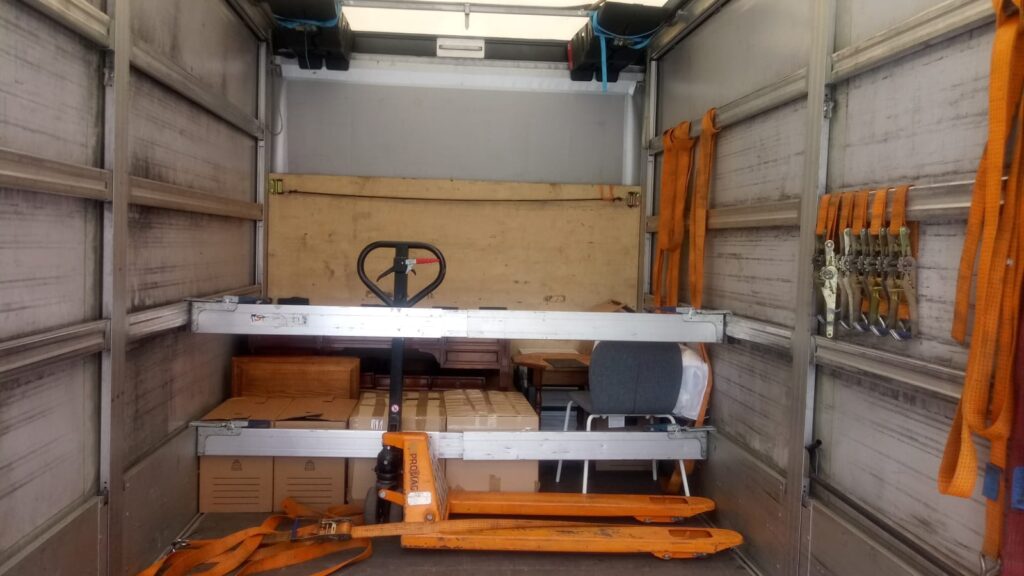


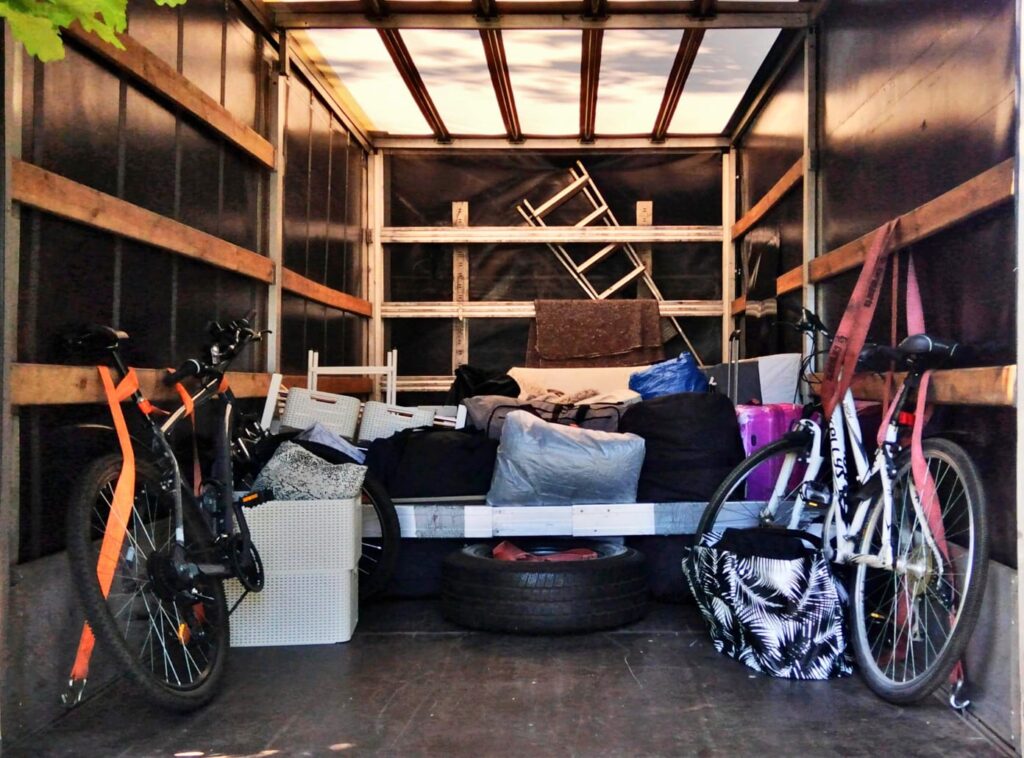
Which Moving Service Is Best for Families Moving to Germany?
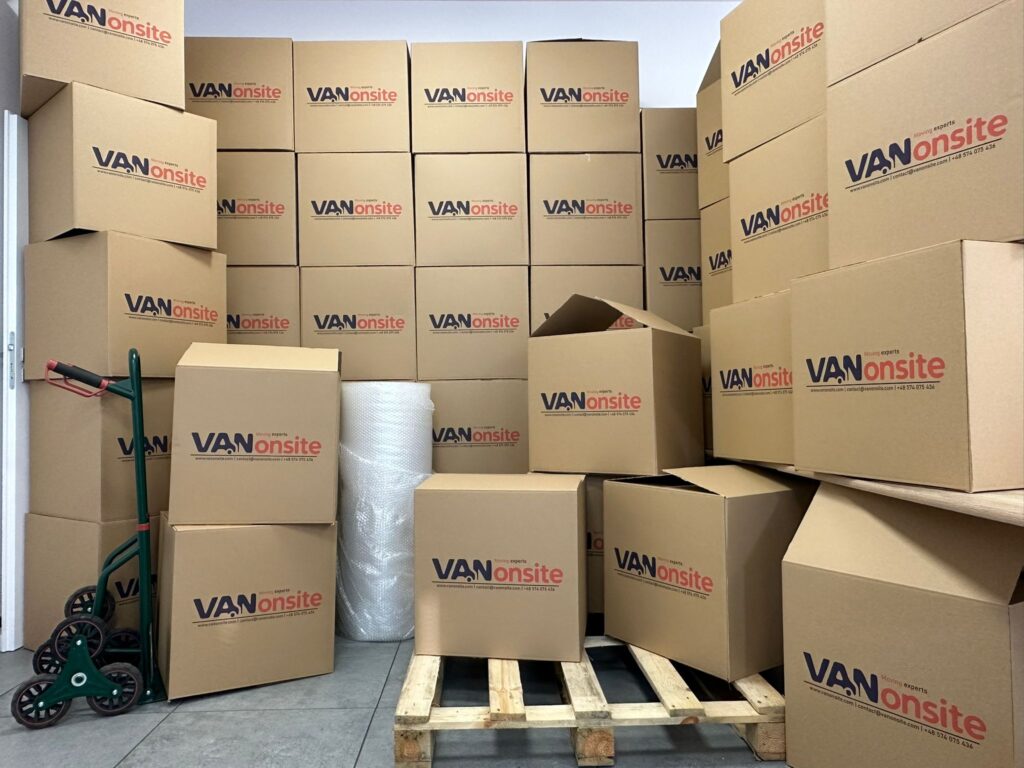
The best service depends on how much the family is taking, how fast the move needs to happen, and how much support is needed. There is no single perfect answer for every household. Still, there is usually a best-fit answer.
Families benefit most when the moving service matches not only the size of the load, but also the pressure level around the move. Some households need a lean, agile solution. Others need a service that can absorb much more complexity.
Home Removals for Full Family Households
For larger household moves, home removals are often the strongest choice. They fit the pace and complexity of family life much better than improvised transport.
This is usually the right option when the relocation includes several rooms of furniture, a large number of boxes, family essentials that must arrive safely, and a need for a more structured loading and delivery plan.
It is also often the best fit when parents want fewer moving pieces to manage personally. A fuller home removals service can create more breathing room at a time when the family already has enough to juggle.
Furniture Removals for Larger or More Valuable Items
If the family move is especially furniture-heavy, furniture removals make more sense than a general approach. This is especially useful when shape, bulk, or fragility change how the load must be handled.
It is often the smarter choice when a few large items carry a lot of the move’s practical value. That may include children’s beds, a family dining table, a high-quality sofa, or storage units that the household depends on every day.
Packing Service for High-Stress Family Moves
A professional packing service can remove a remarkable amount of pressure from a family move. Parents already carry enough mental load without spending nights wrapping glass and searching for tape.
This kind of support is especially useful when:
- time is short
- the household includes many fragile items
- the children are young and need more direct attention
- the move is happening during a stressful school or work period
Packing support also changes the emotional quality of the move. Instead of every evening disappearing into tape, boxes, and exhaustion, parents can protect more energy for the children and for the decisions only they can make.
Storage When Move-In Dates Do Not Match
Families often need breathing room when dates do not align. Temporary storage can be the cleanest bridge between an old home and a new one, especially when children need a calmer transition.
Storage can also prevent rushed decisions. If the new property is not fully ready, it is often better to create a cleaner handover than to force everything into one stressful day.
For families, that extra breathing room can be crucial. A calmer handover often means calmer children.
Last-Minute Moving When Family Plans Shift Suddenly
This happens more often with children than people expect. A school change, a housing issue, a work shift, or a family situation can accelerate everything at once. In those moments, fast support matters.
Families usually feel last-minute pressure more intensely because the move affects more than transport. It affects routine, meals, sleep, and daily functioning. That is why flexibility is so valuable.
In these cases, what matters most is not only speed, but clear communication. When the timeline narrows, the family needs certainty more than promises.
When Man and Van Works for a Family Move
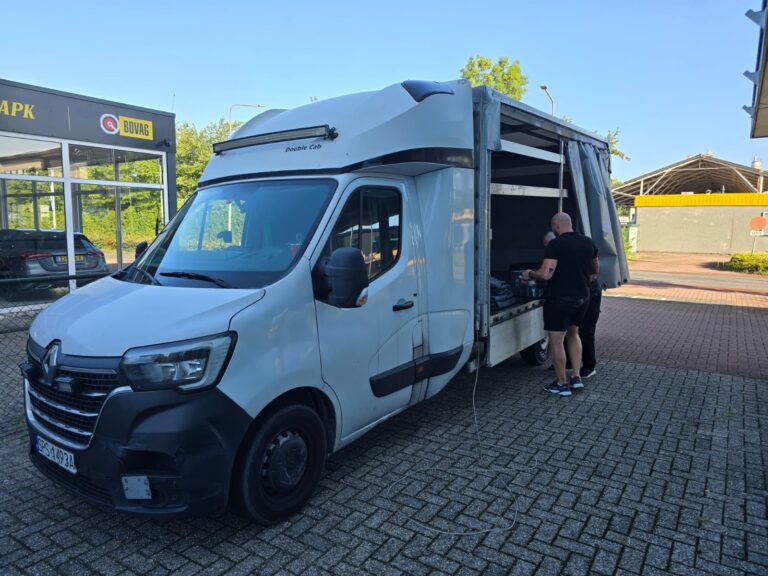
A man and van option is best for smaller, lighter, or partial family relocations. It works especially well when the move is compact, the timeline is tight, or the family is transporting only part of the household rather than the whole home.
For a family moving a few essentials first, relocating between temporary addresses, or transporting selected furniture and boxes, man and van can be an efficient and cost-aware solution.
It can also be ideal when the family wants to move in stages rather than all at once. In some cases, that staged approach reduces pressure and makes the transition feel more manageable for children.
Which Vehicle Size Fits a Family Move to Germany?
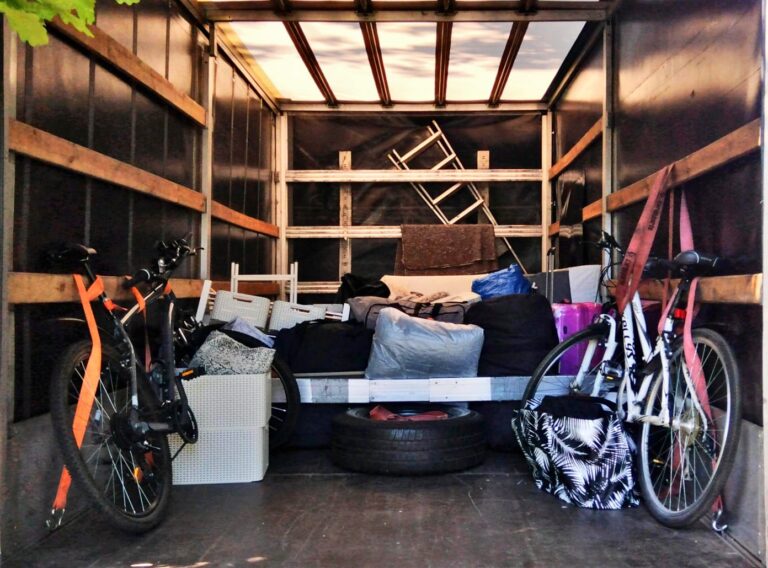
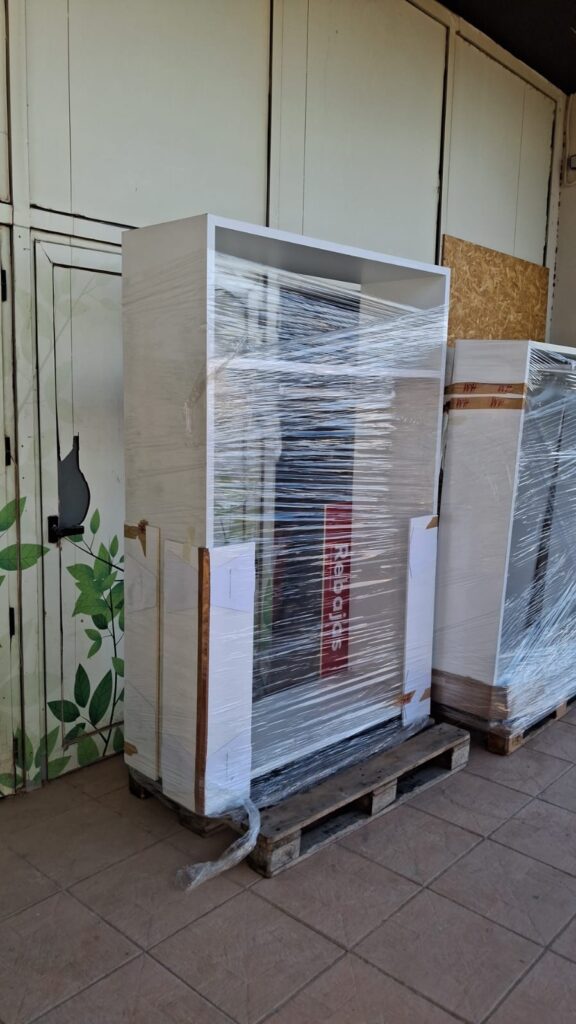
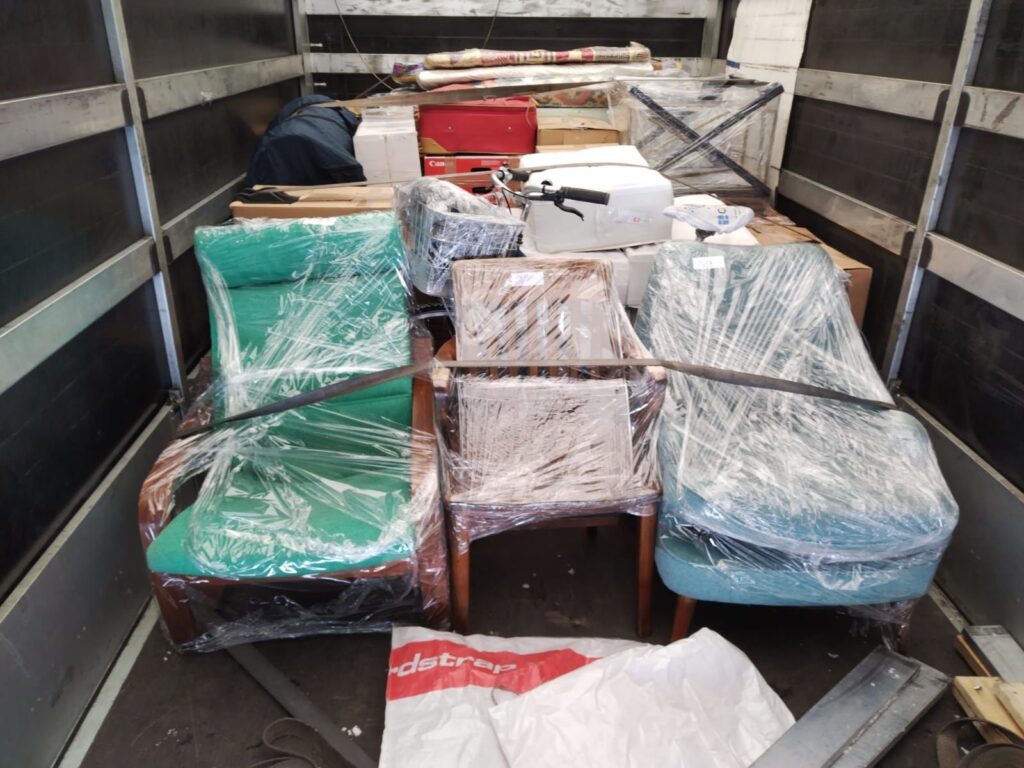
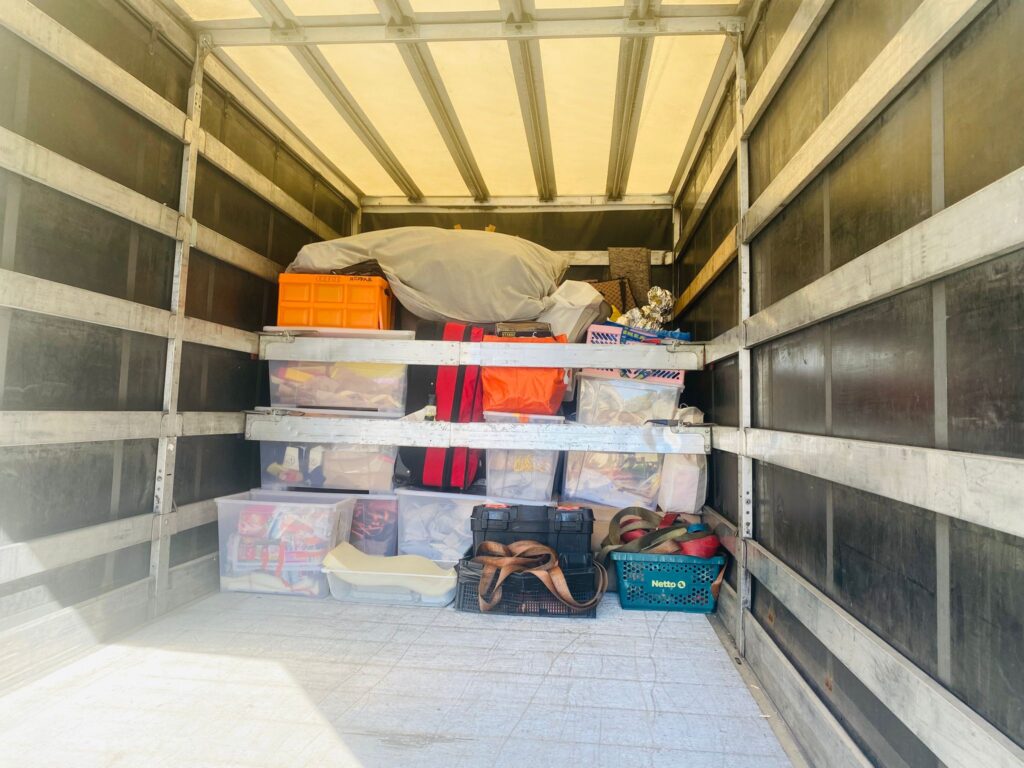
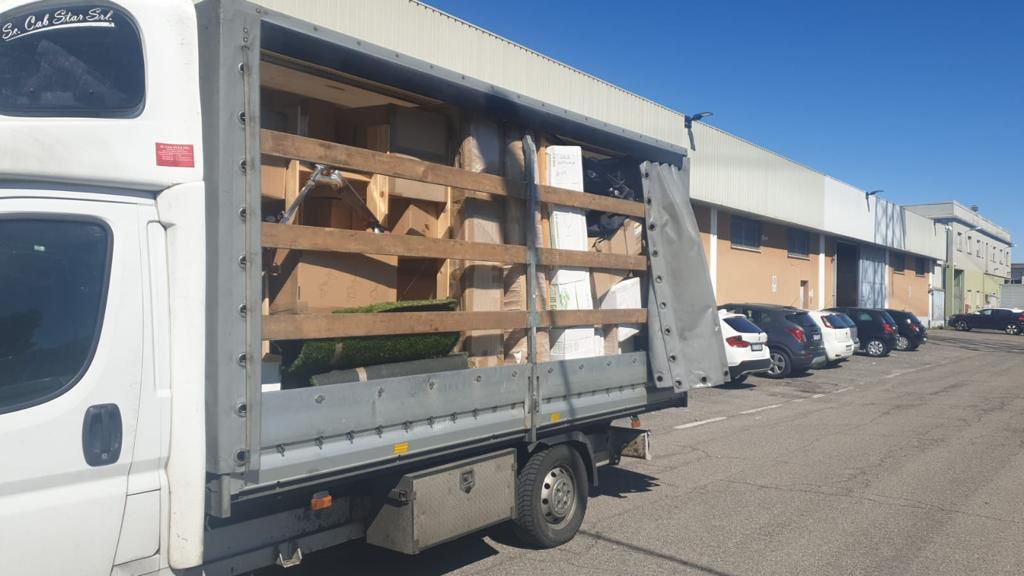
Family moves often need more capacity than parents expect. Toys, bedding, kitchenware, clothing, child furniture, and practical household items build volume fast.
| Service Option | Capacity | Max Weight | Best for |
|---|---|---|---|
| Moving One | 1 m3 | 100 kg | Urgent essentials only |
| Moving Basic | 5 m3 | 300 kg | Small child-related essentials or partial move |
| Moving Medium | 10 m3 | 500 kg | Compact flat or part-furnished move |
| Moving Premium | 15 m3 | 1100 kg | One-bedroom family move |
| Moving Premium Plus | 30 m3 | 3500 kg | Family relocation with furniture |
| Moving Full House XXL | 90 m3 | 20000 kg | Full family home move |
Why Families Often Underestimate Volume
Family life contains more loose practical items than people realise. Clothing, toys, storage boxes, feeding items, school supplies, blankets, and everyday household pieces add volume quickly.
Parents often count the headline furniture and forget the rest. Then boxes of children’s clothes, books, kitchen items, spare bedding, shoe storage, laundry items, and all the awkward everyday essentials quietly push the move into a larger category.
When to Size Up
Choosing slightly more space can reduce stress and damage risk. It can also stop the move from becoming an exhausting puzzle on loading day.
A slightly larger vehicle often means:
- safer placement for fragile items
- less pressure on furniture corners and surfaces
- faster loading and unloading
- fewer last-minute compromises
For families, that extra margin often buys peace as much as space.
A Practical Family Sizing Rule
If the move includes children’s beds, a sofa, a dining table, multiple storage units, and more than a dozen boxes, families should be very cautious about booking too small. In many cases, choosing the slightly safer size protects both the belongings and the family’s energy.
A family move usually feels best when the vehicle has enough room for:
- proper furniture protection
- sensible loading order
- fast access to essentials after arrival
- less compression around fragile items
That kind of margin is not wasted space. It is moving insurance in practical form.
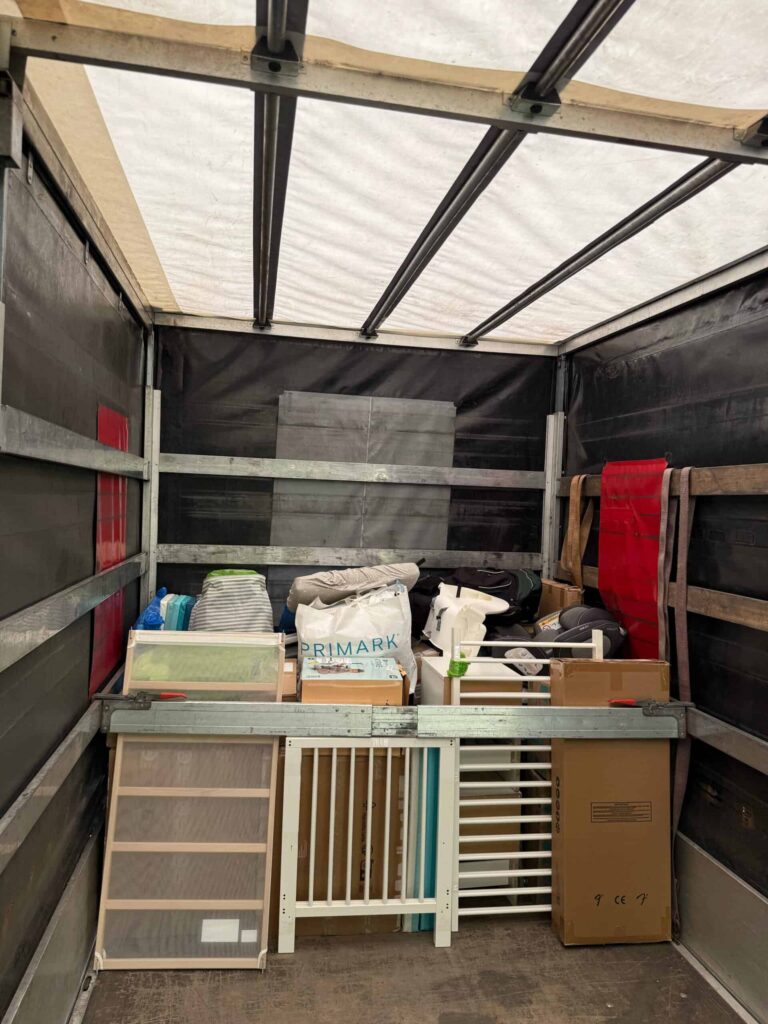
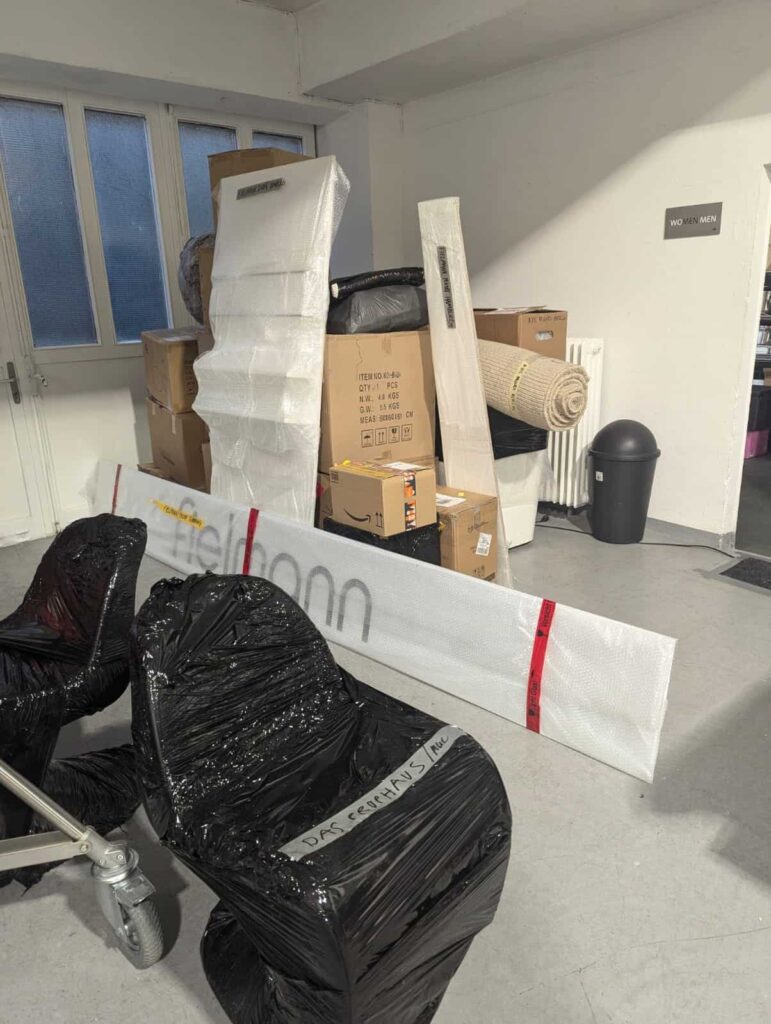
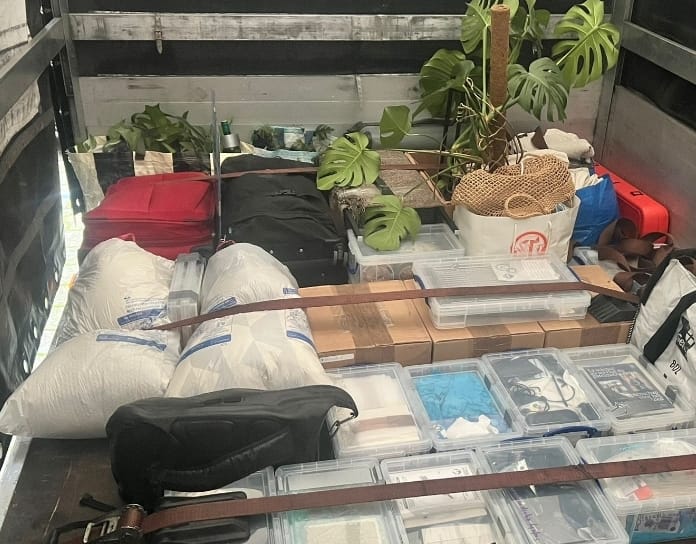
Moving to Germany with Kids Cost: What Affects the Price?
Cost depends on distance, load size, furniture, family essentials, access conditions, packing, storage, and urgency. In most family moves, volume becomes one of the biggest drivers because the practical load is simply larger than expected.
A family relocation is rarely priced like a minimalist move. Children add real-life essentials that may not feel dramatic one by one, but together they reshape the size and rhythm of the whole load.
Main Price Drivers
- total volume
- total weight
- amount of family furniture
- packing needs
- building access
- storage
- urgency
The more clearly these elements are defined at the start, the more realistic the quote will be. Families benefit from accuracy here because underestimating volume or complexity often causes stress later.
A bigger family move usually costs more not because it is “complicated” in an abstract way, but because it takes more space, more labour, more careful loading, and often more planning. A move with children’s beds, desks, storage, soft furnishings, toys, kitchenware, and daily essentials can build far faster than expected.
Why Family Furniture Changes the Price So Much
Furniture is often the strongest price shaper in a family move. A child’s bed, wardrobe, dining table, sofa, and storage furniture all take more room than most families expect when they are measured, wrapped, and loaded properly.
The cost rises because furniture affects:
- vehicle space
- loading time
- protection materials
- carrying effort
- safe stacking strategy
This is one reason why moving to Germany with family is often more expensive than parents first assume. The furniture is not just present. It defines the structure of the load.
Hidden Costs Families Forget
Some of the most frustrating moving costs come from details that seem small until they start affecting the quote.
These often include:
- difficult parking
- stairs without lift access
- long carrying distance
- waiting time
- underestimating the real load size
Each detail may look minor on its own. Together, they can reshape the price and the effort behind the move. Honest details early usually save money later.
How to Reduce Cost Without Making the Move Harder
- declutter early
- move only furniture that matters
- confirm the right vehicle size
- pack children’s essentials separately
- share access details early
These steps reduce cost in a smart way, not a risky way. The goal is not to make the move bare and exhausting. The goal is to cut waste while protecting the things that truly matter.
Families can often lower moving cost by 10% to 20% simply by removing low-value furniture, duplicate items, worn temporary storage, and things that no longer fit family life.
| Cost factor | Effect on price | How to control it |
|---|---|---|
| Family load size | Larger volume raises transport cost | Declutter early |
| Furniture | More labour and space needed | Move what matters |
| Access | Stairs and long carries increase effort | Share details in advance |
| Packing | Adds cost but lowers damage risk | Use for fragile or stressful parts |
| Storage | Temporary holding raises total cost | Use only when needed |
Common Mistakes Families Make When Moving to Germany
Family moves go wrong quietly. The most common problems are not dramatic. They start as small oversights and grow into stress.
Common mistakes include:
- leaving planning too late
- underestimating family volume
- forgetting school or childcare timing
- packing children’s essentials too deep
- moving low-value furniture
- not using a tracked service
Catching these early can make the whole relocation feel calmer and more professional.
Leaving Planning Too Late
This is where many family moves start to wobble. When planning begins too late, parents are forced to make expensive or exhausting decisions under pressure. School timing becomes rushed. Packing becomes fragmented. Vehicle size is estimated too quickly. Children sense the stress immediately.
The later the planning starts, the more likely the family is to pay for urgency instead of paying for fit. That is rarely a good trade.
Underestimating Family Volume
A family household rarely behaves like a neat list. It grows in layers. Clothing, feeding items, toys, books, bedding, spare storage, and daily-use furniture all pile up faster than expected.
This is one reason full family moves often need more capacity than people assume at first glance. It is also one reason parents sometimes feel shocked when the hallway fills up on packing day.
Forgetting School or Childcare Timing
A move that lands at the wrong moment can stretch children unnecessarily. If school planning is treated as an afterthought, the first days in Germany can feel much harder than they need to.
Even partial preparation can make a huge difference here. A rough plan is better than no plan at all.
Packing Children’s Essentials Too Deep
This is one of the most common and most avoidable mistakes. If pajamas, favorite toys, medication, snacks, and comfort items disappear into the main load, the first day can become harder very quickly.
Families almost always benefit from overpreparing the essentials bags rather than underpreparing them. When children can reach what calms them, the move becomes easier for everyone else too.
Moving Low-Value Furniture
Children’s families often hold on to furniture “just in case,” but low-value, damaged, or obviously temporary pieces can quietly drain the moving budget without giving enough back.
A better family move is not the one that takes everything. It is the one that takes what still helps daily life work.
Not Using a Tracked Service
When children are involved, silence feels heavier. Parents do not just wonder where the load is. They wonder when beds arrive, when clothes arrive, and when home starts functioning again.
That is why tracked transport matters so much in a family move. It replaces uncertainty with clarity at exactly the moment families need calm most.
Why VANonsite Stands Out for Families Moving to Germany
Families need predictability, care, and less chaos. That is exactly where the right moving company makes a visible difference.
Strengths That Matter Most
- secure and fast transport across Europe
- GPS tracking on every load
- flexible vehicle sizes
- support for furniture, home, student, office, and urgent moves
- practical service with a human touch
Why This Matters for Families
Families need predictability. They need to know where their belongings are, whether the timing still holds, and whether the essentials for daily life will arrive safely. That is where a company like VANonsite makes a real difference.
The family value here is not abstract. It is immediate. It means knowing when beds arrive. It means reducing the risk of damaged furniture. It means having a clearer picture of the journey instead of filling the silence with worry.
Why Families Trust VANonsite
Trust is built through details. Fast replies. Realistic quotes. Flexible sizing. Secure handling. Clear updates. These things matter even more when children are involved because the move affects so many parts of family life at once.
VANonsite stands out because the service feels grounded and dependable. Families can choose support that fits the real scale of the move, from a lighter man and van setup to a fuller household relocation, without feeling pushed into the wrong model.
Why GPS Tracking Matters So Much in a Family Move
GPS tracking is not just a technical feature. For families, it is emotional relief. It transforms the move from guesswork into something visible.
When your belongings are travelling across Europe, that visibility matters. Parents can focus on children, first-night planning, and arrival logistics instead of being trapped in uncertainty about where the load is and when the essentials will arrive.
If you are looking for a trusted starting point, explore removals to Germany.
Final Checklist Before Moving to Germany with Kids
A family move becomes much easier when the final steps are visible and simple. Still, the strongest checklist is not the one that looks longest. It is the one that protects the family from the small mistakes that create outsized stress later.
- confirm the moving date
- finalise school or childcare timing
- prepare key family documents
- measure furniture
- confirm service type and vehicle size
- pack one essentials bag per child
- keep comfort items easy to reach
- confirm the delivery address in Germany
A useful checklist does more than keep the move organised. It keeps the family functional. When key details are visible, parents make calmer decisions and children feel less tension in the room.
A Better Last 24-Hour Check
The day before the move, do one quiet family-focused review:
- keep passports and child documents easy to reach
- check essentials bags for each child
- separate bedtime items and next-day clothes
- confirm access and contact details
- make sure simple food is available for arrival day
This final check does not need to be complicated. It only needs to stop small problems from becoming big ones.
A First-Morning Check for Families
The first morning in the new home is often the real emotional test of the move. A family that gets through that morning smoothly usually feels dramatically better about the whole relocation.
Before the first night ends, try to make sure you already know where these things are:
- breakfast basics
- cups, plates, and simple cutlery
- school or day clothes
- toothbrushes and toiletries
- chargers and medication
- one familiar toy or comfort object per child
This tiny layer of preparation can reduce morning stress fast. Children wake up needing normal life to work again, even if the adults still see boxes everywhere.
FAQ About Moving to Germany with Kids
Is Moving to Germany with Kids Hard?
It can feel hard emotionally, especially at the beginning. Still, with the right timing, good preparation, and steady moving support, it becomes much more manageable. The move is usually hardest when everything changes at once without a clear plan.
Children rarely need perfection. They need visible calm, familiar routines, and the sense that the adults know what comes next. That is why planning matters so much more than appearances.
What Should We Pack Separately for Children?
Pack the first 24 to 72 hours, not the whole move. Clothes, toiletries, favorite toys, medication, snacks, bedding basics, and comfort items should stay with you. Anything that protects routine should stay easy to reach.
A strong family rule is simple: if it would create stress to lose it for one day, do not bury it in the main load.
What Is the Best Moving Service for a Family Moving to Germany?
That depends on the size of the move. Smaller or partial family moves may suit a man and van service. Full households usually benefit from more structured home removals. If the move is furniture-heavy, furniture removals or packing support may also be the smarter fit.
The best answer is always the one that fits the real load, the family timeline, and how much pressure the household is already carrying.
Is a Man and Van Enough for Moving to Germany with Family?
Sometimes yes. It works well for lighter, partial, or more agile family relocations. For larger homes with significant furniture, a bigger service is usually the safer fit. The key is whether the family is moving the full home or only part of it.
A man and van setup is especially strong when the move is being done in stages, when only essential items are being transported first, or when the household is compact enough to stay lean without losing safety.
Do We Need Extra Documents When Moving to Germany with Kids?
You may need more child-related paperwork than you would in a solo move, especially for school, health, and family administration. Check the official Germany sources in the document section above. A family folder with all key papers can make the first weeks much smoother.
It is also wise to keep both printed and digital copies for the most important records, particularly anything linked to identity, education, health, or address confirmation.
How Can We Make the Move Less Stressful for Children?
Protect routine where you can, explain the move clearly, keep comfort items close, and set up the child’s space early in the new home. Those small actions carry enormous weight. The first night and first morning often matter more than parents expect.
Children usually settle faster when they can see familiar objects, follow a known sequence, and feel that their space matters from the beginning.
Conclusion
Moving to Germany with kids becomes much easier when the family plans early, protects routine, chooses the right moving support, and works with a company that values safety, speed, and communication.
The move will never be only about transport. It is about helping the family arrive feeling functional, safe, and ready to begin. That is why structure matters so much. So does calm. So does choosing support that fits the real shape of the move.
VANonsite helps families create that kind of transition with secure transport, GPS tracking, flexible options, and practical support across Europe. Whether you need a compact man and van booking or a fuller household solution, the goal is the same: a smoother, safer, and more confident family move to Germany.
A strong family move does not feel perfect. It feels prepared. And when the essentials are protected, the children are calmer, and the transport is visible, the whole journey becomes far easier to carry.
In the end, the most successful family relocation is not the one with the fewest boxes. It is the one where daily life starts working again quickly, children feel safe, and parents can finally exhale.