
Introduction
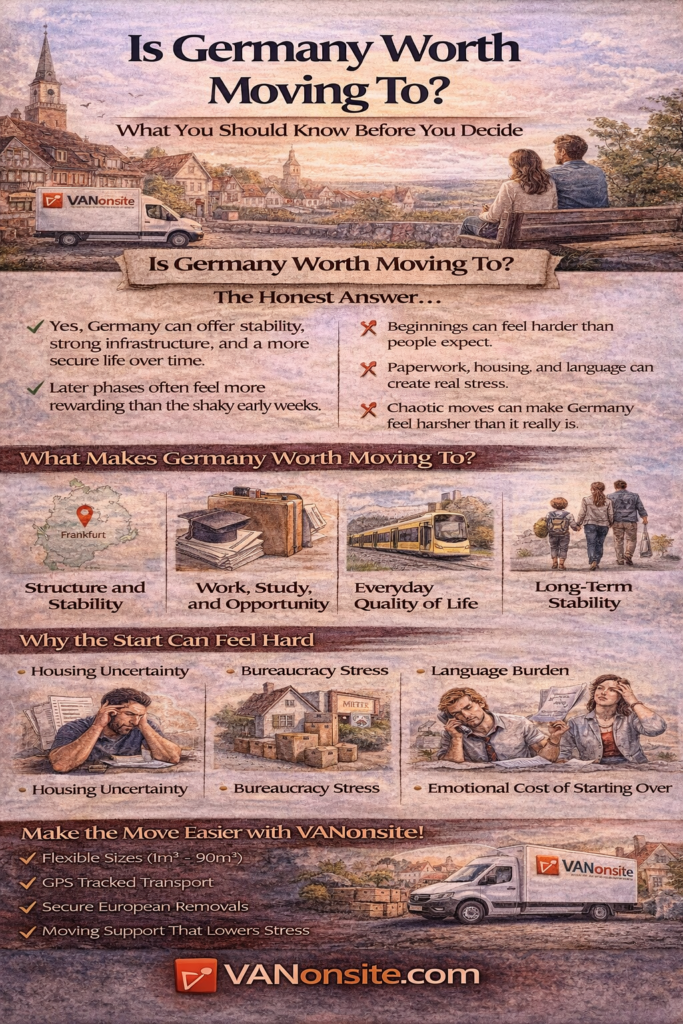
Is Germany worth moving to? For many people, yes. Germany can be a powerful long-term move if you want structure, stability, strong infrastructure, and a life that feels more secure over time. However, the honest answer is not blindly positive. Germany is often easier to appreciate in the long run than in the first few weeks after arrival.
That is where many people get emotionally tangled. The long-term value can be real, yet the early phase may still feel heavy. Paperwork can drain energy. Housing pressure can shake confidence. Cultural adjustment can feel colder than expected. Even simple daily tasks can suddenly seem sharper and slower when everything around you is unfamiliar.
This is why the question is Germany worth moving to cannot be answered well with a glossy yes or no. Germany can absolutely be worth moving to for work, family life, study, or a more stable future in Europe. Still, the country itself is only one part of the experience. The other part is the move. And if the move is badly planned, expensive, chaotic, or emotionally exhausting, it can distort how the entire country feels at the start.
A smoother relocation changes that dramatically. Better planning lowers friction. The right service protects your furniture, your timing, and your first days after arrival. Clearer transport reduces uncertainty. Easier access to essentials softens the emotional landing. In other words, Germany may be worth moving to, but the move itself has to work in your favour, not against you.
TL:DR
- Is Germany worth moving to? For many people, yes, especially for long-term stability, work opportunities, and quality of life.
- Germany often feels more rewarding after the first difficult adjustment phase than it does in the first 30 to 90 days.
- The hardest parts are usually bureaucracy, housing pressure, language friction, and the emotional cost of starting over.
- A chaotic move can make Germany feel harder than it really is, especially in the first weeks.
- Man and van can be a smart choice for smaller or staged relocations, while larger moves usually need more structure.
- The biggest moving cost drivers are volume, furniture, access conditions, packing needs, storage, and urgency.
- VANonsite helps reduce stress with secure transport, GPS tracking on every load, flexible vehicle sizes, and services designed for real European relocations.




Is Germany Worth Moving To?
For many people, yes, Germany is worth moving to. Still, the strongest answer is yes with realistic expectations, not yes without conditions. Germany can offer stability, order, strong infrastructure, long-term planning potential, and a lifestyle that feels more secure over time. At the same time, the beginning can feel heavier than people expect.
This is where the question needs honesty. A country can be worth moving to and still feel hard at first. That does not make the decision wrong. It usually means the long-term value and the short-term adjustment are moving at different speeds.
The Honest Answer
The honest answer is that Germany is worth moving to for many people, especially if they value structure, predictability, and long-term quality of life more than instant comfort. It can be a powerful choice for people moving for work, study, family life, or a more grounded future in Europe.
However, it helps to be realistic. Germany is not always emotionally easy in the first phase. The systems may be strong, but the transition can still feel draining. Housing, paperwork, language friction, and the shock of rebuilding routine can make a smart move feel harder than expected.
That is why the right answer is not simply yes. It is yes, if you understand what the early adjustment really feels like and plan the move in a way that protects your first weeks instead of making them harder.
Why Germany Appeals to So Many Movers
Germany appeals to many movers because it offers something that feels increasingly rare: structure. For people who want a life with stronger systems, better long-term planning, and a more stable daily rhythm, Germany can feel like a serious upgrade.
The biggest reasons people are drawn to Germany often include:
- strong infrastructure
- central location in Europe
- long-term stability
- work and study opportunities
- a sense of order in daily life
That central European location matters more than people sometimes realise. It creates flexibility for travel, work connections, family visits, and a wider sense of mobility across the continent. For many people, Germany does not only feel like a destination. It feels like a strong base.
Why Some People Hesitate
At the same time, many people hesitate for understandable reasons. Germany may look appealing from a distance, yet the move can still feel intimidating when it becomes real.
The most common reasons people pause include:
- bureaucracy
- housing pressure
- language barriers
- colder weather or darker seasons
- slower social adjustment
These concerns are not minor. They shape daily experience, especially in the beginning. That is why people who move with realistic expectations usually adapt better than people who move expecting immediate comfort.
What Makes Germany Worth Moving To for Many People?
Germany can be worth moving to because it often delivers value that becomes clearer over time. The first phase may feel demanding, but many people later realise they were building something stronger than the early stress allowed them to see. The country tends to reward patience, planning, and consistency.
This is especially true for people who care about long-term stability more than short-term excitement. Germany may not always feel emotionally easy at the start, but it can become deeply rewarding once the move settles and daily life begins to work.
Structure and Stability
One of Germany’s strongest advantages is structure. Many people value the feeling that systems exist, routines hold, and daily life is not constantly wobbling under uncertainty. That kind of stability can feel powerful, especially for people moving from situations that felt more chaotic or less predictable.
Germany often appeals to people who want:
- more order in daily life
- stronger long-term planning potential
- dependable public systems
- clearer routines and expectations
That does not mean everything feels easy. It means many people find the country easier to build a future in once they are past the first difficult stage.
Work, Study, and Long-Term Opportunities
Germany is often attractive because it supports long-term goals well. Some people move for work. Others move for study. Others move because they want a better foundation for family life, financial planning, or a fresh start that feels more solid than temporary.
For many movers, the appeal includes:
- career growth potential
- educational pathways
- better long-term planning for families
- a stronger sense of future structure
This is one of the reasons Germany can feel more valuable with time. The real benefits often do not show up on day three. They show up when life begins to connect with the reason you moved in the first place.
Everyday Quality of Life
Another reason Germany can be worth moving to is everyday quality of life. Small daily systems matter more than people think when they are building routine in a new country.
What often stands out includes:
- public transport expectations
- safety and everyday order
- healthcare expectations
- routines that become easier to trust over time
These things may not always feel exciting, but they can feel profoundly stabilising. For many people, quality of life is not about constant thrill. It is about how manageable ordinary life feels once the move is no longer dominating every day.
Germany Can Feel More Rewarding Over Time
This may be the most important point in the whole section. Germany often feels more rewarding over time than it does in the first few weeks. The benefits become clearer once the emotional noise of relocation starts to quiet down.
That is why first impressions can be misleading. A person may struggle with paperwork, housing, or language friction at first, then months later realise that the move gave them exactly the kind of long-term foundation they were looking for.
In other words, Germany is often judged too early. Once the move is calmer, the home is functioning, and routine begins to hold, the country can start to feel far more worthwhile than it did in the beginning.
Why Moving to Germany Can Feel Hard at First
Moving to Germany can feel hard at first without meaning the move was a mistake. That distinction matters. A difficult beginning often says more about transition pressure than about the country itself. The first weeks can feel like a storm of admin, housing uncertainty, language friction, and emotional fatigue, all arriving at once.
This is why first impressions can be misleading. Germany may be worth moving to in the long term, yet still feel emotionally heavy at the beginning. The problem is not always the destination. Very often, it is the timing, the disruption, and the sheer effort of getting daily life to function again.
Housing Can Shape the Whole First Impression
Housing is one of the most powerful emotional filters in any move. If the home feels uncertain, temporary, too small, overpriced, or simply disappointing, the whole country can start to feel harder than it really is.
That is because housing is never just about walls and keys. It affects sleep, comfort, routine, privacy, and the basic feeling of safety after arrival. When the home does not feel right, even simple daily tasks can feel sharper and more exhausting.
Bureaucracy Drains Emotional Energy
Bureaucracy rarely looks frightening from a distance. It looks tedious. However, once you are in the middle of a relocation, bureaucracy can become one of the biggest emotional drains in the entire move.
Forms, appointments, confirmations, registrations, and identity checks may each seem manageable on their own. Together, they can feel relentless. The strain is not only practical. It is mental. Every unfinished task sits in the background, quietly draining attention and confidence.
That is why better preparation matters so much. The more paperwork is organised early, the less likely it is to dominate the emotional tone of the first weeks.
The Language Barrier Changes Daily Life
Language friction affects daily life more than many people expect. Even when someone speaks some German or can manage in English in certain contexts, the emotional fatigue of navigating unfamiliar systems in another language can build quickly.
This is especially true when the tasks are important. Housing, appointments, forms, phone calls, contracts, and everyday problem-solving all feel heavier when the language layer adds extra effort to every step.
That does not mean Germany is the wrong move. It means the learning curve is real, and people usually cope better when they expect some friction instead of expecting everything to feel smooth from day one.
Starting Over Can Feel Heavier Than Expected
Starting over sounds exciting in theory. In practice, it can feel unexpectedly heavy. A move to Germany is not only about transport. It is about rebuilding rhythm, familiarity, and confidence from the ground up.
Common pressure points include:
- unfamiliar systems
- paperwork fatigue
- housing stress
- slower social adaptation
- pressure to rebuild routine quickly
That combination can make the first phase feel much more intense than people expect. Yet it is also why patience matters so much. A hard beginning does not automatically mean Germany is not worth moving to. Often, it simply means the emotional cost of transition is still at its peak.
Is Germany Worth Moving To for Work, Family, or Study?
Germany often feels different depending on why you are moving. That is why the best answer is context-based. A person moving for work may judge Germany through job stability and career rhythm. A student may feel the country through opportunity, affordability pressures, and adaptation speed. A family may care most about long-term structure, safety, and day-to-day practicality.
So when asking is Germany worth moving to, it helps to ask a second question too: worth it for what kind of life?
For Work
Germany can be worth moving to for work if you want stronger long-term structure, access to opportunities, and a daily environment that feels more predictable over time. Many people move because they want more stability, clearer direction, or a stronger foundation for building a career in Europe.
The value often becomes clearer when:
- the role supports long-term planning
- daily routine starts to stabilise
- housing and logistics stop dominating attention
- the move aligns with a bigger professional goal
That said, the first phase can still feel emotionally demanding. A strong job opportunity may still come with paperwork, housing stress, and culture shock. The key is to judge the move by the bigger trajectory, not only by the first difficult month.
For Study
Germany can also be worth moving to for study, especially for people looking for a serious academic step and a stronger long-term base in Europe. For students, the emotional experience of the move often depends on whether the relocation feels lean and manageable or messy and overloaded.
This is where good moving decisions matter. A compact student move, often handled well with man and van, can reduce financial pressure and make the first phase feel much more controlled.
Germany tends to feel more worthwhile for study when:
- the academic path is clear
- the move stays cost-aware
- the essentials are easy to access after arrival
- the first weeks are not overwhelmed by avoidable transport stress
For Families
For families, Germany may be worth moving to because the long-term picture often matters more than short-term friction. Stability, routine, planning potential, and everyday structure usually matter deeply when children, schooling, or a more settled family rhythm are part of the decision.
A family move often feels worth it when the relocation supports:
- stronger daily structure
- a safer feeling of long-term planning
- more manageable routine over time
- a home environment that becomes stable after the move settles
Family moves also tend to feel the cost of poor logistics more sharply. When the transport is disorganised, the emotional pressure lands on everyone. When the move is smooth, the new chapter starts with much less chaos.
For a Fresh Start in Europe
Germany can be worth moving to for a fresh start if you are looking for a stronger base in Europe rather than a short burst of novelty. For many people, the appeal is not only Germany itself, but the feeling of rebuilding life in a place that offers more structure, more connectivity, and more long-term direction.
This kind of move often feels worth it when:
- you want more stability than spontaneity
- you are ready for a serious transition, not just a change of scenery
- you want a central base in Europe
- you are willing to accept a harder beginning for a stronger longer-term outcome
That balance is the real heart of the decision. Germany may not always feel instantly easy, but for many people it becomes more valuable precisely because it supports a future that feels more solid over time.
What People Wish They Knew Before Moving to Germany
Most people do not wish they had chosen a different country immediately. More often, they wish they had understood how the early phase would really feel. They wish someone had told them that the first month can blur everything, that paperwork can eat mental energy, and that small practical details often shape emotional stability far more than expected.
This section matters because it answers the hidden version of the main question. When people ask is Germany worth moving to, they are often also asking whether the difficult beginning is normal, whether the stress will ease, and what they could do to make the move feel less punishing from the start.
The First Month Can Feel Harder Than Expected
The first month can feel much harder than the idea of the move. Even when the long-term decision is right, the early days can still feel disorienting, tiring, and emotionally sharp.
What makes this phase so heavy is the combination of pressures arriving together:
- housing uncertainty
- paperwork overload
- unfamiliar routines
- language friction
- emotional distance from familiar people and places
This does not automatically mean Germany is not worth moving to. It usually means the move is still being felt through the lens of transition rather than through the lens of settled life.
Paperwork Matters More Than People Think
Paperwork is rarely the reason someone dreams of moving abroad, yet it often becomes one of the strongest forces shaping the first weeks. When documents are missing, disorganised, or left too late, stress rises quickly.
That is why preparation matters more than people think. A calm document setup helps with identity checks, housing processes, delivery clarity, and the general feeling that the move is still under control.
The most useful mindset is simple: paperwork is not a side issue. It is part of the emotional architecture of the move.
Housing and Furniture Shape Emotional Stability
People often talk about housing as a financial issue and furniture as a transport issue. In reality, both shape emotional stability.
A home that feels too uncertain, too empty, or too dysfunctional can make a good move feel much worse. A proper bed, a usable table, working lights, and access to daily essentials create a sense of normal life faster than many people expect.
This is one reason furniture decisions matter so much. Moving the right pieces, protecting them properly, and making sure they arrive in good shape can soften the first weeks more than any motivational speech ever could.
A Smoother Move Changes the Whole Experience
A smoother move changes the emotional tone of everything that follows. It does not erase bureaucracy or housing pressure, but it stops the transport itself from becoming another problem to survive.
When the move is visible, organised, and matched to the real load, the reader gets something incredibly valuable: mental space. Instead of fighting delays, damaged items, missing essentials, or unclear arrival timing, they can focus on settling in.
A few actions make a meaningful difference immediately:
- prepare documents early
- do not underestimate furniture volume
- keep first-night essentials easy to reach
- confirm access conditions in advance
- use a tracked service
These are not tiny technicalities. They are practical ways to protect emotional energy in the hardest phase of the move.
Moving to Germany Without Unnecessary Stress: What to Plan First
The smartest way to make Germany feel more worth moving to is to reduce avoidable stress before the journey begins. This section is where emotion becomes action. Instead of only asking whether Germany is worth it, the reader needs a plan that makes the move feel more controlled, more predictable, and less draining.
A better move is not always the one with the lowest price or the fastest date. It is the one that supports the first days after arrival instead of sabotaging them.
Confirm Your Move Date Early
The move date is the anchor that holds everything else together. Without it, housing handover, quote timing, service availability, work start dates, and access planning all stay fuzzier than they should.
Early confirmation matters because it gives the whole move structure. It also usually protects the budget. Last-minute moving often narrows your options while increasing pressure at the same time.
Sort What Is Worth Taking
Before booking any transport, sort your belongings into four simple groups:
- take
- sell
- donate
- store
This one step can change the whole move. It reduces emotional clutter as well as physical clutter. It helps you see the move more honestly and makes the quote more realistic.
The strongest relocations are not built on dragging everything forward. They are built on choosing what still deserves a place in the next chapter.
Measure Furniture Before Booking Transport
Measuring furniture before booking transport is one of the easiest ways to prevent avoidable moving stress. Beds, sofas, wardrobes, desks, and storage units shape both the size of the vehicle and the real complexity of the relocation.
It is not only the furniture dimensions that matter. Access matters too. A narrow staircase, weak parking, long carry distance, or awkward hallway can reshape the move far more than people first expect.
Pack an Essentials Zone for the First 48 Hours
The first 48 hours after arrival have enormous emotional weight. If everything important disappears into the main load, the move starts with frustration instead of relief.
Keep one essentials zone separate with items such as:
- clothes for 2 to 3 days
- toiletries
- chargers
- medication
- basic kitchen items
- important documents
The goal is not perfection. The goal is to make the first night and first morning feel survivable, practical, and far less chaotic.
Choose a Moving Service That Matches the Real Load
A move feels harder than it needs to when the service is the wrong fit. Too small, too vague, too improvised, or too poorly matched to the real load. These mistakes do not stay in the logistics phase. They spill directly into the emotional experience of arrival.
That is why service fit matters so much. A compact staged relocation may be ideal for man and van. A larger household move often needs more structure. Fragile or premium items may need better protection. The service should match the move you actually have, not the move you wish were simpler.
Which Moving Services Make the Move to Germany Easier?
The wrong service can make even a promising move feel exhausting. A route that should have felt exciting can quickly become chaotic if the transport does not match the real size, value, or urgency of the relocation. That is why this part matters so much. The service does not only affect how things travel. It affects how the first days in Germany feel.
A better service fit lowers friction. It reduces delay risk, damage risk, and the emotional noise that comes from uncertainty. In short, the right service gives the move a steadier backbone.
Home Removals for Full Household Moves
If you are moving the majority of your household, home removals are often the strongest fit. This type of service works best when the relocation includes several rooms of furniture, a high number of boxes, and the need for more coordinated loading and delivery.
Home removals usually make the most sense when:
- the move includes most of your household
- timing matters on both ends
- the load includes large furniture and many boxes
- you want a more structured process from pickup to arrival
This is not only about capacity. It is about emotional steadiness. A full household move rarely feels good when it is improvised.
Furniture Removals for Valuable or Bulky Items
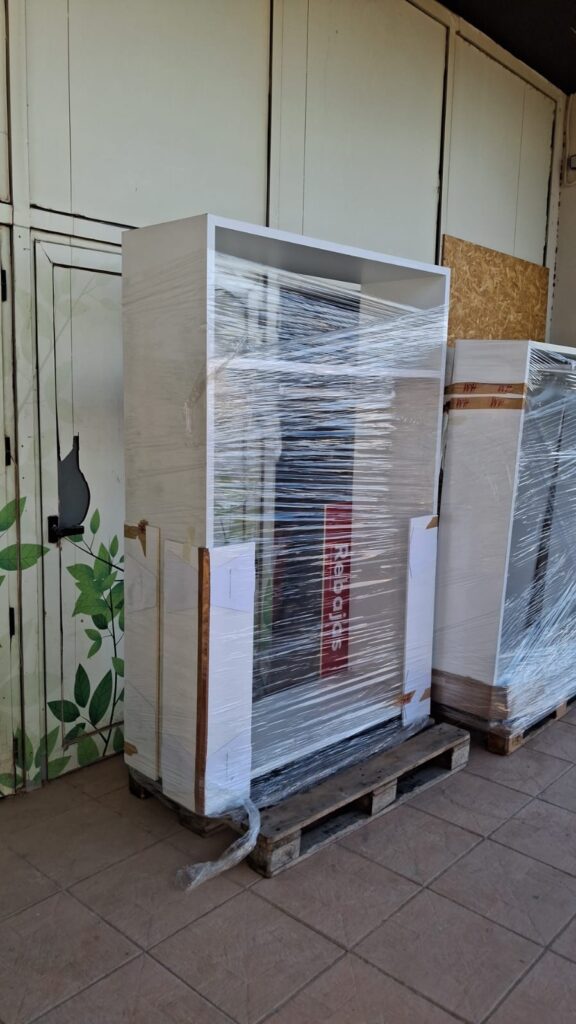
If the move is shaped by awkward, heavy, or expensive items, furniture removals are often the smarter choice. Sofas, wardrobes, dining tables, bed frames, cabinets, and fragile statement pieces usually determine the real difficulty of the move more than the number of boxes does.
Furniture removals are especially useful when:
- the load is furniture-heavy rather than box-heavy
- some items are valuable, fragile, or hard to replace
- large pieces need more careful handling
- the route is long enough that stable loading really matters
One damaged table or marked cabinet can sour the whole arrival experience. That is why better furniture handling is often worth far more than it first appears.
Packing Service for Stressful or Fragile Relocations
A professional packing service can remove an astonishing amount of stress from an international move. It is especially valuable when the relocation includes fragile items, tight timing, or the kind of emotional overload that makes every extra task feel heavier than it should.
Packing support is often worth considering when:
- the move includes glass, ceramics, electronics, or delicate decor
- you are already managing housing or admin pressure
- the timeline is short
- you want the first unpacking phase to feel cleaner and calmer
Good packing protects more than objects. It protects energy.
White Glove Delivery for Premium Items
If the move includes premium, sentimental, or irreplaceable items, White Glove Delivery becomes a practical safeguard rather than a luxury extra. This is often the strongest option when finish, surface condition, careful indoor handling, or peace of mind matter more than pure speed.
White glove delivery usually makes the most sense when:
- the item is expensive or emotionally significant
- the finish is delicate
- the piece needs careful placement indoors
- damage would be costly financially or emotionally
When only one or two items carry disproportionate value, stronger protection is often the smartest part of the entire move plan.
Student Removals for Lighter Relocations
For lighter and more budget-conscious moves, student removals can be a very effective fit. This is one of the clearest situations where man and van can work beautifully, especially when the move is compact and the load is well controlled.
Student relocations usually work best when:
- the load is limited to essentials, boxes, and small furniture
- cost control matters more than a heavy service setup
- flexibility is more useful than scale
- the move is happening around study dates or shared housing timelines
A smaller move does not mean careless moving. It means the service should stay lean, realistic, and well matched.
Office Removals for Work-Related Moves
If the relocation includes workstations, desks, monitors, storage, or office equipment, office removals bring a more organised structure to the move. This matters when the relocation affects business rhythm, daily productivity, or the speed of getting fully operational again.
Office removals are especially useful when:
- the move includes work equipment or office furniture
- continuity matters after arrival
- safe handling is more important than generic loading
- timing affects professional obligations directly
This kind of move usually needs more than simple transport. It needs order.
When Man and Van Is the Best Fit
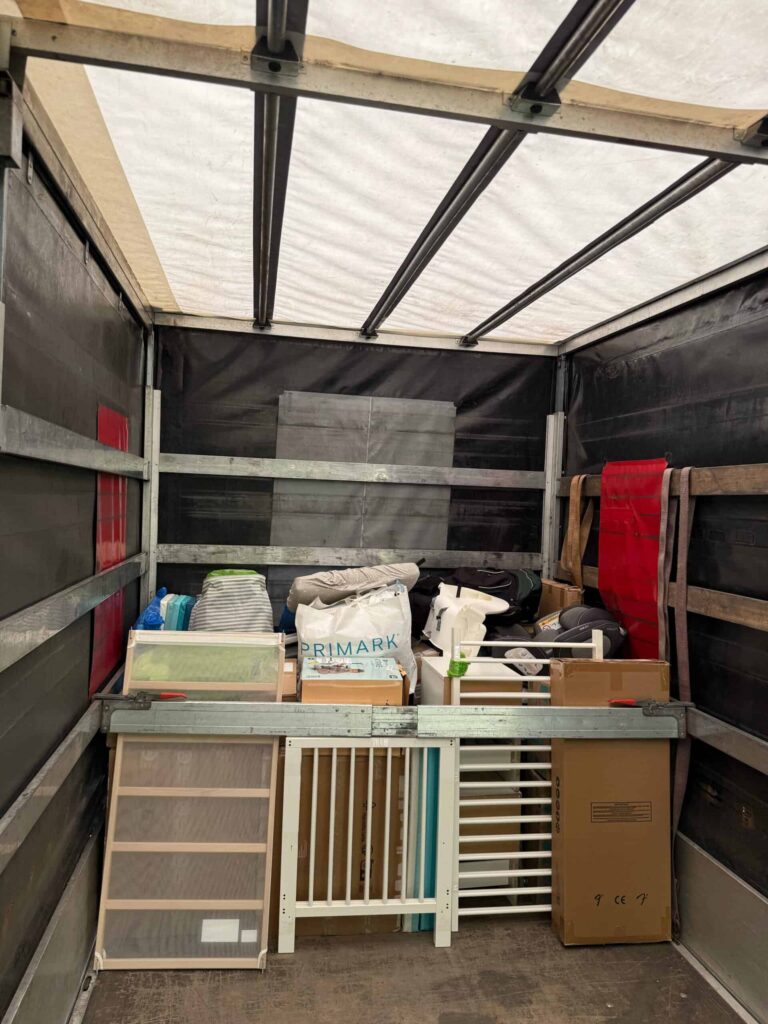
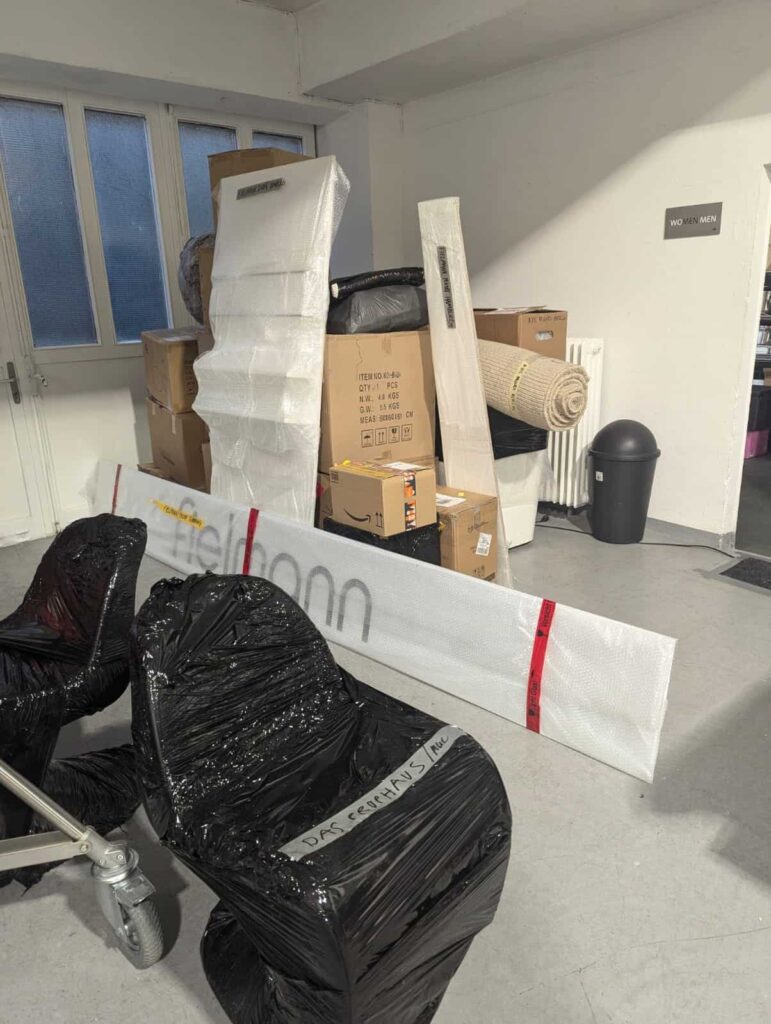
Man and van is often the best fit for smaller, leaner, staged, or partial moves. It works especially well when the relocation does not involve a full household but still needs reliable handling and a professional timeline.
A man and van setup is often ideal when:
- the move is compact
- the load is moderate
- flexibility matters more than large-scale capacity
- the route is time-sensitive
- only part of the home is travelling first
The key question is not whether man and van sounds simple. It is whether it matches the move you actually have.

Moving to Germany Cost: What Usually Shapes the Budget?
Moving stress usually comes from surprises, not only from the headline number. That is why people often feel worse about unexpected extras than about a realistic quote they understood from the start. The smartest way to think about the budget is this: cost rises when space, effort, difficulty, and urgency rise.
Once those drivers are clear, the price starts to feel more logical. More importantly, it becomes easier to influence the final cost without sabotaging the move itself.
Main Cost Drivers
The biggest cost drivers usually include:
- load volume
- furniture size
- access conditions
- packing needs
- storage
- urgency
These details turn a vague estimate into a grounded quote. The more honest the information is, the better the service can be matched.
Why Low-Value Furniture Can Quietly Inflate the Quote
Some furniture costs more to move than it is worth in the next home. Worn flat-pack items, damaged units, bulky low-value pieces, or furniture that will not suit the new space can silently expand the quote without creating enough return.
A good test is to ask:
- Is it expensive to replace?
- Is it still in strong condition?
- Does it fit the new home properly?
- Will I really miss it if I leave it behind?
If the answer is mostly no, the item may be inflating cost rather than creating comfort.
Hidden Costs People Forget
A surprising amount of moving stress comes from small details that are shared too late. These details can make the move harder and more expensive without changing the route itself.
The most common ones include:
- parking issues
- long carry distance
- stairs
- weak volume estimate
- late booking
Each of these may look minor alone. Together, they can change the shape of the move quickly.
How to Reduce Cost Without Creating More Stress
- declutter early
- measure properly
- choose the right vehicle size
- share access details early
- protect fragile items properly
These steps matter because the goal is not simply to pay less. The goal is to spend more intelligently. Saving money by creating chaos is not a real saving.
| Cost factor | Why it matters | How to reduce stress |
|---|---|---|
| Load size | Larger loads raise transport cost | Move only what matters |
| Furniture | Bulky items affect space and labour | Measure and sort early |
| Access | Difficult access adds effort | Share details in advance |
| Packing | Adds cost but lowers damage risk | Use for fragile items |
| Urgency | Short-notice moves cost more | Book as early as possible |
A More Useful Way to Think About the Budget
Many people search for one clean number. In reality, moving decisions work better when the budget is framed by complexity level instead.
A smaller move usually rewards flexibility. A full household move usually rewards more structure. A fragile or premium-item move usually rewards stronger protection, even if the quote is higher. That way of thinking usually leads to better decisions than chasing the lowest possible number in isolation.
What Documents May Matter When Moving to Germany?
Paperwork feels far less intimidating when it is prepared early. Most people do not regret documents because they exist. They regret them because they become urgent at exactly the wrong moment, while the move is already underway and emotional bandwidth is low.
A calm document setup protects both the logistics and the emotional rhythm of the relocation.
Basic Personal Documents
Most movers should keep these ready:
- passport or ID
- proof of address
- tenancy agreement or address confirmation
- inventory list
These documents should stay accessible, not disappear into the main load.
Why an Inventory List Helps More Than Expected
An inventory list sounds simple, yet it quietly improves almost every part of the move. It helps with structure, clarity, communication, and fast access to priority items after arrival.
A good inventory helps you:
- track what matters most
- identify fragile items clearly
- support a more accurate quote
- make the delivery feel more controlled
For many movers, the inventory becomes the practical spine of the whole relocation.
Vehicle, Pet, and Special-Item Paperwork
If the move includes pets, vehicles, high-value items, or special equipment, extra documentation may matter. The safest approach is to check the current official guidance before moving day.
Useful official sources include:
| Document | Why it matters |
|---|---|
| Passport or ID | Identity verification |
| Proof of address | Helps with admin and delivery clarity |
| Inventory list | Improves moving control and tracking |
| Vehicle papers | Useful for special transport situations |
| Pet documents | Important for compliant animal transport |
A Simple Way to Organise Moving Documents
A practical system is to divide paperwork into three groups:
- documents you must carry with you
- documents you may need soon after arrival
- documents that are useful as digital backup only
That small distinction saves confusion. It stops the relocation from turning into a frantic search for papers at the exact moment you need them.
What Furniture Is Worth Taking to Germany?
This decision affects much more than cost. It shapes vehicle size, labour, packing strategy, and the emotional comfort of the first days after arrival. A strong rule here is simple: move what still deserves a place in the next chapter, not what happens to exist in the current one.
Furniture Usually Worth Moving
These pieces are often worth moving:
- solid wood furniture
- premium beds and sofas
- antiques
- sentimental pieces
- quality desks and storage
These items are usually worth the effort because replacing them at the same standard often costs more than moving them carefully.
Furniture Often Better to Replace
These items are often better left behind:
- worn flat-pack units
- damaged pieces
- bulky low-value items
- furniture unlikely to suit the new home
Letting go of low-value bulk often makes the move cleaner, cheaper, and emotionally lighter.
How to Protect Furniture Properly
- disassemble when possible
- wrap corners and glass
- label fragile parts
- keep screws and fittings organised
Furniture does not only need to fit in the vehicle. It needs to survive the route without turning into a source of regret later.
When White Glove Delivery Makes Sense
If the move includes premium, delicate, or sentimental pieces, White Glove Delivery can be the difference between confident transport and unnecessary risk.
Which Vehicle Size Fits Your Move to Germany?
Wrong sizing is one of the most common moving mistakes because people often picture the move in headline items rather than real lived volume. The right size protects more than the budget. It protects order, safety, and calm on moving day.
| Service Option | Capacity | Max Weight | Best for |
|---|---|---|---|
| Moving One | 1 m3 | 100 kg | A few urgent essentials |
| Moving Basic | 5 m3 | 300 kg | Student or compact part-load move |
| Moving Medium | 10 m3 | 500 kg | Studio or small flat move |
| Moving Premium | 15 m3 | 1100 kg | One-bedroom relocation |
| Moving Premium Plus | 30 m3 | 3500 kg | Family move or furniture-heavy relocation |
| Moving Full House XXL | 90 m3 | 20000 kg | Full household move |
What Those Sizes Mean in Real Life
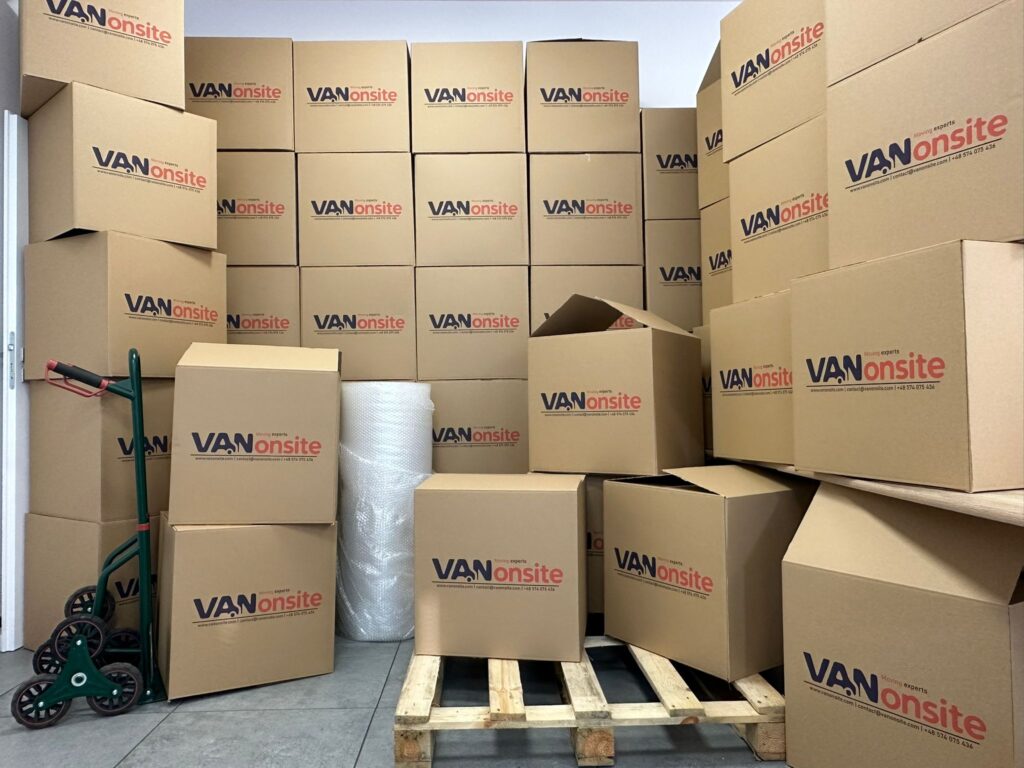
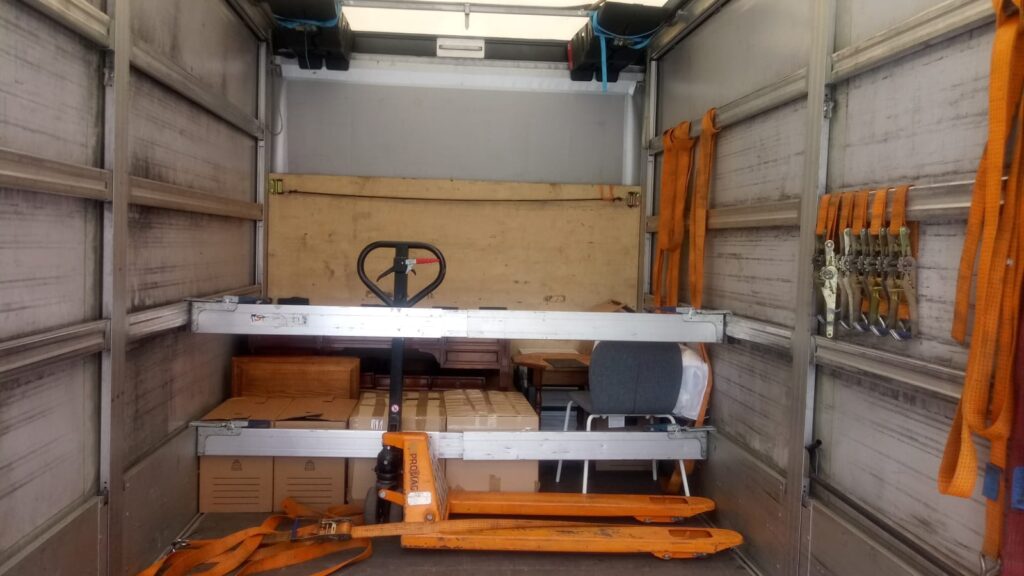
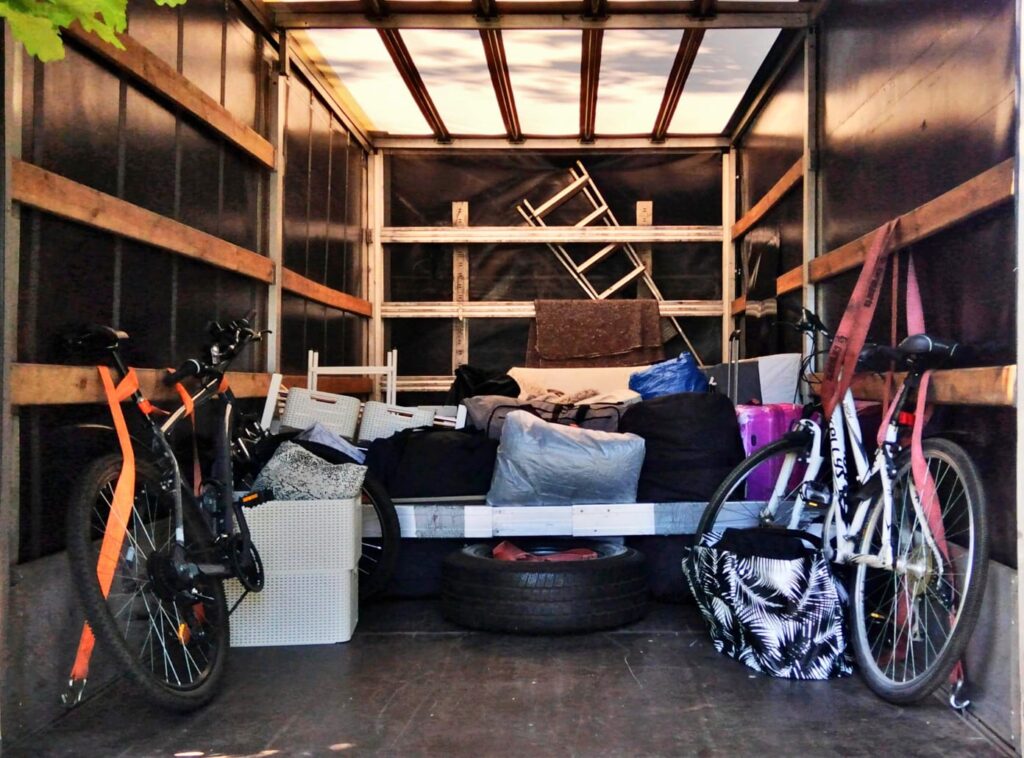
A few boxes quickly become far more volume once bedding, kitchenware, clothes, lamps, chairs, and storage are added to the picture. That is why visual guesswork fails so often.
When Man and Van Works Best
Man and van works best when the move is smaller, staged, flexible, or only part of the household is travelling. It is often the strongest option for compact international moves that still deserve professional handling.
Signs You Need More Space Than Expected
You probably need more space if the move includes:
- more than 15 to 20 boxes
- a sofa, bed, wardrobe, or table set
- several fragile items
- appliances or awkward-shaped items


Common Moving Mistakes That Make Germany Feel Harder Than It Is
Germany can feel harder than it really is when the move is loaded with avoidable errors. The good news is that many of them are preventable. A lot of relocation stress does not come from Germany itself. It comes from weak decisions made too early, too late, or too casually.
The most common mistakes include:
- choosing by price alone
- underestimating volume
- moving low-value furniture
- leaving documents too late
- packing fragile items badly
- not sharing access details
- choosing a service without tracking
A stronger move is not about eliminating every challenge. It is about avoiding the unnecessary ones.
Choosing by Price Alone
The cheapest-looking quote can be dangerously persuasive, especially when the reader is already trying to control costs. However, the lowest number often says very little about how smooth the relocation will actually feel.
A weak quote may hide:
- poor service matching
- unrealistic timing
- too little protection for the load
- vague communication
- limited visibility once the route begins
This matters because a move that feels cheap on paper can become expensive in stress, delay, and damage risk. A better question is not “What costs least?” but “What gives this move the best chance to feel stable?”
Underestimating Volume
This mistake happens constantly because people remember the headline items and forget the hidden layers. They count the sofa, the wardrobe, the bed, and the boxes they can already see. They forget the folded bedding, kitchenware, lamps, storage baskets, cleaning supplies, desk chair, coats, shoes, and everything else that quietly fills the vehicle.
Underestimating volume can cause:
- the wrong vehicle size
- tighter and riskier loading
- slower moving-day decisions
- more pressure on fragile items
- extra stress right when the move should be settling down
That is why honest measuring is one of the most valuable preparation steps in the entire move.
Moving Low-Value Furniture
Some furniture travels badly because it was never worth the journey in the first place. Worn flat-pack pieces, damaged units, unstable storage, or furniture that does not suit the new home can quietly drain both budget and energy.
This kind of mistake often creates double frustration. First, it increases the quote. Then it arrives in Germany and still does not feel worth having there.
A stronger move is built on selectivity. Not every object deserves international transport just because it already exists.
Leaving Documents Too Late
Late paperwork turns calm preparation into moving-week panic. Documents that should have been easy to access suddenly become urgent, and the search for them begins at exactly the wrong time.
This can affect:
- identity verification
- housing processes
- delivery clarity
- special-item transport
- the general feeling of being in control
The emotional cost of late documents is often larger than the practical one. They create mental drag during a phase that already has enough pressure.
Packing Fragile Items Badly
Fragile items do not forgive rushed packing. Weak wrapping, overloaded boxes, unprotected corners, or loose glass can turn a manageable move into a bitter arrival.
This is especially important on a longer European route, where the load needs to stay stable for far longer than on a short local transfer. Good packing protects not only the object, but also the emotional tone of the arrival.
Not Sharing Access Details
Access conditions shape the move more than many people expect. A narrow staircase, difficult parking, long carry distance, awkward hallway, or limited lift access can completely change the real effort of loading and unloading.
When those details are shared too late, the quote becomes weaker and the moving day becomes harder. These are not tiny side notes. They are part of the move itself.
Choosing a Service Without Tracking
Silence feels heavier on an international move. When belongings are crossing borders, people do not only want the move to work. They want to know where the load is, whether the schedule still holds, and when arrival is realistically approaching.
A service without tracking often increases the exact kind of uncertainty that makes the first days feel emotionally louder than they need to be.
Why VANonsite Helps Make the Move Feel Better
People rarely want grand promises during relocation. They want signs that the move will feel less chaotic, less uncertain, and more manageable. That is exactly where practical, well-matched support matters.
VANonsite stands out because the service speaks to the real shape of a European move, not a fantasy version of it. The company supports different types of relocations, from lighter man and van setups to full household moves, while keeping the process grounded in visibility, flexibility, and careful handling.
What Makes the Service Strong
- secure and fast transport across Europe
- GPS tracking on every load
- flexible vehicle sizes
- support for home, furniture, office, student, and urgent moves
- practical service with a human touch
These strengths matter because they change the actual experience of the move, not just the label attached to it.
A relocation feels safer when the service fits the real size of the load, the route is being tracked, and the communication feels grounded rather than vague. That is where a company like VANonsite earns trust.
Why This Lowers Friction and Uncertainty
Better logistics help the reader judge Germany more fairly instead of through moving stress. When the route is visible, the service matches the real load, and the timing feels grounded, the move stops competing with the country itself for emotional attention.
That is why removals to Germany can be such a strong starting point. It helps turn the relocation from a source of friction into part of the solution.
Why GPS Tracking Matters in Real Life
GPS tracking is not just a useful extra. It changes how the move feels. On a longer route, not knowing where the load is can create a low, constant anxiety that drains energy during the exact phase when attention is already stretched.
When the journey is visible:
- timing feels more believable
- arrival feels easier to plan
- worst-case assumptions lose power
- the reader can focus on settling in rather than guessing
That kind of clarity is deeply valuable during an international relocation.
Why Flexibility Matters Too
No two moves to Germany look exactly the same. Some are student relocations. Some are full family transfers. Some are furniture-led moves. Some are urgent, last-minute, or built around work deadlines.
A moving company earns trust when it can respond to that reality instead of forcing every customer into one rigid format. Flexible vehicle sizing, broader service options, and route visibility are not cosmetic advantages. They are the things that make the move feel adaptable instead of brittle.
Final Checklist Before Moving to Germany
A useful checklist turns vague anxiety into visible action. That is often the difference between feeling overwhelmed and feeling ready enough to move forward. It does more than organise the final week. It creates momentum, lowers mental clutter, and helps the move feel less like a vague threat and more like a process you can actually manage.
That matters because the last stage before relocation is often emotionally noisy. Small loose ends feel bigger. Tiny delays feel dramatic. A checklist creates a calmer structure around that pressure.
- confirm the move date
- sort what to take
- measure furniture
- prepare documents
- confirm service type and vehicle size
- separate essentials
- share access details
- confirm the delivery address
Each step matters for a reason. Confirming the move date anchors the rest of the plan. Sorting what to take protects the budget and lowers clutter. Measuring furniture improves vehicle matching. Preparing documents removes last-minute panic. Confirming the service type and vehicle size lowers the risk of chaos on loading day. Separating essentials protects the first 48 hours. Sharing access details improves accuracy. Confirming the delivery address helps the whole arrival feel more controlled.
Last 24-Hour Check
The final 24 hours are rarely calm by default. That is why a short, focused review matters so much. It helps catch the details most likely to create frustration on moving day.
- keep documents easy to reach
- make sure essentials are separate
- confirm contact details and timing
- label fragile items clearly
- keep chargers, food, and toiletries accessible
It also helps to do one fast visual sweep of the home before sleeping. Check the hallway, storage corners, bathroom shelves, and kitchen cupboards. The last forgotten items are often hiding in quiet places, not obvious ones.
First-Night Essentials After Arrival
The first night carries more emotional weight than people expect. If basic items are easy to reach, the new place starts feeling livable faster. If everything is buried in the main load, even a good move can suddenly feel punishing.
Keep these ready first:
- clean clothes
- toiletries
- bed linen
- chargers
- basic kitchen items
- medication
It also helps to have one small comfort layer ready, such as tea, coffee, a snack, or a simple lamp. Those tiny things can make the first evening feel less raw and much more human.
First-Morning Essentials Check
The first morning after arrival often reveals whether the move was organised well. When basics are easy to find, the new environment starts to feel workable immediately.
- coffee or kettle basics
- cups and cutlery
- towel and toiletries
- next-day clothes and shoes
- chargers and devices
- key documents and medication
A strong first morning is not about luxury. It is about restoring rhythm. Once you can wash, dress, charge devices, and make a hot drink without digging through half the move, the day starts feeling much more under control.
FAQ About Moving to Germany
Is Germany Worth Moving To for the Long Term?
For many people, yes. Germany often becomes more rewarding over time than it feels in the first few weeks because the long-term benefits grow clearer once routine begins to work.
That is especially true for people who value structure, long-term planning, and a life that feels more stable over time. The beginning can still feel demanding, but the country often rewards patience more than first impressions suggest.
Is the First Month in Germany the Hardest?
For many movers, yes. The first month often compresses paperwork, housing pressure, language friction, and emotional fatigue into one intense phase.
That phase can feel misleadingly harsh because you are judging a whole country through the lens of disruption, tiredness, and unfinished logistics. Once routine starts to settle, the emotional tone often changes significantly.
How Can I Make Moving to Germany Easier?
Reduce preventable stress early. Confirm the date, sort your belongings honestly, measure the real load, prepare documents, and choose a moving service that matches the actual relocation.
It also helps to protect the first 48 hours after arrival. A smoother first night and first morning can change your whole emotional reading of the move.
Is a Man and Van Enough for Moving to Germany?
Yes, for many smaller or staged moves. For larger household relocations, a fuller service is usually the better choice. Man and van works best when the move is compact and well defined.
It is especially useful when only part of the home is travelling, when flexibility matters, or when the move needs to stay lean without becoming careless.
What Documents Should I Prepare Before Moving?
Identity documents, proof of address, an inventory list, and any papers linked to pets, vehicles, or special items are often the most important to organise early.
The smartest approach is to keep the most important documents with you, keep digital backups available, and avoid burying key paperwork inside the main load.
Is Professional Packing Worth It?
Yes, especially for fragile, premium, or emotionally valuable items. It often lowers stress more than people expect because it protects both the load and your mental energy.
Professional packing is also worth considering when the timeline is tight or when housing, admin, or work pressure is already stretching your attention. In those cases, it protects the move from becoming one problem too many.
Conclusion
Is Germany worth moving to? For many people, absolutely. Yet the move usually feels most worthwhile when it is judged through the long-term reality rather than the first chaotic days of transition.
Germany can offer structure, stability, stronger planning potential, and a more grounded life over time. However, those advantages are easier to see when the relocation itself does not drown them out with avoidable stress.
That is why the move matters so much. When transport is well planned, the right service is chosen, the essentials are easy to reach, and the first days are protected from chaos, Germany has a much better chance to feel like what it truly may be: a move worth making.
And that final point matters more than it may first seem. A successful relocation is not only about reaching Germany. It is about arriving with enough calm, clarity, and energy left to actually begin your life there well.