Introduction
For many people, yes, is it worth moving to Germany has a clear answer: it can be absolutely worth it. However, the real answer depends on the kind of life you want to build. Germany tends to feel most worthwhile for people who value structure, long-term stability, strong infrastructure, and the quiet confidence that comes from building a future on firmer ground.
That is why Germany can be deeply worth it for work, family life, study, or long-term security. It often appeals to people who are not only chasing novelty, but looking for something more durable. A stronger daily rhythm. A more dependable environment. A future that feels less improvised and more intentional.
At the same time, the move often feels more rewarding after the first adjustment phase. The first 30 to 90 days can still feel intense. Housing may be stressful. Paperwork can drain energy. Language friction can make even small tasks feel heavier. Yet once routine starts returning and the home begins to function properly, many people feel the deeper benefits much more clearly.
This is also why the relocation itself shapes the first impression of the country so strongly. If the delivery feels vague, the essentials are buried, or the furniture plan is chaotic, Germany can feel harder than it truly is. On the other hand, a better-organised move makes it easier to feel the benefits faster. When the route is well planned, your belongings are handled properly, and the right service supports the move, the country has a much fairer chance to feel worth it from the start.
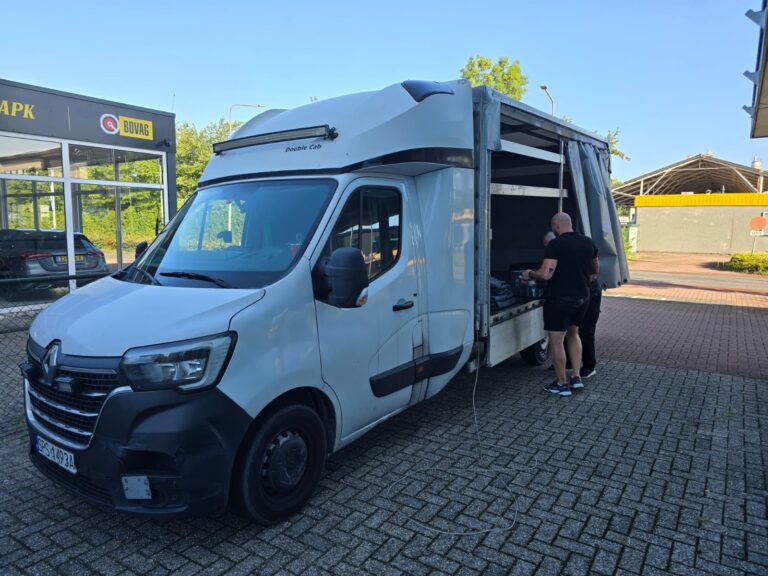
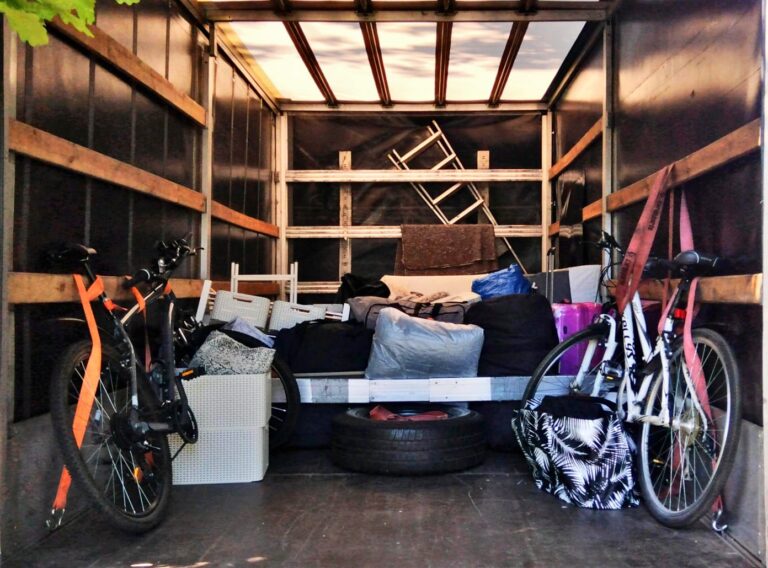
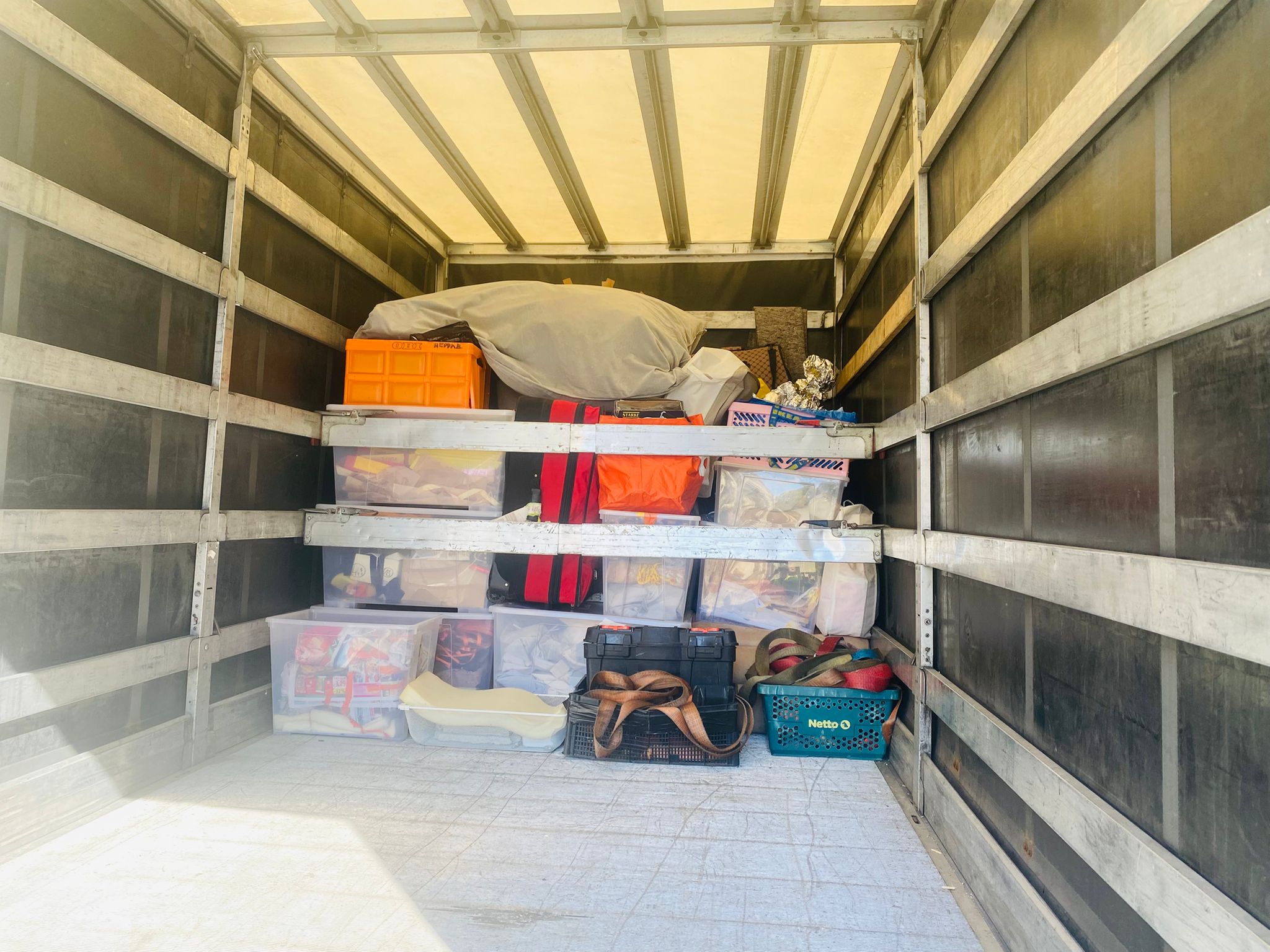
For a smaller, staged relocation, man and van can be a smart and flexible solution. For larger household moves, a stronger setup usually protects both the load and your peace of mind. In both cases, the principle is the same: when the move works well, Germany becomes easier to experience as an opportunity rather than a test.
This guide breaks down the real answer to is it worth moving to Germany, while also showing how better planning, smarter transport, and calmer preparation can help you feel confident in the decision much faster.
TL:DR
- For many people, yes, is it worth moving to Germany has a strong positive answer, especially for those who value structure, stability, and long-term planning.
- Germany often feels most rewarding for work, family life, study, or a serious fresh start in Europe.
- The move usually feels more worthwhile after the first adjustment phase, not necessarily on day one.
- Housing, paperwork, and language friction can temporarily hide the real benefits.
- A better-organised relocation protects your first impression of the country.
- man and van can work very well for smaller or staged moves, while larger relocations usually need more structure.
- When the move is planned properly, Germany is much easier to experience as a future worth building.




Is It Worth Moving to Germany for Most People?
For many people, yes, is it worth moving to Germany has a strong positive answer. Still, it is not the same answer for everyone. Germany usually feels most worthwhile for people who want more than a change of scenery. It tends to reward those who value structure, long-term thinking, stronger daily systems, and a future that feels more grounded than improvised.
That distinction matters. If someone expects instant comfort, effortless paperwork, and a perfect first month, Germany can feel heavier than expected. However, if someone wants a serious base for work, study, family life, or long-term security, the move can become deeply worthwhile over time.
When the Answer Is Clearly Yes
For many movers, the answer is clearly yes when Germany aligns with the life they actually want to build. That usually means the move is not driven only by impulse. It is driven by a desire for something steadier.
Germany often feels worth it when you want:
- stronger structure in everyday life
- more stability over the long term
- a clearer sense of routine and predictability
- a stronger base for work, family, or study
- a future that feels less reactive and more intentional
These reasons may sound practical rather than dramatic. That is exactly why they matter. The most powerful relocations are often not built on excitement alone. They are built on sustainability.
When Germany May Feel Especially Rewarding Long Term
Germany may feel especially rewarding in the long run for people who are patient enough to let the deeper value reveal itself. Some countries impress fast and then become harder. Germany often works the other way around. The first phase can feel demanding, but the long-term rhythm can become far more rewarding once daily life settles.
That is why the move often feels especially worthwhile for people who want:
- a serious long-term move in Europe
- more dependable daily systems
- stronger planning potential for the next few years
- a life shaped more by rhythm than by constant improvisation
For these movers, Germany can become more convincing with time rather than less.
Why the Right Expectations Matter So Much
Expectations shape the answer more than people realise. If someone expects Germany to feel easy on day one, they may misread the country during the hardest part of the transition. If they expect a demanding first phase followed by a more stable long-term rhythm, they are much more likely to feel the move was worth it.
That is one of the most important truths behind is it worth moving to Germany. The answer often becomes clearer once you stop judging the country only through the noise of paperwork, housing stress, and unpacking.
A realistic mindset helps because:
- it protects you from overreacting to the first month
- it makes normal adjustment feel less alarming
- it helps you notice long-term value more clearly
- it gives the move a fairer emotional frame
Why Moving to Germany Feels Worth It for Many People
For many people, is it worth moving to Germany becomes easier to answer once daily life starts taking shape. The move often feels worth it not because one single factor transforms everything, but because many smaller strengths begin working together. Stronger routine. More order. Better long-term planning potential. A more dependable system around everyday life.
These are not flashy benefits, yet they can feel profoundly valuable. They help daily life feel less fragile. They also make the future easier to imagine in a calmer, more serious way.
More Structure in Daily Life
One of the clearest reasons moving to Germany feels worth it is the stronger structure in daily life. When routines start holding properly, the week feels less messy and less draining. That may sound simple, yet it can transform how life feels after relocation.
Structure matters because it reduces mental friction. It gives ordinary life shape. Instead of improvising every step, you begin to operate inside a rhythm that feels steadier and more sustainable.
Greater Long-Term Stability
Another major reason Germany feels worth it for many people is long-term stability. At first, the systems may seem strict or demanding. Later, many people realise that this very structure is what makes life feel more secure.
That stability can show up through:
- better routine
- more order
- stronger planning potential
- more dependable systems
- a stronger base for the future
This is where Germany often becomes emotionally persuasive. Not because it overwhelms you with novelty, but because it starts to feel reliable.
Stronger Sense of Predictability
Predictability is one of the most underrated qualities in any relocation. Yet once you have lived without it, it starts to feel priceless.
Germany often feels worth it because predictability lowers stress in quiet but powerful ways. When systems become easier to trust and daily patterns become more consistent, you spend less emotional energy reacting to life and more energy actually living it.
That shift can make a huge difference over time, especially for people who are tired of instability or constant uncertainty.
The Emotional Value of Building a Future on Firmer Ground
This may be the deepest reason of all. For many people, Germany feels worth it because the country allows them to imagine a future with more confidence. Not a fantasy future. A grounded one.
That emotional value matters because moving countries is rarely only about logistics. It is also about identity, security, and the kind of life you believe you can build. When a country begins to feel like firmer ground rather than shifting sand, the move can become far more meaningful than it first appeared.
Is It Worth Moving to Germany for Work, Study, or Family Life?
The answer becomes much clearer when you look at the reason behind the move. For some people, is it worth moving to Germany is really a question about career potential. For others, it is about education, family rhythm, or the chance to begin again in a country that feels more stable. Germany does not feel equally rewarding to everyone in the same way. However, it often becomes deeply worthwhile when its strengths match the life you genuinely want to build.
For Work and Long-Term Career Building
For professionals, Germany often feels worth it because it supports a more serious long-term mindset. This is not only about finding a job. It is about building a working life that feels more structured, more durable, and easier to plan over time.
That can matter enormously for people who want:
- a stronger sense of professional direction
- more structure around daily work life
- a better foundation for long-term planning
- a future that feels more stable than improvised
For many people, Germany becomes attractive not because it promises instant transformation, but because it supports steady growth. That can be far more powerful than short bursts of excitement.
For Students and Long-Term Academic Growth
For students, Germany can feel worth it when education is seen as part of a wider life plan, not only as a temporary chapter. The country often appeals to people who want study to connect with independence, long-term development, and the chance to build a future in Europe.
This is where Germany can feel especially compelling. It offers more than an academic setting. It can offer a stronger environment for building rhythm, discipline, and a more serious next step after study.
For many students, the move feels worth it because it can support:
- long-term academic growth
- a stronger sense of direction
- a more grounded future after graduation
- a meaningful first step into adult independence
For Families Who Want More Stability and Rhythm
For families, Germany often feels worth it because family life depends so heavily on predictability, routine, and a stable home environment. A country may sound attractive in theory, but if daily life feels too chaotic, the move quickly becomes emotionally expensive.
That is why Germany can feel especially rewarding for families who want:
- more stable daily rhythm
- stronger routine for home life
- a calmer sense of long-term direction
- an environment that feels easier to build around
These benefits are not loud. They are steady. Over time, they can shape the emotional tone of family life in a very powerful way.
For People Who Want a Serious Fresh Start in Europe
For some movers, the real question is not about career, study, or even family logistics. It is about starting again. Germany often feels worth it for people who want a future that feels more grounded, more intentional, and less unstable than what they are leaving behind.
That is what makes the move emotionally significant. Germany can feel like a place where reinvention is possible without everything becoming chaotic.
This often matters to people who want:
- a more stable base in Europe
- a move with real long-term meaning
- a life built on stronger structure
- a future that feels less accidental and more chosen
When Does Germany Start to Feel Worth It?
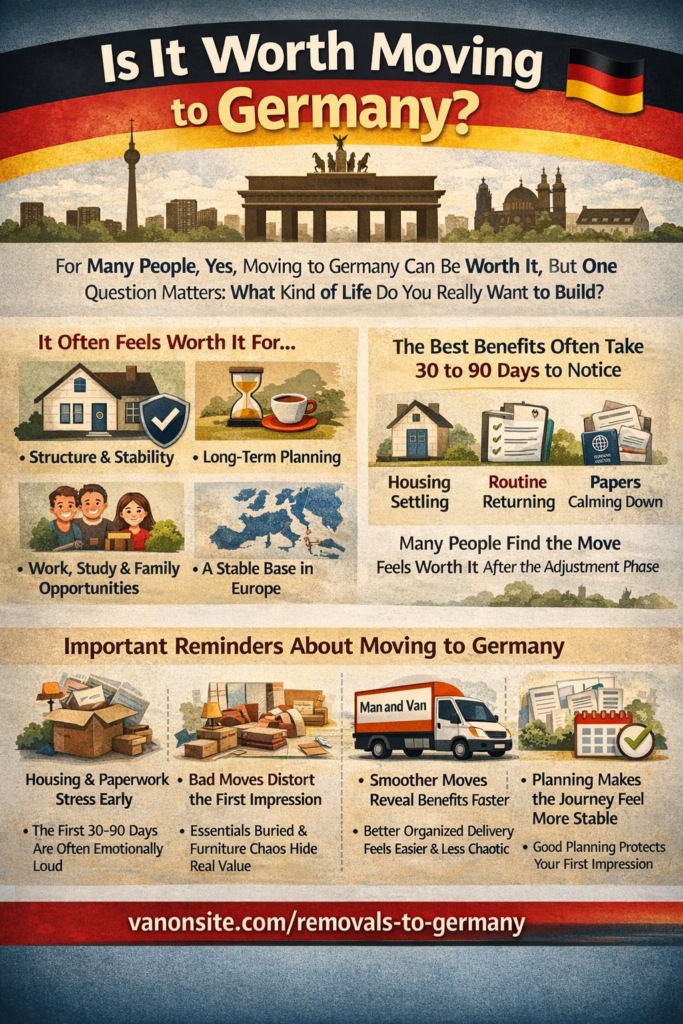
Many people do not feel the answer clearly on day one. That is one of the most important truths behind is it worth moving to Germany. The beginning can be noisy, tiring, and emotionally sharp. Housing may still feel uncertain. Paperwork may be draining. The home may not yet function properly. In that phase, even a smart move can feel harder than expected.
For many movers, Germany starts to feel worth it not in the first few days, but once the early stress begins to fade and normal life starts taking shape.
Why the First 30 to 90 Days Can Feel Heavier Than Expected
The first 30 to 90 days often feel heavier because everything lands at once. New routines, admin pressure, language friction, housing uncertainty, and the sheer emotional weight of relocating can all pile together.
That early intensity can distort perspective. People sometimes think they are judging Germany, when in reality they are still reacting to the hardest stage of transition.
This phase often feels heavy because:
- the home may still feel temporary
- paperwork can dominate attention
- basic routines are not working yet
- even simple tasks take more energy
- the move itself is still emotionally loud
Why Routine Changes Everything
Routine changes everything because it restores rhythm. Once the day begins to follow a shape again, Germany often starts feeling much more manageable.
That shift matters because routine lowers mental friction. It reduces the sense that every task is an effort. It helps the country feel less foreign and life feel less fragile.
For many movers, this is the moment when the answer to is it worth moving to Germany starts becoming much more clearly yes.
Why a Settled Home Changes Your Whole Perspective
A settled home changes more than comfort. It changes interpretation. When the bed is assembled properly, the kitchen works, the essentials are easy to reach, and the space begins to feel yours, the whole country often feels different too.
That is because home life influences everything:
- sleep
- routine
- emotional safety
- privacy
- daily energy
Once the home starts holding you instead of challenging you, Germany often feels far easier to appreciate.
Why the Benefits Often Become Clearer After Arrival Stress Fades
Many of the strongest benefits only become visible once arrival stress fades into the background. That is when structure starts to feel reassuring instead of demanding. Predictability starts feeling valuable instead of strict. Daily life becomes easier to organise, and the future becomes easier to imagine.
For many people, this is when Germany begins to feel genuinely worth it. Not because everything becomes perfect, but because life starts making more sense inside the new environment.
What Can Make Germany Feel Less Worth It at First?
A strong article should be honest about the hard beginning. Even when the long-term answer to is it worth moving to Germany is yes, the first phase can still feel emotionally heavy. That does not mean Germany was the wrong decision. More often, it means the transition is louder than the destination.
This matters because many people judge the whole move during the noisiest part of the experience. They are still unpacking, still dealing with paperwork, still trying to rebuild routine, and still learning how to function in a new environment. In that stage, even real advantages can feel blurred.
Housing Pressure
Housing pressure is one of the fastest ways to make Germany feel less worth it at first. If the home feels unstable, temporary, cramped, or not ready to function properly, the entire country can start to feel harder than it really is.
That happens because housing affects almost everything at once:
- sleep quality
- comfort
- privacy
- routine
- emotional safety
When the home does not feel settled, it becomes much harder to notice the deeper value of the move. Germany may still offer long-term benefits. You are simply experiencing them through stress.
Bureaucracy and Paperwork Fatigue
Paperwork can drain more energy than people expect. Not always because each individual step is dramatic, but because the process can feel relentless. One task leads to another. One form unlocks the next. Attention gets pulled back into admin again and again.
That is why bureaucracy can temporarily hide the answer to is it worth moving to Germany. Instead of noticing structure and long-term stability, you are noticing forms, appointments, letters, and deadlines.
This early strain often feels strongest when:
- paperwork is not organised early
- key information is hard to access
- housing and admin are happening at the same time
- the move itself already consumed most of your mental energy
Language Friction
Language friction can quietly make the first weeks feel heavier than they should. It does not only appear in big moments. It shows up in small tasks too, and that is what makes it so tiring.
Reading signs, understanding letters, asking questions, booking appointments, solving basic problems, or handling everyday errands can all take more energy when language is adding resistance.
That does not erase the value of Germany. It simply delays how clearly you can feel it.
Why a Bad Move Can Distort the Whole First Impression
Sometimes the problem is not Germany at all. It is the move itself. A stressful relocation can blur the country behind it.
If the delivery feels vague, the essentials are buried, the furniture is badly planned, or the first 48 hours begin in chaos, the emotional tone of the arrival becomes much harsher. In that state, even a country with real long-term value can feel disappointing in the beginning.
A few realities are worth remembering:
- housing may feel competitive
- paperwork takes energy
- language can slow simple tasks down
- daily routine takes time to rebuild
- the first month is often emotionally heavy
Knowing this helps because it stops the hardest first phase from carrying too much meaning. The beginning may feel rough, but it is not always the final verdict.
How a Better Move Makes Germany Feel Worth It Faster
The value of the country is deeply connected to the quality of the move itself. A smoother relocation does not create Germany’s advantages out of thin air. It simply removes the unnecessary noise that can hide them. That matters because the first days in a new country are emotionally intense. If the route is messy, Germany can feel unfairly difficult. If the route is well planned, the country has a far better chance to feel worth it sooner.
Why a Smoother Move Protects Your First Impression
A smoother move protects your first impression because it lowers the sense of being overwhelmed before daily life has even started properly. When the route is clear, the delivery feels believable, the furniture is measured properly, and the service matches the real load, the arrival feels more controlled.
That control matters. It shapes how you interpret everything that follows. Germany starts to feel like a place where life can be built, not a maze you have to survive first.
Why the First 48 Hours Matter So Much
The first 48 hours often shape the emotional tone of the whole relocation. If the basics are easy to reach, the home begins working quickly. If everything important disappears into the main load, frustration rises immediately.
Those first two days feel much better when you can quickly access:
- clothes for 2 to 3 days
- toiletries
- chargers
- medication
- basic kitchen items
- important documents
A calmer first 48 hours protects more than comfort. It protects momentum.
Why Accurate Planning Reduces Avoidable Stress
Accurate planning reduces avoidable stress because it removes the fake surprises that hurt most. Many moving problems are not caused by distance alone. They come from weak information.
A stronger move usually starts with:
- a realistic inventory
- properly measured furniture
- early access details
- the right vehicle size
- a service that actually matches the job
These details are powerful because they turn the move from a guessing exercise into a controlled process.
Why the Right Service Changes the Emotional Tone of Relocation
The right service does more than transport belongings. It changes how the whole relocation feels.
When the service fits the move well, stress begins dropping before the route even starts. Communication feels clearer. Timing feels more believable. The load feels safer. And once the move is underway, route visibility through GPS tracking reduces the uncertainty that can quietly poison the first days.
That is why the emotional tone of relocation can change so sharply when the service is right. A good move helps Germany feel worth it faster, simply because the journey stops overshadowing the destination.
What Does It Cost to Move to Germany?
The cost of moving to Germany feels much easier to manage when the budget is approached realistically rather than emotionally. One of the biggest mistakes people make is assuming the quote is mainly about distance. In reality, distance is only part of the picture. The final cost is usually shaped by volume, furniture complexity, access conditions, booking timing, and how much support the move actually needs.
That is why two relocations to Germany across a similar route can look completely different on paper. A lean, well-planned move can stay controlled. A cluttered, badly measured, late-booked move can become much more expensive than expected. The goal is not only to spend less. The goal is to spend wisely, protect the move, and avoid false savings that create more stress later.
Main Cost Drivers
The main cost drivers usually include:
- load volume
- furniture size
- access conditions
- packing needs
- storage
- urgency
Each of these matters for a clear reason. Load volume determines how much vehicle space the move really needs. Furniture size affects handling time and loading logic. Access conditions can make the job much easier or much harder. Packing needs may increase the quote, yet they also reduce damage risk. Storage adds another layer of logistics. Urgency usually reduces flexibility and pushes the price upward.
The more accurate the information you provide, the stronger the quote becomes. Good moving prices are rarely created by guesswork. They are created by clarity.
Why Low-Value Furniture Can Quietly Raise the Quote
Low-value furniture has a talent for quietly inflating the quote without improving life after arrival. Worn flat-pack units, damaged pieces, bulky low-quality items, or furniture that will not suit the new home often take up valuable space and increase labour without delivering meaningful value in Germany.
That is where the frustration begins. You pay to transport them, then arrive and realise they still do not deserve the room they occupy.
A brutally simple filter helps here:
- is it expensive to replace?
- is it still in strong condition?
- will it fit the new home properly?
- will I actually be glad I brought it?
If the answer is mostly no, that item may be raising the quote more than improving the move.
Hidden Costs People Forget
Some of the most irritating moving costs are the ones people dismiss early because they seem too small to matter. Later, those overlooked details begin reshaping the quote in ways that feel frustrating only because they were not understood from the start.
The most common hidden costs include:
- stairs
- long carry distance
- difficult parking
- late booking
- inaccurate inventory estimate
Each one changes the real effort involved. Stairs slow down handling. Long carry distance adds time and strain. Difficult parking complicates loading. Late booking reduces your options. An inaccurate inventory weakens the entire pricing logic from the very beginning.
That is why the cheapest-looking option can sometimes become the most stressful one.
How to Reduce Cost Without Making the Move Fragile
There is a major difference between lowering cost and creating false savings. A move is not truly cheaper if it becomes chaotic, underprotected, or badly matched to the actual load.
The smartest ways to reduce cost without making the move fragile are:
- declutter early
- measure properly
- choose the right vehicle size
- share details early
- protect fragile items properly
These steps remove waste rather than value. They cut the parts of the move that inflate the budget without improving the outcome.
| Cost factor | Why it matters | How to reduce stress |
|---|---|---|
| Load size | Larger loads raise transport cost | Move only what matters |
| Furniture | Bulky items affect space and labour | Measure and sort early |
| Access | Difficult access adds effort | Share details in advance |
| Packing | Adds cost but lowers damage risk | Use for fragile items |
| Urgency | Short-notice moves cost more | Book as early as possible |
A Better Way to Think About Moving Cost
The budget becomes easier to control when you stop chasing the lowest number and start looking for the strongest fit. A smaller relocation may be ideal for man and van. A furniture-heavy move may need safer handling. A family move may need a more structured setup. A fragile load may justify professional packing.
That way of thinking protects more than money. It protects the emotional quality of the move and makes Germany feel worth it faster because fewer preventable problems survive the journey.


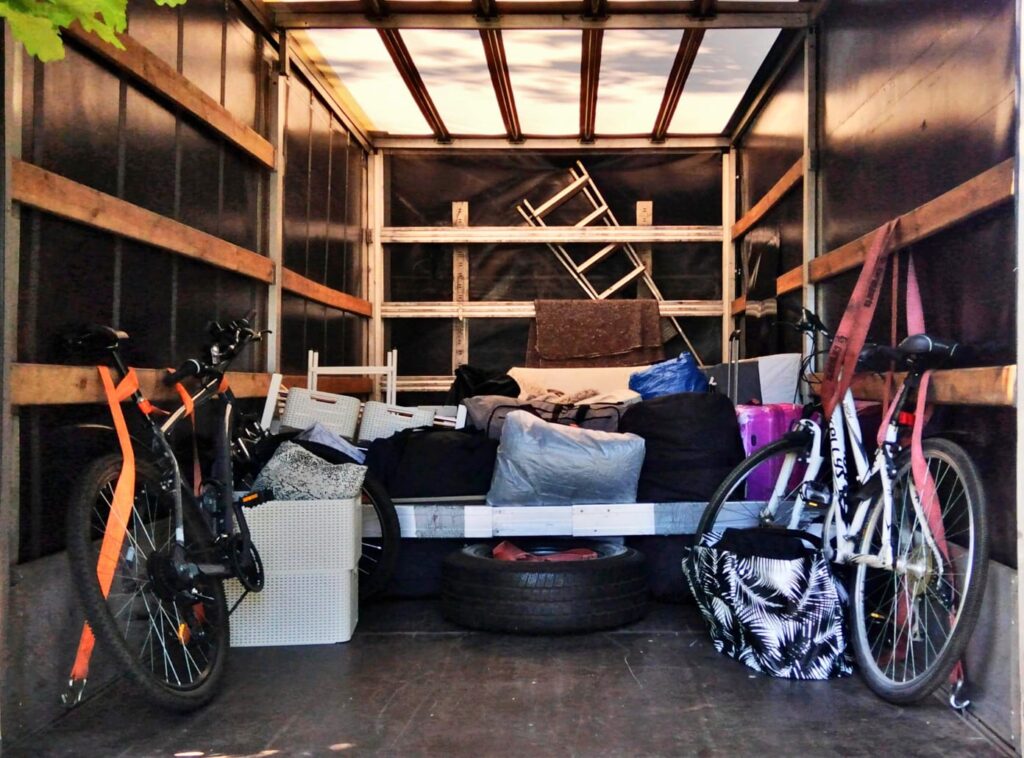
What Documents May Matter Before Moving to Germany?
Documents feel far less intimidating when they are prepared early and organised simply. Most people do not hate paperwork because it exists. They hate it because it becomes urgent when the move is already consuming their attention, energy, and patience.
A better document setup does more than support official steps. It lowers mental noise. It helps the relocation feel controlled rather than messy. That shift matters because moving to Germany already asks a lot from your focus. Good document preparation protects that focus.
Basic Personal Documents to Keep Ready
Most movers should keep these documents ready, visible, and easy to access:
- passport or ID
- proof of address
- tenancy agreement or address confirmation
- inventory list
These basics matter because they support identity checks, housing clarity, delivery accuracy, and the first practical steps after arrival. They should stay with you or in a clearly separated essentials folder, not vanish into the main load.
Why an Inventory List Helps More Than Expected
An inventory list sounds almost too simple to matter. In reality, it can quietly improve nearly every stage of the move. It sharpens the quote, supports better service matching, and makes it easier to keep control over what is actually travelling.
A strong inventory list helps you:
- track priority items
- identify fragile pieces clearly
- support realistic vehicle sizing
- unpack faster after arrival
For many movers, the inventory becomes the quiet backbone of the relocation. It is practical, but it also reduces anxiety in a very real way.
Vehicle, Pet, and Special-Item Paperwork
If the move includes a vehicle, pets, or special items, extra documentation may matter. This is where checking official German sources is much smarter than relying on memory, assumptions, or old advice from random forums.
Useful official sources include:
These sources are the safest place to verify current requirements for entry, registration, transport questions, customs matters, pet documentation, and similar issues.
| Document | Why it matters |
|---|---|
| Passport or ID | Identity verification |
| Proof of address | Helps with admin and delivery clarity |
| Inventory list | Improves moving control and tracking |
| Vehicle papers | Useful for special transport situations |
| Pet documents | Important for compliant animal transport |
A Simple Way to Organise Moving Documents
The simplest system is often the best one. Split your paperwork into three groups:
- documents you must carry with you
- documents you may need in the first days after arrival
- documents you only need as digital backup
That small amount of structure can save a surprising amount of stress. It prevents the move from turning into a frantic search for papers at exactly the wrong moment.
What Furniture Is Worth Taking to Germany?
Furniture decisions are where budget, logistics, and emotion collide. That is why this part matters so much. What you choose to take changes the quote, the vehicle size, the loading strategy, the unpacking experience, and the comfort level of your first days in Germany.
A smart furniture plan is not about taking as much as possible. It is about taking what still deserves a place in your next chapter.
Furniture Usually Worth Moving
Some pieces are usually worth moving because replacing them later at the same standard would cost more than transporting them properly now.
Furniture that is often worth moving includes:
- solid wood furniture
- premium beds and sofas
- antiques
- sentimental pieces
- quality desks and storage
These items often deliver real value after arrival. They improve comfort quickly, support routine, and help the new home feel grounded faster.
Furniture Often Better to Replace
Other pieces often cost more emotionally and financially than they are worth. That is especially true when they are bulky, worn, unstable, or unlikely to fit the new home properly.
Furniture that is often better replaced includes:
- worn flat-pack units
- damaged pieces
- bulky low-value items
- furniture unlikely to suit the new home
Leaving behind low-value bulk can reduce the quote, lighten the load, and make the move feel cleaner from the start. It can also protect smaller or temporary housing from being overwhelmed by furniture that never really belonged there.
How to Protect Furniture Properly
Furniture protection does not need to be complicated, but it does need to be taken seriously. On a longer European route, pieces need to survive loading, transport, and unloading without becoming a source of regret.
The basics still do the heavy lifting:
- disassemble when possible
- wrap corners and glass
- label fragile parts
- keep screws and fittings organised
These simple steps reduce damage risk, speed up unloading, and make reassembly much less frustrating once the move is over.
When White Glove Delivery Makes Sense
Some pieces need more than basic protection. If an item is delicate, expensive, hard to replace, or deeply sentimental, White Glove Delivery can be the smartest option.
It makes the most sense when:
- the finish is sensitive
- the item has high financial value
- the emotional value is even higher than the price tag
- careful handling indoors matters as much as transport itself
For those items, stronger handling is not indulgent. It is sensible risk control.
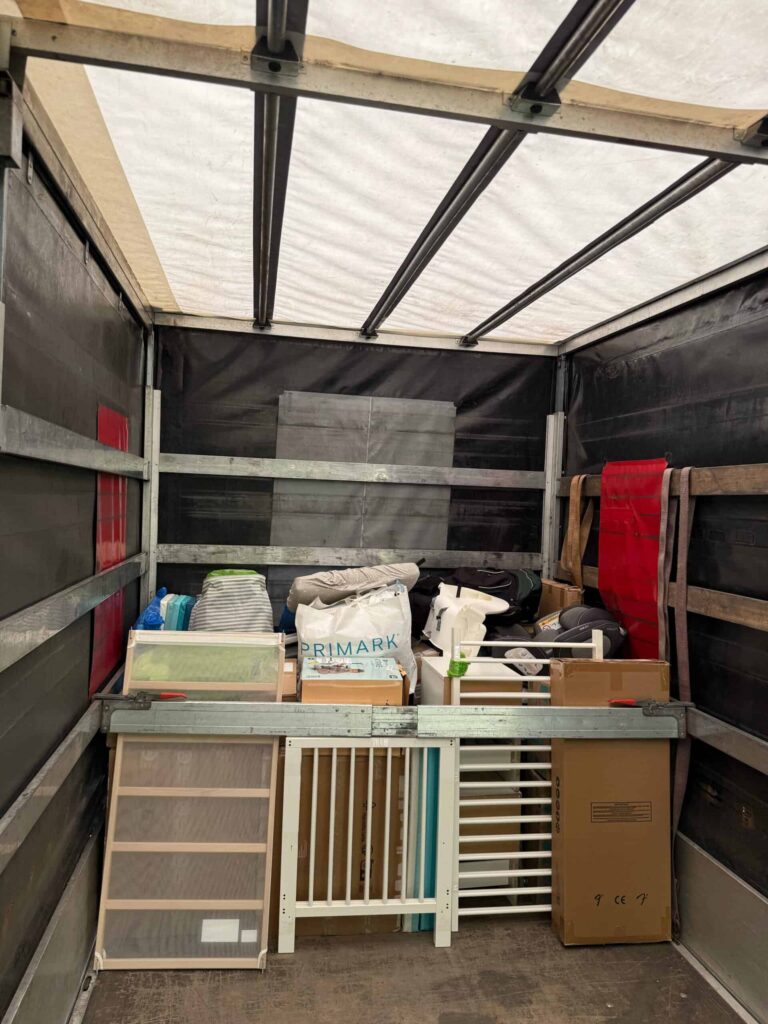
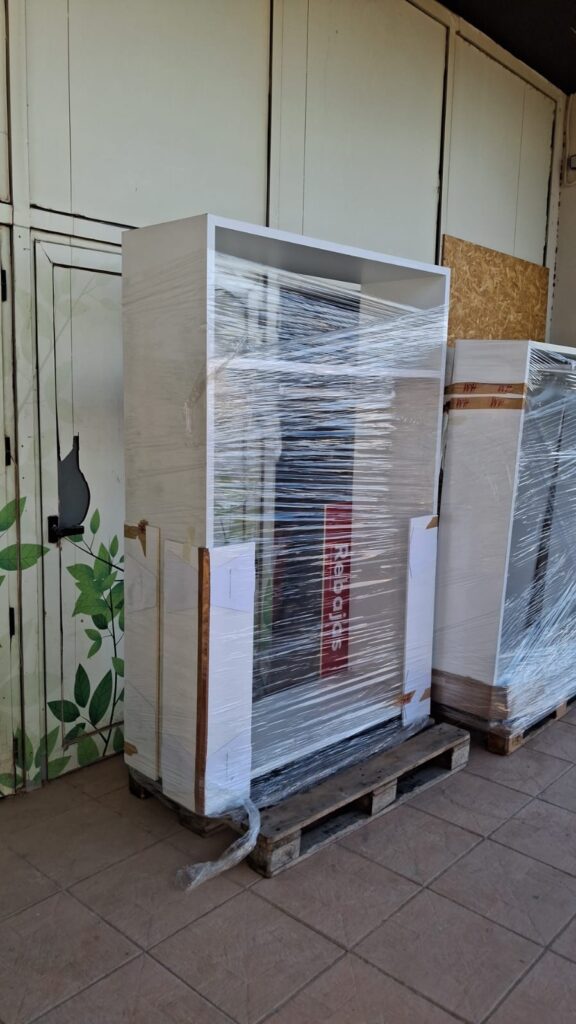
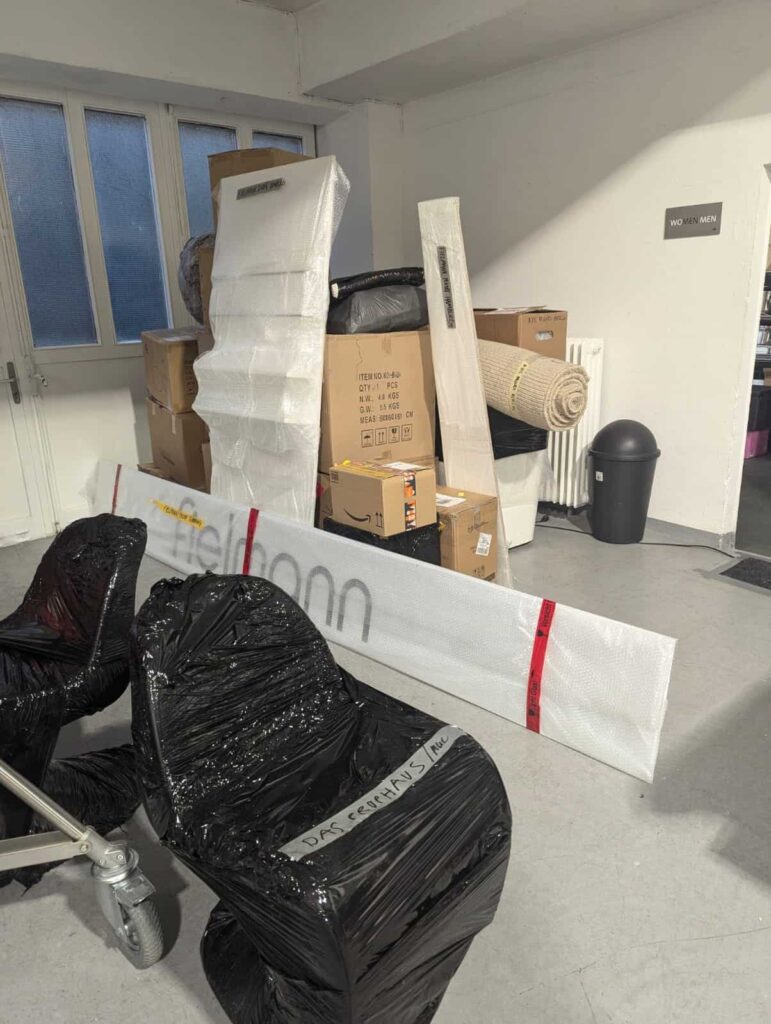

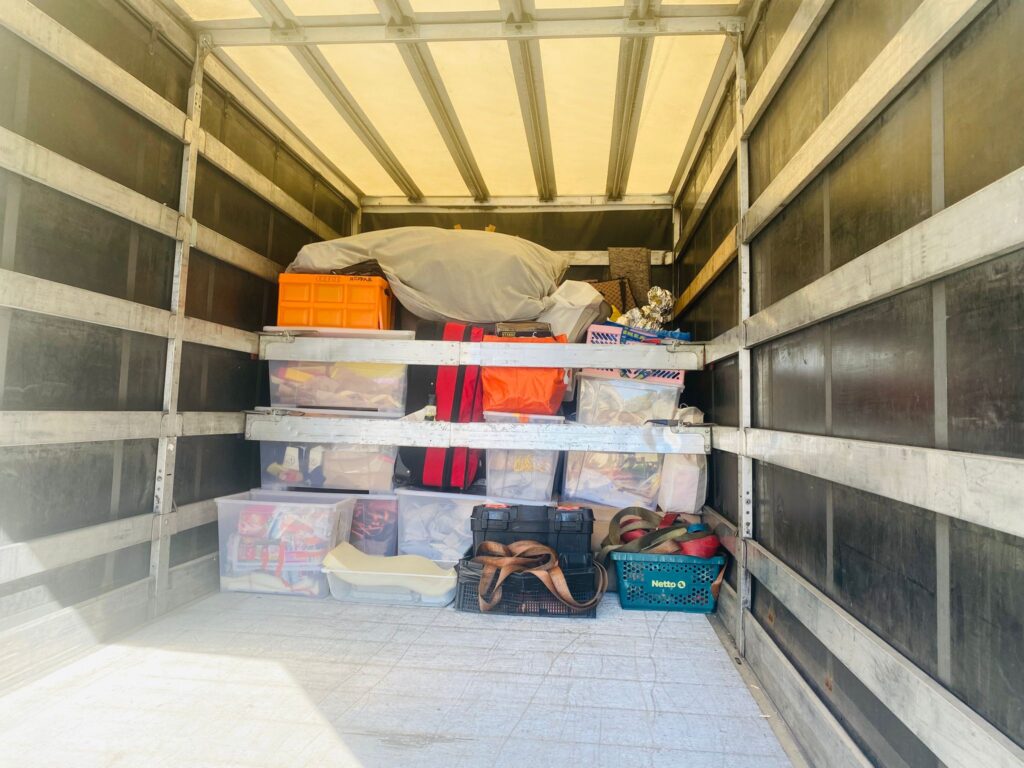
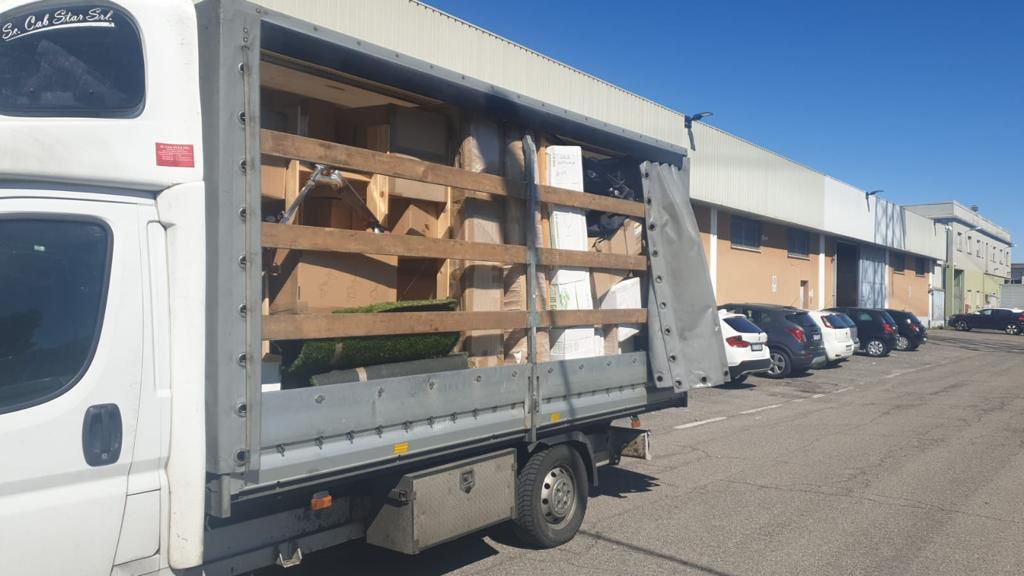
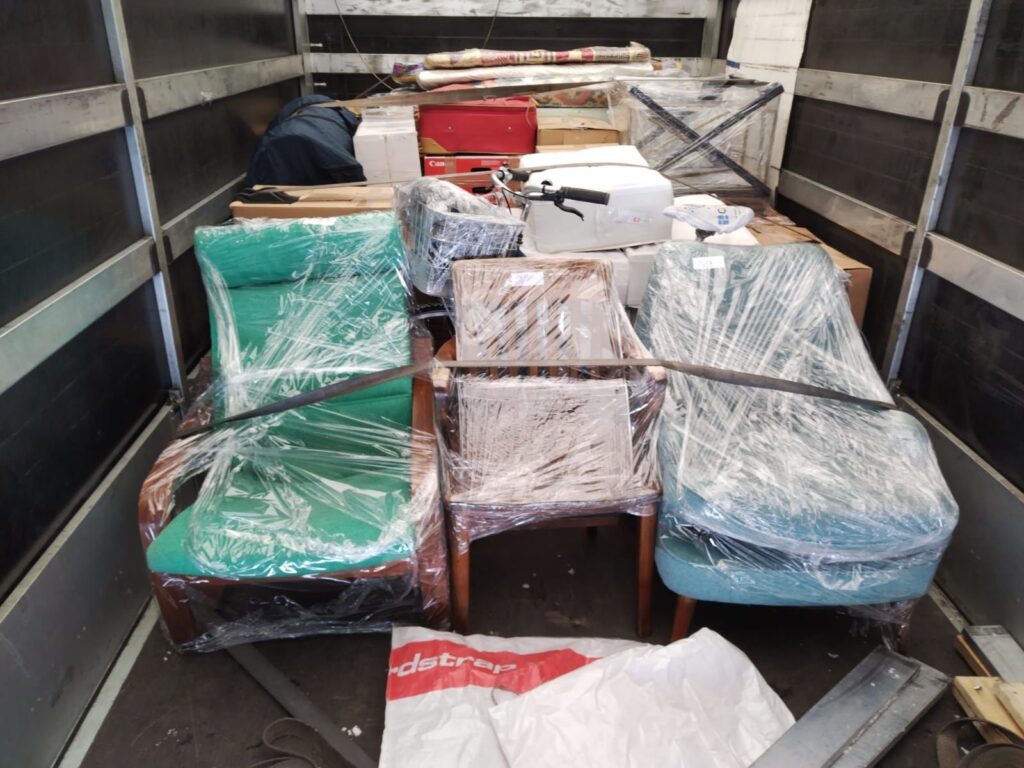
Which Moving Services Make the Move Easier?
The best service depends on what the move actually looks like, not only on where it ends. Load size, urgency, furniture value, and the level of support you need all shape the smartest choice. A light student move and a full household relocation do not need the same structure, and treating them as if they do often creates avoidable stress.
This is why service matching matters so much. The right fit reduces friction, protects valuable items more effectively, and helps the whole move feel more controlled from the first quote to the final delivery.
Home Removals for Full Household Relocations
If you are moving most of your household, home removals are often the strongest fit. This service works best when the route includes several rooms of furniture, a larger number of boxes, and the need for more organised handling from collection to delivery.
Home removals usually make the most sense when:
- the move includes most of your home
- the furniture load is substantial
- delivery timing matters on both ends
- you want stronger structure throughout the route
For larger moves, that structure often protects not only the load, but also your energy and attention.
Furniture Removals for Bulky or Valuable Pieces
If the relocation is shaped by awkward, heavy, or expensive items, furniture removals are often the smarter option. Sofas, wardrobes, bed frames, dining tables, cabinets, and statement pieces usually create more complexity than the box count alone suggests.
Furniture removals are especially useful when:
- the move is furniture-heavy
- some items are hard to replace
- safer handling matters more than raw speed
- bulky pieces need stronger loading protection
One damaged piece can sour the whole arrival. That is why careful furniture handling often pays off emotionally as much as practically.
Packing Service for Fragile or Stressful Moves
A professional packing service can remove a huge amount of pressure from a relocation to Germany. It is particularly valuable when the move includes fragile items, tight timing, or the kind of mental overload that makes every extra task feel twice as heavy.
Packing support is often worth considering when:
- the move includes glass, ceramics, electronics, or delicate decor
- paperwork and housing are already draining attention
- the timeline is short
- you want the first unpacking phase to feel calmer
Good packing protects more than objects. It protects your mental space during one of the busiest stages of the relocation.
White Glove Delivery for Premium Items
If the move includes premium, sentimental, or irreplaceable items, White Glove Delivery becomes a practical safeguard rather than a decorative extra.
It makes the most sense when:
- the finish is delicate
- the item has high financial value
- the emotional value is even higher
- careful indoor placement matters as much as transport itself
For these pieces, stronger handling is not indulgent. It is intelligent risk control.
Student Removals for Lighter Relocations
For lighter, more budget-aware moves, student removals can be a very strong fit. This is one of the clearest situations where man and van can work brilliantly, especially when the relocation is compact and focused on essentials rather than a full household.
Student removals often work best when:
- the load is limited to boxes and a few smaller furniture pieces
- cost control matters more than scale
- flexibility is more valuable than a heavy service setup
- the move is shaped by shared housing or academic timing
A smaller move still deserves professional handling. It simply needs a leaner structure.
Office Removals for Work-Related Moves
If the move includes desks, monitors, storage, or office equipment, office removals bring a more organised framework to the route. This matters when continuity, productivity, or fast setup after arrival is part of the plan.
Office removals are especially useful when:
- work equipment is part of the load
- timing affects professional obligations
- safe handling matters more than generic loading
- the setup needs to become functional quickly after delivery
For work-related relocations, order is not optional. It is part of success.
When Man and Van Is the Best Fit
Man and van works especially well for smaller, staged, leaner, or partial moves. It is often the smartest choice when you do not need a full household setup but still want reliable handling, flexible timing, and a route that feels organised rather than improvised.
A man and van setup is often ideal when:
- the move is compact
- the load is moderate
- flexibility matters more than scale
- only part of the home is travelling first
- the goal is efficiency without chaos
The key is not whether man and van sounds simple. The key is whether it truly matches the move you have.
Which Vehicle Size Fits Your Move?
Wrong sizing is one of the most common moving mistakes because people often imagine the route in headline items rather than real lived volume. They picture the bed, the sofa, the wardrobe, and a few boxes. They forget bedding, coats, kitchenware, lamps, storage, cleaning supplies, and the dozens of quiet items that fill space faster than expected.
That is why vehicle choice matters so much. The right size protects more than the budget. It protects timing, safety, loading logic, and calm on moving day.
| Service Option | Capacity | Max Weight | Best for |
|---|---|---|---|
| Moving One | 1 m3 | 100 kg | A few urgent essentials |
| Moving Basic | 5 m3 | 300 kg | Student or compact part-load move |
| Moving Medium | 10 m3 | 500 kg | Studio or small flat move |
| Moving Premium | 15 m3 | 1100 kg | One-bedroom relocation |
| Moving Premium Plus | 30 m3 | 3500 kg | Family move or furniture-heavy relocation |
| Moving Full House XXL | 90 m3 | 20000 kg | Full household move |
What Those Sizes Mean in Real Life
These numbers become much more useful when translated into actual living situations. A 1 m3 option is not a small move. It is a few urgent essentials. A 5 m3 vehicle can work very well for a compact student relocation or a staged start. A 10 m3 option often suits a studio or a very lean small-flat move. Once you move into 15 m3 and 30 m3 territory, the relocation usually includes real furniture, daily-life items, and the need for stronger structure.
This is one reason people underestimate the move so often. A few visible items make the route look smaller than it really is. In practice, once boxes, bedding, kitchen items, clothes, fragile pieces, and storage are included, capacity needs rise quickly.
When Man and Van Works Best
Man and van works best when the move is smaller, staged, flexible, or only part of the household is travelling. It is often a strong fit for people who want a leaner setup without falling into DIY uncertainty.
A Man and van solution often works well when:
- the move is compact
- the load is moderate
- the route needs flexibility
- only essentials or part of the household are travelling first
- the goal is efficiency rather than full-scale structure
It is not about choosing the smallest option automatically. It is about choosing the smartest match for the actual load.
Signs You Need More Space Than Expected
There are several signs that the move may need more capacity than you first assumed:
- more than 15 to 20 boxes
- a sofa, bed, wardrobe, or dining set
- several fragile items
- appliances or awkward-shaped furniture
- storage units that cannot be disassembled cleanly
If two or three of those apply at once, the move is probably larger than it looks in your head. This is exactly why realistic measurement and a solid inventory matter so much.
Common Mistakes That Can Make Germany Feel Less Worth It
The irony of relocation is that a smart move to a strong country can still feel disappointing at first if the practical side is handled badly. That is why the most common mistakes matter so much. They do not erase the long-term value of Germany, but they can hide it behind unnecessary friction.
The good news is that most of these mistakes are very avoidable once you know what they are.
Choosing by Price Alone
The cheapest-looking quote can be deeply tempting, especially when the budget already feels tight. However, price alone rarely tells you how well the move will actually work.
A weak low-cost option may hide:
- poor service matching
- vague communication
- too little protection for the load
- unrealistic timing
- limited route visibility
That is why a move that looks cheap at first can become expensive in stress, delays, and damage risk. The better question is not “What costs least?” but “What gives this move the best chance to feel stable?”
Underestimating Volume
This is one of the most common mistakes in any relocation to Germany. People remember the big items and forget the hidden layers.
They count:
- the bed
- the sofa
- the wardrobe
- the obvious boxes
But they forget:
- folded bedding
- kitchenware
- lamps
- shoes and coats
- cleaning supplies
- storage baskets, cables, and smaller objects that quietly consume space
Underestimating volume usually leads to the wrong vehicle, tighter loading, slower decisions on moving day, and more pressure on fragile items.
Moving Low-Value Furniture
Some furniture raises the quote without improving the arrival. Worn flat-pack pieces, damaged units, unstable storage, or bulky items that will not suit the new home often cost more to move than they are worth emotionally or financially.
That creates double frustration. First, you pay to transport them. Then you arrive in Germany and still wish you had left them behind.
Leaving Documents Too Late
Late paperwork turns calm preparation into moving-week panic. Documents that should have been easy to access suddenly become urgent, and the search begins exactly when your attention is already stretched thin.
That can affect:
- identity verification
- housing processes
- special-item transport
- delivery clarity
- the overall feeling of control
The emotional cost of late documents is often bigger than the practical one.
Packing Fragile Items Badly
Fragile items do not forgive rushed packing. Weak wrapping, overloaded boxes, loose glass, or unprotected corners can turn a manageable move into a bitter first unpacking day.
This matters even more on longer European routes. Good packing protects not only the object, but also your energy after arrival.
Not Sharing Access Details
Access details shape the real difficulty of the move far more than many people expect. A staircase, weak parking, long carry distance, awkward hallway, or lift restrictions can completely change how the move works on the day.
When those details are shared too late, the quote becomes weaker and the route becomes harder.
Choosing a Service Without Tracking
Silence becomes heavier when your life is literally in transit. Without route visibility, people often imagine the worst. Timing feels vaguer. Arrival feels harder to plan. Stress rises quietly in the background.
A service with tracking does more than look modern. It makes the whole move feel more believable.
Why VANonsite Helps the Move Feel More Worth It
People rarely want empty promises during relocation. They want signs that the move will feel less chaotic, less vague, and more manageable. That is exactly where VANonsite stands out.
The service feels strong because it reflects the real shape of a European move. Not an idealised version, but the actual route with timing pressure, furniture questions, access issues, and the emotional strain of relocating your life.
What Makes the Service Strong
Several strengths matter especially when planning a move to Germany:
- secure and fast transport across Europe
- GPS tracking on every load
- flexible vehicle sizes
- support for home, furniture, office, student, and urgent moves
- practical service with a human touch
These are not decorative features. They are the details that make the move feel safer, clearer, and more controlled.
Why This Reduces Stress Before and During the Move
A well-matched service lowers stress long before the van arrives. It starts when the quote makes sense, when the vehicle size actually fits the load, and when communication feels grounded in reality rather than vague reassurance.
Then, during the move itself, that clarity continues. The route feels more controlled. Timing feels more believable. The first night after arrival feels less like a survival test and more like the beginning of a new chapter.
That is why removals to Germany can make such a meaningful difference. The service does not only move furniture. It helps protect the emotional tone of the whole relocation.
Why GPS Tracking Matters More Than People Expect
GPS tracking is one of those features people appreciate intellectually before the move and emotionally during it. Once the route begins, visibility becomes far more valuable than many expect.
It helps because:
- timing feels more believable
- arrival becomes easier to plan
- worst-case assumptions lose power
- the move feels less vague and more real
That kind of clarity matters. It turns waiting into something calmer and much more manageable.
Final Checklist Before Moving to Germany
A strong final checklist turns vague pressure into visible action. That matters because the last stage before moving day is often emotionally noisy. Even well-planned relocations can start to feel messy when the final details pile up together. A clear checklist does more than organise tasks. It lowers mental clutter and protects focus.
This is one of the most practical ways to make Germany feel worth it before the route even begins. When the final week is organised properly, the arrival feels less like damage control and more like the beginning of something solid.
- confirm the move date
- sort what to take
- measure furniture
- prepare documents
- confirm service type and vehicle size
- separate essentials
- share access details
- confirm the delivery address
Each point matters for a reason. Confirming the date anchors the route. Sorting what to take protects the budget and removes clutter that only adds cost. Measuring furniture improves the quote and the vehicle match. Preparing documents prevents last-minute panic. Confirming the service type protects the logic of the whole move. Separating essentials saves the first 48 hours. Sharing access details lowers surprises. Confirming the delivery address protects the final stage of the journey.
Last 24-Hour Check
The final 24 hours are rarely calm by default. That is exactly why a focused last check matters so much. It helps catch the details most likely to create unnecessary frustration on moving day.
Make sure you:
- keep documents easy to reach
- make sure essentials are clearly separated
- confirm timing and contact details
- label fragile items clearly
- keep chargers, food, and toiletries accessible
It also helps to do one fast visual sweep of the home. Check cupboards, storage corners, bathroom shelves, hallways, and under-bed spaces. The last forgotten items are often hiding in places that no longer feel important because your attention is already on the move.
First-Night Essentials After Arrival
The first night in Germany carries more emotional weight than many people expect. If the basics are easy to reach, the new place starts feeling usable much faster. If everything is buried in the main load, even a strong relocation can suddenly feel punishing.
Keep these ready first:
- clean clothes
- toiletries
- bed linen
- chargers
- basic kitchen items
- medication
A small comfort layer helps too. Tea, coffee, a simple snack, or one soft light source can make the first evening feel less raw and much more human.
First-Morning Essentials Check
The first morning often reveals whether the move was really organised well. When the basics are easy to find, daily life starts coming back quickly. That shift matters because routine is one of the fastest ways to make Germany feel less overwhelming.
Make sure you can reach:
- coffee or kettle basics
- cups and cutlery
- towel and toiletries
- next-day clothes and shoes
- chargers and devices
- key documents and medication
A strong first morning is not about luxury. It is about rhythm. Once you can wash, dress, charge your phone, and make a hot drink without digging through half the move, the relocation starts to feel manageable instead of chaotic.
FAQ About Whether It Is Worth Moving to Germany
Is It Worth Moving to Germany for Most People?
For many people, yes. Germany often feels worth it for those who want more structure, stronger routine, better long-term planning potential, and a more stable base in Europe. The move tends to feel especially worthwhile for people who are looking for sustainability rather than short-lived excitement.
When Does Germany Start to Feel Worth It?
For many movers, Germany starts to feel worth it after the first 30 to 90 days. That is usually the point when paperwork slows down, the home starts functioning properly, and routine returns. The first phase can be emotionally heavy, so the deeper value often becomes clear only after the early noise fades.
Is Germany a Good Move for Families?
For many families, yes. Germany often feels rewarding because family life depends heavily on predictability, routine, and home stability. Those benefits may not feel dramatic on day one, yet over time they can create a much stronger daily rhythm and a calmer sense of direction.
Is Man and Van Enough for Moving to Germany?
Yes, in many cases. Man and van can be an excellent solution for smaller, staged, or partial relocations where flexibility matters more than full household scale. For larger family moves, furniture-heavy routes, or more complex relocations, a stronger service setup is usually the smarter option.
What Documents Should I Prepare Before Moving?
You should prepare identity documents, proof of address, tenancy-related paperwork, an inventory list, and any documents connected to pets, vehicles, or special items. The smartest approach is to keep essential paperwork with you, organise digital backups, and make sure nothing critical disappears into the main load.
Is Professional Packing Worth It?
Yes, especially when the move includes fragile, expensive, or emotionally valuable items. Professional packing often lowers stress more than people expect because it protects both the load and your mental energy. It is also particularly useful when timing is tight or when housing and paperwork are already consuming most of your attention.
Conclusion
For many people, yes, is it worth moving to Germany has a strong and honest answer. It can absolutely be worth it. However, the move usually feels most worthwhile when the relocation is handled well from the beginning. Structure, stability, stronger routine, and a more grounded future are much easier to appreciate when the first days are not swallowed by preventable chaos.
That is why the move itself matters so much. When the furniture is measured honestly, the essentials stay close, the documents are organised early, and the service truly matches the real load, Germany becomes easier to experience as an opportunity rather than an obstacle.
The beginning may still feel intense. That is normal. Yet a well-planned move softens the hardest edges and gives the new chapter a much stronger start.
With the right preparation and the right support, the journey stops feeling like a pile of uncertainties and starts feeling like what it can be: a bold step toward a more stable future, handled well.