Moving to Germany can be a strong choice if you value structured employment, compulsory health cover, dependable public systems and a long-term base in Europe. The trade-off is a demanding first phase: housing is competitive in major cities, residents normally need to register their address soon after moving in, German still matters in many administrative situations, and the gap between gross and net pay can surprise newcomers.
This guide separates the decision from the logistics. It explains the practical pros and cons of moving to Germany, who is most likely to benefit, what to verify before committing, and how VANonsite plans the physical move around inventory, access, dates and the level of handling you actually need.
Moving to Germany: pros and cons at a glance
| What may work in your favour | What needs a realistic plan |
|---|---|
| Structured job market and clear employment processes in many sectors | Taxes and social contributions reduce gross pay before it reaches your account |
| Compulsory health insurance creates continuous cover once correctly arranged | Cover must be organised for your own employment and residence situation |
| Strong transport links and public infrastructure in many regions | Housing demand can be intense, especially in Berlin, Munich, Frankfurt and other major cities |
| Stable routines can suit professionals, students and families planning long term | Registration, appointments and document-heavy processes reward early preparation |
Short answer: Germany is usually a better fit for someone who values predictability and is willing to prepare for the first administrative weeks. It is a weaker fit if you expect an English-only move, immediate housing in a high-demand city or a gross salary that translates directly into spending money.
The German government’s official guidance confirms that housing demand is high in major cities and that a new address should normally be registered within two weeks of moving in. It also explains that health insurance is compulsory and that taxes and social-security contributions are deducted from gross salary. Check the current rules for your own situation on Housing and registration, Health insurance and Salary, taxes and social security.




Is moving to Germany a good idea for you?
It can be, but the useful question is not whether Germany is “good” in the abstract. The decision depends on the city, your residence route, the net value of your income, your housing plan and how comfortable you are handling formal processes in German or with translated support.
Germany is more likely to suit you when
- you have checked the employment or study route rather than relying on a general impression of the job market;
- you can carry a housing deposit, temporary accommodation and setup costs without using the removal budget;
- you value organised systems, employee protections and long-term stability more than spontaneity;
- you are prepared to learn enough German for housing, appointments and official letters;
- you can sequence the move around an address, documents and a confirmed transport plan.
Think twice or build a larger buffer when
- your plan depends on finding a central-city flat immediately after arrival;
- you have compared only gross salaries and not likely deductions and rent;
- your temporary accommodation cannot be used for address registration;
- you need every administrative process to work in English;
- your collection date, destination access or inventory is still changing.
The Biggest Pros of Moving to Germany
The strongest benefits of moving to Germany are not only visible on paper. They shape how ordinary life feels. That matters because the biggest wins often show up on an average Wednesday, not in a dramatic life changing moment.
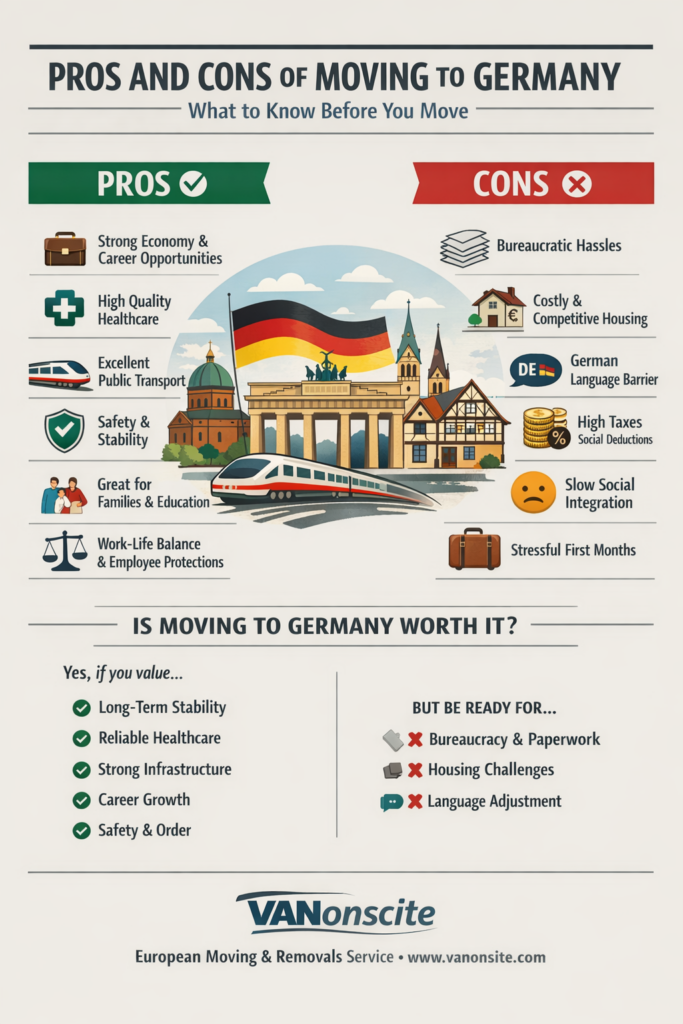
Strong economy and career opportunities
Germany continues to attract professionals, technical specialists, students, and families because it offers more than the promise of a salary. The deeper appeal is the feeling of entering a system where long term planning is possible. Stable contracts, structured hiring, strong industrial sectors, and a serious work culture can feel deeply reassuring to people coming from less predictable labour markets.
For many readers, this is one of the most powerful points in favour of relocation. Germany often appeals to people who want to build something solid. Not just find a job, but build a life with stronger foundations.
High quality healthcare
Germany’s healthcare system is one of the strongest emotional reasons many people consider the move. Good healthcare is not only about treatment. It is about the relief of knowing that when something goes wrong, you are not completely on your own. That sense of security matters enormously to families, older movers, and people who want a life that feels protected rather than exposed.
At first, mandatory coverage may feel like another obligation. However, once daily life settles, many people begin to see it as one of the clearest long term benefits of living in Germany.
Public transport and infrastructure
One of the quiet luxuries of life in Germany is that many systems are built to function. Good infrastructure saves energy. Reliable transport, workable roads, and more predictable daily movement can make ordinary life feel lighter. People often underestimate how emotionally valuable it is to live in a place where getting from one point to another does not feel like a daily battle.
For people who are tired of broken systems, Germany can feel like a huge exhale.
Safety and stability
Safety is not only about statistics. It is about how a place makes you feel during ordinary life. Walking home late. Sending children to school. Taking public transport. Handling daily errands. For many people, Germany feels calming because it projects order, predictability, and routine.
That sense of stability can be priceless for people coming from more chaotic or uncertain environments. It is one of the reasons the pros and cons of moving to Germany often tilt in Germany’s favour for families and long term planners.
Work life balance and employee protections
Germany’s appeal is often strongest not on glamorous days, but on ordinary ones. Paid leave, clearer contracts, stronger employee protections, and more structured working environments can make life feel less fragile. For many people, that becomes one of the most persuasive benefits of moving.
The value is psychological as well as financial. Better structure changes how people feel about the future.
Strong education and family appeal
Germany appeals strongly to students and families because it offers the sense that life can be built step by step. Families may value safer routines, stronger systems, and more confidence about the future. Students may be drawn by educational pathways, structured options, and the possibility of turning education into a more stable long term life.
This does not make Germany perfect. Still, it makes the country highly attractive to people who want something sturdier than short term excitement.
The Biggest Cons of Moving to Germany
A trustworthy guide cannot talk only about benefits. Some of the hardest parts of moving to Germany are real, and they can hit fast. Being honest about them is one of the best ways to prepare properly.
Bureaucracy can feel exhausting
Germany often impresses people with structure, yet that same structure can become exhausting during the first weeks. Appointments, forms, registration deadlines, insurance questions, bank setup, and endless small administrative tasks can pile up with surprising force. The problem is not only the paperwork itself. It is the way paperwork drains emotional energy when everything else is already new.
That is why bureaucracy is one of the biggest downsides in the pros and cons of moving to Germany. Even practical, organised people can feel overwhelmed when housing, registration, insurance, and work or study documents all demand attention at once.
Housing can be hard, especially in bigger cities
Housing is often where the pressure begins. A person can feel excited about moving to Germany and still hit a wall when the rental market starts pushing back. In major cities, housing can be expensive, competitive, and slow. That creates a painful mismatch between the dream of moving and the practical reality of where you will actually sleep.
Housing pressure affects far more than comfort. It affects timing, registration, budget, first week stress, and how secure the whole relocation feels.
German language can still be a barrier
Language is more than a communication issue. It affects independence. It affects confidence. It affects whether daily life feels manageable or constantly slightly intimidating. Even when some workplaces and cities feel more international, newcomers may still face German in forms, public offices, housing communication, healthcare systems, and ordinary errands.
You do not need perfect German to move. However, underestimating the emotional weight of the language barrier is one of the most common mistakes people make.
Taxes and deductions can surprise newcomers
A job offer can look exciting until you start understanding deductions, social contributions, rent, deposits, and everyday expenses. Germany can offer strong salaries, but net income may feel less dramatic than gross figures suggest.
This is not a reason to avoid the move. It is a reason to plan honestly. Financial clarity is one of the foundations of emotional stability.
Social integration may take time
The challenge is not that Germany is hostile. It is that connection may take longer than some people expect. Newcomers can arrive in a place that feels safe and efficient, yet still feel strangely alone. Social life may build more slowly, routines may feel more formal, and warmth may be less immediate than in some other cultures.
That does not mean real connection is impossible. It means patience matters.
The first months can feel emotionally heavy
This is one of the most human parts of the move. The first months in Germany can feel heavier than expected, even when the decision was right. Practical loneliness, homesickness, admin fatigue, culture shock, and the effort of learning new systems can wear people down. This is especially true when several smaller stressors arrive at once.
The good news is that this heaviness is common and often temporary. Good planning, realistic expectations, and a smoother moving setup can soften the impact dramatically.
Pros and Cons of Moving to Germany for Different Types of People
The pros and cons of moving to Germany do not feel the same for everyone. Germany may be brilliant for one kind of mover and much harder for another. That is why it helps to think in personal scenarios, not general stereotypes.
For professionals
Professionals often benefit strongly from Germany’s structure, job security, healthcare, and long term planning potential. The country may appeal especially to people who want clearer contracts, stronger employee protections, and a more stable work culture.
At the same time, professionals may feel pressure around bureaucracy, taxes, and the challenge of building a social life from scratch while adapting to a new work environment.
For students
Students may be drawn by educational opportunity, structure, and the chance to build a future in Germany over time. That can make Germany feel exciting and full of promise.
However, students may also feel the language barrier more sharply, especially in housing, paperwork, and part time daily admin. Budget pressure may be stronger too. Smaller moves, shared housing, and limited space often mean that a lighter man and van solution or a compact moving plan makes more sense.
For families
Families may find Germany especially appealing because of safety, structure, healthcare, and long term stability. The country can feel like a place where routines are easier to build and protect. That is deeply attractive to parents who want a calmer environment.
At the same time, families may feel housing pressure more intensely because the move affects children, routines, schools, and emotional stability all at once. The wrong housing timeline or a chaotic move can hit much harder when several people depend on the outcome.
For self employed people
Self employed movers may be attracted by Germany’s scale, infrastructure, and long term business environment. Yet they may also face stronger uncertainty around paperwork, taxes, financial planning, and the emotional pressure of building stability without the safety of a standard employment path.
For this group, the move can feel more exciting and more fragile at the same time. That is exactly why realistic budgeting, stronger document preparation, and smoother transport planning matter so much.
What You Need to Arrange Before Moving to Germany
Once you understand the pros and cons of moving to Germany, the next step is not overthinking. It is preparation. Germany becomes a much stronger move when the first weeks are planned in sequence rather than handled in panic.
If you decide Germany is the right move, the smartest next step is not doing everything at once. It is arranging the essentials in the right order. That one habit can save time, money, and a remarkable amount of emotional energy.
- Check your residence route or freedom of movement status. This shapes everything else. Housing dates, travel timing, and transport planning all make more sense once the legal route is clear.
- Secure housing or temporary accommodation. Housing changes the emotional temperature of the whole move. A secure address can make the relocation feel controlled. Uncertain housing can make everything else feel unstable.
- Prepare key documents. This is a protection step, not just an admin step. Missing papers can slow work, healthcare, registration, and family tasks after arrival.
- Plan your moving budget. Germany may offer long term stability, but the first month can be financially sharp.
- Choose the right removals service or man and van option. The right setup depends on the real load, the distance, the access conditions, and how much chaos you want to prevent.
- Pack with first week essentials in mind. This protects sleep, comfort, medication access, document access, and work continuity.
- Prepare for registration after arrival. The move is not truly finished when the van arrives. It becomes real when the first practical systems start working.
Your go/no-go checklist before booking the move
- Confirm the residence route. Check the requirements for your citizenship, work, study and accompanying family members.
- Secure an address that works for registration. Ask what evidence and landlord confirmation will be available, especially if you begin in temporary accommodation.
- Compare net income with real housing costs. Allow for the deposit, basic versus inclusive rent, utilities and an emergency buffer.
- Arrange continuous health cover. Confirm how cover works from arrival until employment, study or another long-term arrangement starts.
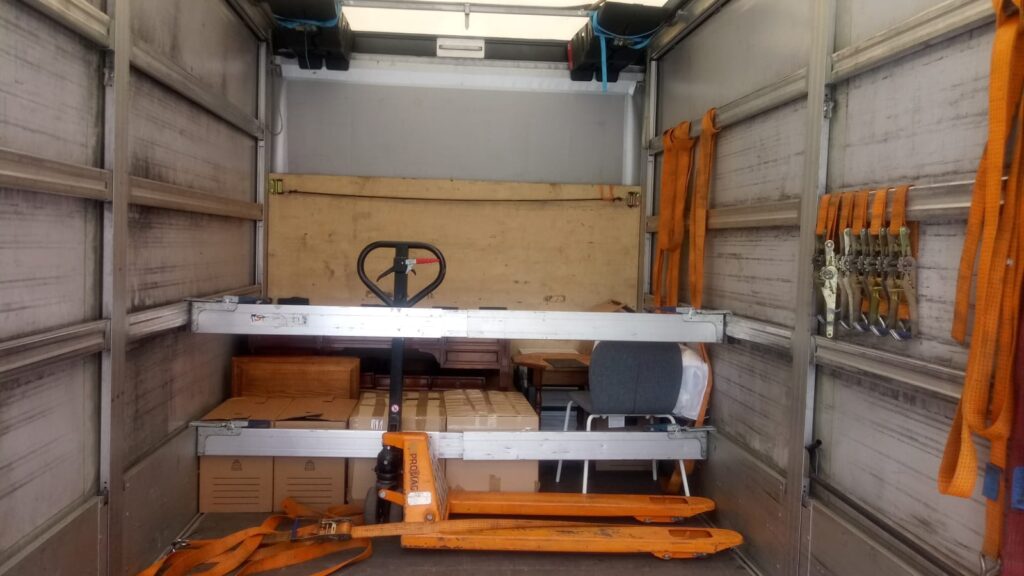
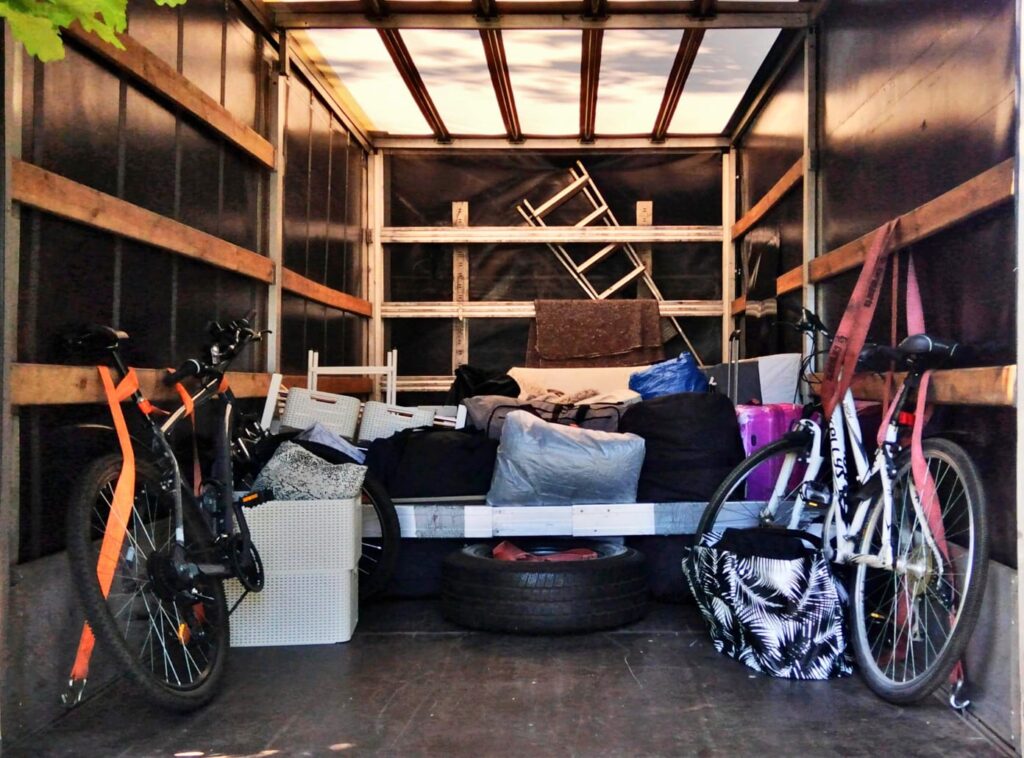
- Turn the household into a transport plan. Record bulky-item dimensions, box counts, stairs, lifts, parking distance, fragile items and date flexibility before choosing a part load or dedicated vehicle.
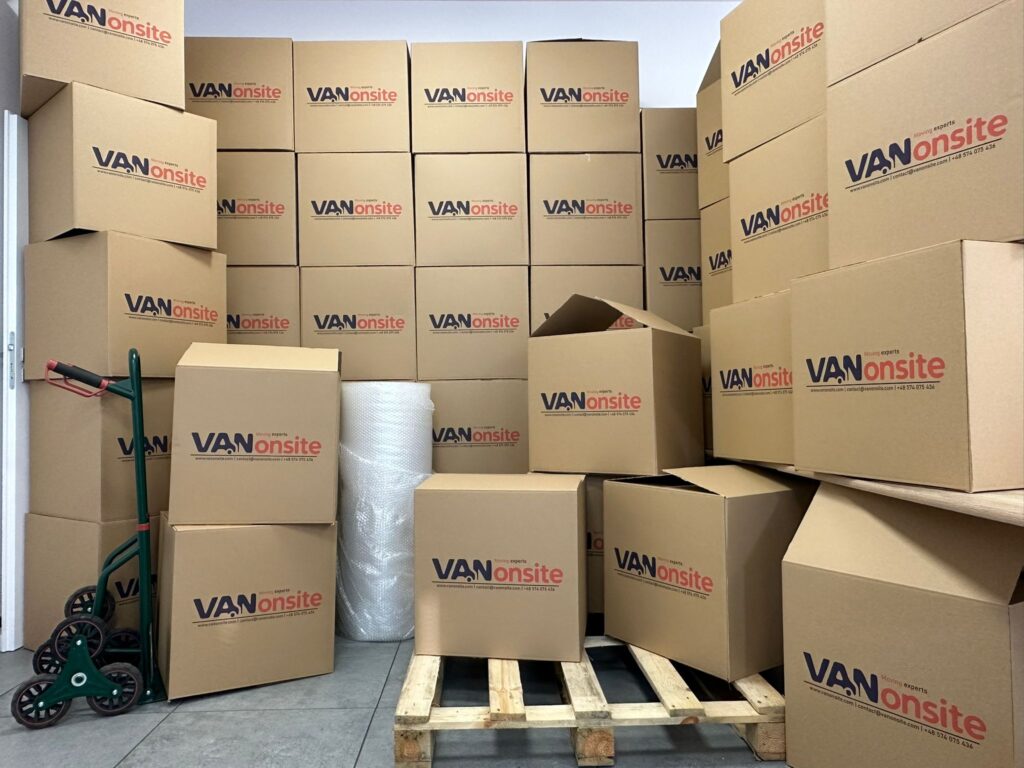
VANonsite does not size a move from a room count alone. Photographs and dimensions help us check usable load volume, awkward shapes and handling access. We then compare the appropriate part-load option with a dedicated move. If the dates and access are already known, use the automatic estimate below; the form and its calculation remain unchanged.

For the full service route, continue to removals to Germany. For urgent collections, Last Minute Moving can sometimes support delivery in 1–3 days when the route, vehicle availability and access allow; this is confirmed for the individual booking, not promised as the standard transit time.
Documents and Formalities You Should Not Ignore
The fastest way to make a move feel harder than it needs to be is to treat documents as something to sort out later. In reality, the right papers often shape how quickly housing, registration, healthcare, work, and daily life start functioning after arrival.
| Document | Why it matters | When you may need it |
|---|---|---|
| Passport or ID | Identity and travel | Travel, registration, formalities |
| Visa or residence documents if needed | Legal stay | Entry and residence process |
| Rental agreement or address proof | Housing and registration | Anmeldung and local admin |
| Employment or university documents | Proof of purpose | Work, study, insurance |
| Health insurance proof | Daily life setup | Healthcare and admin |
| Civil status documents if relevant | Family admin | Schools, family registration |
A strong document folder can prevent some of the most frustrating early problems. It gives you faster access to registration, smoother communication with housing providers, and more confidence when daily admin begins to pile up.
A smarter document system should include:
- originals stored separately from copies
- secure digital backups
- the most important documents carried personally, not packed into the main load
- grouping by use, such as travel, settlement, work, or family
- a final review before departure instead of assuming everything is already ready
Official guidance is available here:


What Daily Life in Germany Really Feels Like
Daily life in Germany often feels precise. Trains, appointments, shopping hours, recycling, paperwork, school routines, and everyday expectations all carry a stronger sense of order than many newcomers expect. For some people, that feels almost luxurious. For others, it can feel rigid and emotionally draining until they adjust.
One of the most striking things about daily life in Germany is rhythm. Life often runs on clearer patterns. Shops may close earlier than some expats expect. Sundays can feel unusually quiet. Public spaces may feel orderly and predictable. Rules are often taken seriously, not just symbolically.
That can be a major advantage. It means daily life may feel safer, more stable, and less chaotic. Yet the same order can feel cold or inflexible to people who are used to spontaneity, looser social norms, or more casual systems.
Daily rhythm and routine
Germany often rewards routine. People who like clear structure may feel relieved by that. School hours, commuting patterns, work schedules, shopping routines, and public expectations can all feel more defined. That can lower stress over time because the country often feels built to run in a predictable way.
Still, there is another side. If you are used to improvising, depending on last minute convenience, or expecting services to bend easily around your schedule, the adjustment can feel surprisingly sharp.
Punctuality and rules
Punctuality in Germany is not just a cliché. It often influences social expectations, work culture, appointments, and public behaviour. For many newcomers, this is a relief. It suggests respect, order, and seriousness.
For others, it can feel like an invisible pressure system. Being late, unprepared, or vague may be judged more harshly than expected.
Shopping, Sundays, paperwork, and local habits
A few daily realities can surprise newcomers:
- Sundays may feel strikingly quiet, with many shops closed.
- Shopping often rewards planning rather than impulse.
- Recycling and waste sorting may be taken seriously.
- Appointments and formal letters may matter more than expected.
- Daily life often works best when you accept the system instead of fighting it.
That does not make Germany harsh. It makes Germany specific. And honesty about that specificity is part of what makes the pros and cons of moving to Germany easier to judge clearly.
Cost of Living, Salary Expectations, and Financial Reality
Germany can offer strong earnings and long term financial stability, but the first months can still feel expensive. That is because relocation costs arrive fast, often before the emotional benefits of stability fully kick in.
One of the most common mistakes is to focus only on salary and ignore the wider financial picture. Gross income may look powerful on paper. Yet net income, taxes, social contributions, rent, deposits, transport, and initial setup costs all shape the real experience of living in Germany.
| Financial area | Why it matters when moving to Germany |
|---|---|
| Rent and deposit | Often the biggest early expense |
| Transport costs | Depend on volume and route |
| Packing and furniture handling | Affects stress and damage risk |
| Health insurance and deductions | Can shape monthly budget |
| Emergency buffer | Helps absorb first month surprises |
These are not theoretical categories. They are the pressure points most likely to decide whether the first month in Germany feels stable or stretched.
Salary vs net income
The promise of a better salary can fade quickly if you have not prepared for deductions. Germany’s tax and social contribution structure often surprises newcomers who assume a larger salary automatically means immediate financial freedom.
Financial clarity protects peace of mind.
Rent pressure in major cities
Housing is often one of the biggest financial shocks in a move to Germany. Deposits, first month rent, temporary accommodation overlap, and application pressure can create a heavy opening cost. That is why a realistic financial buffer matters so much.
Upfront relocation costs
The cost of moving is not just the cost of transport. You may also need to pay for:
- deposits
- first rent payments
- temporary accommodation
- travel
- transport of belongings
- packing materials or packing support
- furniture handling
- storage if timing does not align perfectly
- early setup costs
A move to Germany becomes much easier financially when you expect the first month to be heavy instead of pretending it will be light.
Why transport, storage, and packing choices matter
Many people treat transport as a simple line item, when in reality it shapes both budget and emotional stability. A badly planned move can create extra costs through damage, delays, repeated handling, rushed packing, or poor timing.
That is why smart transport choices matter so much. The right removals service or man and van option can reduce hidden costs as well as visible ones.
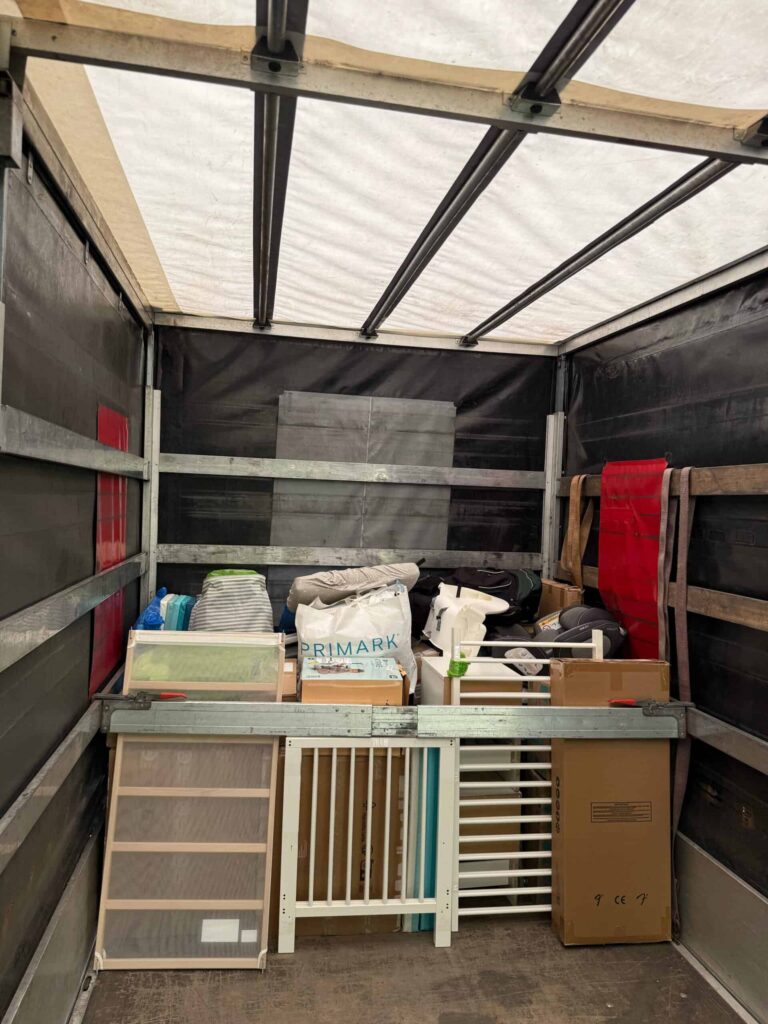

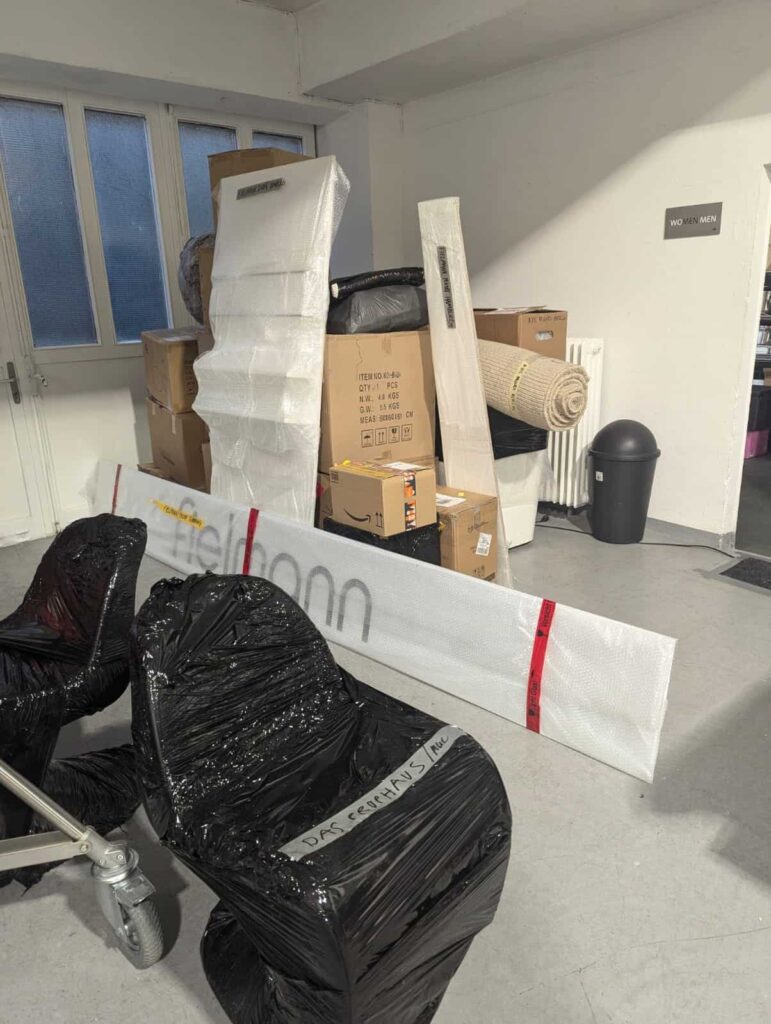



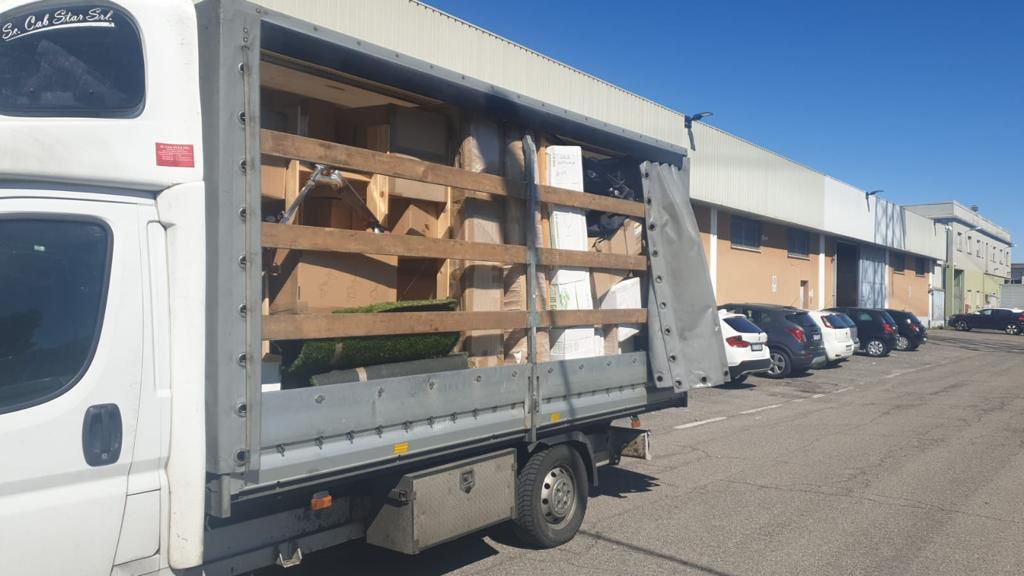
Which VANonsite Vehicle Size Fits Your Move to Germany?
Moving volume is easy to underestimate when boxes, dismantled furniture and awkward shapes are not measured. VANonsite checks the inventory, item dimensions and access photographs before matching the load to a vehicle, because usable floor space and safe securing matter as much as a simple room count.
| Service option | Capacity | Max load | Best for |
|---|---|---|---|
| Moving One | 1 m3 | 100 kg | Urgent essentials |
| Moving Basic | 5 m3 | 300 kg | Student or room move |
| Moving Medium | 10 m3 | 500 kg | Small flat |
| Moving Premium | 15 m3 | 1100 kg | One bedroom move |
| Moving Premium Plus | 30 m3 | 3500 kg | Couple or family move |
| Moving Full House XXL | 90 m3 | 20000 kg | Full household relocation |
Choosing the right vehicle is not only about fitting the load. It is about protecting the entire relocation. A van that is too small can create panic, repeated handling, awkward compromises, and a much uglier moving day. A vehicle that fits properly gives breathing room, safer handling, and better order from the first box to the final unload.
Here is the simplest way to think about it:
- Moving One works for urgent essentials, documents, and very light transport.
- Moving Basic suits a compact student move, a room move, or a lighter man and van relocation.
- Moving Medium makes more sense when the move grows beyond a simple room.
- Moving Premium is stronger for a one bedroom move where furniture and a smoother loading process matter.
- Moving Premium Plus fits many couple or family moves because it gives more space and less pressure.
- Moving Full House XXL is the right choice for full scale home relocation.
The right size protects both budget and sanity.
Why the Right Moving Partner Changes the Whole Experience
The right moving partner does more than transport furniture from one country to another. It removes uncertainty at the exact moment when uncertainty is already everywhere else. That is why good transport changes the whole feel of the move.
Transport affects much more than boxes. It affects confidence, timing, first week stress, arrival flow, and how quickly life in Germany starts feeling real rather than unstable.
How good transport removes uncertainty
The best moving support creates emotional relief as well as practical results. When transport is organised properly, you have fewer moving parts to manage alone. That means fewer last minute shocks, fewer ugly compromises, and a stronger sense that the move is under control.
Why GPS tracking matters
GPS tracking is more than a technical feature. It matters because people do not only worry about their belongings. They worry about uncertainty itself.
GPS tracking helps you:
- know where the load is during a long move
- plan your arrival more calmly
- reduce the emotional fog of waiting
- feel more confident about timing and first day logistics
On an international move, that kind of clarity is enormously valuable.
When extra services reduce serious friction
Some moves need more than transport alone.
- Packing Service helps when speed, protection, or lower stress matter.
- White Glove Delivery matters when the move includes delicate or high value items.
- Furniture Removals becomes important when large pieces need safer handling.
- Storage can rescue a move when housing and delivery timing do not line up neatly.
These services remove the kind of smaller frictions that often become major frustrations later.
When a man and van option is enough, and when it is not
A man and van option can be perfect for lighter moves, student loads, urgent essentials, or compact relocations. However, not every move should be squeezed into the smallest solution.
For larger households, fragile items, families, or more complex timing, a broader removals setup will usually protect the move much better.
If you already know Germany is the right move, removals to Germany is the practical next step.
So, Are the Pros and Cons of Moving to Germany Worth It?
Yes, for many people, Germany is absolutely worth it. It can offer safety, structure, healthcare, stability, career opportunity, and the sense that life is being built on firmer ground. Yet it is most rewarding for people who arrive with realistic expectations and prepare carefully for the realities of housing, paperwork, language, and the first difficult weeks.
That answer matters because it avoids both extremes. Germany is neither a flawless dream nor a bureaucratic nightmare. It is a country with substantial rewards and very real frictions. The move tends to work best for people who understand both sides before they arrive.
Germany is often especially worth it for people who value:
- long term stability over short term excitement
- systems that work over systems that improvise
- safety and order over constant spontaneity
- predictable structure over emotional chaos
- slower but stronger life building over quick but fragile convenience
At the same time, Germany may feel harder if you deeply need flexibility, instant warmth, lighter administration, or a more casual daily rhythm.
FAQ
Is moving to Germany worth it in 2026?
Yes, for many people it is. Germany remains attractive for those who want safety, strong infrastructure, healthcare, career stability, and long term structure. However, it feels much more rewarding when expectations are realistic and the move is prepared properly.
What is the biggest downside of moving to Germany?
For many newcomers, the biggest downside is bureaucracy. The first weeks can feel admin heavy, especially when housing, registration, insurance, and paperwork all need attention at the same time.
What is the biggest benefit of moving to Germany?
For many people, the biggest benefit is stability. Germany often offers a stronger feeling of order, safety, healthcare access, and long term predictability than many other destinations.
Is Germany good for families?
Yes, it can be an excellent choice for families. Safety, structure, healthcare, and long term planning are some of the strongest reasons families choose Germany. Still, housing and the timing of the move matter a great deal.
Is Germany hard for English speakers?
It can be. Some workplaces and cities are more English friendly than others, but German still matters in paperwork, housing, public offices, and daily admin. The move is easier when you treat language as a real adjustment area from the start.
How much money should I save before moving to Germany?
There is no single perfect number, but you should plan for more than just transport. Rent, deposit, travel, temporary accommodation, setup costs, insurance, and an emergency buffer can all shape the first month.
Can I use a man and van for moving to Germany?
Yes, in many cases. A man and van option can work very well for lighter moves, student relocations, compact loads, or urgent essentials. Larger or more complex moves may benefit from a broader removals setup.
Final Thoughts
The pros and cons of moving to Germany become much easier to judge when you stop looking at the country through vague stereotypes and start looking at real life. Housing. Healthcare. Work. Language. Paperwork. Daily rhythm. Financial pressure. The move itself. These are the things that determine whether Germany feels like the right next step.
Germany can be an outstanding decision for the right person. It can offer a steadier, safer, and more structured life. Yet the move works best when you respect the hard parts instead of pretending they do not exist.
If Germany feels like the right next chapter for you, the smartest thing you can do is make the move itself smoother. The right transport partner does not just move your belongings. It protects your time, your energy, and the start of your new life.
That is exactly where VANonsite fits naturally. With fast and careful European transport, GPS tracking for every load, flexible vehicle sizes, and support for everything from student moves to full household relocation, VANonsite helps turn a complicated international move into a calmer, more controlled beginning.