
Moving to Germany can feel thrilling at first. New city. Better salary. Safer streets. Stronger systems. A fresh chapter that seems full of promise. Yet there is another side to that excitement. Germany is not the kind of place that rewards vague planning. It rewards preparation. It rewards people who understand the paperwork, the timing, the housing pressure, and the practical rhythm of life before the move begins.
That is exactly why what to know before moving to Germany is such an important question. The move can be deeply rewarding for people who prepare properly. It can also feel overwhelming for people who arrive without understanding registration, health insurance, documents, costs, language barriers, or the emotional weight of the first few weeks. What looks simple from a distance can suddenly feel dense once housing applications, official letters, transport timing, and real life admin all start arriving at the same time.
Still, that does not mean the move has to feel chaotic. A good relocation to Germany is rarely built on luck. It is built on sequence. When you know what matters first, what can wait, and what can quietly create major stress if ignored, everything starts to feel more manageable.
This guide gives fast answers, practical structure, and real clarity. It covers legal status, housing, registration, health insurance, cost of living, daily life, documents, language, and the moving process itself. It is built to help you feel calmer, more prepared, and far less likely to be blindsided by the realities of relocation.
TL:DR
- Before moving to Germany, check whether you are relocating under freedom of movement rules or a visa and residence route, because that decision affects timing, documents, and your entire move plan.
- Housing can be competitive, especially in larger cities, so finding an address early can make the difference between a controlled relocation and a stressful start.
- Registration after arrival matters quickly, because anyone moving into a residence in Germany generally needs to register within two weeks of moving in.
- Health insurance is essential from the start, and in many cases it affects far more than medical care. It can also shape paperwork, entry steps, and first month stability.
- The first month can be more expensive than many people expect, because rent, deposits, travel, moving costs, setup expenses, and daily essentials often hit at the same time.
- Daily life in Germany usually feels structured, rule driven, and predictable, which many people love, but others find emotionally strict at first.
- Language can still be a barrier, even when some people speak English, because forms, public offices, housing, and daily admin may still rely heavily on German.
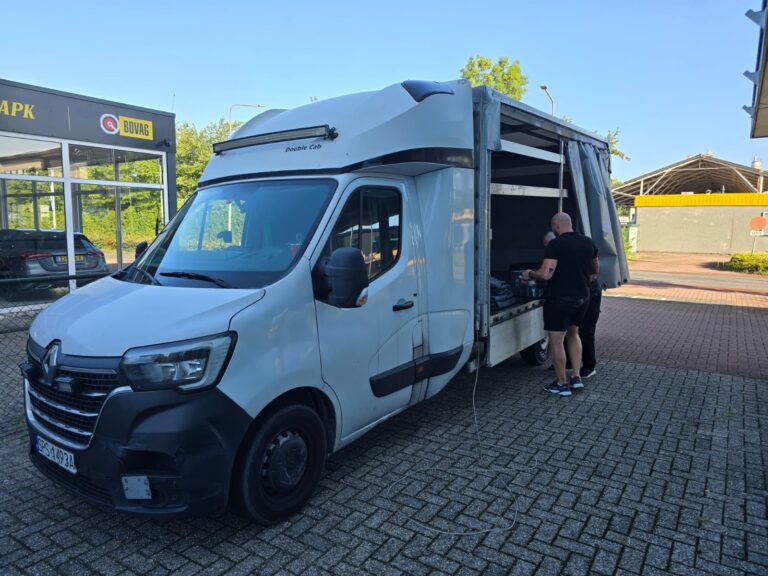
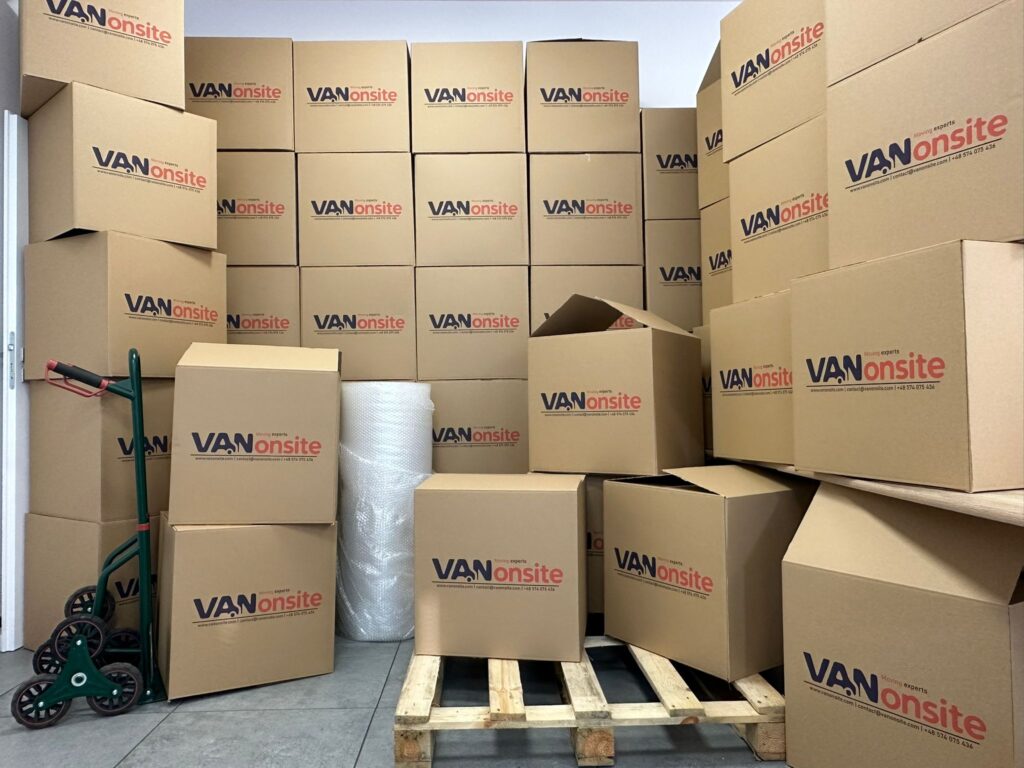
- A well planned removals setup, whether that means a light man and van move or a larger household relocation, can make the whole move feel far less stressful from the first box to the first week.




Fast Answer: What Should You Know Before Moving to Germany?
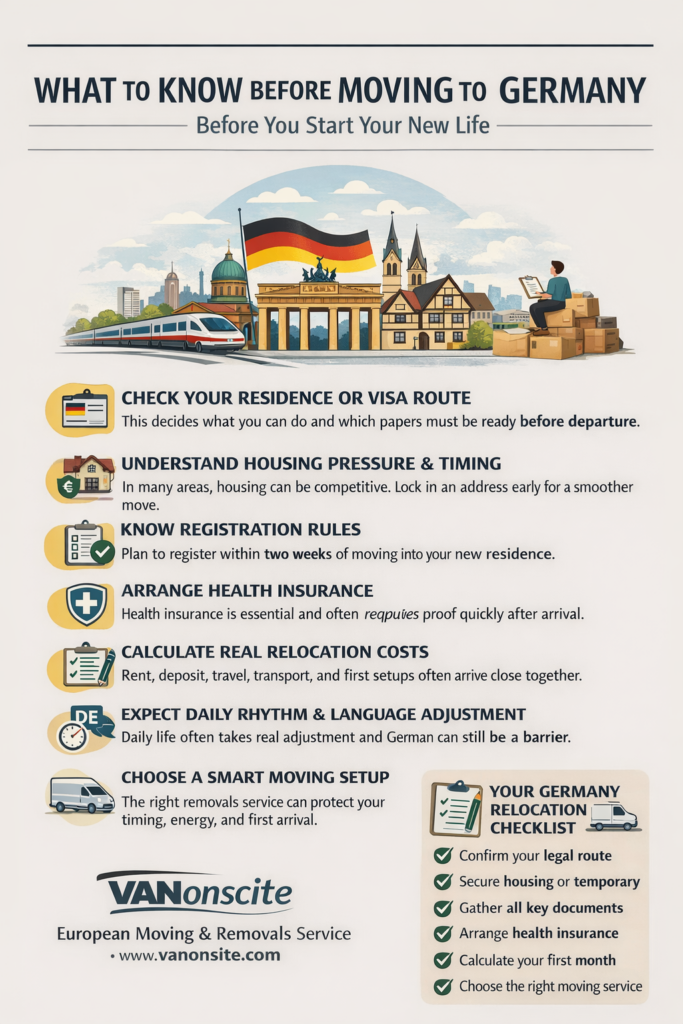
Before moving to Germany, you should understand seven things first. Not eventually. Not after the van is booked. Not once you already have one foot in a temporary flat and a folder full of unanswered letters. First.
The smartest way to think about the move is this: Germany rewards sequence. If you handle the right things in the right order, the relocation feels clearer, calmer, and far less punishing. If you skip the foundations, even a promising move can start with confusion, delays, and expensive stress.
These are the seven things that matter most:
- Your residence or visa route. This decides what you can do, when you can travel, and which papers need to be ready before departure.
- Housing pressure and timing. In many places, finding a suitable address is not a side issue. It is one of the central forces shaping the whole move.
- Registration rules. Once you move into a residence in Germany, the clock often starts quickly.
- Health insurance requirements. This is not something to sort out casually later. It matters early and can affect much more than healthcare.
- Real relocation costs. The first month often hits harder than expected because several large expenses arrive close together.
- Daily life and language adjustment. Germany can feel wonderfully stable, but the structure, routine, and language barrier still take real adjustment.
- The importance of the right moving service. A poor moving setup creates chaos. A smart one protects your time, your energy, and your arrival.
That is the fast answer to what to know before moving to Germany. You need legal clarity, housing realism, registration awareness, insurance preparation, a serious first month budget, realistic expectations about daily life, and a moving plan that actually fits the load.
If those seven areas are prepared properly, Germany becomes much easier to enter with confidence. If they are vague, the first weeks can feel like a blur of paperwork, pressure, and unnecessary mistakes.
Check Your Right to Move Before Anything Else
Before you compare rents, pack boxes, or decide whether you need a small man and van service or a full removals setup, start with one question: what is your legal route into Germany? That answer shapes the timing of almost everything else.
A great many moving problems begin because people plan the visible parts of relocation before they secure the legal foundation. The route matters because it affects your documents, your entry process, your deadlines, and how early you should lock in housing and transport.
EU Citizens and Freedom of Movement
If you are an EU or EEA citizen, Germany is usually much simpler from a legal perspective. You generally do not need a residence permit to move, live, and work there under freedom of movement rules. That removes one major layer of pressure.
However, simpler does not mean informal. Once you move into a residence in Germany, local registration still matters. In practical terms, that means even EU movers should not confuse easier entry with a paperwork free relocation. Germany still expects order.
This distinction matters because many people hear “freedom of movement” and assume everything else will take care of itself. It will not. It may be easier, but it still needs to be handled properly.
Non EU Citizens and Residence Rules
If you are moving from outside the EU, the picture can be more complex. Third-country nationals may need a visa, a residence route, or supporting documents linked to the reason for their move. Work, study, family reunification, and self-employment can each create different requirements.
That is why this question should never be treated as background admin. It is one of the main engines of your moving timeline. If the legal route is unclear, everything built on top of it becomes fragile.
Why This Changes Your Moving Timeline
Legal status changes the whole rhythm of preparation.
It affects:
- when you can realistically travel
- which documents must be ready before departure
- how early you should secure housing
- when it makes sense to book transport
- how tightly your arrival date can be planned
This is especially important for anyone trying to align a work start date, university intake, family move, or tenancy handover. A moving date should support the legal route, not race ahead of it.
For official guidance, see:
The key message is simple: before moving to Germany, know exactly which legal road you are on. It is the first decision that keeps every other decision from wobbling.
Housing Can Decide Whether Your Move Feels Smooth or Chaotic
Housing is not just one item on a moving checklist. In Germany, it often becomes the silent force that determines whether the whole relocation feels controlled or chaotic. A move can look beautifully organised on paper, yet still become stressful if the address is uncertain, the key handover is delayed, or the apartment is not truly ready for real life when the van arrives.
That is why one of the most important answers to what to know before moving to Germany is this: housing shapes almost everything. It affects your registration, your delivery timing, your budget, your first week stress, and the basic emotional question of whether the move feels secure or fragile.
Germany offers high quality housing in many places, but demand can be intense, especially in larger cities. For newcomers, that can create an uncomfortable gap between wanting to move and actually having somewhere suitable to land. This is where many relocations begin to wobble.
Why Finding Housing Early Matters
Finding housing early matters because it gives the whole move a spine. Once you know where you are going, other decisions become sharper. You can time the transport properly. You can plan your arrival more realistically. You can think about registration, unpacking, and the first week with much more confidence.
Without a stable address, everything becomes provisional. The move date feels shakier. The transport plan becomes riskier. The emotional weight of the relocation grows. Even exciting opportunities can start to feel draining when the housing question is still floating too close to departure.
This is especially important in cities where rental demand is high. A reader might be mentally ready for Germany long before the local housing market is ready for them. That mismatch can create more pressure than many people expect.
Temporary Accommodation vs Permanent Address
Temporary accommodation can be useful. In some cases, it is the smartest bridge between arrival and long term settlement. It can give you time to inspect neighbourhoods, wait for a permanent lease to begin, or keep the move going when travel timing is fixed.
However, temporary accommodation is not always ideal. It may not support registration smoothly. It may not work well for a full household delivery. It may create awkward overlap between where you sleep and where your belongings can realistically go.
That is why temporary accommodation should be treated as a strategy, not as an automatic solution. For some people it creates breathing room. For others it creates another moving part.
A useful way to think about it is this:
- a permanent address offers stronger stability, cleaner delivery planning, and a better foundation for early admin
- a temporary address offers flexibility, but may complicate registration, storage, and unloading decisions
The right choice depends on timing, paperwork, budget, and how much of your household needs to move at once.
What to Check Before Moving Your Belongings In
Before you move your belongings into any German address, check more than the postcode. The practical details matter.
Make sure you understand:
- the exact key handover date and time
- whether the address is suitable for registration
- access conditions such as stairs, lifts, narrow hallways, and parking
- whether the flat is ready for full delivery or only for essentials at first
- whether your moving day aligns with building access and unloading reality
These points may sound small, but they affect the entire feeling of arrival. A delayed key handover, poor parking, or an address that cannot take the full shipment can turn an organised move into a stressful scramble.
This is one of the reasons careful removals planning matters so much. A moving service that understands timing, access, staged delivery, and the difference between a compact man and van move and a full household relocation can protect the move from avoidable friction.
For official guidance on housing and local setup, see Housing and registration in Germany.
Registration in Germany Happens Fast After Arrival
Once you move into a residence in Germany, registration becomes one of the first serious deadlines of your new life. This is not a vague future task. It matters quickly, and it often matters at exactly the moment when you are still unpacking, navigating the city, and trying to make the first week feel less overwhelming.
That is why what to know before moving to Germany should always include a clear understanding of registration. If you ignore it, the move can feel more unstable than it needs to. If you prepare for it properly, the whole arrival phase becomes much easier to manage.
Anyone who moves into a residence in Germany generally needs to register within two weeks of moving in. That one rule creates urgency immediately. It also explains why housing and timing are so tightly connected.
What Registration Means in Real Life
Registration is not just a formality for the sake of paperwork. In real life, it often acts like the first anchor point of your new life in Germany. It is one of the moments when your move stops feeling temporary and starts feeling real.
That matters emotionally as well as practically. A person can arrive with boxes, documents, and a head full of plans, yet still feel ungrounded. Registration is one of the first steps that starts turning arrival into settlement.
Why Housing and Registration Are Deeply Linked
Housing and registration are tightly connected because registration depends on where you actually move in. That means the quality of your housing plan directly affects how smooth your registration process can be.
If your housing is delayed, unclear, or only temporary in a way that does not support local admin well, registration can quickly become another source of pressure. This is exactly why a good address matters for more than comfort. It supports structure.
This is also where many readers begin to understand that moving to Germany is not just about crossing a border. It is about building a working first month.
Documents You May Need for Anmeldung
The exact requirements can vary locally, but you should be ready for a document based process. In practical terms, that often means keeping the most important housing and identity papers easy to reach from day one, not buried in the main shipment.
A smart registration folder should usually include:
- passport or ID
- rental agreement or address proof
- landlord related confirmation if required
- any forms needed by the local registration office
The biggest mistake here is treating these papers like ordinary moving documents. They are not. They belong in the category of first week essentials.
For official guidance, see Registration in Germany.
Health Insurance Is Not Optional
Before moving to Germany, you should treat health insurance as one of the core pillars of the relocation, not as a technical detail to sort out once everything else feels calmer. In Germany, health insurance is compulsory. More importantly, it touches far more than medical care. It can affect paperwork, entry procedures, early appointments, and the general feeling of whether your first month is stable or fragile.
That is why this topic belongs near the top of any serious answer to what to know before moving to Germany. When health insurance is prepared early, the move feels safer. When it is vague, uncertainty starts spreading into other parts of daily life.
Why Health Insurance Matters From Day One
Health insurance matters from day one because life does not wait politely until your paperwork feels complete. Illness, prescriptions, stress, accidents, or children’s health needs can appear immediately, even when the move itself is going well. The emotional value of being covered is enormous. It removes one of the sharpest background fears from the early days of relocation.
In some cases, proof of health insurance may also matter very early for entry or post-arrival administration. That means it is not simply a later task. It belongs with the practical foundations of the move, alongside documents, housing, and registration.
This is especially important for people who are arriving with families, pre-existing treatments, medication routines, or a strong need for a quick, steady start.
Statutory vs Private Health Insurance
For many newcomers, one of the first confusing discoveries is that German health insurance is not one simple path for everyone. Broadly speaking, people may end up in statutory or private health insurance depending on their status and circumstances.
That is exactly why assumptions are risky here. Employees, students, families, and self employed movers may face different choices or obligations. The real question is not just “Do I need health insurance?” It is “Which route applies to me, and how early do I need to prepare it?”
This part of the move becomes much easier once you accept that insurance in Germany is part of the system itself, not an optional add-on around the edges.
What Students and Families Should Check Early
Students and families should be especially careful here. Students often need to think about insurance very early because it can affect education related admin and the practical start of life in Germany. Families may need to think beyond one individual policy and consider what the move means for partners, children, and continuity of care.
A smart preparation approach is to check:
- which insurance route applies to your status
- what proof may be needed before or shortly after arrival
- whether any family members need separate planning
- how ongoing medication or health needs will be handled in the first weeks
For official guidance, see:
The message is clear: before moving to Germany, make health insurance one of your first serious preparations. It protects far more than your medical needs. It protects your sense of security.
Prepare the Right Documents Before You Move
Documents are one of the least glamorous parts of relocation, yet they often decide whether the first weeks in Germany feel manageable or exhausting. A missing paper can slow registration. A buried document can delay housing admin. A forgotten proof can make a simple task feel suddenly complicated.
That is why what to know before moving to Germany should always include one practical truth: documents do not sit in the background. They hold the move together.
| Document | Why it matters | When you may need it |
|---|---|---|
| Passport or ID | Identity and travel | Travel and registration |
| Visa or residence papers if needed | Legal stay | Entry and residence |
| Rental agreement or address proof | Housing and registration | Anmeldung and admin |
| Employment or university documents | Proof of purpose | Work, study, insurance |
| Health insurance proof | Essential coverage | Entry, healthcare, admin |
| Civil status documents if relevant | Family admin | Family setup and schools |
That table gives the framework, but what really helps is building a document system that works under pressure. The goal is not simply to own the papers. The goal is to reach the right paper at the exact moment you need it, without panic.
A stronger document setup should include:
- the most important originals kept separately from ordinary packed items
- printed copies of essential papers
- secure digital backups
- grouping by use, such as travel, housing, work, healthcare, and family
- a final review before departure instead of assuming everything is ready
One of the smartest habits is to carry your most important documents personally. They should travel with you, not inside the main household load. That includes identity papers, health insurance proof, housing papers, and any documents linked to your legal route or immediate first week admin.
This matters even more for specific groups:
- Professionals may need contracts and work papers quickly.
- Students may need admission papers, housing proof, and insurance documents in one place.
- Families may need civil status records and children’s paperwork organised early.
- Self employed movers may need stronger financial and legal documentation from the beginning.
The reader should leave this section with one strong impression: documents are not just formalities. They are one of the quiet forces that decide whether the beginning of life in Germany feels calm or chaotic.


What Daily Life in Germany Really Feels Like
Moving to Germany is not only about forms, moving boxes, and registration appointments. It is also about what ordinary life feels like once the first adrenaline fades. That matters more than many people expect. A country can look excellent on paper and still feel strange in practice. Germany often makes a strong impression here because daily life tends to feel more structured, more rule shaped, and more predictable than in many other places.
For some people, that feels like relief. For others, it feels like friction. That tension sits at the heart of what to know before moving to Germany. Germany can feel stable and safe, yet emotionally demanding at first if you are not used to its rhythm.
Daily Rhythm and Routine
Daily life in Germany often runs on clearer patterns than many newcomers expect. Work, school, appointments, shopping, commuting, and even quiet time tend to follow a visible rhythm. There is often less chaos in the background. Systems may feel stricter, but they also feel more consistent.
That consistency can become one of Germany’s quietest strengths. It means ordinary days are often easier to plan. Many people start to appreciate this only after living there for a while. The relief does not come from one dramatic moment. It comes from dozens of smaller moments where life simply works the way it said it would.
Still, there is another side. If you are used to improvising, stretching opening hours, relying on last minute convenience, or assuming everything will somehow bend around your schedule, the adjustment can feel surprisingly sharp. Germany often expects you to work with the system, not around it.
Punctuality, Rules, and Expectations
Punctuality in Germany is not only a stereotype. It often shapes social expectations, work culture, public appointments, and ordinary daily interaction. For many newcomers, this feels refreshing. It signals seriousness, respect, and structure.
At the same time, it can create invisible pressure. Being late, vague, or underprepared may feel more exposed than expected. Rules also tend to feel more present in daily life. Recycling, public behaviour, paperwork, appointments, and procedures often carry more weight than people first assume.
This does not make Germany cold. It makes Germany specific. If you understand that early, the country becomes much easier to read.
Why Some People Love the Structure and Others Struggle With It
Germany often creates strong opposite reactions for the same reason. One person sees peace, order, safety, and predictability. Another sees distance, rigidity, and too many rules. Both reactions can be true.
That is why it helps to think about temperament before moving. If you thrive in structure, Germany may feel deeply reassuring. If you need flexibility, constant spontaneity, and a softer social pace, the adjustment may take longer.
A few everyday details often surprise newcomers:
- Sundays can feel unusually quiet, with many shops closed.
- Shopping often rewards planning instead of impulse.
- Official letters and appointments may matter more than expected.
- Public spaces often feel orderly and more rule aware.
- Everyday life may feel emotionally reserved before it starts feeling familiar.
The important thing is not to judge these differences too quickly. Germany does not need to feel instantly natural to become a good long term home.
The First Month Can Be More Expensive Than You Think
One of the biggest mistakes people make before moving to Germany is treating the financial side like a single transport cost plus one month of rent. In reality, the first month can hit much harder. Several major expenses often arrive close together, and even people with solid salaries can feel stretched if they have not planned properly.
That is why what to know before moving to Germany should always include this warning: the first month is often more expensive than the future monthly rhythm of life. It is the entry point that feels financially heavy.
| Financial area | Why it matters before moving to Germany |
|---|---|
| Rent and deposit | Often the biggest early cost |
| Transport | Depends on volume and route |
| Packing and furniture handling | Affects both cost and stress |
| Health insurance and deductions | Shapes monthly reality |
| Emergency fund | Protects the first month |
That table gives the structure, but the deeper lesson is simple. Germany may be financially rewarding over time, yet the beginning can feel expensive because too many costs land at once.
Salary Is Not the Same as Net Take Home Income
A salary offer can look exciting on paper, especially if you are comparing it with your current situation. Yet one of the first shocks for some newcomers is that gross income and real take home income are not the same thing. Taxes and social contributions shape what you actually feel month to month.
This is not a reason to fear the move. It is a reason to plan like an adult. Financial clarity removes disappointment. When you understand the difference between salary promise and real monthly reality, you make calmer choices.
For official context, see Salary, taxes and social security in Germany.
Rent, Deposits, Travel, Transport, and Setup Costs Can Hit Together
This is where the move starts to feel real. You may face rent, deposit, travel expenses, the cost of moving your belongings, temporary accommodation, first purchases for the flat, and daily essentials in a very short window.
That financial compression is what catches people out. They plan for the destination, but not for the entry.
Common early costs may include:
- deposit and first rent payment
- temporary accommodation if dates do not align perfectly
- travel to Germany
- transport of belongings
- packing materials or packing support
- furniture handling or white glove support for delicate items
- storage if the address is not ready
- everyday setup costs for the first days and weeks
That is why a financial buffer matters far more than many people expect.
Why a Buffer Matters More Than People Think
A buffer is not only about money. It is about emotional stability. Without one, every delay feels sharper. Every unexpected cost feels personal. Every mismatch in timing becomes more stressful than it should be.
With a buffer, the move has room to breathe. A delayed key handover, a few days of temporary accommodation, an extra document fee, or one badly timed expense no longer threatens the whole plan.
That breathing room can change the entire emotional tone of the relocation.
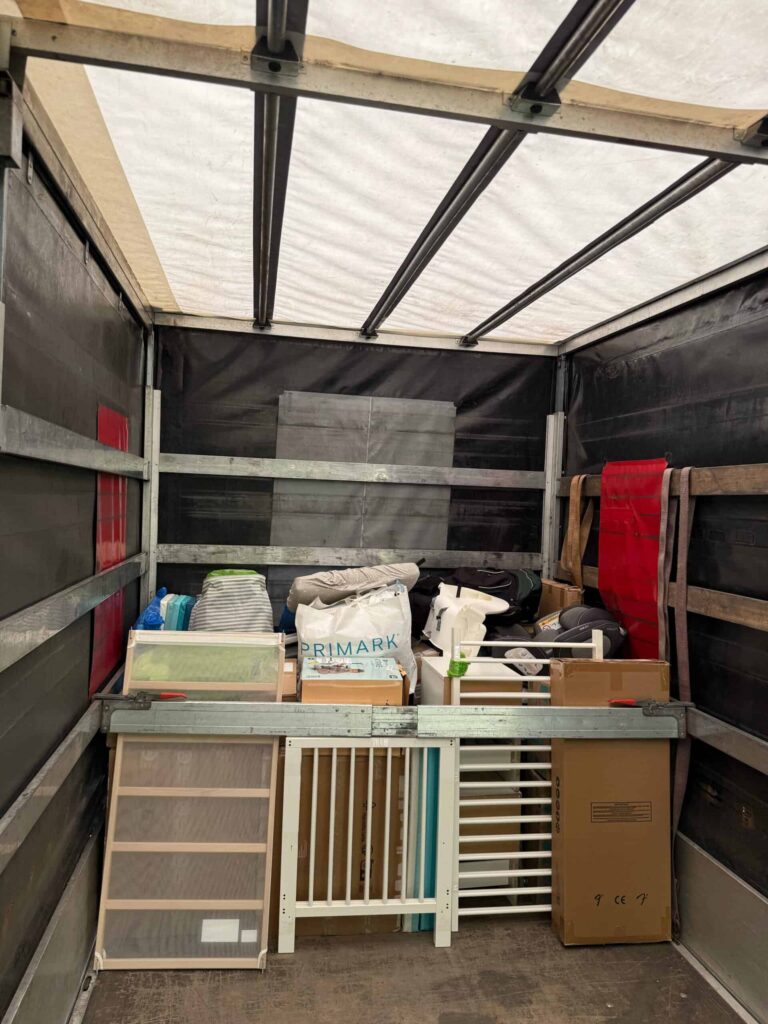
Why Transport Choices Affect the Budget More Than Expected
Many people look at moving costs too narrowly. They compare one quote to another and focus only on the top line. Yet transport choices affect more than the visible price. They influence timing, repeated handling, risk of damage, storage needs, and how much chaos enters the first week.
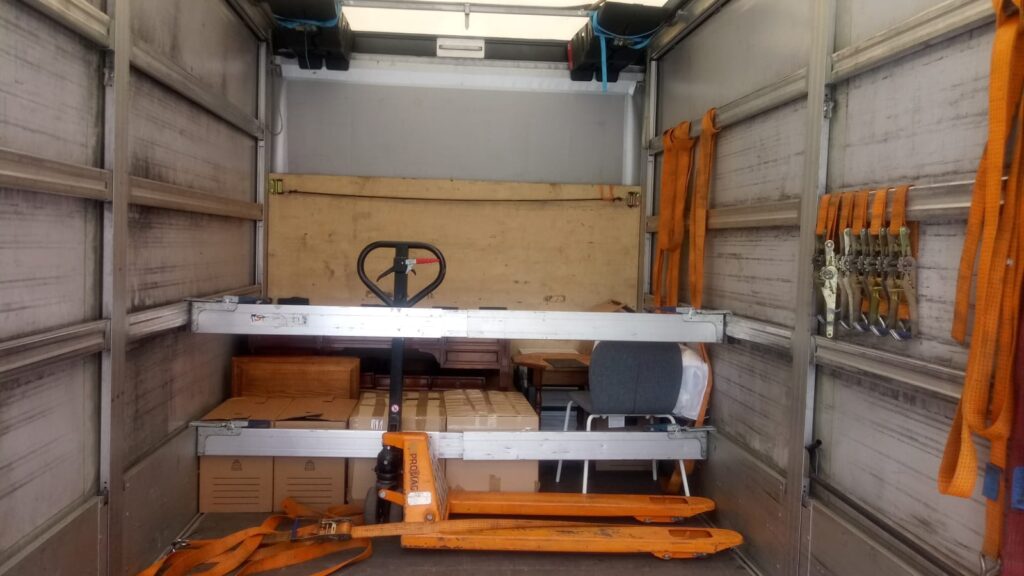
That is exactly why a smart removals setup matters. A well planned man and van move can be perfect for a lighter relocation. A larger household move may need a broader service with better capacity, better protection, and less pressure on the day itself. The right choice protects both the budget and the emotional cost of the move.
The key idea is clear: the first month in Germany is not the moment to underestimate reality. It is the moment to prepare for it properly.




Language Can Shape How Easy Germany Feels
Language is one of the most underestimated parts of relocation. People often think about it in purely practical terms. Will I be able to order food? Will people speak English at work? Can I survive with translation apps for a while? Those are fair questions, but they are too small. The real issue is broader. Language shapes how independent you feel, how quickly daily life starts making sense, and whether Germany feels manageable or quietly intimidating.
That is why what to know before moving to Germany should include one honest truth: you do not need perfect German before the move, but underestimating the language barrier can create a surprising amount of avoidable stress.
Where English May Help
In some environments, English can carry you further than you expect. Certain international workplaces, university settings, and larger cities may feel relatively friendly to English speakers, especially in early social or professional situations. This can create an encouraging first impression and make the move feel more accessible.
That matters because it lowers the emotional barrier to getting started. You do not need to wait until your German is flawless before moving. If everything else is in place, progress can begin before fluency does.
Where German Still Matters a Lot
Still, English does not solve everything. German may appear exactly where daily life becomes most practical. Housing communication, official letters, registration paperwork, health related admin, building notices, and other formal processes may rely heavily on German.
This is where the stress often appears. It is not always dramatic. It is quieter. It shows up in hesitation, slower responses, uncertainty around forms, and the exhausting feeling that simple tasks take more energy than they should.
That is why you should assume that German still matters, even if the move initially feels possible in English.
Why Language Affects Confidence, Not Just Communication
Language does not only affect what you can say. It affects how stable you feel. It shapes whether you are comfortable asking questions, reading instructions, dealing with paperwork, or solving everyday problems without panic.
That is especially important in the first weeks, when almost everything is new already. A housing issue, a registration question, or an insurance letter can feel much heavier when the language around it is unfamiliar.
A realistic mindset helps here:
- you do not need perfect German before moving
- you do need to respect the role language plays in everyday admin
- you should expect the first weeks to require more patience than a holiday or short stay would
- even modest preparation can reduce a large amount of avoidable friction
The key message is simple. Germany becomes easier when you treat language as part of relocation planning, not as a side topic you will somehow absorb without effort.
What to Pack and What to Keep With You
Packing is where a move often becomes emotionally real. Until then, relocation can still feel like planning. Once the boxes start filling and the essentials start separating from the rest of life, the move stops being abstract. That is exactly why this stage deserves more care than many people give it.
One of the smartest answers to what to know before moving to Germany is this: do not pack by category alone. Pack by priority. The first two or three days after arrival often matter far more than people expect. If the right things are in the wrong place, even a smooth move can feel unnecessarily rough.
What Should Stay With You Personally
Some items should never disappear into the main household load. They belong with you during travel and arrival because they protect both the move and your first days in Germany.
Keep with you:
- passport and identity documents
- legal paperwork and housing papers
- medication
- chargers
- valuables
- essentials for the first 48 to 72 hours
This may sound obvious, yet it is one of the easiest mistakes to make under pressure. The more tired people are, the more likely they are to pack vital items into safe boxes that become impossible to access when they are actually needed.
What to Pack for Day One Access
Not everything needs to be immediately available. However, some things should be easy to reach the moment you arrive. These are the items that make the first night and first morning feel functional rather than frustrating.
Pack for day one access:
- bedding
- toiletries
- towels
- kettle and mugs
- work gear
- children’s or pet essentials
This is not about luxury. It is about reducing pressure. A made bed, a charged phone, a towel, hot tea, and the ability to find your work items quickly can change the emotional tone of the first day more than people realise.
Why Separating Urgent Items Matters So Much
The smartest packing strategy is to divide the move into layers.
- With you personally: the items that protect identity, health, access, and immediate comfort
- Day one access: the items that make the first evening and first morning workable
- Main household load: the rest of your belongings that can arrive safely without being needed in the first few hours
This kind of separation does more than improve organisation. It protects your energy. It means that when you arrive tired, overstimulated, and surrounded by boxes, you do not have to solve basic problems before you can rest.
This is also where the quality of the moving setup matters. A lighter man and van move may work beautifully for a compact relocation if the priority items are clearly managed. A larger household move needs even more discipline around what arrives first, what stays with you, and what can wait until the home is functioning properly.
The message is clear: smart packing is not just about space. It is about protecting the first days of your new life.
Which VANonsite Vehicle Size Fits Your Move to Germany?
Choosing the right vehicle is not a minor logistical detail. It changes how the whole move feels. Too little space creates tension, repeated handling, awkward compromises, and a sharper risk of chaos on moving day. Too much space is usually less damaging than too little, but it can still affect cost planning. That is why one of the most practical answers to what to know before moving to Germany is this: estimate your volume seriously, not optimistically.
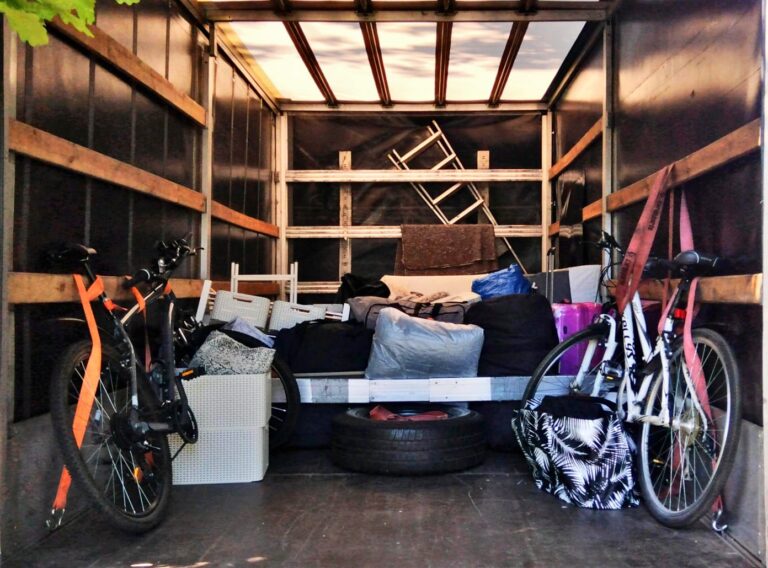
Many people underestimate their moving volume by 20% to 30%. That sounds harmless until the loading starts and suddenly there is no room for the final boxes, the bike, the hallway furniture, the work equipment, or the items that did not seem like much when viewed one by one. On an international move, that kind of miscalculation does not just create inconvenience. It can create stress, repeated handling, delays, and extra cost.
| Service option | Capacity | Max load | Best for |
|---|---|---|---|
| Moving One | 1 m3 | 100 kg | Urgent essentials and tiny loads |
| Moving Basic | 5 m3 | 300 kg | Student or room move |
| Moving Medium | 10 m3 | 500 kg | Small flat |
| Moving Premium | 15 m3 | 1100 kg | One bedroom move |
| Moving Premium Plus | 30 m3 | 3500 kg | Couple or family move |
| Moving Full House XXL | 90 m3 | 20000 kg | Full house relocation |
The table gives the structure. What matters next is reading it in real life terms.
Best Vehicle Size for a Student Move
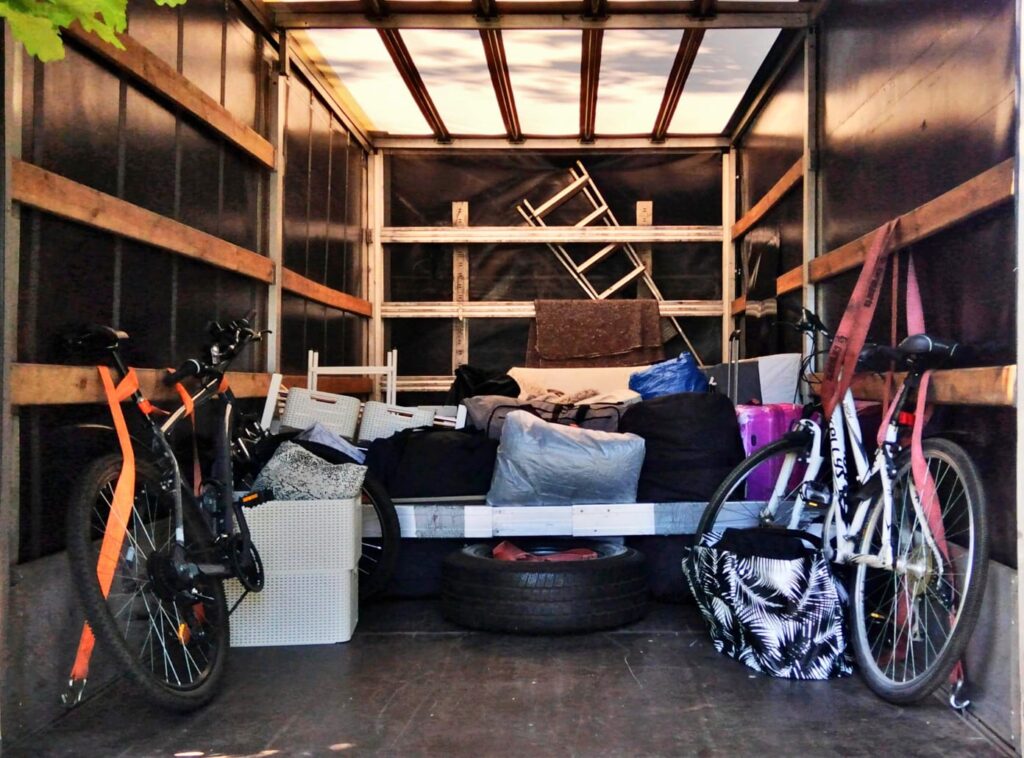
Students often assume they need less space than they actually do. Then the desk, chair, boxes, clothes, books, kitchen bits, sports gear, and small furniture start to add up. For lighter student relocations, Moving Basic can be a smart and efficient fit. When the move includes more furniture or a denser personal setup, Moving Medium may be the safer option.
This is also one of the situations where a man and van setup can work beautifully, especially when the move is compact and carefully planned.
Best Vehicle Size for a Solo Professional Move
A solo professional move can look simple from the outside and still contain more than expected. Monitors, office chair, clothing, documents, kitchen equipment, personal items, and furniture can quickly push the move beyond a minimal setup. Moving Medium often makes sense for a compact one person relocation, while Moving Premium gives more breathing room if the move includes larger furniture or a heavier home office setup.
That extra breathing room can protect both the load and your nerves.
Best Vehicle Size for a Couple Move
A couple move usually carries more overlap and more bulk than two people initially expect. Shared furniture, kitchen items, wardrobes, bedding, electronics, and sentimental pieces build volume fast. Moving Premium may work for a lighter household, while Moving Premium Plus is often the more comfortable and realistic choice for a couple relocating properly rather than partially.
This is where good estimating can prevent repeated loading and ugly compromises.
Best Vehicle Size for a Family Move
Family relocations need more than volume. They need order. A family move does not only carry furniture and boxes. It carries routines, children’s essentials, practical pressure, and very little tolerance for a chaotic arrival. Moving Premium Plus often suits many family relocations well, while Moving Full House XXL is the right answer for full household moves where everything is coming across, not just selected items.
For families, smoother loading and calmer unloading often matter more than chasing the smallest possible option.
Best Setup for a Staged Relocation With Storage
Not every move happens in one clean line. Sometimes housing is not ready. Sometimes one person goes ahead first. Sometimes the first address cannot take the full load. In these cases, staged relocation and storage can be the difference between an organised move and a draining one.
That is where the moving setup should support the real situation, not force a false simplicity. A partial delivery, followed by storage or a larger second move, can often protect both the budget and the emotional flow of the relocation.
The real lesson here is simple. Choose the vehicle size for the move you are actually making, not the move you wish looked smaller on paper.
Why the Right Moving Partner Matters More Than People Think
A move to Germany is never only about transport. It is also about timing, housing, paperwork, emotional load, and the hidden friction that appears when several parts of life shift at once. That is why the right moving partner matters so much more than many people realise.
A strong moving partner does not just carry belongings from one place to another. It protects momentum. It reduces uncertainty. It keeps the relocation from becoming harder than it needs to be.
A Move to Germany Is Not Just Transport
International relocation is a chain. Housing affects registration. Timing affects where the load can go. Documents affect what can happen on arrival. Emotional fatigue affects how small problems feel. Transport sits inside all of that.
When the moving side is badly planned, everything else feels heavier. When it is well planned, the whole move feels more coherent.
Why GPS Tracking Matters During an International Move
GPS tracking is one of those features that sounds technical until you actually need it. Then it becomes emotional. On a long move, people do not only worry about their belongings. They worry about not knowing.
GPS tracking helps reduce that fog. It gives you a stronger sense of where the load is, how the timing is unfolding, and what to expect next. That matters practically, but it also matters psychologically. Clarity calms people down.
When Extra Services Remove Hidden Friction
Some moves need more than the van itself. They need support around the stress points.
That is where services like these become genuinely useful:
- Packing Service when speed, order, or protection matter
- White Glove Delivery when the move includes delicate or high value pieces
- Furniture Removals when larger items need safer handling
- Storage when the housing timeline and delivery timeline do not align cleanly
- Student Removals when the move needs to stay lean, smart, and budget aware
- Home Removals when the move is broader and more domestic in scale
- Office Removals when professional equipment or work continuity matters
These are not decorative extras. They can remove exactly the kind of hidden friction that turns a manageable move into a draining one.
When a Man and Van Option Is Ideal, and When It Is Not
A man and van option can be an excellent fit for lighter relocations, student moves, selected essentials, and compact one person setups. It can be fast, efficient, and refreshingly simple when the load genuinely fits the format.
However, not every move should be squeezed into a lighter solution. Larger households, complex family relocations, awkward access, fragile pieces, or tighter timing often need a broader removals structure. The right answer is not always the smallest one. It is the one that protects the move best.
If Germany is already your chosen destination, removals to Germany is the natural next step.
Your Germany Relocation Checklist Before Departure
Once the details start multiplying, the move can feel bigger than it needs to. That is exactly why a final checklist matters. It turns pressure into sequence.
A strong checklist does more than remind you what to do. It helps you protect momentum. It stops the move from dissolving into dozens of equal looking tasks. Instead, it gives you an order of attack.
Use this Germany relocation checklist before departure:
- Confirm your legal route so your timing and documents rest on something solid. This one step prevents expensive confusion later.
- Secure housing or temporary accommodation that matches the reality of your move. Your address shapes delivery, registration, and first week stress.
- Gather all key documents and keep them organised by use, not by guesswork. Fast access matters more than a thick folder.
- Arrange health insurance early enough to protect both paperwork and peace of mind. Waiting too long can make the start unnecessarily shaky.
- Calculate your first month budget with room for deposits, transport, setup costs, and surprises. Germany often feels most expensive at the beginning.
- Choose the right moving service based on real load, timing, and complexity. The wrong setup can turn a manageable move into a draining one.
- Pack essentials separately so the first 48 to 72 hours feel manageable. Comfort and access matter immediately.
- Prepare for registration after arrival so the first serious deadline does not catch you off guard.
If you want an even calmer final week before departure, think of the checklist in three layers:
- Legal and admin: legal route, documents, health insurance, registration readiness
- Housing and money: address, temporary accommodation if needed, first month budget, buffer
- Moving logistics: transport choice, packing priorities, day one essentials, delivery timing
A good checklist does not make the move smaller. It makes it clearer. And clarity is often what turns a stressful relocation into a controlled one.
FAQ
What Is the Most Important Thing to Know Before Moving to Germany?
The most important thing is that Germany rewards preparation. Legal status, housing, registration, health insurance, documents, and the first month budget all need to be handled in the right order. The move feels much easier when the foundations are clear before departure.
Do I Need Health Insurance Before I Arrive in Germany?
In many cases, yes, or you need to prepare it very early. Health insurance is compulsory in Germany and can also affect entry steps or early administration. It is one of the first things that should feel secure, not vague.
How Quickly Do I Need to Register After Moving In?
Anyone who moves into a residence in Germany generally needs to register within two weeks of moving in. That is why your address, documents, and first week timing matter so much.
Is Germany Hard for English Speakers?
It can feel easier in some workplaces and larger cities, but German still matters in forms, housing, official letters, and daily admin. You do not need perfect fluency, but you should respect the barrier and prepare for it.
How Much Money Should I Save Before Moving to Germany?
There is no universal number, but you should plan for more than transport and one month of rent. Deposits, travel, setup costs, temporary accommodation, and a buffer all matter. The first month is often the sharpest financially.
Can I Use a Man and Van for Moving to Germany?
Yes, in many cases. A man and van service can work very well for lighter relocations, student moves, and selected essentials. Larger or more complex moves usually need a broader removals setup with more capacity and less pressure.
Is Germany a Good Place for Families?
For many families, yes. Germany offers safety, structure, healthcare, and long term stability. The key is making sure housing, timing, and the moving setup are planned properly so the first weeks support family life instead of disrupting it.
How Early Should I Book My Move to Germany?
As early as possible once your legal route, housing timing, and approximate load are clear. The earlier the moving plan becomes real, the easier it is to align delivery with key handover, registration, and your first week essentials.
Should I Move Everything at Once or in Stages?
That depends on the housing situation, budget, and how settled your first address is. Some moves work best as one complete relocation. Others feel much easier with staged delivery or temporary storage, especially if the final home is not ready yet.
Final Thoughts
Knowing what to know before moving to Germany is not just about collecting rules. It is about protecting the move from becoming harder than it needs to be. That is the deeper value of preparation. It does not remove every challenge, but it makes the challenges more manageable, more predictable, and far less likely to take over the first weeks of your new life.
Germany can be a powerful place to begin again. It can offer stronger systems, calmer routines, better long term structure, and a real sense of security. Yet those rewards tend to arrive most clearly for people who respect the practical side of the move, not just the dream of the destination.
This is worth remembering when the process starts to feel heavy. The forms, the housing questions, the transport decisions, the packing, and the uncertainty are not the move itself. They are the bridge into it. And bridges feel better when they are built properly.
If Germany feels like the right next step for you, the smartest thing you can do now is make the relocation itself smoother. The right moving partner does not just transport your belongings. It protects your energy, your timing, and the start of your new life.
That is where VANonsite fits naturally. With careful European transport, GPS tracking for every load, flexible vehicle sizes, and support for everything from student moves to full household relocation, VANonsite helps turn a stressful international move into a calmer, more controlled beginning.