Living in Austria is a dream for many expats seeking a high quality of life, stunning natural surroundings, and a well-organized society. Nestled in the heart of Europe, Austria offers a unique blend of rich cultural heritage and modern infrastructure, making it an ideal destination for professionals, families, and retirees alike. From the majestic Alps to vibrant cities like Vienna and Salzburg, living in Austria comes with a host of benefits—and a few important considerations.
Below are the key takeouts to keep in mind if you’re planning a move to Austria:
Key Takeouts:
- Austria boasts a high standard of living and low crime rates.
- Public healthcare and transport systems are efficient and affordable.
- Living costs are moderate compared to the UK, especially outside Vienna.
- Knowledge of German significantly improves integration.
- Austria offers a slower-paced, nature-rich lifestyle.
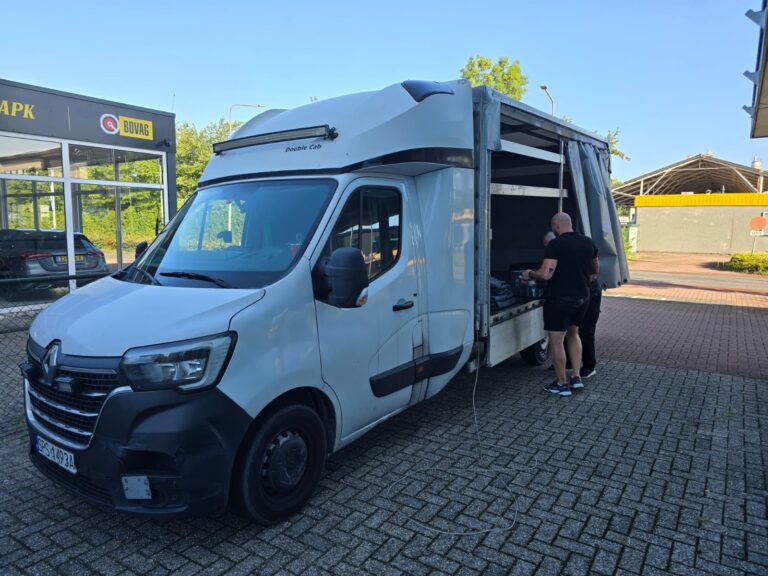
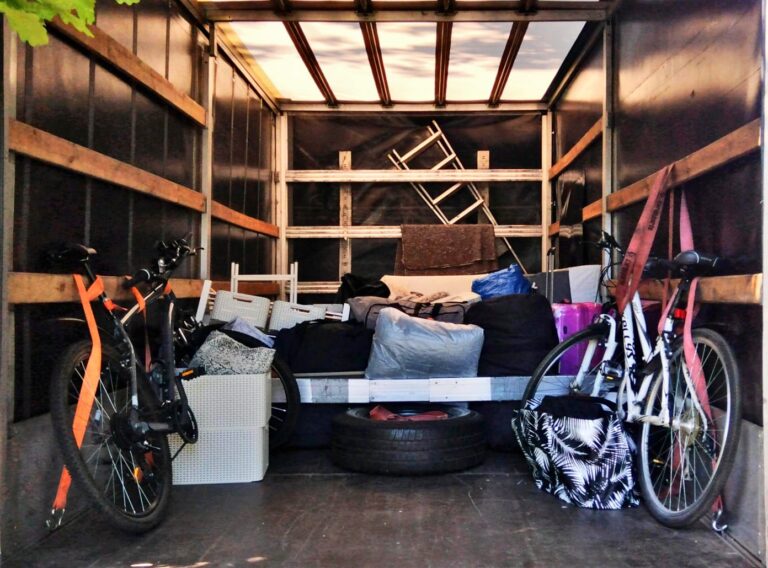
- Professional moving services like VanOnSite simplify international relocations.
What Is It Like Living in Austria?
Austria is renowned for its pristine nature, high standard of healthcare, and efficient public services. It ranks consistently high in global quality of life indices and offers a secure, well-organized environment for individuals and families alike.
For those seeking employment, Austria presents a robust job market, particularly in sectors such as engineering, IT, healthcare, tourism, and finance. Vienna, Linz, and Graz are major economic hubs that attract international talent. Work culture emphasizes balance and stability, often including generous vacation policies and reasonable working hours.
Safety is a major appeal for expats, with Austria consistently ranked among the safest countries in Europe. Low crime rates and a strong sense of community contribute to the overall sense of well-being.
Spare time in Austria can be filled with outdoor adventures in the Alps, leisurely strolls through historic city centers, and visits to world-class museums, theaters, and festivals. The country encourages healthy, active living with countless opportunities for hiking, skiing, cycling, and more.
For personal and professional development, Austria offers accessible lifelong learning programs, public courses, and university education with low or no tuition fees for EU citizens. Whether you’re raising a family or climbing the career ladder, Austria supports growth at every stage.
Key lifestyle highlights:
- Access to world-class ski resorts in winter
- Traditional cafés and beer gardens
- Excellent public education system
- Reliable, punctual public transport
- Low crime rates
- Strong job market and career development opportunities
- Abundant recreational and cultural activities
“Whether you’re drawn by the alpine air or the opportunity to work in cities like Vienna, Salzburg, or Graz, Austria offers a clean, organized, and culturally rich environment to settle in.” – vanonsite-commercial.pl/
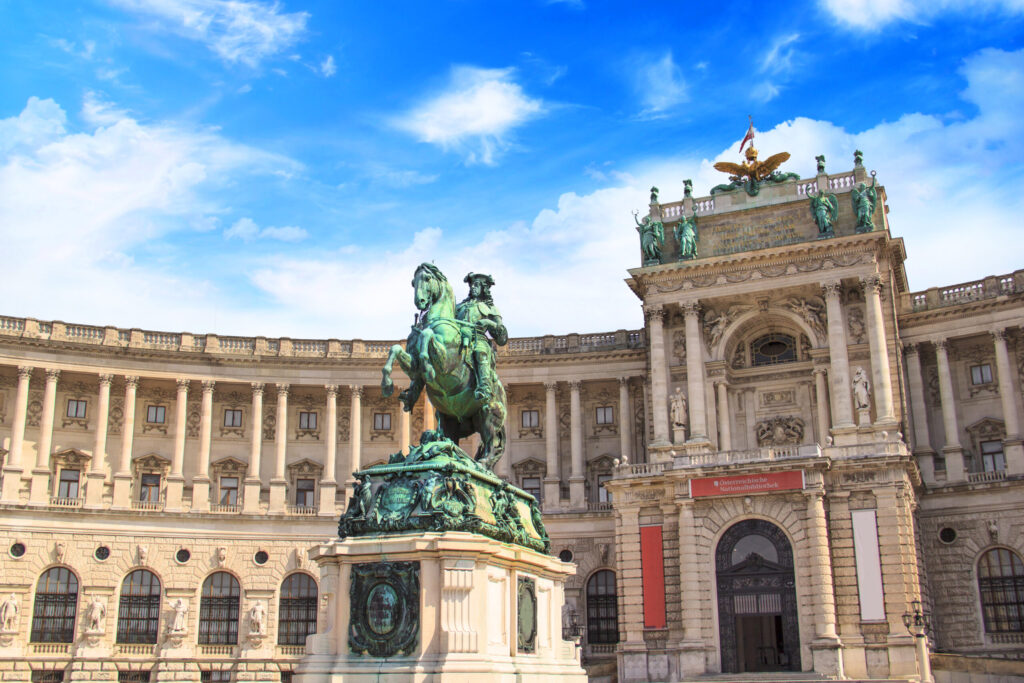
Cost of Living in Austria
Living in Austria can be surprisingly affordable, especially outside major cities like Vienna.
| Category | Average Monthly Cost (€) |
|---|---|
| Rent (1-bed in city) | €800 – €1,200 |
| Groceries | €250 – €400 |
| Bread (500g loaf) | €1.50 – €2.20 |
| Fresh Fruits (1kg) | €2.00 – €4.00 |
| Cheese (1kg) | €8.00 – €12.00 |
| Domestic Beer (0.5L) | €1.20 – €2.50 |
| Coffee (regular) | €2.50 – €4.00 |
| Dining Out | €10 – €20 (meal) |
| Cinema Ticket | €9.00 – €12.00 |
| Gym Membership | €25 – €50 |
| Public Transport Pass | €50 – €70 |
| Health Insurance | €200 – €400 (mandatory) |
💡 Tip: Many Austrians shop locally and use farmer’s markets, which helps reduce grocery costs.
Cost of Living in Austria vs UK
When comparing Austria to the UK, Austria often comes out as the more affordable and structured option. This is particularly evident when assessing everyday expenses, healthcare accessibility, and the overall financial stability experienced by residents.
Austria:
- More affordable and reliable public transport
- Lower crime rates and inclusive public healthcare
- Competitive rental prices outside of Vienna
- Lower costs for leisure, food, and wellness
- Slower inflation rate and stable economy
UK:
- Higher utility and transportation costs
- Dependence on private healthcare due to NHS delays
- Increasing rental costs across major cities
- Inflation impacting groceries and services
- More economic uncertainty in recent years
Example Comparison (Monthly Averages):
| Expense | Austria (€) | UK (£) |
|---|---|---|
| Rent (1-bed) | €950 | £1,200 |
| Transport Pass | €60 | £150 |
| Health Insurance | Public included | £100–£300 |
| Bread (500g loaf) | €1.80 | £1.30–£1.80 |
| Domestic Beer (0.5L) | €1.80 | £2.00–£3.00 |
| Coffee (Café) | €3.00 | £2.50–£4.00 |
| Cinema Ticket | €10.00 | £10.00–£15.00 |
| Gym Membership | €40.00 | £40.00–£70.00 |
With lower transport, healthcare, and lifestyle costs, Austria provides a balanced and secure living environment, making it a highly attractive alternative to the UK for many expats.
Disadvantages of Living in Austria
While Austria offers many benefits, it’s important to consider the drawbacks before relocating. Understanding the potential challenges can help you better prepare for a smoother transition and set realistic expectations for everyday life.
One of the more nuanced issues in Austria today is the topic of immigration and integration, particularly surrounding the arrival of refugees and asylum seekers. In larger urban areas, such as Vienna and Graz, the integration of refugee populations has led to both logistical and social challenges. While Austria provides structured support systems, including housing and language courses, the influx has at times strained public resources, affected housing availability, and stirred public debate.
Although Austria remains one of the safest countries in Europe, certain districts in major cities have experienced social tensions or cultural friction resulting from rapid demographic changes. Some residents report difficulty in accessing affordable housing, particularly in areas where demand has increased due to resettlement programs. These challenges are part of a broader European dialogue, and the Austrian government continues to adapt its policies to maintain balance and public cohesion.
Nevertheless, for most expats living legally and working in Austria, these issues are typically manageable and do not significantly impact daily life. Being informed, culturally aware, and involved in the community remains the best strategy for positive integration and a successful relocation experience.
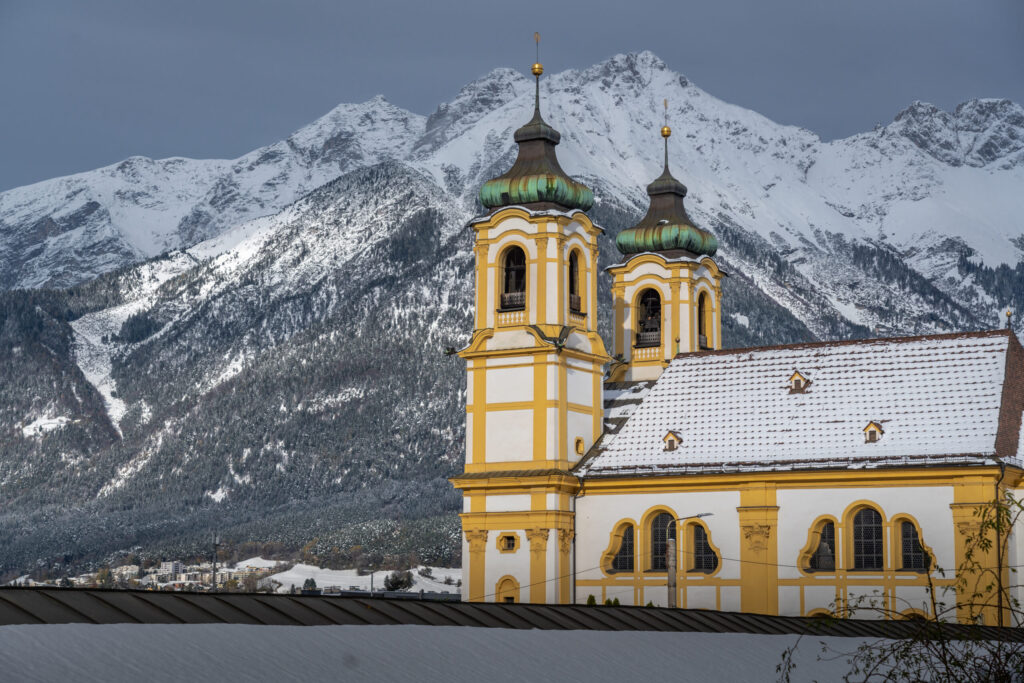
Common challenges:
- Language Barrier – While many Austrians speak English, especially in urban areas and tourist sectors, the use of German is deeply rooted in everyday life. Navigating public offices, reading contracts, or socializing with locals often requires at least basic German proficiency. Language classes are widely available and highly recommended for long-term expats.
- Bureaucracy – Austria is known for its thorough and sometimes rigid administrative systems. From registering your residence (Meldezettel) to securing work permits or health insurance, the paperwork can be extensive and time-consuming. Although efficient in execution, the strict adherence to rules may feel overwhelming to newcomers unfamiliar with local processes.
- Housing Competition – Particularly in cities like Vienna, the housing market can be tight and competitive. Affordable, well-located apartments are often snapped up quickly, and long-term contracts with specific deposit requirements are standard. Understanding your tenant rights and having documentation ready (proof of income, references) is essential.
- Social Integration – Austrians are polite, respectful, and reserved in nature. Forming deep personal relationships may take longer than in more openly expressive cultures. Integration may require patience, active participation in community life, and cultural openness.
- Cost of Services – While daily living costs are reasonable, some services such as internet, mobile contracts, or childcare can be more expensive than expected. Comparison shopping and local advice can help avoid unnecessary overspending.
- Limited International Variety Outside Cities – Outside of larger urban centers, international cuisines, cultural events, or English-speaking services may be limited. Expats in rural areas should be prepared for a more traditional Austrian lifestyle and slower pace of life.
Living in Austria vs UK
| Expense | Austria (€) | UK (£) |
| Rent (1-bed) | €950 | £1,200 |
| Transport Pass | €60 | £150 |
| Health Insurance | Public included | £100–£300 |
| Bread (500g loaf) | €1.80 | £1.30–£1.80 |
| Domestic Beer (0.5L) | €1.80 | £2.00–£3.00 |
| Coffee (Café) | €3.00 | £2.50–£4.00 |
| Cinema Ticket | €10.00 | £10.00–£15.00 |
| Gym Membership | €40.00 | £40.00–£70.00 |
Austria promotes a more balanced lifestyle, ideal for families and professionals seeking quality over hustle.
Planning Your Move to Austria
According to vanonsite-commercial.pl/, organizing your relocation should involve a few key steps that ensure not only a smooth transport process, but also a successful start to your new life in Austria.
What VanOnSite Offers:
- Full packing and transportation services, including fragile and high-value items
- Experience with customs and regulations, ensuring all paperwork is handled correctly
- Fast and efficient international removals with a focus on timely delivery
- Flexible and affordable plans tailored to individual or family needs
- Support in coordinating storage options and last-mile delivery
Flavors of Austria: A Culinary Guide for New Residents
Austrian cuisine is a delightful reflection of the country’s rich cultural history and regional diversity. For newcomers settling in Austria, exploring the local food scene is not just a pleasure but a window into everyday Austrian life.
Traditional Dishes You Must Try:
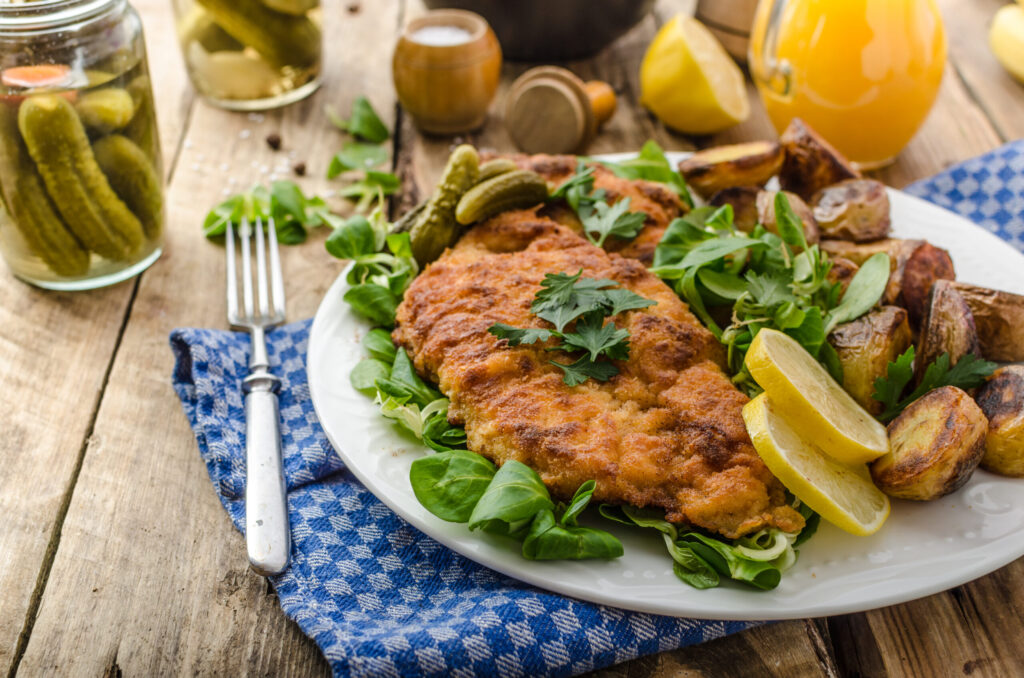
- Wiener Schnitzel – A golden, crispy breaded veal or pork cutlet served with lemon and potato salad.
- Tafelspitz – Boiled beef served in broth with root vegetables and apple-horseradish sauce.
- Käsespätzle – Austria’s answer to mac & cheese, featuring soft egg noodles mixed with melted cheese and topped with fried onions.
- Gulasch – A hearty paprika-based stew adopted from Hungarian traditions, commonly served with bread or dumplings.
- Apfelstrudel – The iconic dessert of layered pastry filled with spiced apples and raisins.
Eating Out in Austria:
Austrians love their local restaurants, coffeehouses, and bakeries. Even in smaller towns, you’ll find family-run establishments offering high-quality meals at reasonable prices.
- Coffee culture is deeply embedded—expect elegant Cafés where locals enjoy melange (similar to cappuccino) with pastries.
- Beisl (traditional taverns) offer local comfort food and a warm, informal atmosphere.
- Heuriger are seasonal wine taverns in wine-growing regions like Vienna and Lower Austria, serving homemade wines and simple cold platters.
Markets and Local Shopping:
Shopping for fresh ingredients is part of the Austrian lifestyle. Farmers’ markets are popular and typically offer regional produce, cheeses, meats, and breads.
- Naschmarkt (Vienna): Famous open-air market with a mix of Austrian and international foods.
- Weekly village markets: Common across the country, perfect for organic and local goods.
Dietary Preferences and International Food:
Austria is increasingly accommodating to vegetarian, vegan, and gluten-free diets. Major supermarkets offer a range of alternatives, and many restaurants clearly label allergen information. In larger cities, you’ll also find international cuisines such as Italian, Turkish, Asian, and Middle Eastern.
Whether you’re a passionate foodie or simply eager to try new flavors, Austrian cuisine is a key part of your cultural immersion—and a delicious one at that.
Culture & Celebrations: Embracing Austria’s Local Life
Austria is not only known for its majestic mountains and charming cities but also for its vibrant cultural heritage and festive calendar. New residents will find countless opportunities to immerse themselves in Austrian traditions through seasonal events, music, and regional customs.
Major Cultural Events & Festivals:
- Vienna Philharmonic New Year’s Concert – A globally broadcast classical music concert, celebrating Austria’s rich musical history.
- Salzburg Festival – A prestigious summer event featuring opera, drama, and classical concerts in the birthplace of Mozart.
- Donauinselfest (Danube Island Festival) – Europe’s largest free open-air music festival held in Vienna each June, attracting millions.
- Styriarte (Graz) – A classical music celebration highlighting baroque and romantic styles, often with a modern twist.
Local Holidays and Traditions:
Austria celebrates both religious and seasonal holidays with enthusiasm, offering a wonderful glimpse into its cultural soul:
- National Day (October 26) – Commemorates Austrian neutrality with parades and open public buildings.
- Krampusnacht (December 5) – A spooky pre-Christmas tradition where ‘Krampus’ demons accompany St. Nicholas to warn misbehaving children.
- Christmas Markets (late November–December) – Found in nearly every town square, with festive food, mulled wine, handmade crafts, and music.
- Fasching (Carnival Season) – Occurs before Lent and includes parades, costumes, and balls, especially in rural regions and Vienna.
- Easter Markets and Palm Sunday processions – Known for their colorful decorations and traditional foods.
Everyday Culture:
- Austrians value punctuality, politeness, and a reserved formality in everyday interactions.
- Cultural life often revolves around music (from folk to classical), family traditions, and local clubs (Vereine) for sports, gardening, or crafts.
- Sundays are typically quiet and reserved for family time or outdoor activities—most shops are closed.
By participating in local events and respecting traditions, new residents can connect more deeply with their communities and experience the heart of Austrian life.
Must-See Places and Outdoor Adventures in Austria
Austria is a visual feast of natural beauty, historic towns, and alpine wonders. Whether you’re an outdoor enthusiast or a culture seeker, the country offers something for everyone. Here are some of the most iconic and breathtaking places every new resident should explore:
Top Places to Visit:
- Vienna – The cultural capital known for imperial architecture, Schönbrunn Palace, and a rich music and café culture.
- Salzburg – Birthplace of Mozart, home to baroque streets and Hohensalzburg Fortress, and backdrop of The Sound of Music.
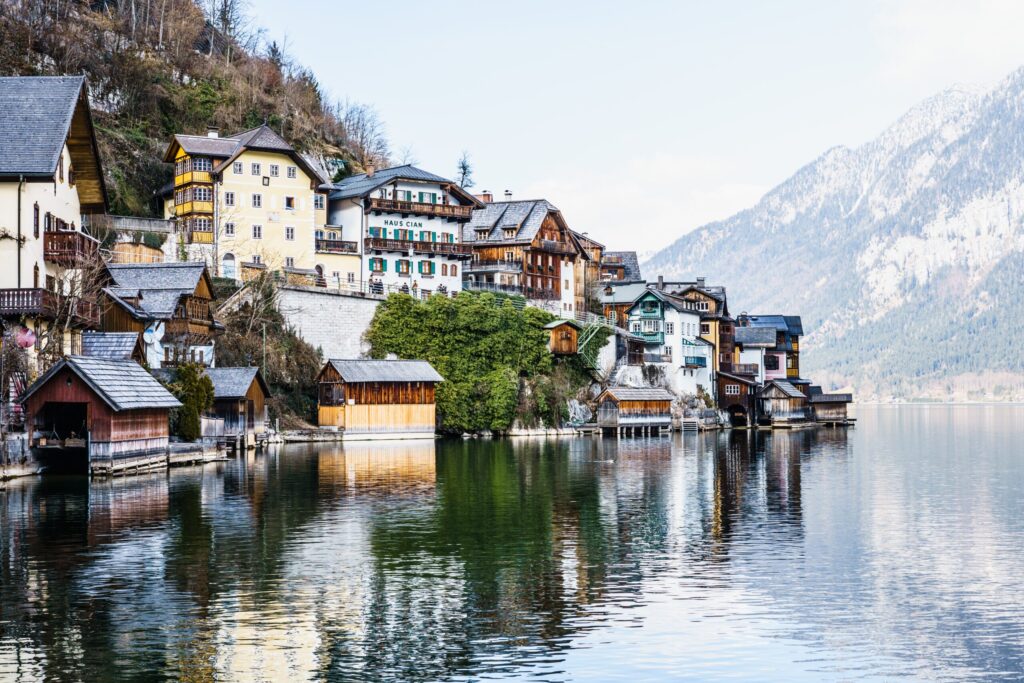
- Hallstatt – A fairytale lakeside village with traditional alpine houses, salt mines, and breathtaking scenery.
- Graz – Austria’s second-largest city with a youthful vibe, UNESCO-listed old town, and innovative food scene.
- Innsbruck – Nestled in the Alps, it’s the perfect blend of medieval charm and modern ski resorts.
- Wachau Valley – Renowned for wine, castle ruins, and scenic bike trails along the Danube River.
Hiking & Nature Trails:
Austria boasts over 50,000 kilometers of marked hiking trails ranging from leisurely walks to challenging alpine ascents.
- Eagle Walk (Tirol) – A long-distance route for serious hikers with spectacular views and authentic mountain huts.
- Gesäuse National Park (Styria) – Known for rugged peaks, gorges, and quiet forests.
- Nockberge Biosphere Park – Gentle rolling hills and family-friendly trails in Carinthia.
- Zell am See-Kaprun – Combine lake and glacier views on varied hiking paths.
Winter Sports & Alpine Activities:
Austria is a paradise for winter sports lovers, offering some of the best ski resorts in Europe with well-maintained infrastructure.
- Ski Arlberg – The country’s largest interconnected ski area including St. Anton and Lech.
- Kitzbühel – Legendary for its downhill race and luxury chalets.
- Sölden & Ischgl – High-altitude resorts with lively après-ski scenes.
- Obertauern & Saalbach-Hinterglemm – Great for families and intermediate skiers.
In addition to skiing and snowboarding, you can enjoy:
- Cross-country skiing in Ramsau am Dachstein
- Snowshoeing and winter hiking in the Austrian Alps
- Ice climbing in Ötztal
- Thermal spas like those in Bad Gastein for relaxation after a day on the slopes
Exploring Austria’s natural and cultural landmarks is not only rewarding but also offers a unique perspective on the country’s identity. Whether you’re wandering through mountain villages or carving down snowy slopes, every region offers its own unforgettable charm.
Fascinating Facts About Austria
Austria may be small in size, but it’s packed with rich history, cultural quirks, and fun facts that often surprise new residents. Here’s a collection of some of the most interesting things you may not know about this alpine gem:
Quirky and Surprising Facts:
- Home of Classical Giants – Austria was the birthplace or home of musical legends like Mozart, Haydn, Schubert, and Strauss. Vienna is still considered the music capital of the world.
- Coffee Culture with UNESCO Status – Viennese coffeehouse culture is officially part of UNESCO’s Intangible Cultural Heritage.
- Austrians Love Silence – Noise pollution is taken seriously, with quiet hours enforced in residential areas (usually 10 p.m.–6 a.m.) and even rules about avoiding noise on Sundays.
- High Recycling Standards – Austria is among the top recyclers in Europe. Households sort waste into multiple categories, and recycling bins are easy to find.
- More Cows Than Cars (in Some Regions) – In rural parts of Austria, especially in the Alps, it’s not unusual for cattle to outnumber vehicles.
- You Can Drink the Tap Water – Austrian tap water is among the cleanest and best-tasting in the world, often sourced directly from alpine springs.
Historical Tidbits:
- The Habsburg Legacy – For centuries, Austria was the center of the Habsburg Empire, influencing politics, art, and architecture across Europe.
- No National Speed Limit in Some Areas – While highways (Autobahns) do have speed limits, some stretches in neighboring Germany do not. Austrians, however, are known for being rule-following drivers.
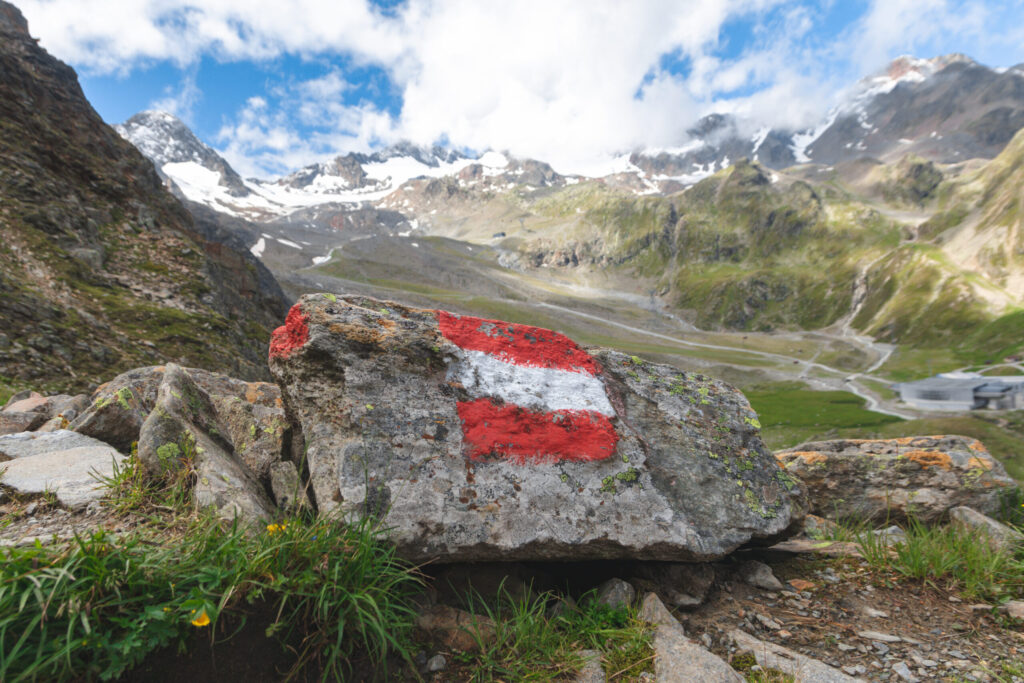
- Red-White-Red Flag – Austria’s national flag is one of the oldest in the world, dating back to 1230.
Pop Culture & Sports:
- Sound of Music Tourism – While not widely loved by Austrians themselves, The Sound of Music remains a major tourism draw in Salzburg.
- Winter Sport Superpower – Austria consistently ranks among the top nations for skiing and winter sports, having produced countless Olympic champions.
- Home of Red Bull – The energy drink Red Bull was created in Austria, and the company is headquartered in Fuschl am See.
These facts highlight just how layered and fascinating Austria is—from its imperial grandeur to its alpine simplicity. Getting to know these lesser-known aspects will not only enrich your daily life but also deepen your appreciation for your new home.
Moving Checklist:
- Register with local authorities (Meldezettel) – Mandatory within 3 days of moving into a residence
- Open a local bank account – Required for salary payments, rental contracts, and utility setup
- Secure accommodation (temporary or long-term) – Be ready with references, income proof, and a deposit
- Arrange health insurance – Public health insurance is mandatory for employed residents; private options are available
- Translate and validate official documents – This includes birth certificates, marriage licenses, academic degrees, and medical records
- Enroll children in school or childcare facilities – Early registration is advised due to limited spots in public institutions
- Get a local SIM card and set up utilities – Many providers offer expat-friendly packages with English support
Conclusion: Is Living in Austria Right for You?
Living in Austria means embracing a lifestyle defined by natural beauty, efficiency, and cultural depth. From its majestic alpine landscapes and world-class healthcare system to its affordable living and vibrant traditions, Austria is a country that welcomes newcomers with both structure and charm. While integration requires patience—especially in terms of language and cultural nuance—the rewards are great: safety, opportunity, and a high quality of life.
Whether you’re relocating for work, family, or a fresh start, Austria offers a secure and enriching environment to thrive. And with the trusted support of VanOnSite, your journey begins with confidence and care.