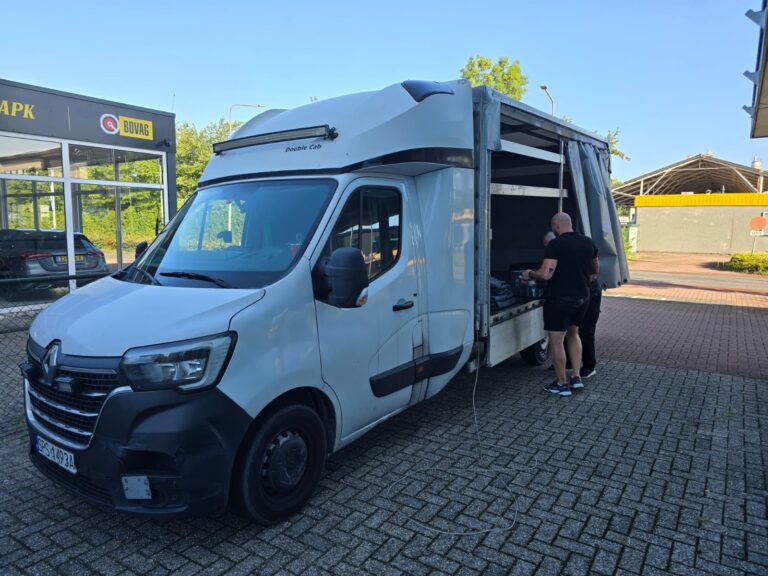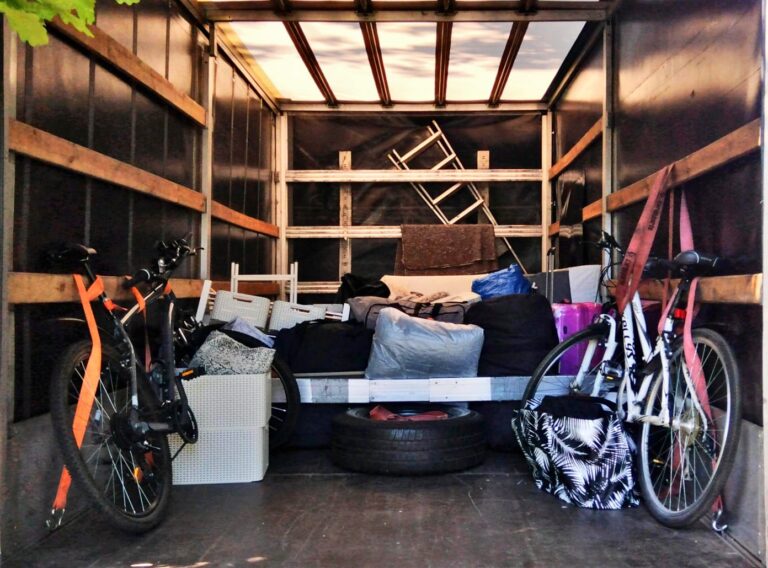

Moving company Germany to Belgium. That is your keyword and your mission. A short hop across the border, yet a big, thrilling chapter that deserves precision, not panic. Picture sunlight on waffles, cobbled streets under your wheels, and your Belgian front door swinging open. Because you are moving inside the EU, household goods travel with minimal friction. The game changers are planning, protection, and a crew that treats your belongings with real care.
With VANonsite, you get rapid scheduling, meticulous packing, and live GPS tracking for every load. We move singles, families, students, and offices with the same devotion to safety and speed, plus short‑notice availability, optional storage, and a single point of contact from quote to delivery. Start here:
- EU‑wide removals with vetted, trained crews
- Live GPS tracking so you can watch your van in real time
- Flexible van sizes matched to your volume
- White glove care for fragile or luxury items
- Last Minute Moving and weekend slots when timing is tight
- Storage options between key dates
Get a fast quote: Removals to Belgium
TL:DR
- Inside the EU your personal goods move simply. Focus on Belgian commune registration and local city rules; if leaving Germany permanently, complete your local Abmeldung with the Bürgeramt.
- Follow the 7‑step timeline: book early, prepare documents, sort parking and permits, pack smart, and settle in calmly with a first‑night kit ready.
- Bring core documents: ID, proof of Belgian address, health insurance details, and status evidence when required; check official links below for exact forms and deadlines.
- Choose the right van size: from 5 m³ Moving Basic to 90 m³ Full House XXL, sized by real cubic metres so you do not pay for empty space.
- Control costs: reduce volume, book mid week, bundle Packing Service with Furniture Removals, and secure elevator time and a legal loading bay.
- Special items need extras: vehicles follow DIV registration, pets need an EU Pet Passport and rabies shot, art travels best with white glove handling.
- Track everything live. You receive a GPS link, milestone updates, and a dedicated coordinator until the last box is placed.
Services at a glance
Pick the exact help you need. Every option includes trained crew, careful handling, and live GPS tracking, with add‑ons that scale from student moves to full house relocations.
- Home Removals for apartments and houses; predictable scheduling, room‑by‑room placement, and basic reassembly.
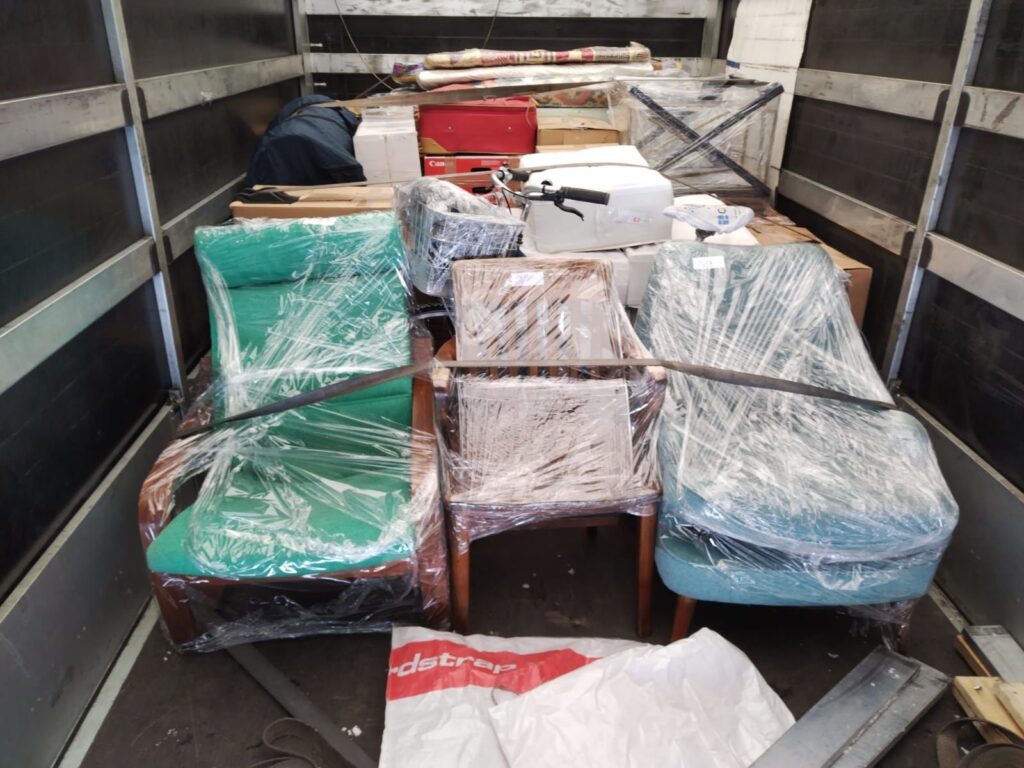
- Furniture Removals for single items or full rooms; blankets, corner guards, and secure strapping.
- Packing Service with premium materials and clear labeling; fragile, kitchen, and wardrobe cartons available.
- White Glove Delivery for art and designer pieces; custom crating, soft wraps, and meticulous placement.
- Office Removals staged to minimise downtime; colour‑coded labeling and weekend options.
- Storage options for flexible key dates; sealed, inventoried, and easy to redeliver.
- Student Removals for compact, budget moves with smart routing.
- Last Minute Moving when time is tight; fast confirmation and proactive communication.
Quick service matcher
| Service | Perfect when | Popular add‑ons |
|---|---|---|
| Home Removals | You want full apartment or house support | Packing, furniture reassembly |
| Furniture Removals | You need 1–5 bulky items moved safely | Protective wraps, stair carry team |
| Packing Service | You want zero‑stress packing | Wardrobe cartons, fragile packing |
| White Glove Delivery | You have art, antiques, designer pieces | Custom crates, climate‑aware routing |
| Office Removals | You must keep teams productive | Weekend slots, IT crates, desk maps |
| Storage | Keys or renovations are delayed | Photo inventory, partial redelivery |
| Student Removals | You need an efficient budget move | Shared routes, carry to room |
| Last Minute Moving | Your date is fixed and soon | Priority slot, express crew |
Van sizes and what they really fit
Choose capacity based on real cubic metres so you do not overpay. If in doubt, share quick photos or a short video walk‑through and we will size it precisely.
| VANonsite service | Capacity | Typical load | Best for | Example scenarios |
|---|---|---|---|---|
| Moving Basic | 5 m³, 300 kg | 10–15 medium boxes, small desk, 1 bike | Students, micro moves | Hamburg room to Leuven dorm |
| Moving Medium | 10 m³, 600 kg | Studio set, mattress, dresser, 15–25 boxes | Partial apartment | Cologne studio to Antwerp flat |
| Moving Premium | 15 m³, 1,000 kg | 1 bedroom set, sofa, washer, 25–40 boxes | Standard apartment | Berlin 1‑bed to Brussels |
| Moving Premium Plus | 30 m³, 3,500 kg | 2–3 bedrooms, wardrobes, 50–80 boxes | Family move | Munich family to Ghent townhouse |
| Moving Full House XXL | 90 m³, 20,000 kg | Full house or office floor, pallets, crates | Big homes or offices | Frankfurt villa to Antwerp suburb |
How we size your move
Most moving boxes sit between roughly 0.06 and 0.10 m³; count large pieces, add your box estimate, then include space for awkward shapes like bikes and lamps. We reconcile this with access notes, lift size, and walking distances to match the ideal van and crew.
7‑step timeline from Germany to Belgium
6–8 weeks before
- Pick a moving window and reserve your slot. Choose flexible mid‑week options to avoid peak traffic.
- Shortlist Belgian communes and neighbourhoods. Check commute, schools, LEZ rules, and resident parking policies.
- Start a document folder for IDs, contracts, registrations, and passport‑style photos. Save digital copies in the cloud.
- Confirm Abmeldung requirements with your local Bürgeramt if you are leaving Germany permanently. Note lead times for appointments.
- Decide on vehicles and pets. Will you register a car in Belgium, or keep German plates for a short period; is your pet’s EU passport and rabies vaccine up to date.
- Create a first budget draft. Include transport, packing, access, special care, and storage. Plan to declutter early.
4 weeks before
- Book Packing Service or gather double‑wall boxes, paper wrap, and labels.
- Ask your Hausverwaltung about elevator reservations and quiet hours. Request any building certificate of insurance if required.
- Declutter. Sell, donate, or recycle heavy items you can replace. Photograph items you list online.
- Arrange utility cancellations in Germany and set up Belgian utilities. Consider mail forwarding and provider contract end dates.
- Share photos or a short video tour so we can estimate cubic metres and confirm the best van size.
2 weeks before
- Confirm parking and loading permissions at both addresses; apply for temporary no‑parking zones if helpful.
- Photograph valuables and record serial numbers. Back up receipts for electronics.
- Pack non‑essentials and label on two sides and the top using a simple room code. Prepare a room map for delivery.
- Arrange childcare or pet care. Set aside a clearly marked “do not move” bag with IDs, keys, meds, chargers, and contracts.
- Share precise pins for entrances, lifts, and loading bays to speed up arrival.
Move week
- Empty, defrost, and drain appliances 24–48 hours before loading. Tape doors and pack loose shelves.
- Dismantle large furniture; place all screws and fittings in labelled bags taped to the item.
- Protect floors with blankets or cardboard. Reserve the lift and notify neighbours of the time window.
- Walk the inventory with the team leader, confirm the route, GPS tracking link, and ETA. Keep tools and a basic cleaning kit handy.
Arrival day
- Collect keys, confirm lift booking and access codes. Direct boxes to rooms by label and room map.
- Reassemble beds first and test major appliances. Place felt pads under furniture feet.
- Take initial meter readings and photos for your records. Note any issues immediately for rapid fixes.
Within 10 working days if short stay
- Report your presence to the local commune in Belgium when required. Keep your ID and rental contract ready.
Within first weeks if long stay
- Register residence at your commune and arrange health insurance with a mutuality. Ask about resident parking and waste permits.
- Update banks, employer, insurer, and subscriptions with your new address. Store your move paperwork in one safe folder.
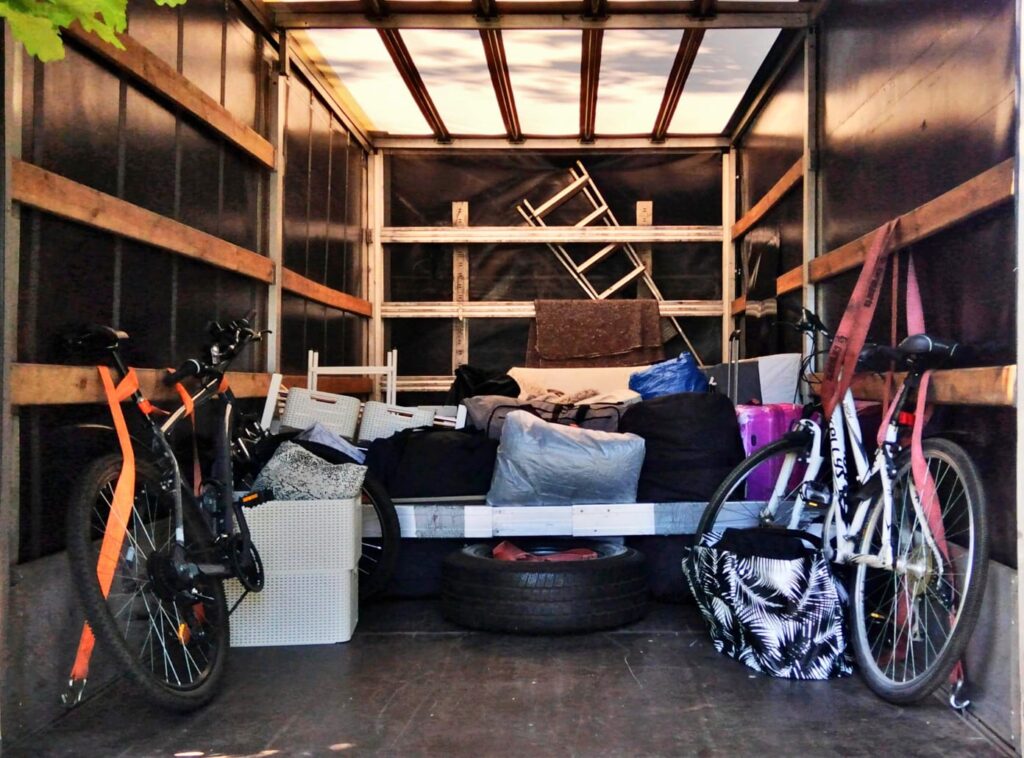


Documents you may need (official links)
Belgium: residence for EU citizens
- Right of entry and residence for EU citizens and family: Belgian Immigration Office guidance: EU citizen – entry and residence
- Stays longer than three months: commune registration steps and documents: Residence over three months
- Short stay reporting within 10 working days when applicable: Reporting presence
Health insurance (Belgium)
- Join a mutual health insurance fund after registering residence: How mutualities work
Driving licence recognition (Belgium)
- Recognition and potential exchange of EU licences: Foreign driving licences
Customs inside the EU
- Household goods moving within the EU usually require no customs declaration: Belgian Customs note
Pets (EU)
- Pet travel rules: EU Pet Passport, microchip, rabies vaccination: Travelling with pets in the EU
Germany: leaving your residence
- Most municipalities require deregistration when moving abroad. Check your local Bürgeramt website for Abmeldung steps and deadlines. Review contract end dates for utilities and internet, and cancel local registrations that no longer apply.
Always verify requirements with your exact commune or city office, since local rules and appointment systems differ.
Costs and how to save more
Costs are transparent when you know what drives them. We price on distance and time, real cubic metres, crew size, access, and any extras you choose, then lock the plan before move day so there are no last minute surprises.
What shapes your quote
- Distance and road conditions – motorway segments, tolls, traffic windows, and any detours for LEZ or roadworks.
- Volume and total weight – cubic metres determine van size and crew; high weight can reduce load capacity.
- Access and carry – floors, stairs or long carries, lift size and reliability, narrow streets, courtyard distance.
- Packing and special handling – number of cartons, fragile wrapping, furniture disassembly, custom crating.
- City permits and LEZ routing – temporary no parking zones, loading bay permits, and low emission zone compliance.
- Timing – weekend or evening slots, very early or late access windows.
Cost impact at a glance
| Cost component | What drives it | Impact |
|---|---|---|
| Transport | Distance, route, fuel, motorway usage | High |
| Labor time | Packing hours, loading complexity, stairs | High |
| Materials | Cartons, wraps, crates, mattress covers | Medium |
| Access | Long carries, lift reservations, shuttle van | Medium to high |
| Permits | City loading permits, temporary no parking, LEZ compliance | Low to medium |
| Storage | Overnight hold or longer storage between keys | Medium |
| Special care | Piano handling, art crates, IT crates | Medium to high |
Ways to reduce the bill
- Declutter before packing. Heavy, replaceable items often cost more to move than to buy again.
- Book mid week and outside peak hours when possible.
- Bundle Packing Service with Furniture Removals to cut total crew time.
- Reserve elevators and secure a legal loading bay close to the entrance.
- Share photos or a short video so we can size m³ precisely and avoid oversizing the van.
- Pack non fragile items yourself and keep boxes comfortably liftable for speed and safety.
- Disassemble simple flat pack pieces in advance and bag the fittings.
- Choose a flexible delivery window or shared route when timing allows.
Quick quote checklist
- Origin and destination postcodes and floor levels
- Lift dimensions and reservation window
- Parking distance to the entrance and any permits needed
- Bulky items list: sofa length, wardrobes, appliances, bikes, piano
- Preferred dates and building rules such as quiet hours
We turn this into a fixed plan and a clear, confidence boosting price.
Special items: cars, pets, art
Some belongings need extra preparation. Tell us early so we can protect them properly and plan access.
- Vehicle registration in Belgium: insurer initiated DIV registration, potential technical inspection, Belgian plates. Guide: Registration and deregistration
- Licence recognition: most EU licences are valid; some categories may require an exchange. Info: Foreign driving licences
- Pets: EU Pet Passport, microchip, and valid rabies vaccine. EU overview: Travelling with pets
- Art and designer pieces: choose White Glove Delivery for custom crating, corner protection, and climate aware routing.
- Pianos and large instruments: require extra crew, stair protection, and careful turn planning. We can hoist when needed after a site check.
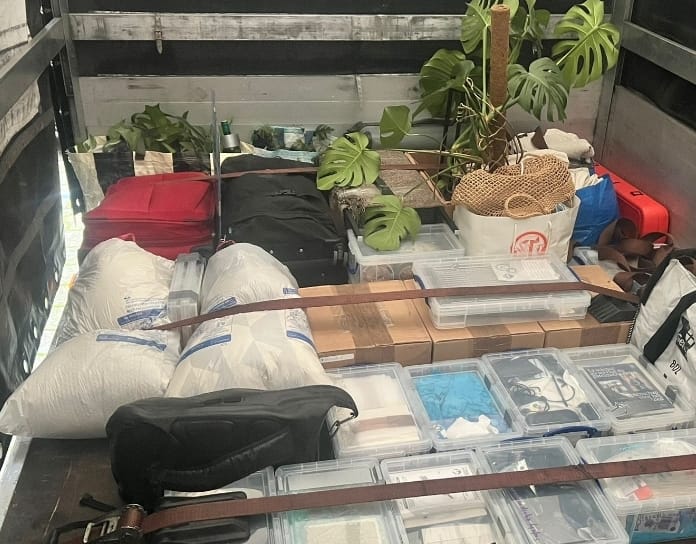
- Aquariums and terrariums: must be empty, dry for 24 hours, and packed separately from livestock or plants; glass edges wrapped, cabinet secured.
- Bikes and e bikes: remove accessories and pedals where useful; lithium batteries travel per manufacturer guidance and should not be packed loose with soft goods.
- Gym equipment: partial disassembly prevents damage to walls and floors; we pad sharp edges and secure moving parts.
- What we cannot transport: hazardous materials, gas cylinders, open paint cans, explosives, perishable food, and any illegal items.
- CITES controlled materials: instruments or art containing protected species may require permits. See EU guidance: CITES trade in the EU.
Packing like a pro
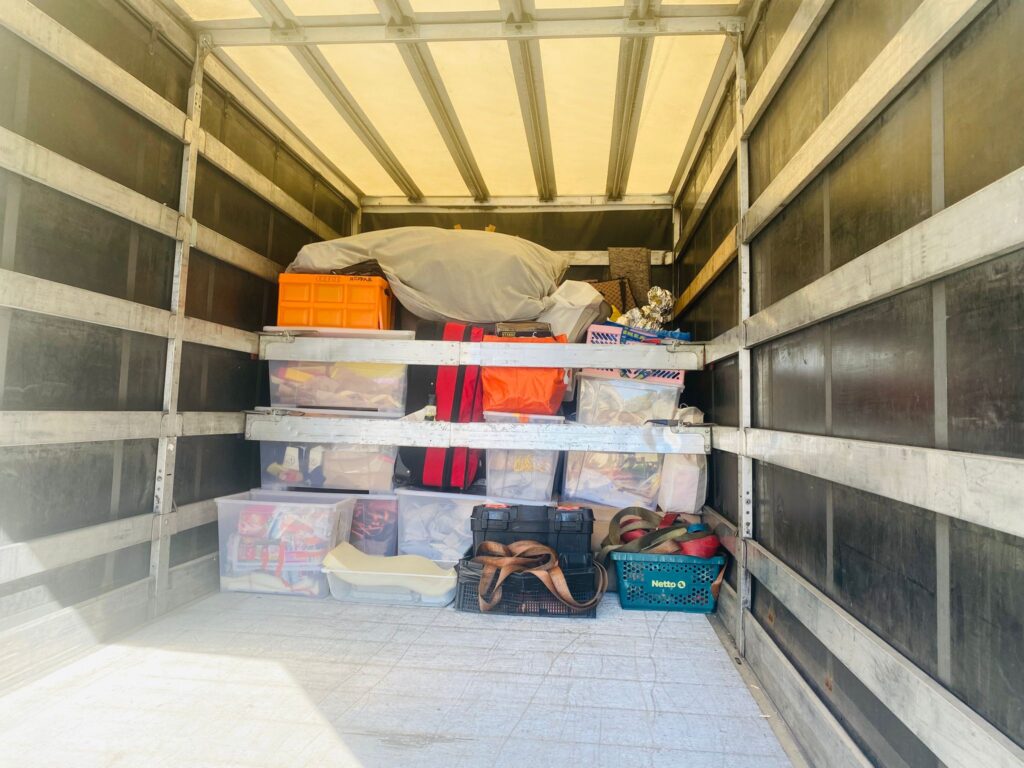
- Use double‑wall boxes and cap each at a comfortable lifting weight, ideally under 20 kg.
- Build a strong base with an H‑tape seal on the bottom; cushion the top before closing.
- Wrap plates vertically in paper or sleeves; stack with dividers to prevent pressure cracks.
- Wrap glasses vertically and fill voids so nothing rattles; never place heavy items on top.
- Pack TVs and monitors only in original cartons or dedicated TV boxes; never lay screens flat.
- Slide mattresses into protective bags; cover sofas and armchairs to keep fabric clean during carry.
- Guard corners and glass with foam or edge protectors; bubble wrap frames and mirrors.
- Label two sides and the top: Room code + Box number + 2–3 keywords; mark “Open First” on essentials.
- Colour code by room with stickers; keep a simple number inventory on your phone or paper.
- Bag hardware for beds and shelves; tape the bag to the item or keep a single “hardware” box.
- Photograph cable layouts behind the TV or desk before packing so reassembly is easy.
- Keep liquids, cleaners, and powders in a sealed crate with lids upright; do not pack with linens.
- Use wardrobe cartons for crease‑free hanging clothes; stuff shoes with paper and bag in pairs.
- Do not overfill boxes; keep tops flush for safe stacking and place lighter items on top layers.
- Keep a personal essentials bag with chargers, meds, documents, keys, and a basic toolkit.
- Never pack cash, passports, or jewellery; carry valuables with you.
Moving day checklist
Before the crew arrives
- Confirm parking and access; reserve or hold the lift when allowed.
- Clear hallways and remove trip hazards; protect floors and corners with blankets or cardboard.
- Photograph both homes and meter readings; back up images to the cloud.
- Set aside a clearly marked “do not move” bag with IDs, keys, contracts, chargers, and medications.
- Empty the washing machine filter and secure the drum with transit bolts if available.
- Keep pets and children safe in one room or with a sitter; notify neighbours of the time window.
During loading
- Walk the inventory with the team leader and flag any fragile or high‑value pieces.
- Verify lift protection and house rules; confirm route, GPS tracking link, and delivery ETA.
- Count boxes by room and mark the “last box” from each room for easier checks.
- Take quick photos of any pre‑existing marks in hallways or lifts for your records.
- Stay reachable by phone and keep pathways clear.
On the road
- Monitor the GPS link and keep your phone charged.
- If you are driving, plan fuel stops and check any LEZ rules on your route; carry IDs and contracts.
At delivery
- Direct boxes to rooms by label and colour code; place a simple room map near the door.
- Assemble beds first for a calmer evening; test major appliances and connect safely.
- Place felt pads under furniture feet to protect floors; keep packing in one spot for quick cleanup.
- Confirm final meter readings and note any issues on the job sheet before sign‑off.
Within 72 hours
- Report any issues promptly with photos for fast resolution.
- Register presence or complete commune steps if applicable; update address with bank, employer, and insurer.
- Flatten cartons for recycling or reuse; book collection or ask us to collect materials.
Frequently asked questions
Do I need a visa to move from Germany to Belgium?
EU citizens can live and work in Belgium. If your stay exceeds 3 months, register your address at the local commune after you move in. See the Belgian Immigration Office for steps and documents: EU citizen – entry and residence and Residence over three months.
Do I need customs clearance?
For normal household goods moving inside the EU, no customs declaration is needed. Vehicles, excise goods, and cultural items have special rules. See Belgian Customs: Moving within the EU and, for protected species, EU guidance on CITES trade in the EU.
How do I track my move?
You receive a live GPS link plus milestone updates at pickup, en route, and arrival. One coordinator stays in touch so you always know what happens next.
Can you move me at short notice?
Yes. Our Last Minute Moving option prioritises scheduling, fast quoting from photos or a short video, and weekend or evening windows when available.
What van size do I need?
Studios often fit 10–15 m³. Most one‑bedroom moves land around 15 m³. Families choose 30 m³ or more. We size by real cubic metres from your photos or a quick walk‑through so you do not overpay.
Do Belgian cities require parking or loading permits?
Some do, and several operate low‑emission zones that restrict older vehicles. We arrange permits and plan compliant routes. If you park your own car, check the official city website for entry and resident parking rules.
Can you dismantle and reassemble furniture?
Yes. We handle beds, wardrobes, and modular systems. Hardware goes into labelled bags so nothing gets lost.
Is my shipment insured? Can you provide a building COI?
Yes. Your goods travel under appropriate cover and we can issue a certificate of insurance for your building or Hausverwaltung on request. Tell us about high‑value pieces so we can document them.
What if my keys are delayed or renovations overrun?
We offer short‑ and long‑term storage with photo inventory and partial redelivery when you are ready.
Can you move a piano, art, or an aquarium?
Yes, with extra planning. We provide piano teams, white‑glove packing for art, and safe transport for empty, dry aquariums. Tell us early so we can prepare access and protection.
How far in advance should I book?
Two to four weeks is comfortable for popular routes. Peak months and month‑ends fill faster, so earlier is better. We can still help on short notice when slots are available.
Summary
Moving from Germany to Belgium is straightforward inside the EU: no customs for normal household goods, but timely commune registration matters. This guide gives you a clear 7‑step timeline, the exact documents to bring, health insurance and licence rules, plus city tips for LEZ and parking. It shows how to choose the right van size from 5 to 90 m³, cut costs by reducing volume, booking mid week, and bundling packing, and protect special items with white glove care. You also get practical packing tactics, a moving day checklist, and first‑72‑hours actions. With GPS‑tracked vans, insured transport, storage on standby, and short‑notice slots, VANonsite turns a border hop into a calm, secure arrival. Get a fast quote: Removals to Belgium.