
Moving to Brussels starts here. Cobbled lanes meet EU glass. Waffles at 7 a.m., terrace buzz by dusk. To keep your move smooth, you need speed, safety, and total clarity. This guide delivers exactly that with official links, simple steps, and road‑tested tips.
TL;DR
Your Brussels move at a glance:
- Book 4–6 weeks ahead for best dates. Urgent timeline? Choose Last Minute Moving.
- Track every load in real time with built‑in GPS so you always know where your belongings are.
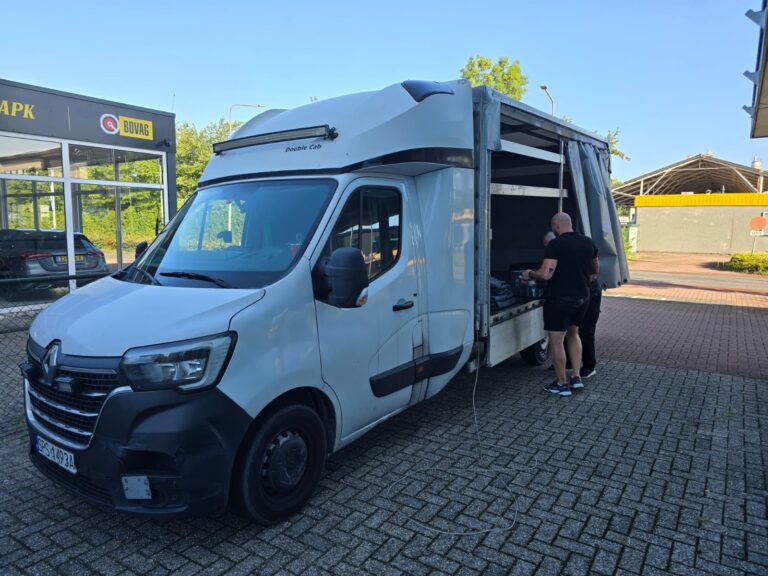
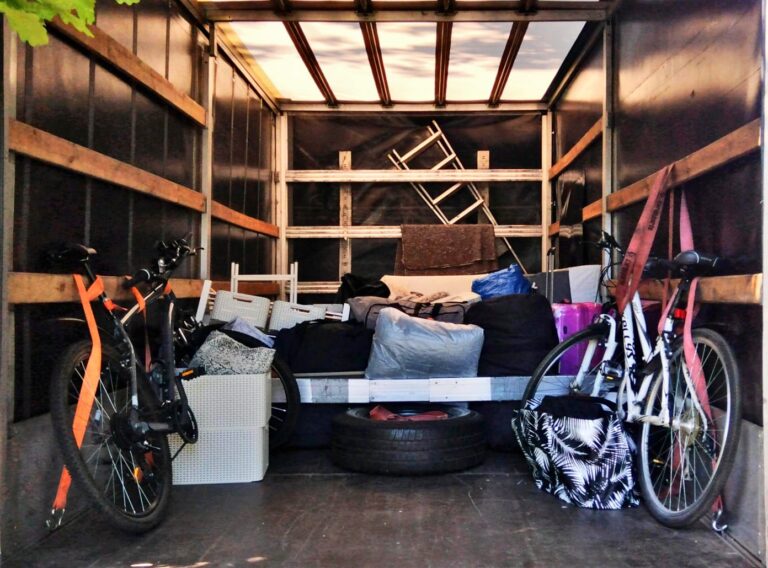
- Choose the right van size for your inventory: 5 m³ 300 kg, 10 m³ 600 kg, 15 m³ 1000 kg, 30 m³ 3500 kg, 90 m³ 20000 kg.
- Protect valuables with Packing Services and White Glove Delivery for fragile or luxury items.
- Register at your local commune soon after arrival. Official guidance: City of Brussels registration.
- Budget smartly and request a tailored route‑based quote for transport. Start here: Removals to Belgium.
- Shortlist areas fast: Ixelles, Etterbeek, Saint‑Gilles, Uccle, Woluwe‑Saint‑Lambert, Schaerbeek.
Short on time? Get a tailored quote in minutes with GPS‑tracked transport and same‑day availability: Removals to Belgium by VANonsite.
Why Brussels
Brussels rewards people who want balance. Big‑city careers live beside village‑style squares. International by day, cosy by night. If you value opportunity and ease, this capital puts both within reach.
- Career magnet: Headquarters for the EU, NATO nearby, and a buzzing startup scene. Roles span policy, fintech, data, and creative industries.
- Compact and connected: Walkable centre and quick transit. High‑speed trains to Paris, London, Amsterdam. Two major stations and a convenient airport for weekend escapes.
- Languages: French and Dutch are official. English is widely used in international sectors. Language schools and community classes make learning friendly.
- Green and gourmet: Weekend markets, bikeable parks, artisanal chocolate, frites, and a vibrant craft‑beer culture.
- Culture on tap: Grand museums, live music, theatre in multiple languages, street art, and year‑round festivals.
- Family friendly: Playgrounds, leafy communes, daycare options, and international schools for seamless transitions.
- Reliable services: Solid healthcare, efficient public transport, and a strong cycling network help daily life feel simple.
Your 7‑Step Moving Timeline
Use this practical timeline to stay calm, organised, and ahead of schedule.
- 60 to 45 days out: Budget, choose a mover, declutter, measure large items.
- Create a room‑by‑room inventory with photos for insurance and quotes.
- Compare access at both addresses: lifts, stairs, loading zones, narrow streets.
- Lock in your target week and discuss flexibility for the best price.
- 45 to 30 days: Book your moving date, secure parking permits, start paperwork.
- Reserve building elevators and request any street suspension or permits through your commune.
- Book Packing Services or order eco boxes and wraps.
- Confirm liability cover for high‑value items and instruments.
- 30 to 21 days: Notify landlord, school records, health insurance research.
- Change addresses with banks and subscriptions. Create a checklist to avoid misses.
- Request school transcripts and vaccination records if applicable.
- Plan disassembly for wardrobes, beds, and gym equipment.
- 21 to 14 days: Confirm inventory, book packing or order materials, insure valuables.
- Share final list with your mover so vehicle size and crew match the load.
- Choose White Glove Delivery for art, antiques, and designer furniture.
- Set aside essentials for the first 72 hours: documents, chargers, toiletries, bedding.
- 7 days: Pack essentials box, defrost fridge, label rooms clearly.
- Use bold room codes and fragile stickers on two sides of each box.
- Photograph cable setups for TVs and routers to rebuild fast.
- Confirm parking, access codes, and contact numbers for both addresses.
- Move day: Protect floors, keep documents with you, track your load in real time.
- Reserve a bay as close to the door as possible to cut carry time.
- Walk the crew through the plan: what goes first, what is fragile, what stays.
- Follow your shipment with GPS. Share the live link with family or building staff if needed.
- First week in Brussels: Register at your commune, set up utilities, explore your area.
- Register your address and book any required home visit. See guidance in the Required Documents section below.
- Set up energy, internet, and mobile. Note minimum terms before signing.
- Do an area walk: nearest tram stop, bakery, park, pharmacy. It speeds up settling in.
Required Documents and Registrations
Moving to Brussels usually involves two buckets: immigration status and local registration. Keep originals and certified copies together, and name your digital scans clearly for lightning‑fast admin.
Before you travel
- Valid passport or national ID card.
- If you are non‑EU, apply for the relevant visa D or single permit. See Belgium’s Immigration Office: https://dofi.ibz.be/.
- Proof of accommodation in Brussels, for example a lease or an attestation from your host.
- Proof of means and purpose, for example an employment contract, student enrolment, or assignment letter.
- Health insurance proof. EU citizens should carry an EHIC. Others should hold private cover until registered locally. Guidance: https://www.health.belgium.be.
- Civil status documents when applicable, for example birth or marriage certificates. Check if a legalisation or apostille is required with your commune: City of Brussels registration.
EU, EEA, Swiss citizens
- You typically do not need a visa. On arrival, register at your commune, usually within a short timeframe after taking up residence. Overview: https://www.belgium.be.
- Bring ID, proof of address, employment or study confirmation, and health insurance proof.
- Expect a police address verification visit. After validation you receive your residence certificate and national register number.
Non‑EU citizens
- Most long stays require a visa D obtained before travel and, for work, the single permit process. Start with the Immigration Office: https://dofi.ibz.be.
- After arrival, register at your commune, complete the address check, then collect your residence card when invited.
Local commune registration
- Book an appointment online or in person and bring your file of documents. City of Brussels guidance: https://www.brussels.be/registration-residents.
- Typical steps: submit documents, home visit for address check, receive your national register number and residence document.
- Keep your registration proof handy. You will need it for banking, internet, and many everyday services.
Driving and vehicle matters
- Review how to exchange a foreign driving licence and how to register a vehicle with the Federal Public Service Mobility: https://mobilit.fgov.be.
- If you will drive into the Brussels Capital Region, check the Low Emission Zone and register your vehicle if required: https://www.lez.brussels.
Healthcare
- Join a Belgian health insurance fund, known as a mutualité or ziekenfonds, soon after registration. Federal overview: https://www.health.belgium.be.
Taxes
- For personal taxation, e‑services, and registration, consult Belgium’s Finance portal: https://finances.belgium.be.
Quick checklist
| Scenario | What to do next | Official resource |
|---|---|---|
| EU or EEA citizen taking up residence | Register at your commune, gather ID, address, work or study proof, health insurance | belgium.be, brussels.be |
| Non‑EU citizen on long stay | Secure visa D or single permit, register locally, collect residence card | dofi.ibz.be |
| Bringing a car or van | Check Low Emission Zone rules, vehicle registration, possible licence exchange | lez.brussels, mobilit.fgov.be |
| Healthcare setup | Join a mutualité or ziekenfonds and pick a GP | health.belgium.be |
Pro tip: keep digital copies in a cloud folder and a paper folder in your hand luggage. Labels save minutes when it matters.


Where To Live in Brussels
Choosing an area is about rhythm as much as rent. Think about school runs, tram lines, and how you like to unwind after work. The EU quarter is central for many professionals, but your best fit might sit a few stops away where streets are quieter and parks are bigger.
- Ixelles: Lively and international around Flagey and Châtelain. Lakes, indie cafés, and boutiques.
- Etterbeek: Calm streets close to EU institutions and Parc du Cinquantenaire. Easy, family friendly.
- Saint‑Gilles: Creative, slightly bohemian, Art Nouveau facades and standout food around Parvis.
- Woluwe‑Saint‑Lambert: Green, residential, shopping centres and schools, suburban comfort.
- Woluwe‑Saint‑Pierre: Leafy, elegant, quick access to parks and sports clubs.
- Uccle: Spacious homes, village vibe, strong for families and embassies.
- Schaerbeek: Renovated townhouses near Parc Josaphat, good value and growing foodie scene.
- Evere: Convenient for NATO and airport access, newer builds and practical amenities.
- City Centre: Walk everywhere, nightlife and heritage squares, compact living.
- Forest: Green pockets, cultural venues, and a calmer pace south of the centre.
Neighborhood snapshot
| Area | Vibe | Best for | Quick notes |
|---|---|---|---|
| Ixelles | Energetic, cosmopolitan | Young professionals, couples | Popular nightlife and markets, limited street parking |
| Etterbeek | Quiet, central | EU workers, families | Simple commutes to Schuman, many small parks |
| Saint‑Gilles | Creative, eclectic | Foodies, designers | Beautiful facades, hilly streets |
| Woluwe‑Saint‑Lambert | Suburban, green | Families | Larger flats, malls, metro access |
| Woluwe‑Saint‑Pierre | Leafy, refined | Families, expats | Parks and sports clubs, calmer streets |
| Uccle | Residential, spacious | Larger households | Houses with gardens, longer tram rides |
| Schaerbeek | Up‑and‑coming | Value seekers | Parc Josaphat, good transport |
| Evere | Practical, new builds | NATO staff, frequent flyers | Easy airport access |
| City Centre | Historic, lively | Urbanites | Noise sensitive, but walkable |
| Forest | Green, cultural | Families, creatives | Access to parks and venues |
Viewing checklist
- Confirm lift size, stair width, and hallway access for sofas and wardrobes.
- Ask about heating type and insulation to understand winter costs.
- Check street width and loading zones for moving vans. For parking rules, see the City of Brussels information: https://www.brussels.be/parking.
- Note local market days and school bell times if you prefer quiet mornings.
Tip: commute times can be short, but traffic can surprise you. If you drive a van, check street widths and loading zones in advance.
Costs To Expect
Here is a practical snapshot. Prices vary by season, distance, and inventory. Use this as a guide, then request a tailored quote.
| Cost Item | Typical Range |
|---|---|
| One‑bed flat rent | 900 to 1,400 EUR per month |
| Three‑bed family home | 1,800 to 2,800 EUR per month |
| Monthly utilities for a 2‑bed | 120 to 220 EUR |
| Internet per month | 35 to 60 EUR |
| Commune registration fees | 0 to 50+ EUR |
| Move within EU to Brussels, 10 to 30 m³ | Request quote based on route and access |
Cost drivers
- Distance and route. Longer routes and ferry crossings affect time and fuel.
- Access at both addresses. Stairs, no lift, long carries, or narrow streets increase crew time.
- Season and day. Summer weekends and month ends are peak. Mid‑week slots are gentler on budgets.
- Service level. DIY packing is cheaper. Pro packing, disassembly, and White Glove handling reduce risk for valuable items.
- Insurance and special care. High‑value shipments may require enhanced cover.
Example first‑month budget
| Item | Typical amount |
|---|---|
| Rent for 1‑bed flat | 900 to 1,400 EUR |
| Deposit and setup fees | Often 1 to 2 months’ rent equivalent |
| Utilities setup and first month | 120 to 220 EUR |
| Internet setup and first month | 35 to 60 EUR |
| Local transport passes | 49 to 60+ EUR per adult per month |
| Initial groceries and basics | 200 to 350 EUR |
| Moving service Brussels‑bound | Quote based on volume, route, access |
Hidden costs to watch
- Parking permits or temporary street reservations for move day, which vary by commune.
- Packing materials when self‑packing. Boxes, wraps, and wardrobe cartons add up.
- Appliance installation and furniture assembly if not included.
- Storage for staggered moves between leases.
How to save
- Move mid‑week and off‑peak.
- Reserve building lifts and street permits early.
- Use professional packing for art, glass, and electronics to avoid costly replacements.
- Share a precise inventory. It helps select the right van size and crew with no surprises.
- Ask for a consolidated route when flexible on dates.
What You Can Bring
Customs and personal goods
- Moving household goods within the EU is usually straightforward when items are for personal use. Keep purchase invoices for high‑value goods and make a simple inventory.
- If you are moving from outside the EU, import rules and tax relief may apply to personal property brought in after a change of residence. Start with federal guidance at https://finances.belgium.be and your airline or shipper’s list of restricted items.
Prohibited or restricted items
- Hazardous materials, explosives, weapons, and illegal substances are not transported.
- Certain foods, plants, and liquids may face restrictions, especially from outside the EU. Check veterinary and plant health rules before packing perishables.
Documents to travel with your shipment
- Passport or ID copy, lease or proof of address, and a dated inventory with box numbers.
- Serial numbers for high‑value electronics and photos of condition for insurance.
Pets
- For pet travel rules within the EU, consult the European Commission and Belgian health resources: https://food.ec.europa.eu/animals/movement-pets and https://www.health.belgium.be.
- Typical requirements include microchip identification, valid rabies vaccination, and an EU pet passport or official health certificate.
- Pack pet essentials in an easy‑access bag. Food, water bowl, medication, and familiar bedding ease the trip.
Vehicles
- If importing a car, review registration steps and driving rules with the Federal Public Service Mobility: https://mobilit.fgov.be.
- If you plan to drive in the Brussels Capital Region, check the Low Emission Zone and register your vehicle where required: https://www.lez.brussels.
- Consider a local insurance quote and any technical inspection needed before registration.
Packing Like a Pro
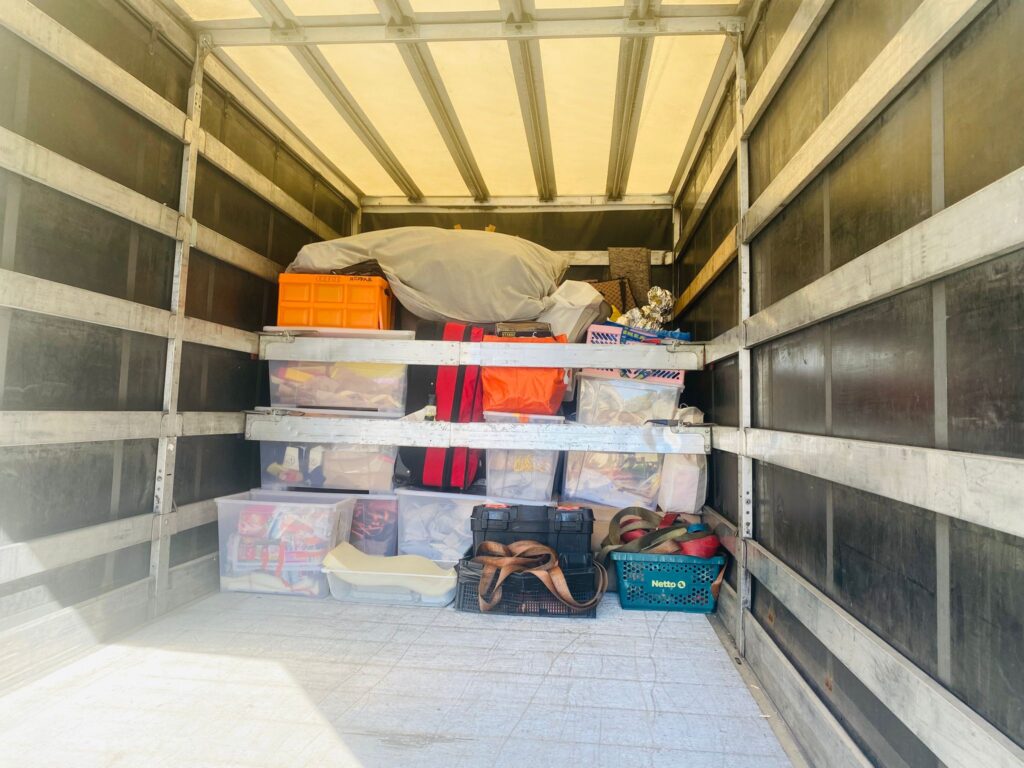
Smart packing is where moves win. Use this field‑tested system to keep items safe and unpacking fast.
Create a simple packing plan
- Two‑week glide: Pack 3 to 4 boxes per day. Start with off‑season clothes and books.
- Five‑day sprint: Day 1 supplies and decorations, Day 2 bedrooms, Day 3 kitchen, Day 4 living room, Day 5 last touches and cleaning.
- Golden rule: One room at a time. Close and label before starting the next.
Label like a pro
- Write room + item type + number on two sides, for example Kitchen | Glassware | Box 4 of 7.
- Color dots per room. Red Kitchen, Blue Bedroom, Green Living. Add a fragile sticker where needed.
- Keep a photo of each open box before sealing. It speeds up finding that one cable.
Essentials box
- 72‑hour kit with kettle, mugs, snacks, chargers, basic tools, bedding, toiletries, and documents.
Room‑by‑room cues
- Kitchen: Wrap plates vertically. Use pots to nest spices. Tape cutlery into bundles.
- Bedroom: Vacuum‑bag linens. Use wardrobe boxes for crease‑free hanging clothes.
- Bathroom: Double‑bag liquids. Tape lids to avoid leaks.
- Living room: Coil cables in zip bags and tape to devices. Protect corners of frames.
- Kids and pets: Pack comfort items last and unpack first to reduce stress.
Fragile and valuable items
- TVs travel upright in their original box where possible. Otherwise use thick edge protectors.
- Mirrors and glass get X‑tape over the surface, corner guards, and solid cardboard sandwiches.
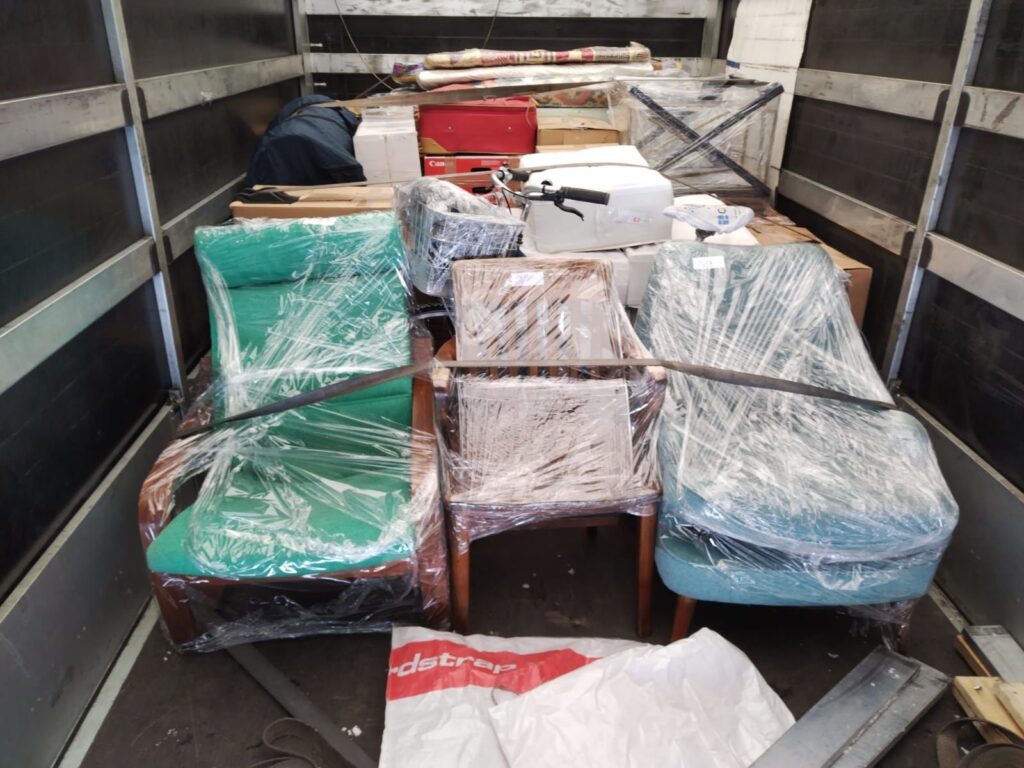
- Fine art, instruments, antiques, and designer furniture deserve museum‑grade handling. Choose White Glove Delivery for custom crates, soft blankets, and careful placement.
What not to pack
- Open liquids, flammables, gas canisters, loose batteries in bulk, or perishable foods.
Sustainable packing
- Use recycled boxes where condition is good. Choose paper wraps over plastic where possible.
- Return or reuse sturdy cartons after the move. Label lightly to make reuse easy.
Packing materials cheat‑sheet
| Material | Best for | Pro tip |
|---|---|---|
| Double‑wall boxes | Heavy books, kitchenware | Do not exceed 20 kg per box to protect backs and seams |
| Wardrobe boxes | Suits, dresses | Add cedar blocks to keep garments fresh |
| Bubble wrap and paper | Glass, ceramics | Wrap each item separately, fill voids to avoid rattling |
| Stretch wrap | Sofas, drawers | Wrap over blankets to keep fabric clean |
| Corner protectors | Mirrors, frames | Combine with X‑tape across glass |
| Mattress covers | Mattresses | Seal both ends to block dust and moisture |
Students and micro‑moves
- Travel light with targeted help. See Student Removals for fast, budget‑friendly moves across campuses and studios.
No‑stress option
- Hand the whole task to specialists with Packing Services. We bring the materials, pack, label, and stage rooms so your first night is easy.
VANonsite Services That Make It Effortless
From last‑minute rescues to white glove care, here is how VANonsite removes friction and risk.
Service menu at a glance
| Service | Ideal for | What is included |
|---|---|---|
| Last Minute Moving | Urgent timelines, date changes | Rapid scheduling, efficient routing, real‑time GPS updates |
| Furniture Removals | Single items, bulky furniture | Protection blankets, careful loading, placement in room |
| Home Removals | Studios to multi‑bed homes | Vehicle sizing advice, trained crew, route planning |
| White Glove Delivery | Luxury, fragile, or high‑value items | Specialist packing, soft handling, optional installation |
| Office Removals | Teams, equipment, phased moves | Out‑of‑hours options, desk mapping, minimal downtime |
| Storage | Gap between leases, renovations | Short or long term, secure facilities, easy retrieval |
Why customers choose VANonsite
- Safety first with experienced crews and protective materials.
- Speed when it counts with smart routing and flexible slots.
- Clarity through live GPS tracking and proactive updates.
- Coverage across Europe with dedicated routes for Belgium and beyond.
How it works
- Plan. Share your route and inventory for the right van size and service level.
- Protect. Choose pro packing or self‑pack with guidance. Flag any fragile items.
- Move and track. Follow your shipment in real time and meet the crew at delivery.
Popular bundles
- City‑to‑City Saver: Home Removals + Packing Services for a smooth one‑day move.
- Art and Design Care: White Glove Delivery for galleries, collectors, and premium furniture.
- Office Overnight: Office Removals with evening loading and morning setup to protect productivity.
Explore dedicated routes and fast quotes: Removals to Belgium.
Vehicle Sizes and How To Choose
| VANonsite Vehicle | Volume | Max Load | Best For |
|---|---|---|---|
| Moving Basic | 5 m³ | 300 kg | Studio essentials, student moves |
| Moving Medium | 10 m³ | 600 kg | 1‑bed flat, boxes plus small furniture |
| Moving Premium | 15 m³ | 1,000 kg | 2‑bed flat, heavier items |
| Moving Premium Plus | 30 m³ | 3,500 kg | Small home, office rooms |
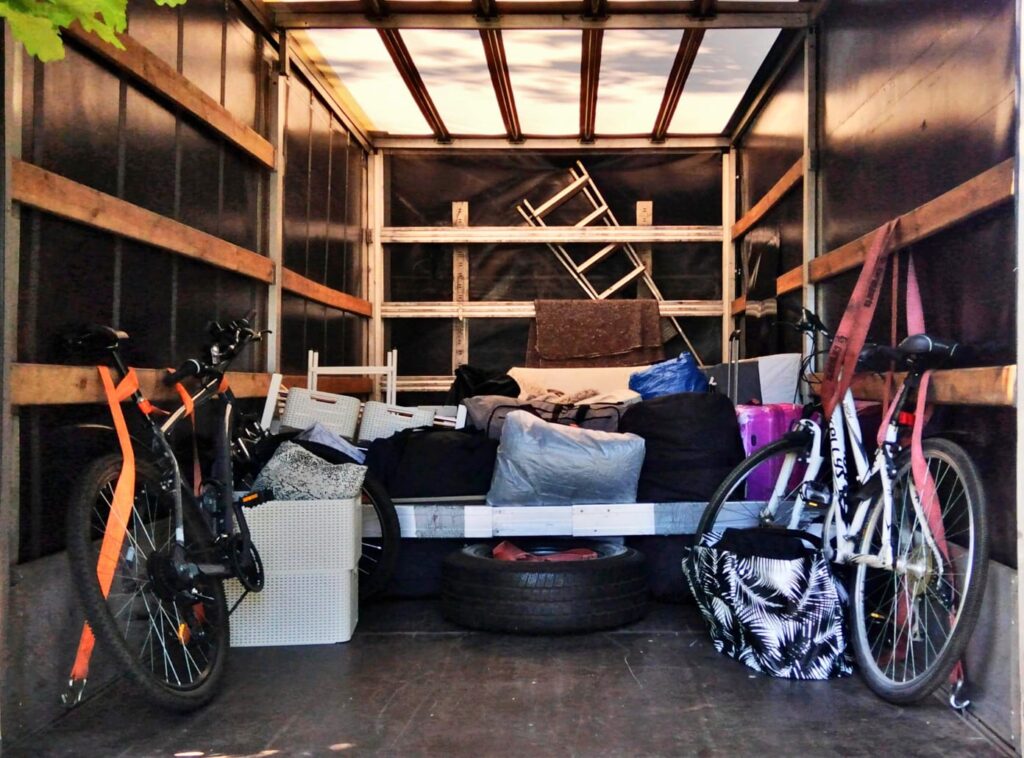
| Moving Full House XXL | 90 m³ | 20,000 kg | Large household or multi‑pickup |
Quick selector
- Count boxes, measure the longest sofa, and list appliances.
- Add 10 percent spare volume for last‑minute items.
- Not sure? Share your inventory for a free sizing check.
Move‑Day Playbook
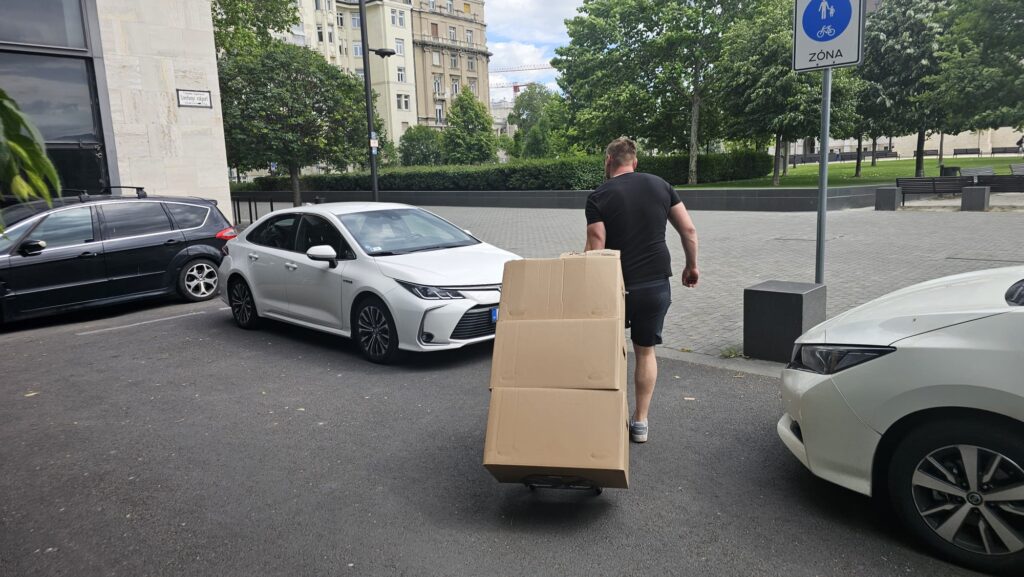
- Reserve a parking bay near the front door.
- Protect lifts and hallways with covers.
- Keep passports, permits, and keys in a carry‑on.
- Track your shipment in real time with VANonsite GPS.
- On delivery, check off boxes against the inventory and note any exceptions.
Parking and permits for move day
- Many Brussels streets need a temporary parking reservation for a moving van. Apply through your commune several working days in advance.
- For the City of Brussels overview and forms start at https://www.brussels.be/parking.
- If cones or signs are required, place them at the time stated by the commune rules.
- Buildings with shared lifts often require a protective cover booking. Ask the concierge early.
Access checklist
- Measure doorways, stairs, and lift cabins. Note tight turns.
- Photograph any pre‑existing wall marks. It speeds up handover with landlords.
- Keep floor protection rolls ready for rainy days.
Settling In
Landing well turns a new city into home. Use these quick wins in your first two weeks.
Utilities in 3 steps
- Choose energy supplier and submit opening meter readings.
- Schedule internet installation or modem pickup. Keep the residence certificate handy.
- Set up water account if required by your commune or building manager.
Waste and recycling
- Brussels sorts by color bags and collection days. Check your commune schedule and follow rules for bulky items pick‑up.
- Keep a small stash of official bin bags ready before the first collection day.
Banking and admin
- Open a local account with your ID and proof of address. Your national register number will simplify many services.
- Save digital copies of contracts and your commune registration confirmation.
Transport basics
- STIB‑MIVB runs metro, tram, and bus. Buy a rechargeable card and register online to protect your balance.
- Cycling is common. Check local rules, lights, and locks. Map safe routes before your first ride.
Emergency and useful numbers
- 112 for emergency. 101 for police.
- Keep the contact for your commune office and nearest medical center in your phone.
Language and community
- Community classes and language meetups help you settle faster. Practice simple phrases in French and Dutch for daily errands.
Schools and childcare
- Brussels offers public, private, and international options. Apply early and request transfer of records. Visit on open days when possible.
Healthcare
- Register with a mutuality and choose a GP. Federal guidance: https://www.health.belgium.be.
Banking
- Open a local account with your ID and proof of address. Federal portal overview: https://www.belgium.be.
Schools
- Brussels offers public, private, and international schools. Check enrolment windows early.
Transport
- STIB‑MIVB covers metro, tram, and bus across the region. Cycling is popular in many communes.
Frequently Asked Questions
Do I need a parking permit for the moving van?
Yes, many streets require a temporary reservation to guarantee space for the truck. Apply via your commune several working days in advance. City of Brussels guidance sits under parking and street occupation. Bring your confirmation on move day.
How does the Low Emission Zone affect my move?
Check your vehicle’s eligibility before entering the Brussels LEZ and register if required. Non‑compliant vehicles may need a day pass or an alternative. Plan your route and loading address accordingly.
Can you move on Sundays or evenings?
Yes, but building rules and local noise restrictions may limit hours. Confirm with your landlord and commune. Evening slots can be ideal for office moves to avoid downtime.
Do I need an inventory list?
A simple numbered list helps tracking and insurance. Photograph electronics and fragile pieces. Keep passports and jewellery in your hand luggage.
Should I tip movers?
It is optional. If the crew went above and beyond, a small tip or a positive review is appreciated.
How long does commune registration take?
Allow for an appointment plus an address verification visit. Timelines vary by commune and season. Keep your appointment proof for banking and internet setup.
What if my lease start and end dates do not align?
Use short‑term storage and staggered delivery. VANonsite can collect, store, and deliver when your keys are ready.
Can you move a piano, art, or designer furniture?
Yes. Choose White Glove Delivery for specialist packing, protection, and placement.
Do you assemble furniture at delivery?
On request, yes. Flag flat‑packs and complex items in your inventory so we schedule time and tools.
Is packing material included?
It can be included or provided as an add‑on. If you self‑pack, order sturdy boxes, paper, wraps, and wardrobe cartons in advance.
Summary
Moving to Brussels becomes simple when you follow a clear plan. This guide showed you why the city wins for careers and lifestyle, then gave you a step‑by‑step timeline, official links for documents and registration, a neighbourhood chooser, real‑world costs, what you can and cannot bring, and proven packing tactics. You also saw how VANonsite removes stress with the right vehicle size, careful handling, and live GPS tracking.
Key takeaways
- Book 4–6 weeks ahead; mid‑week dates often cost less.
- Register at your commune soon after arrival and keep documents handy.
- Check Brussels Low Emission Zone rules and arrange any parking permits for move day.
- Match your load to the right van: from 5 m³ 300 kg up to 90 m³ 20000 kg.
- Protect valuables with Packing Services and White Glove Delivery when needed.
- Label smart, pack an essentials box, and photograph fragile sets.
- Track every shipment in real time to know exactly when to meet the crew.
Ready to move without the chaos? Get a fast, tailored quote here: Removals to Belgium.