Introduction
Living in Croatia offers an exceptional blend of Mediterranean charm, affordable living, and a relaxed lifestyle that continues to attract expats, retirees, and digital nomads from around the world. With its pristine coastline, historic cities, and friendly communities, Croatia is fast becoming one of Europe’s most sought-after relocation destinations.
VanOnSite, a specialist in European removals, provides end-to-end moving services to make your transition to life in Croatia seamless and stress-free.
Key Takeaways:
- Affordable cost of living compared to Western Europe
- High quality of life with a laid-back, coastal atmosphere
- Reliable public transport and modern infrastructure
- Safe environment with low crime rates
- Rich culture, history, and stunning natural landscapes
- Increasingly popular with remote workers and digital nomads
- VanOnSite offers full-service, expert removals to Croatia
What is the Cost of Living in Croatia?
| Expense Category | Average Monthly Cost (EUR) |
|---|---|
| Rent (1BR apartment) | 400 – 700 |
| Utilities | 100 – 150 |
| Groceries | 200 – 300 |
| Transportation | 40 – 60 |
| Dining Out | 100 – 200 |
| Fuel (per liter) | 1.50 – 1.70 |
| Cheese (1kg) | 6 – 10 |
| Fruits (1kg mix) | 2 – 4 |
| Bread (loaf) | 1 – 1.50 |
| Cinema Ticket | 5 – 7 |
| Gym Membership | 25 – 40 |
| Coffee (Cappuccino) | 1.50 – 2.50 |
| Restaurant Meal | 8 – 15 |
- Cities like Zagreb and Split are slightly more expensive
- Coastal towns can be pricier during tourist season
Summary: Living in Croatia is considerably more affordable than in many Western European countries. With lower costs for rent, dining, and entertainment, it offers excellent value for individuals and families. The cost of essential groceries and utilities remains manageable, and leisure activities like dining out or going to the cinema are budget-friendly. Whether you prefer city life or a coastal retreat, your money goes further in Croatia, making it an attractive option for relocation.
How Does the Cost of Living in Croatia Compare to Other European Countries?
| Country | Rent (1BR) | Utilities | Groceries | Dining Out | Fuel (per L) | Coffee | Gym | Cinema Ticket |
|---|---|---|---|---|---|---|---|---|
| Croatia | €400-700 | €100-150 | €200-300 | €100-200 | €1.50-1.70 | €1.50 | €30 | €6 |
| UK | €900-1,400 | €180-250 | €300-450 | €250-350 | €1.80-2.00 | €3.00 | €45 | €10 |
| Germany | €700-1,100 | €150-200 | €250-350 | €200-300 | €1.70-1.90 | €2.50 | €35 | €9 |
| France | €800-1,300 | €140-220 | €280-400 | €220-320 | €1.70-1.95 | €2.80 | €40 | €10 |
| Spain | €600-950 | €120-180 | €220-320 | €180-250 | €1.60-1.80 | €2.00 | €30 | €7 |
Summary:
Compared to its Western European neighbors, Croatia offers significant cost savings across almost every category. Rent is up to 70% cheaper than in the UK or France, and daily expenses such as groceries, gym memberships, and dining out are markedly lower. While Eastern Europe may offer slightly cheaper alternatives, Croatia stands out for its improved infrastructure and lifestyle perks. All in all, Croatia delivers a balanced blend of affordability and quality of life that makes it a top contender for relocation in Europe.
- Slightly more expensive than countries like Bulgaria or Romania
- Offers higher quality infrastructure and better healthcare access
Things to Do and See in Croatia
- Visit Dubrovnik’s Old Town – A UNESCO World Heritage site known for its stunning medieval walls and scenic coastal views.
- Explore Plitvice Lakes National Park – One of Croatia’s most iconic natural wonders with cascading lakes and waterfalls.
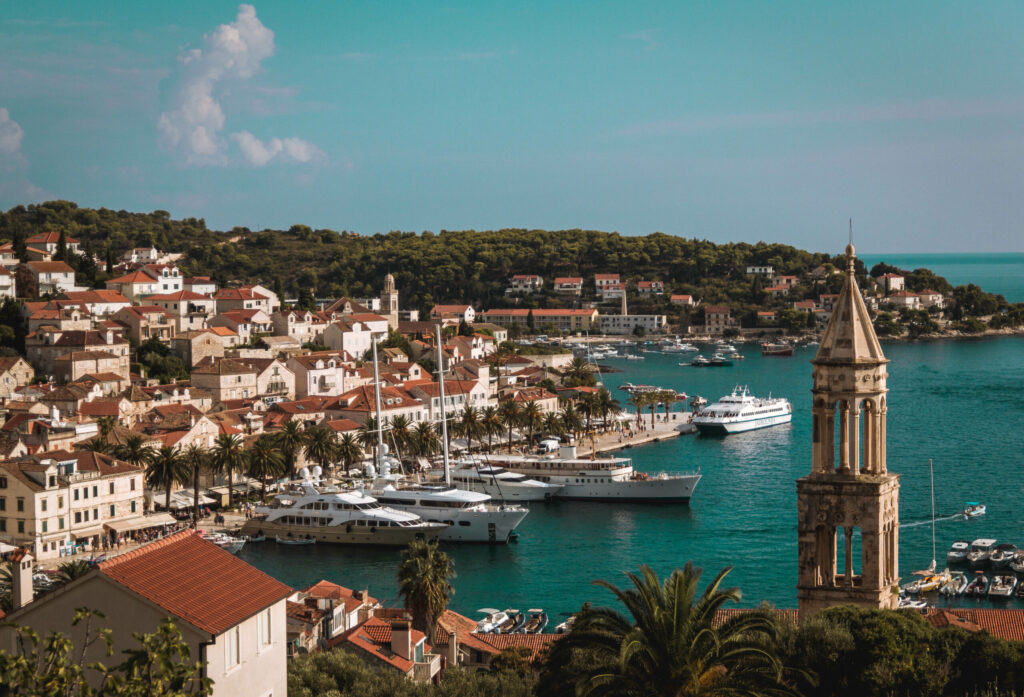
- Sail around the Dalmatian Coast – Discover picturesque islands such as Hvar, Brac, and Korcula, ideal for sailing and beach relaxation.
- Hike in the Dinaric Alps – Perfect for nature lovers seeking alpine trails and breathtaking panoramas.
- Enjoy local cuisine – Indulge in specialties like Čevapi, pasticada, black risotto, and truffle-based dishes.
- Walk the historic streets of Split – Home to Diocletian’s Palace and a vibrant mix of Roman, medieval, and modern influences.
- Discover the Istrian Peninsula – Renowned for its wine routes, olive oil, Venetian towns, and Roman ruins in Pula.
- Relax in Rovinj and Opatija – Romantic seaside towns with charming promenades and elegant architecture.
- Take a boat tour to the Blue Cave – A magical sea grotto on the island of Bisevo that glows in surreal blue light.
Festivals in Croatia
Croatia boasts a vibrant calendar of festivals throughout the year, ranging from music and film to food and folklore:
- INmusic Festival (Zagreb): Croatia’s largest open-air rock and indie festival, attracting top international acts.
- Ultra Europe (Split): A world-famous electronic music festival that draws thousands of partygoers.
- Dubrovnik Summer Festival: Celebrating performing arts with classical music, theater, and dance in stunning historic venues.
- Pula Film Festival: Hosted in a Roman amphitheater, it is one of Europe’s oldest film festivals.
- Truffle Days (Istria): A gastronomic celebration of the region’s prized truffles with tastings, markets, and cooking demos.
- Sinjska Alka: A traditional knightly competition held since 1715 in the town of Sinj, honoring local history and bravery.
Whether you’re a culture enthusiast, music lover, or nature explorer, Croatia offers something extraordinary for every taste and season.
Challenges and Bad Things About Living in Croatia
- Bureaucracy can be slow and complex: Administrative processes, especially for foreigners, often involve a lot of paperwork, waiting periods, and in-person appointments. Navigating visa procedures and residence permits may require patience and persistence.
- Limited job opportunities in some fields: While tourism and tech industries are growing, sectors like finance or specialized professions may have limited openings, particularly for non-Croatian speakers.
- Healthcare in rural areas can be under-resourced: Although major cities offer good healthcare services, smaller towns may lack access to modern equipment and specialist doctors.
- Winter months can feel isolating in tourist areas: Many coastal towns that bustle in summer become quiet in the off-season, with fewer events, closed businesses, and reduced public transport.
- Language barrier: While English is widely spoken in urban centers and tourist spots, daily life in rural areas might be challenging without some knowledge of Croatian.
- Real estate ownership for foreigners: Purchasing property as a non-EU citizen can be complicated, depending on bilateral agreements and specific legal criteria.
- Seasonal pricing and crowds: Coastal destinations experience price surges and crowding during peak summer months, affecting both cost of living and quality of life.
Tip: Partnering with a reliable moving service like VanOnSite can ease the administrative burdens, assist with local insights, and help you avoid common pitfalls when relocating to Croatia.
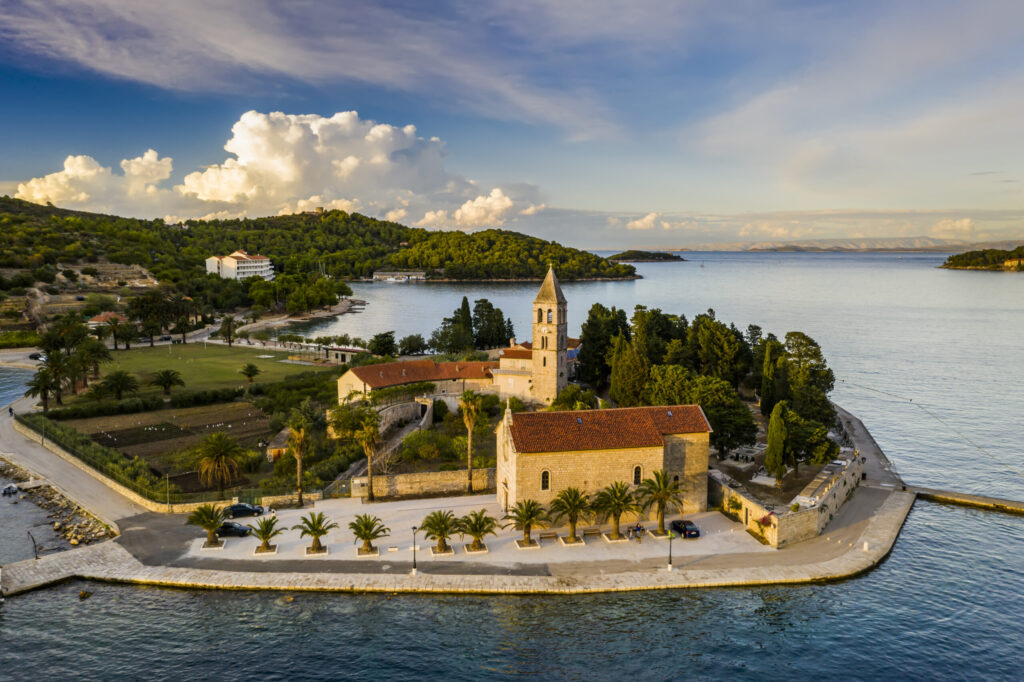
Tips for Living in Croatia
- Get a local SIM card and open a Croatian bank account: This helps you avoid high roaming charges and makes everyday transactions and bill payments much easier.
- Join expat Facebook groups in your city: These communities are great for asking questions, making friends, finding events, and receiving insider tips from people who’ve already navigated life in Croatia.
- Learn basic Croatian phrases: While many Croatians speak English, knowing greetings, numbers, and common expressions can go a long way in building relationships and integrating into the culture.
- Register your address at the local police station (mandatory): This is a legal requirement within 3 days of arrival, even if you’re staying temporarily. Make sure to bring the right documents and rental agreement.
- Consider hiring a relocation assistant or legal advisor: They can help smooth out the residency process, assist with translations, and ensure all paperwork is filed correctly.
- Use local apps and tools: Apps like HAK (traffic and road updates), eVisitor (tourist registration), and Revolut or Wise for currency exchange are useful for day-to-day living.
- Explore different neighborhoods before settling: Each city and coastal town has its own character, so spend time in different areas to find a vibe that fits your lifestyle.
Living in Croatia: Employment Opportunities
While Croatia’s job market is smaller than in some larger EU countries, there are growing opportunities—especially in sectors aligned with tourism, tech, and remote work.
Key Sectors
- Tourism & Hospitality: Croatia’s coastline and islands attract millions of tourists annually. There’s constant demand for workers in hotels, restaurants, travel agencies, and seasonal roles.
- Information Technology: The Croatian tech sector is growing fast, with Zagreb and Split emerging as regional startup hubs. There’s demand for software developers, IT project managers, and data analysts.
- Construction & Real Estate: Increased investment in infrastructure and tourism-related development fuels steady demand in construction, architecture, and property management.
- Education & Language Services: Native English speakers can find opportunities in teaching, language tutoring, and international schools.
- Healthcare: Medical professionals, especially those with EU certifications, are in demand—particularly in private clinics and aging rural areas.
- Remote Work & Freelancing: Croatia is increasingly attractive to remote workers thanks to its Digital Nomad Visa and reliable internet access.
Average Salaries (Monthly, Gross)
| Profession | Average Salary (EUR) |
|---|---|
| IT / Software Developer | €1,500 – €2,800 |
| Hospitality Worker | €800 – €1,200 |
| Teacher (English, TEFL) | €900 – €1,300 |
| Healthcare Professional | €1,200 – €2,000 |
| Construction Worker | €900 – €1,400 |
| Customer Support / Admin | €850 – €1,200 |
Fun and Fascinating Facts About Croatia
- Game of Thrones Filming Location: The walled city of Dubrovnik famously doubled as King’s Landing in the hit HBO series Game of Thrones, drawing fans from around the world.
- The Neck Tie Originated in Croatia: The cravat, a precursor to the modern necktie, originated from Croatian soldiers in the 17th century and became popular in France.
- Croatia Has the World’s Smallest Town: The town of Hum in Istria is listed in the Guinness Book of Records as the smallest town in the world, with a population of just around 20 people.
- A Country of Islands: Croatia boasts over 1,200 islands, islets, and reefs, but only around 50 are inhabited.
- Home of the First Torpedo: The first modern torpedo was developed and tested in the city of Rijeka in the 1860s.
- Nikola Tesla’s Birthplace: The famous inventor Nikola Tesla was born in Smiljan, a village in modern-day Croatia.
- UNESCO Intangible Heritage Riches: Croatia is among the countries with the highest number of UNESCO-listed intangible cultural assets per capita.
- Zagreb Has a Museum of Broken Relationships: This quirky museum is dedicated to failed love and has become an international sensation.
- Sea Organ in Zadar: A unique architectural sound art object that plays music by way of sea waves and tubes located underneath a set of large marble steps.
These fascinating facts reflect Croatia’s unique blend of history, innovation, and cultural charm—making it an endlessly intriguing place to visit or live in.
Tips for Job Seekers
- Knowledge of Croatian is often a plus, but English-only roles are available in tech and tourism.
- Networking and local job portals like MojPosao or Posao.hr can be very useful.
- EU citizens can work freely; others may need a work permit or to enter via the Digital Nomad Visa scheme.
While salaries in Croatia are generally lower than in Western Europe, the lower cost of living and quality of life often balance things out. For remote workers, Croatia offers an ideal setting to live well and work globally.
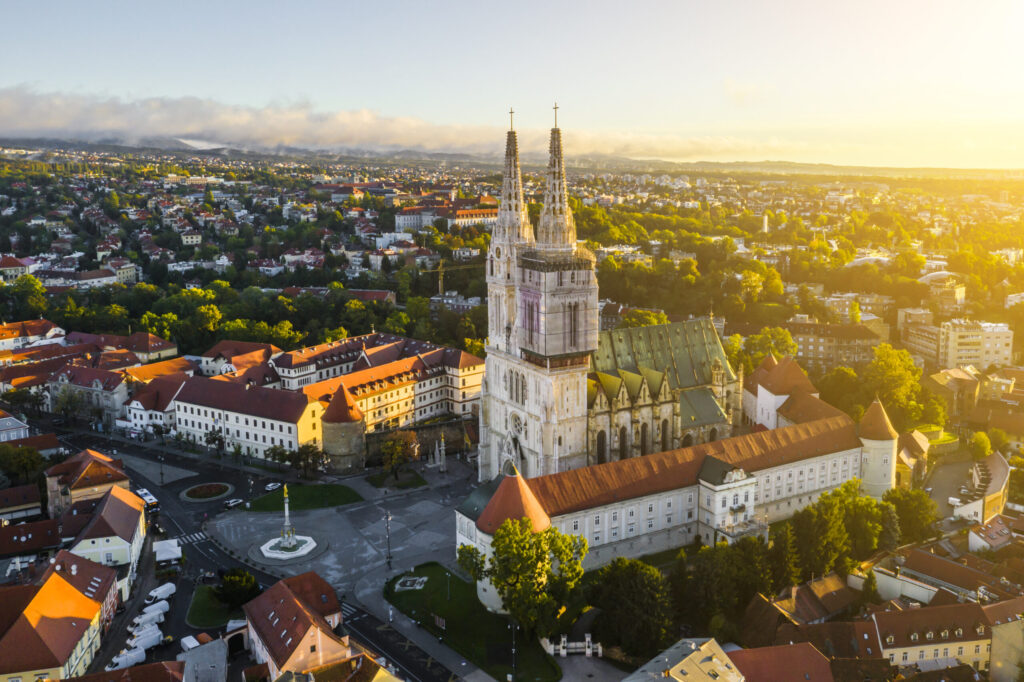
Living in Croatia – Explore Key Cities
Croatia offers a variety of cities, each with its own distinctive charm, culture, and pace of life. Here are a few key urban centers worth considering:
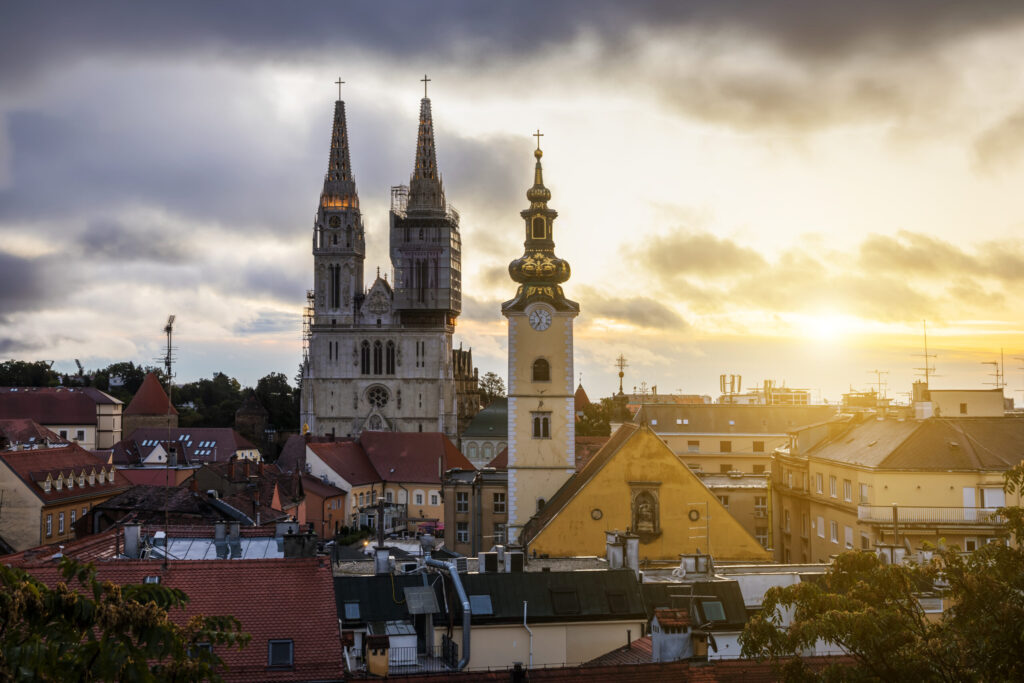
- Zagreb: The capital and largest city, Zagreb blends Austro-Hungarian architecture with a dynamic arts scene and modern amenities. It’s ideal for professionals, students, and families who enjoy city living with access to green spaces.
- Split: Located on the Dalmatian Coast, Split combines Roman history with a vibrant waterfront and beach lifestyle. Its historic core includes Diocletian’s Palace, and it offers excellent ferry connections to nearby islands.
- Dubrovnik: Known for its medieval walls and dramatic views over the Adriatic, Dubrovnik is a tourism magnet with a high cost of living. It’s perfect for history buffs, creatives, and those seeking an inspiring coastal base.
- Rijeka: A port city with a unique cultural vibe and affordability, Rijeka was the 2020 European Capital of Culture. It’s less touristy than other cities and offers a relaxed, authentic Croatian experience.
- Osijek: In the inland region of Slavonia, Osijek is a university city with a low cost of living, strong community feel, and rich Austro-Hungarian heritage. Ideal for those looking to escape tourist hubs.
- Zadar: A coastal city with Roman and Venetian ruins, sea organ music, and stunning sunsets. Zadar offers a laid-back lifestyle, moderate costs, and growing popularity among expats.
Whether you’re drawn to cosmopolitan vibes, coastal scenery, or historic ambiance, Croatia’s diverse cities provide a lifestyle match for every type of expat.
Food and Alcohol in Croatia
Croatian cuisine is a delightful reflection of the country’s geographic diversity and cultural influences. You’ll find Mediterranean flavors along the coast, hearty Central European dishes inland, and traces of Ottoman and Balkan traditions throughout.

Traditional Dishes to Try
- Peka: A delicious slow-cooked meat and vegetable dish baked under a bell-like dome.
- Ćevapi: Grilled minced meat sausages served with flatbread and onions.
- Black Risotto (Crni Rižot): A seafood risotto colored with cuttlefish ink, popular in Dalmatia.
- Sarma: Cabbage rolls filled with minced meat and rice, a winter comfort food staple.
- Pašticada: A stewed beef dish marinated in wine and spices, often served with gnocchi.
Regional Specialties
- Istria: Known for truffle-based dishes, wild asparagus, and high-quality olive oil.
- Dalmatia: Features grilled fish, octopus salad, and fresh seafood served with Swiss chard and potatoes.
- Slavonia: Offers spicy sausages, smoked meats, and hearty stews with paprika.
Popular Beverages
- Rakija: A strong fruit brandy made from plums, grapes, or figs. It’s often homemade and served as a welcome drink.
- Wine: Croatia has over 300 wine regions, producing whites like Graševina and reds like Plavac Mali.
- Beer: Popular brands include Ožujsko, Karlovačko, and craft varieties from new microbreweries.
- Maraschino: A sweet cherry liqueur from Zadar, enjoyed as a digestif.
Eating Out
Dining out in Croatia is affordable and casual. Traditional konobas (taverns) offer homemade fare, while coastal cities have excellent seafood restaurants. Cafés and bakeries are everywhere, serving coffee, pastries, and light snacks throughout the day.
Food in Croatia is more than just nourishment—it’s a cultural experience shared with friends and family. Whether you’re savoring fresh seafood by the sea or enjoying homemade rakija in a mountain village, every meal tells a story.
Culture and Social Norms in Croatia
Croatia’s culture is a rich tapestry woven from centuries of history, blending Central European, Mediterranean, and Balkan influences. Its traditions reflect a deep appreciation for family, heritage, and hospitality, while modern society embraces openness, creativity, and a growing international outlook.
Social Etiquette
- Greetings and Respect: A firm handshake, direct eye contact, and formal titles are common in professional and first-time interactions. Hospitality is a cornerstone of Croatian culture, and guests are often warmly welcomed with food and drinks.
- Family-Oriented Society: Family remains the central social unit. It’s common for multiple generations to live close together, and Sunday family lunches are a cherished tradition.
- Punctuality and Formality: Croatians value punctuality, particularly in professional settings. Dress codes are typically neat and elegant, especially in urban areas.
Cultural Heritage
- UNESCO Traditions: Croatia is home to several UNESCO-listed intangible heritages, including the Klapa singing of Dalmatia and the art of lace-making in Lepoglava and Pag.
- Religious Traditions: The majority of Croatians identify as Roman Catholic, and many local festivals, holidays, and customs are tied to Christian traditions.
- Art and Literature: Croatia boasts a strong literary and artistic heritage, from Renaissance painters to contemporary writers and filmmakers.
Modern Lifestyle
- Cafés and Socializing: Coffee culture is strong; people often gather in cafés for long conversations. Social life is vibrant and often centered around local squares, seaside promenades, and festivals.
- Work-Life Balance: While salaries may be lower than Western Europe, many expats enjoy a more relaxed pace of life and a stronger balance between work and leisure.
- Openness to Foreigners: While traditional in many ways, Croatians are increasingly welcoming of international visitors and residents, especially in larger cities and coastal regions.
Croatia offers a warm, community-driven culture where tradition meets modernity, making it an inviting place for expats to integrate and thrive.
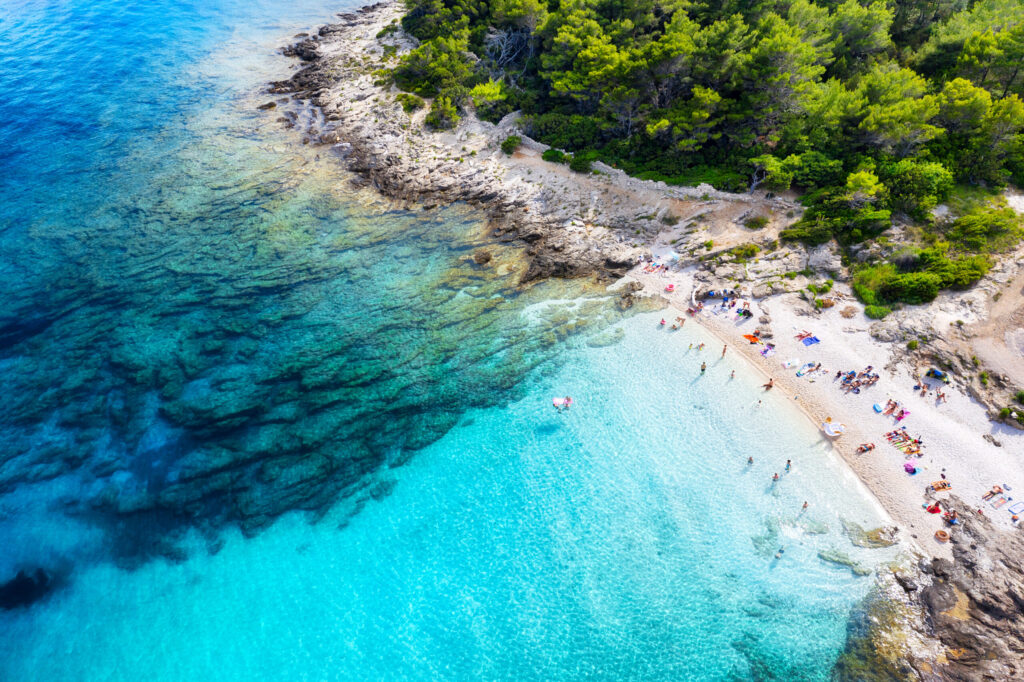
Why Move to Croatia?
- Mediterranean lifestyle and climate: Croatia enjoys a temperate climate with long, warm summers and mild winters, ideal for an outdoor lifestyle and relaxed living.
- Affordable cost of living: Compared to Western Europe, Croatia offers significant savings on rent, dining, and general expenses, making it an appealing destination for expats and retirees.
- Safety and healthcare: With one of the lowest crime rates in Europe, Croatia is exceptionally safe. Its healthcare system is well-developed, and private medical services with English-speaking doctors are accessible in major cities.
- Stunning coastline and islands: The country boasts over 1,000 islands and a breathtaking Adriatic shoreline. From the tranquil beaches of Vis to the vibrant nightlife of Hvar, there’s a coastal destination for every preference.
- English widely spoken in cities and tourist areas: Communication is rarely a barrier, especially in urban centers, tourist hotspots, and among the younger population.
- Rich cultural heritage and UNESCO sites: Croatia is home to medieval towns, Roman amphitheaters, Renaissance architecture, and numerous UNESCO World Heritage sites such as Dubrovnik, Split, and Trogir.
- Excellent geographic location: Positioned at the crossroads of Central and Southeast Europe, Croatia allows easy weekend trips to Italy, Slovenia, Hungary, Austria, and the Balkans.
- Great infrastructure and connectivity: High-speed internet, modern road networks, and well-connected ferry and flight systems support both remote working and travel.
How VANonsite Helps with Your Move to Croatia
- Expert coordination of removals to Croatia: Our team provides personalized planning for every aspect of your move, ensuring that your belongings arrive safely and on time.
- Door-to-door delivery across Europe: Whether you’re relocating from a major city or a rural village, we offer seamless transportation with punctual pick-up and delivery at your doorstep.
- Customs assistance and documentation: We handle all necessary paperwork, including customs declarations, import permits, and legal forms required for international relocations.
- Temporary storage options: If your new home isn’t ready, we offer flexible and secure storage solutions in both your origin and destination countries.
- Disassembly and reassembly of furniture: Our experienced team can take apart and reassemble your furniture, helping you settle in quickly and effortlessly.
- Packing materials and support: From boxes and tape to professional wrapping services, we provide everything you need to protect your belongings during transit.
- Local knowledge and support: We’re familiar with Croatian laws, logistics, and property access nuances, which helps us avoid delays and deliver exceptional service.
“With VANonsite, you get more than a moving van – you get peace of mind. We’re with you from planning to unpacking.”
Conclusion
Croatia combines affordability, lifestyle, and natural beauty in one unique package. With VanOnSite’s moving expertise, your transition can be smooth, secure, and stress-free. Whether you’re relocating for work, retirement, or adventure – let us help you make the most of living in Croatia.