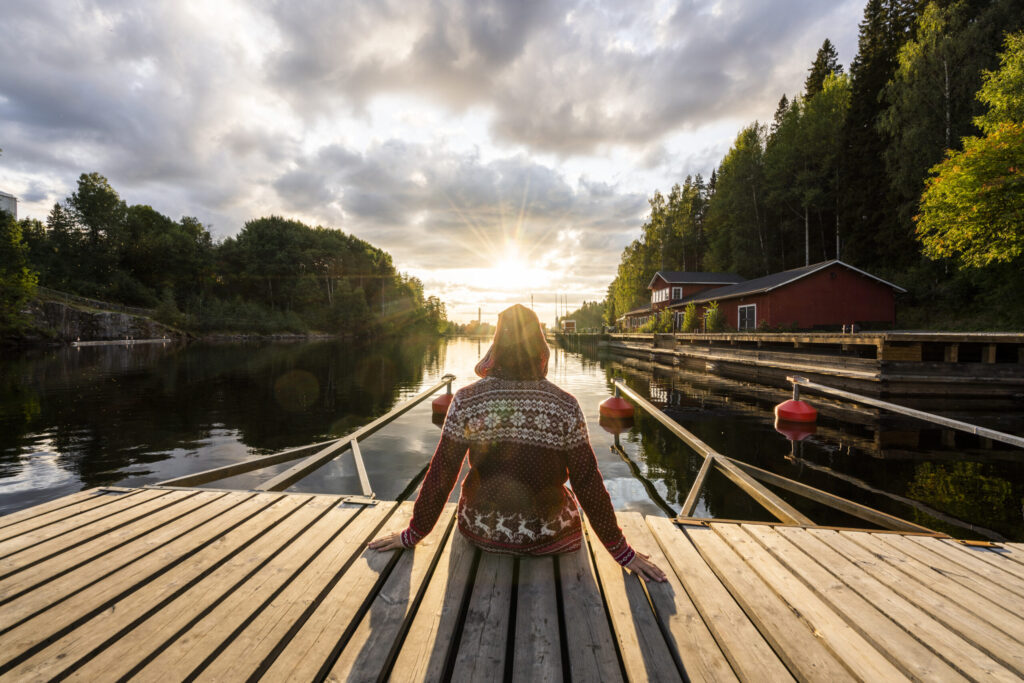
Living in Finland is a dream come true for many expats seeking a peaceful, structured, and environmentally-conscious life. Whether you’re drawn by the promise of clean air, stunning forests and lakes, or Finland’s exceptional public services, relocating here could mark a significant improvement in your quality of life.
With one of the most advanced social systems in the world, Finland offers universal healthcare, free education, and a strong sense of community. It’s no surprise that it’s consistently ranked among the happiest countries on Earth.
But as with any big move, it’s important to weigh the benefits and challenges. This guide will walk you through everything you need to know about living in Finland—from the real cost of living to the cultural nuances you’ll want to be prepared for.
Key Takeouts:
- Exceptional quality of life and work-life balance
- Universal healthcare and world-class education
- High cost of dining, but affordable public services
- Harsh winters balanced by cozy, nature-focused lifestyles
- English widely spoken, though Finnish is useful for integration
- Strong infrastructure and efficient public transportation
- Reliable, experienced removal services like VanOnSite can make your move stress-free
Cost of Living in Finland
Understanding the cost of living in Finland is crucial before relocating. While salaries are competitive, daily expenses can vary widely depending on lifestyle, location, and individual needs. Below is an expanded overview of common living expenses in Finland:
| Expense Category | Average Monthly Cost (EUR) |
|---|---|
| Rent (1BR in Helsinki) | €950 – €1,300 |
| Public Transport Pass | €60 – €75 |
| Groceries | €250 – €400 |
| Utilities | €100 – €180 |
| Internet | €20 – €35 |
| Fuel (per litre) | €1.90 – €2.20 |
| Coffee (café) | €3.50 – €5.00 |
| Gym Membership | €35 – €60 |
| Cinema Ticket | €12 – €15 |
| Mid-range Restaurant | €15 – €25 per meal |
| Loaf of Bread | €1.50 – €2.50 |
| Bottle of Wine | €10 – €18 |
| Seasonal Fruits (1kg) | €2.50 – €5.00 |
Key Highlights:
- Healthcare is heavily subsidized.
- Education is free and high quality.
- Eating out can be expensive (€15–€25 per meal).
- Alcohol and coffee culture are both strong and can impact your monthly budget.
- Fuel prices are among the higher in Europe—public transport is often more economical.
- Fitness and leisure activities are reasonably priced but can add up.
- Access to local produce is good, though imported fruits may cost more, especially in winter.
Cost of Living in Finland vs UK
Finland and the UK are both developed nations offering high living standards, but they differ significantly in how their economies and social services are structured. This impacts how much you’ll spend monthly depending on your location, habits, and priorities.
Extended Comparison Table:
| Category | Finland | United Kingdom |
|---|---|---|
| Rent (1BR city centre) | €1,200 (Helsinki) | €1,500 (London) |
| Public Transport | €70 | €160 (zones 1–4, London) |
| Healthcare | Mostly public/free | NHS + private optional |
| University Tuition | Free (EU citizens) | £9,250/year |
| Fuel (per litre) | €2.00 | £1.50 |
| Coffee (café) | €4.00 | £3.20 |
| Gym Membership | €50 | £45 |
| Cinema Ticket | €13 | £11 |
| Restaurant Meal | €20 | £17 |
| Bread (loaf) | €2.00 | £1.20 |
| Bottle of Wine | €15 | £8 |
| Fruits (1kg seasonal) | €4.00 | £2.50 |
Verdict: While Finland offers exceptional value through its public healthcare and free university education, everyday expenses like alcohol, dining, and fuel tend to be higher than in the UK. For those prioritizing public services and quality of life, Finland may prove more economical in the long run—though initial costs can be a bit steeper.
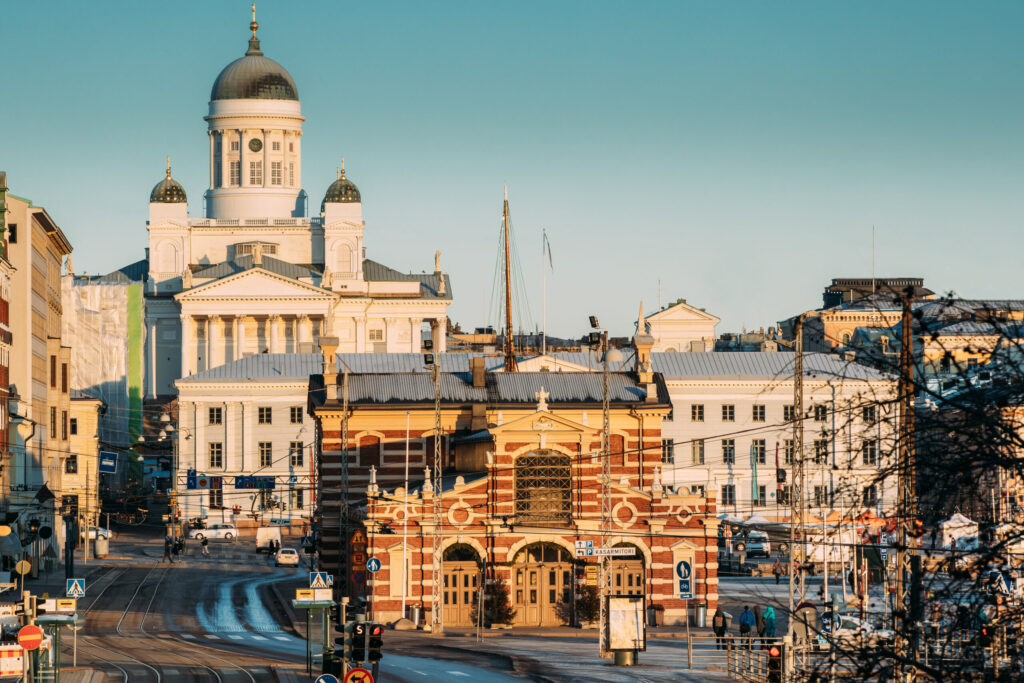
Benefits of Living in Finland
Finland consistently ranks among the top countries for happiness, safety, and education. It’s a nation that values social equality, ecological awareness, and well-being—making it an attractive destination for professionals, families, and retirees alike.
Top Benefits:
- Universal healthcare and free education ensure financial stability and access for all
- Clean environment, pristine air, and low pollution foster healthy living
- Excellent work-life balance with short working hours and long holidays
- Deep-rooted sauna culture promotes mental and physical relaxation
- Low crime rates and high personal safety foster peace of mind
- Efficient government services and a well-organized society
- Rich cultural traditions and a strong appreciation for art, music, and literature
Extra Perks:
- Stunning natural landscapes with over 180,000 lakes and endless forests
- Reliable and punctual public transport, especially in urban areas
- Emphasis on sustainability and green energy innovation
- Family-friendly policies including long parental leave and subsidized childcare
- Strong digital infrastructure and access to public services online
- High English proficiency among locals, making integration easier for newcomers
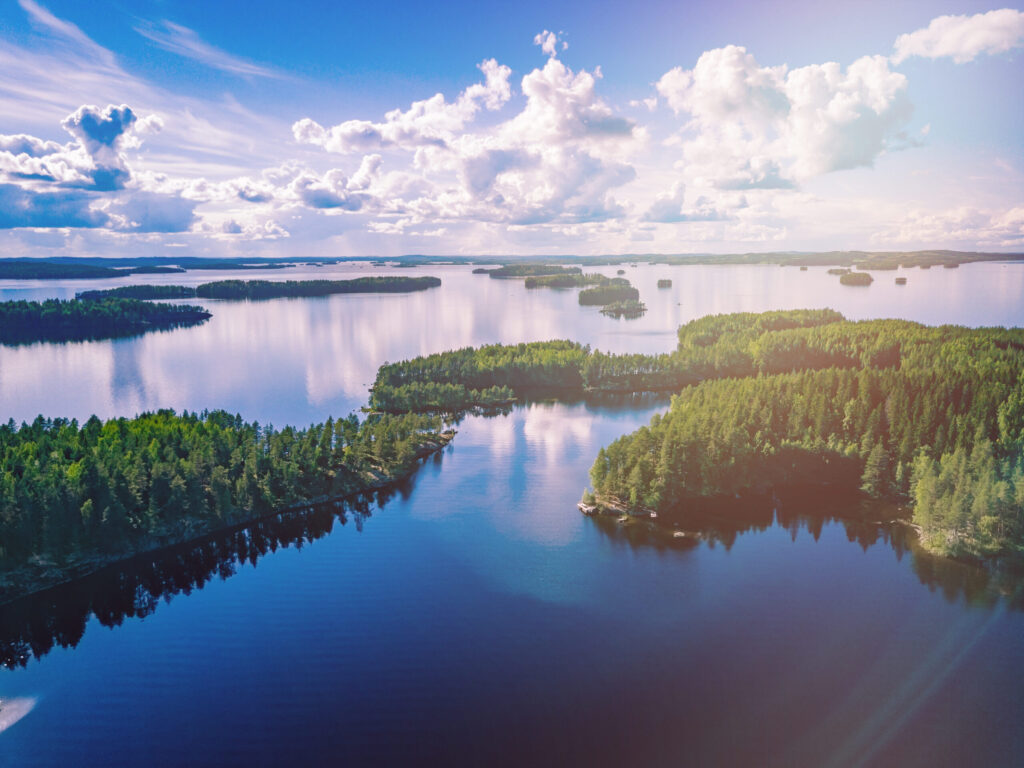
Disadvantages of Living in Finland
While Finland has many strengths, it’s important to consider the challenges—some of which can impact your daily life or long-term integration if not planned for accordingly.
Key Drawbacks:
- Long, dark winters: Limited daylight from November to February can contribute to seasonal affective disorder (SAD) and reduced energy levels.
- High tax rates: Income tax and VAT are among the highest in Europe, which can affect disposable income despite excellent public services.
- Language barrier: Although English is widely spoken, many official documents and services are in Finnish or Swedish, making integration more difficult without language skills.
- Slower bureaucracy: Processes like residence registration, driver’s license exchange, or opening a bank account can be slower than in the UK or US.
- Expensive lifestyle: Dining out, alcohol, and leisure activities can be significantly more costly than in other European countries.
- Limited variety in job sectors for non-Finnish speakers: While tech and academia are open, many roles require proficiency in Finnish.
- Cultural reserve: It may take time to build social relationships as Finns are often perceived as introverted or private initially.
Pros and Cons of Living in Finland
Here’s a balanced overview to help you weigh the strengths and limitations of life in Finland from a personal and practical standpoint.
Pros:
- High quality of life supported by strong public services and a clean environment
- Safe and clean cities with low crime rates and well-maintained infrastructure
- Free education and healthcare, reducing long-term financial pressures
- Progressive values, gender equality, and inclusive social policies
- A society that values punctuality, order, and transparency
- Access to thousands of lakes, national parks, and outdoor recreational spaces
- Strong support for families, including childcare subsidies and generous parental leave
Cons:
- Harsh winters and seasonal affective disorder (SAD) can impact mood and energy levels
- Expensive dining, entertainment, and imported goods due to high taxation
- Social culture may feel reserved; forming friendships can take time
- Learning Finnish can be difficult but necessary for full integration in many fields
- Limited daylight hours during winter months and long administrative processes
- Fewer opportunities in creative or language-heavy industries without local language fluency
- Cost of alcohol and restrictions on its sale may be surprising to newcomers
Cities and Places to Visit in Finland
Finland offers a unique blend of modern urban life and serene natural beauty. Whether you’re planning to settle in a vibrant city or explore the tranquil landscapes of the north, here are some of the most remarkable places worth knowing:
Top Cities to Live In:
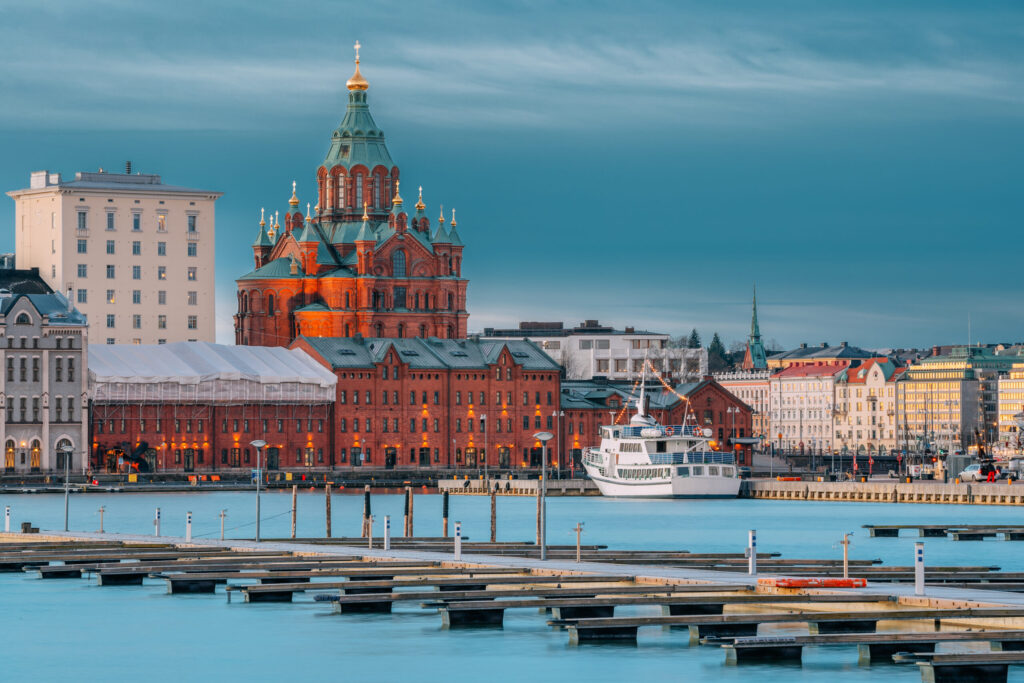
1. Helsinki
The capital city and Finland’s cultural and economic hub. Known for its modern architecture, tech scene, international schools, and excellent public transport.
2. Espoo
Located west of Helsinki, Espoo is a hub for technology companies and research institutions, with abundant green spaces and coastal areas.
3. Tampere
A youthful, university-driven city famous for its industrial heritage and innovation ecosystem. Offers affordable housing and a vibrant community.
4. Turku
Finland’s oldest city and former capital. Known for its riverside charm, historical sites, and dynamic arts and food scenes.
5. Oulu
Northern Finland’s tech capital. Ideal for families and professionals working in IT and education, with a growing startup scene.
6. Rovaniemi
The capital of Lapland and home to Santa Claus Village. Offers magical winter landscapes and easy access to Arctic activities.
Must-See Places and Attractions:
- Suomenlinna Sea Fortress – A UNESCO World Heritage site just a short ferry ride from Helsinki.
- Lake Saimaa – The largest lake in Finland, perfect for summer boating, fishing, and cottage life.
- Aurora Borealis (Northern Lights) – Best viewed in Lapland from September to March.
- Koli National Park – Offers panoramic views of lakes and hills in Eastern Finland.
- Porvoo – A picturesque medieval town with cobblestone streets, artisan shops, and red riverside warehouses.
- Levi and Ylläs – Popular ski resorts with extensive slopes, snow hotels, and winter sports.
- Nuuksio and Sipoonkorpi National Parks – Great for weekend hiking and forest retreats just outside Helsinki.
Finland’s cities and nature destinations provide a perfect blend for work, adventure, and wellness—whether you’re relocating permanently or visiting temporarily.
Finnish Cuisine and Local Alcoholic Beverages
Finland’s culinary scene reflects its northern climate, abundant forests, and thousands of lakes. Traditional Finnish food is hearty, seasonal, and often locally sourced, with influences from both Swedish and Russian cuisines. While the food culture has embraced modern, international trends, local specialties continue to define the Finnish dining experience.
Traditional Finnish Foods to Try:
- Karjalanpiirakka (Karelian pasty): A rye-crusted pastry filled with rice porridge, often topped with egg butter.
- Ruisleipä (rye bread): Dense, dark, and tangy, this bread is a staple on every Finnish table.
- Lohikeitto (salmon soup): Creamy soup made with salmon, potatoes, leeks, and dill.
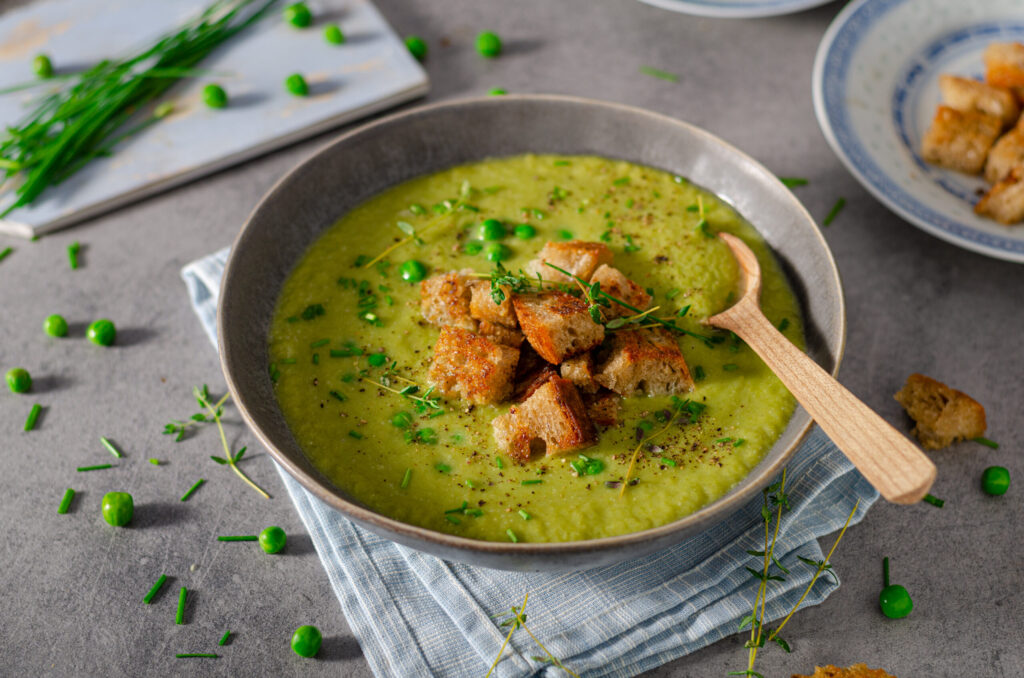
- Hernekeitto (pea soup): Thick green pea soup traditionally eaten on Thursdays.
- Poronkäristys (sautéed reindeer): A Lapland specialty served with mashed potatoes and lingonberry jam.
- Gravlax and smoked fish: Freshwater and sea fish are prepared in many ways, often with dill, lemon, and bread.
- Mustikkapiirakka (blueberry pie): A beloved dessert using wild berries abundant in Finnish forests.
Modern Nordic Dining:
Major cities like Helsinki, Turku, and Tampere offer Michelin-starred restaurants, modern bistros, and vegan-friendly eateries. Locally foraged ingredients like mushrooms, wild herbs, and game meats are often centerpieces in contemporary menus.
Popular Alcoholic Beverages:
- Koskenkorva: A popular Finnish vodka-like spirit made from barley and pure spring water.
- Salmiakki Koskenkorva: A unique liqueur made with salty licorice (salmiak) flavor—an acquired taste!
- Lonkero (Long Drink): A ready-mixed beverage combining gin and grapefruit soda, originally created for the 1952 Helsinki Olympics.
- Finnish Craft Beer: Finland has a growing microbrewery scene, producing IPAs, lagers, and seasonal ales.
- Cloudberry liqueur: A sweet after-dinner drink made from the rare golden Arctic berry.
Where to Eat:
- Traditional market halls (kauppahalli): Sample regional dishes and ingredients in an authentic setting.
- Forest cabins and lakeside cottages: Many locals prepare meals with wild-caught fish and foraged foods.
- Summer festivals and Christmas markets: Great for sampling seasonal delicacies and mulled wine (glögi).
Whether you’re dining in a cozy wooden cottage or exploring the Helsinki food scene, Finland’s cuisine offers a delicious glimpse into its heritage and lifestyle.
Finnish Culture and National Traditions
Finland’s culture is deeply rooted in simplicity, nature, and personal space. Its societal values emphasize equality, honesty, and trust. From quiet coffee rituals to wild summer celebrations, Finnish traditions offer a fascinating glimpse into a lifestyle shaped by climate, history, and community.
Cultural Characteristics:
- Sisu: A uniquely Finnish word describing resilience, perseverance, and courage in the face of adversity.
- Sauna Culture: With over 2 million saunas for 5.5 million people, the sauna is central to Finnish life. It’s a place to relax, cleanse, and even discuss important matters.
- Punctuality and directness: Finns value time and speak honestly, often avoiding small talk.
- Love of nature: Many Finns own a summer cottage (mökki) and spend holidays fishing, berry-picking, and enjoying the silence.
Key National Holidays and Traditions:
- Vappu (May 1): A celebration of workers and students, marked by parades, balloons, sparkling wine, and picnics in parks.
- Juhannus (Midsummer): Held in late June, this is one of Finland’s most beloved holidays. Families gather at summer cottages to light bonfires, take sauna, and celebrate the midnight sun.
- Independence Day (December 6): A solemn yet patriotic holiday with candle lighting and a televised presidential reception.
- Christmas (Joulu): Deeply traditional, celebrated with sauna on Christmas Eve, festive meals, and visits from Joulupukki (Santa Claus).
- Easter (Pääsiäinen): A mix of Christian and pagan traditions, with children dressing as witches and exchanging decorated twigs.
- Lucia Day (December 13): Borrowed from Sweden, this day honors Saint Lucia with candlelit processions, especially in coastal regions.
- Pikkujoulu (“Little Christmas”): A season-long pre-Christmas party tradition, popular among workplaces and friends.
Whether through candle-lit windows in December or spirited festivals in summer, Finnish traditions are heartfelt, respectful of nature, and infused with quiet joy. They reveal a society that finds beauty in simplicity and power in togetherness.
Working in Finland: Job Market and Salary Ranges
Finland offers a stable, innovation-driven job market with a strong emphasis on work-life balance, employee rights, and equality. The country ranks high for job satisfaction, especially in sectors like technology, education, and healthcare. For expats, opportunities are particularly strong in industries where English is the working language.
Employment Culture:
- Flat hierarchies and collaborative work environments
- Generous vacation policies, typically 4–5 weeks per year
- Paid parental leave and strong workplace protections
- Emphasis on work-life balance, with strict respect for working hours
In-Demand Sectors:
- Information Technology and Software Development
- Engineering (mechanical, electrical, civil)
- Healthcare and Nursing
- Education (especially early childhood and English-language programs)
- Renewable Energy and Environmental Technology
- Logistics, Transport, and Construction
Average Monthly Gross Salaries (EUR):
| Job Sector | Entry Level | Experienced |
|---|---|---|
| Software Developer | €3,000 – €4,000 | €4,500 – €6,000 |
| Mechanical Engineer | €2,800 – €3,800 | €4,000 – €5,500 |
| Registered Nurse | €2,600 – €3,200 | €3,500 – €4,500 |
| Primary School Teacher | €2,700 – €3,400 | €3,600 – €4,500 |
| Construction Worker | €2,400 – €3,000 | €3,200 – €4,200 |
| Logistics Coordinator | €2,500 – €3,300 | €3,500 – €4,500 |
| Chef (mid-level) | €2,300 – €2,900 | €3,000 – €4,000 |
| Cleaner | €1,800 – €2,200 | €2,300 – €2,700 |
Work Permits and Language:
- EU/EEA citizens do not need a work permit
- Non-EU citizens must apply for a residence permit based on employment
- Many companies operate in English, but Finnish is often essential for public sector jobs
Whether you’re in a high-tech field or looking for a role in public services, Finland’s labor market values qualifications, equality, and personal initiative. It’s a great place to grow professionally while enjoying a fulfilling personal life.
Fun and Surprising Facts About Finland
Finland is full of quirky, impressive, and sometimes surprising characteristics that make it stand out on the world stage. Beyond saunas and snowy winters, here are some fascinating facts to know:
- Land of a Thousand Lakes? Try 188,000!
Finland has more lakes than any other European country, with over 188,000 scattered across its landscape. - The World’s Happiest Country
Finland has ranked #1 in the UN World Happiness Report for several consecutive years, thanks to social trust, safety, and quality of life. - Midnight Sun & Polar Night
In the far north, the sun doesn’t set for weeks in summer and doesn’t rise for weeks in winter—creating magical extremes. - Coffee Champions
Finns consume more coffee per capita than any other nation—an average of 10–12 kg per person per year. - Home of the Moomins
These beloved characters, created by Tove Jansson, are a national treasure and popular worldwide. - WiFi & Tech Excellence
Finland was one of the first countries to declare internet access a legal right and is home to tech giants like Nokia and Rovio (Angry Birds). - Recycling Leaders
Over 90% of plastic bottles and aluminum cans are recycled in Finland, thanks to a highly efficient deposit system. - Santa Claus Lives Here
The official home of Santa Claus is in Rovaniemi, above the Arctic Circle, where you can visit year-round.
These fun facts illustrate Finland’s unique mix of natural wonders, cultural pride, and forward-thinking innovation that continues to impress locals and visitors alike.
Moving to Finland with VanOnSite
From the official VanOnSite Finland removal page:
“We offer tailored removal solutions to Finland, from full household removals to express transport. Whether you’re moving to Helsinki, Tampere, or a remote Lapland village—VanOnSite ensures your belongings arrive safely and on time.”
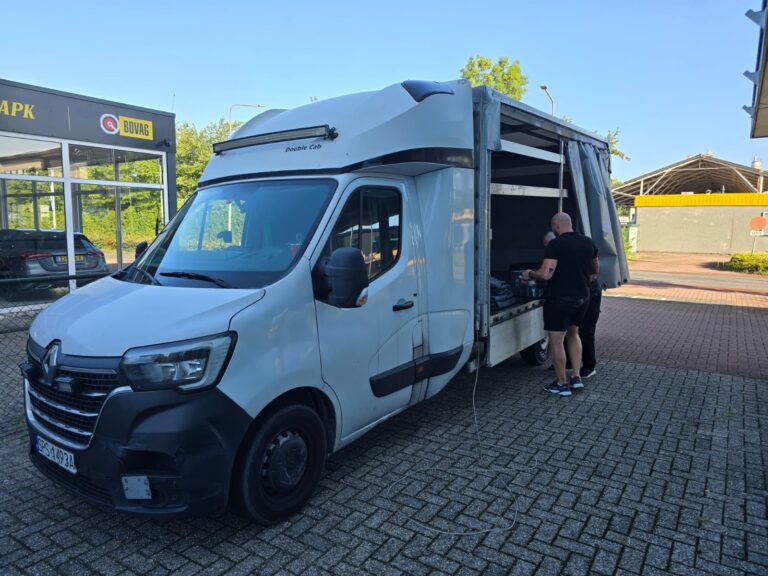
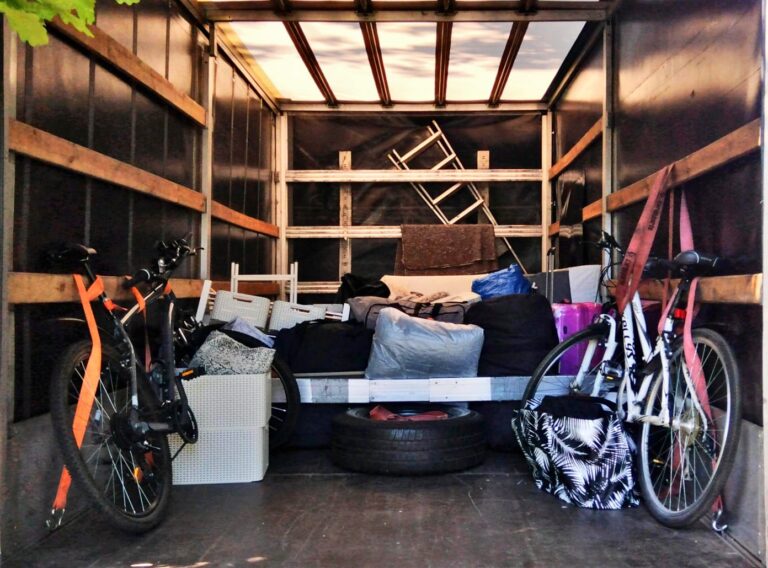
Relocating to a new country comes with unique challenges, especially when transporting your life’s belongings across borders. VanOnSite specializes in European relocations with comprehensive, end-to-end services tailored for international moves. Their expertise minimizes stress and ensures a seamless transition to your new Finnish home.
Services Include:
- Packing and loading support – Professional teams secure your items with precision and care.
- Customs paperwork assistance – Experts handle the legal documentation needed for EU-to-EU and EU-to-non-EU transfers.
- Storage options across Europe – Flexible storage solutions whether you need short- or long-term space.
- Real-time tracking – Stay updated on your shipment’s location and status throughout the journey.
- Express transport for smaller moves – Ideal for students, remote workers, or minimalist relocations.
- Special handling for fragile and valuable items – From artwork to electronics, items are treated with premium attention.
With VanOnSite, you’re not just hiring a mover—you’re gaining a strategic partner who understands the nuances of international transitions. Their multilingual support team and local Finnish logistics partners ensure your move is fast, secure, and tailored to your timeline.
Final Thoughts: Is Finland Right for You?
Finland offers an exceptional quality of life defined by natural beauty, cutting-edge infrastructure, and strong social support systems. From its progressive education and healthcare to the calm pace of everyday life, it’s a country that prioritizes well-being and sustainability.
However, adjusting to the Nordic climate, reserved social culture, and high cost of certain goods may take time and planning. Yet for those who appreciate nature, value equality, and want a safe, balanced lifestyle—Finland is a rewarding choice.
Whether you’re relocating for work, study, or family, understanding the cultural and practical aspects of Finnish life can make your transition smoother and more enriching.
Need a trusted partner to make your move seamless? Contact VanOnSite today to get a tailored relocation quote and expert assistance.
Frequently Asked Questions (FAQ)
1. Do I need to speak Finnish to live in Finland?
No, most Finns speak excellent English, especially in cities. However, learning Finnish will help with job opportunities and social integration.
2. How cold does it get in Finland?
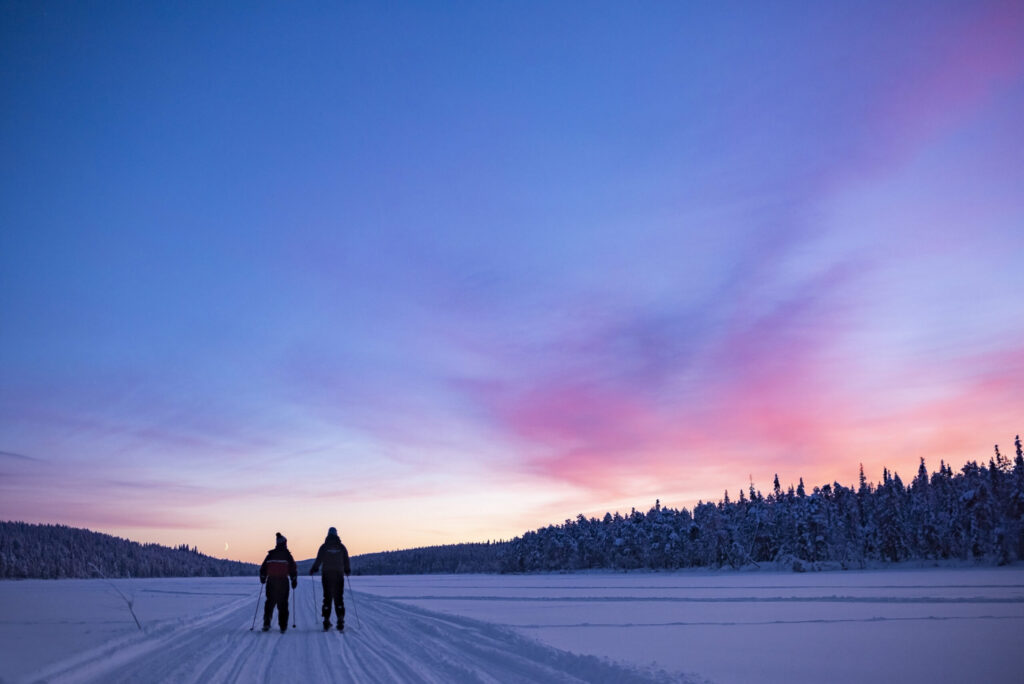
In winter, temperatures can drop as low as -25°C in the north and around -10°C in the south. Proper clothing and heated homes make it manageable.
3. Is healthcare really free?
Healthcare is publicly funded and low-cost for residents, though a small co-payment is often required for appointments or prescriptions.
4. Can I move to Finland as a non-EU citizen?
Yes, but you’ll need to apply for a residence permit based on employment, studies, or family ties.
5. What’s the job market like for foreigners?
English-speaking roles are common in tech, academia, and international companies. Other fields may require Finnish or Swedish proficiency.
6. Is Finland a good place to raise children?
Absolutely. Finland offers free education, safe neighborhoods, and generous parental benefits. It regularly ranks among the best places to raise a family.
7. How expensive is living in Finland compared to other countries?
Day-to-day expenses (like dining or alcohol) can be high, but public services (healthcare, education, childcare) are often more affordable or free.
8. What’s the best way to move to Finland?
Partner with a professional service like VanOnSite to handle logistics, customs, and transportation smoothly.