Introduction
Living in France starts with embracing a lifestyle where culture, cuisine, and community converge to create an unforgettable experience. From the cobblestone streets of medieval villages to the vibrant energy of cosmopolitan cities, France beckons with its blend of tradition and modern living. Whether you’re drawn to the art-filled boulevards of Paris, the sun-drenched vineyards of Provence, or the snow-capped peaks of the Alps, every region offers unique opportunities to work, live, and thrive.
As you plan your move, understanding local customs, navigating administrative processes, and budgeting for daily expenses will help ensure a seamless transition. With its world-class healthcare, renowned education system, and unparalleled quality of life, France remains one of the most desirable destinations for expatriates worldwide.
Key Takeouts
- France offers a rich blend of culture, history, and modern amenities.
- Regional diversity means there’s a lifestyle for every preference.
- Mastering local customs and basic French boosts integration.
- Budgeting for housing, utilities, and daily expenses is crucial.
- Strong public services guarantee excellent healthcare and education.
- Proper planning simplifies administrative and relocation processes.
What is the cost of living in France
Whether you’re moving to bustling Paris or a quaint village in Provence, budgeting is key. Below is an overview of typical monthly costs:
| Expense | Monthly Cost (€) |
| Rent (1BR in city centre) | 700–1,200 |
| Utilities (electricity, water, internet) | 100–200 |
| Groceries | 200–300 |
| Public Transport | 50–80 |
| Health Insurance & Social Charges | 40–80 |
| Beer (0.5L domestic) | 2–4 |
| Wine (bottle of mid-range) | 8–15 |
| Bread (1 baguette) | 1–1.50 |
| Fruit (per kg) | 2–4 |
| Fuel (per litre) | 1.60–1.80 |
| Cheese (per 200g) | 3–6 |
| Café (regular cappuccino) | 2.80–4 |
| Gym membership (monthly) | 25–50 |
| Cinema ticket | 10–12 |
| Restaurant meal (mid-range, per person) | 15–25 |
Tips to Save
- Share an apartment: Splitting rent and utilities with roommates can reduce housing costs by up to 50%.
- Seasonal markets: Purchase fresh, locally grown produce at farmers’ markets to save 20–30% compared to supermarkets.
- Railcards & passes: Invest in regional railcards (e.g., Carte Jeune, Carte Senior) or monthly transport passes to cut train and metro fares by up to 50%.
- Local discount stores: Shop at retailers like Aldi, Lidl, or Leader Price for everyday groceries at lower prices.
- Cook at home: Plan meals and batch-cook to avoid daily dining out; this can slash your food budget by 40%.
- Shop during sales: Take advantage of the biannual soldes (winter and summer sales) to score clothing and household items at discounts of 30–70%.
- Free cultural activities: Many museums and galleries offer free entry on the first Sunday of each month or reduced rates for students and seniors.
- Buy second-hand: Explore brocantes (flea markets) and online platforms like Leboncoin for furniture and décor at bargain prices.
- Use cashback and coupon apps: Leverage apps like FidMe or Ma Reduc to earn rewards and find discount codes for dining, shopping, and services.
- Negotiate bills: Review and compare insurance, phone, and energy providers annually to find better rates and negotiate lower premiums.
What is it Like Living in France?
Daily Life & Culture
French life revolves around community, quality food, and a balanced pace—both in and out of the office.
Work
- 35‑hour workweek: The legal maximum ensures you have ample time for yourself and family.
- Lunch culture: A one‑hour break for a sit‑down meal is typical, promoting social connection and recharging.
- Flexible schedules: Many companies offer télétravail (remote work), especially after the pandemic, blending work and personal life.
Housing
- Apartment hunting: From Haussmannian flats in Paris to rural farmhouses in Burgundy, options cater to all tastes and budgets.
- Lease terms: Standard leases are for one year, renewable automatically—look for furnished (meublé) if you need short‑term flexibility.
- Utilities and services: Broadband, electricity, and gas are straightforward to set up online, often bundled with competitive rates.
Leisure
- Cultural immersion: Weekly marchés (markets) and local fêtes celebrate regional produce, music, and crafts.
- Sport & wellness: Cycling along canal paths, yoga in city parks, and fully equipped municipal gyms keep you active.
- Nightlife & dining: Cafés stay open late; restaurants range from bistros to Michelin‑starred temples of gastronomy.
Real-Life Stories
Anna’s Parisian Pivot: Anna, a graphic designer from Warsaw, landed a remote role with a French startup. She rents a charming studio in Montmartre (€900/month) and balances client calls with morning croissants at her local boulangerie. On weekends, she explores art exhibits at the Centre Pompidou and practices French with her neighbours.
David’s Dordogne Dream: After retiring from teaching, David and his wife moved to a stone cottage in a Dordogne village (€650/month). They grow vegetables in their garden, host international potlucks at the community hall, and volunteer at the local film club, making every day an adventure in rural France.
Leïla’s Lyon Adventure: Leïla, an IT consultant originally from Algiers, commutes by tram to Lyon’s tech district. She lives with two roommates in a refurbished apartment (€550/month each), attends language exchange nights at a nearby café, and cycles along the Rhône after work to unwind before enjoying a traditional bouchon dinner.
What is the Standard of Living in France?
France consistently ranks high for healthcare, education, public services, and overall quality of life. Let’s delve deeper:
Healthcare
- Universal coverage via Sécurité Sociale: Residents contribute payroll taxes to access national health insurance covering 70–80% of medical expenses, with optional complementary private mutuelle plans.
- Low out-of-pocket costs: A standard GP visit costs around €25, and you typically receive reimbursement within days of submitting your feuille de soins.
- State-of-the-art facilities: Major hospitals in Paris and other large cities boast cutting-edge technology, while regional clinics ensure comprehensive care nationwide.
- Preventive care initiatives: Regular screenings for cancer, cardiovascular health, and vaccinations are widely available and often free.
Education
- Free public education: From crèche (nursery) and école maternelle (preschool) through lycée (high school), public schools are tuition-free.
- Renowned higher education: Universities charge nominal fees (around €170/year for undergraduates), and Grandes Écoles like Sciences Po and École Polytechnique offer elite programs.
- Bilingual and international options: Many schools provide English-French bilingual tracks and the International Baccalaureate.
- Vocational pathways: CAP and BTS programs equip students with practical skills in fields from hospitality to mechanics.
Infrastructure
- Extensive rail network: TGV trains travel up to 320 km/h, connecting Paris with Lyon, Marseille, Bordeaux, and more in under three hours.
- Robust urban transit: Metro systems in Paris, Lyon, Marseille, and tram networks in smaller cities make commuting efficient and affordable.
- Well-maintained roads and péages: Autoroutes (tolled highways) are clean and fast; regional routes allow scenic travel between towns.
- Digital connectivity: Near-universal 4G/5G coverage, average urban broadband speeds of 50 Mbps, and growing fiber-optic rollout.
Social Safety & Quality of Life
- Comprehensive social benefits: Unemployment insurance, family allowances, and a strong pension system cushion financial risks.
- Work–life balance: A legal 35-hour workweek, minimum five weeks paid vacation, and up to 12 public holidays annually.
- Safety and security: Low violent crime rates in most areas and reliable emergency services (SAMU 15 for medical, 17 for police).
- Environmental standards: Strict air and water quality regulations, abundant green spaces, and national parks promoting outdoor activities.
Quick Facts
- Life expectancy: ~82 years
- Public holidays: 11 nationwide days off + regional festivities
- Internet speed: Average 50 Mbps
- Paid vacation: Minimum 5 weeks
- Childcare costs: Subsidized crèches from €0.15/hour
Bad Things About Living in France
- Bureaucracy overload: Expect lengthy paperwork for visas and permits, compounded by regional variations in administrative processes and quota delays.
- Language barrier: Outside major cities, English proficiency is limited, making daily tasks and social integration more challenging.
- High taxes: Income tax and social charges can exceed 45%, with additional local taxes and levies on goods and services.
- Strikes & protests: Frequent labour actions can disrupt transport, public services, and utilities, affecting daily routines.
- Housing shortages: Competition for affordable housing is fierce in major cities and popular regions, a situation intensified by increased demand, including from newly arrived refugee families.
- Social tensions & integration challenges: The influx of refugees has strained local resources in some areas, leading to cultural friction and resource competition.
How to Cope
- Hire a relocation agent or legal adviser to streamline visa, permit, and residency applications across different prefectures.
- Enroll in intensive French courses or language exchange meetups to boost communication skills and confidence.
- Consult a local accountant to optimize tax planning, explore deductions, and set aside a clear budget for social charges.
- Monitor transport and union announcements; plan travel and appointments during non-strike periods or use flexible work options.
- Begin housing searches early, consider suburbs or emerging regions, and use reputable platforms like seloger.com or specialised relocation services.
- Volunteer with local NGOs supporting refugee integration to build community ties, understand social dynamics, and contribute positively to local challenges.
Moving to France from the UK
Step-by-Step Guide
- Entry & Visa Requirements:
- Valid passport: Must be valid for at least 6 months beyond entry date.
- Visa categories:
- Short-stay (Schengen): Up to 90 days; UK citizens visa-free but will need ETIAS authorization starting late 2025.
- Long-stay visa (VLS-TS): Required for stays over 90 days; apply at your nearest French consulate before departure.
- EU Blue Card: For highly skilled workers; valid with a work contract offering at least €56,000 gross/year.
- Documentation: Completed visa application form, passport photos, proof of accommodation, travel/health insurance, flight reservations, and criminal record check.
- Work Authorization & Employment Documents:
- Signed work contract or job offer: Detailing role, salary, and contract duration.
- Work permit (Autorisation de travail): Employer applies on your behalf through the regional DIRECCTE.
- EU Blue Card application: Submit via France’s OFII (Office Français de l’Immigration et de l’Intégration) with diplomas and proof of qualifications.
- Social security registration: Obtain your French social security number (numéro de sécurité sociale) from CPAM.
- Tax identification: Request a numéro fiscal from the local tax office to file income taxes.
- Healthcare & Social Services Registration:
- Register with the Caisse Primaire d’Assurance Maladie (CPAM) within three months of arrival.
- Secure your attestation de droits and apply for a Carte Vitale to benefit from state reimbursements.
- Consider a mutuelle complémentaire (top-up insurance) to cover the remaining 20–30% of medical costs.
- Bank Account, Utilities & Digital Services:
- Open a French bank account: You’ll need your passport, visa, proof of address, and employment contract (or student certificate).
- Set up utilities: Electricity, gas, water, and internet typically require proof of address and a direct debit bank mandate.
- Mobile phone & internet: Compare offers from major providers (Orange, SFR, Bouygues) and low-cost MVNOs (Free, La Poste Mobile) for the best prepaid or postpaid plans.
- Customs, Border Controls & Allowed Goods:
- Alcohol & tobacco allowances (per traveller):
- 10 L spirits, 20 L fortified wine, 90 L table wine, 110 L beer.
- 200 cigarettes or 100 cigarillos or 50 cigars or 250 g of tobacco.
- Currency: Declare any cash, cheques, or bearer negotiable instruments totaling over €10,000.
- Food, plants & animal products: Many items (meat, dairy, live plants) require EU phytosanitary certificates; check restrictions in advance.
- Pets: Must have an EU pet passport with valid rabies vaccination and up-to-date health certificates.
- Other regulated goods: Firearms, certain prescription medications, and commercial merchandise necessitate special licences or import declarations.
Checklist
- Valid passport (≥6 months validity)
- Appropriate visa or ETIAS authorization
- Signed work contract or formal job offer
- Approved work permit or EU Blue Card
- Proof of accommodation (rental agreement or invitation)
- Travel and health insurance certificate
- Social security registration confirmation
- Bank account details and proof of address
- Phytosanitary certificates for restricted food or plant imports
- EU pet passport and health certificates (if applicable)
- Cash declaration for sums > €10,000
How Much Money Do You Need to Live in France After Brexit?
Post-Brexit regulations require UK nationals to prove sufficient income or savings when applying for long-stay visas and residency in France. Your demonstrated resources will impact visa approval, residency cards, and access to services.
| Household Type | Minimum Monthly Income (€) | Recommended Savings Buffer |
|---|---|---|
| Single adult | 1,354 | 4,062 (3 months) |
| Single adult (Paris area) | 1,600–1,800 | 5,400 (3 months) |
| Couple | 2,000 | 6,000 (3 months) |
| Family of four | 4,000 | 12,000 (3 months) |
| Retiree | 2,000 | 6,000 (3 months) |
Key Considerations
- Regional variation: Costs in Paris and Côte d’Azur run 20–30% higher than in rural or small-town France. Adjust your income proof accordingly.
- Visa-specific thresholds:
- VLS-TS (long-stay student visa): Must demonstrate at least €615/month if under a scholarship, or show parental support.
- Talent Passport (EU Blue Card): Requires gross annual salary ≥ €56,000 (~€4,600/month).
- Family reunification: Sponsors must earn at least the French minimum wage (SMIC) of €1,353 net/month.
- Documenting finances: Provide 3–6 months of bank statements, pension statements, or employer sponsorship letters to satisfy prefecture requirements.
- Savings vs. income: A combination of guaranteed income (salary, pension) and liquid assets strengthens your application—banks will consider both for issuing a French bank guarantee.
- Cost breakdown: Typical monthly expenses include rent (40–50% of income), utilities (5–10%), groceries and dining (15–20%), transport (5%), insurance and healthcare (5–10%), and leisure (10%).
Budgeting Example for a Single Adult in Lyon
- Rent (1BR): €700
- Utilities & internet: €150
- Groceries & dining: €250
- Transport pass: €60
- Insurance & healthcare co-pays: €60
- Leisure & miscellaneous: €134
Total: €1,354/month — exactly meeting the minimum requirement.
Pro Tip: Aim to exceed the minimum by 10–15% to account for visa processing scrutiny and unforeseen expenses. Maintaining a 3–6 month buffer not only satisfies immigration rules but also provides peace of mind as you settle into your new life.—
Retiring to France from the UK
France is a top retirement destination for Brits, offering:
- Healthcare perks: Access to public healthcare (PUMa) after just 3 months.
- Cost advantages: Rental and purchase prices outside major cities can be 30–50% lower.
- Lifestyle: Mild climate, rich cultural heritage, and strong expat communities.
Required Documents
- Valid passport with at least 6 months’ validity beyond planned entry.
- Long‑stay “retirement” visa (VLS‑TS retraité), available at French consulates.
- Proof of stable pension or income ≥ €2,000/month (pension statements or bank letters).
- Comprehensive travel health insurance valid for French entry period.
- Attestation d’accueil or signed rental agreement (proof of accommodation).
- Birth/marriage certificates (translated into French and apostilled).
- Police clearance certificate (extrait de casier judiciaire) if required by consulate.
Housing Prices by Location
| Location | Average Rent (1BR/month) | Average Purchase (€/m²) |
|---|---|---|
| Paris (city centre) | 1,200–1,800 | 10,000–15,000 |
| Lyon | 700–1,000 | 5,000–7,000 |
| Nice | 800–1,200 | 6,000–8,000 |
| Small towns (e.g., Limoges, Poitiers) | 450–600 | 2,000–3,000 |
| Villages (e.g., Dordogne region) | 350–500 | 1,800–2,500 |
Popular Retirement Destinations
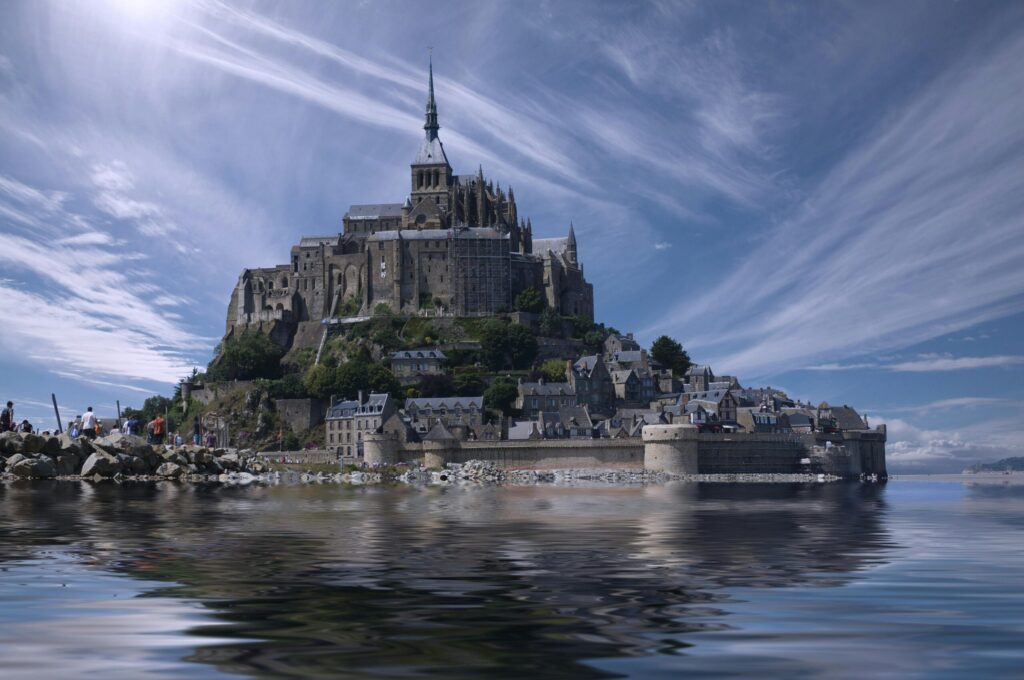
- Normandy: Coastal charm in Honfleur and Bayeux, with moderate prices and scenic walks.
- Dordogne: Picturesque villages around Sarlat and Bergerac, ideal for a tranquil rural life.
- Provence: Avignon and Aix‑en‑Provence combine warm weather with Provençal markets.
- Brittany: Historic towns like Vannes and Saint‑Malo, known for fresh seafood and ocean views.
- Loire Valley: Touraine’s castles, vineyards, and riverside living in Tours and Amboise.
How Van Onsite Supports Your Move
Van Onsite specializes in seamless relocations for retirees moving from the UK to France. Our dedicated team handles:
- Custom packing: Tailored packing materials and fragile‑item expertise.
- Comprehensive customs clearance: Documentation for duty‑free personal effects.
- Door‑to‑door delivery: Trusted partners across France to ensure timely arrival.
- Settlement assistance: Advice on setting up utilities, banking, and local services.
Embark on your French retirement with confidence—Van Onsite will take care of the logistics so you can focus on enjoying your new life.
Cuisine: A Gastronomic Journey
French cuisine is celebrated worldwide for its diversity, quality ingredients, and regional specialties. Living in France means indulging in everything from rustic country fare to refined gourmet dining. Here’s what to expect:
Iconic French Foods
- Baguette & Pastries: Freshly baked baguettes are a daily staple; sample flaky croissants, pain au chocolat, and brioches at your local boulangerie.
- Cheese Varieties: With over 1,200 cheeses, favourites include Camembert (Normandy), Roquefort (Occitanie), and Comté (Franche-Comté). Try cheese boards paired with crusty bread.
- Charcuterie & Pâtés: From saucisson sec to pâté de campagne, these cured meats make perfect appetizers with a glass of wine.
- Coq au Vin & Boeuf Bourguignon: Hearty stews slow-cooked in wine, onions, mushrooms, and bacon—ideal for cozy evenings.
- Ratatouille & Salade Niçoise: Fresh vegetable dishes emblematic of Provence, bursting with seasonal flavours.
French Wine & Beer
| Beverage | Region | Price Range (€) |
|---|---|---|
| Bordeaux Red | Bordeaux | 6–15 |
| Champagne | Champagne | 20–40 |
| Chablis (white) | Burgundy | 10–25 |
| Côtes du Rhône | Rhône Valley | 8–18 |
| Craft Beer | Various Microbrasseries | 3–6 per 0.33L |
| Beer (domestic) | Major Brands (e.g., Kronenbourg) | 2–4 |
Dining Experiences
- Bistros & Brasseries: Casual spots serving classics like steak frites and onion soup.
- Michelin-Starred: For special occasions, book ahead at renowned restaurants from Paris to Lyon.
- Food Markets: Marchés such as Marché d’Aligre (Paris) and Les Halles (Lyon) offer fresh produce, cheese, seafood, and street food stalls.
- Wine Bars & Caves: Sample regional wines by the glass; many feature tasting events and cellars selling bottles to take home.
- Farm-to-Table: In rural areas, small producers sell directly—visit fermes for fresh milk, eggs, and homemade charcuterie.
Tips for Culinary Savings
- Prix Fixe Menus: Many restaurants offer a set lunch menu (menu du jour) at reduced prices (€15–25).
- Happy Hours (L’Apéro): Early evening drink specials on wine, beer, and cocktails.
- Picnic Culture: Grab ingredients from local markets and enjoy al fresco dining in parks or by the river.
- Self-Catering: Cooking with local ingredients at home saves up to 50% compared to dining out.
Enjoy the flavours of France every day—whether sampling artisan cheese with neighbors or celebrating with Champagne, the culinary scene is an integral part of living in France.
French Culture and Traditions
France is a nation steeped in traditions and celebrated national holidays that bring communities together year-round. From the grandeur of Bastille Day to intimate village festivals, here’s a glimpse into the cultural tapestry that defines life here:
National Holidays
- Bastille Day (La Fête Nationale) – July 14: Marks the 1789 storming of the Bastille with a military parade on the Champs-Élysées, spectacular fireworks, and community dances known as bals populaires.
- Labour Day (Fête du Travail) – May 1: Workers’ holiday marked by demonstrations, and the gifting of lily-of-the-valley (muguet) for good luck.
- Victory in Europe Day (VE Day) – May 8: Commemorates the end of WWII in Europe with ceremonies at town squares and war memorials.
- Armistice Day – November 11: Honors the end of WWI with solemn wreath-laying at monuments across France.
- Christmas (Noël) – December 25: Family gatherings, illuminated markets (marchés de Noël), and festive meals featuring foie gras, oysters, and the traditional yule log (bûche de Noël).
Traditions and Customs
- Sunday family meals: Multi-course lunches bring generations together around regional specialties and local wines.
- Apéritif rituals: Pre-dinner gatherings with drinks (pastis, kir, champagne) and small bites promote conviviality.
- Regional festivals: From Nice’s Carnival to the lavender festivals in Provence, each region showcases its heritage with parades, music, and local fare.
- Saints’ feast days: Many towns honor their patron saints with processions, village fairs, and shared meals.
- Pétanque: The beloved pastime of boules played on village squares, reflecting the French passion for leisurely sport.
Everyday Cultural Highlights
- Art & Literature: Museums like the Louvre and writers’ salons underscore France’s global influence in the arts.
- Language Pride: The Académie Française safeguards the French language, reinforcing its role in national identity.
- Café Culture: Sitting at an outdoor terrasse with an espresso is a cherished ritual for people-watching and conversation.
- Fashion & Style: Paris Fashion Week and local boutiques highlight France’s reputation as a style leader.
- Cinema: The Cannes Film Festival and neighbourhood cinémas celebrate France’s storied film tradition.
Places Worth Visiting in France
France offers a wealth of destinations for every taste, from iconic cities to hidden gems, winter resorts, and mountain trails. Here’s a curated selection:
Popular Cities
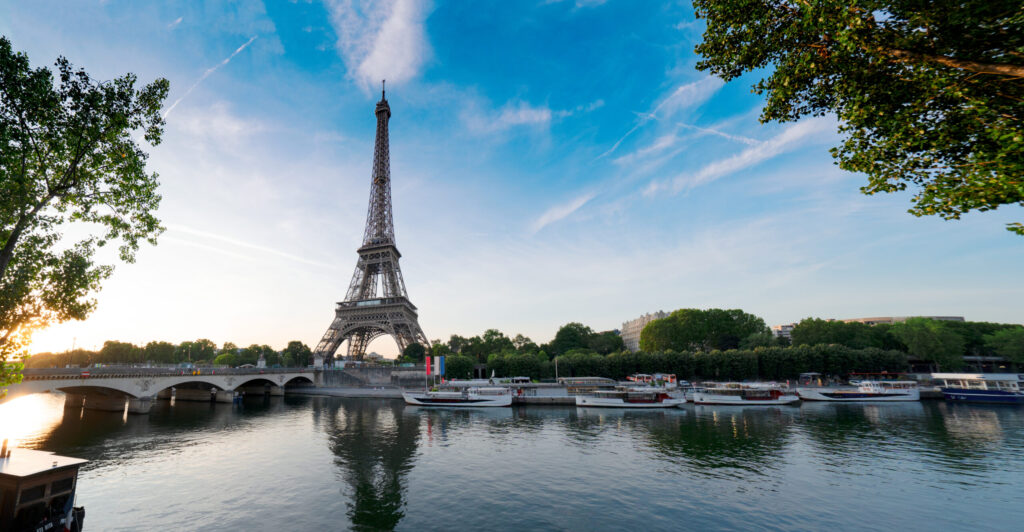
- Paris: The “City of Light” dazzles with the Eiffel Tower, Louvre Museum, and vibrant neighbourhoods like Le Marais and Montmartre.
- Lyon: Renowned for its UNESCO-listed Old Town, world-class gastronomy, and the scenic Croix-Rousse district.
- Marseille: A bustling Mediterranean port with the historic Vieux-Port, Calanques National Park, and diverse cultural scene.
- Bordeaux: Famous for wine, elegant façades, and the miroir d’eau on Place de la Bourse.
Lesser-Known Towns & Villages
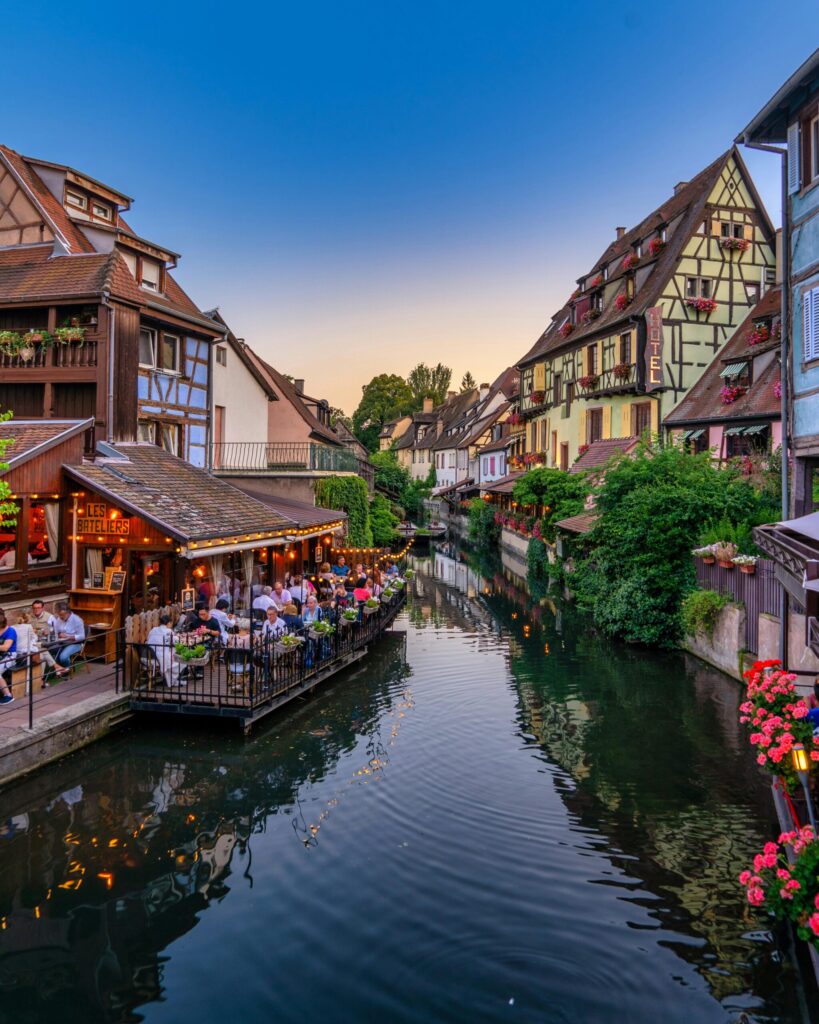
- Colmar (Alsace): Storybook half-timbered houses, canals, and the annual Christmas market.
- Annecy (Haute-Savoie): “Venice of the Alps” with turquoise lake waters and mountain views.
- Carcassonne (Occitanie): A medieval fortress city with double ramparts and lively summer festivals.
- Rocamadour (Lot): Cliffside pilgrimage site overlooking the Alzou canyon.
Winter Sports & Alpine Resorts
- Chamonix-Mont-Blanc: The birthplace of alpine climbing, with skiing, mountaineering, and panoramic Aiguille du Midi cable car.
- Courchevel (Les Trois Vallées): Luxury resort complex offering world-class pistes and après-ski.
- Val d’Isère/Tignes: Extensive ski area, reliable snow, and vibrant village life.
- Les Deux Alpes: Year-round glacier skiing and lively on-piste entertainment.
Mountain Trails & Hiking
- GR20 (Corsica): One of Europe’s toughest long-distance treks, traversing Corsica’s rugged interior over 180 km.
- Tour du Mont Blanc: 170 km loop through France, Italy, and Switzerland, offering alpine meadows and glacier vistas.
- Mercantour National Park: Gentle trails around Italian border, wildlife spotting (ibex, marmots) and high plateaus.
- Calanques Coastal Path (Provence): Dramatic white limestone cliffs and hidden coves between Marseille and Cassis.
Whether you seek cosmopolitan culture, quaint village charm, adrenaline-pumping winter sports, or serene mountain hikes, France’s diverse landscapes ensure unforgettable adventures.
Thriving Sectors in France and Opportunities for Careers, Growth & Studies
France’s economy is diverse and dynamic, with several sectors experiencing robust growth and offering exciting career and educational opportunities:
Key Growth Sectors
- Technology & Digital Services: Paris’s ‘Station F’ and Lyon’s tech hubs drive startups in AI, cybersecurity, and SaaS. Demand is high for software engineers, data scientists, and digital marketers.
- Renewable Energy & Sustainability: With the government’s target to reach carbon neutrality by 2050, roles in solar and wind project management, environmental engineering, and green finance are flourishing.
- Biotechnology & Pharmaceuticals: France hosts leading firms like Sanofi and rising biotechs in Lyon and Toulouse, offering positions in R\&D, clinical trials, and regulatory affairs.
- Aerospace & Defense: Anchored by Airbus in Toulouse and Safran in Paris, this sector seeks aeronautical engineers, avionics specialists, and supply‑chain experts.
- Luxury Goods & Fashion: The world-renowned maisons in Paris require talent in design, brand management, and e‑commerce, with internships and graduate programs widely available.
- Agri‑Food & Wine: Regions such as Bordeaux and Champagne blend tradition and innovation, creating roles in viticulture, export management, and food‑tech.
- Tourism & Hospitality: With France consistently topping tourism charts, hospitality managers, sommeliers, and event coordinators are highly sought after.
Career Development & Work Opportunities
- Internships and Apprenticeships: The ‘alternance’ system combines education with on‑the‑job training, emphasizing work‑study contracts in many sectors.
- Job Portals & Networking: Platforms like APEC.fr (executives), Pôle Emploi (public), and LinkedIn France help you connect with recruiters and attend sector‑specific meetups.
- Professional Certifications: Bodies such as RNCP (Répertoire National des Certifications Professionnelles) accredit vocational diplomas; upskilling in languages (DELF/DALF) and digital tools (Google Analytics, AWS) adds competitiveness.
Educational Pathways & Research
- Grandes Écoles: École Polytechnique, HEC Paris, and Télécom Paris offer elite master’s and executive programs—many taught in English and with international cohorts.
- Universities & Institutes: Public universities like Sorbonne, Grenoble INP, and Université de Bordeaux provide specialized degrees in engineering, business, and life sciences at low tuition fees.
- Vocational Training (BTS, DUT): Two‑year diplomas in fields like hospitality management, industrial maintenance, and digital communications prepare students for immediate entry into the workforce.
- Doctoral Research: CNRS‑affiliated labs and university research centers in Paris-Saclay and Marseille support PhD candidates in cutting‑edge science and engineering projects.
Embarking on a career or further studies in France means tapping into a supportive ecosystem of government incentives, competitive salaries, and global networks—making it an ideal destination for professional growth.
Moving with Van Onsite: Your Trusted Partner
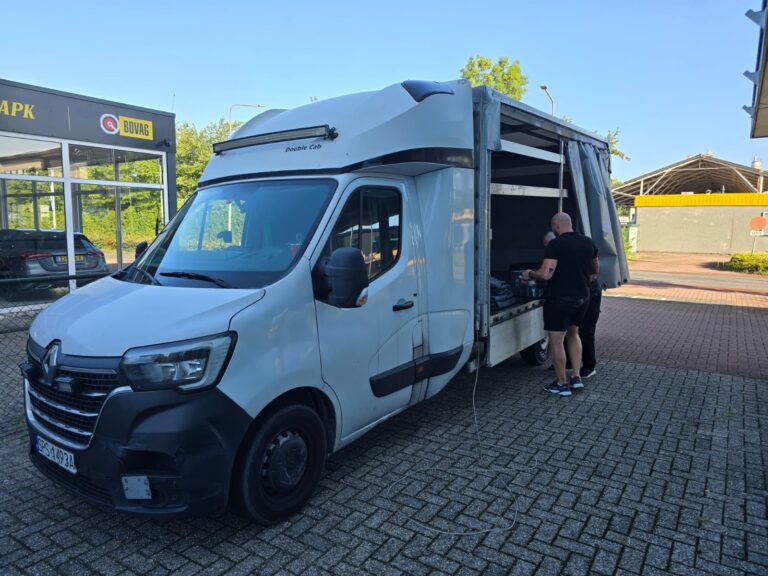
Choosing the right relocation partner can make all the difference in a stress-free move. Van Onsite specializes in European removals, offering tailored solutions and end-to-end support:
- Personalised planning: We begin with a detailed survey of your belongings and requirements, providing a transparent quote and timeline.
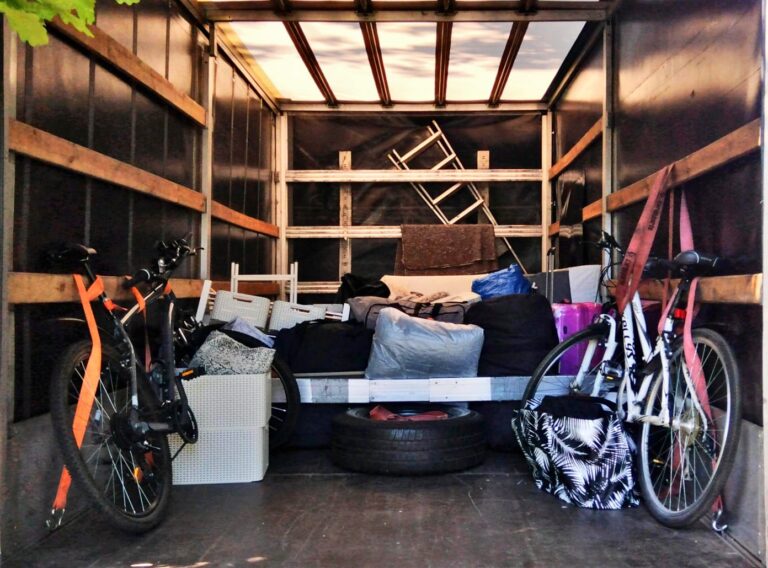
- Professional packing: Our teams use high-grade materials—custom crates, padded covers, and climate-controlled containers—to safeguard fragile, valuable, and temperature-sensitive items.
- Customs expertise: Navigating UK–France border controls is seamless with our in-house customs specialists who prepare declarations, handle phytosanitary paperwork, and secure duty exemptions.
- Secure transport: Modern fleet of vehicles equipped with GPS tracking ensures real-time updates and predictable arrival schedules.
- Insurance options: Choose from comprehensive coverage plans that protect against loss, damage, and delays, including third-party liability and all-risks policies.
- Door-to-door delivery: From your front door in the UK to your new home in France, Van Onsite’s local partners facilitate unloading, unpacking, and debris removal.
- Settlement assistance: Post-move support includes guidance on utility setup, local registrations, and recommendations for translators, real estate agents, and community groups.
- Flexible storage solutions: Short- or long-term storage available in secure, monitored facilities across Europe, with easy access as your timeline evolves.
With Van Onsite, enjoy peace of mind and personalised service every step of the way.
Conclusion & Call to Action
This article provided an in-depth overview of living in France: budgeting monthly expenses and top money-saving strategies; insights into daily life, work culture, housing, and leisure; essential steps for visa applications, residency, and post-Brexit financial requirements; exploration of healthcare, education, and infrastructure; candid challenges like bureaucracy, language barriers, and housing shortages; retirement planning with popular regions and housing costs; the rich tapestry of French cuisine and cultural traditions; must-visit cities, hidden gems, ski resorts, and hiking trails; and a look at burgeoning industries with pathways for careers and study. Equipped with these practical tips and first-hand stories, you’re now prepared to navigate the French way of life and make informed decisions for your move.