Living in France vs Netherlands: Ultimate Comparison for Expats
Both France and the Netherlands are magnets for expats seeking rich culture, high quality of life, and strong economies. But which country offers better value, simpler bureaucracy, or friendlier locals? Whether you’re relocating for work, love, or adventure—this guide helps you decide with facts, numbers, and real-life insight.
Let’s dive into the ultimate 2025 comparison of living in France vs Netherlands!
Cost of Living: France vs Netherlands
One of the biggest concerns when moving abroad is affordability. Both countries are considered relatively expensive by global standards, but they differ in specific areas.
| Expense | France (Average) | Netherlands (Average) |
|---|---|---|
| Rent (1BR City Center) | €1,100 | €1,600 |
| Groceries (monthly/person) | €300 | €350 |
| Public Transport (monthly) | €75 | €100 |
| Internet (monthly) | €30 | €40 |
| Dinner for Two (mid-range) | €60 | €70 |
💡 Verdict: The Netherlands tends to be more expensive for rent and transport. France offers better affordability in smaller cities.
Job Market and Work Culture Compared
| Aspect | France | Netherlands |
|---|---|---|
| Average Work Week | 35 hours (regulated) | 38–40 hours |
| Hiring Process | Longer, more bureaucratic | Faster, digital-first |
| Work Culture | Formal, hierarchical | Informal, flat structure |
| English Jobs | Limited to large cities | Widely available, even in smaller towns |
🇫🇷 France values tradition and job security, while 🇳🇱 the Netherlands leans toward flexibility and innovation.
Taxes and Social Contributions
| Tax Type | France | Netherlands |
|---|---|---|
| Income Tax | Progressive up to 45% | Progressive up to 49.5% |
| Social Security | Very high | Moderate to high |
| Health Insurance | Covered under social system | Private with mandatory fees |
| Pension Contributions | Compulsory, high | Compulsory, tiered |
📌 Conclusion: While both are high-tax countries, France’s contributions are heavier but cover more services.
Healthcare Systems: What Expats Should Know
France’s public healthcare system is highly rated globally and mostly state-funded. The Netherlands uses a private model with mandatory insurance, but the quality is equally exceptional.
| Factor | France | Netherlands |
|---|---|---|
| Health Insurance Cost | ~€0–€50/month (after state coverage) | ~€130/month (basic plan) |
| GP Availability | Good, with wait times | Very good, efficient |
| Emergency Services | State-covered | Partially covered with insurance |
💊 Tip: In both countries, private top-up plans are common among expats.
Quality of Life: City vs Countryside
| Lifestyle Type | France | Netherlands |
|---|---|---|
| Urban Living | Diverse, busy, culture-rich | Organized, clean, compact |
| Rural Living | Charming but less connected | Less common, infrastructure is urban-focused |
| Work-Life Balance | High value placed on leisure | Strong emphasis on flexible schedules |
🏡 If you prefer quiet wine regions, France wins. If you love bikeable, urban convenience, the Netherlands takes the crown.
Cultural Differences Between French and Dutch People
- French: Value discretion, formal greetings, tradition, and long meals.
- Dutch: Extremely direct, punctual, modest, and efficient.
💬 Everyday Insight: French people love long debates over dinner. Dutch neighbors will knock if your bike is parked slightly wrong—because order matters.
Housing and Rent Prices
| Housing Category | France (Paris) | Netherlands (Amsterdam) |
|---|---|---|
| Studio Apartment | €1,000 | €1,350 |
| Suburban Apartment | €800 | €1,100 |
| House (3BR) | €1,600 | €2,200 |
Expat Tip: Dutch housing requires deposits and long waiting lists. In France, bureaucracy can delay contract approvals.
Transportation and Daily Mobility
The Netherlands is king when it comes to biking and public transport reliability. France boasts the TGV—Europe’s fastest train.
| Mode of Transport | France | Netherlands |
|---|---|---|
| Bike Infrastructure | Growing but patchy | Best in Europe |
| Train Network | Extensive (TGV) | Good, NS Intercity |
| Car Ownership | Common in suburbs | Less common, parking expensive |
🚴 Choose the Netherlands if you want to ditch the car.
Education and International Schools
Both countries offer excellent education, with strong options for international families.
| Factor | France | Netherlands |
|---|---|---|
| International Schools | Plentiful in large cities | Plentiful across regions |
| Public School Quality | Very good | Excellent |
| School Hours | Traditional, longer breaks | Compact, shorter days |
📘 The Netherlands is known for progressive education models.
Weather and Climate: France vs Netherlands
| Season | France | Netherlands |
|---|---|---|
| Summer | Warm and dry in the south | Mild, chance of rain |
| Winter | Colder inland, snow in Alps | Grey, wet, mild |
| Rainfall | Moderate | Frequent and evenly distributed |
☔ In short: The Netherlands is wetter; France has more sunshine and diversity.
Language Barrier: French vs Dutch
| Language Factor | France | Netherlands |
|---|---|---|
| English Proficiency | Low outside big cities | Very high |
| Language Difficulty | French is global, but harder | Dutch is complex, less global |
| Daily Use of English | Limited | Common, even with government |
💬 If you’re not multilingual, the Netherlands will feel more accessible.
Bureaucracy and Paperwork Hassles
France is infamous for bureaucracy. The Netherlands? Efficient, but strict.
- France: Paper-based, many in-person visits, delays.
- Netherlands: Digital-first, ID system (DigiD), fewer steps.
📄 Tip: Partnering with experts like VANonsite can ease this burden.
Safety and Crime Levels
Both countries are generally safe, with minor urban crime in large cities.
| Factor | France | Netherlands |
|---|---|---|
| Petty Theft | Higher in tourist zones | Moderate in cities |
| Night Safety | Variable by region | Consistently safe |
| Police Response | Slower | Efficient |
🚓 Netherlands offers more consistent safety across all cities.
Food, Markets and Cuisine
France is the culinary powerhouse. The Netherlands is more functional, but has its charm.
- France: Cheese, wine, croissants, rich food culture.
- Netherlands: Stroopwafels, haring, practical eating.
🍽️ Markets in both countries are local, fresh, and widely loved.
Social Life and Making Friends
Making friends in France can be tough at first but rewarding. In the Netherlands, people are open but reserved.
- Join expat groups on Meetup and Facebook
- Learn the local language—it opens doors
- Participate in local events, bike rides, and community fairs
Digital Infrastructure and Internet Speed
| Feature | France | Netherlands |
|---|---|---|
| Avg. Internet Speed | 150 Mbps | 200 Mbps |
| Mobile Plans | Competitive | Very affordable |
| Digital Public Services | Mixed | Streamlined, efficient |
💻 Remote workers thrive more easily in the Netherlands.
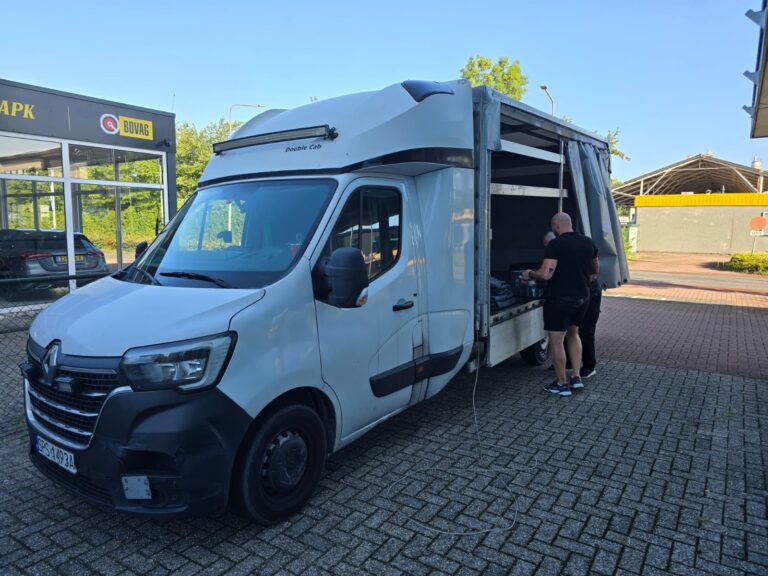
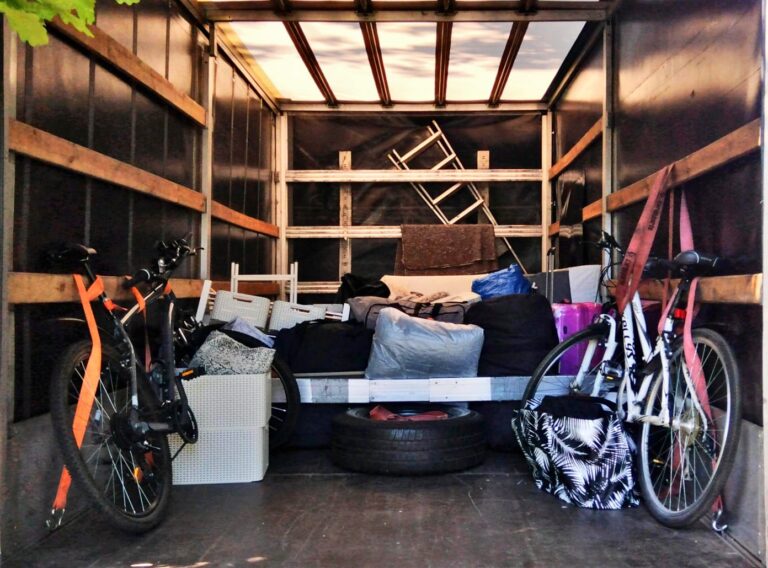
Removals to Netherlands Made Easy with VANonsite
Thinking of relocating from France to the Netherlands? Use VANonsite — the leading moving company for expats.
Why VANonsite?
- 🇫🇷➡️🇳🇱 Specializes in France–Netherlands routes
- Full-service removal (packing, disassembly, transport)
- Customs and paperwork handling
- English-speaking support team
💼 Average moving cost from France to Netherlands: €550-850 depending on volume and distance. Full table with moving costs you can see here.
Environmental Awareness and Green Living
The Netherlands is a global leader in sustainability. France is making strides, but urban areas lag behind.
| Green Indicator | France | Netherlands |
|---|---|---|
| Bike Usage | 20% | 60% |
| Renewable Energy | Growing | High adoption |
| Recycling Programs | Decentralized | Highly integrated |
🌱 Eco-conscious? Choose the Netherlands.
Family Life and Childcare
| Factor | France | Netherlands |
|---|---|---|
| Maternity Leave | 16 weeks | 16 weeks |
| Childcare Subsidies | High | High |
| Work–Parent Balance | Less flexible | More family-friendly |
👶 Verdict: Dutch work-life policies are great for young families.
Public Services and Local Governance
- France: Heavily centralized, Paris-centric
- Netherlands: Decentralized, efficient municipalities
📌 Local support is easier to access in Dutch towns.
Political Climate and Governance: France vs Netherlands
When evaluating life as an expat, understanding the political atmosphere of a country is essential—not just in terms of laws and regulations, but also in how the government interacts with citizens and foreign residents. France and the Netherlands both offer stable democratic systems, yet they differ fundamentally in governance style, political engagement, and institutional culture. France operates under a semi-presidential republic, with significant executive power held by the President, currently Emmanuel Macron. This centralized model often places Paris at the heart of national decision-making, which can lead to delays and bureaucratic layers in regional administration. Dutch governance, on the other hand, is a parliamentary constitutional monarchy, where executive power rests mainly with the Prime Minister and an inclusive, coalition-based parliament. This system, known for its pragmatism, fosters a more consensus-driven and decentralized approach—allowing municipalities like Amsterdam or Utrecht to operate with significant autonomy.
In terms of political culture, France is known for its polarized landscape, with recurring tension between leftist populism, centrist liberalism, and rising right-wing nationalism. This has resulted in frequent protests, such as the “gilets jaunes” and pension reform strikes, which, while part of the democratic process, can disrupt daily life. The Netherlands, by contrast, is politically diverse but calm; its proportional representation system ensures smaller parties have a voice, creating broad coalitions that emphasize negotiation over confrontation. Expats in the Netherlands often benefit from streamlined public services, digital administration (like the DigiD system), and more predictable policy shifts—making adaptation smoother. Meanwhile, in France, while public services are comprehensive, the administrative process can feel labyrinthine, particularly to newcomers unfamiliar with the language or legal framework. In short, if you value political stability, local autonomy, and a culture of dialogue, the Netherlands offers a more navigable environment. However, if you’re drawn to a politically engaged society with a strong historical identity and vocal public discourse, France might offer a richer—albeit more complex—experience.
Expat Testimonials: France vs Netherlands Living Stories
“In France, life is beautiful but slow. In the Netherlands, it’s organized and fast-paced.”
— Anna, moved from Lyon to Rotterdam
“Paperwork in Paris nearly broke me. Amsterdam? I registered online in 20 minutes.”
— Tom, expat entrepreneur
France or Netherlands: Where Should You Move?
Choose France if you value:
- Deep cultural roots
- Culinary excellence
- Mild weather & scenic countryside
Choose the Netherlands if you want:
- Practical living
- Digital efficiency
- Green, bike-friendly cities
Conclusion: Living in France vs Netherlands – Which Is Better?
Both countries are rich in opportunity, beauty, and cultural treasures. But depending on your priorities—bureaucracy, job market, family life, or sustainability—one will clearly suit your lifestyle more.
📦 Thinking of moving? Trust the experts at VANonsite for a smooth, stress-free relocation experience.
FAQs – Living in France vs Netherlands: Expat Comparison That Matters
Is it easier to move to the Netherlands or France as an expat?
Generally, moving to the Netherlands is considered easier due to its streamlined digital processes (like the DigiD system), shorter administrative timelines, and high English proficiency. France has more paperwork, in-person visits, and often requires fluency in French for dealing with bureaucracy.
Which country offers a better work-life balance—France or the Netherlands?
Both countries value leisure and personal time, but the Netherlands is globally recognized for its exceptional work-life balance, shorter workweeks, and flexible work arrangements. France offers more vacation days and a 35-hour legal workweek, but the workplace culture is often more hierarchical and traditional.
Where is the cost of living lower—France or the Netherlands?
It depends on the region, but overall, France can be slightly more affordable, especially outside major cities. Housing costs in the Netherlands, particularly in cities like Amsterdam or Utrecht, tend to be higher, while daily expenses like groceries and healthcare are comparable.
Which country is safer for expats and families?
Both France and the Netherlands are safe countries. However, the Netherlands often ranks higher in safety indexes, with more consistent urban planning, lower petty crime, and a high level of public trust in law enforcement and institutions.
Can I get by with English in France or the Netherlands?
In the Netherlands, English is widely spoken—even in public offices, schools, and local businesses—making daily life for expats much easier. In France, English proficiency is lower outside major cities, and French is often essential for administrative tasks and integration.
How do the healthcare systems compare between France and the Netherlands?
France has a mostly public, state-subsidized healthcare system that is highly rated globally. The Netherlands offers excellent private healthcare through mandatory insurance plans. Both systems provide high-quality care, but the Dutch model may offer quicker access and more digitalized services.
Which country is better for raising children—France or the Netherlands?
The Netherlands frequently ranks as one of the best places in the world to raise children, with a focus on well-being, safety, and progressive education. France also provides excellent childcare and education options but tends to be more rigid in its school structure and parental roles.
Is political stability a factor when choosing between France and the Netherlands?
Yes. The Netherlands is known for its political moderation and coalition governance, offering high institutional trust and policy continuity. France has a more centralized, charismatic leadership style with frequent protests and polarized elections, which can affect daily life and long-term planning for expats.