Introduction
Living in Ireland offers a unique opportunity to experience breathtaking landscapes, rich cultural heritage, and an inviting community spirit. As Ireland grows in popularity among expats worldwide, it’s the perfect time to explore whether it suits your lifestyle and goals. Whether you’re moving for career growth, retirement tranquility, or an enriching cultural adventure, this comprehensive guide covers all you need to transition smoothly. From navigating living costs to understanding the advantages and challenges, we’re here to ensure Ireland quickly feels like home.
Key Takeouts:
- Ireland offers a welcoming community with rich cultural experiences.
- Cost of living varies significantly by location, with Dublin being most expensive.
- Relocating from the UK to Ireland involves important documentation and practical arrangements.
- VanOnSite simplifies European moves with personalized planning and professional packing.
- Northern Ireland provides a distinct lifestyle with economic and housing advantages.
- Be aware of potential downsides such as housing shortages and higher taxes.
- Planning ahead with thorough research and professional assistance ensures a hassle-free move.
Cost of Living in Ireland
Ireland offers a comfortable lifestyle, but it’s essential to know how much life here costs:
Monthly Expenses Overview:
| Expense | Average Cost (EUR) |
|---|---|
| Rent (1-bedroom apt.) | €1,200 |
| Utilities | €150 |
| Groceries | €250 |
| Transportation | €100 |
| Eating Out | €50-100 |
| Fresh Fruit (per kg) | €2-4 |
| Cheese (per kg) | €8-12 |
| Bread (per loaf) | €1.50-3 |
| Beer (per pint) | €5-6 |
| Wine (mid-range, per bottle) | €10-15 |
| Gym Membership (monthly) | €30-60 |
| Cinema Ticket | €10-15 |
| Restaurant Meal (mid-range) | €15-25 |
| Fuel (per litre) | €1.60-1.90 |
Budget Tips:
- Choose smaller cities or towns such as Cork, Galway, or Limerick for significantly lower rental prices compared to Dublin.
- Utilize public transportation—trains, buses, and trams are efficient, affordable, and eco-friendly.
- Shop at local markets or discount supermarkets like Lidl or Aldi to save money while enjoying fresh, local produce.
- Consider cycling or walking for short commutes to save on transportation costs.
- Take advantage of early-bird restaurant specials or set-menu options when dining out.
- Purchase monthly transport or gym membership passes to benefit from discounted rates.
- Use online budgeting tools to track expenses and maintain financial health.
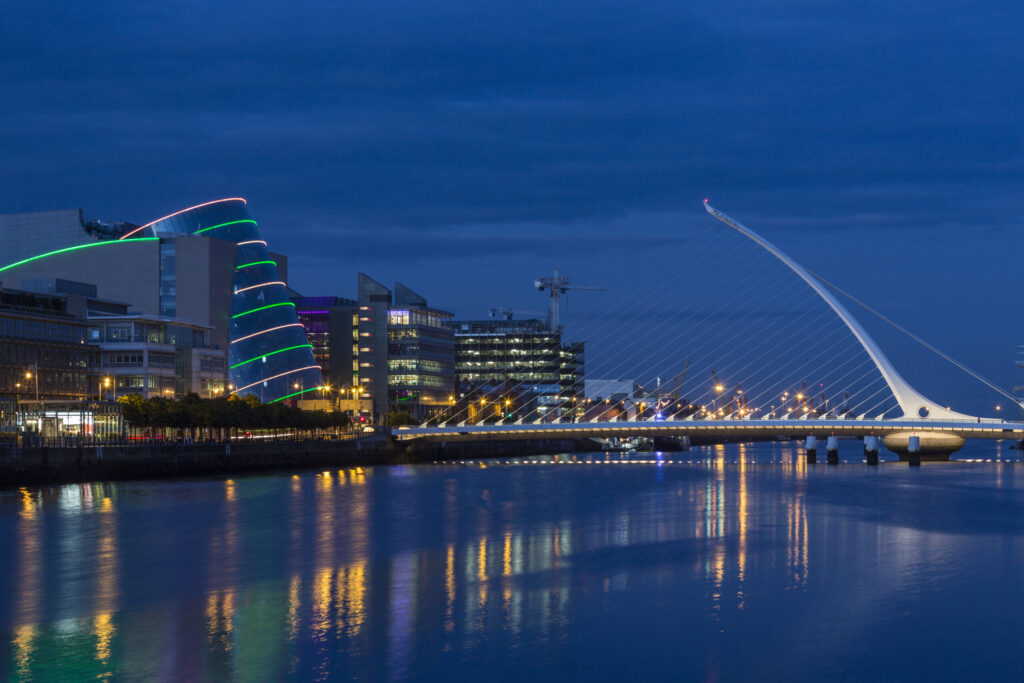
Moving to Ireland from the UK
Relocating from the UK? Here’s a detailed checklist to simplify your move:
- Documentation:
- Valid passport for each family member
- Irish visa or residence permit (depending on your nationality and employment status)
- Employment contract, job offer letter, or proof of sufficient funds if moving independently
- European Health Insurance Card (EHIC) or private health insurance
- Birth certificates, marriage certificates, educational diplomas, and other essential personal documents
- Proof of previous residence (e.g., utility bills, rental contracts)
- Driving license and car registration documents if bringing a vehicle
- Shipping Services:
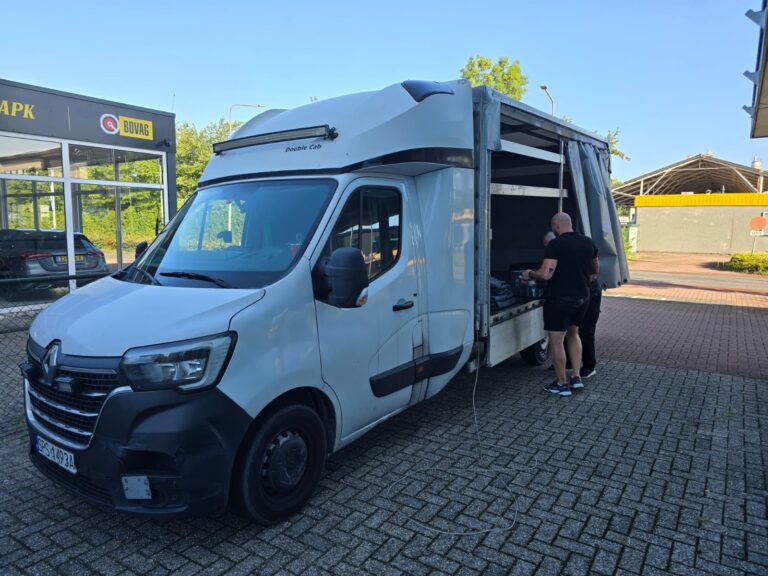
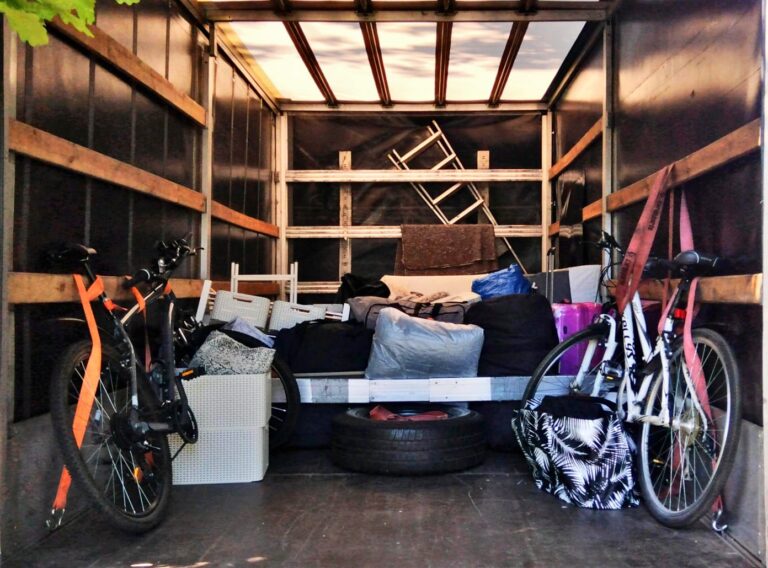
- Choose a reputable international removal company such as VanOnSite. With years of experience handling UK-Ireland moves, they provide:
- Door-to-door transportation
- Packing and unpacking services
- Customs support (if applicable post-Brexit)
- Fully insured transport with real-time updates
- VanOnSite offers competitive pricing, reliable timeframes, and expert coordination tailored to your household size and timeline.
- Accommodation:
- Consider short-term rental platforms or serviced apartments for your initial stay.
- Research property rental websites in Ireland like Daft.ie or Rent.ie to secure long-term options.
- Be prepared to provide references, proof of income, and a deposit.
- Bank Account:
- Set up an Irish bank account as soon as possible for salary payments, utility billing, and everyday expenses.
- You may need proof of ID, proof of address (temporary accommodation confirmation accepted), and a PPS number (Personal Public Service Number).
- Utilities:
- Register for electricity, gas, broadband, and waste collection services early.
- Popular providers include Electric Ireland, Bord Gáis, Virgin Media, and Sky.
- Use price comparison websites to select cost-effective options suited to your usage.
With the support of a professional relocation partner like VanOnSite, each of these steps becomes more efficient, stress-free, and tailored to your individual move.
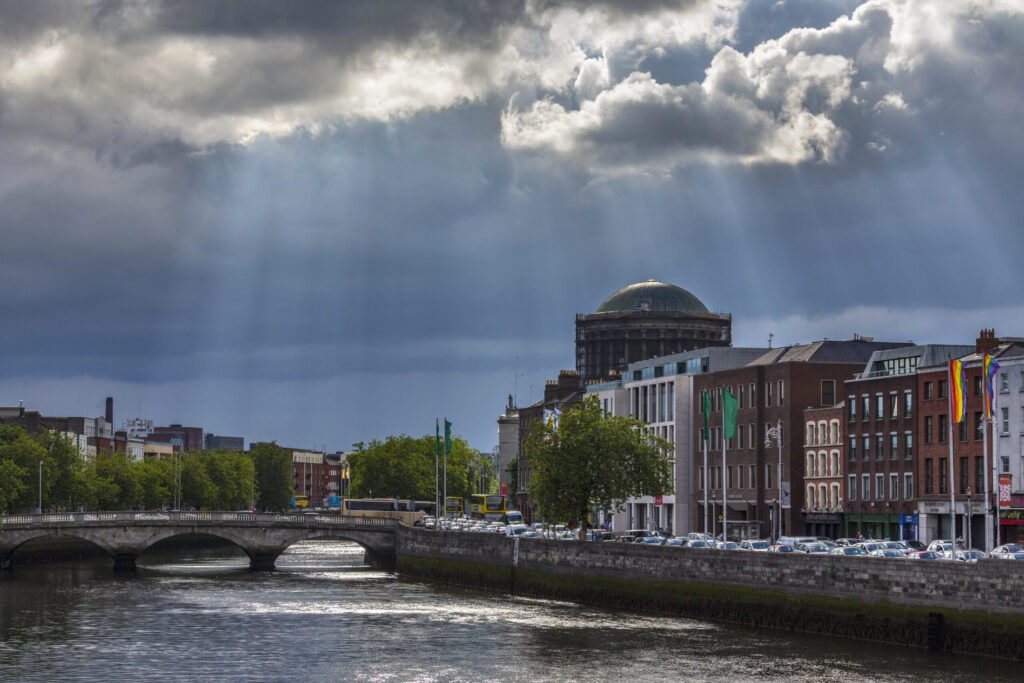
Why Choose VanOnSite for Your Move?
- Expertise Across Europe: VanOnSite’s team is highly trained and experienced in international relocations across the EU and UK, ensuring every detail is professionally managed.
- All-Inclusive Door-to-Door Delivery: From collection at your current residence to unloading at your new home in Ireland, VanOnSite handles every aspect.
- Transparent, Competitive Pricing: You’ll receive a clear and comprehensive quote with no hidden costs—just straightforward, affordable service.
- Flexible Moving Packages: Whether you’re moving a studio apartment or a five-bedroom home, VanOnSite customizes solutions based on your volume, timeline, and budget.
- Modern, Secure Fleet: Their vehicles are GPS-tracked and fully equipped to ensure the safe handling and transport of your belongings.
- Packing & Unpacking Services: Take the stress out of moving day with expert packing and optional unpacking assistance.
- Multilingual Support Team: Communicate with ease thanks to a dedicated, multilingual customer service team available throughout your move.
- Post-Move Support: VanOnSite provides guidance even after your relocation—whether it’s tips for settling in, navigating local services, or assistance with claims or adjustments.
Pros and Cons of Living in Ireland
Pros:
- Warm, welcoming communities: Irish hospitality is world-renowned, with locals known for being friendly and helpful to newcomers.
- Vibrant cultural scene: Enjoy a rich blend of music, arts, literature, and festivals like St. Patrick’s Day, Galway Arts Festival, and more.
- Excellent healthcare and education systems: Ireland boasts modern hospitals, accessible GP services, and top-tier universities such as Trinity College Dublin and University College Cork.
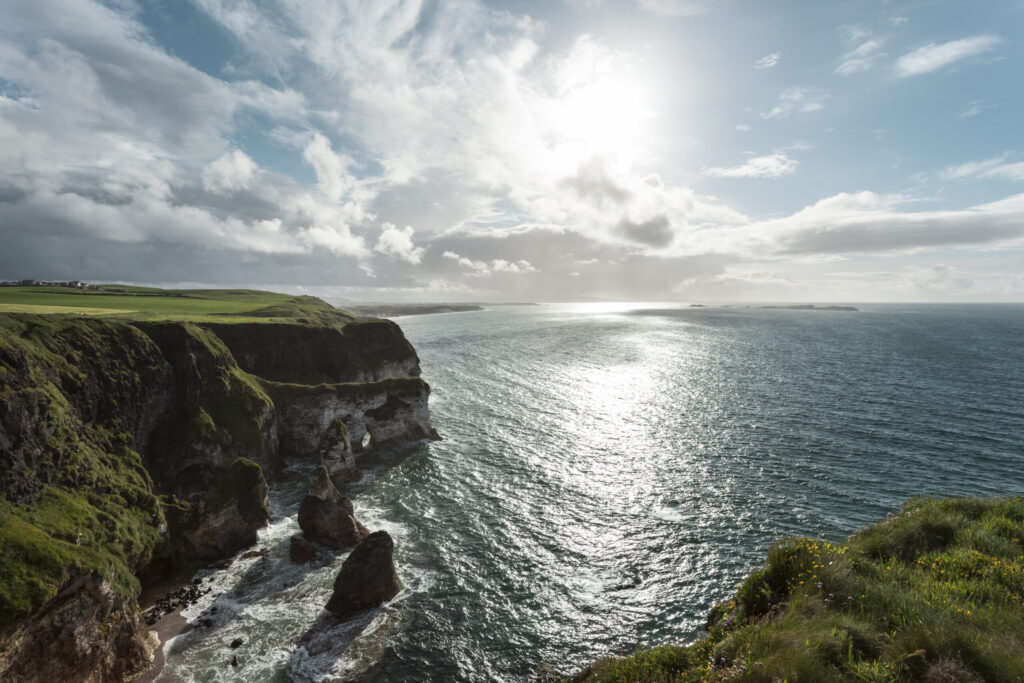
- Natural beauty: From the Cliffs of Moher to the Ring of Kerry, Ireland is a haven for nature lovers and hikers.
- Strong economy and job opportunities: Particularly in tech, pharma, and finance sectors, with many global companies based in Dublin.
- EU membership benefits: As part of the EU, Ireland offers freedom of movement, access to EU healthcare systems, and trade opportunities.
- Safe and politically stable: Ireland is ranked among the safest countries in the world, with a low crime rate and strong democratic governance.
Cons:
- High cost of living: Especially in major cities like Dublin and Cork, with housing and childcare being particularly expensive.
- Frequent rainy weather: The climate is mild but wet, with over 150 rainy days per year in some regions.
- Limited public transport options in rural areas: While cities have reliable services, rural connectivity can be challenging.
- Housing shortage: High demand and limited supply lead to long waiting lists and elevated prices in urban centers.
- Complex bureaucracy: Setting up utilities, registering vehicles, or accessing public services can sometimes involve lengthy processes.
- Long healthcare waiting times: Though quality is high, wait times for non-emergency treatments can be long in the public system.
- Remote areas can feel isolated: Beautiful countryside may lack access to services, nightlife, and employment opportunities.
Average Salaries in Ireland by Industry
Understanding the earning potential in Ireland is crucial when planning your relocation. Salaries vary depending on the industry, experience, and location. Below is an overview of average annual gross salaries across key sectors:
| Industry | Average Salary (EUR/year) | Notes |
|---|---|---|
| Information Technology | €50,000–€75,000 | Higher for software engineers, developers, and IT managers |
| Finance & Accounting | €45,000–€70,000 | Dublin offers the highest financial sector wages |
| Healthcare (Nurses/Doctors) | €40,000–€100,000+ | Salaries vary widely depending on specialization |
| Engineering | €45,000–€70,000 | Mechanical, civil, and electrical engineers are in high demand |
| Pharmaceuticals | €50,000–€85,000 | Ireland is home to major global pharma companies |
| Education | €35,000–€60,000 | Public school teachers follow a structured pay scale |
| Construction & Trades | €30,000–€55,000 | Growing sector due to housing and infrastructure demands |
| Hospitality & Tourism | €25,000–€35,000 | Entry-level roles are common; tips and bonuses may apply |
| Retail | €22,000–€30,000 | Typically lower salaries, often based on hourly wages |
| Legal | €50,000–€90,000+ | High earnings for qualified solicitors and legal consultants |
| Logistics & Transport | €30,000–€50,000 | Demand for drivers and supply chain professionals is increasing |
Salaries are typically higher in Dublin, Cork, and Galway due to demand and cost of living. Many companies also offer additional benefits such as health insurance, pension schemes, bonuses, and flexible working arrangements.
If you’re considering relocating for work, researching salaries and employment trends will help you make informed financial decisions.
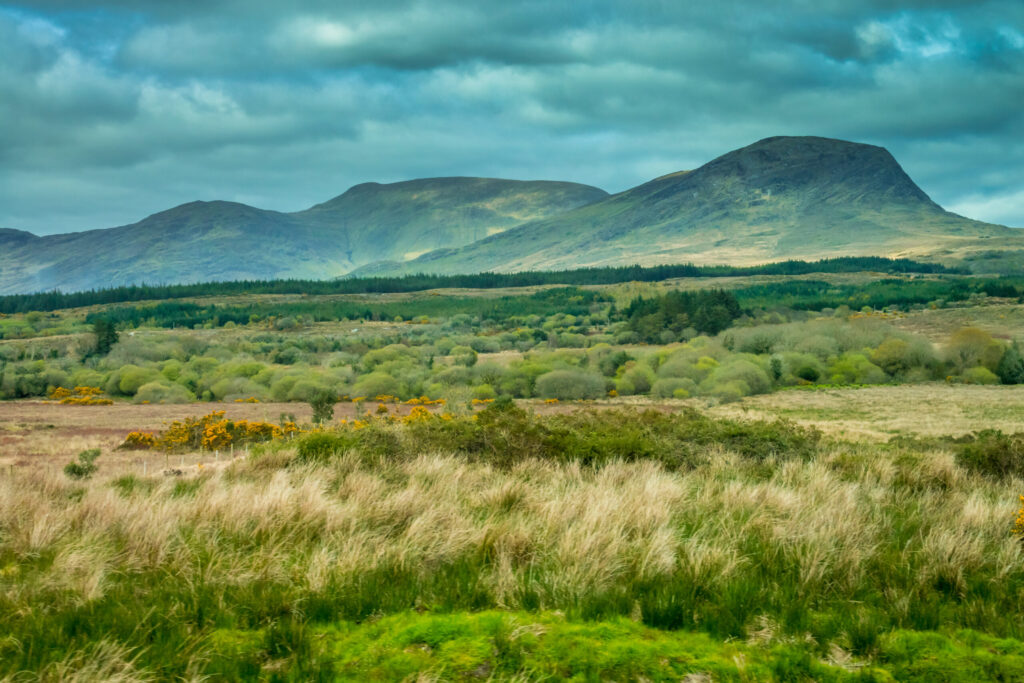
Living in Northern Ireland
Northern Ireland presents unique opportunities distinct from the Republic of Ireland, combining affordability, vibrant culture, and economic potential.
- Affordable Housing: Generally lower housing costs compared to Dublin or other major cities in the Republic.
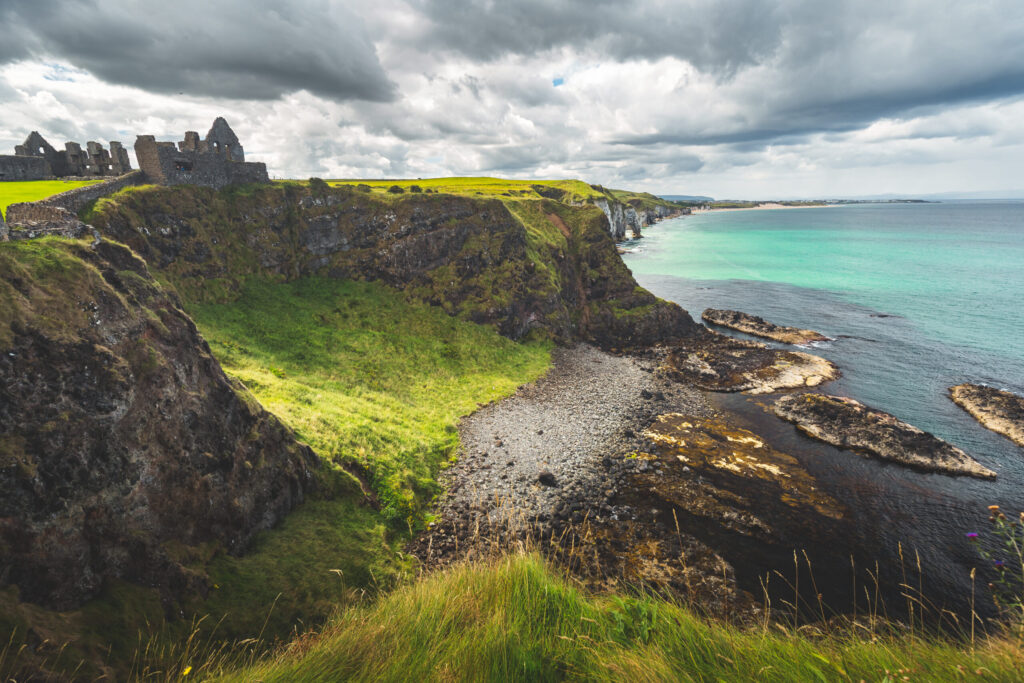
- Natural Beauty: Close proximity to the Giant’s Causeway, Mourne Mountains, and scenic coastal drives such as the Causeway Coastal Route makes it ideal for nature lovers.
- Economic Stability and Job Market: Belfast and Derry/Londonderry have growing job markets in IT, manufacturing, finance, and creative industries. Post-Brexit trade incentives also benefit certain sectors.
- Career Development: Access to modern coworking spaces, startup incubators, and UK-linked job platforms support professional growth and entrepreneurship.
Ireland vs London: Cost of Living Comparison
While Ireland and the UK share many cultural and economic similarities, living costs can vary considerably between major cities like Dublin and London. Here’s a side-by-side comparison of typical daily expenses:
| Item | Dublin (EUR) | London (GBP) | Notes |
|---|---|---|---|
| Bread (per loaf) | €1.50–3 | £1.00–2 | Comparable in most supermarkets |
| Cheese (1 kg) | €8–12 | £7–10 | Local vs imported brands affect prices |
| Fresh Fruit (1 kg) | €2–4 | £2–4 | Similar pricing in both cities |
| Beer (pint, pub) | €5–6 | £6–7 | Slightly cheaper in Dublin |
| Wine (bottle, mid-range) | €10–15 | £9–12 | Comparable quality and pricing |
| Restaurant Meal (mid-range) | €15–25 | £20–35 | Dining out is generally more expensive in London |
| Coffee (regular cappuccino) | €3.00–3.50 | £3.00–4.00 | Similar pricing |
| Cinema Ticket (standard) | €10–15 | £12–16 | Higher in central London cinemas |
| Gym Membership (monthly) | €30–60 | £40–80 | Wider range of options and pricing in London |
Note: Exchange rate fluctuations may affect direct comparisons. Also, Dublin generally has lower transport and childcare costs than London, while London may offer slightly higher average salaries.
This table provides a useful snapshot for anyone evaluating which city better suits their budget and lifestyle.
Leisure and Lifestyle
- Cultural Events & Festivals: Enjoy events like Belfast International Arts Festival, Cathedral Quarter Arts Festival, and the Derry Halloween Carnival, one of the largest Halloween celebrations in Europe.
- Nightlife and Dining: Belfast offers a vibrant nightlife scene with historic pubs, live music venues, and a growing reputation for fine dining and street food.
- Outdoor Activities: Hiking, surfing along the Antrim coast, cycling trails, and golf courses are easily accessible.
Education & Family Life
- Education System: The region has a strong education system, including grammar schools and respected universities such as Queen’s University Belfast and Ulster University.
- Family-Friendly: Lower crime rates and community-focused towns make it a safe and supportive place to raise children.
However, consider aspects such as:
- Political Dynamics: The legacy of The Troubles still influences some areas, though stability has improved significantly.
- Healthcare Differences: The NHS system in Northern Ireland operates separately from Ireland’s HSE, with its own registration and access protocols.
- Currency: Northern Ireland uses GBP (£), which may require financial adjustments if moving from the Eurozone.
Disadvantages of Living in Ireland
While Ireland is generally an excellent place to live, it’s important to consider some challenges that may impact your experience:
- Housing shortage and high rental costs: Particularly in urban centers like Dublin, finding affordable housing can be difficult due to high demand and limited availability.
- Higher income taxes: Ireland’s progressive tax system means higher earners may face significant tax burdens compared to some other European countries.
- Weather conditions: The weather can be a letdown for sun-seekers, with frequent rain, overcast skies, and relatively cool temperatures even in summer.
- Limited public transport infrastructure: Rural areas often suffer from irregular or sparse transport connections, making car ownership necessary.
- Healthcare system strain: While healthcare quality is high, waiting times for public services can be long, particularly for non-urgent treatments.
- Bureaucratic processes: Some administrative procedures—such as acquiring a PPS number or registering for utilities—can be time-consuming and require multiple appointments.
- Cost of childcare and education: Private childcare and international schools can be prohibitively expensive for families.
- Remote location in Europe: Ireland’s geographic location may result in higher travel costs and longer times to reach mainland Europe for business or leisure.
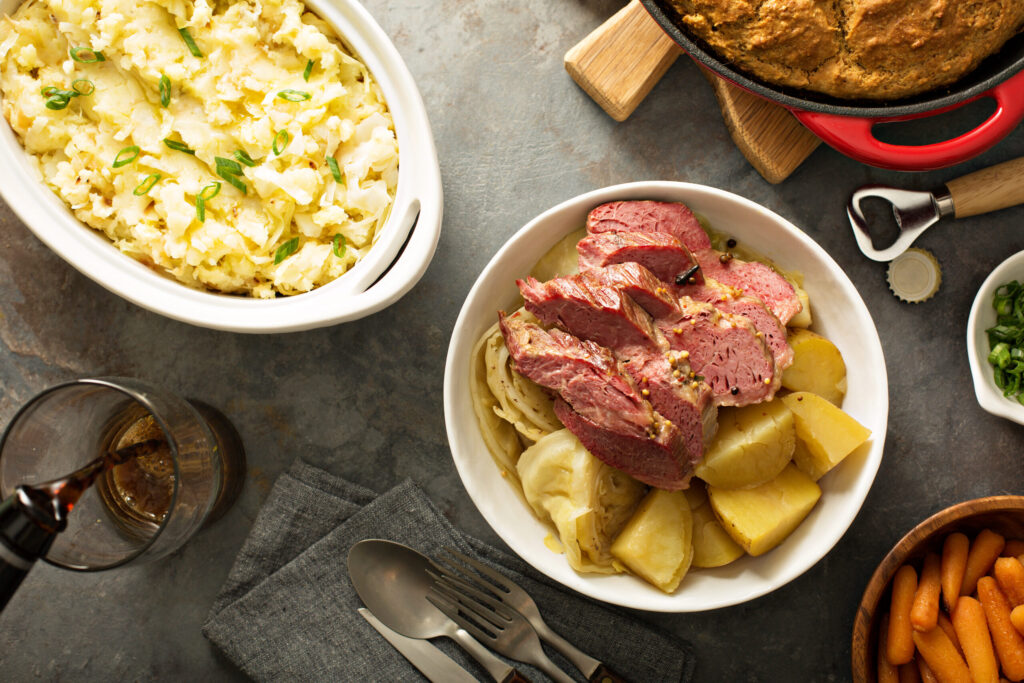
Culture and Traditions in Ireland
Ireland boasts a rich cultural heritage steeped in folklore, music, literature, and hospitality. Irish identity is deeply intertwined with a proud history and vibrant community traditions that continue to thrive today.
Traditional Music & Dance
- Irish Folk Music: Traditional instruments like the fiddle, tin whistle, bodhrán, and uilleann pipes are central to Irish music. Live sessions in pubs are a regular feature, especially in towns like Doolin and Galway.
- Irish Dance: Known globally thanks to shows like Riverdance, Irish step dancing is often performed during cultural festivals and family celebrations.
Language & Literature
- Irish Gaelic: Though English is widely spoken, Irish (Gaeilge) remains an official language and is taught in schools, seen on road signs, and spoken in Gaeltacht regions.
- Literary Legacy: Ireland has produced many literary giants, including James Joyce, W.B. Yeats, Samuel Beckett, and Seamus Heaney. Literature festivals and spoken word events are common throughout the year.
Celebrations & Festivals
- St. Patrick’s Day (March 17th): A global celebration of Irish culture, it’s a public holiday in Ireland, featuring parades, music, dancing, and green attire.
- Bloomsday (June 16th): Celebrates James Joyce’s Ulysses, with readings and reenactments across Dublin.
- Galway International Arts Festival, Electric Picnic, Lisdoonvarna Matchmaking Festival, and TradFest: These events offer a mix of contemporary and traditional Irish art, music, comedy, and food.
Irish Cuisine
- Hearty and Homely: Irish stew, soda bread, boxty, colcannon, and seafood chowder are staples of traditional cuisine.
- Modern Flavors: Ireland has a growing food scene with award-winning restaurants, farmers’ markets, and a focus on locally-sourced, sustainable ingredients.
Community & Belonging
- Pub Culture: Pubs are not just places to drink—they’re community hubs where locals gather to chat, listen to music, and celebrate life events.
- Sports & Identity: Gaelic football, hurling, and rugby are popular sports that bring communities together, especially during big matches and county championships.
Living in Ireland means immersing yourself in centuries-old traditions blended with modern vibrancy—an experience both welcoming and unforgettable.
Fun Facts About Ireland
- No snakes in Ireland: Legend has it that St. Patrick banished all snakes from the island, and to this day, Ireland has no native snake species.
- Home to the oldest pub in Europe: Sean’s Bar in Athlone claims to be the oldest pub on the continent, dating back to 900 AD.
- Birthplace of Halloween: The tradition of Halloween originates from the ancient Celtic festival of Samhain, which marked the end of the harvest season.
- Three official colors of the Irish flag: Green (Catholic/nationalist identity), orange (Protestant/unionist identity), and white (peace between both).
- One of the world’s highest per capita tea drinkers: The Irish love their tea, often enjoying several cups a day, sometimes more than the British!
- Gaelic sports dominate: Hurling and Gaelic football are played nationwide and attract huge audiences, especially during the All-Ireland Championships.
- More sheep than people: In rural areas like Connemara and Donegal, sheep often outnumber residents, and it’s not uncommon to see them on the roads.
- Ireland has over 30,000 castles and ruins: From Blarney Castle to Rock of Cashel, the island is dotted with impressive remnants of its medieval past.
- An island of saints and scholars: Ireland was known in medieval times as a center of learning, preserving Christian texts during the Dark Ages.
These facts only scratch the surface of Ireland’s charm, but they highlight the country’s unique blend of mythology, heritage, and quirky traditions.
How VanOnSite Makes Your Relocation Easy
Moving across Europe doesn’t need to be stressful. Here’s how VanOnSite transforms the moving process into a smooth, reliable, and even enjoyable experience:
- Personalized Planning: Whether you’re moving a few items or an entire household, VanOnSite provides a relocation plan tailored to your timeline, budget, and specific logistical needs.
- Professional Packing: Their experienced team uses premium materials and proven techniques to ensure your possessions arrive in perfect condition—fragile items, electronics, and antiques all handled with care.
- Real-Time Tracking: VanOnSite’s GPS tracking system lets you monitor your shipment from start to finish, offering transparency and peace of mind every step of the way.
- Customs & Compliance Support: The team provides guidance on all customs paperwork and procedures, particularly useful for post-Brexit UK-EU transitions.
- Storage Options: Short- and long-term storage solutions are available for those who need flexibility during their move.
- Eco-Friendly Operations: With a modern fleet and optimized routes, VanOnSite prioritizes sustainability while maintaining fast, safe delivery times.
- Insurance: Comprehensive coverage is included for all moves, so your belongings are financially protected against unexpected incidents.
- Dedicated Support Team: From planning to post-delivery follow-up, you’ll have access to responsive, multilingual support to help you at every stage.
Conclusion
Living in Ireland offers a blend of career opportunities, cultural richness, and natural beauty. From understanding the cost of living and exploring vibrant traditions to comparing lifestyle choices with the UK, this guide has covered all essential aspects of relocating. Whether you’re drawn to the warm communities, modern job market, or historical charm, Ireland welcomes you with open arms. With VanOnSite as your trusted moving partner, your journey will be smooth, personalized, and stress-free—turning relocation into a rewarding new beginning.