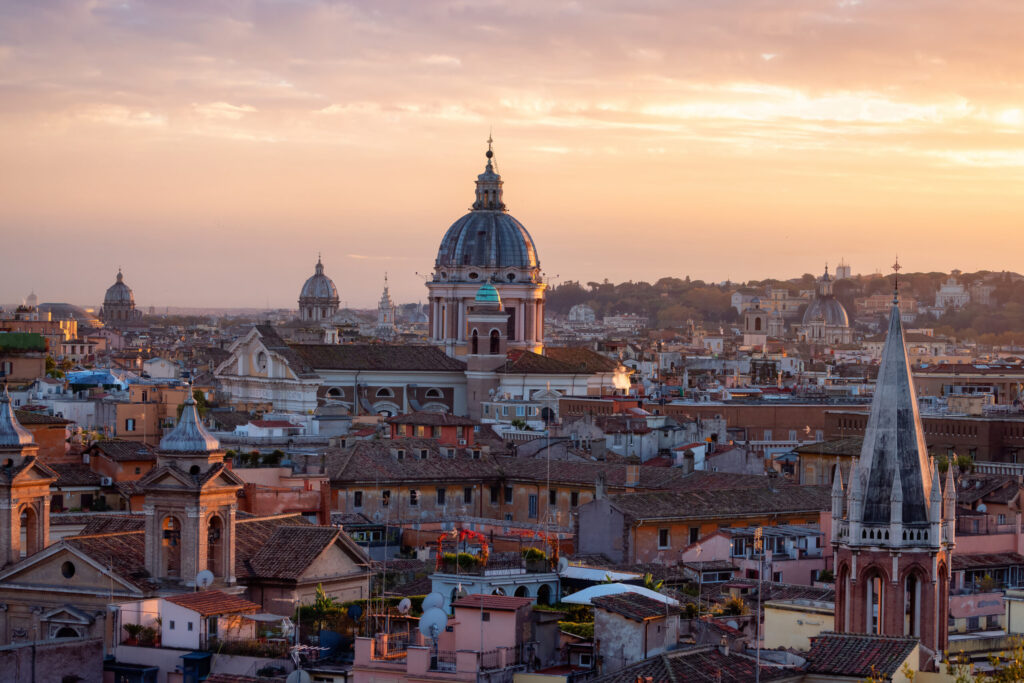
Living in Italy opens the door to a lifestyle rich in culture, history, and natural beauty. From the romantic canals of Venice to the sun-drenched coasts of Sicily, Italy offers an irresistible mix of old-world charm and modern convenience. Whether you’re drawn by its art, cuisine, slower pace of life, or simply the Mediterranean sun, making Italy your new home is a decision full of promise and possibility.
Key Takeouts:
- Enjoy a Mediterranean lifestyle with delicious cuisine and world-class wines
- Immerse yourself in Italy’s deep-rooted history and iconic landmarks
- Benefit from lower living costs in many regions compared to the UK
- Experience a relaxed pace of life focused on quality over speed
- Access top-tier healthcare and public transport systems
- Navigate the post-Brexit move with the right visa and documentation
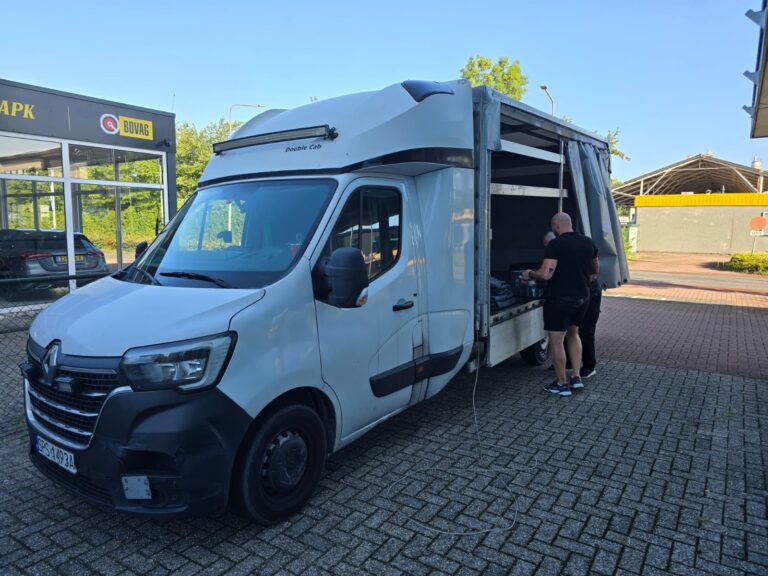
- Simplify your relocation with expert services like VanOnSite
What is the Cost of Living in Italy?
| Expense Category | Average Monthly Cost (EUR) | Notes |
|---|---|---|
| Rent (1BR apartment) | €500 – €1,000 | Depends on location |
| Utilities | €100 – €200 | Electricity, water, gas |
| Groceries | €200 – €400 | Fresh produce is generally cheaper |
| Public transport | €35 – €50 | Monthly pass |
| Internet | €25 – €40 | Decent broadband coverage |
| Gym membership | €25 – €60 | Varies by city and type of facility |
| Cinema ticket | €7 – €12 | Slightly cheaper in smaller towns |
| Coffee (espresso) | €1 – €1.50 | Local cafes are very affordable |
| Restaurant meal | €12 – €30 | Casual vs. mid-range dining |
| Bread (loaf) | €1.50 – €2.50 | Local bakeries often offer fresh bread |
| Cheese (1kg) | €8 – €15 | Depends on type and region |
| Seasonal fruit (1kg) | €1.50 – €3.50 | Cheaper at markets than supermarkets |
| Bottle of wine (mid-range) | €4 – €8 | Local wines offer excellent value |
| Petrol (per litre) | €1.75 – €2.10 | Prices fluctuate and vary by region |
- Regional cost differences: Living in northern cities like Milan and Florence tends to be more expensive than in southern regions such as Puglia or Calabria. Rent, dining out, and transport costs are particularly higher in urban centres.
- Comparison to the UK: Overall, Italy can be more affordable than the UK, particularly when it comes to groceries, dining, and public services. However, salaries in Italy are generally lower, so budgeting is key.
Best Cities to Live in Italy
Italy offers a wide variety of cities to suit different lifestyles, from fast-paced urban living to relaxed coastal life. Here are some of the top destinations to consider:
Northern Italy
- Milan: Italy’s business and fashion capital, known for its cosmopolitan feel, luxury shopping, and thriving job market. It’s more expensive but offers excellent infrastructure and nightlife.
- Turin: An elegant city with baroque architecture, strong industrial roots, and a growing reputation in tech and innovation sectors. It also has excellent public transport and cultural institutions.
- Bologna: A university city with a youthful energy, great food culture, and a central location that makes traveling around Italy easy.
Central Italy
- Florence: A Renaissance masterpiece, Florence offers art, history, and stunning architecture. It’s ideal for creatives and those who value cultural depth.
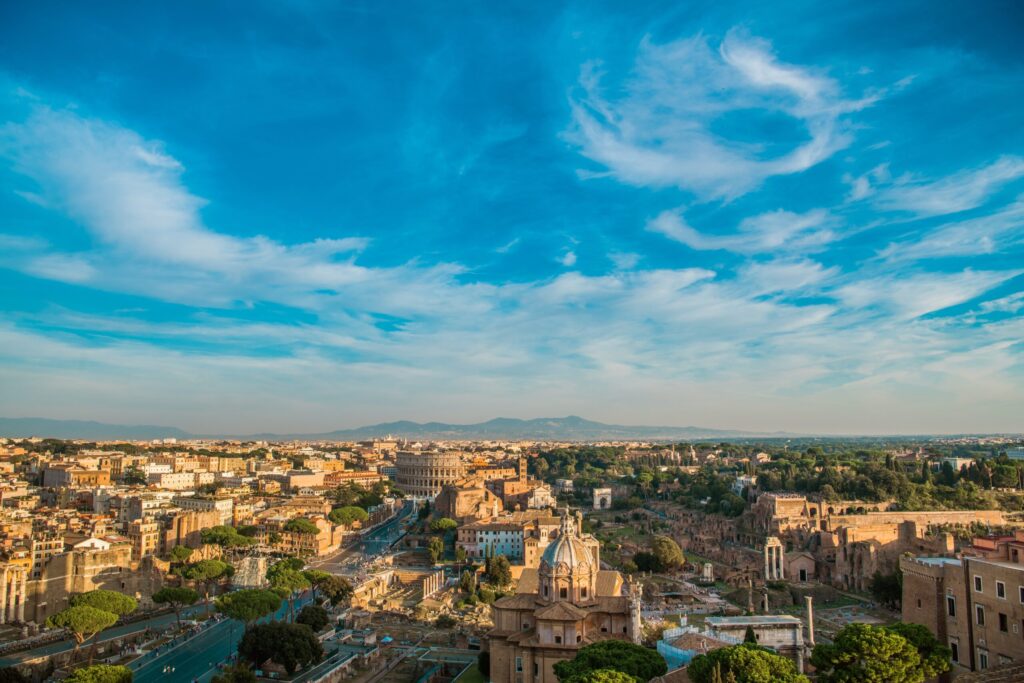
- Rome: The eternal city blends ancient history with modern amenities. Although busy and bureaucratic, it has everything: iconic landmarks, strong expat communities, and diverse neighborhoods.
- Perugia: A quieter, more affordable alternative with beautiful landscapes, historic charm, and a strong university presence.
Southern Italy
- Naples: Known for its energy, pizza, and proximity to the Amalfi Coast. It’s one of Italy’s more affordable big cities, though it can be chaotic.
- Bari: A coastal gem with a historic old town and growing economic activity. Great for beach lovers and those seeking an authentic southern Italian vibe.
- Palermo: Sicily’s capital combines Mediterranean life, markets, and a blend of cultures. It’s rich in character and far more budget-friendly.
Each city brings a unique flavor of Italian life. Whether you prefer the urban hustle of Milan or the seaside ease of Bari, there’s a place for every lifestyle and budget.
Challenges of Living in Italy
- Bureaucracy: Italy is notorious for its complex and often slow administrative processes. Whether you’re applying for residency, registering a vehicle, or setting up utilities, expect delays and multiple steps.
- Language barrier: While English is spoken in tourist areas and larger cities, most everyday interactions, especially in government offices or smaller towns, require at least basic Italian.
- Slower pace of service: The relaxed Italian lifestyle also extends to customer service and response times. Things move at a more leisurely pace compared to northern European standards.
- Immigration and social tensions: In recent years, Italy has experienced challenges related to migration, particularly in southern coastal regions. While this rarely affects expats directly, it has led to increased political discourse, regional strain on public services, and occasional social tension that new residents should be aware of.
Despite these issues, many expats find that the benefits of living in Italy far outweigh the inconveniences. A bit of patience and preparation goes a long way.
Italian Cuisine and Local Drinks
One of the most celebrated aspects of Italian life is its cuisine, which varies widely by region but consistently emphasizes freshness, simplicity, and tradition. Each region takes pride in its signature dishes, often passed down through generations and tied to local ingredients.
You’ll find fresh pasta in every form imaginable—tagliatelle, pappardelle, gnocchi—paired with sauces like ragu alla bolognese or pesto genovese. Neapolitan pizza, known for its chewy crust and minimalist toppings, is a must-try in Naples, while Tuscany offers hearty stews and bean dishes.

Bakeries fill the streets with the aroma of crusty breads and focaccias, and no Italian table is complete without cheeses like Parmigiano Reggiano, mozzarella di bufala, or aged pecorino. In the markets, seasonal fruits such as figs, peaches, and citrus are abundant and affordable.
Italian coffee culture is an experience in itself. Most Italians start their day with an espresso or cappuccino at a local bar, and these drinks are rarely overpriced. In the evening, meals are often complemented by regional wines—like Chianti, Barolo, or Nero d’Avola.
In addition to wine, Italy boasts a vibrant selection of local spirits and liqueurs:
- Aperol & Campari: Key ingredients in spritz cocktails, perfect for aperitivo hour.
- Limoncello: A sweet lemon liqueur from the Amalfi Coast.
- Grappa: A strong digestif made from grape pomace.
- Amaro: Herbal liqueurs enjoyed after meals to aid digestion.
Whether you’re dining in a rustic trattoria or shopping for ingredients at a morning market, the food and drink culture in Italy is a sensory journey not to be missed.
Must-See Places in Italy
Italy is a country overflowing with breathtaking destinations, each offering its own unique history, beauty, and character. Whether you’re looking for romantic escapes, cultural enrichment, or natural wonders, Italy has something for every traveler or resident to explore.
- Rome: Italy’s capital is a living museum. From the Colosseum and Roman Forum to Vatican City and the Sistine Chapel, it’s a must for lovers of history and architecture.
- Florence: The heart of the Renaissance, packed with world-class museums like the Uffizi Gallery and iconic landmarks such as the Duomo and Ponte Vecchio.
- Venice: Famous for its canals, gondolas, and enchanting atmosphere. A great weekend destination that feels like stepping into a dream.
- Amalfi Coast: This stretch of coastline offers dramatic cliffs, colorful villages like Positano, and stunning Mediterranean views. Perfect for road trips and summer holidays.
- Cinque Terre: A string of five seaside villages with pastel-colored houses, scenic trails, and a relaxed vibe.
- Lake Como: Surrounded by mountains and luxury villas, this northern Italian lake is ideal for peaceful getaways and celebrity spotting.
- Sicily: A mix of volcanic landscapes, ancient ruins, and diverse culinary traditions. Visit Mount Etna, the Valley of the Temples, or the markets of Palermo.
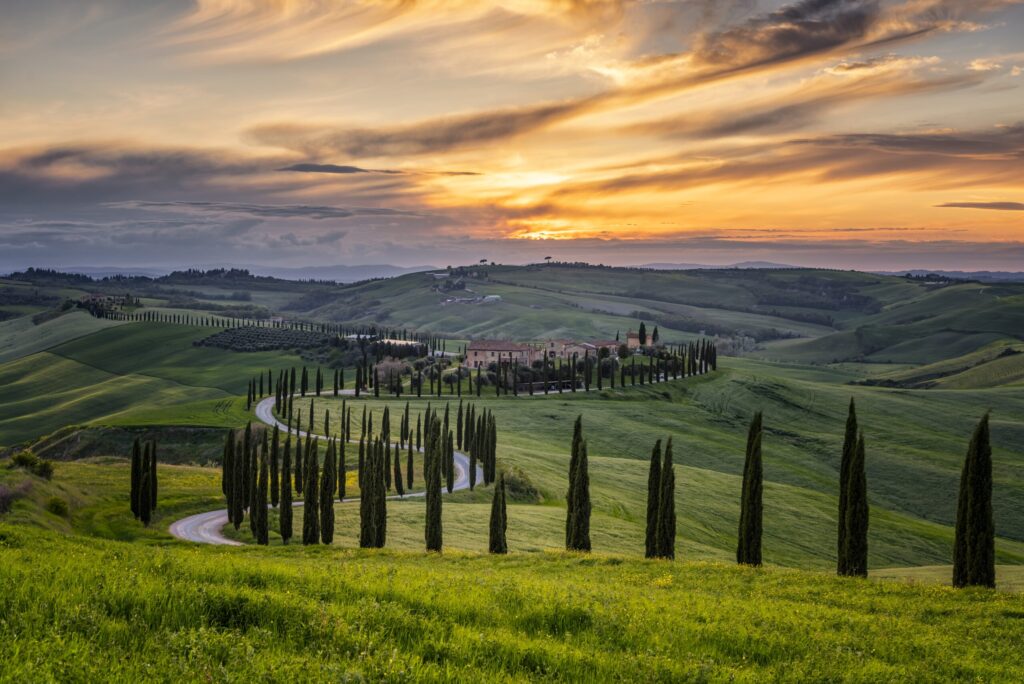
- Tuscany: Known for its rolling hills, vineyards, and medieval towns like Siena and San Gimignano. Great for foodies, wine lovers, and countryside explorers.
- Milan: A fashion and finance hub with modern appeal, shopping, nightlife, and iconic sites like the Duomo and La Scala opera house.
- Verona: The romantic city of Romeo and Juliet, with a beautifully preserved historic center and ancient Roman amphitheatre.
Exploring Italy means stepping into a storybook—every city, village, and landscape adds a new chapter to your experience.
Fascinating Facts About Italy
Italy is a country brimming with fascinating quirks and cultural traditions that make it endlessly intriguing. Beyond the iconic landmarks and delicious cuisine, here are some lesser-known facts that highlight the charm and uniqueness of Italian life:
- Italy has the most UNESCO World Heritage Sites in the world, with over 50 designated locations that showcase its historical and cultural richness.
- There are more than 1,500 types of pasta officially recognized in Italy, many of which are tied to specific regions or even villages.
- Italians drink their coffee standing up at local bars, and it’s rare to see locals ordering a cappuccino after 11:00 a.m.
- The Italian language has many regional dialects, some of which are so distinct they’re considered separate languages (like Sardinian or Neapolitan).
- The city of Vatican City is the smallest country in the world, entirely enclosed within Rome and home to the Pope.
- Italians are extremely fashion-conscious—Milan hosts one of the world’s most prestigious fashion weeks and is considered a global style capital.
- The tradition of aperitivo (pre-dinner drinks and snacks) is an integral part of social life and varies widely from north to south.
- Cars must stop for pedestrians only if they’ve stepped onto the zebra crossing—don’t expect vehicles to yield otherwise!
These small but insightful details contribute to the richness of everyday life in Italy and give newcomers fun and useful context as they integrate into their new home.
Working in Italy: Opportunities and Salaries
Finding work in Italy as a foreigner is certainly possible, especially if you have the right documentation and qualifications. Employment options vary by region and sector, with the north offering more corporate and industrial roles and the south being more reliant on agriculture and tourism.
Popular Sectors for Expats:
- Tourism & Hospitality: Hotels, restaurants, and tour companies often seek English-speaking staff, particularly in major cities and coastal areas.
- Education: English teachers are in steady demand at private language schools and international schools.
- Technology & Engineering: Cities like Milan, Turin, and Bologna offer roles in IT, software development, and automotive engineering.
- Healthcare: There is a demand for nurses and specialists in both public and private clinics (Italian certification often required).
- Remote work and freelancing: Many expats opt for remote or freelance work, especially in writing, design, marketing, and programming.
Estimated Gross Monthly Salaries (EUR):
| Job Title | Approximate Salary |
|---|---|
| Waiter / Bartender | €1,000 – €1,300 |
| Hotel Receptionist | €1,200 – €1,600 |
| English Teacher (private) | €1,200 – €2,000 |
| Software Developer | €2,000 – €3,500 |
| Marketing Specialist | €1,800 – €2,800 |
| Registered Nurse | €1,800 – €2,500 |
| Civil Engineer | €2,000 – €3,000 |
| Digital Freelancer | €1,500 – €4,000+ |
Note that salaries in Italy are typically lower than in the UK, but so are some living costs, particularly housing and food. Major cities offer more opportunities, but competition can be high and Italian language skills are often a key advantage.
Cost of Living: Italy vs. UK
When deciding to relocate, it’s essential to compare the cost of living between your current country and your future home. Here’s how Italy stacks up against the UK in several key areas:
| Expense Category | Italy (EUR) | UK (GBP) | Comparison |
|---|---|---|---|
| Rent (1BR apartment) | €500 – €1,000 | £800 – £1,500 | UK rent is generally higher, especially in cities |
| Utilities | €100 – €200 | £150 – £250 | Slightly cheaper in Italy |
| Groceries | €200 – €400 | £250 – £450 | Italy offers better value, especially for produce |
| Restaurant meal | €12 – €30 | £15 – £35 | Dining out is more affordable in Italy |
| Coffee (espresso) | €1 – €1.50 | £2 – £3 | Italian coffee is significantly cheaper |
| Public transport (monthly) | €35 – €50 | £60 – £150 | Italy is more affordable, especially outside big cities |
| Petrol (per litre) | €1.75 – €2.10 | £1.45 – £1.70 | Slightly more expensive in Italy |
| Internet | €25 – €40 | £30 – £50 | Fairly comparable |
| Gym membership | €25 – €60 | £30 – £70 | Similar pricing |
| Cinema ticket | €7 – €12 | £10 – £15 | More affordable entertainment in Italy |
Summary:
- Italy is generally more cost-effective when it comes to food, dining, transport, and everyday expenses.
- Rent and housing in smaller Italian cities and towns is often significantly cheaper than in the UK.
- Salaries in Italy are lower, which should be factored into overall financial planning.
- Healthcare and education are more affordable or subsidized in Italy, especially for residents.
For many expats, the lifestyle and lower day-to-day expenses in Italy make it a compelling option, even if the salaries don’t match UK levels. Careful budgeting and choosing the right region can further increase savings.
Employment Documentation
To work legally in Italy, UK citizens must have:
- A valid work visa (or be on a visa category that permits work)
- A codice fiscale (tax number)
- An employment contract
- Social security registration (INPS)
Freelancers and self-employed individuals must also register with the Italian tax agency and choose the appropriate VAT and fiscal regime.
With persistence and preparation, securing a job in Italy can be a rewarding step toward fully integrating into Italian life.

Tips for a Smooth Transition
- Learn basic Italian: Even a foundational grasp of the language will greatly improve your daily life and integration, especially outside major cities.
- Open a local bank account: Having an Italian bank account is essential for paying rent, utilities, and receiving income if you work locally. Consider banks like UniCredit, Intesa Sanpaolo, or Banca Monte dei Paschi.
- Understand tax obligations: Research your tax residency status and whether you’re subject to double taxation. Consult with a cross-border tax advisor if necessary.
- Secure healthcare coverage: Register with the Italian National Health Service (Servizio Sanitario Nazionale) or obtain private insurance, depending on your residency status.
- Get familiar with public transport: Urban areas have robust transport networks. Investing in monthly or annual passes can save money.
- Rent before buying: Test out different neighborhoods before committing to a property purchase. Renting allows flexibility and avoids rushed decisions.
- Join local expat or community groups: Connect with fellow newcomers and locals through language exchanges, Facebook groups, or meetups to ease cultural transitions and get practical advice.
Why Live in Italy?
Living in Italy is more than just a relocation—it’s a complete lifestyle shift. Italy attracts people from all over the world who are seeking culture, relaxation, and better quality of life. From quaint countryside villages to vibrant metropolises, Italy offers a broad range of living experiences to suit every preference.
- Mediterranean lifestyle: Embrace a slower, more intentional way of life with a focus on family, food, and leisure. Daily routines often include long lunches, evening walks, and a strong sense of community.
- Art, culture, and architecture: Italy is home to over half of UNESCO’s World Heritage Sites. From Rome’s ancient ruins and Florence’s Renaissance masterpieces to Venice’s canals and Turin’s baroque palaces, history is alive in every corner.
- Climate and natural beauty: Enjoy year-round sunshine in the south, snowy Alpine winters in the north, and everything in between—rolling Tuscan hills, crystal-clear beaches, volcanic islands, and serene lakes.
- World-class cuisine and wine: Indulge in regional delicacies like truffle pasta in Piedmont, seafood risotto in Venice, Neapolitan pizza, and the finest wines from Tuscany and Sicily.
- Slower pace of life: Many find peace in Italy’s unhurried lifestyle, where well-being and work-life balance are cultural norms.
- Affordable living in many regions: Compared to other Western European countries, many parts of Italy—especially the south—offer a high quality of life at a lower cost.
- Rich traditions and festivals: From colorful Carnevale parades to local food sagre (festivals), Italians celebrate heritage and community with pride and passion.
Moving to Italy from the UK
Relocating to Italy from the UK has become a more structured process post-Brexit, requiring clear preparation around visas, residency rights, and official documentation. The process can be smooth with the right planning and reliable logistics support.
- Post-Brexit relocation overview: UK citizens are now considered non-EU nationals and must follow standard immigration procedures to live and work in Italy. This includes applying for appropriate permits and registering with local authorities.
- Visa requirements: UK citizens intending to stay in Italy for more than 90 days must apply for a long-stay visa (visto nazionale), such as a work visa, elective residency visa, or student visa. After arrival, they must obtain a residency permit (permesso di soggiorno) within eight days.
- Residency and healthcare: Once settled, expats must register their residence at the local town hall (comune) and apply for a codice fiscale (tax identification number). Healthcare access requires enrollment in the Italian national health system (SSN) or private insurance, depending on the visa type and employment status.
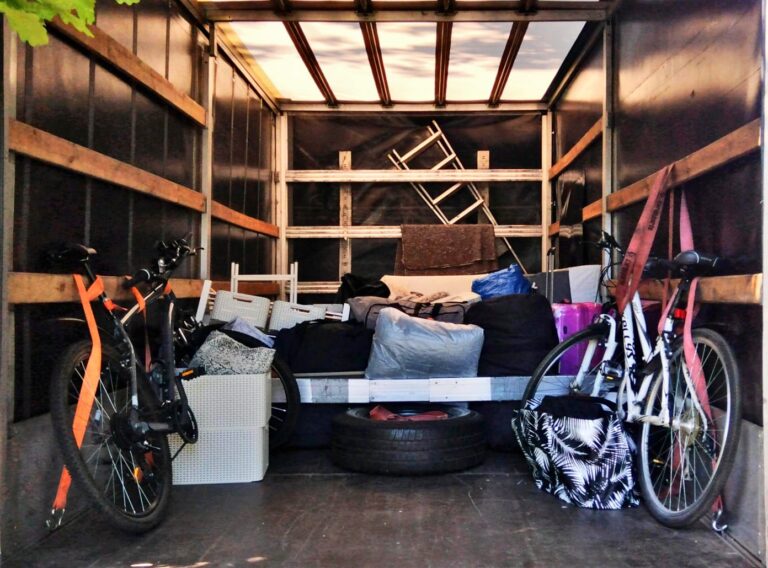
- Customs and removals: When relocating your belongings, customs declarations and inventory lists are required. Using a specialized service like VanOnSite ensures compliance with Italian customs regulations and minimizes delays.
Key Considerations:
- Required documentation:
- Valid passport
- Long-stay visa application
- Proof of accommodation in Italy
- Proof of sufficient income or employment contract
- Codice fiscale (Italian tax number)
- Health insurance or SSN enrollment
- Marriage/birth certificates (if applicable)
- Timeline and planning:
- Start the visa process 3–6 months in advance
- Book removals and arrange housing ahead of arrival
- Prepare for 2–4 weeks of post-arrival administrative steps
- Hiring a reliable removals service:
- VanOnSite offers end-to-end relocation support, including documentation, route planning, and on-time delivery, giving you peace of mind during this major life transition.
VanOnSite: Your Reliable Partner for Moving to Italy
“VanOnSite specializes in seamless removals across Europe, including stress-free relocations to Italy.”
VanOnSite goes beyond standard transport to offer a comprehensive suite of moving services tailored to your individual needs:
- Tailored services for UK to Italy removals: Customized solutions for families, professionals, and retirees
- Experienced drivers familiar with European routes: Ensuring timely and secure deliveries across borders
- GPS tracking and updates: Real-time visibility and communication throughout your move
- Customs documentation support: Full assistance with inventory lists, declarations, and border compliance
- White glove delivery: Premium handling, unpacking, and placement of your belongings inside your new home
- Furniture removals and assembly: Careful dismantling, protection, transportation, and reassembly of furniture items
- Storage options: Secure short- or long-term storage solutions if needed before or after your move
With VanOnSite, you gain more than just a removals service—you gain a trusted partner who ensures your relocation is stress-free and professionally managed from start to finish.
Final Thoughts
Living in Italy offers a compelling combination of rich cultural heritage, relaxed lifestyle, scenic beauty, and affordable living. From navigating visas and finding a home to embracing Italian cuisine and exploring centuries-old cities, this guide has outlined all the essential steps and insights. Whether you’re looking to settle in a bustling metropolis or a peaceful coastal town, Italy welcomes you with open arms. With thoughtful planning, local knowledge, and trusted partners like VanOnSite, your dream of living in Italy can become a fulfilling and seamless reality.