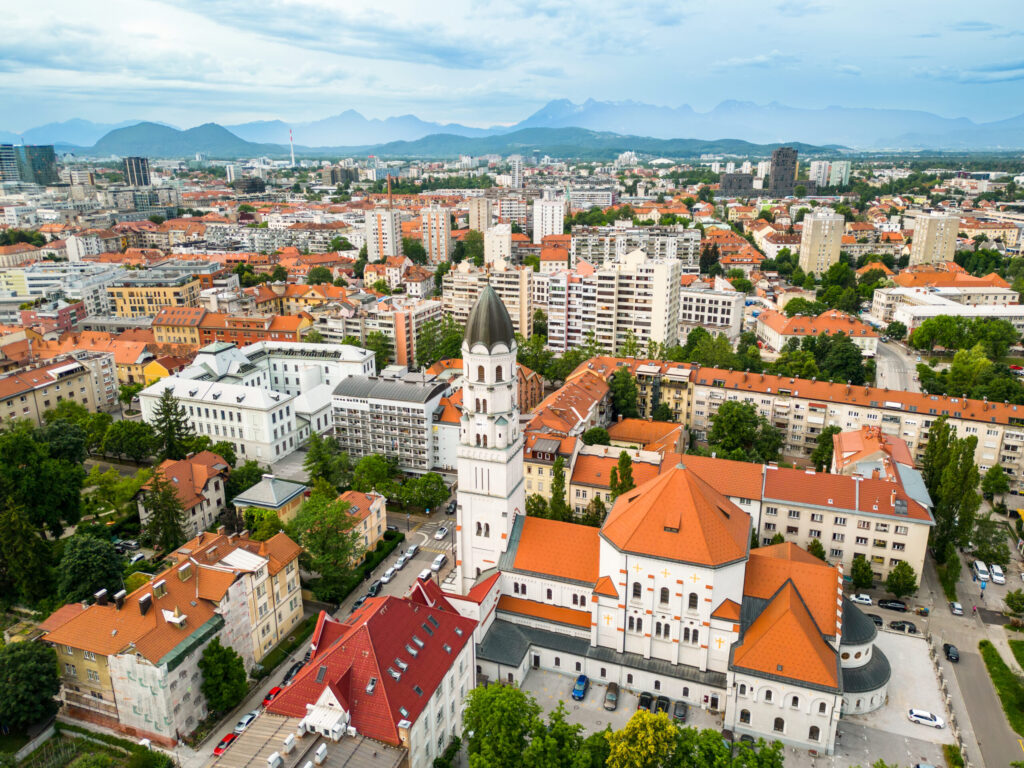
Living in Slovenia offers a unique blend of natural beauty, safety, and affordability, making it one of Europe’s most underrated destinations for expats, students, and digital nomads. From the serene lakes of Bled to the vibrant streets of Ljubljana, Slovenia is a country where quality of life meets opportunity. Whether you’re planning a temporary stay or a permanent relocation, this guide covers all the essential aspects of living in Slovenia to help you make an informed decision.
Key Takeouts:
- Affordable cost of living compared to Western Europe
- High level of safety and public cleanliness
- Stunning natural landscapes with mountains, lakes, and forests
- Well-connected location within Central Europe
- Supportive infrastructure for students and expats
- Reliable healthcare and efficient public transport
- Helpful relocation services available through VanOnSite
What Is the Cost of Living in Slovenia?
According to data and local insights, Slovenia remains a very cost-effective destination:
| Category | Average Cost (EUR) |
|---|---|
| Rent (1-bed in city) | 500–750 |
| Utilities | 100–150 |
| Public Transport | 30–50 |
| Groceries (monthly) | 200–300 |
| Dining Out (per meal) | 10–15 |
| Internet & Mobile | 25–35 |
| Cinema Ticket | 6–9 |
| Gym Membership | 30–50/month |
| Coffee in a Café | 1.50–2.50 |
| Restaurant Meal (2-course) | 20–30 |
| Coffee (250g, store) | 3–5 |
| Tea (box, store) | 2–3 |
| Bread (loaf) | 1.50–2.20 |
| Seasonal Fruits (1kg) | 2–4 |
| Cheese (local, 1kg) | 7–12 |
| Petrol (per litre) | 1.50–1.65 |
Tips to save money:
- Use regional/local transport cards
- Shop in discount stores like Hofer and Lidl
- Rent outside Ljubljana for lower costs
- Buy produce from local markets
- Take advantage of lunch menus at restaurants (malica)
- Join student/fitness clubs for discounted gym access
- Use loyalty cards at supermarkets and gas stations
Cost of Living in Slovenia for International Students
Slovenia is a popular destination for Erasmus and international degree students, thanks to its affordable lifestyle, high-quality education, and vibrant student culture.
Here’s what international students can expect in terms of living costs:
- Student Dormitories: EUR 100–250/month, depending on city and room type (shared or private)
- Private Housing (shared flat): EUR 250–400/month per student
- University Canteens (“študentska prehrana”): EUR 2–5 per meal after government subsidies
- Groceries: EUR 100–150/month with smart shopping habits
- Health Insurance: Mandatory for most students; around EUR 20–30/month
- Tuition Fees: Free for EU citizens; EUR 1,500–5,000/year for non-EU depending on program and university
- Books and Materials: EUR 30–60/month (some universities offer free access)
- Public Transport: EUR 10–20/month with student discounts
- Leisure (cinema, sports, cafes): EUR 30–50/month depending on lifestyle
Student perks:
- Heavily subsidized meals via mobile app vouchers
- Access to student-only gyms and clubs
- Discounts at cultural venues, theatres, festivals, and museums
- Affordable domestic and international travel with student rail/bus cards
- Active student organizations and international networks (ESN Slovenia, IAESTE, etc.)
Slovenia’s capital Ljubljana and other university towns like Maribor or Koper are well-equipped to accommodate international students, making the transition smooth and enriching.
Major Cities in Slovenia
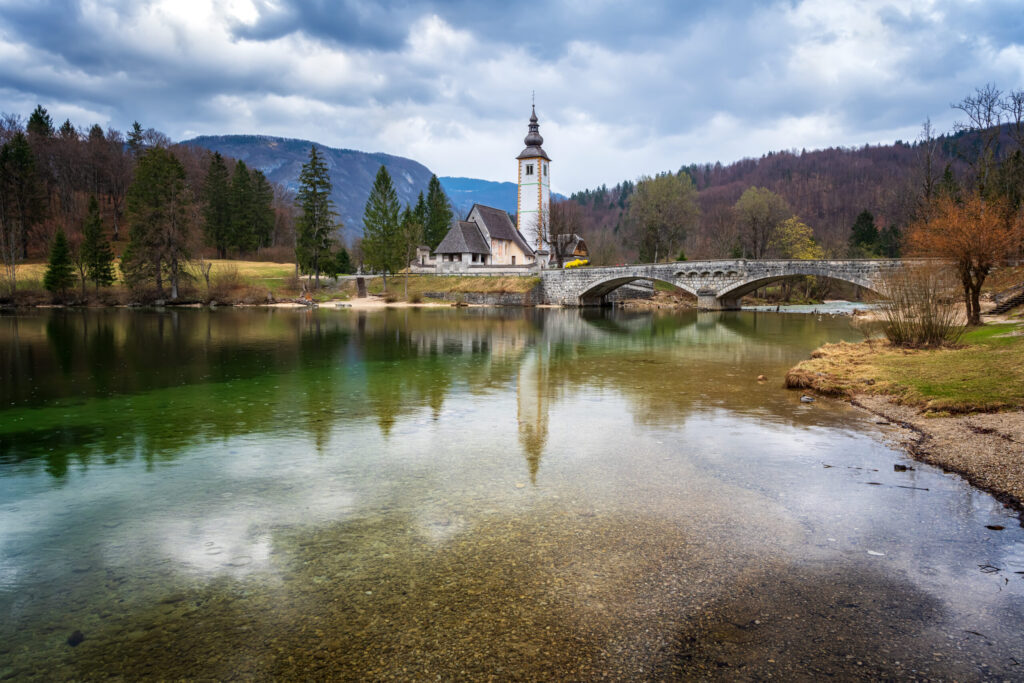
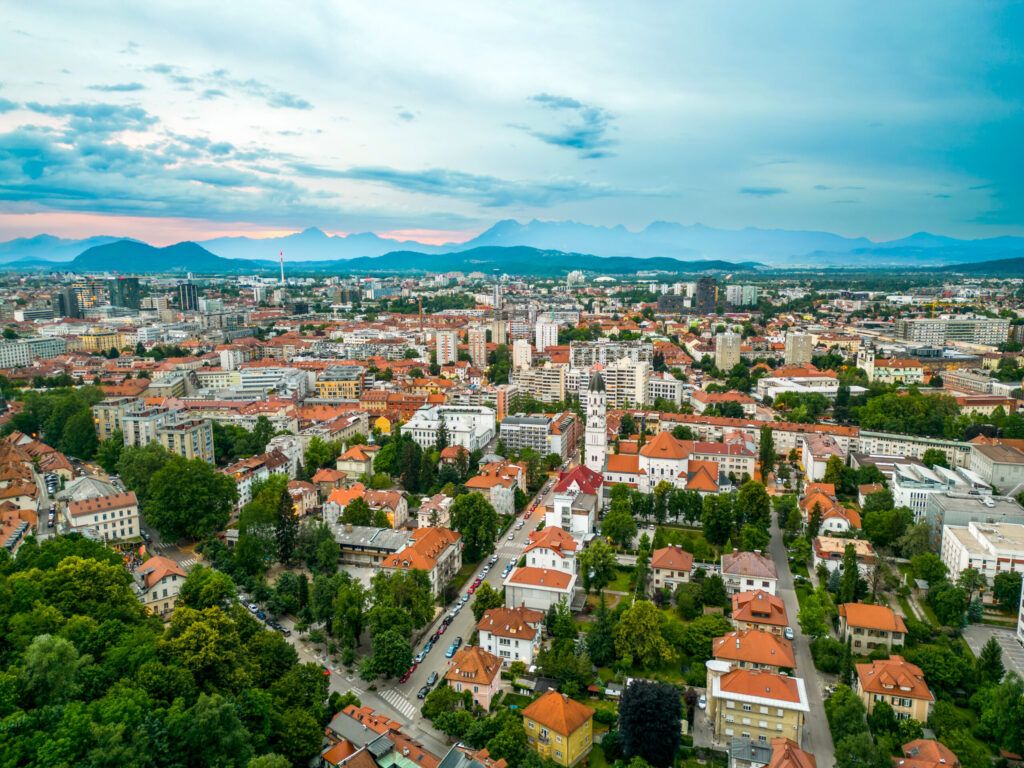
While Slovenia is a relatively small country, it offers a diverse urban experience across several major cities. Each city has its own charm, culture, and lifestyle appeal, suitable for different types of residents—from students and young professionals to families and retirees.
Ljubljana
- Capital and largest city
- Cultural, political, and economic center of Slovenia
- Home to the University of Ljubljana, many museums, and international companies
- A vibrant café culture, green parks, and a walkable city center
Maribor
- Second-largest city in Slovenia, located near the Austrian border
- Known for its wine industry, skiing in Pohorje, and historical architecture
- More affordable housing compared to Ljubljana
- Hosts several university faculties and tech companies
Koper
- Major port city on the Adriatic coast
- Offers a Mediterranean climate and seaside lifestyle
- Important for logistics, shipping, and tourism
- Popular among retirees and digital nomads
Celje
- Historical city with medieval roots
- Offers a mix of urban life and countryside charm
- Developing business infrastructure and lower cost of living
Nova Gorica
- Located on the border with Italy
- Known for its casinos, cross-border trade, and access to Italian job markets
- A bilingual and bicultural atmosphere
Each of these cities offers a unique experience. Whether you want the bustle of a capital, the calm of coastal life, or the charm of a university town, Slovenia has something to match your lifestyle.
Traditional Slovenian Food and Drink
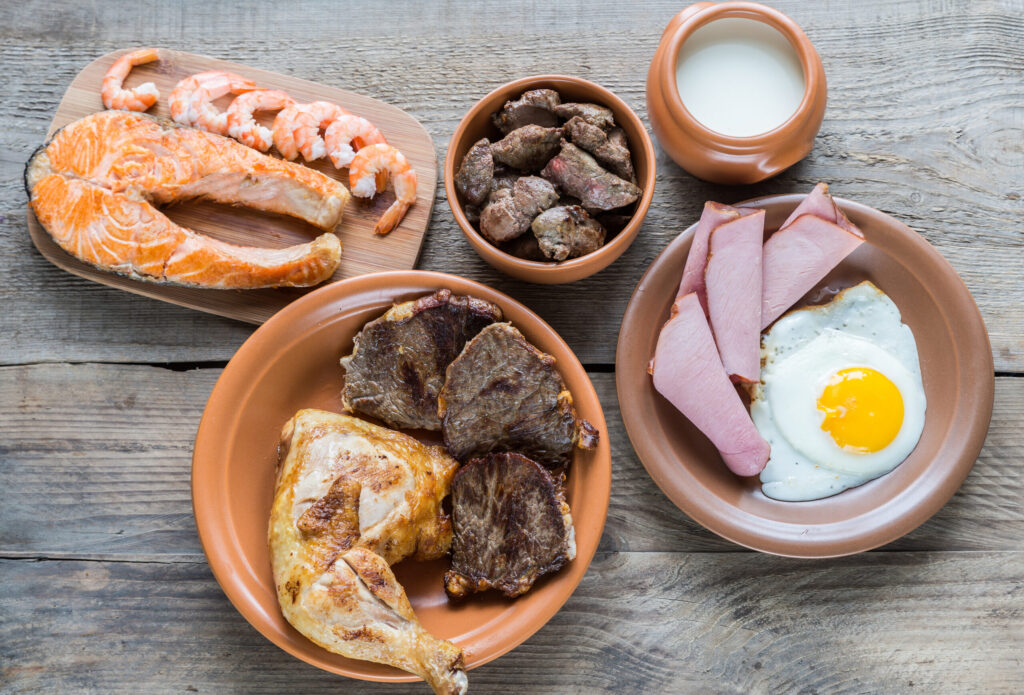
Slovenian cuisine is a delightful mix of Alpine, Mediterranean, and Balkan influences, resulting in hearty, flavorful dishes that reflect the country’s regional diversity and history. From rustic mountain meals to coastal seafood and wine traditions, food in Slovenia is more than just sustenance—it’s a cultural experience.
Popular Slovenian Dishes:
- Potica: A rolled pastry filled with walnuts, poppy seeds, or cottage cheese. A traditional holiday treat.
- Kranjska Klobasa (Carniolan sausage): A protected Slovenian sausage, usually served with mustard and bread.
- Žganci: A buckwheat or cornmeal mush often served with cracklings or sauerkraut—Slovenia’s answer to polenta.
- Jota: A thick stew made from beans, sauerkraut, potatoes, and smoked pork—popular in winter.
- Štruklji: Rolled dough filled with tarragon, cottage cheese, apples, or walnuts, either sweet or savory.
- Prekmurska Gibanica: A multi-layered dessert from the Prekmurje region, combining poppy seeds, apples, walnuts, and cottage cheese.
Fresh Local Ingredients:
Slovenian markets are brimming with fresh produce. Expect seasonal fruits like apples, cherries, and plums; mountain herbs; artisanal cheeses; and forest mushrooms. Organic farming is widespread, and many restaurants emphasize farm-to-table dining.
Popular Drinks & Alcohol:
- Slovenian Wine: Slovenia has over 28,000 wineries! The three main wine regions are Primorska, Posavje, and Podravje. Try local varieties like Rebula, Teran, and Cviček.
- Craft Beer: A growing scene, with local breweries like HumanFish, Pelicon, and Bevog offering hoppy and experimental options.
- Schnapps (Žganje): Homemade fruit brandies (pear, plum, blueberry) are often offered as a welcome drink.
- Radler: A refreshing mix of beer and lemonade, perfect for summer.
Whether dining in a countryside gostilna (tavern) or exploring Ljubljana’s lively central market, food and drink are central to Slovenian identity. Adventurous foodies will find a wide range of regional specialties worth exploring.
Culture and Traditions in Slovenia
Slovenia’s culture is a vibrant tapestry woven from its Slavic roots, Mediterranean charm, Alpine traditions, and Central European influences. Despite its small size, the country boasts a rich heritage that reflects in its festivals, music, dance, crafts, and everyday lifestyle.
Cultural Highlights:
- Folklore and Music: Traditional Slovenian folk music is performed using instruments like the button accordion. Folk dances such as polka and kolo are commonly performed at cultural festivals and national celebrations.
- Architecture and Art: Cities like Ljubljana showcase the work of architect Jože Plečnik, while galleries across the country exhibit contemporary and classical art from Slovenian and international artists.
- Literature and Language: Slovene is the official language and is central to the national identity. Celebrated poets like France Prešeren are national icons.
- Crafts and Handicrafts: Lace-making (especially in Idrija), pottery, woodenware, and beekeeping traditions are still preserved and promoted at local markets and fairs.
National Holidays and Festivities:
Slovenia observes several important national and religious holidays that reflect its cultural identity and history:
- Prešeren Day (February 8) – National Cultural Holiday honoring the poet France Prešeren. Celebrated with concerts, readings, and free museum entry.
- Easter (March/April) – Marked by the blessing of Easter baskets filled with traditional foods and family gatherings.
- May Day (May 1) – International Workers’ Day with bonfires, picnics, and folk music.
- Statehood Day (June 25) – Celebrates Slovenia’s independence from Yugoslavia in 1991.
- Assumption Day (August 15) – A Catholic feast day, often associated with pilgrimages.
- Reformation Day (October 31) – Honors the Protestant Reformation and its role in the Slovene literary tradition.
- All Saints’ Day (November 1) – Families visit cemeteries to honor deceased relatives with candles and flowers.
- Independence and Unity Day (December 26) – Marks the official announcement of independence following a public referendum.
In addition to official holidays, Slovenia hosts numerous festivals throughout the year, such as the Kurentovanje Carnival in Ptuj, Ljubljana Summer Festival, and grape harvest celebrations in wine regions. These events offer insight into Slovenian hospitality, creativity, and love for local tradition.
Must-See Places in Slovenia
Slovenia is packed with natural beauty, charming towns, and cultural landmarks that make it a captivating destination for residents and visitors alike. Here are some of the top locations you shouldn’t miss:
Lake Bled
- Perhaps the most iconic spot in Slovenia, this glacial lake features a picturesque island church and medieval cliffside castle.
- Popular for rowing, swimming, and scenic walks around the lake.
Ljubljana
- The capital city combines a youthful atmosphere with historical architecture and vibrant culture.
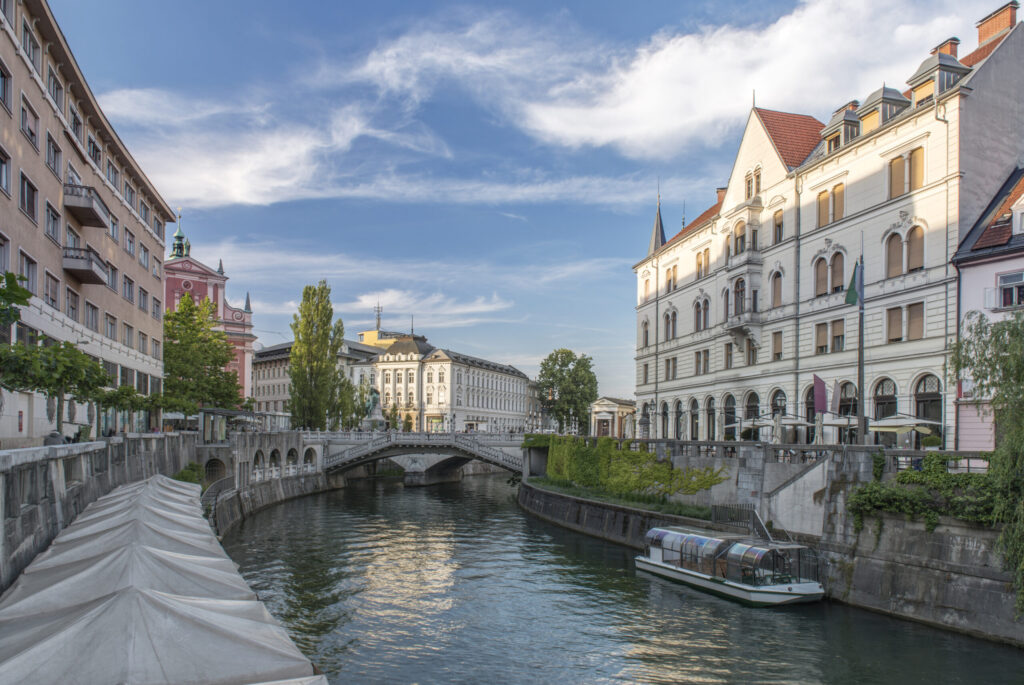
- Explore Ljubljana Castle, stroll along the Ljubljanica River, and enjoy the open-air markets and street cafes.
Triglav National Park & Mount Triglav
- Home to Slovenia’s highest peak and a UNESCO Biosphere Reserve.
- Offers hiking, skiing, rafting, and camping for outdoor enthusiasts.
Postojna Cave & Predjama Castle
- A massive karst cave system featuring an underground train and stunning rock formations.
- Nearby stands Predjama Castle, dramatically built into a cliffside.
Piran
- A charming coastal town with Venetian architecture and Adriatic Sea views.
- Famous for its seafood, narrow alleys, and relaxed seaside vibe.
Škocjan Caves
- A UNESCO World Heritage Site, these caves are known for one of the world’s largest underground canyons.
- Guided tours showcase its dramatic chambers and subterranean rivers.
Maribor
- Located in the heart of wine country, it’s home to the world’s oldest vine and vibrant cultural festivals.
- Offers skiing in Pohorje and access to the Drava River.
Soča Valley
- A haven for adventure sports such as kayaking, paragliding, and hiking.
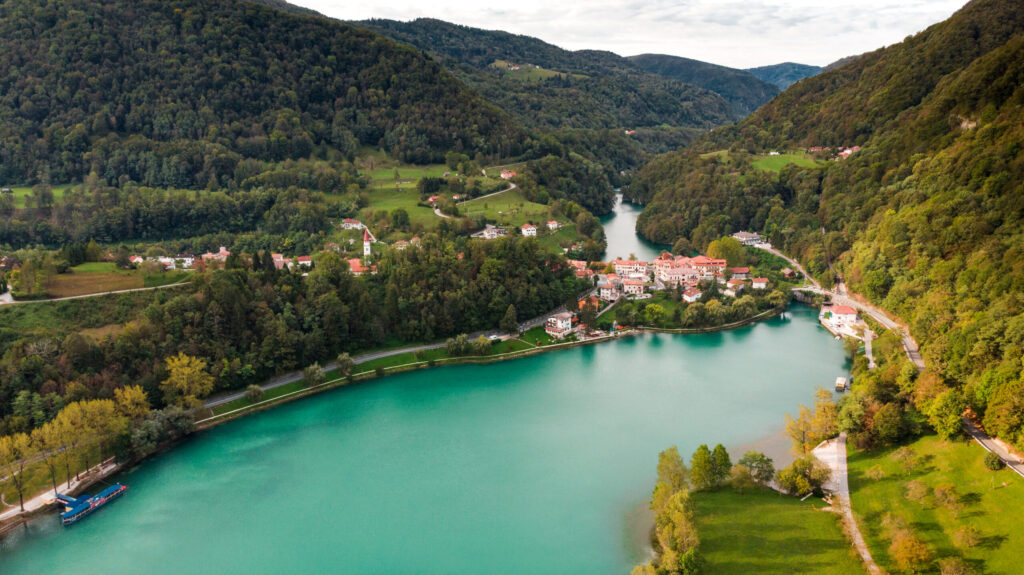
- Famous for its emerald-green Soča River and WWI history trails.
Slovenia’s small size makes it easy to explore by car or public transport, allowing residents to experience mountains, coast, caves, and culture—all in one weekend.
Working in Slovenia: Sectors and Salaries
Slovenia offers a stable job market with opportunities across various industries, particularly in urban centers like Ljubljana, Maribor, and Koper. While it’s not as competitive as major Western economies, Slovenia presents a balanced work-life environment and growing sectors that welcome skilled professionals, especially from the EU.
Key Employment Sectors:
- Information Technology (IT): Rapidly expanding with demand for developers, engineers, and data specialists.
- Tourism & Hospitality: Strong in cities and alpine/coastal regions. Roles range from hotel staff to event coordinators and tour guides.
- Healthcare: Doctors, nurses, and caregivers are in steady demand, especially with an aging population.
- Education: English teachers and university lecturers, particularly in international and private institutions.
- Engineering & Manufacturing: Slovenia has a solid industrial base, including automotive, machinery, and electronics.
- Logistics & Transport: Due to Slovenia’s strategic location, this is a growing field with employment in warehousing, trucking, and port services.
- Green & Sustainable Technologies: Opportunities are increasing in environmental consultancy, energy efficiency, and renewable sectors.
Average Gross Monthly Salaries by Sector:
| Sector | Salary (EUR) |
|---|---|
| IT & Software Development | 2,500–4,000 |
| Engineering | 2,200–3,200 |
| Healthcare (Doctors) | 3,000–5,000 |
| Healthcare (Nurses) | 1,500–2,300 |
| Education (University) | 2,000–3,000 |
| Tourism & Hospitality | 1,200–1,800 |
| Logistics & Transport | 1,400–2,500 |
| Retail & Services | 1,100–1,600 |
Note: Salaries in Slovenia are subject to progressive income tax. Net pay will vary depending on personal circumstances and tax deductions.
Tips for Job Seekers:
- EU citizens do not need a work permit. Non-EU citizens should apply for a single work and residence permit.
- Websites like MojeDelo.com, Indeed Slovenia, and the EURES portal are excellent for job listings.
- Knowledge of Slovene is an advantage, but many international firms use English as the working language.
- LinkedIn is increasingly used by local recruiters.
Slovenia may not offer the highest wages in Europe, but it compensates with lifestyle quality, job security, and a safe, beautiful living environment.
Cost of Living Comparison: Slovenia vs. Neighboring Countries
To better understand the affordability of living in Slovenia, here’s a comparative overview of typical monthly living costs for a single person in Slovenia, Czech Republic, Slovakia, Austria, and Poland.
| Category | Slovenia (EUR) | Czech Republic (EUR) | Slovakia (EUR) | Austria (EUR) | Poland (EUR) |
|---|---|---|---|---|---|
| Rent (1-bed in city center) | 500–750 | 600–850 | 500–700 | 850–1,200 | 450–700 |
| Utilities | 100–150 | 120–180 | 100–160 | 180–250 | 100–150 |
| Public Transport | 30–50 | 25–40 | 25–40 | 45–60 | 20–35 |
| Groceries (monthly) | 200–300 | 250–350 | 230–300 | 300–450 | 200–300 |
| Dining Out (meal) | 10–15 | 8–12 | 7–12 | 12–20 | 7–10 |
| Coffee in a Café | 1.50–2.50 | 2–3 | 1.50–2.50 | 3–4 | 1.50–2 |
| Gym Membership | 30–50 | 25–45 | 25–40 | 40–70 | 20–40 |
| Cinema Ticket | 6–9 | 7–10 | 6–9 | 10–15 | 5–8 |
Note: These values are approximate and may vary depending on city and lifestyle.
Slovenia offers a well-balanced cost profile—generally more affordable than Austria but slightly more expensive than Poland and Slovakia. Its pricing sits comfortably between Eastern and Western European standards, making it attractive for those seeking a high quality of life without the premium cost.
Residence and Work Permits for UK Citizens in Slovenia
Since the UK’s departure from the European Union (Brexit), UK citizens are no longer entitled to freedom of movement within the EU. This means that UK nationals now require appropriate residence and work permits to live and work in Slovenia.
Residence Permit Requirements:
- Short-term stays (up to 90 days): UK citizens can visit Slovenia visa-free for tourism or business for up to 90 days within any 180-day period.
- Long-term stays (over 90 days): To remain in Slovenia longer, UK nationals must apply for a temporary residence permit. Common grounds include work, study, family reunification, or business.
- Documents Required:
- Valid passport
- Proof of accommodation
- Health insurance valid in Slovenia
- Sufficient financial means
- Criminal record certificate (in some cases)
- Purpose-specific documents (e.g. employment contract)
Work Permit Requirements:
- Single Permit for Residence and Work: UK citizens who wish to work in Slovenia need to obtain a single permit, which allows both residence and employment.
- Employer-Sponsored Applications: Usually initiated by a Slovenian employer, the application includes job details, qualifications, and a signed contract.
- Processing Time: 1–3 months
Post-Arrival Obligations:
Once in Slovenia, UK citizens must:
- Register their residence with the local administrative unit (Upravna enota) within 8 days
- Obtain a Slovenian tax number (Davčna številka)
- Register with the health insurance system, if required
Note: UK citizens legally residing in Slovenia before 1 January 2021 should already hold a biometric residence permit issued under the Withdrawal Agreement.
For the most accurate and current requirements, it is strongly advised to consult the Slovenian Ministry of Interior or your nearest Slovenian embassy before making any formal arrangements.
Disadvantages of Living in Slovenia
Every destination has trade-offs. While Slovenia is an exceptional place to live, there are a few potential challenges to be aware of:
- Language Barrier: Although many Slovenians, particularly the younger population, speak English well, navigating official documents, healthcare, and government institutions can be difficult without a working knowledge of Slovene. Language courses are available, but mastering the language takes time and commitment.
- Job Market for Expats: Employment opportunities for foreigners may be limited unless you’re in specific sectors like IT, tourism, or academia. Non-EU nationals might face additional work permit requirements, and high-level English-speaking positions are relatively scarce outside major urban areas.
- Long Winters: Slovenia’s climate is diverse, but the Alpine and continental regions experience long, grey winters with limited daylight and cold temperatures. This can be challenging for individuals sensitive to seasonal changes.
- Bureaucracy: Administrative tasks such as obtaining residence permits, registering your address, or setting up health insurance can be slow and sometimes confusing. Processes may involve in-person visits, paperwork in Slovene, and varying regional interpretations of laws.
- Limited Nightlife & Entertainment Options in Smaller Towns: While Ljubljana offers a vibrant social scene, smaller towns may lack diverse entertainment options. This can affect younger residents or those accustomed to a more active nightlife.
- High Taxes on Income and Goods: Slovenia has relatively high income taxes and VAT (22%). Although these support a strong public infrastructure, they can reduce take-home pay for certain professionals.
- Healthcare Waiting Times: While the healthcare system is generally good and accessible, waiting times for non-emergency treatments can be long due to a shortage of specialists and growing demand.
Why Live in Slovenia?
- Breathtaking Nature: Slovenia is a paradise for nature lovers. With over 60% of its land covered in lush forests, pristine lakes like Bled and Bohinj, and dramatic Alpine peaks, it offers endless opportunities for hiking, skiing, and adventure sports. The country’s national parks and nature reserves are ideal for those seeking tranquility and outdoor recreation.
- Strategic Location: Nestled in Central Europe, Slovenia provides effortless access to neighboring countries such as Austria, Italy, Croatia, and Hungary. This makes it perfect for weekend getaways and business travel across the region. It’s also well-connected by road, rail, and low-cost flights.
- Safe and Peaceful: Slovenia consistently ranks among the top safest countries in Europe. Low crime rates, political stability, and a welcoming atmosphere make it an ideal choice for families, solo travelers, and retirees alike.
- Affordable Lifestyle: Compared to Western Europe, the cost of living in Slovenia is considerably lower. Rent, food, transport, and healthcare are all budget-friendly, allowing for a high quality of life without high expenses.
- Great Public Infrastructure: The country boasts clean and modern cities, excellent public transportation, reliable healthcare services, and widespread internet access. Whether you’re in a major city or a rural village, infrastructure is dependable and efficient.
- Cultural Richness: Slovenia’s rich cultural heritage blends Slavic, Germanic, and Mediterranean influences. Residents enjoy a full calendar of festivals, traditional cuisine, vibrant arts, and historical landmarks.
- Eco-Friendly Living: Slovenia is at the forefront of sustainability in Europe. Recycling programs, clean energy initiatives, and eco-conscious city planning are deeply embedded in public life, making it an ideal destination for environmentally aware individuals.
Moving to Slovenia with VanOnSite
From the VanOnSite Slovenia removals page:
“VanOnSite offers reliable and cost-effective removals to Slovenia, perfect for both personal and commercial relocations. Whether you’re moving to Ljubljana, Maribor, or the Triglav National Park area, our experienced team ensures your belongings arrive safely and on time.”
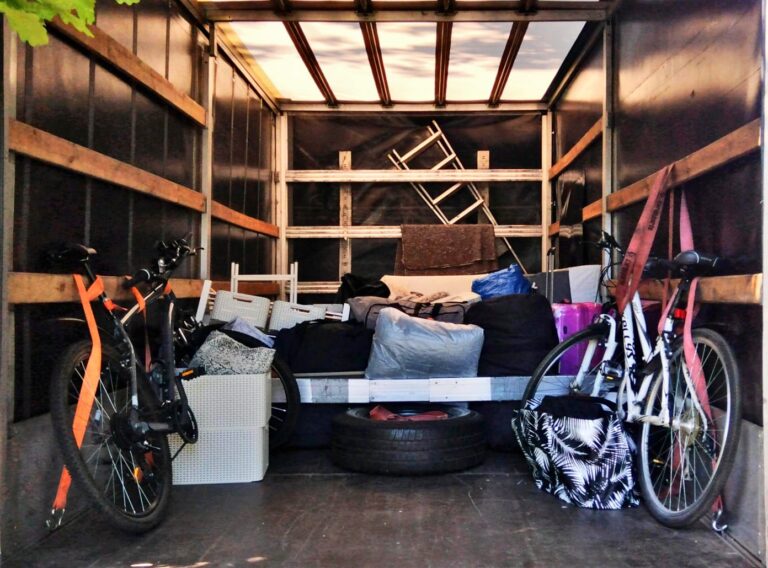
Relocating to another country can be overwhelming, but with VanOnSite, the transition is made smooth and stress-free. As specialists in European removals, they understand the nuances of cross-border logistics and ensure that each stage of your move is handled with care and precision.
Key Services Offered:
- Fully insured door-to-door transport: Your items are protected throughout the journey, giving you peace of mind.
- Professional packing and unpacking support: Optional services to help save time and avoid damage to delicate or valuable items.
- Storage solutions: Need time before settling in? VanOnSite offers short- and long-term storage in secure facilities.
- Customs and paperwork assistance: Guidance through the documentation required for EU and non-EU moves.
- Vehicle transport options: Cars, motorcycles, or recreational vehicles can be shipped alongside your household items.
- Real-time tracking and updates: Stay informed with logistics transparency every step of the way.
- Flexible scheduling across Europe: Moves can be booked to fit your timeline, whether planned well in advance or needed on short notice.
No matter the scale of your relocation, VanOnSite delivers efficient, reliable, and affordable service tailored to your needs. Whether you’re relocating a family home, a student flat, or an entire office, VanOnSite has the experience and infrastructure to make your move to Slovenia seamless.
How to Prepare for Your Move
Checklist before moving to Slovenia:
- Research visa/residence permit requirements: Determine whether you need a visa or residence permit based on your nationality and intended length of stay. Check required documentation and processing times.
- Find housing (long-term or temporary): Begin your search early. Platforms like Nepremicnine.net and Facebook expat groups are helpful for finding both apartments and temporary accommodations.
- Set up health insurance: EU citizens should bring their European Health Insurance Card (EHIC). Non-EU citizens may need to arrange private health insurance until they are registered in the public system.
- Schedule your move with VanOnSite: Contact VanOnSite to arrange your transportation well in advance. Their flexible scheduling, insurance coverage, and packing services help ensure a smooth relocation process.
- Learn basic Slovene phrases: While many Slovenians speak English, learning simple Slovene greetings and everyday vocabulary can ease integration, especially when handling bureaucracy or shopping locally.
- Open a local bank account: Essential for receiving wages, paying rent, and handling everyday expenses. Popular banks include NLB, SKB, and Intesa Sanpaolo.
- Familiarize yourself with local laws and customs: Slovenia values punctuality, environmental responsibility, and respectful communication. Knowing these social norms helps with smoother adaptation.
- Check public transportation and driving requirements: Slovenia has an excellent public transport network. If you plan to drive, check whether your license is valid or needs to be exchanged.
- Sort out mobile and internet services: Providers like A1, Telekom Slovenije, and Telemach offer prepaid and postpaid plans. Set this up shortly after arrival for easier communication.
- Prepare financial reserves: Make sure to have enough funds for the first few months, including deposits, initial rent, transport, and unexpected expenses.
Final Thoughts
Living in Slovenia offers a rare blend of natural beauty, cultural depth, and economic accessibility. From affordable living costs and vibrant university towns to world-class landscapes and sustainable living, Slovenia proves to be an ideal destination for students, professionals, families, and retirees alike.
Whether you’re drawn to the Alpine trails of Triglav, the historic streets of Ljubljana, or the Adriatic breeze in Piran, Slovenia delivers quality of life in every corner. Despite some bureaucratic and linguistic challenges, the benefits of living here—especially when supported by reliable partners like VanOnSite—far outweigh the downsides.
Ready to make your move? VanOnSite is your trusted relocation partner for a smooth and efficient transition to Slovenia.