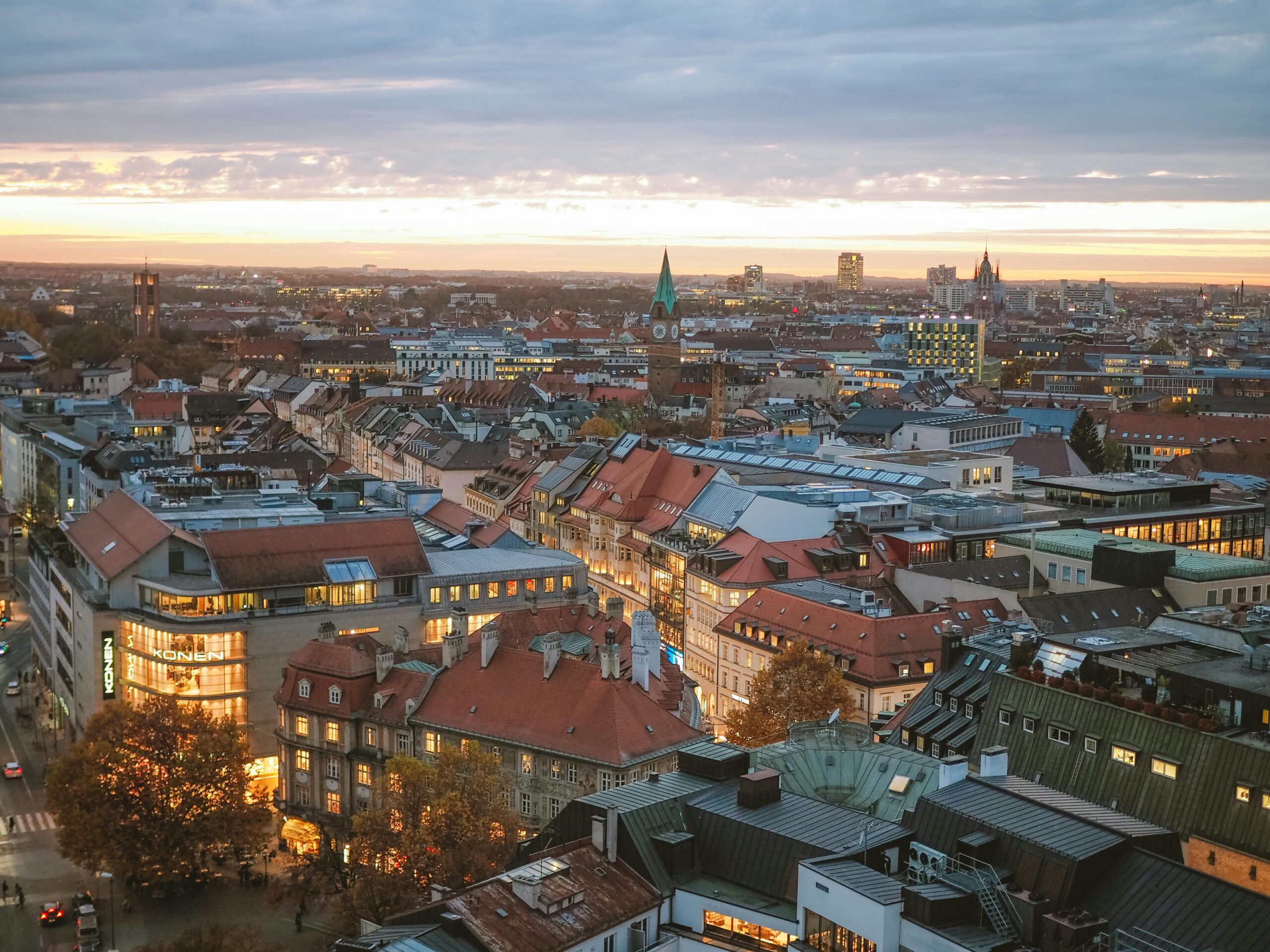
Living in Sweden opens the door to a lifestyle defined by balance, safety, and sustainability. Whether you’re drawn by career prospects, social welfare benefits, or the pristine Nordic nature, relocating to Sweden can be a life-changing decision.
The country boasts one of the highest standards of living in the world, supported by a well-functioning welfare system, top-tier education, and a clean environment. With a population that values equality, consensus, and innovation, Sweden offers not only a safe and healthy life but also space for personal and professional growth. From its charming cities and expansive forests to progressive social policies and a booming job market, Sweden has become a beacon for those seeking a meaningful and modern life abroad.
This comprehensive guide will walk you through everything from the cost of living and job prospects to cultural nuances and relocation tips—so you can confidently start your journey to Sweden.
Key Takeouts:
- Sweden offers a high standard of living with universal healthcare and free education.
- Work-life balance is strongly emphasized, with generous parental leave and vacation time.
- English is widely spoken, making integration easier for newcomers.
- The cost of living is high, especially in cities like Stockholm and Gothenburg.
- Winters can be long and dark, but summers are bright and lively.
- A strong focus on sustainability and green living permeates all aspects of life.
- VanOnSite provides expert relocation services to simplify your move across Europe.
Benefits of Living in Sweden
Sweden offers a wide array of advantages that make it a top destination for expats and families looking to relocate:
- World-Class Healthcare: Sweden’s universal healthcare system is one of the most robust in the world. Residents enjoy easy access to medical services with low out-of-pocket costs and a strong focus on preventive care.
- Free and Quality Education: Education is not only free for EU/EEA citizens—including higher education—but is also globally recognized for its quality and progressive teaching methodologies.
- Work-Life Balance: The average 40-hour workweek is complemented by a generous parental leave policy (up to 480 days per child) and a minimum of five weeks of vacation per year. Employers actively encourage employees to maintain a healthy balance between work and personal life.
- Stunning Nature and Outdoor Activities: Sweden boasts an abundance of forests, thousands of lakes, vast archipelagos, and the chance to witness the Northern Lights in the north. The country’s strong right-to-access laws (Allemansrätten) allow everyone to explore nature freely.
- Safety and Cleanliness: With low crime rates and a strong emphasis on public hygiene and environmental sustainability, Sweden is among the safest and cleanest countries to live in.
- Technological Advancement: Sweden is a leader in innovation and digitalization, providing a tech-savvy environment that supports remote work, smart cities, and eco-friendly infrastructure.
- Social Inclusion and Equality: The Swedish social model prioritizes inclusion, gender equality, and support for families and minorities.
“Sweden consistently ranks as one of the best places in the world to live.”
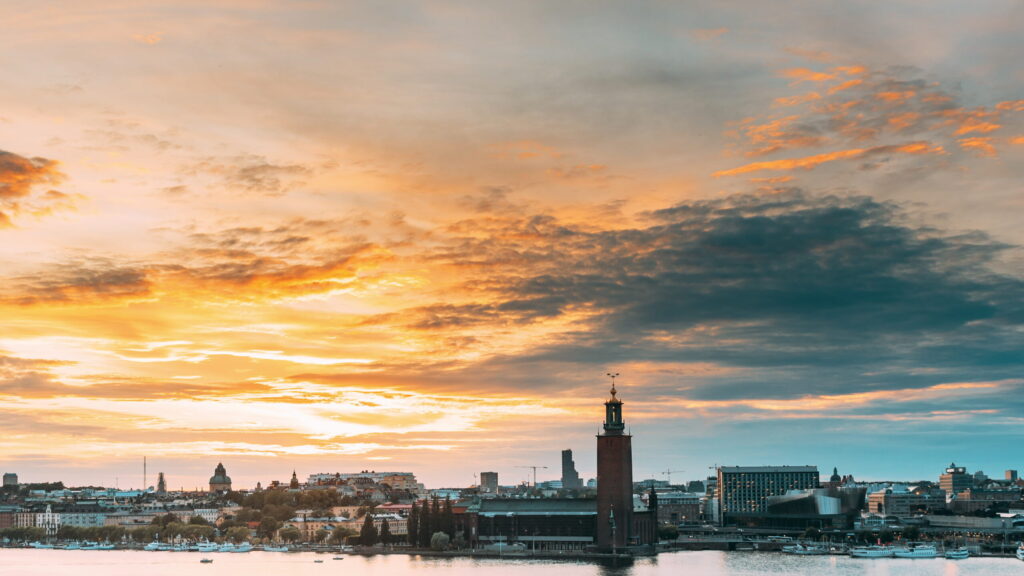
Disadvantages of Living in Sweden
While Sweden offers a high quality of life, there are some drawbacks to consider before relocating:
- High Taxes: Sweden has some of the highest tax rates in the world. While these fund public services like healthcare and education, they can significantly reduce net income, especially for high earners.
- Dark Winters and Cold Climate: From November to February, daylight hours are minimal—sometimes as little as 3-4 hours in the north. The lack of sunlight can impact mental health, and the cold, snowy conditions can be a challenge for those unused to Nordic winters.
- Housing Shortage and High Rent: In cities like Stockholm, Gothenburg, and Malmö, finding rental accommodation can be time-consuming and expensive. The demand often outweighs supply, resulting in waiting lists and high rental prices.
- Language Barrier: Although English is widely spoken, mastering Swedish is often essential for integrating fully into society, especially in the job market and public services.
- Bureaucracy and Slow Processing: Immigration processes, residence permits, and social service registrations can be slow and require patience.
- Cost of Living: Besides taxes, groceries, dining out, and everyday items can be significantly more expensive than in other European countries.
Despite these disadvantages, many expats find the trade-off worthwhile due to the numerous benefits and overall life satisfaction in Sweden.
Pros and Cons of Living in Sweden
Relocating to Sweden involves weighing a variety of important lifestyle factors. Below is a detailed comparison of the primary advantages and challenges associated with living in Sweden:
| Pros | Cons |
|---|---|
| Free healthcare and education | Long, dark winters with limited sunlight |
| Low crime rate and high personal safety | High cost of living, especially in major cities |
| Strong environmental regulations and clean energy | Bureaucratic delays in permits and registrations |
| Excellent public transportation system | Competitive and limited housing market |
| Generous work-life balance and parental leave | Language barrier in certain job sectors |
| High digitalization and remote work culture | Higher taxation on income and goods |
| Access to stunning nature and recreation | Social integration may take time |
Cost of Living in Sweden
Living in Sweden can be expensive, especially in larger cities. Here are some average monthly and daily expenses to help you plan your budget:
| Expense | Estimated Cost (SEK) |
|---|---|
| Rent (1-bedroom) | 8,000 – 12,000 |
| Groceries (monthly) | 2,500 – 3,500 |
| Transport Pass | 900 – 1,200 |
| Utilities & Internet | 1,000 – 1,500 |
| Fuel (per litre) | 18 – 22 |
| Coffee (cappuccino) | 35 – 50 |
| Restaurant Meal (mid-range) | 120 – 250 |
| Cinema Ticket | 120 – 160 |
| Gym Membership | 300 – 600 |
| Bread (loaf) | 25 – 40 |
| Fruits (1kg mixed) | 30 – 60 |
| Vegetables (1kg mixed) | 20 – 50 |
Tips to save:
- Shop at local markets and discount grocery stores (e.g., Lidl, Willys)
- Choose suburban housing to lower rent costs
- Use public transport and avoid unnecessary car expenses
- Take advantage of public healthcare and free education
- Cook at home more often and limit dining out
Cost of Living in Sweden vs UK vs Finland
| Category | Sweden (SEK) | UK (GBP) | Finland (EUR) |
|---|---|---|---|
| Rent (1BR city) | 10,000 | £800 | €700 |
| Transport | 1,000 | £60 | €60 |
| Grocery Basket | 3,000 | £200 | €250 |
| Fuel (per litre) | 20 | £1.45 | €1.90 |
| Coffee (cappuccino) | 45 | £3.20 | €3.00 |
| Restaurant Meal | 180 | £25 | €18 |
| Cinema Ticket | 140 | £12 | €13 |
| Gym Membership | 450 | £35 | €40 |
| Bread (loaf) | 30 | £1.80 | €2.00 |
| Fruits (1kg mixed) | 45 | £3.00 | €3.20 |
| Vegetables (1kg mixed) | 35 | £2.50 | €2.80 |
Conclusion: Sweden’s cost of living is higher than Finland in most areas and slightly lower than the UK in select categories like rent. However, everyday expenses such as dining, transport, and leisure activities remain relatively elevated, positioning Sweden in the upper-middle range for European living costs.
Major Cities and Tourist Destinations in Sweden
Sweden is a diverse and geographically rich country with vibrant urban centers and stunning natural attractions. Whether you’re relocating or just visiting, these cities and destinations deserve a place on your map:
Key Cities to Live In:
- Stockholm: The capital city and economic hub, Stockholm is known for its innovation, clean environment, and beautiful archipelago. It offers world-class restaurants, international schools, and a dynamic job market.
- Gothenburg: Sweden’s second-largest city has a strong industrial base, a relaxed atmosphere, and a bustling harbor. It’s also a great place for food lovers and is known for its seafood and craft beer.
- Malmö: Located in southern Sweden, Malmö is connected to Copenhagen via the Öresund Bridge. It’s diverse, progressive, and offers a more affordable alternative to Stockholm.
- Uppsala: A charming university town rich in history and culture. It has a youthful population and offers a quieter lifestyle with quick access to Stockholm.
- Lund: Another notable university town, Lund is a hub for research and education and features a blend of medieval architecture and modern innovation.

Must-See Tourist Destinations:
- Kiruna & Abisko National Park: Ideal for viewing the Northern Lights and exploring Sweden’s Arctic north.
- Gotland: A picturesque island in the Baltic Sea with medieval architecture, sandy beaches, and a lively summer atmosphere.
- Icehotel in Jukkasjärvi: A unique hotel built entirely of ice and snow—rebuilt every year and a true bucket-list experience.
- Drottningholm Palace: The private residence of the Swedish royal family and a UNESCO World Heritage Site.
- The High Coast (Höga Kusten): A UNESCO-listed natural wonder, perfect for hiking, kayaking, and connecting with nature.
- Kalmar and Öland: Known for its Renaissance castle and rich cultural heritage.
- Lapland: Home to the indigenous Sámi culture, reindeer safaris, and vast, snow-covered landscapes.
Sweden’s blend of metropolitan convenience and breathtaking nature makes it one of Europe’s most attractive places to live and explore.
Traditional Swedish Cuisine and Drinks
Sweden’s culinary culture reflects its northern heritage, local produce, and emphasis on seasonality. From cozy fika moments to festive holiday tables, Swedish food is hearty, diverse, and steeped in tradition.
Classic Swedish Dishes:
- Köttbullar (Swedish Meatballs): Served with creamy gravy, lingonberry jam, and mashed potatoes.
- Gravlax: Cured salmon with dill, usually accompanied by mustard sauce and rye bread.
- Raggmunk: Crispy potato pancakes often served with fried pork and lingonberries.
- Janssons frestelse: A creamy potato casserole with anchovies, typically served during Christmas.
- Knäckebröd: Crispbread that is a staple on most Swedish tables.
- Pea Soup and Pancakes (Ärtsoppa och Pannkakor): A traditional Thursday meal.
Fika Culture:
Fika is a deeply ingrained Swedish tradition of taking a break for coffee and cake—often a cinnamon bun (kanelbulle)—and connecting with others. It’s more than just a snack; it’s a social institution.
Popular Swedish Sweets:
- Princess Cake (Prinsesstårta): A green marzipan-covered sponge cake with cream and jam.
- Chokladbollar: No-bake chocolate oat balls rolled in coconut or pearl sugar.

Alcohol in Sweden:
Alcohol is available but regulated:
- Systembolaget: Government-run stores are the only legal retailers for wine and spirits. Beer under 3.5% ABV can be purchased in regular supermarkets.
- Snaps & Aquavit: Strong flavored spirits traditionally consumed during festive meals.
- Craft Beer Scene: Sweden has a growing number of microbreweries producing high-quality lagers, IPAs, and seasonal brews.
Drinking in Sweden is typically reserved for weekends and special occasions, and the legal drinking age is 18 for bars and 20 for purchasing from Systembolaget.
Swedish cuisine is simple yet flavorful, and its strong ties to tradition make every meal a cultural experience.
Swedish Culture and Values
Swedish culture is deeply rooted in values like equality, modesty, and respect for individual privacy. These principles shape not only social norms but also everyday interactions, workplace behavior, and public services.
Core Cultural Values:
- Lagom: This quintessentially Swedish concept translates to “not too little, not too much—just right.” It encourages moderation, balance, and fairness in all aspects of life.
- Jantelagen (The Law of Jante): A cultural code that discourages individual boasting and promotes humility and collective well-being.
- Openness and Inclusion: Sweden is known for its inclusive and progressive stance on gender equality, LGBTQ+ rights, and social integration.
Social Customs:
- Punctuality: Being on time is not just polite—it’s expected.
- Personal Space: Swedes value their personal space and prefer a calm, reserved manner of interaction.
- Consensus Culture: Decision-making, especially in the workplace, is often collaborative and inclusive.
Arts and Design:
- Sweden has a rich tradition of design and architecture, known worldwide for brands like IKEA and artists like Carl Larsson.
- Music is another cultural export, from ABBA and Avicii to a thriving indie and electronic scene.
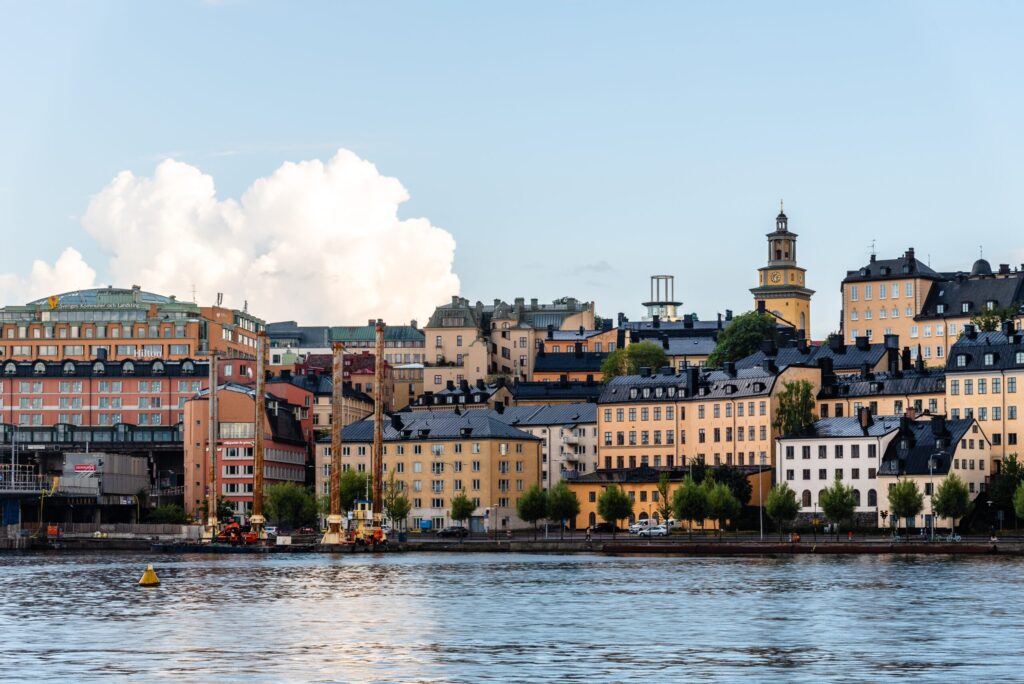
National Holidays and Traditions:
- Midsummer: Celebrated in June with flower crowns, dancing around the maypole, and traditional foods like herring and new potatoes.
- Lucia Day: On December 13th, this light festival features candlelit processions and saffron buns (lussekatter).
- Crayfish Party (Kräftskiva): A festive August tradition involving crayfish, singing, and snaps.
Swedish culture is a unique blend of ancient traditions and modern values, making it both respectful of history and open to the future.
Working in Sweden: Jobs and Salaries
Sweden’s labor market is known for its strong worker protections, collaborative work culture, and high level of digitalization. Foreign workers are welcomed, especially in sectors with labor shortages.
Key Features of Working Life in Sweden:
- Work Hours: Standard is 40 hours per week with strong emphasis on work-life balance.
- Employment Contracts: Most jobs offer permanent contracts with comprehensive benefits.
- Vacation: Employees are entitled to a minimum of 25 paid vacation days per year.
- Parental Leave: Up to 480 days per child, shared between both parents.
- Unions: A majority of workers are unionized, and collective agreements often regulate wages and conditions.
Average Monthly Salary Ranges by Sector (Before Tax):
| Sector | Entry-Level (SEK) | Mid-Level (SEK) | Senior-Level (SEK) |
|---|---|---|---|
| Information Technology | 35,000 – 45,000 | 50,000 – 65,000 | 70,000+ |
| Healthcare (Doctors) | 40,000 – 55,000 | 60,000 – 75,000 | 80,000+ |
| Engineering | 35,000 – 50,000 | 55,000 – 70,000 | 75,000+ |
| Education (Teachers) | 28,000 – 35,000 | 36,000 – 42,000 | 45,000+ |
| Construction | 30,000 – 38,000 | 40,000 – 50,000 | 55,000+ |
| Finance & Accounting | 32,000 – 45,000 | 48,000 – 60,000 | 65,000+ |
| Hospitality & Retail | 22,000 – 28,000 | 29,000 – 35,000 | 38,000+ |
In-Demand Jobs for Expats:
- Software Developers & IT Specialists
- Nurses and Medical Professionals
- Engineers (Civil, Mechanical, Electrical)
- Teachers (particularly in STEM and languages)
- Skilled Construction Workers
Tips for Job Seekers:
- Learn Basic Swedish: While many companies operate in English, knowledge of Swedish increases job prospects.
- Use the Public Employment Service (Arbetsförmedlingen): A valuable resource for job listings and career advice.
- Networking: LinkedIn and local events play a key role in job hunting.
With its fair wages, modern work environment, and social support systems, Sweden is an attractive destination for professionals from all over the world.
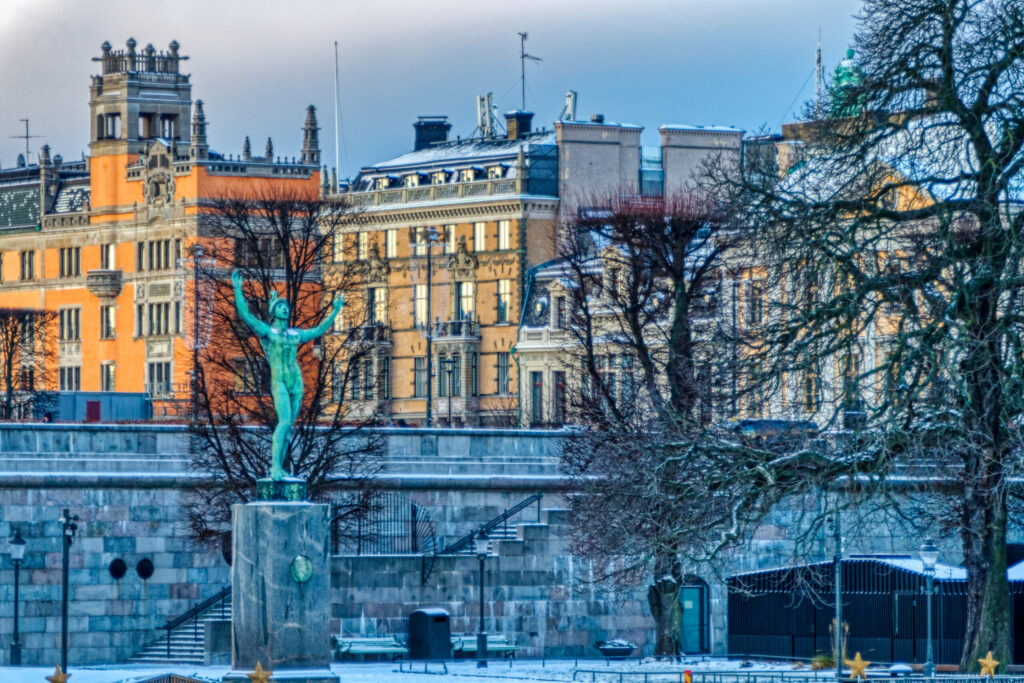
Fun Facts About Sweden
Sweden is not only known for its pristine landscapes and strong welfare state—it also has a fascinating set of cultural quirks and lesser-known facts that make it stand out on the global stage:
- Home of the Nobel Prize: The Nobel Prizes in Physics, Chemistry, Medicine, Literature, and Economic Sciences are awarded each year in Stockholm.
- Right to Roam (Allemansrätten): This unique law allows everyone to freely access nature—even on private land—as long as it’s done respectfully.
- Over 95,000 Lakes: Sweden is one of the most water-rich countries in the world, with lakes making up nearly 9% of its surface area.
- Recycling Champion: Less than 1% of household waste ends up in landfills. The rest is recycled or converted into energy.
- Official Twitter Account: For several years, the @Sweden account was handed over weekly to different citizens to tweet on behalf of the country.
- McDonald’s with Ski-Thru: In the ski resort of Lindvallen, you can order your Big Mac while wearing skis—yes, it’s a real thing.
- Moose Crossing Signs Are Stolen Often: Sweden’s moose warning signs are so iconic that tourists frequently steal them as souvenirs.
- First Country to Ban Smacking Children: Sweden outlawed corporal punishment in 1979, becoming the first nation to do so.
- Daylight Extremes: In the far north, the sun doesn’t set for weeks during summer and barely rises during winter.
From environmental policies to quirky traditions, Sweden has more than enough personality to keep life interesting—whether you’re a tourist or a resident.
Insights from Van OnSite: Moving to Sweden
“Sweden has become one of the most sought-after destinations for international relocations, thanks to its strong economy, inclusive society, and spectacular landscapes.” — VanOnSite
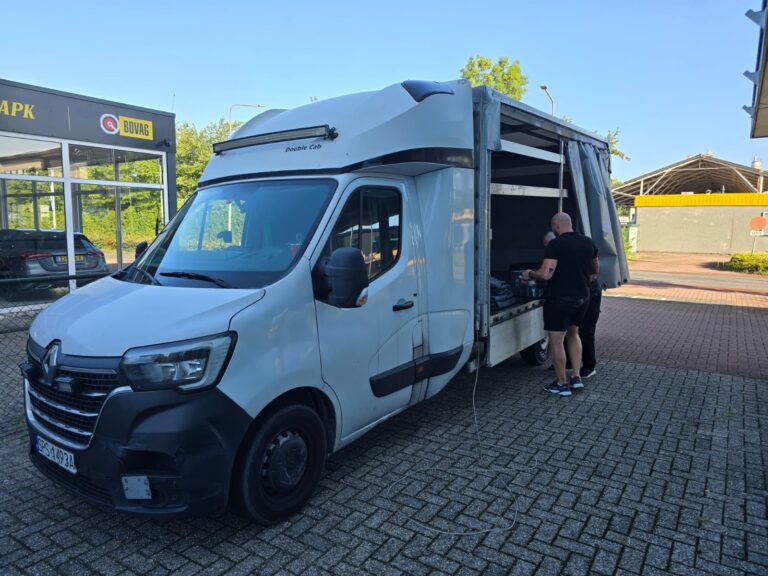
VanOnSite has built a solid reputation for simplifying cross-border removals, especially for individuals and families looking to settle in Sweden. Their extensive network, reliable service, and tailored solutions help reduce the stress of relocating.
Why Choose VanOnSite for Your Move?
- Door-to-door removals across Europe: Whether you’re moving from London, Berlin, or Paris, VanOnSite ensures smooth, end-to-end service.
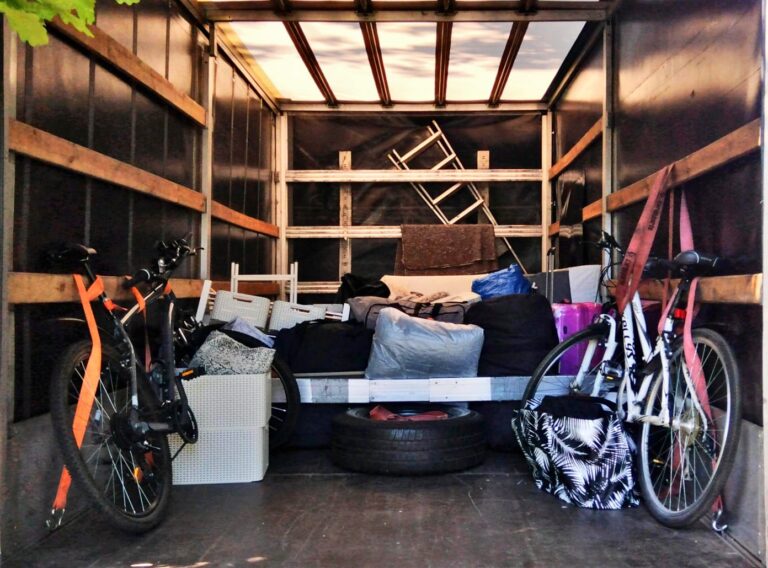
- Professional packing and secure transport: Items are packed using industry-grade materials to ensure safety during long-haul transit.
- Insurance and customs handling included: All your goods are protected by comprehensive insurance, and the team assists with all necessary documentation and customs formalities.
- Tailored solutions for individuals and businesses: Services are customized based on your volume, timeline, and destination needs.
- Storage solutions available: Need extra time before settling in? VanOnSite provides secure short- and long-term storage options.
- Multilingual support team: Their experienced staff can assist you in several European languages, making communication easy.
- Eco-conscious removals: VanOnSite is committed to using fuel-efficient vehicles and optimized routes to reduce environmental impact.
Relocating to Sweden doesn’t have to be complicated. VanOnSite combines logistics expertise with personal attention to make your transition as smooth as possible.
Final Thoughts: Is Living in Sweden Worth It?
Absolutely. Sweden stands out as one of Europe’s most desirable places to live thanks to its combination of societal stability, career opportunities, environmental sustainability, and cultural richness. While adjusting to its unique seasons and higher living costs may take time, the quality of life, security, and support systems offer unmatched advantages.
From its universal healthcare and vibrant cities to pristine natural landscapes and deeply rooted values of equality, Sweden provides a safe and fulfilling environment for individuals and families alike.
Whether you’re drawn by a new job, a better life for your children, or a peaceful retirement, Sweden makes a strong case for long-term relocation.
Thinking of making the move? VanOnSite is ready to help you take the first step with expert guidance and stress-free removal services.
Frequently Asked Questions (FAQ) About Living in Sweden
1. Is it expensive to live in Sweden?
Yes, Sweden has a relatively high cost of living, especially in major cities like Stockholm and Gothenburg. However, high salaries and generous public services like healthcare and education help balance the costs.
2. Do I need to speak Swedish to live there?
Not necessarily. Many Swedes speak fluent English, and it’s possible to work and live in Sweden using English—especially in tech and academia. However, learning Swedish significantly improves integration and job prospects.
3. How cold does it get in Sweden?
Winters can be long and cold, with temperatures in the north dropping to -30°C. In the south, winters are milder but still below freezing. Expect limited daylight from November to February.
4. Can I drive with my foreign license in Sweden?
EU/EEA licenses are valid in Sweden. Non-EU license holders can usually drive for up to one year before needing a Swedish license.
5. What is the healthcare system like?
Sweden has universal healthcare funded by taxes. Residents receive access to quality medical care, often with low out-of-pocket expenses.
6. Are pets welcome in Sweden?
Yes, Sweden is pet-friendly with many parks, trails, and pet-friendly accommodations. Just make sure vaccinations and paperwork are in order before bringing pets.
7. Is it easy to find a job in Sweden as an expat?
This depends on your field. IT, engineering, healthcare, and education are in high demand. Speaking Swedish helps, but some international companies hire English-only speakers.
8. How do I get a residence permit?
If you’re from the EU/EEA, you can live and work freely in Sweden. Non-EU citizens typically need to apply for a work or residence permit through the Swedish Migration Agency.
9. Can I study in Sweden for free?
EU/EEA citizens can study for free at Swedish universities. Non-EU students usually pay tuition but have access to scholarships.
10. What’s the best way to move my belongings to Sweden?
Hiring a professional European removal service like VanOnSite ensures a smooth, secure, and legally compliant relocation process.