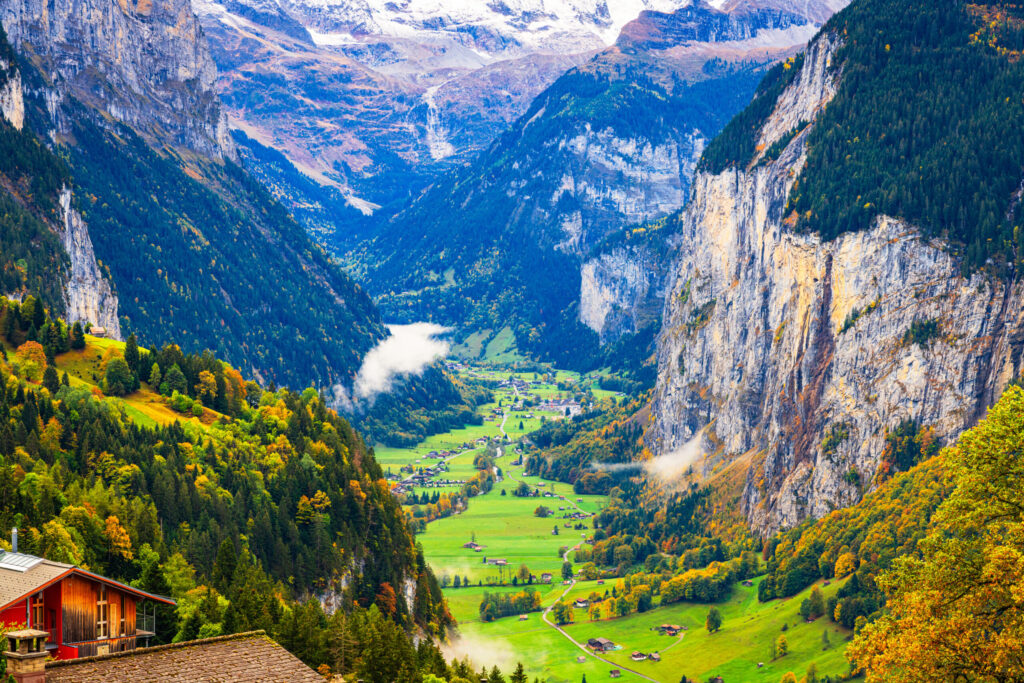
Living in Switzerland means experiencing a harmonious blend of high-quality living, economic prosperity, and awe-inspiring landscapes. From the soaring Alps to the pristine lakes and from bustling cities like Zurich to charming villages like Zermatt, the country offers an unmatched lifestyle. But it’s not just the natural beauty that captivates expats—it’s the structured society, top-tier infrastructure, and commitment to public well-being that make Switzerland a top destination for relocation.
Key takeouts:
- A global benchmark for safety, cleanliness, and public transport.
- Extremely high cost of living—especially in cities like Geneva and Zurich.
- Multilingual culture with four official languages and widespread English.
- Bureaucratic yet well-organized systems for healthcare, housing, and residency.
- Exceptional job opportunities in finance, pharmaceuticals, and tech.
- One of the best public healthcare systems in the world (albeit expensive).
- Nature lovers enjoy access to skiing, hiking, and crystal-clear lakes year-round.
Cost of Living in Switzerland
Switzerland consistently ranks as one of the most expensive countries in the world. From groceries to rent, daily expenses are higher than in most European countries.
Key expenses:
| Category | Monthly Cost (CHF) | Notes |
|---|---|---|
| Rent (1-bed in city) | 1,500 – 2,500 | Prices vary depending on the city |
| Groceries | 400 – 800 | Imported goods are more expensive |
| Public Transport | 75 – 150 | SwissPass options available |
| Health Insurance | 250 – 600 | Mandatory and privately managed |
| Fuel (Petrol/Diesel) | 130 – 250 | Based on average use; petrol is heavily taxed |
| Dining Out | 200 – 400 | Mid-range restaurant: CHF 25–40 per person |
| Cinema Tickets | 30 – 60 | CHF 15–20 per ticket |
| Gym Membership | 60 – 130 | Depends on facilities and city |
| Vegetables | 120 – 200 | Higher cost for organic/local produce |
| Fruits | 100 – 180 | Depends on seasonal availability and origin |
| Bread | 20 – 40 | Artisan and organic types cost more |
| Alcohol (Wine/Beer) | 50 – 120 | Wine is often imported, beer is moderately priced |
Tips to save money:
- Shop at discount grocery chains like Denner or Lidl.
- Choose smaller towns outside of major cities for more affordable rent.
- Use public transport subscriptions and discount cards.
- Fill up on fuel in neighboring countries if close to borders.
- Buy seasonal produce from local markets.
- Look for multi-activity memberships or employer-partnered gym discounts.
- Take advantage of lunch deals and student discounts where applicable.
Cost of Living in Switzerland vs UK vs Germany vs France
| Country | Average Rent (1-bed/month) | Grocery Costs (monthly) | Healthcare Costs | Fuel (per liter) | Dining Out (meal) | Cinema (ticket) | Gym (monthly) | Fruits & Veg (monthly) | Bread (loaf) | Alcohol (bottle wine/0.5L beer) | Overall Affordability |
|---|---|---|---|---|---|---|---|---|---|---|---|
| Switzerland | CHF 1,800 – 2,500 | CHF 600 – 800 | CHF 300 – 600 | CHF 1.85 – 2.10 | CHF 25 – 40 | CHF 16 – 20 | CHF 80 – 120 | CHF 200 – 350 | CHF 2.50 – 4 | CHF 8 – 18 | Low |
| UK | GBP 1,100 – 1,600 | GBP 300 – 500 | Free (NHS) | GBP 1.50 – 1.70 | GBP 15 – 25 | GBP 10 – 13 | GBP 40 – 70 | GBP 120 – 200 | GBP 1 – 2 | GBP 5 – 10 | Medium |
| Germany | EUR 800 – 1,200 | EUR 250 – 400 | EUR 200 – 300 | EUR 1.70 – 1.90 | EUR 12 – 20 | EUR 8 – 11 | EUR 30 – 60 | EUR 100 – 180 | EUR 1.20 – 2 | EUR 4 – 8 | High |
| France | EUR 900 – 1,400 | EUR 300 – 500 | EUR 200 – 400 | EUR 1.80 – 2.00 | EUR 15 – 25 | EUR 9 – 12 | EUR 35 – 70 | EUR 120 – 220 | EUR 1.20 – 2.50 | EUR 5 – 10 | Medium-High |
Conclusion: Switzerland is significantly more expensive across all categories—particularly in housing, healthcare, groceries, and leisure activities. While the prices are high, residents benefit from exceptional services, world-class infrastructure, and overall life satisfaction that often justifies the cost for many expats.
Benefits of Living in Switzerland
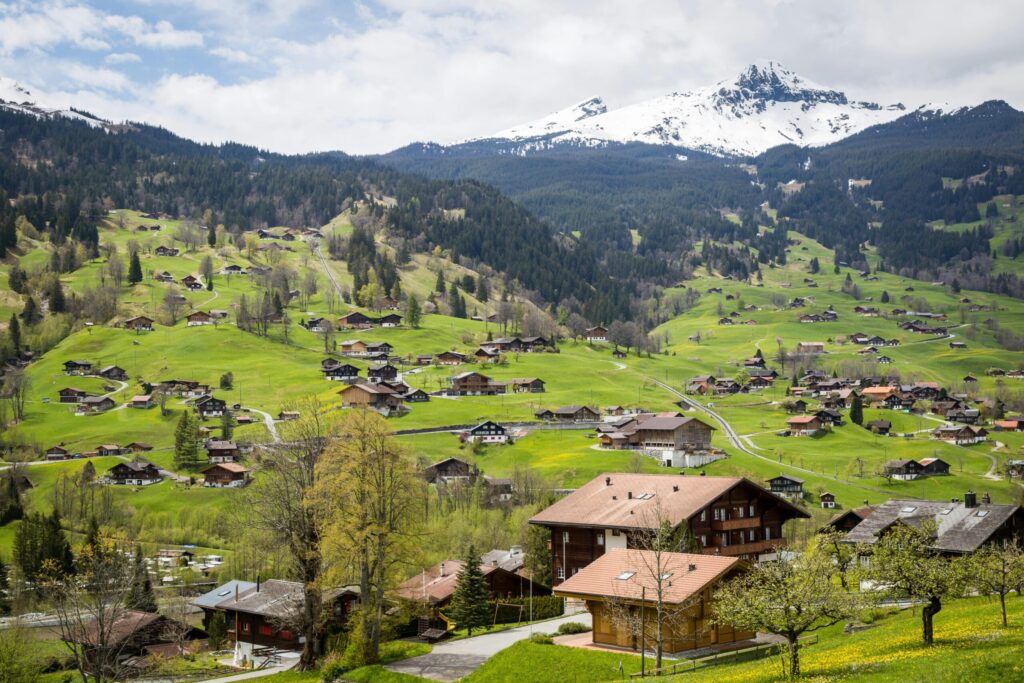
Switzerland offers an unmatched lifestyle for those who can afford it. Its reputation for precision, organization, and excellence is not just a stereotype but a lived reality for residents. Whether you’re seeking tranquility, professional advancement, or nature’s grandeur, Switzerland delivers it all:
- Safety: Switzerland consistently ranks in the top 5 globally for personal safety, with low crime rates and high public trust in law enforcement.
- Clean Environment: The country is famous for its crystal-clear lakes, alpine air, and clean cities. Recycling is a national priority and environmental laws are strictly enforced.
- Efficient Public Transport: Swiss transport is known for its punctuality and connectivity. From the SBB trains to local buses and trams, you can get virtually anywhere without needing a car.
- Healthcare System: One of the most advanced in the world, Swiss healthcare offers fast access to specialists and high-quality medical services. Though it’s private and costly, it ensures world-class treatment.
- Job Opportunities: High salaries and low unemployment rates make it a haven for professionals in banking, pharmaceuticals, engineering, hospitality, and IT. Many global corporations have headquarters or branches here.
- Multilingual Society: With four official languages (German, French, Italian, Romansh), plus widespread use of English, Switzerland is a linguistically rich and welcoming place for international residents.
- Stunning Scenery and Outdoor Lifestyle: Whether it’s skiing in the Alps, hiking in the Jura mountains, or swimming in Lake Geneva, Switzerland offers outdoor adventures year-round.
- Political and Economic Stability: Its neutrality and consistent governance attract not only businesses but also individuals looking for a secure, stress-free living environment.
Disadvantages of Living in Switzerland
Despite its many advantages, living in Switzerland has some downsides that should be considered before making a move:
- High Cost of Living: Rent, groceries, insurance, and everyday essentials are significantly more expensive compared to neighboring countries. Budgeting is critical, especially for newcomers.
- Difficult Housing Market: Particularly in high-demand cities like Zurich and Geneva, finding affordable, long-term accommodation can take months. Properties often have waiting lists, and competition is fierce.
- Cultural Differences: The Swiss tend to value privacy and social boundaries. While polite and respectful, forming close relationships may take time, which can lead to feelings of isolation, especially for extroverted expats.
- Language Barriers: Although English is widely spoken in urban centers and among professionals, rural areas and public services may only offer assistance in German, French, or Italian. Adapting to regional dialects can be particularly challenging.
- Strict Rules and Bureaucracy: Switzerland is highly regulated—from noise control laws to recycling schedules. While these regulations ensure order, they can feel overly rigid and complex to new residents.
- Limited Shopping Hours: Most stores, including supermarkets, close early on weekdays and remain closed on Sundays, which can be inconvenient for those used to more flexible retail hours.
- Social Security Contributions: Taxes may seem low at first glance, but required insurance payments, pension deductions, and cantonal taxes can quickly add up and surprise new arrivals.
Pros and Cons of Living in Switzerland
| Pros | Cons |
|---|---|
| High salaries and economic stability | High cost of living |
| Beautiful natural environment | Challenging integration for expats |
| Excellent public services and transport | Health insurance is mandatory and costly |
| Safe and politically neutral country | Limited rental options in major cities |
| Access to world-class education and healthcare | Language barriers in non-urban regions |
| Multilingual and international culture | Strict regulations and cultural formality |
| Outdoor activities year-round | Limited shopping hours and nightlife in small towns |
Cities and Attractions in Switzerland
Switzerland may be small in size, but it is rich in diversity and charm, offering a mix of cosmopolitan cities, historic towns, and jaw-dropping landscapes. Here are some must-visit places to explore once you move:
Major Cities to Live In
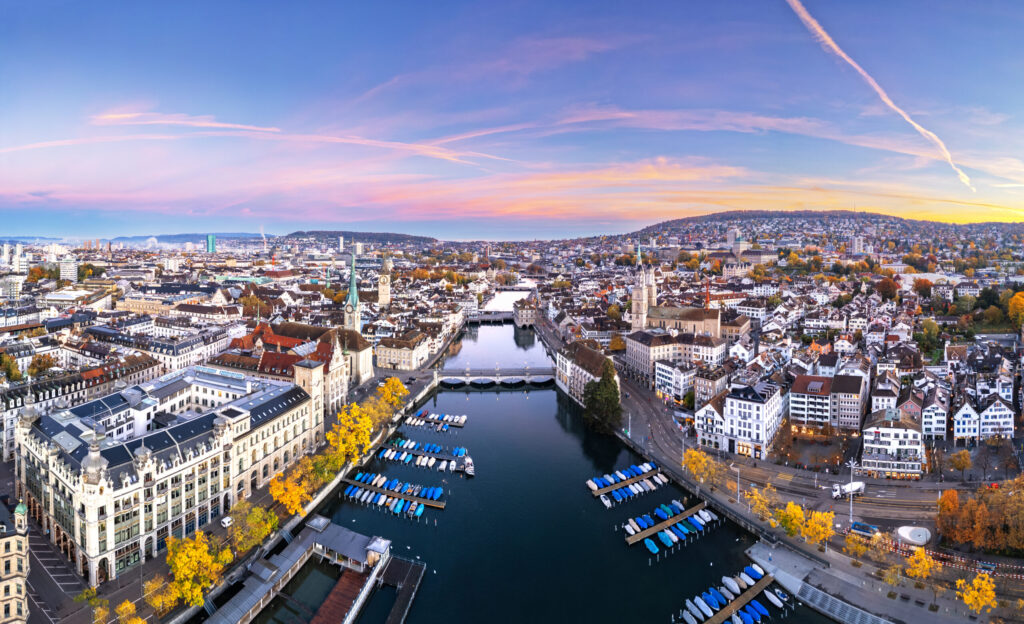
- Zurich: The financial hub of Switzerland, Zurich offers a high quality of life, vibrant cultural scene, and excellent public transport. It’s ideal for professionals and families alike.
- Geneva: Home to international organizations like the UN and Red Cross, Geneva is multicultural and highly globalized. The city sits beautifully on Lake Geneva and offers a perfect blend of business and nature.
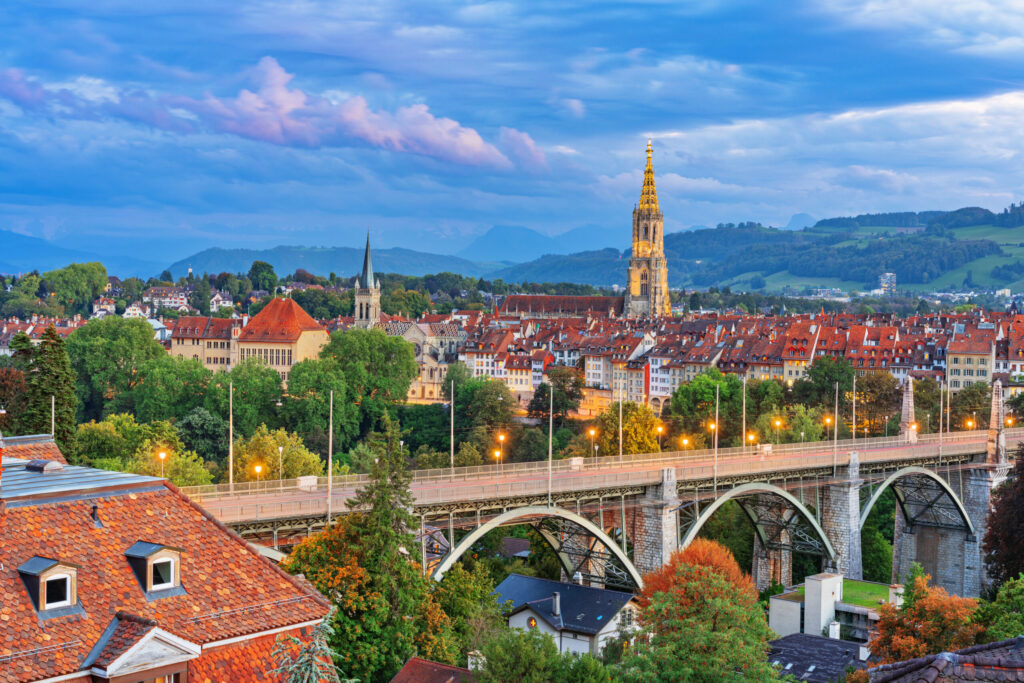
- Bern: The capital city boasts a stunning medieval old town that is also a UNESCO World Heritage Site. It’s quieter than Zurich or Geneva, making it a favorite for families.
- Basel: Located near the borders of Germany and France, Basel is a cultural powerhouse known for its art fairs, museums, and pharmaceutical industry.
- Lausanne: A scenic lakeside city with a strong student vibe thanks to institutions like EPFL. It’s perfect for younger expats and academics.
Iconic Places to Visit
- Zermatt & the Matterhorn: A haven for skiers, mountaineers, and photographers. The Matterhorn is one of Switzerland’s most iconic peaks.
- Lucerne: Known for its preserved medieval architecture and the stunning Lake Lucerne, it’s a top choice for day trips.
- Interlaken: Nestled between Lake Thun and Lake Brienz, Interlaken is the adventure capital of Switzerland with access to paragliding, canyoning, and hiking.
- Montreux: Famous for its jazz festival, lakeside promenade, and proximity to the Lavaux vineyards.
- Jungfraujoch: Often called the “Top of Europe,” this high-altitude railway station offers panoramic views of the Alps.
Whether you prefer the fast pace of city life or the peaceful rhythm of the mountains, Switzerland delivers a lifestyle rich in both modern convenience and natural splendor.
Swiss Culture: Traditions, Etiquette, and Everyday Life
Switzerland’s culture is as rich and diverse as its mountainous terrain. Influenced by German, French, Italian, and Romansh regions, everyday life in Switzerland is an elegant blend of tradition, precision, and politeness.
Multicultural Harmony
Switzerland has four national languages—German, French, Italian, and Romansh—each influencing their respective regions. This multilingualism creates a fascinating cultural patchwork that celebrates diversity while promoting a unified national identity.
Punctuality and Precision
The Swiss value time and efficiency. Whether it’s catching a train or arriving at a social gathering, punctuality is a form of respect. This is also reflected in how institutions and businesses operate—rarely late, rarely inefficient.
Cleanliness and Order
Public spaces are clean, organized, and respected by locals. Waste sorting and recycling are not just expected but enforced. There are rules for everything from noise levels in apartments to proper etiquette for walking your dog.
Social Etiquette
- Greetings typically involve a firm handshake and eye contact.
- People tend to be reserved but respectful, and small talk is less common than in some other cultures.
- Sundays are for rest—most businesses close and people enjoy quiet family time or nature.
Food and Festivals
Traditional Swiss food includes cheese fondue, raclette, rösti, and regional pastries like Basler Läckerli. Festivals like Fête de l’Escalade in Geneva or Sechseläuten in Zurich reflect local history and communal pride.
Respect for Nature
The Swiss deeply respect their environment. Hiking, skiing, and lake swimming are not just leisure—they’re a way of life. There’s also a strong emphasis on sustainability and environmental conservation in both urban and rural planning.
Switzerland’s culture may seem reserved at first, but it offers a deeply rooted sense of structure, mutual respect, and balance that many expats come to cherish over time.
Swiss Cuisine: A Taste of the Alps
Swiss food reflects its multicultural roots, blending German, French, and Italian influences into a distinct national cuisine. Whether you’re dining in a chalet or at a gourmet restaurant, you’ll find that Swiss culinary traditions value quality ingredients, local sourcing, and hearty flavors.
Traditional Dishes You Must Try
- Cheese Fondue: A shared pot of melted cheese (usually Gruyère and Emmental) served with bread cubes. A winter classic!
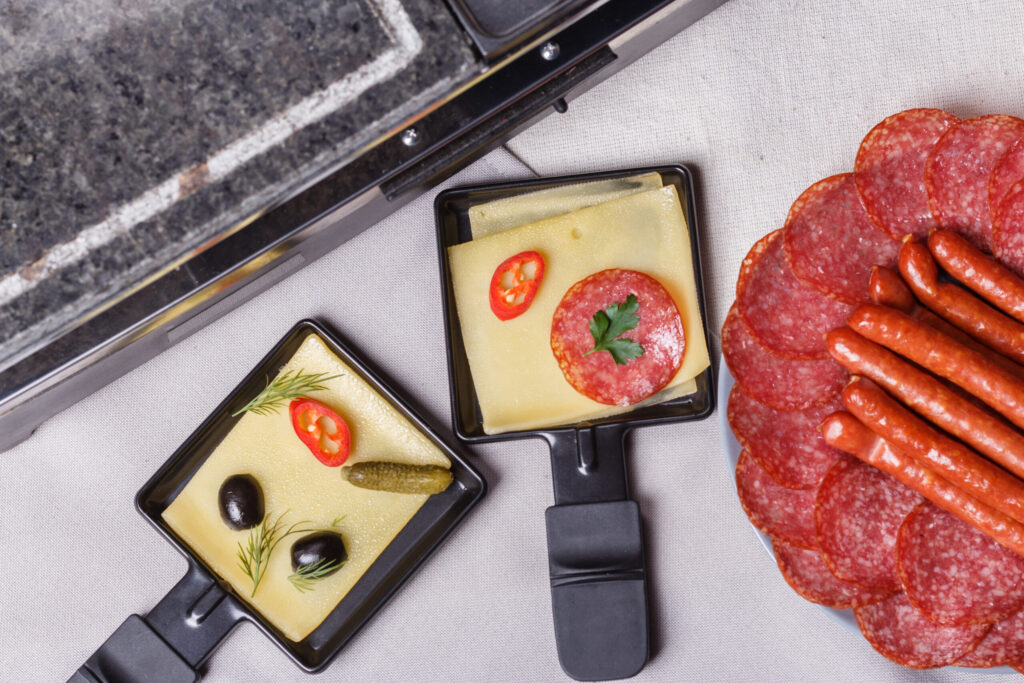
- Raclette: Melted semi-hard cheese scraped onto potatoes, pickles, and onions—popular in alpine regions.
- Rösti: A golden, crispy potato dish similar to hash browns, often served with eggs or sausage.
- Zürcher Geschnetzeltes: Sliced veal in a creamy white wine sauce, typically accompanied by rösti.
- Basler Läckerli: A spiced, honey-based biscuit from Basel made with candied peel and nuts.
- Tartes Flambées: A thin Alsatian-style pizza topped with crème fraîche, onions, and bacon.
Regional Specialties
- Italian-speaking Ticino: Enjoy polenta, risotto, and chestnut desserts.
- French-speaking Romandy: Known for tarte aux pruneaux, lake fish, and buttery pastries.
- German-speaking regions: Rich in sausages, schnitzels, and hearty meat dishes.
Everyday Eating Habits
- Breakfast: Usually light—coffee with bread, butter, jam, or Müesli (a Swiss invention!).
- Lunch: The main meal of the day, often consisting of meat, starch, and vegetables.
- Dinner: Generally lighter, such as soup, salad, or open-faced sandwiches.
Dining Culture
- Eating out is expensive but high quality. A basic meal in a casual restaurant can cost CHF 25–40.
- Tipping is modest—rounding up the bill or leaving 5–10% is sufficient.
- Cafés and bakeries are cultural hubs where people enjoy espresso and fresh pastries.
Switzerland’s culinary landscape is a delicious journey through alpine traditions, artisanal ingredients, and international sophistication.
Working in Switzerland: Careers, Industries, and Salaries
Switzerland is renowned for its strong economy, low unemployment rate, and excellent working conditions. With a high demand for skilled labor and multilingual talent, the country offers outstanding opportunities for both EU and non-EU nationals.
Key Sectors for Employment
- Finance and Banking: Switzerland is a global financial hub with Zurich and Geneva leading the way. Major employers include UBS, Credit Suisse, and private banks.
- Pharmaceuticals and Life Sciences: Basel is home to industry giants like Novartis and Roche. The sector offers lucrative roles in R\&D, biotech, and engineering.
- Information Technology: The tech scene is growing fast, especially in Zurich and Lausanne. Skilled professionals in AI, software development, and cybersecurity are in high demand.
- Engineering and Manufacturing: Precision engineering and machinery exports are major economic drivers. Roles exist in automation, aerospace, and production.
- Hospitality and Tourism: Particularly strong in ski regions and cities like Lucerne and Interlaken. Multilingualism is a major asset.
- Education and Academia: International schools and universities seek English-speaking educators and researchers.
Average Monthly Salaries (Gross)
| Job Role | Average Salary (CHF) |
|---|---|
| Software Developer | 7,500 – 10,500 |
| Financial Analyst | 8,000 – 12,000 |
| Research Scientist (Pharma) | 8,500 – 13,000 |
| Engineer (Mechanical) | 7,000 – 10,000 |
| Nurse | 5,000 – 6,500 |
| Teacher (International) | 5,500 – 8,000 |
| Hospitality Manager | 4,500 – 6,500 |
Work Culture Insights
- Work Hours: Typical workweek is 40–42 hours, with generous holiday allowances (4–5 weeks/year).
- Contracts and Benefits: Employment contracts are detailed and often include pension contributions, bonuses, and accident insurance.
- Work-Life Balance: Employers support a strong work-life balance, and flexible or part-time arrangements are common.
- Job Search Tips: LinkedIn, jobs.ch, and company websites are key platforms. Speaking the local language is a big advantage, but English-only roles are available.
Switzerland offers one of the most attractive labor markets in Europe. With competitive salaries, secure contracts, and world-class benefits, it’s a compelling destination for international professionals across many fields.
Fun Facts About Switzerland
Switzerland is full of surprising quirks and fascinating features beyond its picturesque landscapes and efficient cities. Here are some fun facts that may surprise you:
- Four National Languages: Switzerland officially recognizes German, French, Italian, and Romansh. Street signs, packaging, and public documents are often multilingual.
- Home of the Red Cross: The humanitarian organization was founded in Geneva in 1863.
- Direct Democracy: Citizens vote several times a year on national and local referenda, shaping policies more directly than in most countries.
- Swiss Chocolate Legacy: The Swiss consume more chocolate per capita than any other country. Brands like Lindt, Toblerone, and Nestlé are globally recognized.
- No National Capital: While Bern functions as the de facto capital and seat of government, it is not officially designated as the capital city.
- Nuclear Shelters: Every home in Switzerland is legally required to have access to a nuclear shelter, a holdover from Cold War-era civil defense policies.
- High Watchmaking Standards: Switzerland is world-famous for luxury watch brands such as Rolex, Patek Philippe, and Omega, making the country synonymous with precision craftsmanship.
- Railway Excellence: The Swiss Federal Railways (SBB) has one of the most punctual and scenic rail networks in the world, and even mountain villages are accessible by train.
- Animal Rights Laws: Swiss animal welfare is among the strictest globally. For instance, it’s illegal to keep a social animal like a guinea pig alone.
These fun and unique aspects reflect Switzerland’s balance between innovation, tradition, and a deep commitment to quality of life.
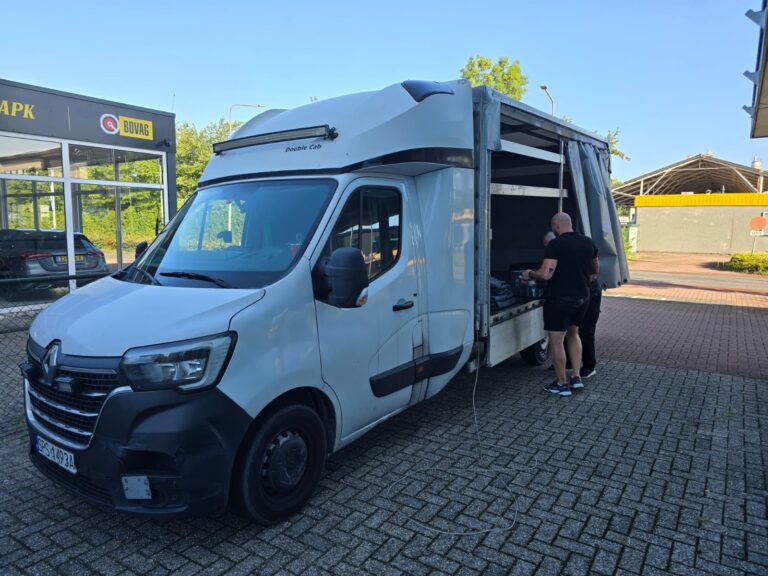
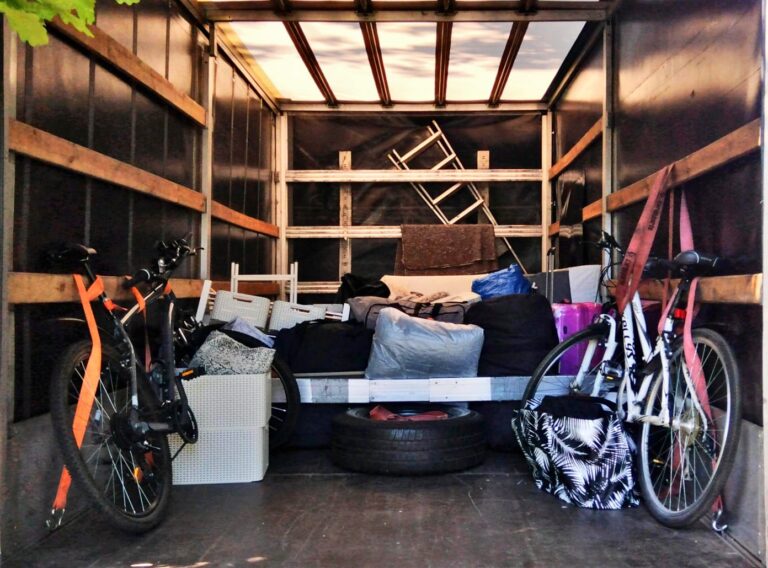
Real Moving Experience: Removals to Switzerland with VanOnSite
As shared on VanOnSite, here’s what you can expect from moving services to Switzerland:
What we offer:
- Professional, experienced, and punctual removals team trained for international relocations.
- Transport to all cantons, including Zurich, Geneva, Bern, Lausanne, Basel, and Lucerne.
- Full assistance with customs documentation and clearance procedures, avoiding costly delays.
- Door-to-door removals with options for packing, unpacking, dismantling, and reassembly of furniture.
- Vehicle transport, piano and specialty item handling, and delicate object crating.
- Secure storage solutions in Switzerland and partner facilities throughout Europe.
- Eco-friendly transport practices with low-emission vehicles.
Why choose VanOnSite?
- Competitive pricing without sacrificing quality or reliability.
- English-speaking support team available for consultations and customer service.
- Personalized quotes tailored to your specific moving volume, timeline, and destination.
- Flexible scheduling for urgent, last-minute, or weekend moves.
- Positive client reviews and trusted reputation across Europe.
- Full insurance coverage for your belongings for extra peace of mind.
Final Thoughts
Living in Switzerland is a dream for many—and with good planning, it can become a reality. The country offers a top-tier lifestyle, breathtaking nature, and safety, but comes at a financial cost. If you’re ready to make the move, partner with experts like VanOnSite to ensure a smooth relocation experience.