Considering a big move? The Netherlands, with its canals, tulip fields, and progressive culture, often tops lists of dream destinations. But is it the right fit for you? In this article, we’ll dive into the pros and cons of moving to the Netherlands, helping you make an informed decision. Along the way, discover how VANonsite can simplify your relocation, from planning to doorstep delivery—and don’t forget to request your free quote on Removals to Netherlands at the end!
Why the Netherlands? A Snapshot
The Netherlands consistently ranks among the happiest, most livable countries in the world. From world-class healthcare to excellent public transportation, it’s easy to see the appeal. But no place is perfect. Below, we break down what makes the Dutch experience so unique—and where it might challenge newcomers.
Pros of Moving to the Netherlands
1. High Quality of Life
- Excellent Healthcare & Social Safety Net
The Dutch healthcare system is both affordable and efficient. Mandatory basic insurance ensures you’ll never be left hanging when you need medical care. Additionally, strong social programs mean that benefits—such as parental leave and childcare support—are robust. - Outstanding Public Transportation & Cycling Culture
You’ll rarely need a car in cities like Amsterdam, Rotterdam, or Utrecht. Trains, trams, buses, and ferries connect literally every corner of the country. And if you do ride a bike (as nearly everyone does), you’ll find dedicated lanes, traffic lights synchronized for cyclists, and even bike-only highways. - English-Friendly Environment
Over 90% of the population speaks English fluently. From university lectures to supermarket checkouts, you’ll encounter English-speaking staff everywhere—making daily life and integration far easier than you might expect. - Rich International Community
Cities like The Hague and Eindhoven are magnets for expats in tech, government, and academia. This means an instant network of like-minded professionals, multicultural events, and support groups for newcomers. - Central Location in Europe
Located at the crossroads of Western Europe, the Netherlands offers quick train or flight connections to London, Paris, Berlin, and beyond. Weekends in Barcelona? A short flight away. Business meeting in Brussels? Hop on the train.
2. Strong Economy & Job Opportunities
- Thriving Sectors
The Netherlands boasts leading industries in technology (think: Amsterdam’s “Silicon Canals”), logistics, finance, and agriculture. Companies such as Philips, Booking.com, and Shell maintain large headquarters here, creating countless roles for international talent. - Competitive Salaries & Benefits
Although the cost of living can be high in major Dutch cities, wages are generally competitive, and tax structures favor highly skilled migrants through the 30% ruling (a tax break on part of your gross salary). - Startup & Innovation Hub
Amsterdam, Eindhoven (the “Brainport”), and Rotterdam foster startup ecosystems with accelerators, co-working spaces, and government incentives. If you’re an entrepreneur or creative professional, you’ll find a vibrant environment to launch or grow your venture.
3. Exceptional Work–Life Balance
- Short Workweeks & Generous Leave
A standard 36–40 hour workweek, flexible schedules, and strong labor protections mean you’ll rarely find yourself chained to a desk. Many companies also offer 25–30 vacation days per year, plus national holidays such as King’s Day, Liberation Day, and the Queen’s Day festivities. - Family-Friendly Policies
Parental leave (up to 26 weeks for mothers and 6 weeks for fathers), subsidized childcare, and flexible working arrangements help families thrive. Even “work until you drop” corporations respect personal time in the Netherlands.
4. Cultural Richness & Diversity
- Museums, Music, & Cuisine
From the Van Gogh Museum in Amsterdam to cutting-edge electronic music festivals in Rotterdam, the cultural calendar is always full. Foodies will love the lively street markets, Indonesian rijsttafel, and local specialties like stroopwafels and poffertjes. - Bilingual Education & International Schools
Most primary and secondary schools offer English-language or bilingual programs. The University of Amsterdam, Delft University of Technology, and Erasmus University Rotterdam, among others, deliver top-tier English-taught degrees.

Cons of Moving to the Netherlands
1. High Cost of Living (Especially Housing)
- Competitive Rental Market
Rent for a one-bedroom apartment in central Amsterdam can easily exceed €1,500 per month. Surrounding cities such as Haarlem, Leiden, or Utrecht are slightly more affordable, but expect to spend €1,000–€1,200 for a similar space. - Upfront Deposits & Fees
Many landlords require one to two months’ rent as a security deposit plus agency fees. That translates to €3,000–€4,000 tied up before you even unload your boxes. - Day-to-Day Expenses
Dining out and groceries can run on the pricier side compared to Eastern European or some North American cities. However, sticking to local markets and cooking at home can help you manage your budget.
2. Weather & Climate Challenges
- Grey Skies & Rain
The Netherlands averages about 200 cloudy days per year. If you’re used to abundant sunshine, you may struggle with “dutch gloom.” Investing in a sturdy raincoat, waterproof shoes, and even seasonal light therapy (SAD lamp) is often recommended. - Wind & Flood Risks
Much of the country lies below sea level, so strong North Sea winds and heavy rain can lead to flooding in coastal areas. The Dutch take pride in their sophisticated dike systems, but newcomers might still notice the constant hum of wind turbines and the brisk breeze off the North Sea.
3. Bureaucracy & Language Barriers (Initially)
- Municipal Registration & Paperwork
Upon arrival, you’ll need to register at the gemeente (town hall) to get your BSN (citizen service number). This involves residence permits, proof of address, and health insurance documentation. Although not insurmountable, the process can feel tedious if you don’t speak Dutch. - Learning Dutch
While most locals speak excellent English, integrating into deeper social circles often requires at least basic Dutch. Expect to spend a few months (or longer) in evening classes to reach conversational fluency. Keep in mind that job postings in certain sectors (e.g., civil service, healthcare, legal) may still demand Dutch proficiency.
4. Limited Space & Privacy
- Compact Living
Apartments, especially in historic buildings, tend to have smaller rooms, lower ceilings, and limited storage space. If you’re moving from a place with spacious suburban homes, downsizing can be a shock. - Shared Walls & Noise
Many Dutch homes are part of tightly packed rows or multifamily units. Adapting to neighbors living close by—hearing footsteps above you or early-morning garbage collection—takes some getting used to.
Looking for fast and safe removals comapny to netherlands?
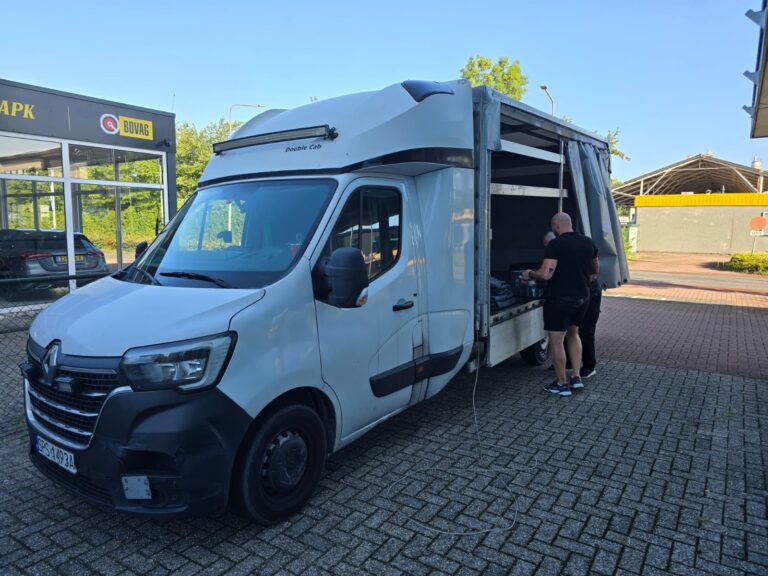
Looking for a fast and safe removals company to the Netherlands? At VANonsite, we understand that timing and security are critical when relocating internationally. Our expert team offers door-to-door service, professional packing with top-quality materials, and streamlined customs clearance to ensure your belongings arrive on time and intact. Whether you need a small student move or a full-house relocation, our modern fleet and experienced movers handle every detail, so you can focus on settling into your new Dutch home. Contact us today for a free, no-obligation quote and discover how VANonsite can make your move to the Netherlands effortless and worry-free.
Should You Move? A Quick Decision Checklist
- Career Goals
- Do you have in-demand skills (tech, finance, engineering, creative industries)?
- Are you open to learning Dutch over time, if needed?
- Lifestyle Preferences
- Are you excited by bike-friendly cities and public transit?
- Can you cope with cooler, rainier weather?
- Family & Social Ties
- Do you need a bilingual school for children?
- Is your partner/spouse willing to embrace Dutch culture and language?
- Budget & Housing
- Can you afford upfront deposits and higher rents?
- Do you prefer city-center energy or are you okay living further out?
- Long-Term Plans
- Are you looking for permanent residency or a 2–3 year assignment?
- Will you eventually naturalize, or is this a stepping-stone to another move?
How VANonsite Makes Your Move Effortless
If you’ve weighed the pros and cons of moving to the Netherlands and decided to take the plunge, VANonsite is your trusted partner every step of the way. Here’s how:
- Tailored Moving Packages
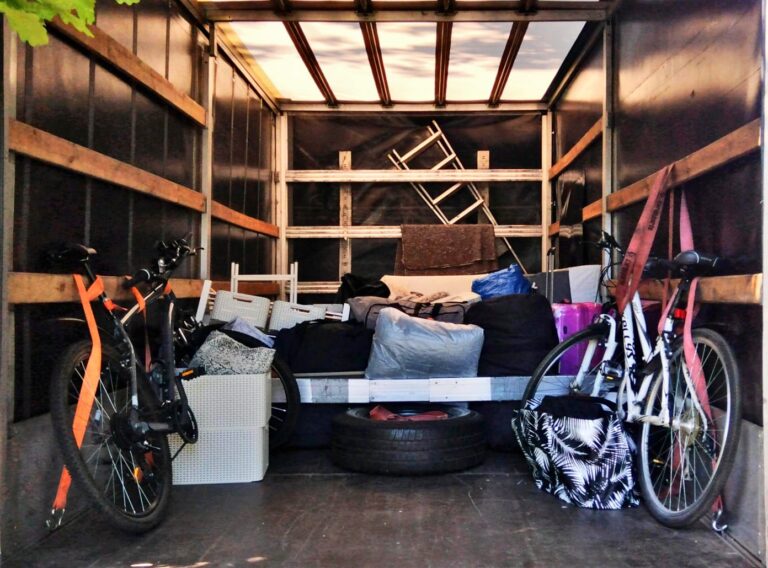
- Moving Basic (5 m³): Ideal for students or minimalists shipping a few boxes and a bicycle.
- Moving Medium (10 m³): Perfect for a one-bedroom apartment—furniture, electronics, boxes.
- Moving Premium (20 m³): Fits a small family’s household items, appliances, and extra boxes.
- Moving Premium Plus (30 m³): Great for a 2–3 bedroom home—sofas, cabinets, and all your essentials.
- Moving Full House XXL (90 m³): For large families or entire office relocations.
- Comprehensive International Expertise
- Customs Clearance & Documentation: From EU moves to intercontinental shipments, VANonsite’s experts handle all paperwork, ensuring your belongings sail through Dutch customs duty-free whenever possible.
- Door-to-Door Service: We collect from your old address—pack, load, transport, unload—so you can focus on learning Dutch phrases like “Goedemorgen” instead of wrestling with packing tape.
- Professional Packing & Wrapping: Fragile art, antique furniture, flat-screen TVs—you name it, we protect it with top-grade materials.
- Local Support & Guidance
- Relocation Consultancy: Need advice on finding a rental in Amsterdam versus Eindhoven? Our local partners share insider tips on neighborhoods, schools, and costs.
- Storage Solutions: Renovating before your apartment is ready? Short- and long-term storage keeps your goods safe in climate-controlled facilities.
- Last-Minute Moves: Sometimes timelines shift. Unexpected job offer? Lease expiring sooner than planned? Our urgent move team responds quickly to meet tight deadlines.
- Transparent, Volume-Based Pricing
- No hidden fees, no “additional handling surcharges.” Every quote is volume-based. Simply describe how much you need to move, and receive a clear cost estimate. Start with our Removals to Netherlands quote form.
- Eco-Conscious Fleet
- We maintain modern, fuel-efficient vehicles—minimizing your carbon footprint as you relocate. It’s just one of many small ways we make moving kinder to the planet (and your conscience).
- Dedicated Customer Success
- From your initial inquiry to final delivery, you have a single point of contact. We proactively update you on every milestone: pickup date, customs status, delivery window. Peace of mind? Guaranteed.
Ready to Learn More?
Curious about why so many expats choose the Netherlands in the first place? Check out “Why Move to Netherlands: Top Reasons Explained” for deeper insights—then come back here to plan your move with VANonsite.
Moving Tips: Making Your Dutch Adventure a Success
Even when you’ve partnered with experts, a little personal planning goes a long way:
- Start Early
- 6–8 Months Before Move: Research neighborhoods, estimate your moving volume, collect documents for visas or residence permits.
- 3–4 Months Before Move: Book your VANonsite package, confirm apartment viewings, begin Dutch language apps or evening classes.
- 1–2 Months Before Move: Finalize school registrations (if applicable), sell or donate items you won’t need, send your address forward to banks and subscriptions.
- Declutter & Downsize
- The smaller the shipment, the lower your cost. Host a garage sale or sell items on marketplaces like Marktplaats.
- Ask yourself: “Do I need this in a smaller Dutch home?” If the answer is no, consider passing it on to someone who will.
- Pack Smart
- Label boxes by room (e.g., “Kitchen → Dishes & Glassware”) and note fragile or heavy items.
- Keep an “Essentials” box for your first few days: a kettle, a couple of pots, chargers, basic toiletries.
- Arrange Utilities & Services
- Cancel or transfer subscriptions (streaming services, mobile phone).
- Set a cutoff date for gas/electricity/internet at your old home; arrange installations in the Netherlands once you have a move-in date.
- Embrace Dutch Culture
- Learning a few Dutch phrases—“Dank je wel” (thank you), “Alstublieft” (please)—goes a long way in building rapport.
- Join local expat groups (Meetup, Facebook) in advance to ask questions, find housemates, or get tips on the best bike brands.
Pros and Cons of Moving to the Netherlands: Final Verdict
| Pros | Cons |
|---|---|
| High quality of life: healthcare, social benefits, and work–life balance | High housing costs and upfront deposits |
| Top-notch public transport & cycling infrastructure | Frequent rain, gray skies, and windy climate |
| English-friendly environment with strong expat networks | Initial bureaucracy—municipal registration, paperwork, and learning Dutch |
| Thriving job market in tech, finance, logistics, and creative industries | Smaller living spaces, shared walls, and limited privacy |
| Central location for European travel | Cost of day-to-day living (groceries, dining out, utilities) |
Ultimately, the decision comes down to balancing professional opportunities and lifestyle preferences against budget and climate tolerance. If you’re drawn to open-minded societies, efficient public services, and a stellar work–life balance, the Netherlands could be your perfect match.
Take the Next Step with VANonsite
Whether you’re captivated by the pros of moving to the Netherlands or ready to address the cons head-on, one thing is certain: a stress-free relocation starts with choosing the right moving partner. At VANonsite, we deliver tailored solutions designed to meet your unique needs—no matter how big (or small) your shipment.
- Volume-Based Quotes: No surprises. No hidden fees. Transparent pricing based on cubic meters.
- Door-to-Door Excellence: From professional packing and secure customs clearance to safe delivery at your new doorstep.
- Local Expertise: On-the-ground guidance from Amsterdam to Eindhoven—helping you navigate housing, registration, and more.
Ready to transform your Dutch dream into reality?
👉 Get your FREE quote now on Removals to Netherlands and experience a seamless move with VANonsite.
Don’t let logistics hold you back. Embrace the tulips, the gezelligheid, and that unmistakable Dutch joie de vivre—knowing that your belongings are in the hands of professionals who care.
Still Wondering “Why Move to the Netherlands?”
Dive deeper into the advantages of life in Holland in our full breakdown: Why Move to Netherlands: Top Reasons Explained. Then, come back and lock in your moving date. Your Dutch adventure awaits!
Frequently Asked Questions (FAQ)
1. What are the main advantages of moving to the Netherlands?
- High Quality of Life: Excellent healthcare, generous parental leave, strong social safety nets, and ample vacation days contribute to an overall high standard of living.
- Top-Notch Transport & Cycling Culture: Efficient trains, trams, and buses connect every corner of the country, while dedicated bike lanes make cycling safe and convenient.
- English-Friendly Society: Over 90% of Dutch residents speak English fluently, easing day-to-day communication and integration.
- Thriving Economy & Job Market: The Netherlands is a global hub for technology, finance, logistics, and creative industries. Many international companies, startups, and research institutions are based here, offering abundant career opportunities.
- Central Location in Europe: Quick train or flight connections make weekend trips to London, Paris, Berlin, and beyond highly accessible.
2. What potential challenges should I consider before relocating?
- High Cost of Housing: Popular cities like Amsterdam and Utrecht can be expensive. Rents for a one-bedroom apartment often exceed €1,500 per month, and most landlords require a one- or two-month security deposit up front.
- Weather & Climate: The Netherlands experiences about 200 cloudy days per year, with frequent rain and strong North Sea winds. If you prefer year-round sunshine, adjusting to the climate may take some time.
- Initial Bureaucracy: Registering with the local municipality (gemeente), obtaining your BSN (citizen service number), and securing health insurance can feel complex—especially if you don’t speak Dutch.
- Smaller Living Spaces: Dutch apartments and townhouses tend to have compact rooms and limited storage compared to larger homes elsewhere. Expect to downsize and adapt to cozier layouts.
- Learning Dutch (Long Term): While you can get by in English, true integration and certain job opportunities (e.g., in healthcare, education, government) often require at least basic Dutch proficiency.
3. How do I find suitable housing in the Netherlands?
- Popular Platforms: Websites like Funda, Pararius, and Expatica listings are widely used. Local Facebook rental groups can also yield results—but always verify rental contracts to avoid scams.
- Timing: Start searching 2–3 months before your move, especially if you’re targeting high-demand areas. Peak season (June–August) means more competition and higher prices.
- Required Documents: Landlords typically ask for proof of income (payslips or employer letter), a copy of your passport or EU ID, and sometimes a bank statement. Having these ready will accelerate the application process.
- Location Considerations: Decide between city-center convenience (higher rent) or suburban living (lower rent but longer commute). Research local amenities, schools (if you have children), and public transport access.
4. Which visas or permits do I need to live and work in the Netherlands?
- EU/EEA/Swiss Citizens: No visa is required. You must register with the municipality (gemeente) if you stay longer than four months to obtain your BSN.
- Non-EU/EEA Citizens: You typically need an MVV (Machtiging Tot Voorlopig Verblijf) long-stay visa issued by the Dutch embassy or consulate in your home country. After arrival, you’ll apply for a residence permit (verblijfsvergunning) through the Immigration and Naturalisation Service (IND).
- Highly Skilled Migrant (30% Ruling): If your Dutch employer sponsors your work permit, you may qualify for a tax‐advantage known as the 30% ruling, which lets you receive 30% of your gross salary tax-free for up to five years.
- Student Visas: Enroll at a recognized Dutch university, then your institution typically coordinates with the IND to help you secure a student residence permit. Proof of acceptance, finances, and health insurance is required.
5. What are the approximate costs I should budget for my move?
- Shipping & Moving Fees: For a 20 m³ international move, expect between €800 and €1,500 (depending on distance and service level). At VANonsite, transparent, volume-based rates start around €590 to €1,150 for a 20 m³ shipment from Germany to the Netherlands.
- Housing Deposits: Landlords usually require one to two months’ rent as a security deposit. For instance, if rent is €1,500 per month, plan to have €3,000–€4,500 upfront (deposit plus any agency fees).
- Health Insurance: Mandatory basic coverage costs about €120–€150 per month. Many insurers also offer dental or supplemental packages at an additional fee.
- Municipality Registration: Registering at your local gemeente (town hall) typically costs around €60–€70.
- Bank Account & Utilities: Opening a bank account is usually free, but you should factor in setup fees for internet, electricity, and water at roughly €100–€200 in service deposits, depending on providers.
6. What services does VANonsite provide for people moving to the Netherlands?
- Tailored Moving Packages (5 m³ – 90 m³):
- Moving Basic (5 m³): Ideal for students or minimalists—small furniture, boxes, and a bicycle.
- Moving Medium (10 m³): Perfect for a one-bedroom apartment—sofas, small appliances, and cartons.
- Moving Premium (20 m³): Suits a small family’s belongings—larger appliances, wardrobes, and multiple boxes.
- Moving Premium Plus (30 m³): For 2–3 bedroom homes—furniture sets, bicycles, and packed crates.
- Moving Full House XXL (90 m³): Whole household or office relocation—multiple rooms of furniture, equipment, and accessories.
- Professional Packing & Custom Crating: Fragile items (glassware, artwork, electronics) receive specialized packing materials and custom crates to guarantee safe transport.
- Customs Clearance & Documentation Support: VANonsite’s international team handles customs paperwork, ensuring duty-free entry for personal effects (where eligible) and reducing the risk of delays.
- Door-to-Door Service: Pickup at your current address, secure loading, transport, and careful unloading at your Dutch home—no need to rent trucks or coordinate any logistics on your own.
- Last-Minute Moves & Flexible Scheduling: If your timeline changes unexpectedly—new job offer, lease deadline moving up—VANonsite’s urgent-move team can adapt quickly to secure a spot on the next available transport.
- Storage Solutions: Short- and long-term storage options in climate-controlled, secure warehouses across the Netherlands, ideal if your apartment isn’t ready or you need an interim solution during renovations.
- Local Relocation Advice: Beyond moving boxes, VANonsite’s consultants can share insider tips on registration procedures, neighborhood recommendations, and connecting with expat communities.