
Article Summary:
- Excellent work-life balance and high quality of life
- Strong economy with abundant international job opportunities
- World-class healthcare and education systems
- Advanced infrastructure, seamless public transport, and bike-friendly cities
- Inclusive, multicultural communities and progressive social policies
Are you looking for Reasons to Move to the Netherlands? Moving to the Netherlands can transform your lifestyle by offering an unparalleled balance between professional success and personal well-being. From its thriving economy and globally recognized healthcare to its state-of-the-art transportation network and open-minded communities, the Netherlands stands out as one of Europe’s most desirable destinations. As you consider this life-changing decision, partnering with a trusted relocation specialist like VANonsite ensures a stress-free experience. Below, we delve deep into the top reasons why relocating to the Netherlands is a smart move and explain how VANonsite can make your transition seamless and affordable.
Exceptional Quality of Life and Work-Life Balance
The Netherlands consistently ranks among the top countries for work-life balance and overall happiness. Dutch culture prioritizes time with family and personal interests over long working hours, with the average workweek ranging between 36 and 40 hours. In fact, nearly 50% of the workforce chooses part-time schedules, reflecting a societal commitment to well-being over 24/7 productivity. Expat families report significant improvements in their lifestyle, benefiting from shorter commutes, bike-friendly cities, and a strong emphasis on community
Key Quality-of-Life Highlights
- Short Commutes and Bike Culture
- Over 35% of all trips under 7.5 kilometers are taken by bicycle, with world-class cycling infrastructure across major cities like Amsterdam, Utrecht, and Rotterdam.
- Reduced reliance on cars not only cuts costs but also promotes a healthier lifestyle.
- Generous Vacation and Holiday Policies
- Employees receive a minimum of 20 vacation days per year, plus upwards of 10 national holidays, making it one of Europe’s most generous vacation schemes.
- This allows ample time for exploring Europe’s diverse cultures or simply enjoying local gems like the Keukenhof flower fields.
- Safe and Secure Communities
- The Netherlands boasts one of the lowest crime rates in Europe, with a robust social safety net and transparent governance that fosters public trust.
- Expats consistently cite safety and stability as top reasons for a stress-free relocation.
Robust Economy and Career Opportunities
With its strategic location in the heart of Europe and a highly diversified economy, the Netherlands offers career-minded individuals and families endless opportunities. Cities like Amsterdam, Rotterdam, The Hague, and Eindhoven are global hubs for technology, logistics, finance, and creative industries
Thriving Sectors and Competitive Salaries
- Technology and Innovation
- The Dutch tech sector has grown by 14% annually over the past five years, fostering startups and multinational research centers alike.
- Eindhoven’s Brainport region is known as “Europe’s Silicon Valley,” hosting companies like ASML, Philips, and NXP Semiconductors.
- Logistics and Trade
- Home to Europe’s largest port in Rotterdam and Schiphol Airport near Amsterdam, the logistics sector employs over 350,000 professionals and contributes 7% of the GDP.
- Competitive salaries combined with a flat organizational structure make career growth accessible.
- Creative Industries
- The Netherlands is a European leader in design, architecture, and media, with a creative economy generating €70 billion annually.
- English-friendly workplaces and a collaborative environment attract talent from across the globe.
Entrepreneurial Environment
- Ease of Doing Business
- Ranked 42nd globally for starting a new business, the Netherlands simplifies the process with streamlined government services and low incorporation costs.
- Tax incentives like the Innovation Box and R&D credits support scaling companies.
- International Workforce
- Over 2 million expats live in the Netherlands, contributing to a workforce where 90% speak English fluently.
- Multinational teams and an emphasis on meritocracy create a welcoming professional environment.
World-Class Healthcare and Education
Healthcare and education rank among the strongest selling points for families contemplating a move to the Netherlands. The Dutch healthcare system is renowned for its preventive care model, affordability, and high patient satisfaction.
Healthcare System Highlights
- Universal Coverage
- All residents are required to have basic health insurance, which covers doctor visits, hospitalization, and essential medicines, ensuring accessible care for everyone.
- Insurance premiums average €120 per month, with subsidies available for low-income households.
- Preventive and Emergency Care
- Emphasis on prevention means regular health checkups and public health initiatives, contributing to one of Europe’s highest life expectancies at 82.5 years.
- In emergencies, patients experience minimal wait times and transparent pricing, a stark contrast to many countries.
Education System Excellence
- Qualified Teachers and Innovative Curriculum
- Dutch primary and secondary schools receive consistent A+ ratings for teacher quality, infrastructure, and student outcomes according to OECD reports.
- Bilingual programs in international schools facilitate seamless transitions for children of expat families.
- Affordability and Accessibility
- Public universities charge a fraction of tuition fees compared to the US or UK, averaging €2,300 per year for EU students and €8,000–€15,000 for non-EU students.
- A wide array of English-taught bachelor’s and master’s programs spans disciplines from engineering to business.
- International Schools and Multicultural Classrooms
- Over 50 international schools provide the International Baccalaureate (IB) curriculum, ensuring continuity for globally mobile families.
- Children benefit from a multicultural environment, preparing them for a globalized career.
Advanced Infrastructure and Connectivity
The Netherlands’ infrastructure is among the most advanced in Europe, underscoring its reputation as a logistical and transportation powerhouse. Efficient public transit, top-notch digital connectivity, and sustainable urban planning facilitate daily life and business operations alike.
Public Transportation and Digital Infrastructure
- Seamless Public Transit
- The Dutch public transport system integrates trains, buses, trams, and ferries with a single OV-chipkaart, simplifying travel across the country and into neighboring nations.
- Dutch rail service is one of the most punctual in Europe, with an average on-time performance of 92%.
- High-Speed Connectivity
- Average broadband speeds exceed 115 Mbps, ranking in the top 10 globally, and 5G coverage is widely available in urban areas.
- Smart city initiatives in Amsterdam and Rotterdam leverage IoT to optimize traffic, energy use, and public safety.
- Sustainable Urban Mobility
- Cycling infrastructure includes over 35,000 kilometers of dedicated bike lanes, making the Netherlands the world’s most bike-friendly country.
- E-vehicle incentives and expanding charging networks support the transition to carbon-neutral transportation.
Rich Cultural Heritage and Progressive Society
Dutch society is celebrated for its open, tolerant, and forward-thinking ethos. The Netherlands places strong emphasis on individual rights, environmental stewardship, and cultural preservation.
Key Cultural and Social Advantages
- Multicultural, English-Friendly Environment
- With over 180 nationalities residing in greater Amsterdam alone, newcomers quickly find communities of shared language and backgrounds.
- English is widely spoken—up to 90% of the population uses it fluently in daily interactions.
- Progressive Social Policies
- The Netherlands was the first country to legalize same-sex marriage (2001) and maintains strong protections for LGBTQ+ rights, gender equality, and freedom of expression.
- Comprehensive social welfare programs provide robust support during unemployment, illness, or parenthood.
- Cultural and Recreational Attractions
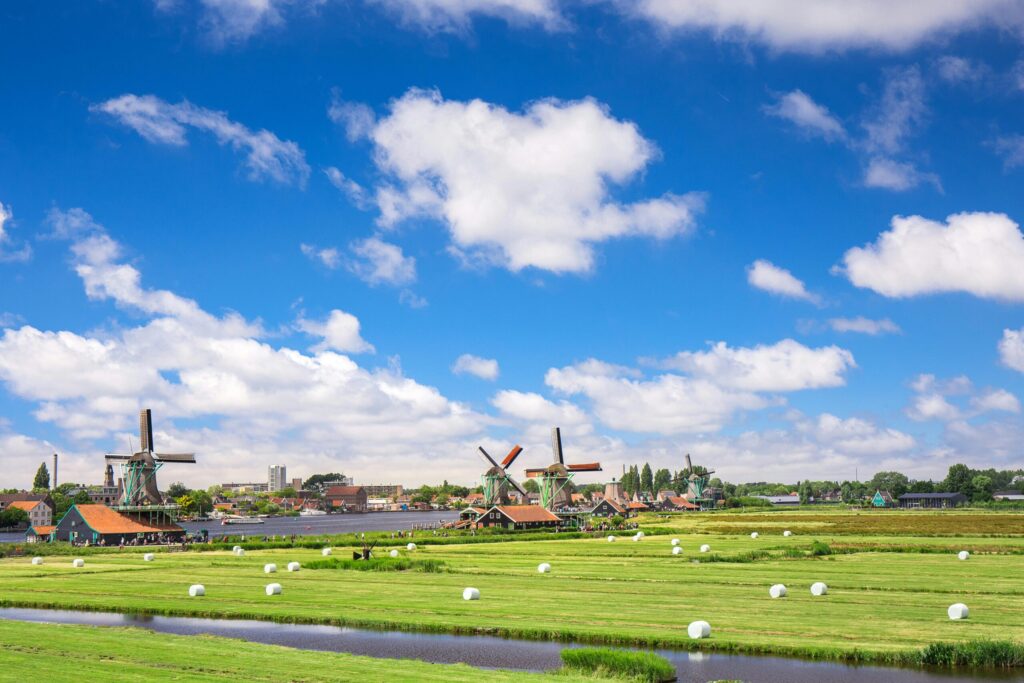
- World-class museums (Rijksmuseum, Van Gogh Museum), UNESCO World Heritage sites (Kinderdijk windmills), and renowned music festivals (Amsterdam Dance Event) enrich daily life.
- Year-round events like King’s Day, Pride Amsterdam, and the Rotterdam International Film Festival foster community spirit.
Natural Beauty, Sustainability, and Outdoor Lifestyle
Despite its reputation for urban sophistication, the Netherlands offers abundant natural beauty—from serene canals and tulip fields to extensive national parks. Sustainability is woven into both urban design and daily living, encouraging residents to engage with nature and reduce environmental impact.
Outdoor and Eco-Friendly Advantages
- Iconic Landscapes
- The tulip-blooming season at Keukenhof attracts nearly 1.5 million visitors annually, showcasing the Netherlands’ horticultural excellence.
- Scenic cycling routes along the North Sea coast and through the Veluwe National Park offer unmatched outdoor experiences.
- Sustainable Urban Planning
- Dutch cities rank among the greenest in the world, with Amsterdam’s “Circular City” initiative aiming for zero waste by 2050.
- Eco-villages like CW Delft (Centraal Wonen) demonstrate communal living models that lower carbon footprints and emphasize resource sharing.
- Resilient Environmental Management
- As a country where 26% lies below sea level, the Netherlands leads in flood-resilient engineering, using dikes, storm surge barriers, and innovative “water plazas” to protect communities.
- Green roofs, solar-powered homes, and urban agriculture projects are increasingly common, promoting self-sufficiency.
Why Choose VANonsite for Your Move
At VANonsite, we understand that relocating abroad is more than just transporting belongings—it’s about starting a new chapter with confidence. Here’s why our specialized services for Removals to the Netherlands stand out:
- Tailored International Relocation Solutions
- From initial planning to final delivery, our consultants coordinate every aspect—customs clearance, packing, transport, and insurance—ensuring no detail is overlooked.
- We offer specialized crating for art, antiques, and delicate items, so your valuables arrive safely.
- Competitive Pricing with No Hidden Fees
- Requesting a free quote is quick and easy; our transparent pricing model provides a clear breakdown of all costs upfront.
- We leverage multiple shipping partners and consolidated shipping options to pass savings directly to you.
- End-to-End Support and Expertise
- Experienced relocation managers guide you through visa requirements, local regulations, and settling-in services—connecting you with trusted contacts for housing, schools, and utilities in the Netherlands.
- In destination cities like Amsterdam, Rotterdam, and The Hague, our local partners assist with on-ground coordination, ensuring smooth unloading and setup.
- Flexible Moving Dates and Guaranteed Transit Times
- Whether you need door-to-door service, air-freight for expedited shipments, or sea-freight for cost efficiency, we tailor schedules to your timeline.
- Our reliable transit guarantees minimize downtime, letting you focus on acclimating rather than logistics.
- 24/7 Customer Service and Real-Time Tracking
- Our online portal provides real-time updates on shipment status, so you always know where your goods are.
- Dedicated account managers are available around the clock for any last-minute changes or questions.
How to Get a Free Quote and Start Your Journey
Embarking on your move to the Netherlands with VANonsite begins with a simple, no-obligation quote. Follow these steps:
- Visit Our Quote Request Page
- Go to the VANonsite homepage and click “Get Your Free Quote” at the top right, or navigate directly to our Removals to Netherlands page.
- Provide Basic Information
- Fill out your current location, desired moving date, and a list of household items. Our form captures details like the volume (in cubic meters) and any special requirements (e.g., pianos, artwork).
- Receive Customized Options
- Within 24 business hours, you’ll receive multiple package options—door-to-door, air, or sea freight—complete with estimated transit times and cost breakdowns.
- Consultation and Finalization
- One of our relocation specialists will contact you to refine details, answer questions, and finalize your booking. No commitment until you approve the plan.
- Relax and Let Us Handle the Rest
- From professional packing to customs clearance and final delivery in the Netherlands, you can focus on settling into your new home while we manage all logistics.
Conclusion
Choosing to move to the Netherlands is more than a geographic change—it’s an investment in your family’s future, career growth, and overall happiness. With its world-class infrastructure, robust economy, and high standard of living, the Netherlands offers a unique blend of urban convenience and natural serenity. By partnering with VANonsite, you gain a trusted ally committed to making your relocation smooth, affordable, and worry-free. Request your free quote today on our Removals to Netherlands page, and take the first step toward a fulfilling life in one of Europe’s most dynamic countries.
FAQ
1. What are the visa and residency requirements for moving to the Netherlands?
To move to the Netherlands, non-EU/EEA/Swiss citizens must obtain a residence permit if planning to stay for more than 90 days. Typically, this involves securing either a work permit (often sponsored by an employer), a highly skilled migrant permit, or a startup visa, each with specific documentation such as a valid passport, proof of income, and health insurance. EU/EEA and Swiss citizens do not require a visa or residence permit but must register with the local municipality (gemeente) upon arrival to obtain a citizen service number (BSN). Residence permits are generally issued for one to five years, depending on the type and must be renewed before expiry to maintain legal status.
2. How much does it cost to live in the Netherlands as an expat?
The cost of living in the Netherlands is relatively high, especially in major cities like Amsterdam, Utrecht, and Rotterdam, where rental prices often exceed €1,500 per month for a one-bedroom apartment in the city center. Utilities (electricity, heating, water, and internet) can add about €150–€200 monthly, while groceries and dining out average around €300–€400 per person per month. Public transportation is efficient but not inexpensive; a monthly pass in major cities costs approximately €70–€100, though many expats choose to cycle, reducing travel expenses considerably. Healthcare insurance is mandatory, with basic coverage premiums averaging €120 per month, and taxes in the Netherlands can be 30–40% for middle-income earners, which funds robust social services.
3. What is the process for finding housing in the Netherlands?
Finding housing in the Netherlands typically begins online through websites like Funda, Pararius, or local Facebook groups, but competition is fierce in popular cities. Prospective tenants often need to provide a copy of their BSN, proof of income (usually a salary slip showing at least three times the rent), and a Dutch guarantor if their income is below the threshold. Rentals are categorized as social housing (regulated by local housing corporations) or private housing; social housing requires registration with a housing queue that can take months or years, while private rentals usually involve higher rents but shorter wait times. Once a suitable property is found, tenants sign a rental contract (typically for one year with automatic renewal), pay a security deposit equal to one or two months’ rent, and register their address (inschrijven) at the local gemeente within five days of moving in.
4. How does the Dutch healthcare system work for newcomers?
All residents in the Netherlands are required to take out basic health insurance (basisverzekering) within four months of registration at their municipality, which covers general practitioner visits, hospital care, and prescribed medications. Insurance premiums average €120 per month, though subsidies are available for low-income residents, and out-of-pocket costs (eigen risico) are capped at €385 annually for adults. Newcomers must also register with a general practitioner (huisarts) in their area, as specialist care requires a referral from the huisarts, ensuring coordinated and preventive care. Expats from EU/EEA countries can initially use their European Health Insurance Card (EHIC) to access necessary care, but must switch to Dutch insurance if they stay longer than a year.
5. Do I need to speak Dutch, or can I get by with English?
While Dutch is the official language, a significant majority of the population speaks English fluently; in fact, around 90% of Dutch people claim proficiency in English, making day-to-day life and work accessible without Dutch skills initially. Government services, public transportation announcements, and most official forms are available in English, although learning basic Dutch (A1–A2 level) can greatly enhance social integration and employment opportunities. Many employers in international firms use English as the working language, but for roles interfacing with local clients or for positions in healthcare and education, Dutch proficiency is often required. Free and subsidized Dutch language courses (inburgering) are widely available for newcomers wishing to achieve full integration and pass the civic integration exam.