Moving abroad is an exciting chapter—especially when your destination is the Netherlands, a vibrant hub of culture, innovation, and opportunity. Yet coordinating an international move can feel overwhelming: finding reliable movers, navigating customs, and juggling logistics. In this guide, we’ll walk you through everything expats in the Netherlands need to know—and show you how VANonsite makes relocations seamless every step of the way.
Why the Netherlands Is a Top Destination for Expats
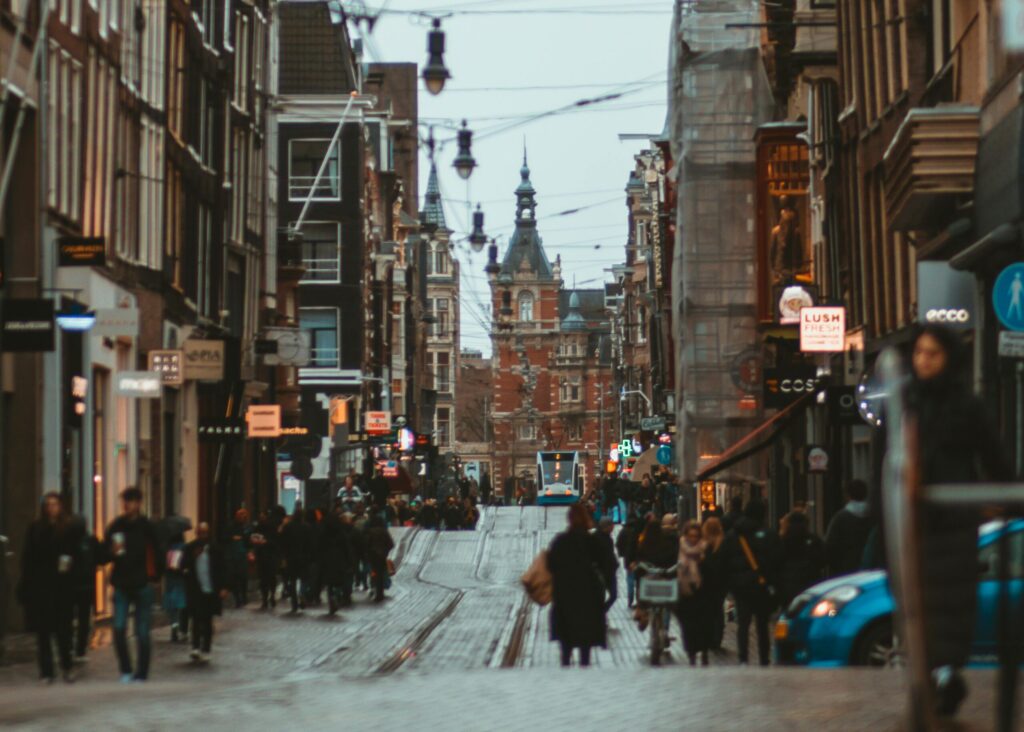
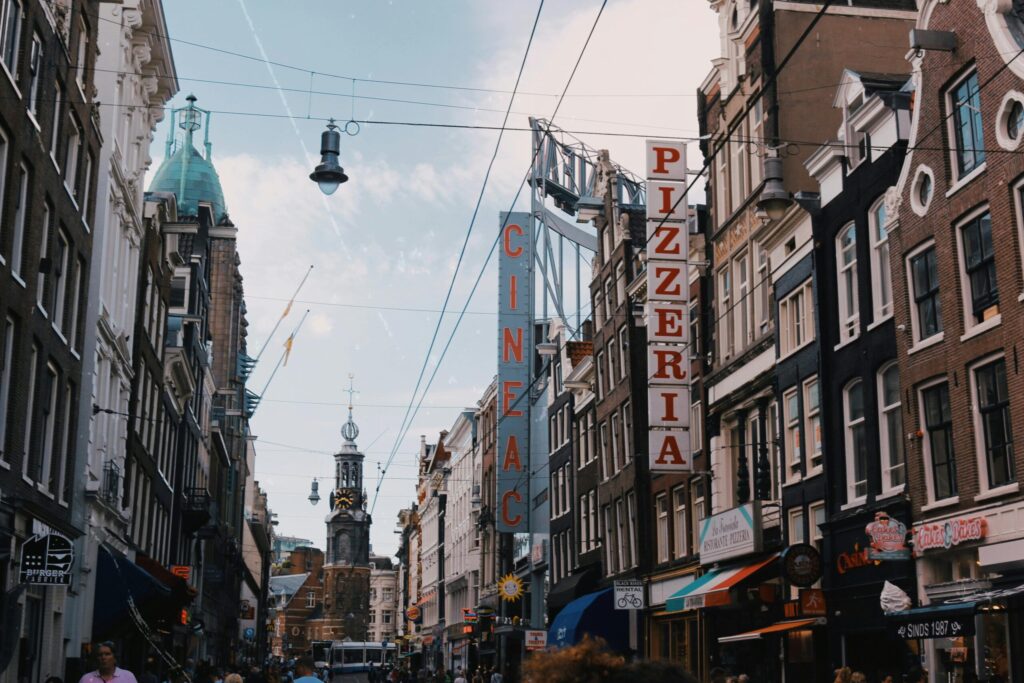
The Netherlands consistently ranks among the best places for expats. Here’s why:
- Thriving Job Market & Multinationals
Amsterdam, Rotterdam, and The Hague are home to countless global corporations—from tech giants to financial powerhouses—offering diverse career opportunities. - World-Class Education & English-Friendly Environment
Dutch universities and international schools deliver top-tier education in English, making it easy for families and students to settle in. - Exceptional Quality of Life
Well-developed infrastructure, a cycling culture that promotes health and sustainability, and an efficient public transport system all contribute to an outstanding standard of living. - Central Europe Travel Hub
With Schiphol Airport one of the world’s busiest, weekend trips to Paris, Berlin, or Barcelona are right at your fingertips.
Necessary Documents for Expats in Netherlands
Expats in the Netherlands must prepare several key documents before or immediately upon arrival to ensure a smooth transition and legal compliance. First and foremost, you’ll need a valid passport and, if you’re a non-EU/EEA citizen, an approved MVV entry visa or residence permit from the Immigration and Naturalisation Service. Upon arrival, register at your local municipality (gemeente)—you’ll need your passport, rental or purchase contract, and a recent passport-style photo; find your town hall’s details on the central Government.nl municipalities page. Next, apply for your citizen service number (BSN) during registration, which you’ll use for taxes, healthcare, and banking.
You should also secure health insurance within four months of your BSN registration—compare plans via the Health Insurance Information Center (Zorgverzekeringslijn). If you intend to work, register with the Dutch Tax and Customs Administration (Belastingdienst) for payroll and VAT purposes (Belastingdienst Foreign Workers). Finally, if you have children, arrange school enrollment using your BSN and proof of address. Having these documents in order will help you focus on settling into your new life as one of the thriving community of expats in the Netherlands.
Common Challenges for Expats & How to Overcome Them
Relocating to a new country brings its own hurdles, but knowing what to expect can help you plan better:
- Securing Housing
High demand in popular cities often means competition for apartments. Start your search early and be prepared with translated documents. - Navigating Dutch Bureaucracy
Registering with the municipality (gemeente), obtaining a BSN number, and setting up health insurance are essential first steps. - Transporting Personal Belongings
Coordinating an international removal involves packing, customs paperwork, and reliable transport. - Language & Social Integration
While most Dutch speak excellent English, learning basic Dutch phrases and joining expat communities will ease your transition.
Logistics often pose the biggest obstacle—which is why partnering with a specialist removal service like VANonsite can save you time, money, and stress.
VANonsite’s Removal Solutions for Expats
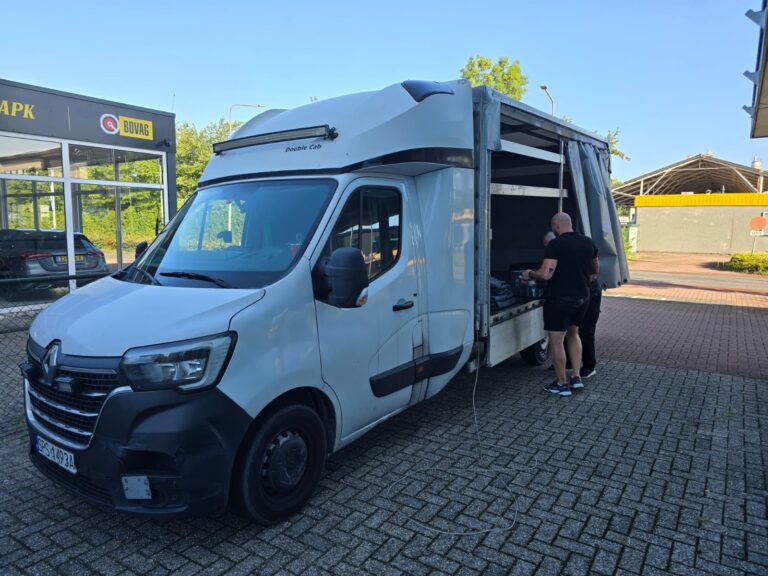
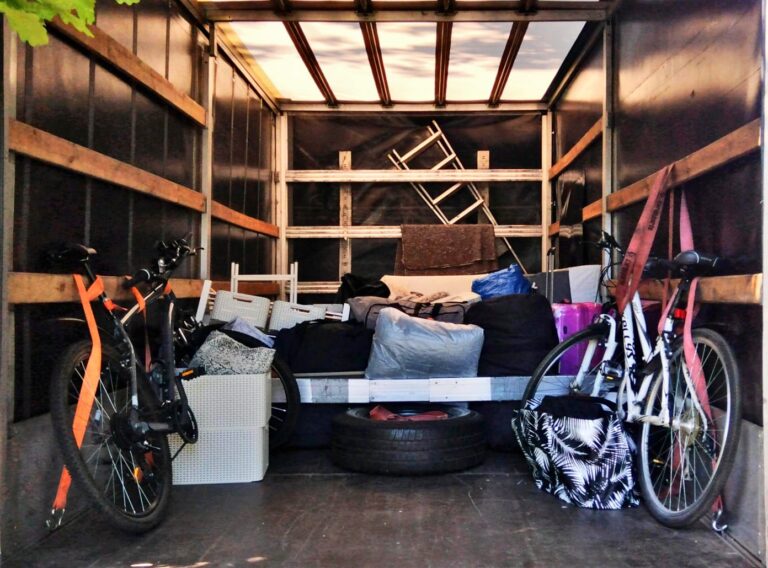
VANonsite offers dedicated “Removals to Netherlands” services designed to fit every need—whether you’re a student moving a suitcase or a family relocating a full household. Their professional teams handle packing, customs clearance, and door-to-door delivery, ensuring your belongings arrive safely and on schedule vanonsite-commercial.pl/.
For full details on routes, pricing, and to get a free quote, visit the Removals to Netherlands page. To explore all of VANonsite’s European moving options, head to the homepage.
Comparison Table: VANonsite Moving Packages
| Package Name | Volume (m³) | Max Weight | Ideal For |
|---|---|---|---|
| Moving Basic | 5 m³ | 300 kg | Students or very small moves |
| Moving Medium | 10 m³ | 600 kg | Singles or couples |
| Moving Premium | 20 m³ | 1 100 kg | Small apartments or small families |
| Premium Plus | 30 m³ | 3 500 kg | Larger apartments or medium families |
| Full House XXL | 90 m³ | 20 000 kg | Entire households or businesses |
Step-by-Step Moving Checklist for Expats
- Research & Secure Housing
Compare neighborhoods, finalize a lease, and gather required documents (ID, employment contract). - Register with the Municipality (IND/Gemeente)
Book your appointment, bring proof of address, and obtain your BSN (citizen service number). - Set Up Utilities & Internet
Arrange gas, electricity, water, and a reliable internet provider before arrival. - Book Your Removal with VANonsite
Choose the right package (see comparison table), book your date, and confirm pickup/drop-off details. - Prepare Customs Documentation
For non-EU items, complete any necessary import/export declarations in advance. - Open a Dutch Bank Account & Health Insurance
Compare providers online and register to ensure coverage from day one.
Cost-Saving Tips & Insights
- Travel Light: Declutter—sell or donate items you no longer need before packing.
- Share Volume: Coordinate with friends or fellow expats to split van space and reduce costs.
- Flexible Timing: Off-peak mid-week moves can be more affordable than weekend slots.
- Choose the Right Package: If you only need essentials, the “Moving Basic” may cover everything.
Living Costs Snapshot
While the Netherlands can be more expensive than other European countries, expats benefit from high wages and excellent public services. Expect average monthly rents of €1 200–€1 800 in major cities, groceries around €300–€400, and a public transport pass for roughly €90 per month. For deeper cost analyses and neighborhood guides, check out our detailed living-cost blog series.
Why Expats Trust VANonsite
- Expertise & Experience: Specialized in cross-Europe relocations with meticulous customs handling
- Tailored Service: Multiple package sizes from 5 m³ to 90 m³ to fit every budget and home size
- Dedicated Support: Door-to-door tracking, real-time updates, and 24/7 customer care
- Transparent Pricing: No hidden fees—get an accurate estimate up front
Conclusion
Relocating as an expat in the Netherlands doesn’t have to be a daunting endeavor. With its thriving job market, excellent education options, and vibrant culture, the Netherlands offers an exceptional quality of life for internationals. By planning ahead—securing housing, registering with local authorities, and choosing the right removal partner—you can focus on settling in and enjoying everything this dynamic country has to offer. VANonsite’s tailored “Removals to Netherlands” service ensures your belongings are handled with care, offering transparent pricing and door-to-door support every step of the way. Get a free quote today on the Removals to Netherlands page and experience a stress-free move with VANonsite.
Frequently Asked Questions
1. How far in advance should I book my move to the Netherlands?
It’s best to book your removal service at least 4–6 weeks before your intended moving date. Peak moving season in Europe typically falls between April and September, so reserving early secures your preferred time slot and can help you lock in better rates. If you have flexibility, mid-week or off-peak dates often come at a lower cost with VANonsite.
2. What documents are required for customs when shipping personal items?
For EU residents, customs paperwork is minimal—usually just a detailed inventory of goods and proof of EU residency. Non-EU citizens should prepare a passport copy, visa documentation, and a list of high-value items. VANonsite’s team will guide you through the necessary forms and ensure all declarations are completed correctly to prevent delays at Dutch ports.
3. Can I track my shipment en route to the Netherlands?
Yes. VANonsite provides real-time tracking for all international removals. Once your shipment departs, you’ll receive login details to monitor your van’s location and estimated delivery date. Should you have any questions during transit, VANonsite’s 24/7 customer support is available to provide updates.
4. Are there any items that VANonsite cannot transport?
VANonsite adheres to international transport regulations. Prohibited items typically include perishable goods, hazardous materials (e.g., certain chemicals, batteries), and illegal substances. If you’re unsure about a specific item, consult the detailed list on the VANonsite homepage or reach out to customer service for clarification before packing.
5. How does VANonsite price its removal packages?
Pricing is based on the volume (m³) and weight of your shipment, as well as the distance and any additional services (e.g., packing materials, furniture assembly). You can review the moving package options in our comparison table and get an instant estimate by filling out the form on the Removals to Netherlands page. All quotes are transparent with no hidden fees.
6. What if my schedule changes after booking?
Life can be unpredictable, and VANonsite offers flexible rescheduling up to 7 days before pickup without penalty. Simply contact your move coordinator with your new date, and they will update your reservation to accommodate your needs. For last-minute changes, reach out as soon as possible to explore available options.
7. Do I need insurance for my move?
While all shipments are covered by basic transit insurance, you may opt for additional coverage based on item value. VANonsite offers several insurance tiers to protect against loss or damage. Consult with your coordinator to select the plan that best suits your requirements and gives you peace of mind.