
Quick Summary: What You’ll Learn
- Iconic symbols of Dutch culture, including tulips, windmills, and bicycles
- Dutch innovations and global impact in sustainability and design
- Traditional Dutch cuisine and culinary delights
- Social values, liberal policies, and cultural norms
- Insights into Dutch sports, education, and family life
Introduction
The Netherlands, often associated with picturesque canals and vibrant tulip fields, offers a rich tapestry of culture, innovation, and tradition. From its iconic windmills to its progressive social policies, the Dutch have made significant contributions to the world. Whether you’re considering a visit or contemplating a move, understanding what the Dutch are known for provides valuable insights into this unique nation.
Iconic Symbols of Dutch Culture
Tulips and Windmills
The Netherlands is renowned for its colorful tulip fields, especially during spring. The Keukenhof Gardens showcase millions of blooming tulips, attracting visitors worldwide. Windmills, once essential for land drainage and milling, stand as historical monuments, with Kinderdijk being a UNESCO World Heritage site.
Wooden Shoes (Clogs)
Traditional Dutch clogs, or “klompen,” symbolize the country’s rural heritage. While not commonly worn today, they remain a popular souvenir and are celebrated in festivals and museums.
Bicycles
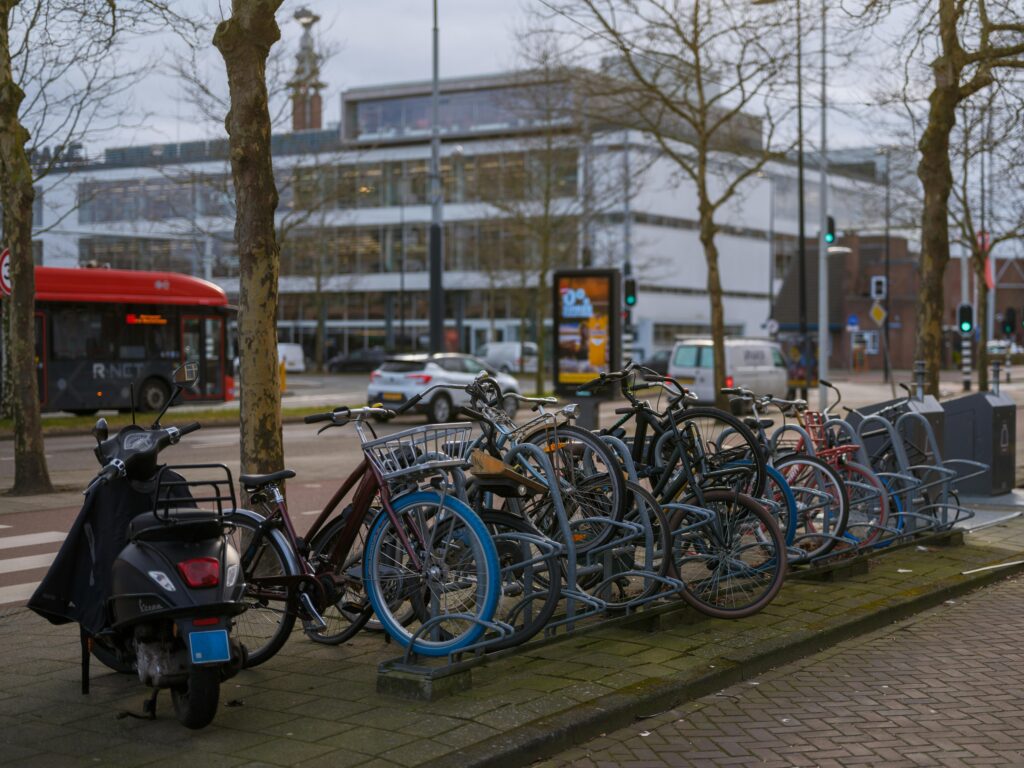
With more bicycles than people, the Netherlands boasts an extensive cycling infrastructure. Cities like Amsterdam and Utrecht prioritize bike-friendly policies, making cycling a primary mode of transportation.
Innovations and Global Impact
Sustainable Technology
The Dutch lead in sustainable innovations, from water management systems to renewable energy solutions. Projects like the Delta Works protect the country from flooding, showcasing engineering prowess.holland.com
Design and Architecture
Dutch design emphasizes minimalism and functionality. Events like Dutch Design Week in Eindhoven highlight the nation’s creative talents, influencing global design trends.
Dutch Food & Cuisine
Cheese and Stroopwafels
The Netherlands produces world-famous cheeses like Gouda and Edam. Stroopwafels, thin waffle cookies with caramel syrup, are a beloved treat enjoyed by locals and tourists alike.
Haring and Bitterballen
Raw herring, often eaten with onions and pickles, is a traditional Dutch delicacy. Bitterballen, deep-fried meatballs, are popular snacks served in pubs and cafes.
Social Values and Liberal Culture
Tolerance and Equality
Dutch society values tolerance, equality, and individual freedom. The Netherlands was the first country to legalize same-sex marriage and maintains progressive policies on issues like euthanasia and drug decriminalization.
Direct Communication
Known for their directness, the Dutch communicate openly and honestly, valuing transparency in both personal and professional interactions.
Sports and Famous Events
Football and Speed Skating
Football is the most popular sport, with clubs like Ajax and PSV Eindhoven having rich histories. The Dutch also excel in speed skating, often dominating international competitions.
King’s Day
Celebrated on April 27th, King’s Day honors the monarch’s birthday with nationwide festivities, including street markets, concerts, and a sea of orange attire.
Dutch Design & Creativity
The Netherlands is a creative powerhouse where function meets bold aesthetics. Dutch design is globally celebrated for its minimalist, innovative, and experimental character. From furniture and fashion to digital experiences, Dutch designers challenge conventions and blend practicality with artistry.
Events like Dutch Design Week in Eindhoven showcase the future of design, drawing global attention to sustainable materials, circular production, and inclusive solutions. Institutions such as the Design Academy Eindhoven and Gerrit Rietveld Academie produce world-class talent that shapes global design narratives.
Notable figures like Rem Koolhaas in architecture and Marcel Wanders in interior design exemplify the nation’s influence. Whether it’s public space planning or eco-conscious product design, the Dutch don’t just follow trends—they create them.
Education and Bilingualism
One of the key reasons expats are drawn to the Netherlands is its exceptionally inclusive and high-performing education system. Dutch schools emphasize independent thinking, collaboration, and real-world problem-solving. Public education is free and of high quality, with many international schools offering globally recognized programs like IB and British curricula.
But what really sets the Dutch apart is their bilingualism. The Netherlands ranks among the top non-native English-speaking countries in the world. Most Dutch citizens speak English fluently, especially in cities, universities, and professional environments. Many degree programs are offered entirely in English—even at public universities.
This linguistic accessibility makes the Netherlands one of the easiest countries for foreigners to settle in, study, or work without first mastering Dutch, while still offering plenty of opportunities to learn the local language at your own pace.
Sustainability & Cycling Culture
Ask someone what the Dutch are known for, and “cycling” will likely top the list—but it’s more than just a stereotype. The Netherlands is a global role model for integrating sustainability into daily life, and its cycling infrastructure is second to none. Over 22 million bicycles for a population of 17.5 million? That’s not just impressive—it’s cultural DNA.
Major cities like Amsterdam and Utrecht prioritize pedestrians and cyclists, with dedicated bike lanes, smart traffic signals, and massive bike parking stations. It’s not just convenient—it’s environmental. Cycling reduces emissions, eases congestion, and improves public health.
Beyond biking, the Dutch lead in green energy innovation, especially wind and solar power. The country has invested heavily in flood control systems like the Delta Works and promotes circular economy models that minimize waste and maximize reuse. It’s no surprise the Netherlands consistently ranks among the world’s most sustainable nations.
Liberal Laws
The Netherlands is often described as one of the most progressive and liberal countries in the world, and for good reason. Dutch society places a strong emphasis on personal freedom, tolerance, and pragmatism, resulting in laws that are often well ahead of global norms.
Key examples include:
- Legalization of Same-Sex Marriage: The Netherlands was the first country in the world to legalize gay marriage in 2001.
- Euthanasia Laws: Strictly regulated, yet legal—giving individuals autonomy over end-of-life decisions.
- Cannabis Policy: Though technically not legalized, soft drugs are decriminalized for personal use and can be bought openly in licensed coffee shops.
- Sex Work Regulation: Prostitution is legal and regulated, with an emphasis on safety and workers’ rights.
This progressive stance doesn’t mean chaos—it reflects a trust in personal responsibility and open dialogue. As a result, Dutch cities are among the safest and most orderly in the world, proving that liberalism and structure can go hand in hand.
VanOnSite: Relocate to the Dutch Way of Life
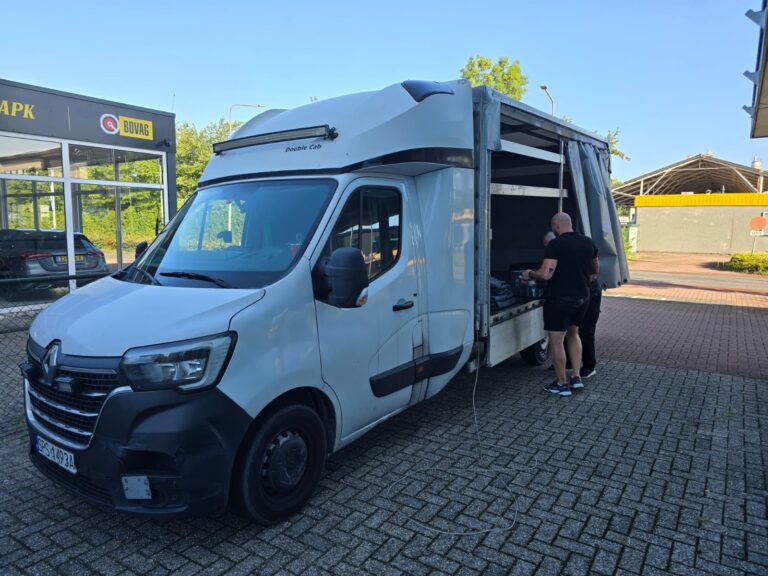
Considering a move to the Netherlands? VanOnSite offers professional relocation services, ensuring a smooth transition. From packing to transportation, their experienced team handles every detail, allowing you to embrace Dutch culture effortlessly.
Interesting Dutch Quirks
- Three Kisses Greeting: A common Dutch greeting involves three alternating cheek kisses.
- Birthday Circles: Celebrations often involve sitting in a circle, chatting, and enjoying cake.
- Open Curtains: Many Dutch homes have open curtains, reflecting a cultural emphasis on transparency.
Frequently Asked Questions (FAQ)
Q: Why are the Dutch known for cycling?
A: The Netherlands’ flat terrain, extensive bike lanes, and pro-cycling policies make cycling a convenient and sustainable transportation choice.
Q: What is a traditional Dutch dish?
A: Stamppot, a hearty mash of potatoes and vegetables, often served with sausage, is a traditional Dutch comfort food.
Q: Are Dutch people fluent in English?
A: Yes, the Netherlands has one of the highest English proficiency rates among non-native countries, making communication easy for visitors and expatriates.
Q: What is King’s Day?
A: King’s Day, celebrated on April 27th, is a national holiday honoring the king’s birthday, marked by festivities and a nationwide flea market.aboutnl.com
Q: How can I move to the Netherlands?
A: Companies like VanOnSite specialize in international relocations, offering comprehensive services to facilitate your move.