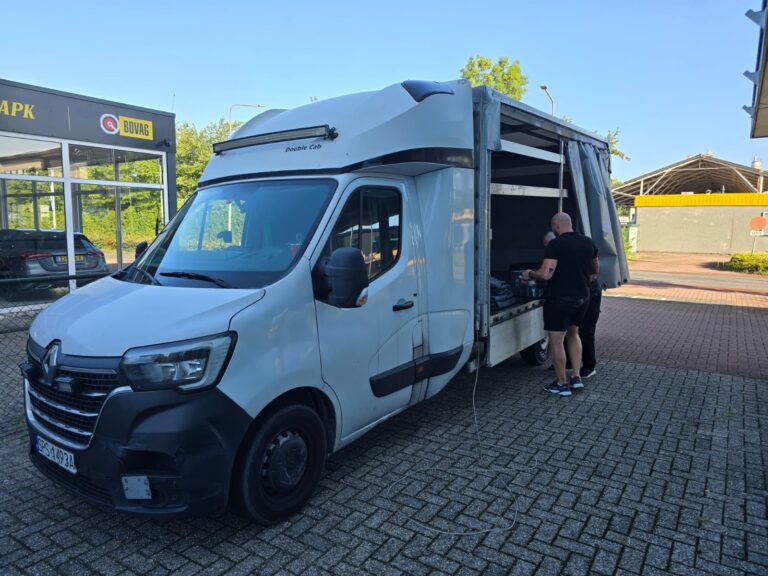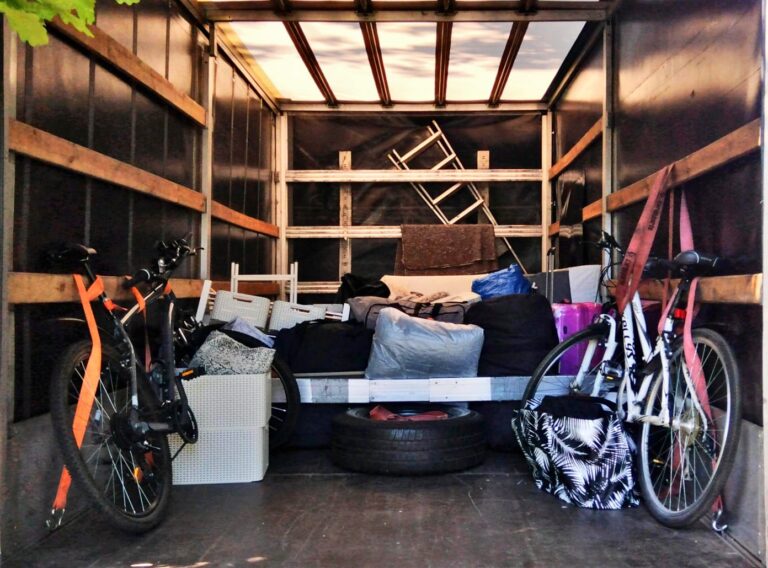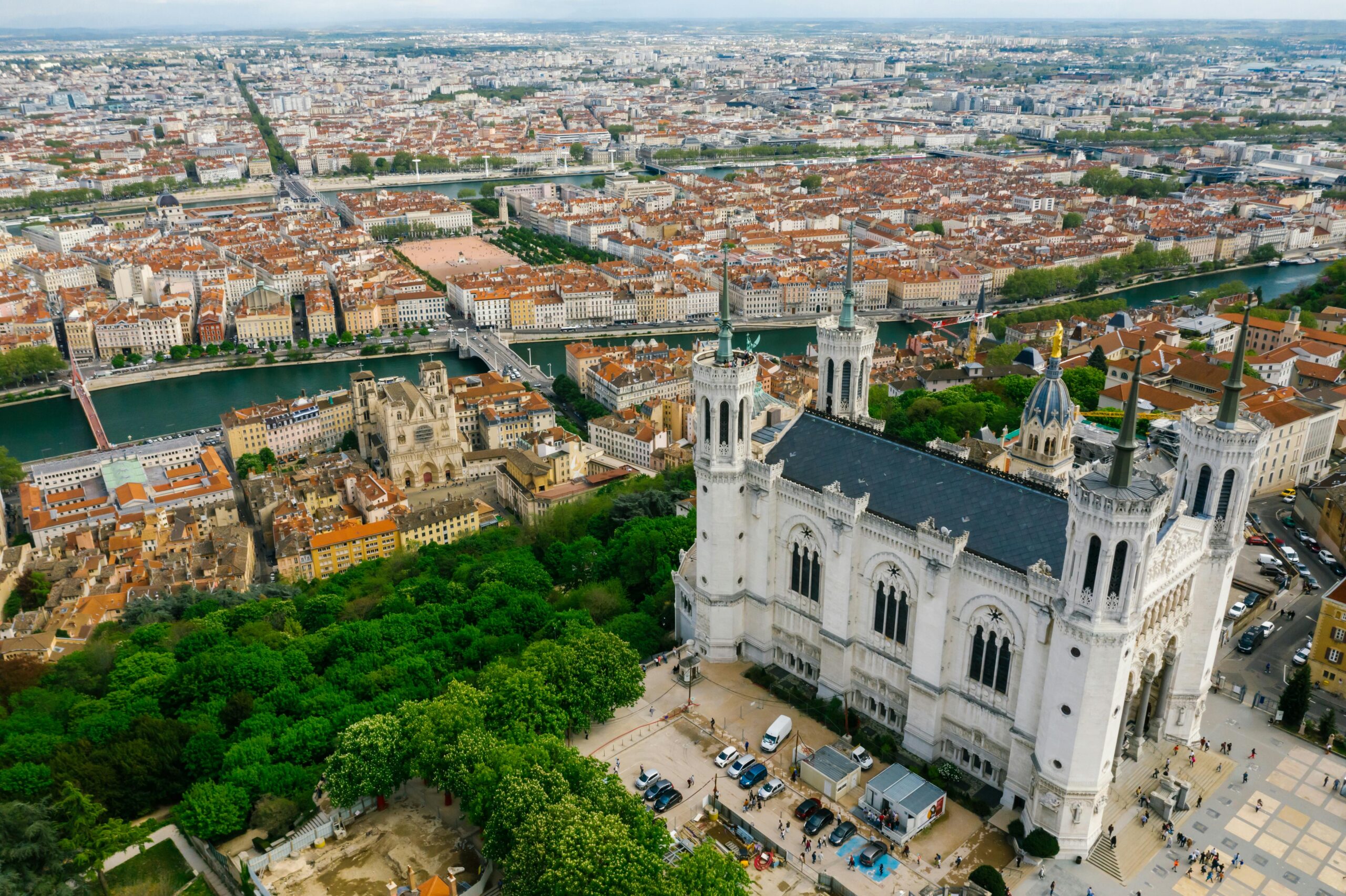

If you are moving from Germany to France, you are not just changing a location. You are changing your rhythm, your routines, and the little things that make a place feel like yours. This guide gives you a clear plan, real numbers, and practical steps so the move feels controlled from day one.
If you want a fast, safe relocation with GPS tracked certainty, start here:
https://vanonsite.com/removals-to-france/
Quick answer for moving from Germany to France
The 60 second plan
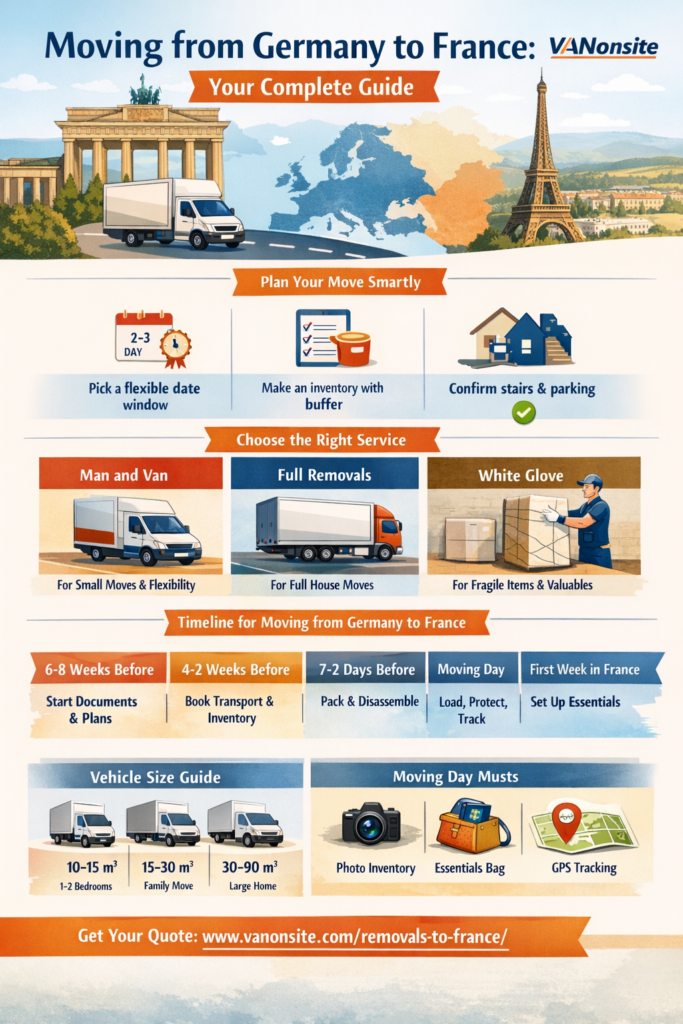
If you are moving from Germany to France, the fastest path to a smooth move is simple. Lock in timing, match the vehicle to your real volume, and remove uncertainty with clear access info.
Here is the 60 second plan for moving from Germany to France:
- Pick a move date window of 2 to 3 days if you can.
- Make a quick inventory: large items plus an estimated box count.
- Choose the right vehicle tier with a 10 to 15% buffer.
- Confirm access details at both addresses: stairs, elevator, parking distance.
- Pack by rooms and label boxes on two sides.
- Keep essentials and documents with you.
- Track the shipment with GPS and coordinate arrival like a pro.
If you want the most direct route to planning, pricing, and availability for moving from Germany to France, start here:
https://vanonsite.com/removals-to-france/
What to decide today (date, inventory, access)
The first day of planning is where most stress is either created or erased. When you are moving from Germany to France, these three decisions give you control.
1) Your date and time window
- Best case: a flexible window of 2 to 3 days
- Good case: a fixed date with a flexible pickup time
Even small flexibility can improve routing and reduce waiting at delivery.
2) Your inventory in two layers
Start with the big pieces, then add boxes.
- Furniture: beds, wardrobes, sofa, table, chairs
- Appliances: fridge, washer, dishwasher
- Boxes: estimate honestly, then add a 10% cushion
A practical rule: when people guess, they often underestimate by about 20%. A tighter inventory keeps moving from Germany to France faster and cheaper.
3) Your access reality
Access turns a smooth plan into a smooth day.
- Floor level and elevator availability
- Parking distance to the entrance
- Any time restrictions for loading or unloading
- Key handover plan
If the vehicle parks more than 50 meters away, loading time can rise by 25 to 40%. That is why access details matter so much during moving from Germany to France.
Man and van or full removals, how to choose fast
Choosing the right style for moving from Germany to France is about volume, weight, and how much you want handled for you.
A man and van move is ideal when:
- You are moving a studio, student load, or compact apartment
- You want speed and flexibility
- You have fewer fragile items
Full removals are best when:
- You have a full household and bulky furniture
- You want packing, disassembly, and coordinated unloading
- You have delicate items like art, glass, or antiques
Use this quick decision table for moving from Germany to France:
| Your move reality | Best fit | Why it works |
|---|---|---|
| Under 30 boxes and a few furniture pieces | man and van | Fast, flexible, cost controlled |
| A full 1 to 2 bedroom home | Full removals | Less strain, fewer mistakes |
| Premium furniture or fragile valuables | White glove add on | Safer handling and placement |
If you are not sure, choose one tier up in vehicle size and ask for a mixed approach. Many people moving from Germany to France do DIY packing for clothes and books, and professional packing for fragile items. It is a smart compromise that protects both budget and sanity.
Moving from Germany to France timeline
A strong timeline turns moving from Germany to France into a controlled sequence. You will feel calmer, spend less time scrambling, and avoid classic last minute mistakes.
Use this as a quick roadmap for moving from Germany to France:
| When | Your focus | Your win |
|---|---|---|
| 8 to 6 weeks before | documents, housing, planning | zero admin surprises |
| 6 to 4 weeks before | booking, vehicle size, inventory | correct load, better price |
| 4 to 2 weeks before | packing rhythm, utilities, address changes | smooth handover |
| 7 to 2 days before | disassembly, essentials, confirmations | faster moving day |
| Moving day | loading order, protection, GPS tracking | safe arrival |
| First 7 days in France | registrations, essentials setup | daily life is back |
8 to 6 weeks before
This is the foundation stage. If you do it well, moving from Germany to France feels lighter later.
Do these first:
- Confirm your move in date and any building rules at both addresses.
- Start a France folder with scans on your phone and in the cloud.
- Decide what you will not move. Aim to reduce volume by 10 to 15%.
A fast declutter method that works:
- Sell or donate bulky, cheap to replace items first.
- Remove duplicates: spare chairs, extra cookware, extra linens.
- Keep only what you would happily unpack in France.
6 to 4 weeks before
This is the sweet spot for booking and sizing. It is where moving from Germany to France becomes predictable.
Focus on these moves:
- Choose service level: man and van or full removals.
- Match your inventory to a vehicle tier with a 10 to 15% buffer.
- Confirm access details: parking distance, stairs, elevator, entry codes.
A practical detail that saves time:
- If the vehicle parks more than 50 meters from the entrance, loading time can increase by 25 to 40%.
4 to 2 weeks before
Now you build packing momentum. The goal is speed without breakage during moving from Germany to France.
Pack with structure:
- Pack one room at a time.
- Label boxes on two sides with room and priority.
- Create one fragile zone. Keep it visible.
A simple priority label system:
- Priority 1: open first (bedding, kettle, toiletries)
- Priority 2: daily use within week one
- Priority 3: everything else
7 to 2 days before
This is confirmation week. You stop guessing and lock the plan.
Checklist for moving from Germany to France:
- Disassemble furniture you do not need until arrival.
- Defrost the freezer and secure appliance doors.
- Prepare your essentials bag and keep it with you.
- Reconfirm addresses, access instructions, and delivery window.
Essentials bag must have:
- IDs, keys, documents
- chargers and meds
- two days of clothing
- water and snacks
Moving day
Moving day should feel decisive, not chaotic. A good man and van team loads smart, protects corners, and keeps the route clean.
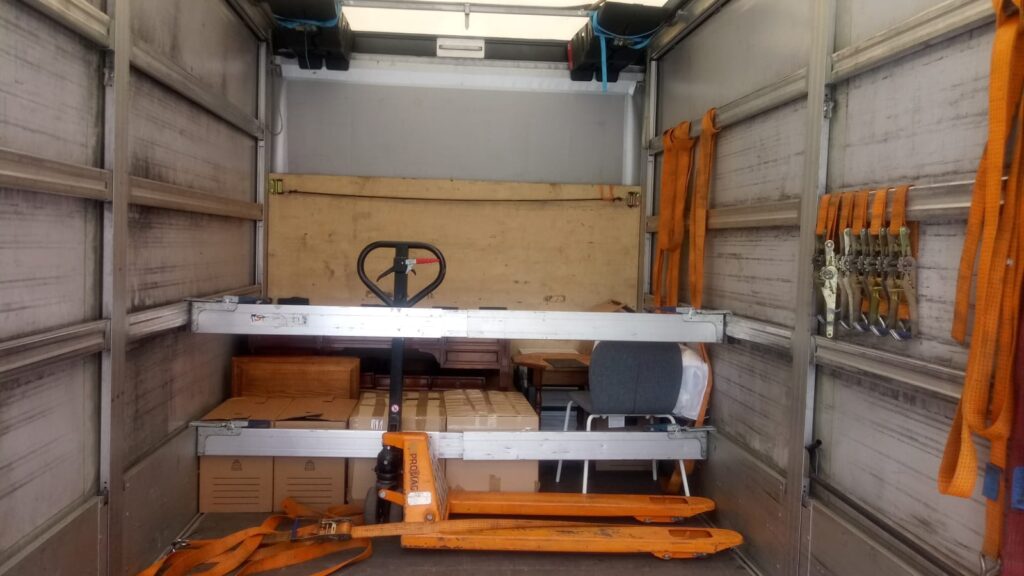
Loading order that reduces damage:
- Heavy items first, tight against the bulkhead
- Medium items next, strapped and padded
- Fragile items secured with no empty gaps
- Essentials last so they unload first
Do the 10 minute protection routine:
- Photograph high value items.
- Confirm your inventory count.
- Note existing scratches on furniture.
If you are moving from Germany to France with VANonsite, GPS tracking keeps you in control. You can coordinate keys, parking, and arrival without guessing.
First 7 days in France
Your first week makes the move feel real. Keep it simple. One admin task per day is enough.
Suggested rhythm after moving from Germany to France:
- Day 1: sleep setup and basic kitchen
- Day 2: local SIM and internet booking
- Day 3: healthcare steps and paperwork folder check
- Day 4: recycling rules and local services
- Day 5: finish one room and celebrate a small win
The fastest way to feel settled is a calm first night. Make the bed first. Then bathroom essentials. Then one simple meal. Everything else can wait.
Route planning and access checks
When you are moving from Germany to France, the route itself is usually the easy part. The hard part is the last 30 meters. A narrow street, a strict parking rule, a staircase that turns like a corkscrew. That is where time disappears.
Your goal is simple: reduce unknowns. Once access is clear, the rest of moving from Germany to France becomes calmer, faster, and often cheaper.
Typical distances and driving time (by region)
Germany to France can mean a short cross border move or a long haul. Here are realistic ranges, including breaks and normal traffic.
| Germany region | France region | Typical distance | Typical drive time |
|---|---|---|---|
| Western Germany (Cologne, Duesseldorf) | North or East France (Lille, Strasbourg) | 250 to 450 km | 3.5 to 6 hours |
| Central Germany (Frankfurt) | Paris region | 550 to 650 km | 7 to 9 hours |
| Southern Germany (Munich, Stuttgart) | Lyon area | 650 to 850 km | 8.5 to 11 hours |
| Southern Germany | Provence or Nice | 850 to 1,150 km | 11 to 15 hours |
| Northern Germany (Hamburg, Berlin) | Paris region | 850 to 1,100 km | 11 to 14 hours |
Two quick truths for moving from Germany to France:
- City arrivals can add 60 to 120 minutes, even when the motorway is perfect.
- A flexible delivery window of 2 to 3 hours reduces stress more than most people expect.
City realities (Paris, Lyon, Marseille, Nice)
Arriving in France is not just a finish line. Each city has its own rhythm and its own friction.
Paris
- Tight streets and limited legal stopping points
- Elevator buildings, but strict access rules
- Best move strategy: secure a loading spot and confirm time windows early
Lyon
- Hilly areas and older buildings with stairs
- Loading can be slower in dense neighborhoods
- Best move strategy: confirm parking distance and stair width
Marseille
- Neighborhood layouts can be tricky for large vehicles
- Heat and traffic can drain energy fast in summer
- Best move strategy: early morning delivery slots and a clear loading lane
Nice
- Narrow coastal streets and parking pressure
- Slopes and tight turns near residential areas
- Best move strategy: plan access carefully and keep fragile items supervised
If you are moving from Germany to France into a city center, it is normal for unloading to take 25 to 40% longer than in suburban areas.
Building access checklist (stairs, elevators, parking)
Access planning is one of the highest value steps in moving from Germany to France. Share these details with your mover before moving day.
At pickup and delivery, confirm:
- Floor level
- Elevator availability, plus internal dimensions
- Stair width and number of flights
- Distance from legal parking to entrance
- Tight corners, low ceilings, narrow door frames
- Any booking system for elevator or loading zone
- Entry codes, gates, concierge rules
A practical benchmark:
- If the vehicle parks more than 50 meters away, loading time can rise by 25 to 40%.
If you want your moving from Germany to France to feel effortless, reduce that walking distance first.
The 5 questions that prevent delays
Ask these five questions for both addresses. They eliminate the classic surprises.
- Can the vehicle park within 25 meters of the entrance, legally and safely?
- Do we need a reserved loading zone or permission from building management?
- Is there an elevator, and is it big enough for bulky items?
- Are there time restrictions for moves, such as quiet hours or booked slots?
- Who holds the keys, and what is the exact handover plan?
If any answer is unclear, your moving from Germany to France will still work, but it will feel heavier. Clarity makes it lighter.
Mini plan for a faster loading day
This mini plan is simple, but it is powerful. It keeps a man and van move efficient, and it helps full removals run smoother too.
- Reserve or protect the closest legal parking spot.
- Clear a loading lane inside your home, hallway to door.
- Pre group boxes by room near the exit.
- Keep fragile items in one visible zone, separate from heavy items.
- Keep essentials and documents with you, not in the load.
A small performance trick for moving from Germany to France:
- Label boxes on two sides. You can reduce unpacking confusion by about 25%, especially in the first night rush.
If you want more predictable timing and less waiting at delivery, GPS tracking helps you coordinate arrival, keys, and unloading without guessing.


Choose the right moving style
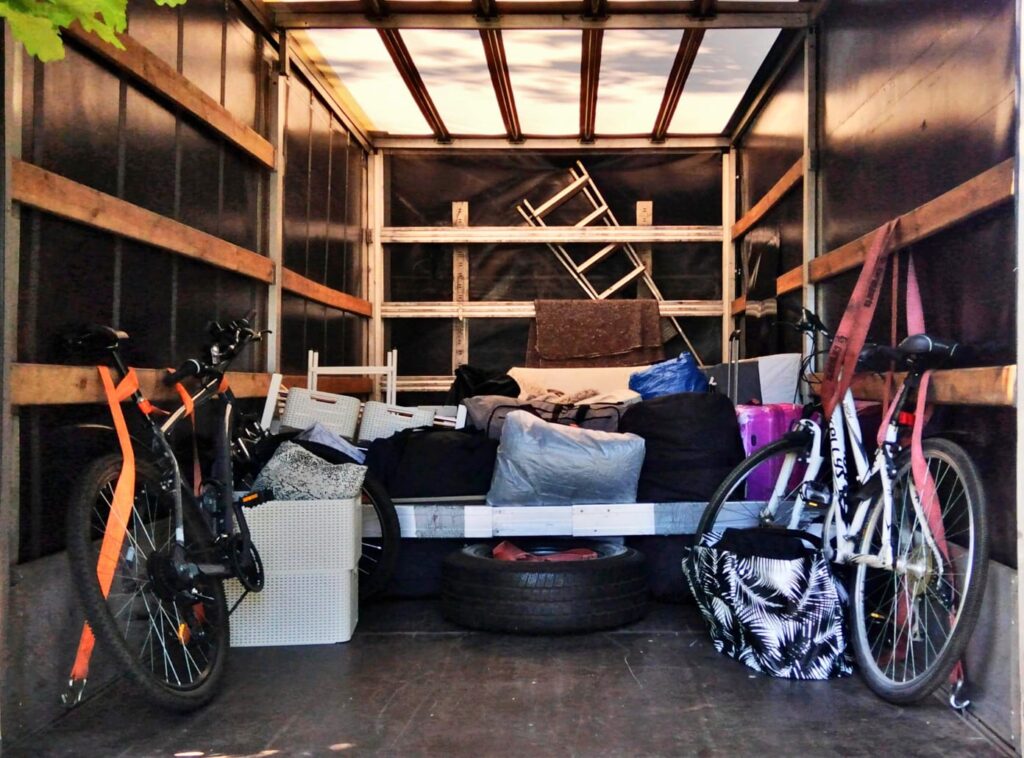
When you are moving from Germany to France, the best plan is the one that fits your real life. Your volume, your timeline, your building access, and how much you want handled for you.
Man and van vs full removals
A man and van move is perfect when your relocation is compact and you want speed.
Choose man and van if:
- You are moving a studio, student room, or a small apartment
- Your furniture count is low, and boxes are under about 40 to 50
- You want a simple pickup and a clean delivery without extra layers
Choose full removals if:
- You have a full household with bulky furniture and appliances
- You need disassembly and reassembly support
- You want packing help or you have many fragile pieces
A fast way to decide for moving from Germany to France:
| If you have | Best choice | Why it is safer |
|---|---|---|
| A few key items and mostly boxes | man and van | quicker, flexible, less downtime |
| Wardrobes, sofa, appliances, many boxes | full removals | fewer trips, fewer mistakes |
| Art, antiques, premium furniture | full removals plus white glove | reduced damage risk |
When Last Minute Moving makes sense
Sometimes you do not get a gentle runway. A lease ends early. A job starts fast. A family situation changes overnight.
Last Minute Moving is built for moving from Germany to France when you need pickup within 24 to 72 hours and still want calm execution.
To make a last minute move feel controlled, do these three things:
- Send a clear inventory with photos of large items.
- Confirm access details, especially parking distance and stairs.
- Keep your essentials bag and documents out of the load.
Even under pressure, the goal stays the same. Fewer surprises means a faster, safer arrival.
When White Glove Delivery is worth it
White glove handling is not about luxury. It is about protecting the items that would hurt to lose.
Choose White Glove Delivery for moving from Germany to France if you have:
- Designer furniture and delicate finishes
- Art, mirrors, and glass tables
- Fragile antiques or sentimental pieces
- High value electronics
A practical benchmark: damage risk rises sharply when fragile items are packed in mixed boxes. White glove handling keeps fragile items separated, padded, and secured, which can reduce avoidable damage dramatically.
When Storage saves your move
Storage is the quiet hero when timing does not line up.
Storage helps during moving from Germany to France when:
- Your France move in date is later than your move out date
- Renovation is not finished
- You are downsizing and need time to decide what stays
- You want to ship furniture now and bring the rest later
If you choose storage, pack with a future mindset:
- Label boxes with room and priority
- Keep an inventory list with box numbers
- Store seasonal items and non essentials first
This makes your second phase feel effortless, not like starting over.
VANonsite services for moving from Germany to France
VANonsite supports moving from Germany to France with high quality transport, careful handling, and GPS tracking for every load. That GPS visibility helps you coordinate keys, parking, and arrival windows with confidence.
Start here if France is your destination:
https://vanonsite.com/removals-to-france/
Home Removals
If you are relocating a full household, Home Removals gives you structured support from pickup to delivery.
Best for moving from Germany to France when you have:
- 1 to 3 bedrooms worth of furniture
- appliances and heavy items
- a need for coordinated loading and unloading
Furniture Removals
If you only need to move the big pieces, Furniture Removals is the clean, efficient choice.
Ideal for moving from Germany to France when you are:
- shipping a sofa, bed, wardrobes, or a dining set
- buying or selling furniture across borders
Packing Service
Good packing protects speed and reduces damage risk. Professional packing is often the difference between a calm arrival and a frustrating one.
A smart hybrid for moving from Germany to France:
- DIY pack clothes and books
- Use professional packing for fragile items and electronics
White Glove Delivery
For premium items, White Glove Delivery adds extra protection, careful carry, and placement with respect.
Choose it when your items are fragile, valuable, or emotionally irreplaceable.
Office removals
Office removals are built to reduce downtime. That matters because downtime is expensive.
A practical win for moving from Germany to France:
- plan the move outside peak working hours
- label IT equipment by desk or department
- keep key devices and cables together
Student Removals
Student Removals are flexible, budget friendly, and fast.
If you are moving from Germany to France for studies, the right vehicle tier plus a man and van plan keeps it simple and affordable.
Pick the right vehicle size (volume and payload)
Choosing the right vehicle is one of the biggest make or break moments in moving from Germany to France. Too small and you lose hours. Too big and you pay for air.
The smart strategy is simple: estimate your real load, then add a buffer of 10 to 15%. That buffer protects you from the most common problem in moving from Germany to France, which is underestimating box volume.
Vehicle tiers explained
Think of vehicle tiers as capacity plus comfort. The bigger the tier, the less your team needs to play moving day Tetris. That means faster loading, fewer scratches, and a calmer arrival.
A quick guide for moving from Germany to France:
- Small move: student or studio, mostly boxes, a few furniture pieces
- Medium move: 1 bedroom, sofa, bed, wardrobe, appliances optional
- Large move: family home, multiple wardrobes, appliances, many boxes
If your move includes heavy items, remember payload matters as much as volume. Books and dishware can hit weight limits faster than you expect.
Quick sizing rules by home type
Use these rules as a fast starting point for moving from Germany to France:
- Student room: 1 to 5 m3
- Studio: 5 to 10 m3
- 1 bedroom: 10 to 15 m3
- 2 bedrooms: 15 to 30 m3
- Family home: 30 m3 and up
Two honest upgrades that save pain:
- If you own a large sofa or a big wardrobe, go one tier higher.
- If you have a lot of books, add weight margin, not just volume margin.
Volume and payload table (Moving One to Full House XXL)
VANonsite vehicle options for moving from Germany to France:
| Vehicle option | Volume | Payload | Best for |
|---|---|---|---|
| Moving One | 1 m3 | 100 kg | Suitcases, a few boxes, small items |
| Moving Basic | 5 m3 | 300 kg | Student essentials, studio move |
| Moving Medium | 10 m3 | 500 kg | Small 1 bedroom, light furniture |
| Moving Premium | 15 m3 | 1100 kg | 1 to 2 bedroom plus appliances |
| Moving Premium Plus | 30 m3 | 3500 kg | Family move, heavier loads |
| Moving Full House XXL | 90 m3 | 20000 kg | Large house, high volume |
Simple volume reference for moving from Germany to France:
- 1 m3 fits about 6 to 8 medium boxes
- 10 m3 fits about 60 to 80 medium boxes
- 15 m3 fits about 90 to 120 medium boxes, or a compact home with furniture
Mini inventory examples (10 m3, 15 m3, 30 m3)
If you are moving from Germany to France, compare your inventory to these examples.
10 m3 example
- Bed frame and mattress
- Small sofa or armchair
- Small dining table with 2 chairs
- 25 to 40 boxes
15 m3 example
- Bed frame and mattress
- Sofa
- Dining table with 4 chairs
- 1 wardrobe
- 45 to 60 boxes
30 m3 example
- 2 beds
- Large sofa
- 2 to 3 wardrobes
- Dining table, chairs, storage units
- Appliances
- 70 to 110 boxes
If you are choosing between two tiers, pick the larger one. In moving from Germany to France, one extra tier is usually cheaper than a second trip.
Documents and admin for moving from Germany to France
Paperwork is the quiet engine of a smooth relocation. If you handle admin early, moving from Germany to France feels simple on the outside and solid on the inside.
Germany: deregistration and address change basics
Germany rules depend on your municipality, but the official starting point for administrative services is:
https://verwaltung.bund.de/
If you are leaving Germany, you may need to deregister (Abmeldung) or update your registration (Ummeldung) depending on your situation. For moving from Germany to France, keep copies of confirmations, because they can help later with banking, insurance, or proof of address changes.
France: EU citizen residence guidance
If you are a German citizen, you are an EU citizen, which generally means you can live and work in France. Official guidance is here:
https://www.service-public.fr/particuliers/vosdroits/N198
For moving from Germany to France, prepare a clean proof pack:
- Passport or national ID
- Proof of address in France (lease, deed, or attestation)
- Work contract or school letter, if applicable
- Health coverage documents
Non EU family members: visas
If you are moving with non EU family members, start with the official portal:
https://france-visas.gouv.fr/
A practical planning window for moving from Germany to France with visa needs is 8 to 12 weeks.
Household goods and customs edge cases
Within the EU, household moves are usually straightforward, but special cases still exist. For official customs guidance, use:
https://www.douane.gouv.fr/
To keep moving from Germany to France efficient, prepare a simple inventory, especially if you transport high value electronics or anything that could trigger questions.
Importing a vehicle in France
If you are bringing a car, official procedures are handled via ANTS:
https://ants.gouv.fr/
Vehicle steps can add time, so treat them as part of the plan, not an afterthought.
The document folder system (paper plus digital)
For moving from Germany to France, build one folder that makes you feel unstoppable.
- One physical folder you keep with you
- One cloud folder with scans
- One offline backup on your phone
Include:
- IDs and civil documents
- Lease or proof of address
- Work or study documents
- Insurance papers
- Moving confirmations and contacts
- Inventory list and photos of high value items
It is not glamorous, but it keeps your move calm.
Packing that protects and speeds up your move
Packing is where moving from Germany to France either becomes smooth or turns into a messy scramble. The goal is not perfection. The goal is protection, speed, and a first night in France that feels human.
A simple benchmark: most people lose 2 to 4 hours on moving day searching for items they packed somewhere. A structured packing plan prevents that.
Packing order by rooms
Pack in the order that keeps you functional until the last day. This sequence works brilliantly for moving from Germany to France, especially when you still need to live normally while you pack.
- Storage, cellar, attic, spare room
- Decor and books you do not need daily
- Guest room and extra linens
- Kitchen extras and rarely used appliances
- Bedroom non essentials
- Daily essentials last
If you are doing a man and van move, pre stage boxes by room near the exit. It can reduce loading time by 10 to 20% because the team is not zigzagging through your home.
Labeling system that saves hours
Labeling is the cheapest productivity tool in moving from Germany to France. Do it well and unpacking becomes a calm sequence, not a chaotic hunt.
Use this label format on two sides of every box:
- Room: Kitchen, Bedroom 1, Office
- Priority: 1, 2, or 3
- Notes: Fragile, Heavy, Open first
A practical estimate: clear labels can reduce first day unpacking confusion by about 25%, especially when you are tired.
Here is a simple priority system that works:
| Priority | Meaning | Examples |
|---|---|---|
| 1 | open first | bedding, toiletries, kettle, chargers |
| 2 | within first week | pots, clothes, basic tools |
| 3 | later | books, decor, seasonal items |
Extra tip for moving from Germany to France: write a box number on the label, like Kitchen 12 of 18. Then keep a tiny list on your phone. If a box goes missing, you will know immediately.
Fragile items and high value pieces
Fragile items do not break because you moved far. They break because they moved badly. Protect them like you are protecting your future mood.
Rules that actually prevent damage:
- Plates travel vertical, not flat.
- Glass gets double protection: wrap plus a snug box.
- Fill empty space so items cannot shift.
- Cables go in labeled bags taped to the matching device.
For high value items during moving from Germany to France, separate them into a dedicated fragile zone. Do not mix fragile items with heavy books.
If you have premium furniture, art, or antiques, consider White Glove Delivery.
Essentials bag for the first 48 hours
This is the bag that keeps your first night in France from feeling like survival mode. Keep it with you, not in the load.
Essentials for 48 hours:
- IDs, passports, France folder, keys
- chargers and a spare power bank
- meds and basic first aid
- 2 days of clothes and underwear
- toiletries and towels
- snacks and water
- one set of bed linen
- a small tool kit
A small luxury that feels enormous after moving from Germany to France: pack a simple welcome kit. Coffee or tea, one mug each, and a small plate.
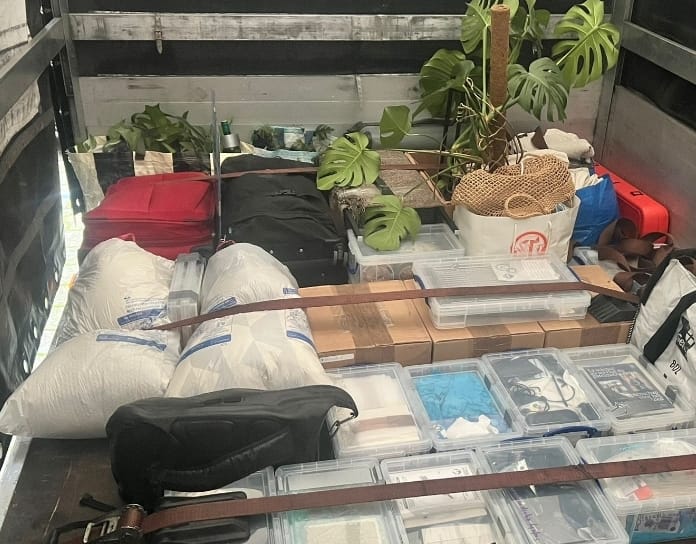
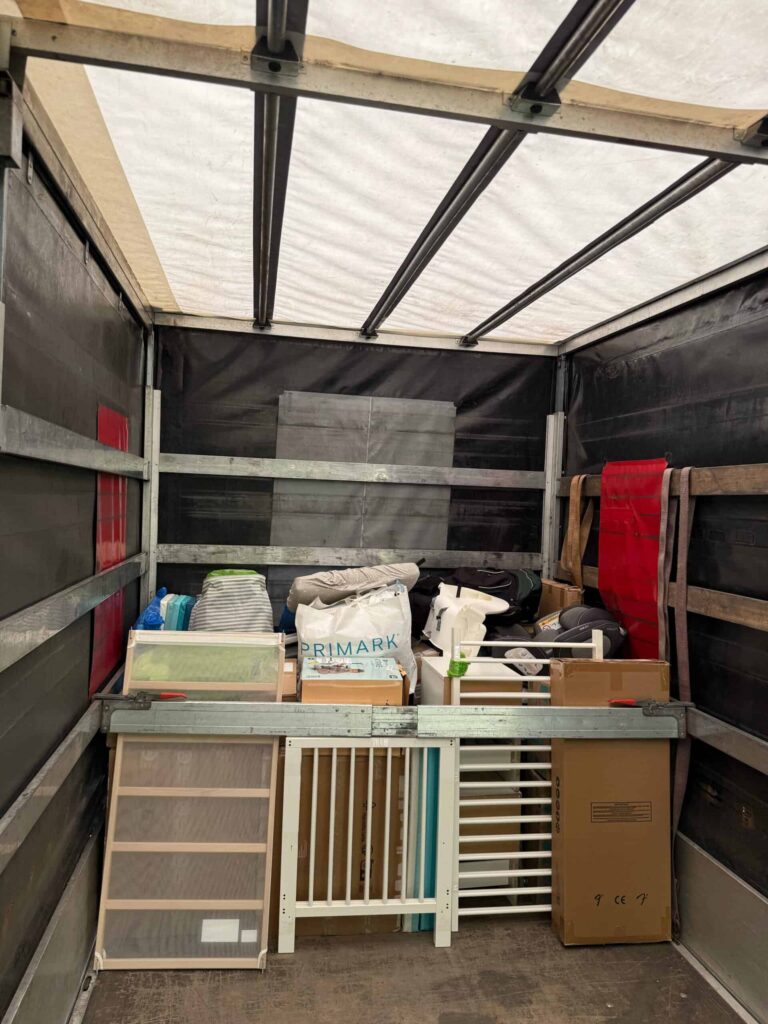
Moving day playbook
Moving day is not about rushing. It is about flow. When you are moving from Germany to France, a clean moving day plan protects your items, your time, and your energy.
The night before, do this reset:
- Put documents, keys, meds, and chargers in your essentials bag.
- Clear hallways and doorways for a straight carry path.
- Mark a do not load corner for personal items and valuables.
Loading order and damage prevention
A smart loading order is the backbone of a safe moving from Germany to France day.
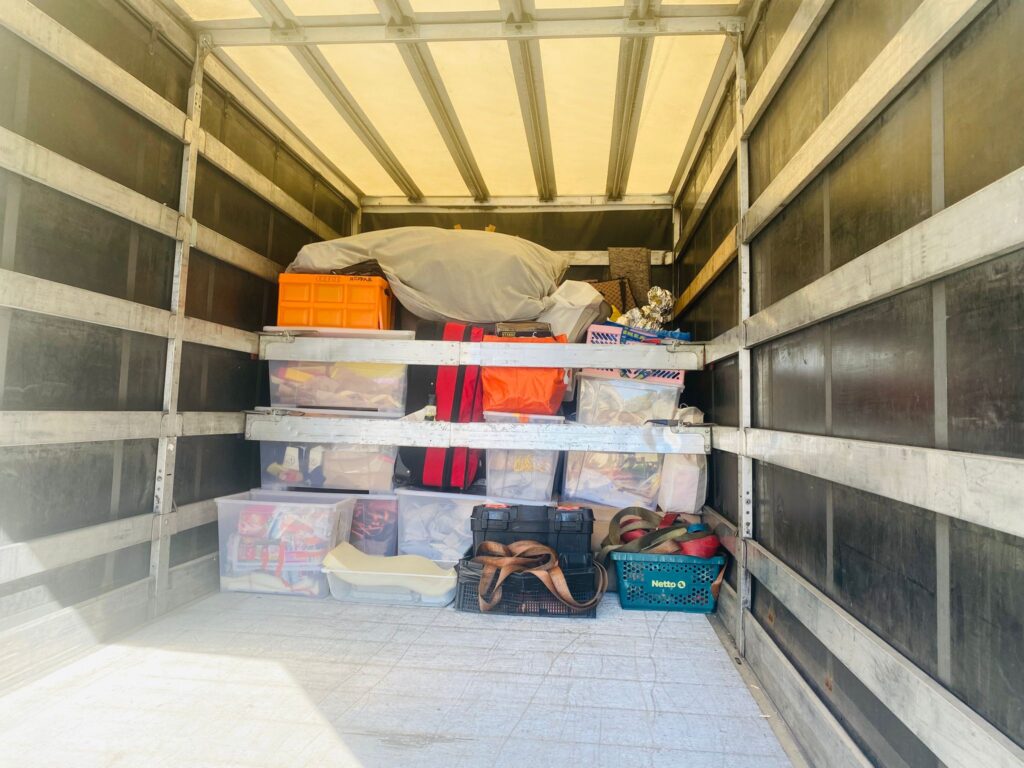
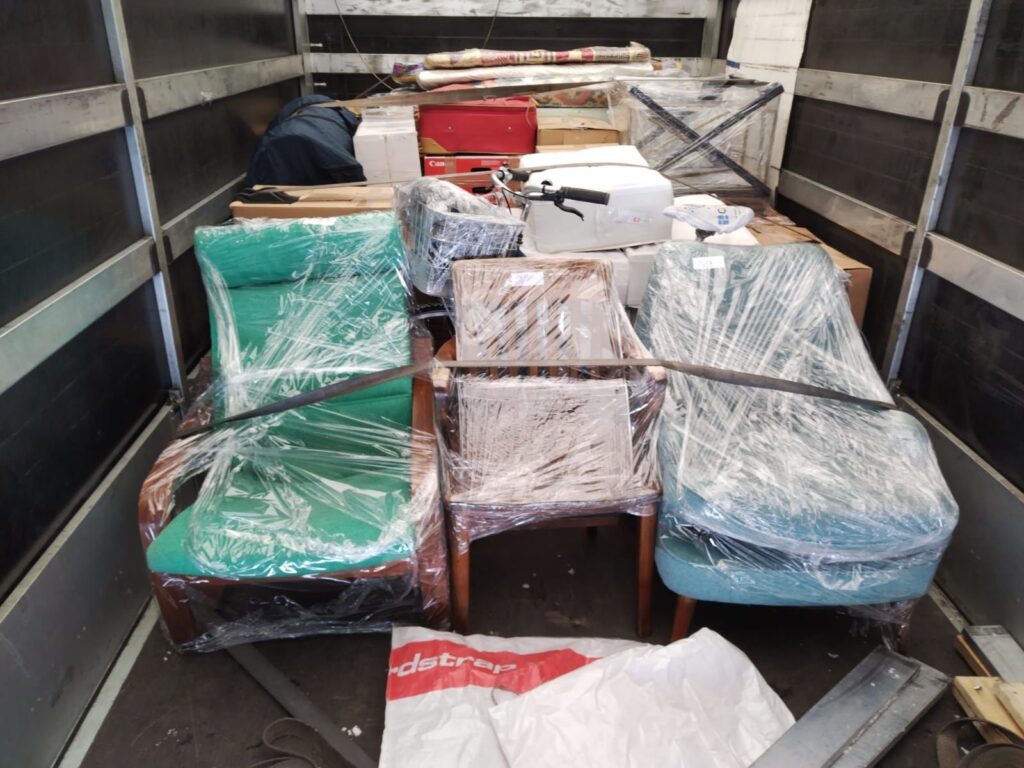
A strong man and van loading sequence:
- Heavy items first, tight against the bulkhead
- Medium items next, padded and strapped
- Fragile items secured last, with no empty gaps
- Essentials last so they unload first
If you have flat pack furniture, tape screws and tools to the item in a labeled pouch.
Photos, inventory, and handover checklist
Do this in 10 minutes and your move becomes calmer.
- Photograph high value items before loading.
- Count boxes and write the number down.
- Note existing scratches on furniture.
Use a simple handover checklist for moving from Germany to France:
| Before you leave | Why it matters |
|---|---|
| meter readings photo | prevents billing surprises |
| keys and documents in your bag | avoids the worst delay |
| windows closed, fridge defrosted | protects deposit and appliances |
| final room walk through | finds forgotten items |
GPS tracking and ETA coordination
VANonsite provides GPS tracking for every load. During moving from Germany to France, that means you can coordinate your arrival like a pro.
GPS tracking helps you:
- share a realistic ETA with your key holder
- align parking and elevator access windows
- reduce waiting time at delivery
A practical win: when keys, parking, and delivery timing align, unloading friction often drops by 20 to 30%.
Arrival in France and the first week setup
The first week after moving from Germany to France decides how quickly your new place feels like home. Keep it simple, keep it steady, and do one meaningful task per day.
Healthcare and admin essentials
Start with the basics that protect your peace of mind.
Health system guidance and steps:
https://www.ameli.fr/
For moving from Germany to France, prepare a small admin pack you can reuse all week:
- passport or national ID
- proof of address in France
- work contract or school letter
- insurance documents and any existing EHIC info
Family support and benefits
If you move with children or you plan to settle long term, learn the support options early.
Family benefits and support info:
https://www.caf.fr/
Utilities, internet, local SIM
Utilities are where comfort returns.
In the first 72 hours after moving from Germany to France:
- Electricity and hot water
- Internet appointment or activation
- Local SIM so everything works, banking, maps, deliveries
A practical tip: put your new address into delivery apps and your phone map on day one.
Unpacking strategy for a calm first night
Unpack for comfort, not completeness. After moving from Germany to France, your brain needs a win.
Unpack in this order:
- bed and bedding
- bathroom essentials
- a small kitchen setup: kettle, mugs, plates, one pan
- chargers and a clean corner for documents
Costs and budgeting for moving from Germany to France
Costs depend on distance, access, volume, and service level. The fastest way to control cost in moving from Germany to France is to control volume and access.
The 5 biggest price drivers
- Distance and route logistics
- Vehicle tier and payload needs
- Service level: man and van, full removals, packing
- Access complexity: stairs, elevators, long carry distances
- Timing: peak dates and last minute demand
A helpful rule: city center access can add 25 to 40% more time compared to easy suburban access.
How volume changes cost
Volume decides vehicle tier. Vehicle tier decides the structure of your move.
Small changes create big savings during moving from Germany to France:
- Reduce volume by 10% and you often reduce the quote meaningfully.
- Selling 8 to 12 bulky items can drop you one vehicle tier.
If you are on the edge between two sizes, the bigger tier often saves time and prevents a second trip.
Where upgrades pay off (packing, white glove)
Some upgrades are not luxury. They are protection.
Professional packing pays off when:
- you are short on time
- you have lots of glass, dishes, or electronics
- you want fewer breakages and faster loading
White Glove Delivery pays off when:
- you have premium furniture, art, antiques, or fragile valuables
- you want careful carry, extra protection, and calmer placement
Budget levers that reduce cost without risk
Use levers that do not sacrifice safety.
- declutter first, bulky items are the fastest win
- reserve parking or reduce carry distance
- label boxes clearly to speed unloading
- choose a 2 to 3 day date window if possible
- group boxes by room near the exit before loading
Add a simple buffer of 10 to 15% to your budget for small surprises.
FAQs about moving from Germany to France
How early should I book
For a smooth experience, book 4 to 6 weeks ahead. For peak dates, aim for 8 weeks. If you need pickup within 24 to 72 hours, Last Minute Moving can still support moving from Germany to France, but availability is tighter.
Is man and van enough
A man and van move is ideal for smaller loads, student moves, and compact apartments. If you have wardrobes, appliances, and many boxes, full removals often saves time and reduces risk.
What if I am unsure about vehicle size
Make an inventory, estimate boxes, then add a 10 to 15% buffer. If you are between tiers, choose the larger one.
Can I track my shipment
Yes. VANonsite provides GPS tracking for every load. During moving from Germany to France, GPS tracking helps you coordinate keys, parking, and arrival windows without guessing.
What about fragile furniture and art
Use a dedicated fragile zone, never mix fragile items with heavy books, and fill empty space so items cannot shift. For premium items, White Glove Delivery adds extra protection and careful handling.
Summary
Moving from one country to another is easiest when you treat it like a sequence, not a storm. Start with a clear timeline, then lock in three essentials early: your move date window, a realistic inventory, and building access details at both ends. Those choices shape everything that follows in moving from Germany to France, from pricing to speed on the day.
Next, choose the right service level. A flexible man and van move fits compact relocations and quick turnarounds, while full removals makes sense for households with bulky furniture, appliances, and fragile pieces. If you own premium items, White Glove Delivery adds calmer handling and lower damage risk. Match your volume to the correct vehicle tier and add a 10 to 15% buffer so your load fits without last minute stress.
Keep admin simple but serious. Use official portals, build one document folder you carry with you, and keep scanned backups on your phone and in the cloud. Pack room by room, label boxes on two sides, protect fragile items in a dedicated zone, and keep an essentials bag out of the load for the first 48 hours.
On moving day, follow a clean loading order, take quick photos of high value items, and use GPS tracking to coordinate keys, parking, and arrival timing. With a calm first week plan in France, you settle faster and your new home starts feeling like home.
Get a quote and book your date
If you are moving from Germany to France and you want speed, safety, and calm certainty, get your plan started here:
https://vanonsite.com/removals-to-france/
A smart way to get a fast quote: share your pickup and delivery cities, your estimated volume, and your access details. Then you can lock a date and move with confidence.